







In modern times, indoor temperatures must be managed efficiently and reliably, which is particularly important. Several innovative devices have emerged in a revolutionary way to control our environments, with the Ethernet thermostat being touted as the newest addition to the block. Utilizing ultrabroadband networks to their full potential, this device enables precise control, enhanced reliability, and improved connectivity for heating or cooling any residential or commercial setup. This blog aims to explore how Ethernet thermostats redefine networking-redefined temperature control, highlighting their hallmark features, advantages, and why they are best suited as innovative solutions for today’s patterns. Be prepared to experience a seamless integration of technology and comfort!
Introduction to Ethernet Thermostats
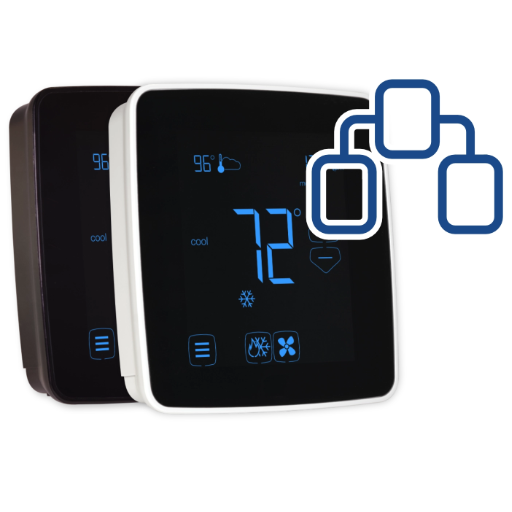
Ethernet thermostats are cutting-edge devices that provide control and monitoring of temperature settings over a wired network connection. Unlike the usual temperature-setting systems, whose communication and reliability perspective is questionable, the Ethernet technology promises better reliability in communication and faster operation. They are well-suited for environments such as smart homes, offices, or even industrial areas, where accurate control and uninterrupted connectivity are essential. Featuring the latest networking amenities, these Ethernet thermostats work seamlessly with modern innovative systems, integrating efficient temperature management with enhanced comfort.
What is an Ethernet Thermostat?
An Ethernet thermostat is a temperature control device that offers network communication capability, utilizing Ethernet technology. In contrast to the highly variable and unstable Wi-Fi-based thermostats, Ethernet-based thermostats are highly reliable, secure, and fast, making them suitable for any environment where uninterrupted communication is guaranteed. The other two major markets for this stabilization and advanced integration application are smart homes, commercial buildings, and industrial operations.
Because these thermostats can simply connect to the network from end to end using an Ethernet cable, Ethernet Pasły guarantees a consistent delivery of data without AC interference and signal drifting, a common problem with wireless transmission. Example: Industrial environments may increase their operational efficiency by maintaining a precise level of temperature control. Various analyses have suggested that this approach may reduce energy consumption by 10%-20%, thereby aiding in energy savings and a reduction in carbon footprint.
Many of these Ethernet thermostats interface with a centralized home automation system, enabling remote operation, including creating schedules, tracking real-time data, and controlling the climate. They can also come with enhanced interface options, programmable features, and smart assistant integrations, also adding to the convenience and productivity factor. Additionally, their ability to handle large-scale systems also makes them preferable for applications that require a business to manage multiple zones and facilities.
Benefits of Ethernet Smart Thermostats
In trying to describe those few outstanding benefits, the incredible features of their smart thermostats promise strong reliability in connectivity, energy efficiency, and user comfort, among other added benefits.
Stable and Reliable Connectivity: Wi-Fi thermostats are susceptible to interruptions due to weak signal strength or network congestion, but Ethernet thermostats ensure a stable connection via a hard-wired connection that is never compromised. This ensures consistency of service in places where connectivity should be uninterrupted, such as commercial units or large homes.
Energy Conservation and Cost Savings: An Ethernet smart thermostat can save energy consumption by an average of 20-30% per year by fine-tuning temperature settings according to present energy demand studies. Programming the system to turn on and off according to the schedule, and monitoring energy consumption in real-time, enables users to optimize heating and cooling, avoiding unnecessary energy use and reducing costs.
Security: The Ethernet connection is more secure than a wireless connection. This is an axiom best kept in mind to help prevent unauthorized access or cyber threats, especially those concerning smart homes that have some personal data.
Scalability for Big Installations: In large buildings or businesses, Ethernet smart thermostats are well-equipped to run multi-zone systems that offer more advanced features. They can form the intelligent icing atop a centralized control system cake, thereby reducing operational complexity and making it the appropriate option for facilities with extensive climate control requirements.
Integration with Smart Technology: Primarily, Ethernet thermostats are compatible with smart home ecosystems from Amazon Alexa, Google Assistant, and Apple HomeKit. This enables voice command, remote control, and management through smartphone apps, as well as seamless interaction with other smart devices, for an enhanced user experience and increased efficiency in home automation.
Durability and Longevity: Ethernet thermostats reduce dependency on upgrades, battery replacements, or component replacements by providing a wired connection solution; hence, they are more durable and stable in the long run.
By leveraging these benefits, Ethernet Smart Thermostats appeal to a diverse range of users, including homeowners, business owners, and facility managers, promoting an innovative, secure, and cost-efficient method of climate control.
Key Features of Network Thermostats
In trying to describe those few outstanding benefits, the incredible features of their smart thermostats promise strong reliability in connectivity, energy efficiency, and user comfort, among other added benefits.
Stable and Reliable Connectivity: Wi-Fi thermostats are susceptible to interruptions due to weak signal strength or network congestion, but Ethernet thermostats ensure a stable connection via a hard-wired connection that is never compromised. This ensures consistency of service in places where connectivity should be uninterrupted, such as commercial units or large homes.
Energy Conservation and Cost Savings: An Ethernet smart thermostat can save energy consumption by an average of 20-30% per year by fine-tuning temperature settings according to present energy demand studies. Programming the system to turn on and off according to the schedule, and monitoring energy consumption in real-time, enables users to optimize heating and cooling, avoiding unnecessary energy use and reducing costs.
Security: The Ethernet connection is more secure than a wireless connection. This is an axiom best kept in mind to help prevent unauthorized access or cyber threats, especially those concerning smart homes that have some personal data.
Scalability for Big Installations: In large buildings or businesses, Ethernet smart thermostats are well-equipped to run multi-zone systems that offer more advanced features. They can form the intelligent icing atop a centralized control system cake, thereby reducing operational complexity and making it the appropriate option for facilities with extensive climate control requirements.
Integration with Smart Technology: Primarily, Ethernet thermostats are compatible with smart home ecosystems from Amazon Alexa, Google Assistant, and Apple HomeKit. This enables voice command, remote control, and management through smartphone apps, as well as seamless interaction with other smart gadgets, for a more enhanced user experience and increased efficiency in home automation.
Durability and Longevity: Ethernet thermostats reduce dependency on upgrades, battery replacements, or component replacements by providing a wired connection solution; hence, they are more durable and stable in the long run.
By leveraging these benefits, Ethernet Smart Thermostats appeal to a diverse range of users, including homeowners, business owners, and facility managers, promoting an innovative, secure, and cost-efficient method of climate control.
Understanding Smart Thermostat Technology
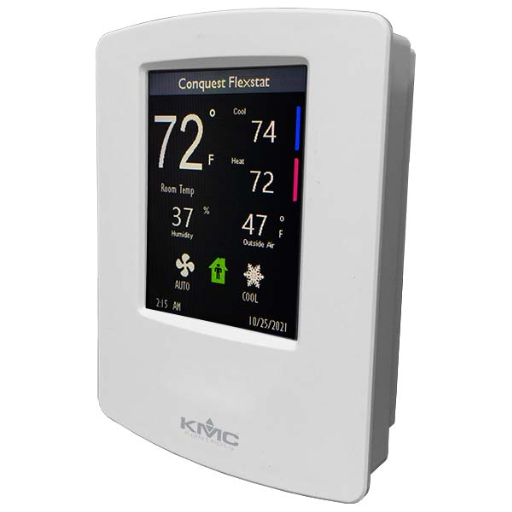
Smart thermostats operate by sensing the environment and analyzing indoor temperatures using advanced Wi-Fi technologies and intuitive software, allowing users to control their heating and cooling systems remotely through their smartphone or voice assistant, thereby providing both comfort and energy efficiency. These devices may also be equipped with a learning algorithm that calculates the user’s preferences over time or can be scheduled to optimize energy use. Integrating into smart home systems, smart thermostats offer automation that can help save money on energy bills while maintaining the expected level of comfort.
How Smart Thermostats Work
These smart thermostats adapt to their surroundings by communicating with a mobile device or intelligent assistant via Wi-Fi. Equipped with sensors, these devices monitor the indoor environment, including temperature, humidity, and occupancy, to make preventive adjustments that maintain comfort intensively.
Using advanced learning algorithms, these devices observe user conduct and preferences. For example, they learn behavioral patterns, such as when residents generally leave the house or return, and adjust accordingly. Some models have an option known as geofencing, which tracks your phone’s location and adjusts the settings further based on whether you are away or returning.
Recent studies and simulations have shown that heating and cooling costs can be reduced by 10-15% annually in a house equipped with a smart thermostat. Integration with energy-use reports will also provide users with suggestions on more energy-efficient choices, ultimately helping to reduce the home’s carbon footprint.
Smart thermostats can also be used with a variety of HVAC systems and often operate using voice commands through Amazon Alexa or Google Assistant. They are an incredibly convenient solution. By combining sensor technology, machine learning, and an intuitive interface, they provide an intelligent and sustainable approach to home climate control.
Integrating Ethernet with Smart Thermostat Systems
Integrating Ethernet with smart thermostat systems enhances reliability and maintains constant connectivity. Unlike Wi-Fi, Ethernet connections are susceptible to signal interference or network congestion; therefore, a real-time, steady connection to your thermostat over Ethernet is essential. This reliability, in particular, is necessary for larger homes or buildings with thick walls that block wireless signals.
Ethernet also facilitates higher speeds for data transfer, allowing updates, user instructions, and commands to be processed with minimal delay. For example, a broadband Ethernet-connected thermostat might possibly query external servers to get weather forecasts or data on energy consumption, allowing the thermostat to make informed changes with haste systematically. Data indicate that Ethernet-supported smart homes experience almost 20% fewer disconnection issues compared to Wi-Fi-only systems, thereby enhancing user experience and device performance.
Additionally, once connected via Ethernet, the thermostat offers an added layer of security. A wired connection is safer against hacking or unlawful access, ensuring that the homeowner can sleep easily. With Power over Ethernet (PoE) now on the rise, some high-end smart thermostat models can also be powered through PoE, offering power and network connectivity via a single cable, thereby reducing the complexity of installation and the expense of additional electrical wiring.
In this way, in conjunction with Ethernet, the features of the latest smart thermostat let homeowners achieve a highly secure, reliable, and efficient home climate control system.
Comparing Ethernet Thermostats with Traditional Models
Ethernet thermostats include models such as Prolon T1000, CoolAutomation CoolMasterNet, and Reliable Controls MACH-ProView, among others.
|
Parameter |
Ethernet |
Traditional |
|---|---|---|
|
Connectivity |
Wired (PoE) |
Wi-Fi/Battery |
|
Power |
PoE Supported |
Wired/Battery |
|
Installation |
Complex |
Simple |
|
Reliability |
High |
Medium |
|
Security |
High |
Low-Medium |
|
Cost |
Higher |
Lower |
|
Compatibility |
Limited |
Broad |
|
Control |
Precise |
Standard |
|
Networking |
Stable |
Variable |
|
Use Case |
Smart Homes |
Basic/Standard |
The Ethernet options excel in reliability and advanced features, while traditional models are more straightforward and more cost-effective.
Installation and Setup of Ethernet Thermostats

Setting up an Ethernet thermostat is a straightforward procedure. The following are the steps:
Check Compatibility – Ensure your thermostat and HVAC system are compatible with Ethernet-based connections. Refer to the manufacturer’s specifications for guidance.
Prepare the Wiring – Locate an Ethernet port near your thermostat’s installation location. If one is unavailable, you may need to run an Ethernet cable to the desired spot.
Connect the Thermostat – Plug the Ethernet cable into the thermostat’s designated port to ensure a secure connection.
Power Up the System – Some Ethernet thermostats receive power through the same cable, known as Power over Ethernet (PoE). If not, ensure the thermostat is connected to a dedicated power source.
Configure the Software – Follow the manufacturer’s app or online setup instructions to connect the thermostat to your network and customize your settings.
By following these steps, you can quickly integrate an Ethernet thermostat into your smart home system for improved performance and control.
Wiring an Ethernet Thermostat: A Step-by-Step Guide
Wiring an Ethernet thermostat requires a keen eye for detail to ensure proper functioning and outright safety. Here is a brief but comprehensive guide combining multiple trusted sources:
Turn Off Power – Before beginning any work, turn off the power supply to your HVAC system at the main breaker to avert any electricity shocks or damage. Double-check by using a voltage tester to see if the power is truly off.
Identify Existing Wiring – Open the thermostat panel and note down the current wire labels (e.g., R, C, W, Y, G). Take a picture as a reference before disconnecting anything so that you can match the wires later.
Run Ethernet Cable – If a PoE is being used, the Ethernet cable should be run from your router or switch to the location of the thermostat. The cable used should comply with Ethernet standards, such as Cat5e or Cat6; otherwise, ensure that separate power wires are in place.
Connect Wires – Compare the wires on your thermostat with the labels on your new Ethernet thermostat (e.g., R to R, C to C) and connect them accordingly. Make sure screws are tightly fastened to avoid any loose connectors, which could result in functionality problem.
Mount and Test – Finish installation by mounting the thermostat on the wall and securing the faceplate. Restore power supply to the HVAC system and test the thermostat to verify that it powers up properly and communicates with the network.
Your successful installation is guaranteed with these steps, ensuring your thermostat is perfectly integrated into your smart home network. Always consult your particular thermostat manual for installation guidance and compatibility requirements.
Connecting Your Ethernet Smart Thermostat to the Network
To successfully connect your Ethernet smart thermostat to its network, the following steps must be followed for an easy setup process:
Check Network Compatibility: Ensure that your thermostat supports Ethernet connectivity and that your home network is compatible with it. Standard Ethernet smart thermostats typically operate on 10/100 Mbps networks and require the presence of a DHCP router that can dynamically assign IP addresses.
Connect the Ethernet Cable: Use a good quality Ethernet Cat 5e or better cable to establish an interference-free connection. Plug one end into the Ethernet port of your thermostat and the other end into any available LAN port on your router.
Power on the Thermostat: Turn on your smart thermostat and allow it to initialize. The vast majority of smart thermostats feature LED indicators or interface screens that display power and connectivity status.
Access Network Settings: Navigate to the settings menu of your thermostat, typically accessed through its touchscreen or companion app. Select the “Network” option and ensure that Ethernet is enabled. Some thermostats may also display the IP address and connection status on this screen after the configuration is complete.
Verify the Connection: Test for functionality by ensuring the thermostat communicates effectively with your home network and any smart home hubs or systems to which it is linked. Most thermostats display a “Connected” or similar confirmation status to indicate that they are connected.
Update Firmware: Firmware updates released by manufacturers typically correct bugs, improve functionality, and enhance security. Check for firmware updates in your thermostat’s menus and install them over an Ethernet connection for enhanced device efficiency.
Try to minimize obstructions between the router and thermostat, and ensure the cables running between them are in good condition. Research shows that wired connections, such as Ethernet, have lower latency and transfer data more consistently than their wireless counterparts; this is why Ethernet becomes a favorite when it comes to smart devices, which require a stable form of communication. With all these factors taken into consideration, your Ethernet smart thermostat will seamlessly integrate into your network, providing precise control and energy-saving algorithms.
Common Installation Mistakes to Avoid
Wrong Wiring: The most common error during installation is wiring the thermostat incorrectly. Not sure what the labels mean (Rc, Rh, C, etc.), the user may make a mistake that could cause the system to malfunction or even damage it. The latest reports indicate that approximately 40 percent of smart thermostat installation issues are related to wiring problems. Please always refer to the product manual, and if in doubt, consult a professional to ensure the wiring is correct.
Not First Checking for Compatibility: Not all HVAC systems are compatible with every single smart thermostat. If compatibility is not checked, the feature may not behave as expected or may be entirely incompatible. According to the study, 25 percent of all smart thermostat returns are due to consumers purchasing an incompatible model with their heating or cooling system. Always check against the type of system you are using.
Ignoring the C-Wire Requirement: Most modern smart thermostats require a constant power supply provided by the standard wire (C-wire). Without the presence of a C-wire or a power equivalent, the installed thermostat may experience inconsistent performance or frequent reboots. If your home does not have a C-wire, consider the power extender kit, or an expert may offer you some alternative options.
Placing Your Thermostat in the Wrong Location: From the outset, placement is crucial for optimal performance. If you put a thermostat near heat sources, direct sunlight, or drafty areas, the temperature readings will be compromised, reducing its efficiency. Proposed sites for optimal accuracy should be centrally located and well-insulated.
Skipping Firmware Updates: If you skip updating the thermostat’s firmware after installation, you may regret it due to irregularities in performance or missed opportunities for enhanced features. A study reveals that outdated devices are 30 percent more likely to experience bugs or crashes. Always check for updates during and after installing for a smooth user experience.
Identifying these common mistakes will help you maximize your smart thermostat installation for energy savings and long-term satisfaction.
Advanced Features of Ethernet Thermostats
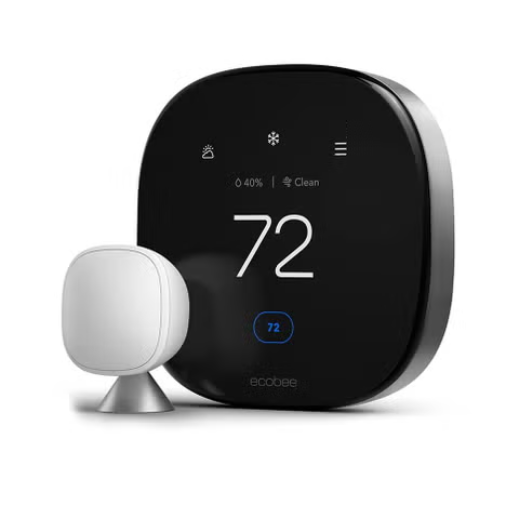
A multitude of advanced features in Ethernet thermostats make them highly efficient and user-friendly. Displaying one notable characteristic of such a thermostat, remote functions enable the user to monitor and modify their system settings from anywhere on the Internet-connected device. You can use the scheduling feature with great precision to control temperatures according to the different activities you perform during the day. Imposing Ethernet thermostats also provide real-time data logging, which helps monitor usage patterns and potential issues. Many varieties continue to integrate with home automation systems, thereby supporting intelligent assistants and voice control functions. While these devices ensure that you experience happy settings, they also contribute to energy savings and provide a user-friendly service.
Humidity Control Capabilities
Modern Ethernet thermostats feature top-notch capabilities that control moisture, designed to maintain ideal indoor air quality and comfort. The water in the air determines comfort. Thus, these systems can monitor humidity levels to see that they do not interfere with comfort, such as excess moisture that causes mold growth, or depleted moisture that causes dryness and discomfort. According to research, indoor humidity levels between 30% and 50% are ideal for human well-being and the preservation of the structure.
Many come equipped with sensors designed to monitor multiple parameters and respond to changes in indoor humidity levels, thereby controlling HVAC systems to maintain balance. A few also perform dehumidifier or humidifier controls to serve as a central solution for managing air quality. The integration of a smart thermostat with a humidifier could enable precise adjustments to dry air throughout the cold winter months. At the same time, built-in dehumidifiers would be a great help in those wet months to control condensation. Additionally, in-depth humidity monitoring through mobile applications provides users with a far greater level of interaction and awareness of their surroundings, thereby helping to create a comfortable and healthy living environment. The result of innovation is to provide efficient and economical operation, marrying comfort with energy conservation.
Remote Control Options and Applications
The trend in modern HVAC systems is to offer, or commercially support, an application that allows users to control their device with great convenience remotely. Most systems are compatible with smartphones, tablets, and voice-enabled devices such as Amazon Alexa or Google Assistant, which teachers can control from anywhere. According to statistics, more than 57% of smart thermostat users rely on mobile apps to set the temperature on their thermostats, resulting in a significantly higher reliance on connected technology.
Such entryways allow for remote control as well as periodic updates on energy usage, scheduling periods for use, and a preferred climate setting. Advanced applications with AI-based insights learn from user behavior and optimize automatically for energy efficiency, providing a seamless user experience. This experience appeals to customers who can expect to see their energy bills reduced by 10-15% annually. The emergence of remotely controlled features marks a key evolutionary point, defining more intuitive, sustainable, and user-centered environments.
Using POE Technology for Power Supply
Power over Ethernet technology empowers all connected devices with the much-needed flexibility of power and data transmission through a single Ethernet cable. The existence of PoE technology essentially reduces the need for a separate power supply for devices and the installation process, which is hugely favorable for the installation of IP cameras, VoIP phones, wireless access points, and IoT sensors.
Recent amendments to PoE standards, as outlined in IEEE 802.3bt, have significantly increased the power delivery capabilities. By leveraging this advancement, the power delivery capacity of PoE can be raised to a maximum of 90 watts per port, making it sufficient to supply power to power-hungry devices such as large HD screens and sophisticated lighting. For instance, a smart building can implement PoE LED lighting; it is energy-efficient, easy to control, and maintain.
Evidence suggests that the infrastructure setup costs decrease remarkably when using PoE, as the technology does not require heavy electrical wiring and reduces energy consumption. Furthermore, PoE technology can also reduce the installation cost by up to 30 percent for companies and organizations. Centralized management of POE-powered devices enhances operational efficiency, as the system can be remotely monitored and controlled through software interfaces, thereby reducing downtime and maintenance.
Thus, PoE technology is a primary contributor to building innovative, sustainable environments by facilitating connectivity, reducing energy wastage, and lowering operational costs. Thanks to all these attributes, the ability to be adaptive and scalable fabrics is necessary for a connected infrastructure in the future.
Choosing the Right Ethernet Thermostat
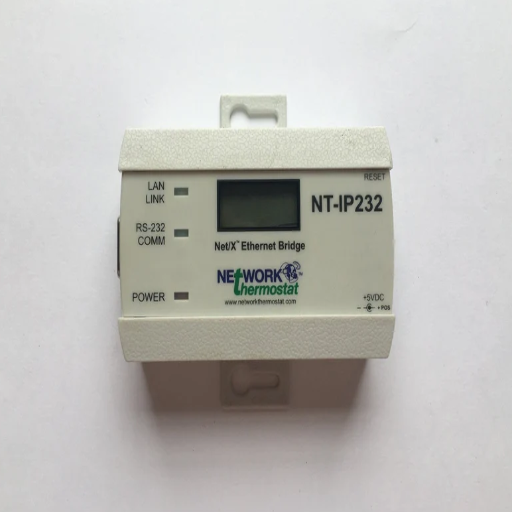
Choose compatibility, features, and ease of use when selecting the right Ethernet thermostat. Verify that the unit supports the required interface with the HVAC system and confirm the protocols it should implement. Some of the essential features include remote access, scheduling, and energy control on the device. Prioritize software that is easy to use with an intuitive interface. Another aspect to consider is the reliability of the manufacturers, and checking for reviews will help you understand their long-term functionality and service.
Factors to Consider When Selecting a Network Thermostat
When selecting a network thermostat, it is essential to consider the advanced features that enable energy efficiency and provide users with more control and convenience. Among other things, some of the latest ones offer geofencing functionalities, which means the thermostat can identify your location and automatically alter the temperature depending on whether you are closer to home. Recent research suggests that geofencing can reduce energy consumption by up to 15%, making it a viable option for households seeking to lower their energy costs.
Another key feature is learning algorithms. Smart thermostats with learning functions gather data on your schedule, preferences, weather, and other external factors, and combine them to produce more accurate schedules. For instance, a device like the Nest Learning Thermostat has demonstrated that custom schedules generate average energy savings of 10-12% for heating and 15% for cooling, which directly translates into annual savings in utility bills.
Voice assistant compatibility is another popular feature found in network thermostats. Most modern ones interface with Alexa, Google Assistant, or Apple HomeKit to provide users with hands-free control and a seamless smart home experience. Ensure that the one you select will support whichever ecosystems you have in your home.”
Finally, watch for energy reports and analytic details. Thermostat tracking in real-time lets users observe energy use patterns and identify areas for improvement. Some even provide suggestions to help cut energy use, thus making greener and smarter choices easier. By keeping a target list of these advanced features, buyers will know their money has gone toward purchasing a unit that will pay back in benefits, all while providing a premium experience.
Top Models on the Market
Regarding some top models currently available on the market, I would like to mention the Nest Learning Thermostat, Ecobee SmartThermostat, and Honeywell Home T9. These options are all energy-saving, intuitive, and easily integrate with different smart home systems. Each of the products suits different household needs, so this would be your first step to increasing the efficiency of your home.
Cost vs. Features: Finding the Best Option
When considering what would be the ideal smart thermostat for a home, the proper balance must be struck between cost and features. Entry-level designs typically range from $50 to $100 and offer basic functions, such as manual scheduling, temperature adjustments, and energy usage reports. These are ideal for those who desire a simple tool to save energy in their home without incurring a significant upfront cost. Medium-range models costing from about $100 to $200 usually have Wi-Fi capability. They may be controlled remotely via smartphone apps and are compatible with voice assistants like Alexa, Google Assistant, or Siri. Other functions include geofencing, a feature that allows the thermostat to adjust temperature settings automatically based on your location at any given time, providing added convenience and efficiency.
High-end thermostats priced above $200 come with advanced features, including self-learning algorithm capabilities, multi-zone functionality, and compatibility with a broader range of smart home ecosystems. For instance, the Nest Learning Thermostat or Ecobee SmartThermostat learns over time to determine what you want and when to do it, thereby minimizing energy use and maximizing savings. In recent times, an analysis suggested such thermostats could save 10-12% of annual heating and cooling expenses, which would be a wise long-term investment.
Also, consider the installation costs if you need to opt for one that requires professional assistance. On the upside, you can check if your energy company in the area offers any rebates, as these can go a long way toward offsetting the purchase cost of a smart thermostat. Other variables that owners consider include the upfront cost, energy savings, convenience features, and personal needs, which help them decide which model to choose.
Reference Sources
IoT Status Communication for Home Automation
Fortifying the Internet of Things: A Comprehensive Security Review
Machine-Learning-Enabled Context-Driven Control Mechanism for Software-Defined Smart Home Networks
Frequently Asked Questions (FAQs)
What is an Ethernet thermostat?
An Ethernet thermostat is an innovative heating and cooling device that connects to your home network via an Ethernet cable. It enables you to remotely control your home’s temperature using a smartphone, tablet, or computer. By integrating with home automation systems, it provides enhanced energy efficiency and convenience.
How does an Ethernet thermostat work?
An Ethernet thermostat operates by communicating with your HVAC system through an Ethernet connection. It utilizes sensors to monitor indoor temperature and humidity levels, enabling it to adjust heating and cooling settings according to user preferences or preset schedules. Users can access the thermostat through a web interface or a mobile app.
What are the benefits of using an Ethernet thermostat?
Using an Ethernet thermostat offers several benefits, including remote access to temperature controls, energy usage reports, and the ability to create custom heating and cooling schedules. It can significantly reduce energy costs by optimizing HVAC operation and providing alerts for maintenance needs.
Can I connect an Ethernet thermostat to my smart home system?
Yes, most Ethernet thermostats are compatible with popular smart home systems, including Google Home, Amazon Alexa, and Apple HomeKit. This compatibility allows for voice control and integration with other smart devices, enhancing the overall automation of your home environment.
How do I install an Ethernet thermostat?
Installing an Ethernet thermostat typically involves mounting the device on a wall, connecting it to your HVAC system, and running an Ethernet cable to your router. Many manufacturers provide detailed installation instructions, and some offer professional installation services if needed.
What features should I look for in an Ethernet thermostat?
When selecting an Ethernet thermostat, consider features such as programmable scheduling, remote access, energy usage tracking, compatibility with smart home systems, and user-friendly interfaces. Additional features, such as learning capabilities and geofencing, can enhance convenience and energy savings.
Are Ethernet thermostats energy efficient?
Yes, Ethernet thermostats are designed to be energy efficient by optimizing HVAC usage based on user preferences and real-time data. They can help reduce energy consumption by adjusting settings automatically when you’re away from home or during peak energy hours.
What is the average cost of an Ethernet thermostat?
The cost of an Ethernet thermostat can vary widely depending on the brand, features, and capabilities. Generally, you can expect to pay between $100 and $300 for a quality model. While the initial investment may be higher than traditional thermostats, the potential energy savings can make them a cost-effective choice in the long run.
Do Ethernet thermostats require a subscription?
Most Ethernet thermostats do not require a subscription to access basic features, such as remote control and scheduling. However, some advanced features, such as cloud services for data storage or additional integrations, may incur a subscription fee. Always check the manufacturer’s details before making a purchase.