








什麼是 GFI?
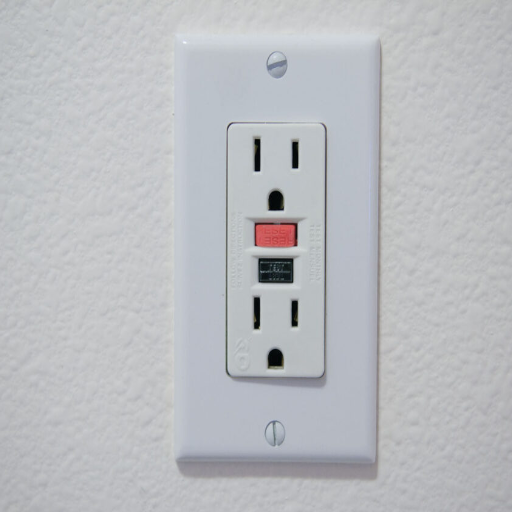
接地故障中斷器(GFI)是一種旨在保護生命的設備,在檢測到任何接地故障後立即停止電流流動。當電流採取意外路徑(例如通過水或人)時,就會發生接地故障。 GFI 主要位於濕度較高的區域,例如浴室、廚房和室外空間,保護人們免受水和電造成的事故。它們為電力系統提供額外的保護,有時某些區域的建築規範要求它們。.
定義和功能
接地故障中斷器 (GFI) 監控電路中流動的電流量,如果偵測到 4 至 6 毫安培的不平衡(通常是由電流洩漏到地面引起的),則會在毫秒內中斷該電流。這種水平的上升可能會產生嚴重的衝擊或火災風險。現代設計的另一項發展包括整合一項功能,確保 GFI 始終保持自檢模式,從而始終保持其正常運作。.
安全影響
研究報告稱,GFI 顯著降低了住宅和商業環境中觸電的發生率 83% 減少, ,前提是它們安裝和使用正確。.
這些設備是確保電氣系統符合最新安全標準同時最大限度地減少危及生命的危險的重要組成部分。此外,更新的規範要求強制新建建築必須包括防篡改和防風雨的 GFI 插座,以便在各種環境中提供補充保護。.
GFI 插座的類型
存在不同類型的 GFI 插座,每種插座都提供針對各種應用量身定制的特定安全功能。了解多種類型可確保正確使用和遵守現代安全標準。.
標準 GFI 直銷店
這些是 GFI 插座使用最廣泛的類型,存在於住宅和商業建築中。它們通常安裝在浴室、廚房和洗衣房以及所有潮濕的地方。典型的 GFI 插座可監控電流並在檢測到不平衡後立即切斷電源,從而防止觸電。據國際電氣安全基金會 (ESFI) 稱,迄今為止,標準 GFI 插座自推出市場以來已使觸電次數幾乎減少了一半。.
防篡改 GFI 出口
防爆 GFI 插座可以抵抗透過插入異物(例如回形針或玩具)來篡改設備的企圖,這尤其在兒童在場的情況下具有優勢。這個地方包含內部百葉窗,只有正確插入插頭時才能打開,從而限制了觸電的可能性。.
耐候 GFI 出口
這些插頭鏈通常用於戶外環境條件;耐候底座具有很強的耐腐蝕、紫外線和極端溫度能力。對它們的要求在於在戶外、靠近游泳池、露台和甲板的地方使用。他們還利用 UL 標準來確保所有惡劣天氣條件下的安全。.
便攜式 GFI 插座
便攜式 GFI 插座為移動中的電動工具、延長線或電器提供保護。它們在建築工地、車間或任何可能未安裝永久 GFI 保護的臨時環境中派上用場。這些裝置插入標準插座並提供類似的救生功能,使其成為安全方面的良好解決方案。.
雙功能 GFI 插座
它們提供了兩個世界中的最佳選擇,透過 GFI 插座提供地面故障保護,並透過電弧故障電路斷路器 (AFCI) 提供電弧故障中斷保護。考慮可能導致電氣火災的電弧故障。這些插座對於遵守增強的安全標準的新建築至關重要。.
常見應用程式
GFI 插座通常用於電氣危險較普遍的區域,可提供增強的防觸電和防火保護。一些最常見的應用包括:
- 廚房: 由於水和各種電氣設備或器具的結合,廚房會增加電氣危險的風險。通常,建築規範要求要求在水槽附近以及使用攪拌機和烤麵包機等小型電器的檯面附近安裝 GFI 出口。因此,NEC 要求所有為檯面提供服務的廚房插座均提供 GFI 保護。.
- 浴室: 由於電源插座靠近水槽、淋浴和浴缸等水源,浴室是另一個高風險區域。浴室內安裝了 GFI 插座,以減少意外觸電的可能性。.
- 戶外設置: GFI 插座是戶外活動的必備品,因為雨水、濕氣和天氣條件會增加自身的風險。這些插座通常安裝在甲板、露台和外牆上,為工具、照明或聖誕裝飾品提供安全的電源。.
- 洗衣房: 對於洗衣機、烘乾機和公用水槽,洗衣區的濕度很高,這使得安裝 GFI 插座成為安全當務之急。現代規範強調這一點,以保護此類公用設施空間內的電氣操作。.
- 車庫和地下室: 通常是容易潮濕或容易受到環境因素(例如凝結或洪水)影響的區域。在車庫和地下室安裝 GFI 插座,不僅符合安全規範,還可以保護工具、電器和房主免受電氣危險。.
- 泳池、熱水浴缸和水療中心: 任何放置在水池或水療中心等水景附近的出口都應受到 GFCI 保護。這可確保泵浦、照明系統和任何電動機械部件在極端環境中的安全運作。.
對安全的影響
各電氣安全組織的統計數據表明,GFI 插座投入日常使用後,家庭用電造成的死亡人數大幅減少。國際電氣安全基金會 (ESFI) 報告稱,使用 GFI 插座和斷路器已導致 減少超過80% 自引入以來,在家庭觸電中。.
什麼是 GFCI?
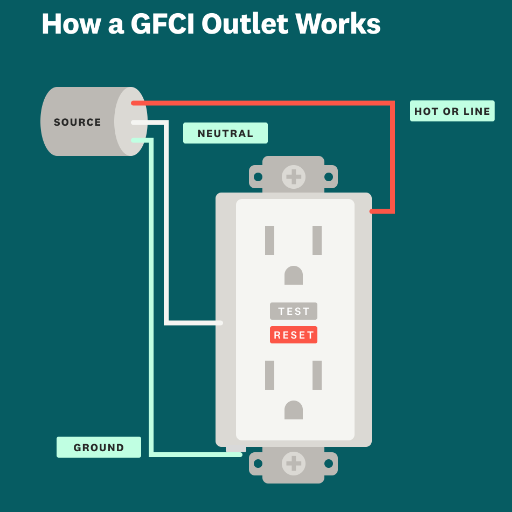
GFCI 的製造是為了防止人們觸電,由於電流不平衡,電力中斷幾乎是瞬時的反應。然而,DFP 會測量給定電路中的電流量,如果檢測到最小的差異,則會中斷電路,這表明存在接地故障。 GFCI 安裝在 WE 可能相互接觸的區域,例如浴室、廚房和室外插座,以降低觸電風險。.
定義和功能
為了讓 GFCI 跳閘,它必須測量通過熱線進入出口的電流,並將該電流與中性線上輸出的電流進行比較。在正常情況下,這兩個電流應該相等。如果洩漏電流(小至 4 至 6 毫安培)沿著不可預見的路徑到達地面(可能透過水或人),它們就會變得不平等。然後 GFCI 跳閘,在 0.025 秒內切斷電源,以防止嚴重傷害或火災。.
已被證明的有效性
現代科學研究表明,使用 GFCI 可以顯著減少電擊和燒傷事件,特別是在家庭環境中。一份關於住宅安全的報告發現,在安裝 GFCI 的家庭中,存在 70% 減少 與沒有電氣相關事件相比。.
此外,現代型號現在具有自我測試功能,以確保正常運作,因為 GFCI 可能會過時,從而加強它們在家庭和工作場所電氣安全中發揮的關鍵作用。.
GFCI 插座的類型
一般來說,住宅和商業環境中常見的 GFCI 網點分為三種:
標準 GFCI 出口
這些是最常見的 GFCI 插座類型,旨在取代傳統的電源插座,通常安裝在壁箱中。它們可以檢測以不尋常路徑流動的電力,並在發生任何衝擊或損壞之前使電路跳閘。建議浴室、廚房、車庫和戶外使用等區域使用標準 GFCI 插座。.
GFCI 斷路器
安裝在電氣面板中的 GFCI 斷路器通常為整個電路而不是單一插座提供保護。這些具有標準 GFCI 插座的防震優勢,但覆蓋同一電路上的多個位置,為大型應用提供便利。.
便攜式 GFCI
當需要臨時保護時,例如在建築工地、使用電動工具或戶外設備時,便攜性會使 GFCI 的使用量增加三倍。它插入中國國內插座以提供 GFCI 保護,因此與永久安裝不同,它不提供任何保護。.
每種 GFCI 插座均符合所有類型電氣裝置安全措施的適應性標準,因為它們是為特定目的而設計的。.
常見應用程式
多種環境都可以從 GFCI 插座中受益,提供一定程度的電氣安全。它們通常安裝在潮濕可能造成嚴重電氣風險的脆弱區域。以下是一些其他更詳細的範例:
- 廚房和浴室: 有水源的區域必須在水槽、浴缸和淋浴附近設有 GFCI 出口。 NEC 要求在這些位置安裝 GFCI,以消除潮濕條件下造成的衝擊危險。.
- 室外區域: 露台、車庫和花園空間是 GFCI 插座的典型位置。這些插座可避免因暴露在雨或露水中的戶外電器或延長線而引起的事故。許多戶外 GFCI 還配備了防風雨外殼,提供額外的耐用性。.
- 地下室和洗衣房: 地下室和洗衣房通常是潮濕或容易發生洪水的區域。在這些區域安裝 GFCI 插座可保護使用者在操作洗衣機、烘乾機或污水泵時免受觸電。.
- 施工地點: 在臨時工地上,便攜式 GFCI 是電動工具和重型機械滿足安全標準所必需的。 OSHA 法規要求在建築工地使用 GFCI,以幫助最大限度地減少電氣事故。.
- 泳池和熱水浴缸: 安裝在游泳池、水療中心或熱水浴缸附近的任何電源插座應受到 GFCI 保護,以盡量減少因水暴露而觸電的可能性。最近安裝的泳池泵系統也經常安裝 GFCI 斷路器。.
挽救生命的影響
根據最近的報告,GFCI網點已大幅減少家庭和商業建築中致命的電擊病例數。據說,由於它們的成立,美國的觸電死亡人數減少了 100 萬人 83%.
GFI 與 GFCI:主要差異
技術規格
一般來說,GFCI 設備的雜訊閾值為漏電流的 4 至 6 毫安培 (mA),確保在發生接地故障時及時中斷。 GFCI 設備的運作原理是,如果偵測到任何不平衡電流流入或流出負載,則中斷電路。一旦發現任何不平衡,設備會在 1/40 秒內跳閘。.
| 規格 | 標準評級 | 描述 |
|---|---|---|
| 目前評級 | 15-20 安培 | 典型的住宅應用 |
| 電壓額定值 | 125伏特 | 標準家用電壓 |
| 行程閾值 | 4-6毫安培 | 漏電流檢測 |
| 響應時間 | 1/40秒 | 是時候中斷電路了 |
| 工作溫度 | -35°F 至 150°F | 環境範圍廣 |
兩種中斷器都增強了電氣安全套件,但各自執行不同的功能。 GFCI 在高度潮濕的區域至關重要,例如廚房、浴室和戶外;相反,AFCI 用於臥室、客廳或更容易發生電弧故障的乾燥環境中的電路。一些新時代斷路器結合了 GFCI 和 AFCI 功能,可提供防震和火災危險的保護。.
安裝 GFI 和 GFCI 插座
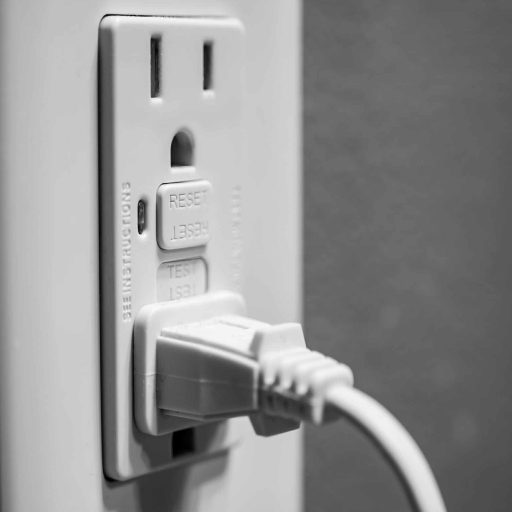
斷電:拉斷路器並關閉,以防止電源在更換過程中進入插座。使用電壓測試儀檢查以確認電源已關閉。.
拆下舊插座:拆下現有插座的壁板蓋和安裝螺絲。小心地將電線從出口端子上拆下。.
識別電線:定位進入插座的線路和向其他插座輸送電力的負載線。通常,GFCI 插座具有指示線路和負載連接的標記。.
連接 GFCI:將線路連接到 GFCI 上的線路端子,並且僅在需要下游保護時才連接負載線。用力擰緊螺絲。.
Install and Test: Install the GFCI in the box, attach the wall plate, and turn the power back on. Press the Test and Reset buttons to verify that the unit is working.
Step-by-Step Installation Guide for GFI Outlets
- 關閉電源: First, turn off the power at the breaker panel for your own safety. This is the most critical step to prevent electrical shock during installation.
- Remove Existing Outlet: Pull down the existing outlet carefully and disconnect all wires. Take note of how the wires are currently connected before removal.
- Identify Line and Load Wires: Locate the line wires (coming from the electrical panel) and load wires (going to other outlets). The GFI outlet will have clear markings for these connections.
- Connect Line Wires: Hook the line wires to the GFI outlet terminals marked “LINE.” This typically includes the hot (black), neutral (white), and ground (green or bare) wires.
- Connect Load Wires (if applicable): Use the load terminals only if you need to provide downstream protection to other outlets on the same circuit. If protecting only this outlet, cap the load terminals.
- Install Outlet in Box: Carefully fold the wires into the electrical box and secure the GFI outlet with the provided screws. Ensure all connections are tight and secure.
- Attach Wall Plate: Install the wall plate cover over the outlet, making sure it sits flush against the wall.
- 恢復電源和測試: Turn the power back on at the breaker panel. Press the “Test” button – the outlet should turn off. Press “Reset” to restore power. This confirms proper installation.
何時致電電工
Frequent circuit breaker trips, flickering lights, a humming noise, or a slight burning smell coming from an outlet may be indicative of electrical issues that a professional should investigate. The replacement or installation of your major electrical equipment, such as another circuit breaker, an electrical panel upgrade, or the addition of alternative wiring, should always be the professional’s job to ensure compliance with safety standards and local codes.
If you’ve tried troubleshooting the issue but don’t know what to do next, seeking help might save you from hazards and hasten your peace of mind. Never hesitate to ask an expert if you are unsure about safety or function concerning your electrical system.
Key Warning Signs That Require Professional Attention
- Frequent GFCI Tripping: If your GFCI outlet trips frequently without an obvious cause
- Burning Smells: Any burning odor near electrical outlets or panels
- Flickering Lights: Lights that dim or flicker when appliances are turned on
- Warm Outlets or Plates: Outlets or wall plates that feel warm to the touch
- Sparking: Any visible sparks when plugging in or unplugging devices
- Electrical Panel Issues: Breakers that won’t stay reset or panels that feel warm
Maintenance and Testing
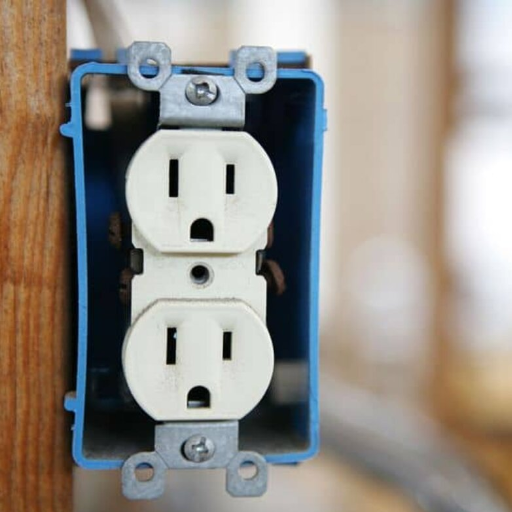
Regular maintenance and testing of GFI/GFCI outlets is essential for ensuring continued protection. These devices should be tested monthly to verify proper operation.
Monthly Testing Procedure
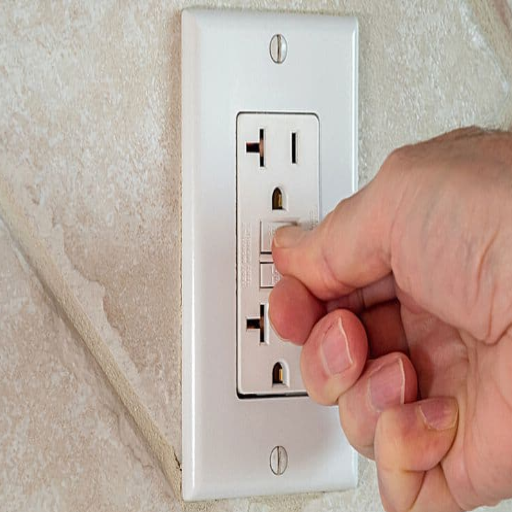
- Press the Test Button: Press the “TEST” button on the outlet. The power should immediately shut off to the outlet.
- Verify Power Loss: Confirm that any device plugged into the outlet has lost power. The reset button should pop out.
- Press the Reset Button: Press the “RESET” button to restore power to the outlet.
- Confirm Power Restoration: Verify that power has been restored and any connected devices are working normally.
表明您的 GFCI 需要更換
- The test and reset buttons don’t function properly
- The outlet won’t reset after tripping
- The outlet trips frequently without cause
- Visible damage to the outlet or buttons
- The outlet is more than 10-15 years old
- Burn marks or discoloration around the outlet
成本考慮
Understanding the costs associated with GFI/GFCI installation helps homeowners budget for electrical safety improvements.
| 項目 | Typical Cost Range | 筆記 |
|---|---|---|
| Standard GFCI Outlet | $15 – $50 | Basic residential models |
| Weather-Resistant GFCI | $25 – $75 | For outdoor applications |
| Tamper-Resistant GFCI | $20 – $60 | Child-safe models |
| GFCI Circuit Breaker | $50 – $150 | Protects entire circuit |
| Professional Installation | $100 – $300 per outlet | Varies by complexity and location |
結論
In summary, GFI and GFCI refer to the same life-saving electrical safety device. The terminology difference is simply a matter of naming convention, with GFCI being the more technically accurate and widely used term in electrical codes and standards. Both terms describe devices that protect against electrical shock by detecting ground faults and immediately interrupting power flow.
The importance of these devices cannot be overstated. With proven reductions in electrical fatalities of up to 83%, GFI/GFCI outlets represent one of the most significant advances in electrical safety for homes and commercial buildings. Their installation in moisture-prone areas such as bathrooms, kitchens, outdoor spaces, and other high-risk locations is not just recommended—it’s required by modern building codes.
Key takeaways from this comprehensive guide include:
- GFI and GFCI are interchangeable terms for the same safety device
- These devices detect current imbalances as small as 4-6 milliamps
- They respond within 1/40th of a second to prevent serious injury
- Multiple types are available for different applications and environments
- Regular monthly testing is essential for proper operation
- Professional installation ensures compliance with safety codes
Whether you’re a homeowner looking to improve electrical safety, a DIY enthusiast planning electrical updates, or a professional electrician working on installations, understanding GFI/GFCI protection is essential. These devices serve as the first line of defense against electrical shock and have saved countless lives since their introduction.
Remember, electrical safety should never be compromised. When in doubt about installation, maintenance, or troubleshooting, always consult with a qualified electrician. The small investment in professional installation or consultation can prevent serious injury and ensure your electrical systems meet all current safety standards.
最終安全提醒
Regular testing and proper maintenance of your GFI/GFCI outlets is a simple yet crucial step in maintaining electrical safety. Test monthly, replace when necessary, and never ignore signs of malfunction.
參考來源
常見問題(常見問題)
Difference between GFI and GFCI
It’s usually incorrect to use these two synonyms interchangeably. GFI means Ground Fault Interrupter, while GFCI means Ground Fault Circuit Interrupter. Both protect against ground faults, mostly in wet areas. The term GFCI is now more commonly used in electrical installations.
如何安裝插座?
Installing a GFCI outlet requires that you turn off the power at the circuit breaker. You must remove your existing outlet and attach the wires to the GFCI following the manufacturer’s instructions. In general, the cables from the line connect to the line terminals, while the downstream outlets connect to the load terminals. After plugging everything in, screw the outlet back into the electrical box, turn the power back on, and test the GFCI.
GFCI 保護有什麼作用?
GFCI 保護透過偵測接地故障來防止觸電,接地故障是在電流逸出其預期電路時發生的。當 GFCI 偵測到接地故障時,它會迅速關閉電源,從而防止人員受到電擊或危險,尤其是在有水的區域。.
某些地方需要 GFCI 嗎?
最肯定的是,是的。整個家庭的不同地方都需要 GFCI 插座,特別是在容易受潮的區域,例如廚房、浴室和戶外區域等。國家電氣規範 (NEC) 要求在這些危險位置提供 GFCI 保護,以盡量減少電擊風險。.
GFCI 和 AFCI 有什麼不同?
GFCI 和 AFCI 之間的主要區別在於它們的功能。 GFCI(即接地故障電路中斷器)可防止可能導致人觸電的接地故障。相較之下,AFCI 或電弧故障電路中斷器可防止電弧故障,從而導致電氣火災。因此,這兩種設備都採用不同的方法來確保電氣系統的安全。.
GFCI 插座可以保護其他插座嗎?
是的,如果接線正確,GFCI 插座可以保護其他插座。安裝 GFCI 時,可以設定為透過將插座連接到 GFCI 的負載端子來保護下游插座。這意味著,如果這些下游插座中的任何一個發生接地故障,GFCI 將跳閘,關閉所有插座的電壓並為電路提供保護。.
如何測試 GFCI 插座?
To test a GFCI outlet, press the “Test” button on the outlet. The power should be cut off during testing, preventing use of the receptacle, and confirming it is functioning correctly. To return power, press “Reset.” Never forget to test the GFCI outlets at least monthly to ensure they’re working correctly and providing protection against ground faults.
GFCI 安裝有哪些要求?
GFCI 安裝的要求包括存在直接或間接水源的所有地點,例如廚房、浴室、車庫和室外。這些裝置必須符合當地電氣規範和國家電氣規範 (NEC)。必須定期進行測試以維持其運行,從而確保針對地面故障提供充分的保護。.