








What is a GFI?
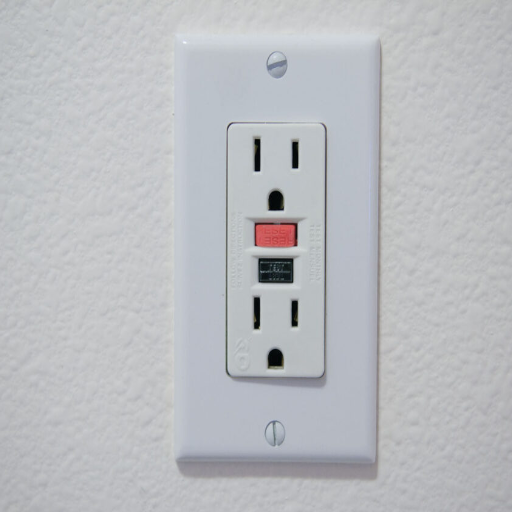
Ground Fault Interrupter, or GFI, is a device intended to protect life by immediately stopping the flow of electricity after detecting any ground faults. A ground fault occurs when electric current takes an unintended path, such as through water or a person. GFIs are primarily located in areas with high moisture levels, such as bathrooms, kitchens, and outdoor spaces, protecting people against accidents caused by water and electricity. They provide additional protection to the electrical system and are sometimes required by building codes in certain areas.
Definition and Functionality
Ground Fault Interrupters (GFIs) monitor the amount of current flowing in an electrical circuit and interrupt this current within milliseconds if an imbalance of 4 to 6 milliamps is detected, typically caused by current leakage to the ground. The rise in such levels could develop severe risk for shock or fire. Another development in modern design has included the integration of a feature that ensures the GFI will always remain in self-test mode, thereby maintaining its proper functioning at all times.
Safety Impact
Studies report that GFIs have significantly reduced the incidence of electrocution in residential and commercial settings, with an 83% reduction, provided they were properly installed and used.
These devices are a vital piece in ensuring that electrical systems conform to the latest safety standards while minimizing life-threatening hazards. Further, updated code requirements make it mandatory for new construction to include tamper-resistant and weather-resistant GFI outlets that provide supplementary protection in various environments.
Types of GFI Outlets
Different types of GFI outlets exist, each offering specific safety features tailored to various applications. Being aware of the multiple kinds ensures proper usage and adherence to modern safety standards.
Standard GFI Outlets
These are the most widely used types of GFI outlets, found in both residential and commercial buildings. They are usually installed in bathrooms, kitchens, and laundry rooms—all places where moisture is common. Typical GFI outlets monitor electric flows and cut off power immediately once an imbalance is detected, thereby preventing an electric shock. To date, the standard GFI outlet has nearly halved the number of electrocutions since its introduction to the market, according to the Electrical Safety Foundation International (ESFI).
Tamper-Resistant GFI Outlets
Blast-proof GFI outlets can resist attempts to tamper with the device by inserting a foreign object, such as a paper clip or a toy, an advantage particularly in the presence of children. This place contains internal shutters that open only when a plug is inserted correctly, thus limiting the potential for electrocution.
Weather-Resistant GFI Outlets
These plug chains are commonly used in outdoor environmental conditions; weather-resistant bases are highly resistant to corrosion, UV, and extreme temperatures. The requirement for them lies in their use outdoors, near pools, patios, and decks. They also utilize UL standards to ensure safety in all harsh weather conditions.
Portable GFI Outlets
Portable GFI outlets offer protection for power tools, extension cords, or appliances on the move. They come in handy at construction sites, in workshops, or any temporary setting where permanent GFI protection may not be installed. These units are plugged into standard outlets and offer similar life-saving features, making them a good solution on the safety front.
Dual-Function GFI Outlets
They offer the best of two worlds, providing protection against ground faults with a GFI outlet and interruption for arc faults with an Arc-Fault Circuit Interrupter (AFCI). Consider the arc faults that could potentially lead to electrical fires. These outlets are paramount in new construction for adherence to enhanced safety standards.
Common Applications
GFI outlets are commonly used in areas where electrical hazards are more prevalent, offering enhanced protection against electrical shock and fire. Some of the most common applications include:
- Kitchens: Kitchens pose an increased risk of electrical hazards due to the combination of water and various electrical devices or appliances. Usually, building code requirements dictate the installation of GFI outlets near sinks as well as near countertops where small electrical appliances, such as blenders and toasters, are used. Hence, the NEC requires GFI protection in all kitchen receptacles that serve countertops.
- Bathrooms: The bathroom is another high-risk zone due to the proximity of electrical outlets to water sources, such as sinks, showers, and bathtubs. GFI outlets are installed in bathrooms to lessen the chance of accidental electrocution.
- Outdoor Settings: GFI outlets are a must in the great outdoors, where rain, moisture, and weather conditions add their own risks. These outlets are typically installed on decks, patios, and exterior walls to provide a safe power supply for tools, lighting, or Christmas decorations.
- Laundry Rooms: With washing machines, dryers, and utility sinks, moisture levels are high in laundry areas, which makes the installation of GFI outlets a safety imperative. Modern codes emphasize this to protect electrical operations within such utility spaces.
- Garages and Basements: Typically zones that are prone to dampness or vulnerable to environmental factors, such as condensation or flooding. Install GFI outlets in garages and basements to not only comply with safety codes but also safeguard tools, appliances, and homeowners from electrical hazards.
- Pools, Hot Tubs, and Spas: Any outlet that will be placed near water features, such as pools or spas, should be GFCI-protected. This ensures safe operation of pumps, lighting systems, and any electrically powered mechanical components in extreme environments.
Impact on Safety
Statistics from various electrical safety organizations indicate a substantial reduction in fatalities associated with electricity in homes after GFI outlets came into everyday use. The Electrical Safety Foundation International (ESFI) reports that the use of GFI outlets and breakers has resulted in a more than 80% reduction in household electrocutions since their introduction.
What is a GFCI?
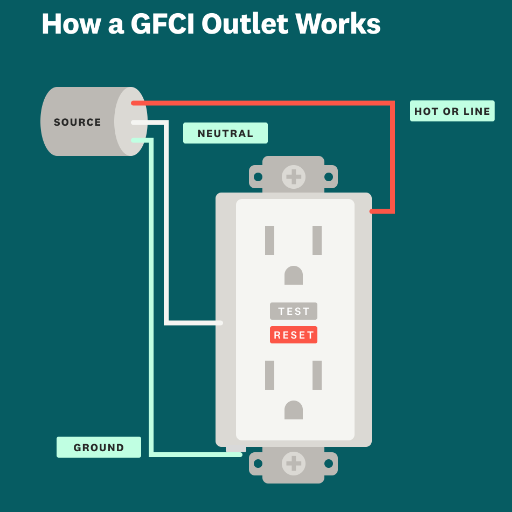
GFCIs are manufactured to prevent the electrical shock of people, the interruption of power being an almost instantaneous response due to an imbalance of electrical current. However, the DFP measures the amount of current in a given electrical circuit and interrupts it if the smallest difference is detected, suggesting a ground fault. GFCIs are installed in areas where W-E may come into contact with each other, such as bathrooms, kitchens, and outdoor outlets, to mitigate the risk of electrocution.
Definition and Functionality
For a GFCI to trip, it must measure the current coming into the outlet through the hot wire and compare that current with the current going out on the neutral wire. Under normal conditions, these two currents should be equal. They become unequal if a leakage current, as little as 4 to 6 milliamps, takes an unforeseen path to the ground, perhaps through water or a person. The GFCI then trips, cutting power in less than 0.025 seconds to prevent serious injury or fire.
Proven Effectiveness
Modern scientific studies indicate that the use of GFCIs has significantly decreased incidents of electrical shocks and burns, particularly in domestic settings. A report on residential safety found that in homes where GFCIs were installed, there was a 70% reduction in electrical-related incidents compared to those without them.
Additionally, modern models now feature self-testing capabilities to ensure proper operation, as GFCIs can become outdated, thereby reinforcing the critical role they play in electrical safety within the home and the workplace.
Types of GFCI Outlets
Broadly, there are three types of GFCI outlets commonly found in residential and commercial settings:
Standard GFCI Outlets
These are the most common types of GFCI outlets, designed to replace traditional electric outlets and typically installed in a wall box. They detect electricity flowing in an unusual path and will trip the circuit before any shock or damage can occur. Standard GFCI outlets are recommended for areas such as bathrooms, kitchens, garages, and outdoor use.
GFCI Circuit Breakers
Installed in the electrical panel, GFCI circuit breakers typically provide protection to an entire circuit rather than an individual outlet. These give the shock prevention benefits of the standard GFCI outlet but cover more than one location on the same circuit, providing convenience for larger applications.
Portable GFCIs
Portability triples GFCI use whenever temporary protection is required, such as at construction sites, when using power tools, or for outdoor equipment. It plugs into Chinese domestic outlets to provide GFCI protection, and thus, unlike permanent installation, offers no protection.
Each variety of GFCI outlet meets the adaptability criteria for safety measures in all types of electrical installations, as they have been designed for a specific purpose.
Common Applications
A wide variety of environments can benefit from GFCI outlets, providing a measure of electrical safety. They are usually installed in vulnerable areas where moisture can pose a serious electrical risk. Here are some other, more detailed examples:
- Kitchens and Bathrooms: Areas with water sources must have GFCI outlets near sinks, bathtubs, and showers. The NEC dictates that GFCIs be installed in these locations to eliminate shock hazards posed in wet conditions.
- Outdoor Areas: Patios, garages, and garden spaces are typical locations for GFCI outlets. These outlets avert accidents caused by outdoor appliances or extension cords exposed to rain or dew. Many outdoor GFCIs also come with weather-resistant enclosures, providing extra durability.
- Basements and Laundry Rooms: The basement and laundry room are typically areas that are either humid or prone to flooding. Installing GFCI outlets in these areas protects users from electrical shock if they are operating their washing machines, dryers, or sump pumps.
- Construction Sites: On temporary work sites, portable GFCIs are necessary for power tools and heavy machinery to meet safety standards. OSHA regulations mandate the use of GFCIs on construction sites to help minimize electrical accidents.
- Pools and Hot Tubs: Any electrical outlet installed within the vicinity of a pool, spa, or hot tub shall be GFCI-protected to minimize the chances of electric shock due to water exposure. Pool pump systems of recent installations are also frequently installed with GFCI breakers.
Life-Saving Impact
According to recent reports, GFCI outlets have significantly reduced the number of fatal electrical shock cases in homes and commercial buildings. As a result of their inception, it is said that electrocution deaths have been reduced in the U.S. by as much as 83%.
GFI vs GFCI: Key Differences
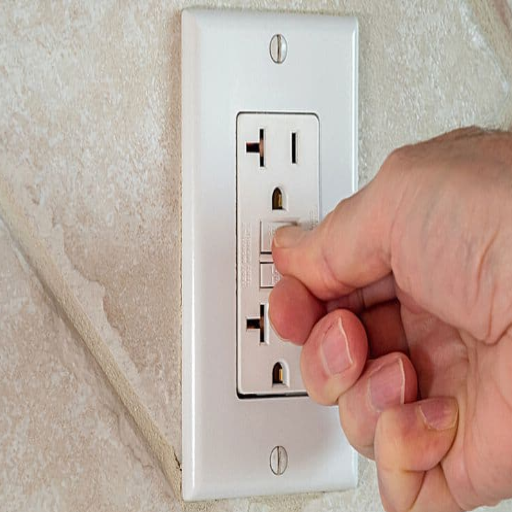
Technical Specifications
Generally, GFCI devices have a noise threshold of 4 to 6 milliamperes (mA) of leakage current, ensuring a timely interruption in the event of a ground fault. GFCI devices operate on the principle of interrupting the circuit if any unbalanced current is detected flowing to or from the load—the device trips within 1/40th of a second once any imbalance is found.
| Specification | Standard Rating | Description |
|---|---|---|
| Current Rating | 15-20 amperes | Typical residential applications |
| Voltage Rating | 125 volts | Standard household voltage |
| Trip Threshold | 4-6 milliamperes | Leakage current detection |
| Response Time | 1/40th second | Time to interrupt circuit |
| Operating Temperature | -35°F to 150°F | Wide environmental range |
Both interrupters enhance the package of electrical safety, yet each performs a distinct function. GFCIs are vital in highly moist areas, such as the kitchen, bathroom, and outdoors; conversely, AFCIs are employed for circuits in a bedroom, living room, or dry environment where an arc fault is more likely to occur. Some new-age breakers combine both the GFCI and AFCI functions to offer protection against shock and fire hazards.
Installing GFI and GFCI Outlets
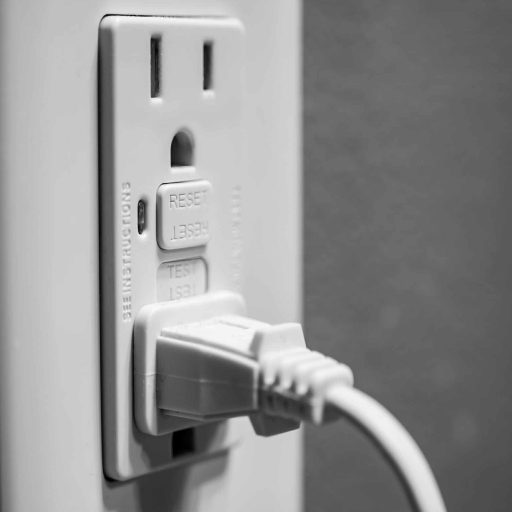
Power Off: Pull the circuit breaker and turn it off to prevent power from entering the outlet during replacement. Check with a voltage tester to confirm that the power is off.
Remove the Old Outlet: Remove the wall plate cover and the mounting screws of the existing outlet. Carefully detach the wires from the outlet terminals.
Identify Wires: Locate the line wires entering the outlet and the load wires carrying power to other outlets. Typically, GFCI outlets have markings indicating the line and load connections.
Connect the GFCI: Attach the line wires to the line terminals on the GFCI and attach the load wires only if downstream protection is desired. Tighten the screws firmly.
Install and Test: Install the GFCI in the box, attach the wall plate, and turn the power back on. Press the Test and Reset buttons to verify that the unit is working.
Step-by-Step Installation Guide for GFI Outlets
- Turn Off Power: First, turn off the power at the breaker panel for your own safety. This is the most critical step to prevent electrical shock during installation.
- Remove Existing Outlet: Pull down the existing outlet carefully and disconnect all wires. Take note of how the wires are currently connected before removal.
- Identify Line and Load Wires: Locate the line wires (coming from the electrical panel) and load wires (going to other outlets). The GFI outlet will have clear markings for these connections.
- Connect Line Wires: Hook the line wires to the GFI outlet terminals marked “LINE.” This typically includes the hot (black), neutral (white), and ground (green or bare) wires.
- Connect Load Wires (if applicable): Use the load terminals only if you need to provide downstream protection to other outlets on the same circuit. If protecting only this outlet, cap the load terminals.
- Install Outlet in Box: Carefully fold the wires into the electrical box and secure the GFI outlet with the provided screws. Ensure all connections are tight and secure.
- Attach Wall Plate: Install the wall plate cover over the outlet, making sure it sits flush against the wall.
- Restore Power and Test: Turn the power back on at the breaker panel. Press the “Test” button – the outlet should turn off. Press “Reset” to restore power. This confirms proper installation.
When to Call an Electrician
Frequent circuit breaker trips, flickering lights, a humming noise, or a slight burning smell coming from an outlet may be indicative of electrical issues that a professional should investigate. The replacement or installation of your major electrical equipment, such as another circuit breaker, an electrical panel upgrade, or the addition of alternative wiring, should always be the professional’s job to ensure compliance with safety standards and local codes.
If you’ve tried troubleshooting the issue but don’t know what to do next, seeking help might save you from hazards and hasten your peace of mind. Never hesitate to ask an expert if you are unsure about safety or function concerning your electrical system.
Key Warning Signs That Require Professional Attention
- Frequent GFCI Tripping: If your GFCI outlet trips frequently without an obvious cause
- Burning Smells: Any burning odor near electrical outlets or panels
- Flickering Lights: Lights that dim or flicker when appliances are turned on
- Warm Outlets or Plates: Outlets or wall plates that feel warm to the touch
- Sparking: Any visible sparks when plugging in or unplugging devices
- Electrical Panel Issues: Breakers that won’t stay reset or panels that feel warm
Maintenance and Testing
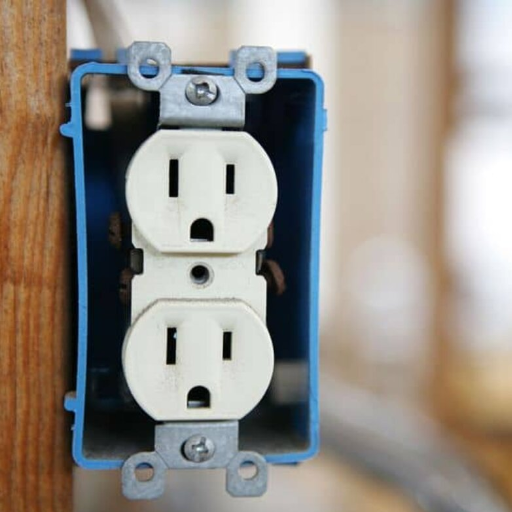
Regular maintenance and testing of GFI/GFCI outlets is essential for ensuring continued protection. These devices should be tested monthly to verify proper operation.
Monthly Testing Procedure
- Press the Test Button: Press the “TEST” button on the outlet. The power should immediately shut off to the outlet.
- Verify Power Loss: Confirm that any device plugged into the outlet has lost power. The reset button should pop out.
- Press the Reset Button: Press the “RESET” button to restore power to the outlet.
- Confirm Power Restoration: Verify that power has been restored and any connected devices are working normally.
Signs Your GFCI Needs Replacement
- The test and reset buttons don’t function properly
- The outlet won’t reset after tripping
- The outlet trips frequently without cause
- Visible damage to the outlet or buttons
- The outlet is more than 10-15 years old
- Burn marks or discoloration around the outlet
Cost Considerations
Understanding the costs associated with GFI/GFCI installation helps homeowners budget for electrical safety improvements.
| Item | Typical Cost Range | Notes |
|---|---|---|
| Standard GFCI Outlet | $15 – $50 | Basic residential models |
| Weather-Resistant GFCI | $25 – $75 | For outdoor applications |
| Tamper-Resistant GFCI | $20 – $60 | Child-safe models |
| GFCI Circuit Breaker | $50 – $150 | Protects entire circuit |
| Professional Installation | $100 – $300 per outlet | Varies by complexity and location |
Conclusion
In summary, GFI and GFCI refer to the same life-saving electrical safety device. The terminology difference is simply a matter of naming convention, with GFCI being the more technically accurate and widely used term in electrical codes and standards. Both terms describe devices that protect against electrical shock by detecting ground faults and immediately interrupting power flow.
The importance of these devices cannot be overstated. With proven reductions in electrical fatalities of up to 83%, GFI/GFCI outlets represent one of the most significant advances in electrical safety for homes and commercial buildings. Their installation in moisture-prone areas such as bathrooms, kitchens, outdoor spaces, and other high-risk locations is not just recommended—it’s required by modern building codes.
Key takeaways from this comprehensive guide include:
- GFI and GFCI are interchangeable terms for the same safety device
- These devices detect current imbalances as small as 4-6 milliamps
- They respond within 1/40th of a second to prevent serious injury
- Multiple types are available for different applications and environments
- Regular monthly testing is essential for proper operation
- Professional installation ensures compliance with safety codes
Whether you’re a homeowner looking to improve electrical safety, a DIY enthusiast planning electrical updates, or a professional electrician working on installations, understanding GFI/GFCI protection is essential. These devices serve as the first line of defense against electrical shock and have saved countless lives since their introduction.
Remember, electrical safety should never be compromised. When in doubt about installation, maintenance, or troubleshooting, always consult with a qualified electrician. The small investment in professional installation or consultation can prevent serious injury and ensure your electrical systems meet all current safety standards.
Final Safety Reminder
Regular testing and proper maintenance of your GFI/GFCI outlets is a simple yet crucial step in maintaining electrical safety. Test monthly, replace when necessary, and never ignore signs of malfunction.
Reference Sources
Frequently Asked Questions (FAQs)
Difference between GFI and GFCI
It’s usually incorrect to use these two synonyms interchangeably. GFI means Ground Fault Interrupter, while GFCI means Ground Fault Circuit Interrupter. Both protect against ground faults, mostly in wet areas. The term GFCI is now more commonly used in electrical installations.
How do I install an outlet?
Installing a GFCI outlet requires that you turn off the power at the circuit breaker. You must remove your existing outlet and attach the wires to the GFCI following the manufacturer’s instructions. In general, the cables from the line connect to the line terminals, while the downstream outlets connect to the load terminals. After plugging everything in, screw the outlet back into the electrical box, turn the power back on, and test the GFCI.
What does GFCI protection do?
GFCI protection prevents electrical shock by detecting a ground fault, which happens when current escapes its intended circuit. When the GFCI detects a ground fault, it quickly shuts off the supply, thereby preventing personnel from receiving an electric shock or hazard, especially in areas with water.
Are GFCIs required in certain places?
Most definitely, yes. GFCI outlets are required in various locations throughout the home, especially in areas prone to moisture, such as the kitchen, bathroom, and outdoor areas, among others. The National Electrical Code (NEC) mandates GFCI protection in these hazardous locations to minimize the risk of shock.
What is the difference between GFCI and AFCI?
The primary difference between a GFCI and an AFCI lies in their function. A GFCI, or Ground Fault Circuit Interrupter, protects from ground faults that could potentially lead to an electric shock to a person. In contrast, an AFCI, or Arc Fault Circuit Interrupter, protects against arc faults, which can lead to electrical fires. Both devices, therefore, employ different methods to ensure the safety of an electrical system.
Can a GFCI outlet protect other outlets?
Yes, a GFCI outlet can protect other outlets if wired correctly. When a GFCI is installed, it may be set to protect outlets downstream by wiring them to the load terminals of the GFCI. This means that if a ground fault happens in any of these downstream outlets, the GFCI will trip, shutting off voltage at all outlets and providing protection to the circuit.
How do I test a GFCI outlet?
To test a GFCI outlet, press the “Test” button on the outlet. The power should be cut off during testing, preventing use of the receptacle, and confirming it is functioning correctly. To return power, press “Reset.” Never forget to test the GFCI outlets at least monthly to ensure they’re working correctly and providing protection against ground faults.
What are the requirements for GFCI installations?
Requirements for a GFCI installation include all locations where a direct or indirect source of water is present, such as kitchens, bathrooms, garages, and outdoors. Those installations must comply with local electrical codes and the National Electrical Code (NEC). Testing must be conducted regularly to maintain their operation, thus ensuring adequate protection against ground faults is in place.