

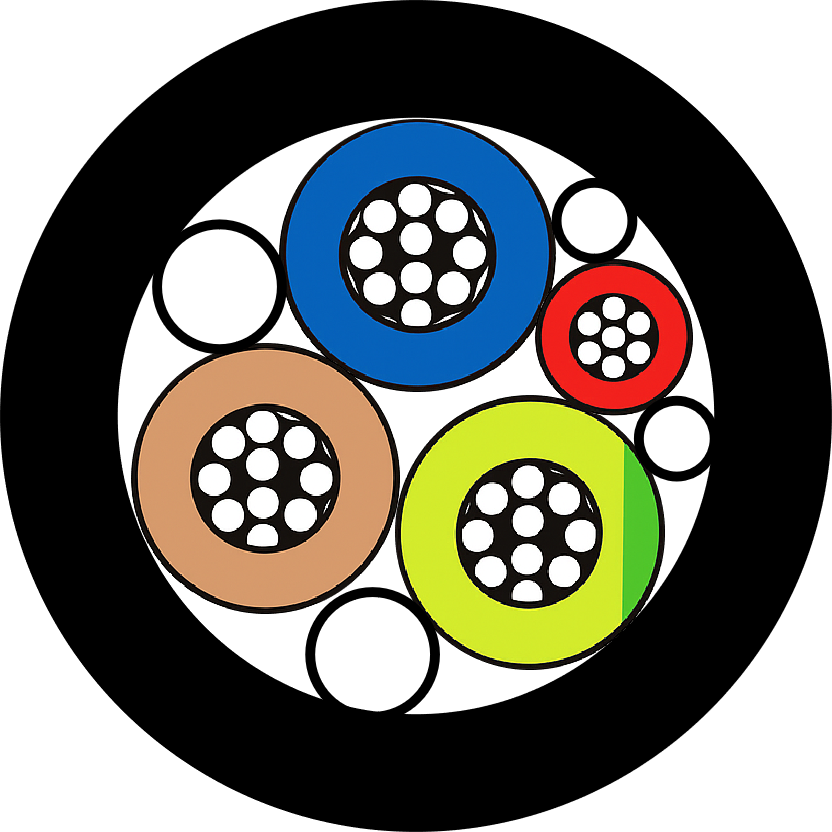





Im Rahmen umfassender elektrischer und mechanischer Systeme, wie sie beispielsweise schwere Maschinen bieten, ist, Das 240 mm Kabel Als zwingend angesehen wird, Das für den Dienst an modernen Infrastrukturen neben erneuerbaren Energiesystemen bestimmte Kabel, seine vorbildliche Flexibilität, Haltbarkeit und Leitfähigkeit machen diesen Kabeltyp zum besten seiner Klasse Warum wird das 240-mm-Kabel jedoch als unschätzbar wertvoll erachtet? in diesem Artikel werden wir die Funktionen und die Anwendungen des Kabels zusammen mit seinen Vorteilen enthüllen, damit Sie alle Informationen darüber haben, wie es kritische Konnektivität gewährleistet und kontinuierliche Innovation ermöglicht Wenn Sie die Effizienz im industriellen Umfeld oder die Zuverlässigkeit in den Systemen zur Handhabung tragbarer Hochspannungen verbessern möchten, wird der Artikel die Fähigkeiten von 240-mm-Kabel untersuchen.
Was sind die verschiedenen Arten von 240 mm Kabel verfügbar?
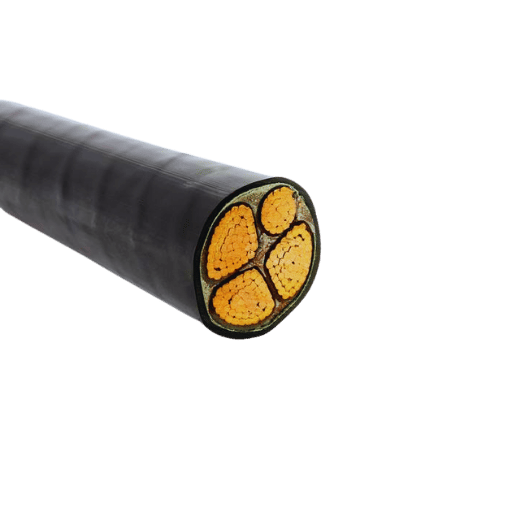
Jeder Typ von 240 mm Kabel dient einem anderen Zweck, der wie folgt benannt wird:
- Einkernkabel – Diese werden für Hochstromsysteme wie Energieübertragungs- und -verteilungssysteme verwendet.
- Mehrkernkabel – Am besten geeignet für die Aufnahme mehrerer Stromkreise in einem Paket auf begrenztem Raum.
- Gepanzerte Kabel – Für extreme Umgebungsbedingungen wie unterirdische oder industrielle Installationen, die zusätzlichen mechanischen Schutz und Haltbarkeit erfordern.
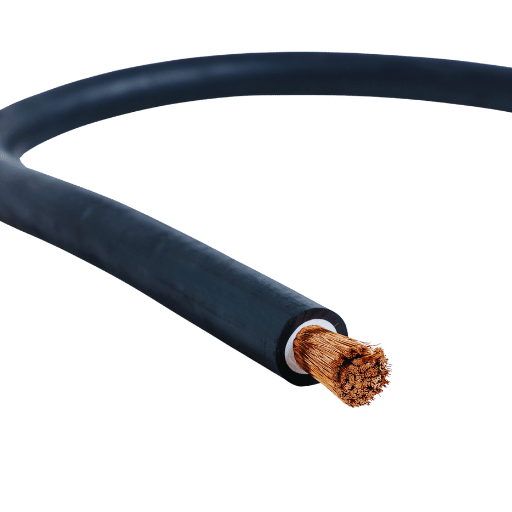
- Flexible Kabel – Für Verbindungen, die häufige Bewegungen erfordern, wie z. B. das Einschalten einer temporären Einrichtung oder den Anschluss an Maschinen.
- Low Smoke Zero Halogen (LSZH) Kabel – Zur Verwendung in engen und öffentlichen Räumen stoßen sie geringe Mengen giftiger Gase und Rauch aus.
Alle Typen können je nach Bedingung der Betriebs- und Umweltfaktoren gestaffelt eingesetzt werden.
Verständnis der 240-mm-Kabeloptionen mit einem Kern
Einkernige 240-mm-Kabel werden in Hochleistungsübertragungsanwendungen wie Industrieanlagen, Stromverteilung usw. verwendet Erneuerbare Energie Projekte. diese Kabel haben eine hohe Stromtragfähigkeit und sind so konstruiert, dass sie rauen Umgebungen standhalten Ihre Leiter sind normalerweise Kupfer oder Aluminium und haben Isoliermaterialien wie XLPE (Cross-Linked Polyethylene), die sowohl thermische als auch mechanische Stabilität bieten Bei der Wahl eines einadrigen 240-mm-Kabels sind einige Überlegungen die Anforderungen an die Belastung, Umweltfaktoren und die Einhaltung von Sicherheitsvorschriften.
Erforschung gepanzerter Kabelvarianten für verbesserten Schutz
Gepanzerte Kabel bieten einen verbesserten mechanischen Schutz, wo raue Bedingungen auftreten könnten Diese Art von Kabel enthält ein zusätzliches Teil, das aus Stahl oder Aluminium besteht und das Kabel vor mechanischen Verletzungen wie Abstürzen oder Beschädigungen durch Stöße schützt. Die häufigsten Arten sind SWA-Kabel, die für feste Installationen verwendet werden, und STA-Kabel, die flexibler sind. Diese Arten von SWA- und STA-Kabeln eignen sich am besten für industrielle Anwendungen, unterirdische Installationen oder andere Orte, an denen unbeabsichtigte Schäden auftreten können. Die Wahl des SWA- oder STA-Kabels hängt von den Arbeitsbedingungen ab, wie z. B. Umweltfaktoren, Lastanforderungen, Codespezifikationen und Sicherheitsvorschriften.
Untersuchung der Vorteile von XLPE-isolierten Kabeln
Die XLPE-Isolierkabel (Cross-Linked Polyethylen) bieten zahlreiche Vorteile, die sie für verschiedene Zwecke günstig machen:
- Hohe thermische Beständigkeit: Die XLPE-Isolierung weist im Vergleich zu anderen Dämmstoffen eine größere Toleranz gegenüber höheren Temperaturen auf, normalerweise bis zu 90°C unter normalen Bedingungen und sogar bis zu 250°C bei Kurzschlüssen.
- Verbesserte Haltbarkeit: Durch den Vernetzungsprozess ist es möglich, die Widerstandsfähigkeit des Materials gegen Beschädigungen durch Abnutzung oder Kratzer sowie steife Biegung zu verbessern, wodurch es verwendet und anspruchsvollen Umgebungen ausgesetzt werden kann.
- Ausgezeichnete elektrische Eigenschaften: XLPE-Polymer bietet zusätzliche elektrische Isolierung, reduziert so Leckströme und verbessert so die Effizienz bei der Kraftübertragung.
- Feuchtigkeitsbeständigkeit: Aufgrund seiner geringen Wasserdurchlässigkeit ist XLPE auch bei nassen und feuchten Bedingungen über einen langen Zeitraum zuverlässig, was seine Eignung für Unterwasser- und Untertageanwendungen unterstreicht.
- Beständig gegen chemische Korrosion: Chemisch aggressive Umgebungen, die Ölen, Säuren, Laugen und deren Mischungen ausgesetzt sind, können die Leistung von XLPE-Kabeln nicht beeinträchtigen.
- Leicht und flexibel: Im Vergleich zu anderen auf dem Markt erhältlichen Isoliermaterialien macht die einfache Installation die Konstruktion und den Einsatz von XLPE-Kabeln flexibler.
- Langlebigkeit und geringe Wartung: Die Haltbarkeit, Alterungsbeständigkeit und geringe Wartung des vernetzten Polyethylens sorgen für eine lange Betriebslebensdauer.
- Umweltfreundlichkeit: Das Fehlen von PVC und Halogenen macht XLPE weniger umweltschädlich und entspricht den modernen umweltfreundlichen Vorschriften.
Diese Vorteile machen XLPE-isolierte Kabel optimal für Stromverteilungsnetze, Industrieanlagen und andere geschäftskritische Anwendungen geeignet.
Wie wählt man das richtige 240 mm Single Core Kabel für Ihre Bedürfnisse?

Faktoren, die bei der ordnungsgemäßen Installation zu berücksichtigen sind
- Aktuelle Tragfähigkeit: Überprüfen Sie, dass die Kabel verwalten kann Die maximale Strombelastung ohne Überhitzung oder Beeinträchtigung der Sicherheit.
- Spannungsbedarf: Prüfen Sie, ob die Komponenten des Systems die Isolationsspezifikationen des Kabels nicht überschreiten.
- Umweltbedingungen: Temperatur, Feuchtigkeit, Einwirkung von Chemikalien oder UV-Licht und ähnliche Faktoren beeinflussen alle die Leistung eines Kabels und seine Haltbarkeit.
- Installationsmethode: Berücksichtigen Sie die Herausforderungen der Umwelt sowie die Anwendung Ihrer Geräte, wenn Sie zwischen unterirdischen, oberirdischen oder kanalisierten Installationsmethoden wählen.
- Biegeradius: Beachten Sie bei der Installation der Ausrüstung den vom Hersteller festgelegten Mindestbiegeradius, um eine mechanische Belastung des Kabels abzuwenden.
- Kabellänge und Spannungsabfall: Sorgen Sie für eine genaue Messung der Kabellänge und berücksichtigen Sie abstandsbedingte Spannungsabfälle, um eine optimale Spannungsabgabe zu gewährleisten.
- Thermische Überlegungen: Sorgen Sie in dichten, begrenzten oder gebündelten Aufbauten für eine ordnungsgemäße Wärmeableitung, um die Sicherheit während des Betriebs zu gewährleisten.
- Compliance-Standards: Stellen Sie sicher, dass die betroffene Region oder Anwendung die Industriestandards und Sicherheitsbenchmarks wie IEC, BS oder NEC einhält.
- Mechanischer Schutz: Für Bereiche der Installation, die anfällig für mechanische Beschädigungen sind, sollte eine Schutzhülle oder eine Panzerung über dem Kabel angebracht werden.
- Zukünftige Skalierbarkeit: Erwarten Sie Anforderungen zukünftiger Erweiterungen oder erhöhter Lasten, um Upgrades und Anpassungen zu verzögern
Vergleich von Kupfer- und Aluminiumleitern
Kupferleiter weisen im Vergleich zu Aluminiumleitern, die leichter und kostengünstiger sind und für eine gleichwertige Leitfähigkeit größere Leitfähigkeit, Haltbarkeit und Korrosionsbeständigkeit erfordern, ein höheres Maß an Leitfähigkeit, Haltbarkeit und Korrosionsbeständigkeit auf.
|
Parameter |
Kupfer |
Aluminium |
|---|---|---|
|
Leitfähigkeit |
Hoch |
Mäßig |
|
Gewicht |
Schwer |
Licht |
|
Kosten |
Teuer |
Erschwinglich |
|
Korrosion |
Beständig |
Anfällig |
|
Größe |
Kleiner |
Größer |
|
Zugfestigkeit |
Hoch |
Mäßig |
|
Wärmeleitfähigkeit. |
Hoch |
Mäßig |
|
Flexibilität |
Hoch |
Mäßig |
|
Langlebigkeit |
Lange |
Kürzer |
|
Installation |
Leichter |
Mäßig |
Bewertung von Spannungsanforderungen und -spezifikationen
Zur Beurteilung der Spannungsanforderungen sollte die Betriebsspannung der Anwendung überprüft werden, wobei sicherzustellen ist, dass sie mit der Nennspannung des Kabels übereinstimmt Wählen Sie Kabel mit Nennwerten, die nicht niedriger als die Isolierung des Systems sind, um einen Isolationsdurchbruch zu vermeiden Achten Sie bei größeren Entfernungen noch stärker auf den Spannungsabfall, um die Leistung aufrechtzuerhalten und Energieverschwendung zu reduzieren Zulässige Spannungsabfallberechnungen müssen den Standards entsprechen, die von relevanten maßgeblichen Stellen wie dem NEC oder der IEC festgelegt wurden, um einen zuverlässigen Betrieb zu gewährleisten Überprüfen Sie die Einhaltung der elektrischen Vorschriften und lokalen Vorschriften, um eine sichere Installation zu gewährleisten.
Welche Rolle spielen gepanzerte 240-mm-Kabel bei Elektroinstallationen?
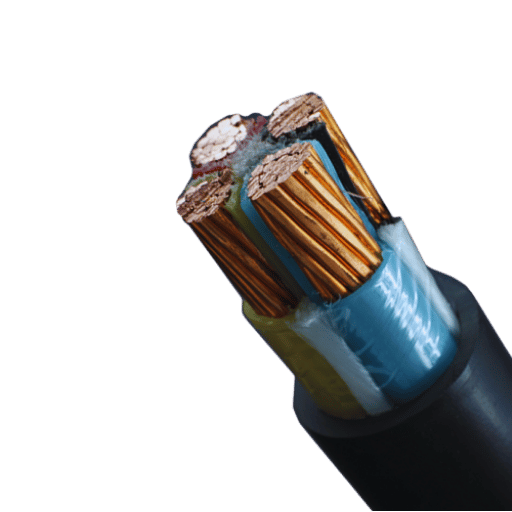
Verständnis der mechanischen Vorteile von Drahtpanzern
- Physischer Schutz: Die Drahtpanzerung bietet eine erhebliche Beständigkeit gegen mechanische Schäden wie Quetschung, Stöße und Abrieb und eignet sich daher ideal für raue und unterirdische Umgebungen.
- Verbesserte Haltbarkeit: Diese Panzerungen tragen zur breiteren strukturellen Steifigkeit der Kabel bei und gewährleisten so eine aufrechterhaltene Betriebssicherheit und dauerhafte Haltbarkeit über einen längeren Zeitraum hinweg, wenn sie schwierigen Umgebungsbedingungen ausgesetzt sind.
- Widerstand gegen Nagetiere und Schädlinge: Die robusten Panzerhüllen schützen Kabel vor Schäden durch Nagetier- und Schädlingsbefall, was ihre strukturelle Integrität beeinträchtigt.
- Hohe Zugfestigkeit: Der gepanzerte Draht gibt das Kabel Größere Widerstandsfähigkeit gegenüber mechanischen Belastungen, was bei der Installation an Orten mit hohen Spannkräften von Vorteil ist.
- Feuerbeständigkeit: Einige Arten von Feuer Drahtgepanzerte Kabel Feuerwiderstand höher sein, was eine zusätzliche Sicherheitsebene bei kritischen Umständen gewährt.
- Flexibilität bei der Installation: Panzerkabel sind an einer Vielzahl von Orten anwendbar Innen bis Außen, sogar direkte Bestattung und andere Industrieanlagen.
- Abschirmung elektromagnetischer Störungen (EMI): Die Panzerung kann ein gewisses Maß an EMI-Abschirmung bieten und so die Integrität der über elektrische Systeme übertragenen Signale schützen.
Anwendungen für Hochleistungs-SWA-Kabel
- Unterirdische Stromverteilung: Die Umweltfaktoren Feuchtigkeit und Bodendruck machen SWA-Kabel ideal für unterirdische Anlagen, wo sie vor Schäden geschützt sind.
- Industrielle Umgebungen: Die Belastung durch Chemikalien und mechanische Belastungen ist in Fabriken und Verarbeitungsbetrieben an der Tagesordnung. SWA-Kabel ertragen diese rauen Bedingungen.
- Baustellen: Bei Bauprojekten werden SWA-Kabel für eine Stromversorgung verwendet, sei es temporär oder permanent Diese Kabel sind wirksam, um rauen Bedingungen standzuhalten.
- Außeninstallationen: Diese Kabel sind für Stromleitungen und Geräte im Freien anwendbar, die Wetterelementen ausgesetzt sind.
- Erneuerbare Energiesysteme: Solarparks und Windkraftanlagen nutzen SWA-Kabel zum Stromtransport, bei denen diese Kabel in erneuerbaren Einrichtungen zum Einsatz kommen.
- Infrastrukturprojekte: Bei der Pflege von Transportsystemen, Flughäfen und städtischen Projekten werden SWA-Kabel in groß angelegten Infrastrukturentwicklungen eingesetzt.
- Direkte Bestattungsanwendungen: Diese Kabel sind so konzipiert, dass sie direkt im Boden vergraben werden können, ohne dass ein Leitungssystem erforderlich ist.
- Steuerungs- und Instrumentierungsschaltungen: In industriellen Umgebungen, in denen Zuverlässigkeit von entscheidender Bedeutung ist, sorgen SWA-Kabel für einen sicheren Betrieb des Steuerungssystems.
Wie bewerten Kundenrezensionen verschiedene 240-mm-Kabelprodukte?
Analyse gemeinsamer Rückmeldungen zu Haltbarkeit und Leistung
Kunden haben festgestellt, dass die 240 mm Kabelprodukte eine bemerkenswerte Festigkeit in ihrer Haltbarkeit bei gleichbleibender und zuverlässiger Leistung aufweisen Benutzer schätzen oft die robuste Beschaffenheit der Kabel, die die Zuverlässigkeit auch in stark belasteten Situationen aufrechterhält Isolierung und Materialverschleiß, Temperaturverschiebungen und Außendruck werden erfolgreich überstanden, und so sind es in gewissem Maße die robuste Leistung und elektrische Effizienz Insgesamt heben die Bewertungen diese Kabel als lobenswert zuverlässig hervor und erfüllen gleichzeitig die Anforderungen industrieller und großflächiger Anwendungen.
Wichtige Überlegungen zu Garantie- und Zertifizierungsansprüchen
- Einhaltung von Industriestandards: Bestätigen Sie, dass alle für das Produkt relevanten Zertifizierungen wie ISO-, UL- oder CE-Kennzeichnungen rechtlich und betriebskonform sind, um funktionsübergreifende Streitigkeiten zu vermeiden.
- Dauer und Versicherungsbedingungen: Analysieren Sie gegenüber Asses, was als Schäden oder Mängel in Bezug auf die Gewährleistungsfrist gilt, wenn Lücken in der beschriebenen Deckung bestehen.
- Ausschlüsse und Einschränkungen: Überprüfen Sie, welche Faktoren innerhalb der Garantieausschlüsse Auswirkungen auf die Genehmigung haben können, wie z. B. Missbrauch der Garantie, unsachgemäße Installation, Vernachlässigung von Genehmigungen im Inland oder Umweltbereich, Klauseln zur Einschränkung von Ansprüchen, die Ansprüche einschränken könnten.
- Anspruchsprozess und Dokumentation: Verstehen Sie die für die Einreichung eines Garantieanspruchs erforderlichen Prozesse zusammen mit relevanten Unterlagen wie Wartungsprotokollen, Installationsunterlagen und Kaufnachweisen.
- Haftung und Entschädigung: Sorgen Sie für eine schnelle Bearbeitung von Ansprüchen zur Beurteilung der betrieblichen Abhängigkeit, indem Sie die Abwicklungsfristen überprüfen und die Herstellerhaftung für Reparaturen, Ersatz oder Rückerstattungen festlegen.
Wo werden 240-mm-Kabel am häufigsten verwendet?
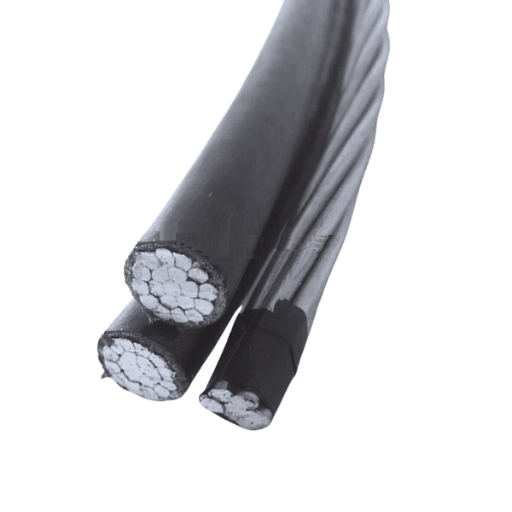
Typische Kabelanwendungsszenarien in verschiedenen Branchen
- Kraftübertragung und -verteilung: Kabel mit einer Querschnittsfläche von 240 mm werden häufig dort eingesetzt, wo Hochleistungsstrom über die Stromnetze, Umspannwerke und in den verteilten Industriestromanlagen übertragen werden muss.
- Erneuerbare Energiesysteme: In Solar - und Windkraft Anlagen erfüllen diese Kabel entscheidende Funktionen bei der Verbindung der Stationen mit dem Netz für die nutzbare Stromableitung.
- Industrielle Produktionsanlagen: In der Automobil-, Stahl- und Chemieindustrie werden die 240-mm-Schwerlastkabel zur Unterstützung von Hochlastmaschinen und -geräten verwendet, Vertikalen, die eine Aufrechterhaltung erfordern Elektrische Leistung.
- Bau- und Infrastrukturprojekte: Diese Kabel unterstützen fortschrittliche Elektroinstallationen und Notstromsysteme und werden bei großen nahtlosen Bauprojekten verwendet, die Tunnel, Brücken und Wolkenkratzer umfassen.
- Bergbaubetrieb: Diese Kabel werden an Bergbaustandorten eingesetzt, wo robuste und zuverlässige Lösungen erforderlich sind, um feindlichen Umgebungen standzuhalten und die Stromversorgung schwerer Bergbaugeräte und -funktionen aufrechtzuerhalten.
- Rechenzentren: Diese Kabel werden auch zur Untermauerung einer genauen Lastzuweisung für wichtige Frameworks, Lichtserver und Kühlgeräte verwendet, die für den kontinuierlichen Betrieb der Infrastruktur im Zentrum unerlässlich sind.
- Marine- und Offshore-Anwendungen: Anspruchsvolle Umstände, wie Wasser - und Salzbelastung, sind bei 240-mm-Kabeln, die zur Stromversorgung von Schiffen und Bohrinseln dienen, kein Thema.
- Transportsysteme: Wird in Eisenbahnen, Flughäfen und U-Bahn-Stationen für Betankungs-, Schildmarkierungs- und Beleuchtungsgeräte sowie andere ergänzende Geräte eingesetzt.
Vorteile von Direct Burial vs. Cable Duct-Methoden
- Kostenwirksamkeit: Im Vergleich zu Kabelkanalsystemen erfordert die direkte Vergrabung weniger Installationsschritte und Materialien, wodurch die Projektkosten gesenkt werden.
- Vereinfachte Installation: Die Installation von Kabeln durch direkte Verlegung ist einfacher und schneller als der Bau von Leitungsanlagen.
- Thermische Leistung: Direkt vergrabene Kabel weisen aufgrund ihres direkten Kontakts mit dem Boden häufig eine bessere Wärmeableitung auf, was eine größere Stromkapazität ermöglicht.
- Raumeffizienz: Die direkte Bestattung erlaubt es, keine zusätzliche Infrastruktur zu bauen, wie Kanalbänke oder Leitungen, so dass es für Gebiete geeignet ist, in denen der Platz begrenzt ist.
- Geringere Wartungsanforderungen: Direkt vergrabene Kabel, die nach der Installation mit Erde versehen werden, schaffen einen Bereich mit weniger Sichtzugang und machen häufige Kontrollen überflüssig.
- Umweltintegration: Im Vergleich zu exponierten Systemen oder solchen, die auf Leitungen montiert sind, lässt sich die direkte Bestattung optisch und physisch besser in die Umgebung integrieren.
Häufig gestellte Fragen (FAQs)
F: Was sind die bemerkenswerten Eigenschaften eines 240 mm XLPE-Kabels?
A: Das 240 mm XLPE-Kabel hat einen guten Ruf für eine lange Nutzungsdauer bei gleichzeitiger Hochtemperaturbeständigkeit, Niederspannungsbetrieb und ausgezeichneter elektrischer Leitfähigkeit Es ist wegen seiner langlebigen und zuverlässigen XLPE-Isolierung in Industriequalität für fast alle industriellen Anwendungen gut geeignet.
F: Wie kommt ein 4-Kern-240-mm-Stromkabel einem elektrischen System zugute?
A: Sein elektrischer Ausgleich hilft bei der Überlastverhütung und zusätzlich, der A 4 Kern 240 mm Stromkabel Stärken Sie ein elektrisches System, indem Sie die Belastung durch starke Energie verringern und außerdem Sicherheit und Zuverlässigkeit ermöglichen.
F: Warum ist es wichtig, den Durchmesser eines 240 mm Kabels zu berücksichtigen?
A: Es hat Auswirkungen auf die einfache Installation, Wärmeableitung und Installation des Kabels Außerdem hilft ein Durchmesser von 240 mm, die Stromtragfähigkeit zu verbessern Höhere Leistung in Hochleistungsanwendungen canini mit übergroßen Durchmessern erreicht werden.
F: Welche weiteren nützlichen Funktionen erhalten Sie von einem ZR/FR-LSNH-Leiter mit verseiltem Kupferkabel?
A: Die Fähigkeit, diese Kabel zu biegen, ermöglicht eine bessere Leitfähigkeit auch mit geringerer Widerstandsfähigkeit im Vergleich zu Kupferdrähten mit massivem Kern Das 240 mm verseilte Kupferkabel ist sehr nützlich, um Geräte bei konstanter Bewegung, insbesondere bei Vibrationen, konsequent mit Strom zu versorgen.
F: Warum wird in einem Kabel eine Aluminiumdrahtpanzerung verwendet?
A: Aluminiumdrahtpanzer dienen dem doppelten Zweck, einem Kabel Festigkeit und Schutz zu verleihen, ohne ein enormes Gewicht zu tragen. Diese Funktion ist von entscheidender Bedeutung, wenn Kabel extremen Bedingungen ausgesetzt sind oder sich in industriellen Umgebungen befinden.
F: Was ist die verbesserte Sicherheitsfunktion eines LSF (Low Smoke and Fume) 240 mm Kabels?
A: Ein 240-mm-LSF-Kabel ist so konzipiert, dass es bei einem Brand geringe Mengen giftiger Rauchgase ausstößt, was die Sicherheit an geschlossenen, inneren und öffentlich zugänglichen Orten erhöht, an denen eine Rauchkonzentration zutiefst unerwünscht ist.
F: Welche Vorteile hat ein gepanzertes 4-Kern-Kabel?
A: Ein gepanzertes Kabel mit 4 Kernen bietet zusätzliche Vorteile beim Schutz vor mechanischen Stößen sowie vor Umweltproblemen. Es ist optimal für den Einsatz unter Tage oder für Anlagen, die rauen Bedingungen ausgesetzt sind und Festigkeit erfordern.
F: Welche Länder verwenden bekanntermaßen das 240-mm-Kabel?
A: Das 240-mm-Kabel ist in vielen Nationen beliebt, wie auf den Philippinen und in Nigeria Seine Anpassungsfähigkeit ermöglicht es, es in verschiedenen Klimazonen und Infrastrukturen einzusetzen.
F: Wie beeinflussen Kabelspezifikationen wie IEC 60502-1 und BS6724 die Kabelqualität?
A: Die Spezifikationen, die von IEC 60502-1 und BS6724 festgelegt wurden, garantieren bestimmte Sicherheits - und Leistungsniveaus Die Einhaltung dieser Anforderungen fördert ein zuverlässiges, effektives und risikofreies Kabel.
F: Was schützt das 240-mm-Kabel und welche Schicht hat es?
A: Bei einem typischen 240-mm-Kabel werden die Kupferleiter entsprechend den Innenfolien der Kabelkonstruktion zu einem Bündel zusammengefasst, das dann durch Schichten aus chemietechnischen Kunststoffen abgeschirmt wird. Diese Hülle dient als primärer Nutzungsverschleiß und vereitelt die Zwecke des Geistes, der Feuchtigkeit und Chemikalien bedeckt.
Referenzquellen
- Herstellung eines Hochstrom-Niederspannungsnetzes mit Mot (Mikrowellen-Ofentransformator) – Deckt die Anwendung des Kabeltyps NYA 240² mm in Elektroinstallationen ab.
- Panzerkabel
- Draht
- Elektrisches Kabel