

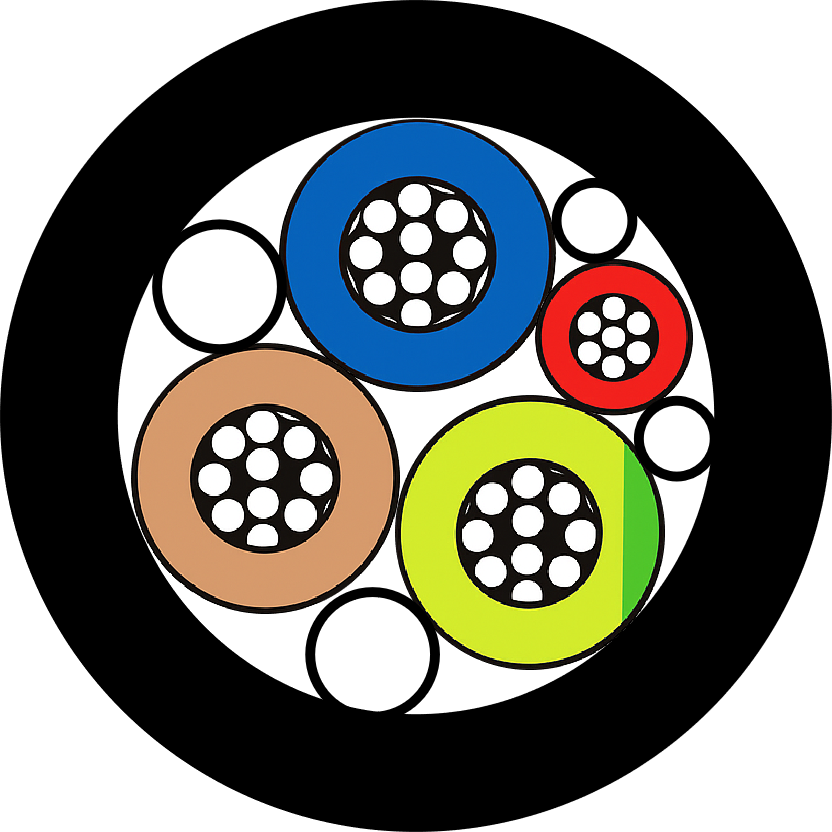





In the context of comprehensive electrical and mechanical systems such as those offered by heavy machinery, the 240mm cable is considered imperative. Destined to serve modern infrastructures alongside renewable energy systems, its exemplary flexibility, durability, and conductivity make this cable type the best in class. Why is the 240mm cable considered invaluable, though? In this article, we will unveil the features and the applications of the cable along with its benefits so that you will have all the information about how it ensures critical connectivity and powers continuous innovation. If you want to enhance efficiency in the industrial environment or reliability in the systems designed to handle portable high voltages, the article will explore the capabilities of 240mm cable.
What are the Different Types of 240mm Cable Available?
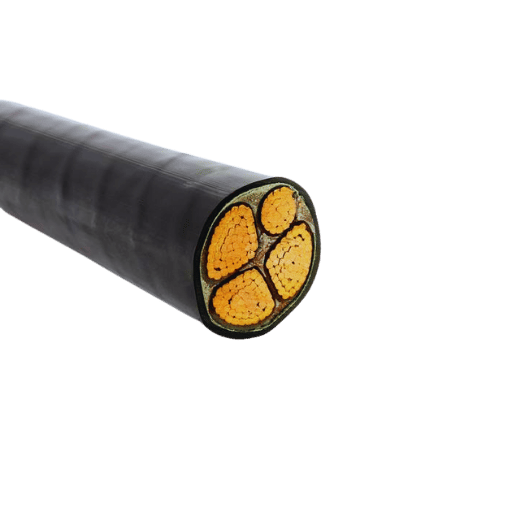
Each type of 240mm cable serves a different purpose, named as follows:
- Single-Core Cables – These are used for high current power systems, like energy transmission and distribution systems.
- Multi-Core Cables – Best for containing multiple electrical circuits in one package in limited space.
- Armored Cables – For extreme environmental conditions such as underground or industrial installation which need extra mechanical protection and durability.
- Flexible Cables – For connections that require frequent movement, like powering up a temporary setup or connecting to machinery.
- Low Smoke Zero Halogen (LSZH) Cables – For use in tight and public spaces, they emit low amounts of toxic gases and smoke.
All types can be used staggeredly depending on the Сondition of Operations and Environment Factors.
Understanding Single Core 240mm Cable Options
Single-core 240mm cables are used in high-power transmission applications such as industrial installations, power distribution, and renewable energy projects. These cables have a high current-carrying capacity and are made to withstand harsh environments. Their conductors are usually copper or aluminum and have insulation materials like XLPE (Cross-Linked Polyethylene), which provides both thermal and mechanical stability. In choosing a single-core 240mm cable, some considerations include the load requirements, environmental factors, and adherence to safety regulations.
Exploring Armoured Cable Variants for Enhanced Protection
Armored cables offer enhanced mechanical protection where rugged conditions might be encountered. This type of cable contains an extra part which is made of steel or aluminum and protects the cable from any mechanical injuries like crashing or damage through impact. The most common types are SWA cables, which are used for fixed installations, and STA cables, which are more flexible. These types of SWA and STA cables are best suited for industrial applications, underground installations, or other places where unintentional damage might take place. Choosing the SWA or STA cable depends on the working conditions, such as environmental factors, load requirements, code specifications, and safety regulations.
Examining the Benefits of XLPE Insulated Cables
The XLPE (Cross-Linked Polyethylene) insulated cables have numerous advantages which make them favorable for different purposes:
- High Thermal Resistance: XLPE insulation has a greater tolerance for higher temperatures when compared to other insulation materials, usually up to 90°C under normal conditions and even up to 250°C during short circuits.
- Enhanced Durability: Due to the cross linking process, it is possible to improve the material’s resistance to damage from wearing down or scrapes, as well as stiff bending, which allows it to be used and exposed to demanding environments.
- Excellent Electrical Properties: XLPE polymer offers supplemental electrical insulation, hence reducing leakage currents, improving efficiency in power transmission.
- Moisture Resistance: Due to its low permeability to water, XLPE is reliable for a long period of time even in wet and humid conditions, underscoring its appropriateness for underwater and underground applications.
- Resistant to Chemical Corrosion: Chemically aggressive environments which involve exposure to oils, acids, alkalis and their mixtures cannot compromise the performance of XLPE cables.
- Lightweight and Flexible: In comparison to other insulating materials available in the market, the ease of installation makes the design and deployment of XLPE cables more flexible.
- Longevity and Low Maintenance: The cross linked polyethylene’s durability, resistance to aging and low maintenance make it have a long operational life.
- Environmental Friendliness: The absence of PVC and halogens makes XLPE less damaging to the environment, and it complies with contemporary eco-friendly regulations.
These advantages make XLPE-insulated cables optimally suited for power distribution networks, industrial installations, and other mission-critical applications.
How to Choose the Right 240mm Single Core Cable for Your Needs?

Factors to Consider for Proper Installation
- Current Carrying Capacity: Verify that the cable can manage the maximum current load without overheating or compromising safety.
- Voltage Requirement: Check that the system’s components do not exceed the cable’s insulation specifications.
- Environmental Conditions: Temperature, moisture, exposure to chemicals or UV light, and similar factors all affect how a cable performs and how long it lasts.
- Installation Method: Consider the challenges of the environment as well as the application for your equipment when choosing between underground, overhead, or ducted installation methods.
- Bend Radius: During equipment installation, observe the minimum bend radius stipulated by the manufacturer to avert mechanical strain on the cable.
- Cable Length and Voltage Drop: Ensure accurate measurement for cable length and consider distance related voltage drops to guarantee optimal delivery of voltage.
- Thermal Considerations: In dense, confined, or clustered setups, ensure proper dissipation of heat to maintain safety during operation.
- Compliance Standards: Ensure that the region or application of concern adheres to the industry standards and safety benchmarks such as IEC, BS, or NEC.
- Mechanical Protection: For areas of installation prone to mechanical damage, a protective sheath or armoring over the cable should be installed.
- Future Scalability: Anticipate requirements of future expansions or increased loads to delay upgrades and adjustments
Comparing Copper vs Aluminium Conductors
Conductors of copper have a greater degree of conductivity, durability, and corrosion resistance when compared to aluminum conductors which are lighter, cheaper, and require larger diameters for equivalent conductivity.
|
Parameter |
Copper |
Aluminum |
|---|---|---|
|
Conductivity |
High |
Moderate |
|
Weight |
Heavy |
Light |
|
Cost |
Expensive |
Affordable |
|
Corrosion |
Resistant |
Prone |
|
Size |
Smaller |
Larger |
|
Tensile Strength |
High |
Moderate |
|
Thermal Conduct. |
High |
Moderate |
|
Flexibility |
High |
Moderate |
|
Longevity |
Long |
Shorter |
|
Installation |
Easier |
Moderate |
Evaluating Voltage Requirements and Specifications
For assessing voltage requirements, the operational voltage of the application should be checked, ensuring that it matches with the cable’s voltage rating. Choose cables with ratings not lower than the insulation of the system in order to avoid insulation breakdown. Pay attention to voltage drop even more with longer distances to maintain performance and reduce energy waste. Acceptable voltage drop calculations must comply with standards set by relevant authoritative bodies like the NEC or IEC to guarantee dependable operation. Check compliance with electrical codes and local regulations to ensure safe installation.
What is the Role of Armoured 240mm Cable in Electrical Installations?
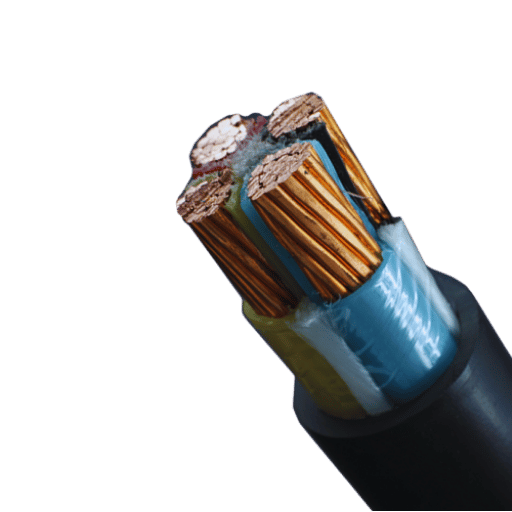
Understanding the Mechanical Benefits of Wire Armoured
- Physical Protection: Wire armoring offers substantial resistance to mechanical damage like crushing, impact, and abrasion, making it ideal for rugged and subterranean environments.
- Enhanced Durability: These armors add to the cables’ broader structural rigidity, thus guaranteeing maintained operational reliability and persisting durability throughout prolonged exposure to challenging environmental conditions.
- Resistance to Rodents and Pests: The tough armored sheaths protects cables from damages of rodent and pest attacks which compromises their structural integrity.
- High Tensile Strength: The armored wire gives the cable greater capability of withstanding mechanical stress, which is advantageous during installation in locations under high tension forces.
- Fire Resistance: Some types of fire wire armoured cables have higher fire resistance, granting an additional layer of safety during critical circumstances.
- Flexibility in Installation: Armored cables are applicable to a wide variety of places, from indoors to outdoors, even direct burial and other industrial installations.
- Electromagnetic Interference (EMI) Shielding: The armor may provide some degree of EMI shielding, protecting the integrity of signals transmitted through electrical systems.
Applications for Heavy-duty SWA Cables
- Underground Power Distribution: The environmental factors of moisture and soil pressure make SWA cables ideal for underground installations where they are shielded from damage.
- Industrial Environments: Exposure to chemicals and mechanical strain is commonplace in factories and processing plants. SWA cables endure these harsh conditions.
- Construction Sites: In construction projects, SWA cables are used for a power supply, be it temporary or permanent. These cables are effective in withstanding harsh conditions.
- Outdoor Installations: These cables are applicable to outdoor power lines and equipment that are exposed to weather elements.
- Renewable Energy Systems: Solar farms and wind turbines make use of SWA cables to transport power which employs these cables in renewable setups.
- Infrastructure Projects: In cultivating transportation systems, airports, and urban projects, SWA cables are used in large-scale infrastructure developments.
- Direct Burial Applications: These cables are designed to be directly buried in soil with no conduit system needed.
- Control and Instrumentation Circuits: In industrial environments where dependability is critical, SWA cables ensure secure control system operations.
How Do Customer Reviews Rate Different 240mm Cable Products?
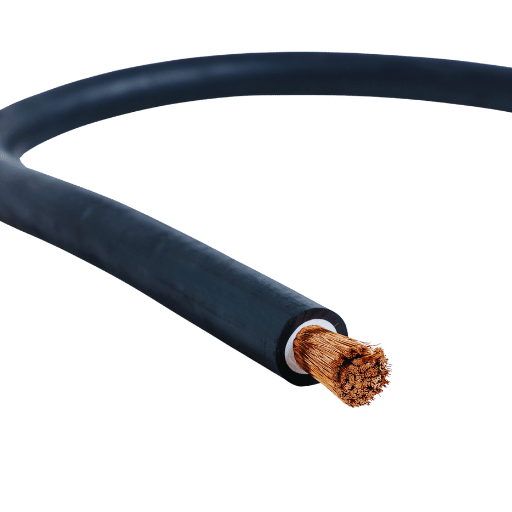
Analyzing Common Feedback on Durability and Performance
Clients have noted that the 240mm cable products exhibit remarkable strength in their durability alongside a consistent and reliable performance. Users often appreciate the sturdy nature of the cables, which maintains reliability even in heavily strained situations. Insulation and material wear, temperature shifts, and external pressure are successfully withstood, and so are, to some extent, the robust performance and electrical efficiency. Overall, the reviews highlight these cables as commendably dependable while meeting the needs of industrial and large-scale uses.
Key Considerations in Warranty and Certification Claims
- Compliance with Industry Standards: Confirm that all certifications relevant to the product such as ISO, UL, or CE markings are legally and operationally compliant to avoid cross-functional disputes.
- Duration and Terms of Coverage: Analyze what constitutes damages or defects in relation to the warranty period to asses if there are gaps in the described coverage.
- Exclusions and Limitations: Review what factors within warranty exclusions may impact approval such as certain domestic or environmental factors—including misuse, improper installation, or neglect—and restriction clauses which could limits claim approvals.
- Claim Process and Documentation: Comprehend processes required for filing a warranty claim alongside relevant documentation such as maintenance logs, installation records, and proof of purchase.
- Liability and Compensation: Ensure swift processing of claims to assess operational dependency by reviewing settlement timelines and defining manufacturer liability concerning repairs, replacements, or refunds.
Where are 240mm Cables Most Commonly Used?
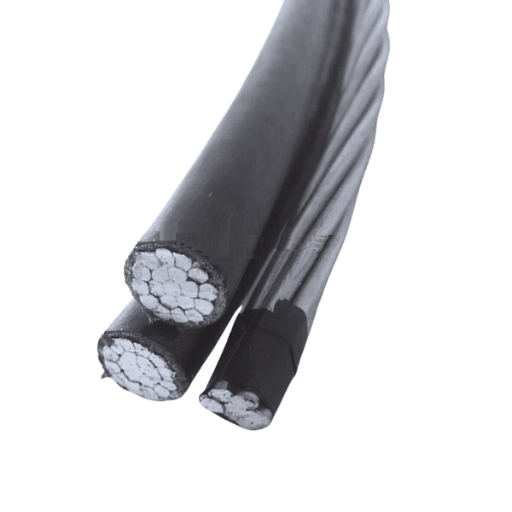
Typical Cable Application Scenarios in Various Industries
- Power Transmission and Distribution: Cables having a cross-sectional area of 240mm are used extensively where heavy-duty electrical power needs to be transmitted around the electrical grids, substations, and in the distributed industrial power systems.
- Renewable Energy Systems: In solar and wind power plants, these cables serve critical functions in connecting the stations with the grid for harnessed power dispatch.
- Industrial Manufacturing Facilities: In the automobile, steel, and chemical industries, the240mm heavy-duty cables are utilized to support high-load machineries and equipment, verticals which require sustained electrical power.
- Construction and Infrastructure Projects: Supporting advanced electric installations and backup power systems, these cables are used with major seamless constructions projects which encompass tunnels, bridges, and skyscrapers.
- Mining Operations: These cables are deployed in mining sites where robust and reliable solutions are required to withstand hostile environments and sustain power to heavy mining apparatus and functionalities.
- Data Centers: These cables are also used for substantiating accurate load assignment for essential frameworks light servers and cooling appliances vital for the infrastructure to run continuously within the centre.
- Marine and Offshore Applications: Demanding circumstances, such as water and salt exposure, are not an issue for 240mm cables, which are used to provide power on vessels and oil rigs.
- Transportation Systems: Employed in railways, airports, and metro stations for fueling, sign marking, and illumination devices, and other complementary devices.
Advantages of Direct Burial vs Cable Duct Methods
- Cost-Effectiveness: In comparison to cable duct systems, direct burial requires less installation steps and materials, thus reducing project costs.
- Simplified Installation: The installation of cables by direct burial is easier and quicker than the construction of conduit systems.
- Thermal Performance: Direct-buried cables often have better heat dissipation because of their direct contact with soil which grants greater current capacity.
- Space Efficiency: Direct burial allows for no additional infrastructure to be built, such as duct banks or conduits. This makes it suitable for areas where space is limited.
- Lower Maintenance Requirements: Directly buried cables provided with soil after installation create an area with less visual access and render frequent checks unnecessary.
- Environmental Integration: Compared to exposed systems or those mounted on conduits, direct burial integrates better visually and physically with the surroundings.
Frequently Asked Questions (FAQs)
Q: What are the notable characteristics of a 240mm XLPE cable?
A: The 240mm XLPE cable has a strong reputation for having a long useful life while boasting of high-temperature resistance, low-voltage operation, and excellent electrical conductivity. It is well suited for almost all industrial applications because of its durable and reliable industrial grade XLPE insulation.
Q: How does a 4-core 240mm power cable benefit an electrical system?
A: Its electrical balance helps in overload prevention and additionally, the A 4 core 240mm power cable bolster’s an electric system by alleviating heavy power load strain and also facilitates safety and reliability.
Q: Why is it important to consider the diameter of a 240mm cable?
A: It has an impact on the ease of install, heat dissipation, and installation of the cable. Also, a 240mm diameter helps to enhance current carrying capacity. Higher performance in heavy duty applications canini be achieved with oversized diameters.
Q: What other useful features do you get from a ZR/FR-LSNH stranded copper cable conductor?
A: The ability to bent these cables allows for better conductivity also with lower resistant strength when compared to solid core copper wires. The 240mm stranded copper cable is very useful in consistently powering equipment under constant movement, especially with vibrations.
Q: Why is aluminium wire armour utilised in a cable?
A: Aluminium wire armours serve the dual purpose of providing strength and protection for a cable without bearing an enormous weight. This feature is crucial where cables face extreme conditions or within industrial environments.
Q: What is the enhanced safety feature of an LSF (Low Smoke and Fume) 240mm cable?
A: An LSF 240mm cable is designed to emit low quantities of toxic fume during a fire, which enhances safety for enclosed, indoor, and publicly accessible places where a concentration of smoke is deeply undesired.
Q: What advantages does a 4-core armoured cable have?
A: A 4 core armoured cable has additional advantages of protection from mechanical impact as well as environmental challenges. It is optimal for underground usage or those installations that are exposed to harsh conditions and require strength.
Q: Which countries are known to use the 240mm cable?
A: The 240mm cable is popular in many nations, such as the Philippines and Nigeria. Its adaptability enables it to be employed in various climates and infrastructures.
Q: How do cable specifications such as IEC 60502-1 and BS6724 influence cable quality?
A: The specifications set by IEC 60502-1 and BS6724 guarantee certain safety and performance levels. Adherence to these requirements fosters a dependable, effective, and risk-free cable.
Q: What protects the 240 mm cable, and what is its layer?
A: For a typical 240 mm cable, the copper conductors, pursuant to the inside foils of the cable design, are combined into a bundle, which is then shielded by layers of chemical engineering plastics. This sheath serves as the primary exploitation wear and foils the purposes of the mind, which covers moisture and chemicals.
Reference Sources
- Manufacture of High Current Low Voltage Power Supply with Using the Mot (Microwave Oven Transformer) – Covers the application of cable type NYA 240² mm in electrical installations.
- Armoured cable
- Wire
- Electrical cable