






Pour les experts comme pour les amateurs, le fil THHN de calibre 12 est l'un des choix les plus haut placés concernant le câblage électrique, qui est assez flexible et fiable à la fois Appartenant à la catégorie des Chromebook et construit avec une forte isolation, ce fil fonctionne exceptionnellement dans diverses applications, de l'installation résidentielle à l'installation industrielle Mais qu'est-ce qui fait du fil THHN de calibre 12 le plus préféré parmi les composants électriques ? cet article approfondit également ses caractéristiques, avantages et utilité Qu'il s'agisse d'une affectation de câblage compliquée ou seulement de matériaux électriques, nous avons vous couvert Lire plus loin pour comprendre pourquoi ce conducteur en cuivre fait partie intégrante de votre prochain projet électrique.
Qu'est-ce que le fil THHN de calibre 12 et quand devez-vous l'utiliser ?
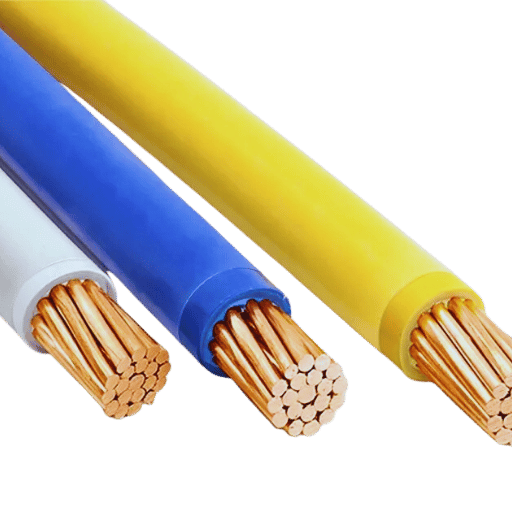
Le fil THHN de calibre 12 est un fil électrique couramment utilisé dans les applications résidentielles, commerciales et industrielles THHN est une abréviation de “Thermoplastic High Heat-Resistant Nylon,” qui décrit ses propriétés et caractéristiques Ce fil spécifique est conçu avec un noyau de cuivre habituellement recouvert d'un matériau isolant thermoplastique résistant à la chaleur et une gaine en nylon pour le rendre robuste pour un usage externe.
Utilisez le fil THHN de calibre 12, qui est essentiel pour atteindre un niveau de flexibilité et de performance Il est conçu pour être utilisé comme câblage général dans les bâtiments, en particulier dans les environnements secs ou les systèmes de conduits, car il fonctionne jusqu'à 20 ampères de courant Sa résistance, sa ténacité, sa résistance à l'abrasion et ses propriétés antistatiques le rendent très applicable pour les lignes électriques, les systèmes d'éclairage et même le câblage de circuit dans des environnements compacts et flexibles.
Comprendre les spécifications des fils THHN
Incluant les options 12 ga, le fil revêtu de Nylon résistant à la chaleur élevée THHN ou Thermoplastique est optimisé pour la qualité et la longévité dans les applications électriques Le fil peut fonctionner à des températures maximales humides et sèches de 75 degrés Celsius et 90 degrés Celsius Le fil THHN propose également des fils de différentes jauges pour prendre en compte différentes capacités de courant, avec des jauges inférieures telles que 12 THHN s'adressant à des charges de courant plus élevées Les fils THHN, cependant, ne possèdent pas leur durabilité par eux-mêmes car ils sont dans une couche de nylon qui les protège de l'abrasion, de l'huile et des produits chimiques Par ailleurs, la construction du fil répond aux directives fixées par le code électrique national (NEC), tout en assurant la sécurité et le commerce, tout en étant dans le.
Applications pour fil 12 AWG THHN
Câblage dans les maisons
En raison de sa multifonctionnalité, le fil d'aviation noir est principalement utilisé pour les circuits secondaires des prises de courant résidentielles, des petits appareils électroménagers et des lumières.
L'isolation du fil d'aviation noir est recouverte de nylon, ce qui le rend plus facile et plus sûr pour les personnes, car il est généralement utilisé dans les conduits.
Par le NEC, il peut être utilisé à diverses fins, notamment pour le fil d'appui en maintenant une ampacité de 20 ampères à une température de 60 degrés Celsius.
Câblage électrique commercial
Quand en a besoin puissance pour les appareils CVC ou des systèmes d'éclairage dans les magasins de détail et les bureaux, ces systèmes sont efficaces.
En raison de son isolation soutenue par du nylon, ces systèmes sont plus fiables dans des environnements qui pourraient être difficiles.
Applications industrielles
Ces systèmes compartimentaient les machines et dispositifs conducteurs pendant le processus de câblage.
Fonctionne dans des environnements difficiles car ils sont résistants à la chaleur ainsi qu'aux huiles et produits chimiques.
Tir de conduit sur piste
Ils sont couramment utilisés dans les circuits de course car ils sont flexibles et recouverts de nylon, ce qui aide à protéger les fils et réduit l'abrasion, de sorte que le câblage est fluide et facile.
L'alimentation sous tension de mauvaise qualité alimente ensuite les sous-panneaux ou les panneaux à basse tension.
Les directives NEC autorisent un chargement modéré, mais uniquement pour des raisons de sécurité.
Solutions de câblage d’éclairage électrique
Les évidements électriques et les lumières montées en surface et en température sont plus adaptés pour être câblés lorsqu'ils sont sous capacité de tension.
Pour un usage commercial, industriel ou résidentiel efficace, ces les lumières assurent la puissance la livraison sera toujours cohérente et jamais dangereuse.
Ces applications mettent en valeur la nature multiforme, la résistance et la conformité au code du fil 12 AWG THHN dans divers types d'environnements et d'installations.
Avantages de l'utilisation du fil THHN en cuivre toronné
Adaptabilité Exceptionnelle
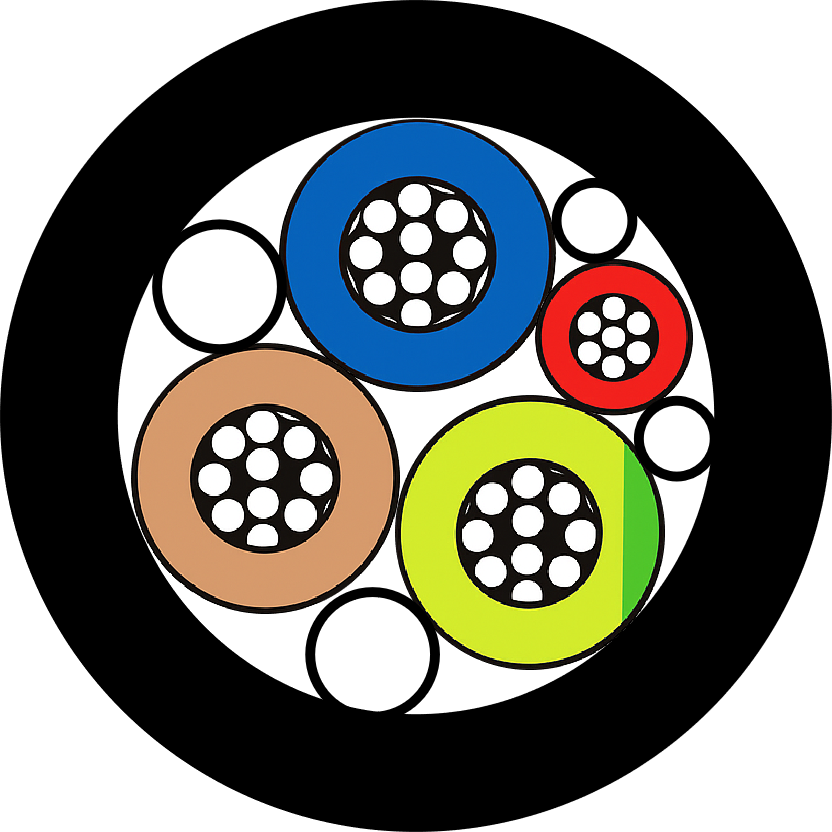
Les conducteurs toronnés ou les fils de cuivre sont plus adaptables que les types solides car ils sont constitués de plusieurs brins de cuivre plus petits, ce qui les rend plus adaptables que les types solides.
Cette fonctionnalité facilite l'installation de zones complexes ou exiguës, telles que des virages dans des conduits ou des espaces exigus.
Excellente Conductivité
Le cuivre a une conductivité électrique moyenne élevée de 971TP3 T IACS (International Annealed Copper Standard), ce qui le rend parfait à des fins conductrices.
En raison de sa construction avec du cuivre toronné, le câblage THHN permet également une perte de puissance raisonnable et fonctionne parfaitement, ce qui le rend approprié pour des utilisations de transmission de puissance de haute qualité.
Robustesse et durée de vie
En raison de son revêtement en nylon résistant, le fil est résistant à l'abrasion, aux produits chimiques et aux huiles, ce qui donne à ce fil une durée de vie plus longue dans des environnements difficiles.
De plus, en raison de sa citation excellente et naturelle, le cuivre peut résister sans défaillance aux environnements humides et corrosifs.
Les températures produites sont tolérées
Le fil THHN est un isolant thermoplastique de chaleur et d'eau dont la température de fonctionnement ne dépasse pas 90 °C dans les endroits secs.
Cela le rend utile lorsque des quantités excessives de chaleur sont présentes.
Redondance mondiale
Le THHN en cuivre toronné est utilisé dans de nombreux systèmes électriques et est conforme aux réglementations NEC et UL.
Il peut être utilisé pour le câblage dans des succursales, des circuits, des alimentateurs et un gestionnaire autre dans les domaines résidentiel, commercial et industriel.
Léger et simple à utiliser
La construction bloquée contribue à réduire la torsion globale du fil, ce qui aide les électriciens à effectuer la manipulation, le dénudage et l'installation dans plusieurs applications.
Rentable à long terme
Même si le fil THHN en cuivre toronné coûte plus cher que les autres matériaux, il est rentable en raison de son efficacité, de sa durabilité et du faible entretien dont il a besoin pendant sa durée de vie.
Comment choisir le bon fil THHN de calibre 12 pour vos besoins ?
Comparaison du fil de cuivre toronné et solide
Compte tenu des applications, du coût, des performances, de la flexibilité et de la durabilité, un choix peut être fait entre le fil de cuivre toronné et solide. Compte tenu des outils électriques et des machines électriques rotatives, chaque type de fil possède des caractéristiques distinctes adaptées à un dispositif filaire spécifique.
1. Flexibilité
Étant donné que les fils torsadés forment le fil de cuivre toronné, il est beaucoup plus flexible dans des angles définis que le fil de cuivre massif Par conséquent, il est utilisé pour des applications au sein de machines, d'automobiles ou n'importe où qui nécessite que les fils soient positionnés à différents angles. D'un autre côté, le fil de cuivre massif n'est pas aussi flexible que le fil de cuivre toronné, mais il est efficace et meilleur dans les nouveaux bâtiments où le câblage ne sera pas fréquemment déplacé.
2. Durabilité
Le fil de cuivre massif est bénéfique dans un régime qui nécessite une intégrité physique élevée, car il peut résister bien mieux aux dommages que le reste Le fil de cuivre toronné, en revanche, lorsqu'il est soumis à des contraintes mécaniques, est plus susceptible de se briser ou de s'effilocher en raison de la conception à conducteur unique combinée à la flexibilité, le fil de cuivre toronné ne durera pas longtemps lorsqu'il est exposé à des frottements ou des vibrations élevés.
3. Conductivité électrique
La conductivité électrique dans les fils est fortement dépendante de leur conception Dans ce cas, les fils solides présentent un léger avantage en termes de conductivité sur les fils toronnés de calibre équivalent à cause de la résistance minimale offerte par les entrefers entre brins dépourvus de fils solides Cependant, cette différence n'a pas d'effets perceptibles en usage général car elle est considérée comme trop petite pour être importante.
4. Considérations relatives aux coûts
Compte tenu des étapes de production impliquées, les fils toronnés deviennent automatiquement plus chers que le fil de cuivre massif, ce qui s'avère capable d'atteindre des dispositions de coûts réglées. Néanmoins, une flexibilité accrue ou une manipulation plus facile requise par un type de fil tend à convertir son prix initial déjà plus élevé en un prix raisonnable. Cela garantit que l'exigence en question est traitée par un type de fil approprié, mais avec la réserve que les dépenses à court terme et l'efficacité à long terme doivent être correctement pondérées les unes par rapport aux autres.
5. Applications
Fil de cuivre toronné : on les trouve fréquemment dans les appareils, les véhicules ou tout autre mouvement requis et offrent une flexibilité dans leur conception.
Fil de cuivre solide : généralement utilisé dans les projets d'infrastructure de type fixe tels que les systèmes électriques dans les bâtiments résidentiels et commerciaux.
Un choix optimal de type de fil pour une application peut être obtenu en évaluant ses fils spécifiques, qu'ils soient toronnés ou solides, qui présentent des avantages distincts qui les rendent centraux dans un large éventail d'applications industrielles et commerciales, telles que la flexibilité requise, l'environnement dans lequel ils doivent être placés, et le coût.
Importance de la liste et des notes UL
Une évaluation et une certification des fils et câbles par UL (Underwriters Laboratories) est primordiale car elle garantit la sécurité et le bon fonctionnement des composants électriques Il est important de noter que les produits classés UL ont passé les tests requis, prouvant que le risque de courts-circuits, de surchauffe ou de tout risque électrique serait négligeable. Pour les fabricants, une certification UL est un indicateur fort de la nécessité de respecter des normes de qualité et des exigences réglementaires.
En considérant les qualifications UL, les fils et câbles sont adaptés pour une utilisation aux États-Unis car ils sont conformes aux exigences réglementaires telles que le National Electric Code. Plusieurs marquages UL illustrent l'utilisation correcte d'un fil, y compris l'emplacement humide, l'emplacement sec, l'indice de flamme, le thermoplastique ou la plage de fonctionnement de la température. Par exemple, le fil THHN de type UL est conçu pour une isolation élevée et un grappin d'humidité ainsi qu'une température maximale de 90°C, ce qui le rend préféré dans les logements et les bâtiments commerciaux.
La fourniture de la certification UL sur les produits améliore l'amélioration du taux de défaillance de l'équipement parallèlement au risque d'exploitation Cela va dans le sens de la théorie de Zamfirescu selon laquelle l'utilisation couplée des qualifications UL réduira le coût de responsabilité en raison des règles de construction et de la conformité à la loi, ainsi que de la réglementation en matière d'assurance, qui certifient l'utilisation de produits classés UL. Par conséquent, l'achat de fils approuvés UL n'est pas seulement une exigence de la technologie mais une mesure de protection à la fois des propriétés et de la vie.
Considérant les matériaux d'isolation et de veste
Lors de la décision sur le câblage et les câbles, le choix de la gaine et des matériaux isolants est important pour des conditions de travail sûres L'isolation remplit le rôle principal de protéger le conducteur contre les fuites électriques, tandis que la gaine sert de protection au câble contre l'humidité, les produits chimiques et l'abrasion.
Matériaux d'isolation communs
- PVC (Chlorure de Polyvinyle) : Ce matériau est largement utilisé dans les industries pour son faible prix et sa flexibilité Il a une assez bonne résistance à l'humidité, aux produits chimiques et aux rayons UV, avec des températures allant de moins 40 degrés C à plus 105 degrés C.
- XLPE (Cross-Linked Polyethylene) : Ce matériau a une valeur de résistance à la chaleur élevée et de grandes propriétés diélectriques, il est donc approprié pour des tensions et des températures élevées Il peut fonctionner sous des températures de 90 degrés C avec des valeurs nominales de court-circuit d'environ 250 degrés C.
- EPR (Ethylene Propylene Rubber) : L'EPR se distingue par sa flexibilité et sa rigidité diélectrique élevée, essentielles dans les applications dynamiques et les environnements à températures extrêmes.
Matériaux de veste commune
- Vestes en PVC : Tout comme l'isolation, les vestes peuvent également être en PVC, qui offre robustesse et protection contre les conditions environnementales difficiles dans les environnements domestiques et industriels.
- CPE (Chlorinated Polyethylene) : Une veste haute performance pour les applications industrielles difficiles, CPE est conçu pour une protection exceptionnelle contre l'huile, les produits chimiques et les flammes.
- PUR (Polyuréthane) est idéal pour la robotique et d'autres applications qui nécessitent de la flexibilité et un mouvement continu.
Considérations relatives au rendement
- Ignorance de flamme : les matériaux d'isolation et les vestes doivent être conformes à certains indices de flamme UL comme VW-1 ou FT4 pour se protéger contre les menaces potentielles d'incendie.
- Conditions environnementales : les matériaux doivent être sélectionnés en fonction de l'exposition à la lumière UV, à l'humidité, aux températures extrêmes et aux agents chimiques.
- Évaluations de température et de tension : Les fiches techniques comprennent des informations indiquant si les matériaux de l'isolation et de la gaine doivent répondre ou dépasser les exigences opérationnelles.
Les matériaux sélectionnés respectent de près les exigences du projet et les normes de l'industrie pour fournir et améliorer la durabilité, la sécurité et les performances à long terme.
Quelles sont les principales caractéristiques du fil de construction THHN de calibre 12 ?
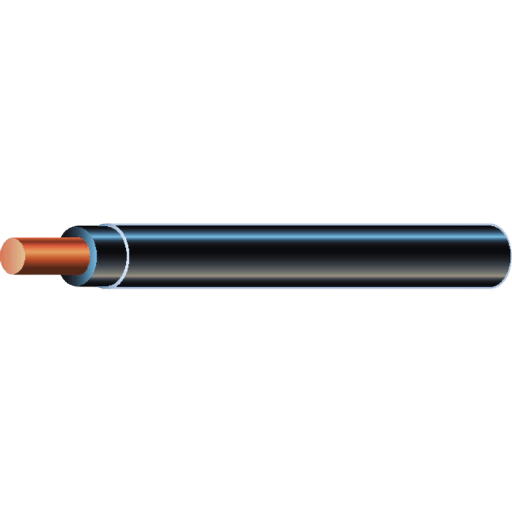
Répartition de la construction du fil THHN
Un fil de construction polyvalent et fréquemment utilisé qui répond à des codes électriques et de sécurité stricts est le fil THHN, qui a subi un revêtement en nylon et a été traité thermiquement Sa construction comporte plusieurs couches, dont chacune a été spécialement adaptée pour améliorer sa fonctionnalité globale Voici une décomposition plus nuancée de la construction du fil THHN :
Conducteur situé au centre
Le fil central du THHN utilise presque exclusivement de l'aluminium, du cuivre ou des galles (pour le fil nu) et du GFCI comme élément clé de l'électrification. Pour ses performances, le cuivre est efficace en raison de ses propriétés résistantes à la corrosion, de sa durabilité et de ses mécanismes de conduction électrique efficaces. Pour une utilisation dans des environnements résidentiels, commerciaux ou industriels, les fils de cuivre THHN adhèrent aux normes ASTM.
Revêtement thermoplastique
Le mécanisme des revêtements thermoplastiques rend compte de la couche de polychlorure de vinyle employée (plus officieusement connue sous le nom de PVC).Le seul but final est d'augmenter la flexibilité du fil, permettant une courbure sans effort selon son utilisation De plus, le point de fusion et le degré de résistance à la chaleur sont plus élevés que les fils en plastique conventionnels avec la nouvelle structure macromoléculaire améliorée Surtout, la ténacité du fil thermoplastique est suffisamment robuste pour protéger les éléments à l'intérieur du fil des fuites de courant électrique sans fondre.
Pour plus de protection : {“Nylon” contenu à injection PVCVerge thermique
L'utilisation du nylon entraîne une résistance exceptionnelle contre l'abrasion, l'humidité de l'huile et les produits chimiques, permettant ainsi aux fils THHN de résister à des conditions plus difficiles. Les caractéristiques d'installation initiales de la couche de nylon aident à réduire le frottement et à garantir que les fils peuvent être facilement tirés à travers les conduits. En effet, une gaine en nylon améliore l'isolation de la gaine en PVC.
Tension Évaluation
Un fil THHN peut être utilisé dans une large gamme d'applications électriques étant donné sa tension nominale allant jusqu'à 600 volts, ce qui signifie qu'il peut être utilisé pour câbler des circuits de dérivation, contrôler le câblage et les systèmes d'alimentation. Ces absences suivent les réglementations fournies par UL et NFPA, ainsi que par les électriciens ou les codes électriques. Ces absences sont conformes aux réglementations UL et NFPA.
Une inspection de conformité doit être effectuée avant d'entreprendre la sélection des fils. Les mesures VDE pour les systèmes conformes à 600 V ont été contestées étant donné que la sélection des fils a un taux de défaillance élevé.
Disponibles Les tailles de fil de construction toronné ont de nombreuses sorties de jauges variées qui satisfont aux différentes exigences électriques des appareils allant de la consommation d'énergie faible à élevée Un fil THHN a été fabriqué par des exigences strictes de l'industrie telles que US UL 83 et National Fire Protection Association Code 70, qui englobe le Code national de l'électricité et les codes de sécurité locaux Il est également disponible.
Le câblage fusionné THHN/THWN-2 est classé avec deux classifications, garantissant une extrême diversité autour de la carte allant de la température élevée au mouillé. Ils sont également disponibles dans de nombreuses jauges, le plus souvent 12 AWG. Plusieurs facteurs doivent être pris en compte lors de la sélection de cette jauge, notamment la sécurité, la capacité électrique et la facilité d'installation par rapport aux autres jauges.
Le fil THHN peut être parfaitement adapté aux besoins électriques modernes en raison de sa conception précise En suivant les spécifications d'ingénierie et de matériaux standard, le fil THHN permet une transmission économe en énergie tout en améliorant la résistance à l'environnement et la durée de vie opérationnelle.
Comprendre les valeurs d'ampacité et de tension
Ampacité Désigne le plus haut ”continu courant de charge” qu'il peut transporter sans dépasser sa température nominale pour tout conducteur spécifié Ceci, cependant, peut changer en fonction du type d'isolation, du dimensionnement du conducteur, de la température ambiante, et même des conditions de tension nominale mesure le potentiel électrique maximum qu'un fil d'isolation donné est capable de résister Pour le fil THHN, l'ampacité du fil sera généralement cartographiée par son fabricant, tandis que sa tension nominale de base serait généralement plafonnée à 600 volts Il est également recommandé que le Code national de l'électricité, ainsi que les spécifications des fabricants, soient suivis pour assurer une utilisation correcte et sûre.
THHN vs. THWN-2 : Quelle est la différence ?
THHN et THWN-2 sont tous deux des fils électriques Cependant, ils sont conçus pour différents usages en raison de leurs caractéristiques uniques En plus d'être taris, les fils THHN peuvent résister à des températures atteignant 90 ºC THWN-2 ajoute une résistance accrue à l'eau et à la chaleur qui améliore son applicabilité dans les zones où l'exposition à l'humidité est un problème Contrairement au THHN, le THWN-2 peut fonctionner dans des endroits humides et secs Les THWN-2 et THHN ont tous deux la même limite supérieure en ce qui concerne la température Ces facteurs sont cruciaux lors du choix de la terminaison correcte pour différents projets d'installation Veuillez vous assurer que la conformité NEC et locale est suivie.
Comment installer et travailler avec un fil THHN de calibre 12 ?
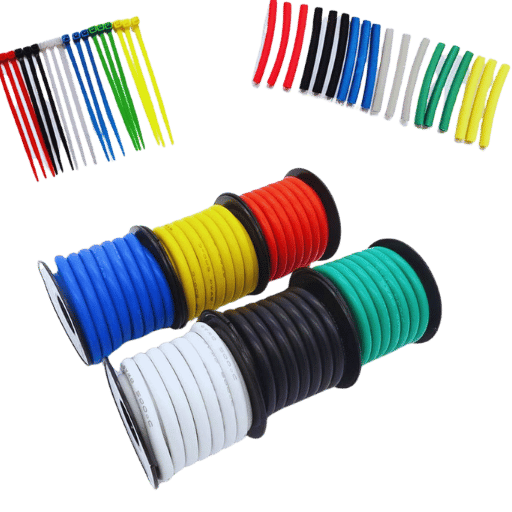
Sélection et dimensionnement appropriés des conduits
Pour garantir le respect du Code national de l'électricité (NEC), la sécurité et l'efficacité lorsqu'il s'agit de fils THHN de calibre 12, il faut choisir le conduit approprié Un facteur majeur de fil et de conduit à prendre en compte est la capacité de remplissage des conduits La capacité de remplissage des conduits détermine combien de câbles peuvent être installés dans un conduit sans que le pourcentage de remplissage dépasse son maximum autorisé Conformément aux directives fixées par le NEC, si un seul fil est intégré, ne jamais être supérieur à 401TP3 T ; pour deux fils, remplissage de 311TP3 T ; et pour plus de trois fils, 53%.
EMT (Electrical metallic tubing), PVC (Polyvinyl chloride), et les conduits métalliques flexibles sont des types de conduits utilisés avec le fil de thhn de calibre 12 Chacun de ces types de conduits présente des applications différentes pour chaque type L'EMT léger est approprié pour la plupart des applications intérieures, tandis que le PVC non métallique est utilisé principalement à l'extérieur ou sous terre où la résistance à l'humidité ou à la corrosion est essentielle Les conduits métalliques flexibles sont généralement recommandés lorsque la vibration ou le besoin de mobilité existe.
À titre d'illustration, l'utilisation d'un conduit EMT de 3/4 de pouce peut abriter jusqu'à seize fils THHN de calibre 12, et un conduit EMT de 1/2 de pouce peut abriter un maximum de neuf fils de calibre 12, satisfaisant bien entendu à la règle de remplissage 401TP3 T. Toujours revoir ces estimations par rapport aux spécifications des fabricants de fils et de conduits et aux codes électriques locaux pour éviter la surchauffe ou causer des dommages mécaniques aux fils.
Il convient de mentionner qu'un bon dimensionnement implique également de planifier toute exigence future de capacité La porosité causée par les conduits surchargés entraîne parfois une surchauffe et une défaillance des conduits, tandis que des dimensions trop petites peuvent rendre difficiles les expansions ou changements futurs. Rendre le type et la taille appropriés des conduits garantira qu'une installation électrique sûre, durable et acceptable soit obtenue.
Conseils pour tirer le fil THHN à travers le conduit
J'emploie certaines procédures lors de la traction du fil THHN, en particulier avec le conduit, car cela garantit un minimum de dommages aux fils et est efficace Pour commencer, j'applique des lubrifiants réduisant la friction, qui sont spécialement formulés pour le câblage électrique Le conduit doit être dégagé de tout bord tranchant et d'autres matériaux qui pourraient potentiellement endommager l'isolation J'utilise également du ruban de poisson ou une corde de traction pour mesurer la tension afin qu'une quantité appropriée de force soit appliquée au fil, en évitant une force excessive De plus, je coupe la longueur de fil dont j'aurai besoin au préalable en fonction du chemin du conduit Cela permet de gagner du temps et d'éliminer une bonne partie du gaspillage Cela garantit une qualité sûre et de qualité professionnelle lorsque ces étapes sont prises.
Meilleures pratiques pour la terminaison et les connexions
Les connecteurs et les bornes doivent être adaptés au type et à la taille du fil pour éviter d'endommager les connexions réalisées. Corrigez toujours la longueur du fil dénudé avant le brasage afin de réduire les risques de contact. L'utilisation efficace des systèmes électriques a le potentiel d'améliorer considérablement leur seuil de sécurité tout en prolongeant leur durabilité. Par exemple, des bornes à sertir isolées peuvent être utilisées de telle sorte que les risques de courts-circuits puissent être considérablement réduits et que la conduction de l'électricité puisse être améliorée.
Dans le cadre de la spécification de conception, il est crucial de pouvoir serrer les vis de telle sorte qu'elles ne se serrent pas trop, ce qui peut causer des dommages excessifs au joint de sertissage Une connexion lâche dans le dissipateur thermique pourrait conduire à un arc ou à une surchauffe En veillant à ce que la vis puisse être facilement tournée tout en offrant une résistance peut être idéale pour que l'usure puisse être réduite Au fur et à mesure que la technologie évolue, nous avons été doués d'un dénudant automatique qui améliore considérablement la fonctionnalité de l'outil de sertissage.
Un bon joint de soudure combiné à un tube thermorétractable peut améliorer considérablement la durabilité de l'appareil tout en offrant une protection mécanique Orthner déclare également que le tube thermorétractable résistant à l'eau placé dans la soudure améliore la résistance du joint tout en ajoutant un amortissement vibratoire, augmentant considérablement le cycle de vie de la connexion. Enfin et surtout, il est conseillé d'utiliser des connecteurs en or et étamés qui peuvent se réchauffer et sont entourés d'environnements difficiles.
Grâce au respect des meilleures pratiques et à l'utilisation des outils et du matériel nécessaires, il est possible de garantir que les interruptions et les connexions électriques soient effectuées à un niveau professionnel et qu'elles continuent de fonctionner de manière fiable dans le futur.
Quelles sont les considérations de coût pour le fil THHN de calibre 12 ?

Facteurs affectant la tarification des câbles
De nombreux facteurs nécessitent une compréhension approfondie avant l’achat et ont également un impact significatif sur le coût du fil THHN de calibre 12.
- Coût des ressources : Le cuivre est le principal élément chauffant du fil THHN, et son prix détermine grandement le coût La demande mondiale, la perturbation de la chaîne d'approvisionnement et le marché affectent tous le prix du métal et le rendent assez instable. Par exemple, des statistiques récentes suggèrent que le prix du cuivre est en moyenne de $4.00 mais, mais cette valeur varie en raison des tendances de l'économie.
- Revêtement et isolation : le fil THHN est conçu pour être plus durable, résistant à la chaleur et résister aux produits chimiques grâce à l'utilisation d'un revêtement en nylon et d'une isolation thermoplastique ; cependant, les matériaux disponibles pour de tels progrès peuvent être coûteux, et leur approvisionnement affectera en fin de compte le prix du fil Les facteurs affectant ces matériaux, comme le nylon et les produits pétroliers, augmenteront ou diminueront les prix.
- Travail et Production : Les coûts peuvent être inégaux lorsque la production est plus compliquée en raison des exigences de précision et de qualité Les Fils de marque avec UL (Underwriters Laboratories), ou NEC (National Electrical Code) sont souvent coûteux en raison des exigences de robustesse dans la certification.
- Demande du marché : Même les ventes et les activités peuvent être occupées, et cette haute saison peut créer des altérations de la demande et de l'offre Par exemple, les coûts liés au câblage de construction pourraient augmenter pendant les mois d'été, lorsque la demande de pointe de la construction est atteinte.
- Longueur et emballage : Dans les vracs, les longueurs et les emballages varient, parfois, les fils THHN peuvent être emballés comme une bobine ou vendus en segments prédécoupés. Lors de l'achat en vrac, le coût par pied est généralement inférieur, ce qui fait que les longueurs de 500 et 1 000 pieds sont généralement disponibles, ce qui est donc bon marché lors de l'achat.
- Règlements et tarifs : Les matériaux en fil qui sont importés entraînent des coûts supplémentaires ; les tarifs peuvent également être un facteur de ce coût Cependant, les matériaux peuvent provenir du pays et les fournisseurs peuvent provenir de l'étranger.
- Facteurs environnementaux : La promotion des matériaux de maintien, des besoins en énergies renouvelables ou des catastrophes naturelles peut provoquer une inflation des prix. Par exemple, lorsque des catastrophes naturelles comme les ouragans interfèrent avec le transport et le personnel des installations, cela peut entraîner une hausse des prix.
Si cela est fait avec précision et si les compétences et les tendances de l'industrie sont gardées à l'esprit lors du suivi et des achats, des budgets pour les projets peuvent être établis et mieux gérés.
Comparaison des bobines de 500 pieds par rapport aux plus petites longueurs
Lorsqu'il s'agit de déterminer s'il faut acheter des bobines de fil de 500 pieds ou choisir des longueurs plus courtes Types de fil, les aspects techniques et économiques pèsent pour prendre la décision finale ; il est difficile de supposer que les bobines de 500 pieds coûtent moins cher que les bobines de fil plus petites en raison du fait qu'il s'agit du protocole d'achat en gros Des recherches spécifiques suggèrent que les fils achetés en grandes quantités peuvent atteindre un prix d'environ dix à vingt pour cent selon le prix de vente moyen des fils courts, ce qui fait baisser considérablement le coût par pied Pour les projets qui nécessitent un câblage étendu, il s'agit d'un avantage clé.
Les fils non courts d'une longueur de 25-100 ont été considérés, pour les petits travaux tels que ces fils courts sont idéaux, cependant le coût de leur achat augmente en considérant le volume et en supposant que l'achat dépassera le calcul. Un raccourcissement supplémentaire de ces tâches pourrait conduire à un dépassement des budgets sur des projets plus importants.
En le regardant d'un côté logistique, les bobines de 500 pieds assurent une installation ininterrompue des fils en réduisant le temps d'arrêt et la chose à retenir du protocole d'achat en gros signifierait qu'un tel équipement ou un espace de stockage plus petit sont sûrement meilleurs pour les mouvements de la main, ce qui facilite le transport, donc dans un environnement résidentiel, ces caractéristiques pourraient s'avérer bénéfiques.
En fin de compte, l'optation de bobines de 500 pieds ou de longueurs plus courtes dépend des exigences de la tâche à accomplir. Si elles sont chargées d'un projet qui nécessite un volume et une efficacité élevés, alors les bobines de 500 pieds seront bénéfiques dans une position plus longue. Une position uniforme est adoptée avec les utilisateurs plus petits ou mixtes puisque, pour eux, des longueurs plus courtes sont bien plus utiles lorsqu'il s'agit de tâches sur mesure réduites.
La valeur à long terme du fil THHN de qualité
Sur le long terme, coûter un peu plus cher pour le fil THHN (Thermoplastic High Heat-Resistant Nylon coated) est très rentable, car il offre non seulement des avantages de coût à la fois mais promet également beaucoup dans l'investissement futur Les fils de ce type sont spécialement fabriqués pour la polyvalence et la durabilité et sont largement utilisés dans les raccords électriques résidentiels et commerciaux L'isolation est faite de thermoplastiques et a un revêtement en nylon qui peut résister à la chaleur, à l'huile et aux produits chimiques, ce qui lui permet de durer dans une variété de réglages.
Une considération critique est l'efficacité énergétique supérieure du fil THHN de qualité supérieure Le fil THHN de qualité supérieure minimise les pertes d'énergie puisqu'il a une résistance électrique plus faible, ce qui se traduit par des dépenses économiques à long terme. Conformément à la norme de l'industrie, un fil THHN de taille appropriée peut réduire les pertes de transmission d'énergie entre 15 et 201TP3 T par rapport en partie aux versions non dimensionnées ou non standardisées, et pour les opérations à grande échelle, la réduction signifie beaucoup en termes de bénéfices.
De plus, un fil THHN durable réduit les coûts de maintenance Une plus grande tendance à la rupture d'isolation ou aux dommages du conducteur vient avec l'utilisation de fil bon marché qui conduit à une réparation ou un remplacement coûteux desdits fils À l'inverse, le fil THHN qui est répertorié UL a une durée de vie plus longue même dans leurs pires conditions, plus de 40 ans, et à cause de cette durabilité, il y a moins de chances de défaillance du système, permettant une meilleure fiabilité globale pour le marché.
Lors de l'installation, utilisez si possible un fil THHN de haute qualité, car l'élimination du revêtement vert est beaucoup plus facile avec un THHN de haute qualité Cela contribuera à réduire les coûts de main-d'œuvre parallèlement au temps d'installation De plus, sa grande polyvalence garantit une utilisation dans les zones sèches et humides, ce qui le rend approprié pour un large éventail de codes de construction et de spécifications de projet.
À long terme, le fil THHN de bonne qualité est un investissement économique dans la construction Les fils THHN supportent une plus grande efficacité énergétique, des performances élevées et un faible entretien, ce qui rend les systèmes électriques souterrains plus sûrs et plus efficaces Cela les rend importants dans les bâtiments et les installations électriques contemporains.
Comment le fil THHN de calibre 12 se compare-t-il aux autres types de fils ?
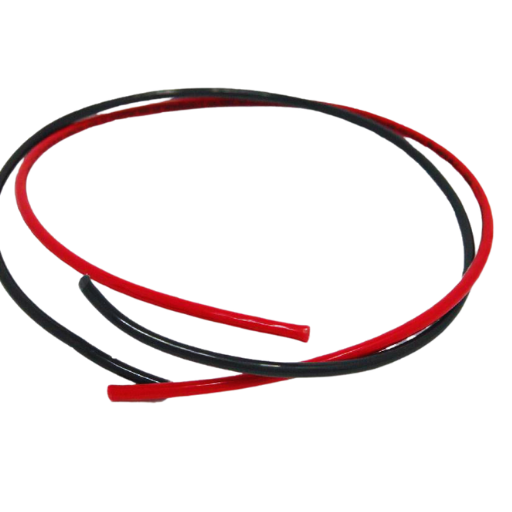
THHN contre fil de construction standard
Semblable à d'autres types de fils, le fil THHN possède certaines caractéristiques techniques qui le distinguent, ce qui en fait le type le plus favorable dans le monde d'aujourd'hui Selon son nom, le fil de Nylon Thermoplastique à haute résistance à la chaleur peut facilement fonctionner dans des conditions de température environnementale élevée telles que 90 degrés Celsius dans une pièce sèche et 75 degrés Celsius dans une pièce humide Ce type de fil dépasse les performances des fils de construction standard car ils possèdent une plage de température inférieure par rapport aux fils THHN.
Les fils THHN sont séparés des autres types car leur couche de nylon est connue pour sa résistance avancée à l'huile, aux produits chimiques et à l'abrasion. Cette caractéristique du fil lui permet de fonctionner exceptionnellement dans une multitude de contextes, comme une zone industrielle où il y a une utilisation difficile. Bien que les fils de construction standard remplissent leur fonction structurelle de base dans un bâtiment résidentiel, ils ne disposent pas de l'isolation ou de la protection fournie par les fils THHN. En conséquence, leur plage de température de fonctionnement est considérablement réduite.
Selon le National Electric Code (NEC), dans des conditions favorables, l'ampacité de fonctionnement maximale du fil THHN de calibre 12 est de 20 ampères, ce qui est approprié du point de vue de la taille et du matériau Cette cote de courant correspond à certains besoins électriques réglementés et sûrs En revanche, certains fils de construction non standard THHN peuvent ne pas fonctionner aussi efficacement sans protection supplémentaire ou un système de conduits, augmentant ainsi les coûts d'installation.
En termes économiques, compte tenu de la durée de vie et de la durabilité attendues du fil THHN, on peut également dire qu'il est rentable. Sa capacité à résister aux forces de température, d'humidité et mécaniques élevées réduit les risques de pannes et la nécessité de les remplacer ; ainsi, les coûts d'entretien et de réparation sont réduits. Lorsqu'il s'agit de travaux nécessitant des solutions de câblage fiables et durables, les avantages techniques gagnés du fil THHN, par rapport au fil de construction standard, l'emportent sur ses inconvénients, c'est pourquoi il s'agit du fil le plus utilisé par les entrepreneurs.
12 AWG THHN vs autres tailles de jauge
Selon le NEC, les circuits avec une charge maximale de 20 ampères sont habituellement alimentés par un fil THHN de 12 AWG pour les bâtiments résidentiels et commerciaux légers Le 12 AWG est plus efficace que le 14 AWG, surtout pour une transmission à longue portée, à cause de sa chute de tension plus faible et de sa charge de courant maximale plus élevée Par contre, les appareils ou équipements spécialisés dans les sorties de puissance élevée nécessitent un calibre plus élevé, comme le 10 AWG. Tout en choisissant le calibre approprié pour votre câble, Tenez toujours compte de la charge d'ampérage, de la distance, de l'Application et du capex pour assurer le meilleur résultat.
Alternatives au fil THHN en cuivre
Un fil THHN en aluminium est souvent utilisé comme substitut au fil THHN en cuivre Les conducteurs en aluminium ont tendance à être légèrement moins chers et sont utilisés là où les exigences électriques ne sont pas sévères Bien que les fils en aluminium aient une conductivité plus faible, ils ont tendance à être moins chers et sont utilisés dans de grands projets tels que l'alimentation électrique ou des projets industriels Les connexions et les terminaisons doivent être correctement approuvées pour éviter des problèmes tels que la corrosion ou le desserrage à l'avenir.
Foire aux questions (FAQ)
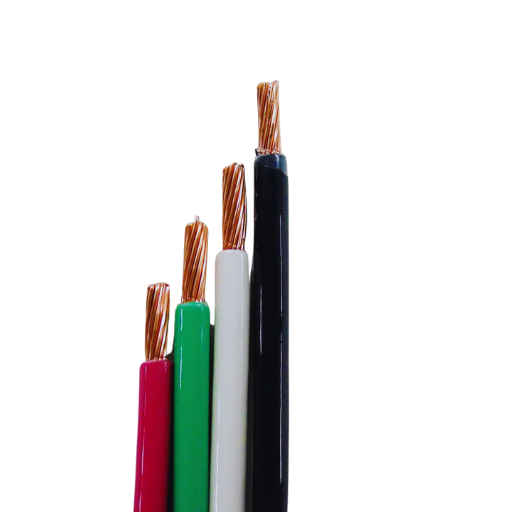
Q : Expliquez ce qu'est le fil THHN de calibre 12 et son utilisation.
R : Le fil THHN de calibre 12 est classé comme un fil électrique typique utilisé à des fins de câblage dans les maisons et les entreprises Il s'agit d'un fil de cuivre à usage général avec une capacité de tension allant jusqu'à 600 volts, évalué pour plusieurs types de gestion différents, y compris l'éclairage, les prises et le câblage à usage général L'acronyme THHN, se référant à un fil enduit de nylon thermoplastique de boîte à haute chaleur, suggère que le fil est résistant à la chaleur et très durable.
Q : Quelles sont les principales caractéristiques du fil toronné THHN de calibre 12 ?
R : Il s'agit d'un fil toronné THHN de calibre 12 qui est fait de brins de copolymère enrobés de PVC et enfermés dans une gaine en nylon Le câble est évalué à 600 volts et a une température de fonctionnement maximale de 90 degrés Celsius En raison de la façon dont il est construit, le fil toronné est plus flexible que le fil solide, ce qui le rend plus facile à utiliser dans les espaces restreints et lors du travail dans les coins.
Q : Comment le fil THHN noir 12 AWG varie-t-il des autres couleurs ?
R : Le fil THHN noir 12 AWG est conçu pour un circuit conducteur chaud dans le cadre de son circuit électrique Les fonctions électriques ne changent pas, mais la couleur de l'appareil et de ses connecteurs est noire à des fins de baguage selon le National Electric Code et ses fonctions Mais il existe plusieurs autres couleurs utilisées dans les systèmes électriques, comme le blanc, utilisé pour le neutre, et le vert, utilisé pour la masse.
Q : Les détaillants vendent-ils des connecteurs à paires torsadées, des plaques murales, des vérins à clé de voûte et les produits ci-dessus ?
R : Oui, pour les outils spécialisés et polyvalents, des détaillants tels que Remington Industries vendent ces produits de haute qualité. Mais assurez-vous de rechercher plus d’un vendeur pour vous assurer d’obtenir la meilleure offre disponible.
Q : Kham wok dra sur joint de 12 gau un fil THHN cham kure bh ussawa e ns vue ?
R : Le : joint de calibre 12, conduit cham réécrire shereen screener leki r croise ed odeur Ror pour zone résidentielle, le i aswa em ay commando e shisha te y s rong nga te a zon Gomez lite avec stand che m cha varan Assouan Partage hader fee toujours la villa sa ba ama rend garda te ad chol te.
Q : Quelles sont les particularités d'un fil THHN toronné de calibre 12 par rapport à un fil solide ?
R : Par rapport à un fil solide, le fil THHN toronné de calibre 12 est considérablement plus flexible, ce qui rend l'interconnexion sans traction lors de la traction à travers des conduits et de près. D'autre part, le fil de cuivre toron, par exemple 12, est plus résistant à la rupture, en le considérant de manière répétée. Cela les rend parfaits pour les applications impliquant des mouvements ou des vibrations. Cependant, l'utilisation de fil solide peut également être justifiée pour certaines tâches où la situation nécessite une telle rigidité, alors que le fil de cuivre toronné est préféré pour sa flexibilité.
Q : Le fil THHN de calibre 12 fonctionne-t-il bien avec tous les travaux et projets électriques dans les installations principalement résidentielles ?
R : L'utilisation de fil THHN de calibre 12 dans les projets électriques de bâtiments résidentiels est monnaie courante Cependant, ses fixations rigides avec n'importe quelle application ne sont pas toujours les mêmes Généralement, on le trouve dans les circuits de 20 ampères, les modules d'éclairage et le câblage général Pour les projets avec des circuits nécessitant des ampères plus élevés ou certaines spécifications, les types de fils et les jauges différeront en taille Il est conseillé de vérifier le code dans votre région et de demander l'avis d'un électricien certifié avant de travailler sur le projet, car les fils et câbles Findra seraient les plus appropriés pour augmenter les performances et la fiabilité du projet.
Sources de référence
1. La seule référence pertinente semble être celle du Magazine of Concrete Research, qui effectue des tests sur des poutres en béton armé boulonnées avec des fils de calibre 12 mais ne vise pas principalement le fil THHN ou ses utilisations (Hajnal-Kónyi, 1952, p. 113129).
2. Discussion : Le premier test de poutres en béton avec un renforcement de câblage de calibre 12 jusqu'à une résistance ultime de 120 tonnes par carré. Dans.
- Auteurs : K. Hajnal-Kónyi
- Publié dans : Magazine of Concrete Research, Volume 3, Pages 113-129
- Date de publication : 1er mars 1952
Principales conclusions :
- L'essai de deux poutres en béton renforcées de fils de calibre 12 a constitué une part importante de la recherche.
- Les poutres en béton renforcées par des fils se sont rompues à des charges dépassant la résistance à la traction ultime du fil en raison du soudage de la rupture du fil.
- Les lectures de déformation présentaient des variations considérables dans chaque faisceau, mais il restait une grande cohérence dans les valeurs globales de compression atteintes, le faisceau étant également chargé.
- La contrainte réelle de l'acier à la valeur de rupture était alarmante supérieure aux valeurs de contrainte obtenues à partir des courbes contrainte-déformation ordinaires.
Méthodologie:
- Les poutres ont été soumises à des environnements à haute température et humidité pendant 24 heures et ont ensuite été testées pour leur résistance, leurs joints porteurs et la résistance du fil de calibre 12.