

Flexible control cable
PVC Insulated, Unshielded, Stranded Copper Conductors (300/500V)
- Conductor: Flexible copper / Tinned copper conductor
- Insulation: PVC
- Sheath: PVC
- Sheath Color: Black or Gray (Bespoke cable)
- Single-Core: 20D ± 0.05, multi-core: 15D ±0.05
- Temperature Rating: 0℃ to 90℃
- Fast Sample Processing with Customized Solutions
- High-Quality Materials
- Affordable Price Options
- Global Delivery
- For better data protection, make sure that all uploads are secure
Save at least 30% on average
-
Product Description
Flexible control cable : Product Description and Specifications
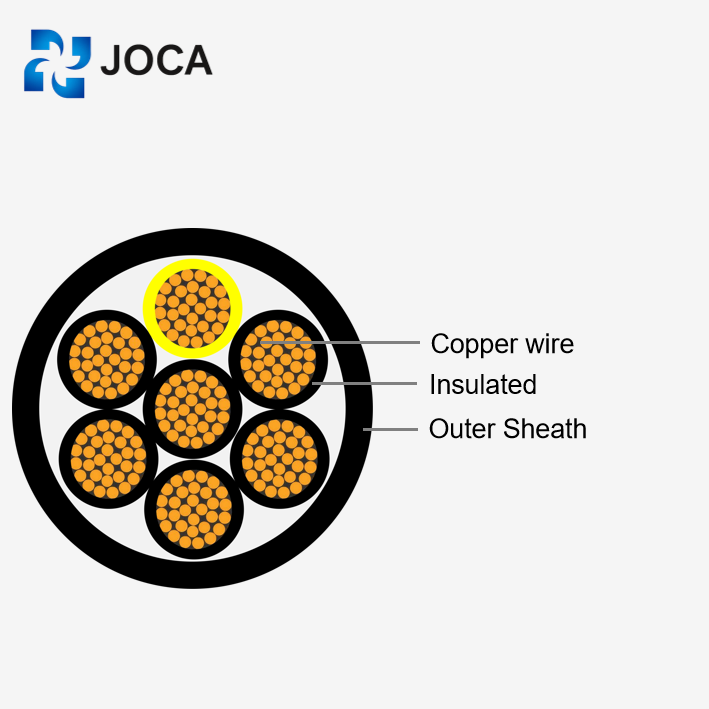
This cable is engineered specifically for automated machinery and assembly lines where standard cables fail due to constant movement. We utilize Class 5 annealed copper conductors (fine stranding) to ensure flexibility without work-hardening the metal. The outer jacket is extruded from a specialized oil-resistant PVC compound, protecting the core against coolants and cutting fluids found in CNC environments. Unlike general-purpose wiring, this cable maintains its mechanical integrity even under repetitive bending stress. Rated for 300/500V applications.
-
Advantages
Flexible control cable : Benefits and Features
Real Flexibility: We use Class 5 fine copper strands here. Why? Because solid wires break under vibration. These don’t.
Beats the Oil: CNC coolants usually make standard PVC swell up and crack. Our jacket compound is formulated specifically to stop that from happening.
Fits Anywhere: We kept the insulation tight. The overall diameter is smaller, so you can actually fit it into crowded conduits without a fight.
Fast Termination: Ask any electrician—stripping cheap cable is a nightmare. Ours peels back clean. No wasted time on the job site.
Actually Tested: We don’t just rely on specs. We physically bend-test samples from the batch. If it doesn’t survive the lab, it doesn’t get on the truck.
Dimensions/Parameters
| Nominal cross sectional area of conductor(mm2) | Approx overall diameter(mm) |
|---|---|
| 4×0.5 | 9.0 |
| 4×2.5 | 13.0 |
| 10×0.75 | 13.5 |
| 10×6 | 19.5 |
| 30×0.75 | 20.0 |
| 37×2.5 | 29.5 |
| 44×0.75 | 24.5 |
| 44×2.5 | 36.0 |
| 48×0.75 | 26.5 |
| 48×2.5 | 37.0 |
| 61×0.75 | 27.0 |
| 61×2.5 | 40.5 |
-
Production Processes Of Control cable
Control cables are manufactured via pressure extrusion to lock in PVC density. Quality control goes beyond standard metrics: we conduct mandatory oil resistance and bending tests on each production lot. This verifies actual performance against IEC specs, ensuring durability in real-world automation environments.
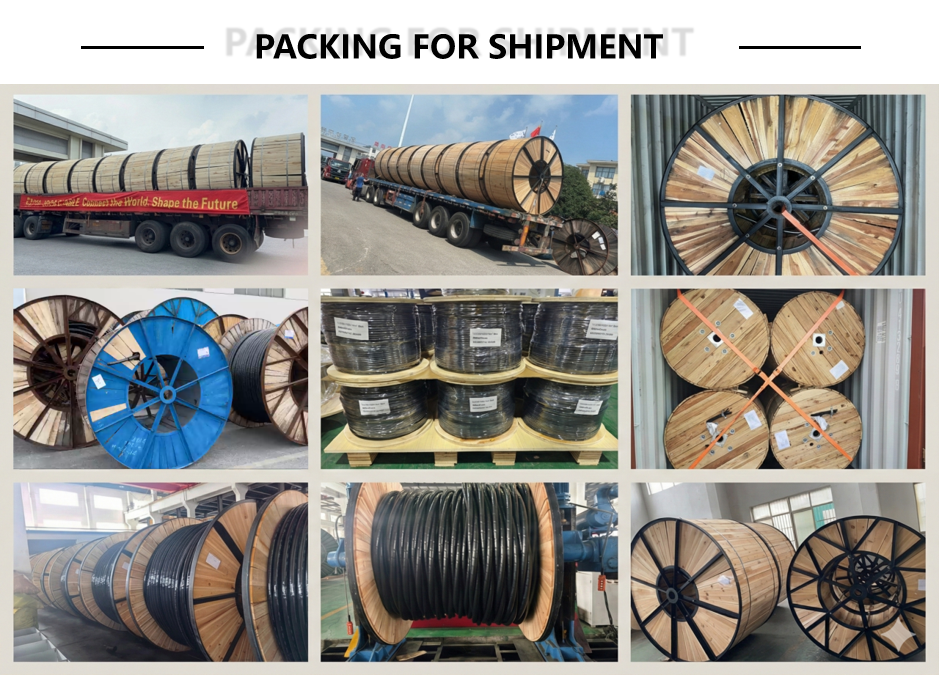
Packing For Shipment
To meet various transportation needs, there are many methods of packaging that can be used.
Have more questions?
Q: Can I run this cable inside a high-speed robot arm?
A: Honestly? No. This is for standard flexible control (like machine tools or assembly lines). For high-speed robotics with millions of torsion cycles, you need our specialized Robot Cable. This one might wear out too fast in those extreme conditions.
Q: Will the jacket swell up if it gets covered in CNC coolant?
A: It handles most standard industrial oils and coolants just fine. We use a specific PVC compound meant for machine environments. It won’t turn into a sponge like cheap generic cables do.
Q: Is the conductor pure copper or CCA (Copper Clad Aluminum)?
A: 100% Pure Annealed Copper. We don’t touch CCA. CCA breaks way too easily under vibration and has higher resistance. You get full conductivity here.
Q:I have a lot of electrical noise (EMI) near my VFDs. Is this cable okay?
A: You are looking at the unshielded version. If you are running it next to VFDs or heavy motors, you should grab our Shielded (RVVP) version instead. It has a braided screen to stop that interference.
Q: How does it strip? Is the jacket stuck to the cores?
A: It strips clean. We use a talc separation layer (or non-adhering extrusion) so the outer jacket pulls off without taking the core insulation with it. Saves your electricians a lot of time.
Q: Can I install this outdoors without conduit?
A: Not recommended for direct sunlight. While the PVC is tough, UV rays will eventually make it brittle over a few years. Put it in a pipe or ask us for a black UV-resistant jacket spec if it needs to sit in the sun.
Q: What’s the minimum bending radius?
A: For fixed installation, you can go tight (4x diameter). If it’s moving regularly, keep it around 10x to 15x the diameter. Don’t pinch it tighter than that, or you’ll stress the copper.
Q : Do you actually test these, or just ship them?
A: We pull random samples from production runs and put them through a flex-cycle machine in our lab. If a batch doesn’t meet the cycle count, we scrap it. We don’t ship guesswork.