


BVR
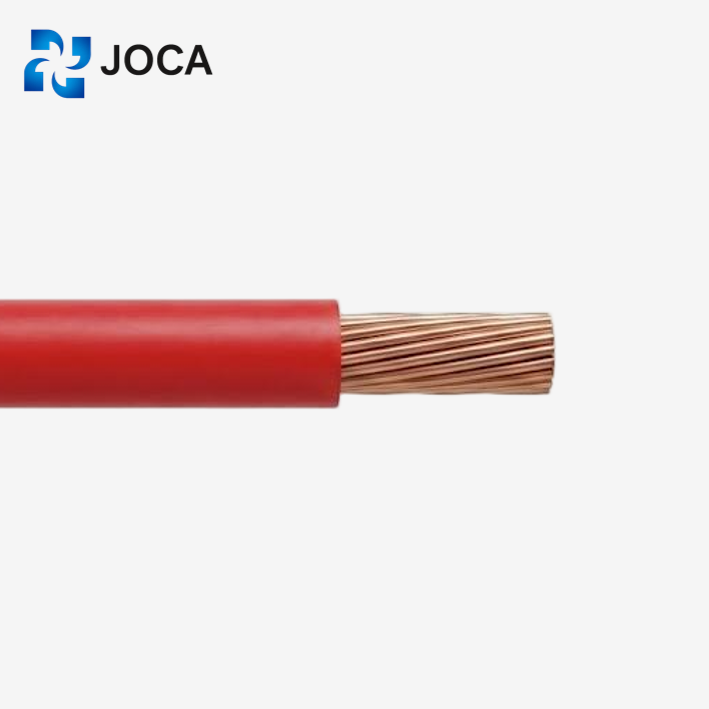
Copper conductor PVC insulared flexible cable
Rated Voltage: 450/750V
Standard: JB/T 8734
Conductor Material: Stranded Copper
Insulation Material: PVC
Feature: Flexible
Cross-section Range: 2.5 mm² – 240 mm²
Sheath: Non-sheathed.
- Fast Sample Processing with Customized Solutions
- High-Quality Materials
- Affordable Price Options
- Global Delivery
- For better data protection, make sure that all uploads are secure
Save at least 30% on average
Home » Electrical Cable » BVR
-
Product Description
BVR : Product Description and Specifications
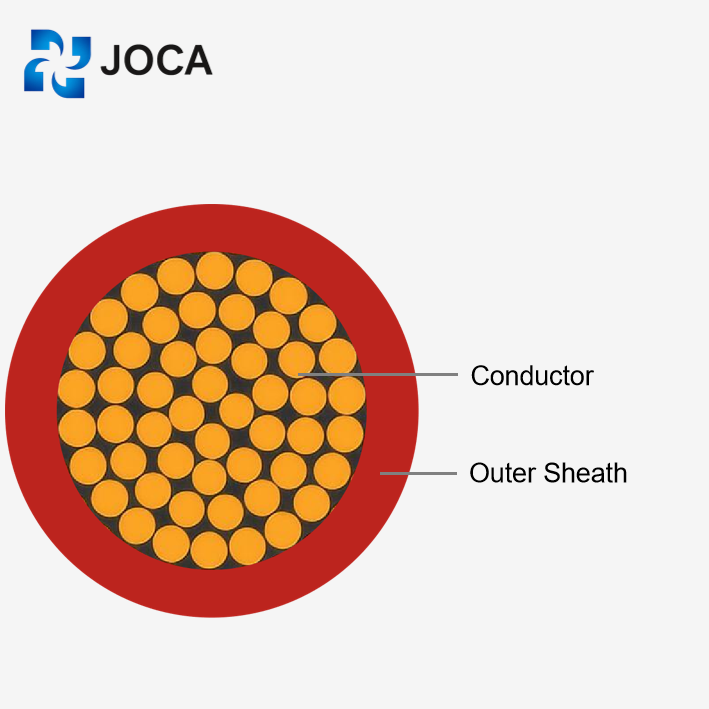
Type BVR is a single-core wire with Class 2 stranded copper. Insulation is standard PVC. Voltage rated 450/750V. Unlike solid BV, BVR uses multiple copper strands (7 or 19). This structure adds flexibility. Easier to pull through curved conduits than solid wire. Good for distribution boxes. Not as soft as RV flexible wire. Max temp 70°C.
-
Advantages
BVR: Benefits and Features
Flexibility: The multi-strand copper structure allows for easier bending and routing compared to solid core cables.
Electrical Performance: Reliable conductivity and insulation resistance up to 450/750V.
Durability: PVC insulation provides resistance against general mechanical stress and environmental factors within indoor settings.
Dimensions/Parameters
| Nominal Cross-Sectional Area (mm2) | Min. No. of Wires in Stranded Conductor | Insulation Thickness (mm) | Max. Average Outer Diameter (mm) | Approx. Cable Weight (kg/km) | Max. DC Conductor Resistance at 20°C - Plain Copper (Ω/km) | Max. DC Conductor Resistance at 20°C - Metal-Coated Copper (Ω/km) | Min. Insulation Resistance (MΩ.km) |
|---|---|---|---|---|---|---|---|
| 2.5 | 19 | 0.8 | 4.1 | 32.12 | 7.41 | 7.56 | 0.010 |
| 4 | 19 | 0.8 | 4.8 | 47.57 | 4.61 | 4.70 | 0.0079 |
| 6 | 19 | 0.8 | 5.3 | 68.48 | 3.08 | 3.11 | 0.0068 |
| 10 | 49 | 1.0 | 7.3 | 121.35 | 1.83 | 1.84 | 0.0066 |
| 16 | 49 | 1.0 | 8.6 | 174.58 | 1.15 | 1.16 | 0.0054 |
| 25 | 98 | 1.2 | 10.2 | 285.52 | 0.727 | 0.734 | 0.0051 |
| 35 | 133 | 1.2 | 11.7 | 376.73 | 0.524 | 0.529 | 0.0043 |
| 50 | 133 | 1.4 | 13.9 | 517.43 | 0.387 | 0.391 | 0.0042 |
| 70 | 189 | 1.4 | 16.0 | 719.28 | 0.268 | 0.270 | 0.0036 |
| 95 | 259 | 1.6 | 18.2 | 979.00 | 0.193 | 0.195 | 0.0036 |
| *120 | 259 | 1.6 | 20.2 | 1206.14 | 0.153 | 0.154 | 0.0033 |
| *150 | 336 | 1.8 | 22.5 | 1523.93 | 0.124 | 0.126 | 0.0033 |
| *185 | 427 | 2.0 | 24.9 | 1895.95 | 0.0911 | 0.100 | 0.0033 |
-
Production Processes Of Electrical Cable
Our production relies on state-of-the-art manufacturing equipment to ensure superior cable performance. The process integrates precision copper drawing and annealing with advanced insulation extrusion technology for uniform thickness. Throughout production, strict quality control measures—including online spark testing and automated diameter monitoring—are applied to every meter. This rigorous workflow guarantees that our electrical cables meet stringent IEC and GB standards for residential and industrial use.
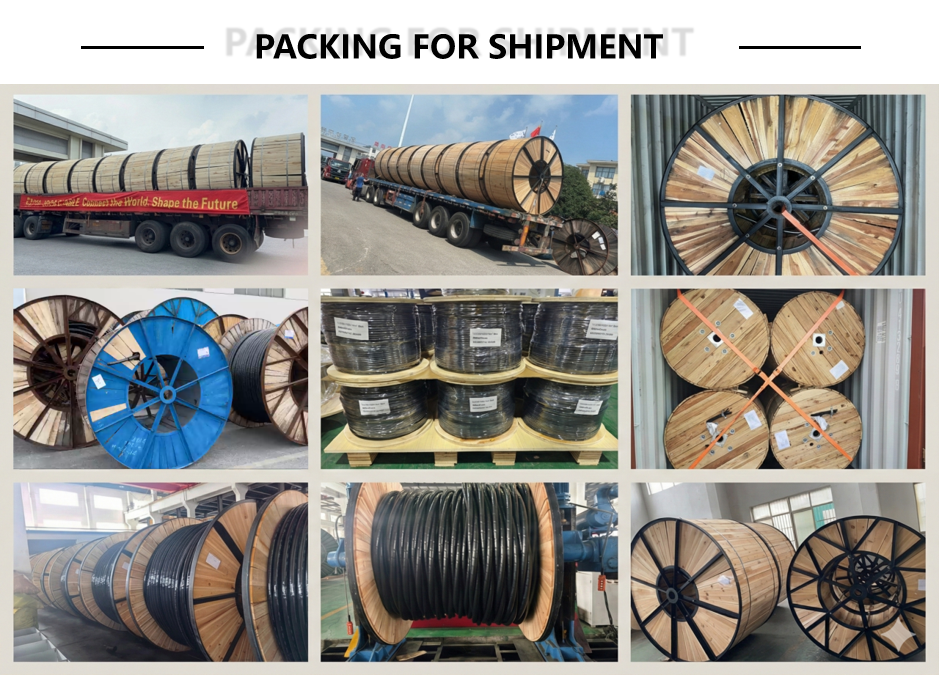
Packing For Shipment
To meet various transportation needs, there are many methods of packaging that can be used.
Have more questions?
Q: Product Definition?
A: Copper Core PVC Insulated Flexible Wire.
Standard: Chinese National Standard JB/T 8734.
Type: Non-sheathed, stranded conductor.
Q: BV vs. BVR?
A: Conductor Structure.
BV: Solid (Class 1) or Stiff Stranded. Rigid structure for straight runs.
BVR: Stranded Copper. Multi-strand construction provides flexibility for bent conduits and cabinet wiring.
Q: Voltage Rating?
A: 450/750V. (Industrial & Domestic Low-Voltage Distribution).
Q:Manufacturing Standard?
A: JB/T 8734 Compliant. Verified for DC resistance and insulation thickness.
Q: Available Sizes?
A: Range: 2.5 mm² to 240 mm². (Includes standard power sizes: 120mm², 185mm², etc.)
Q: Typical Applications?
A: Flexible Wiring.
Distribution cabinets / Switchgear panels.
Control circuits requiring tight bending radii.
Curved conduit installations.
Q: Outdoor Suitability?
A: No. Standard PVC is not UV-resistant. Outdoor installation requires protective conduit or trunking.
Q : Temperature Rating?
A: 70°C. (Continuous conductor temperature).