


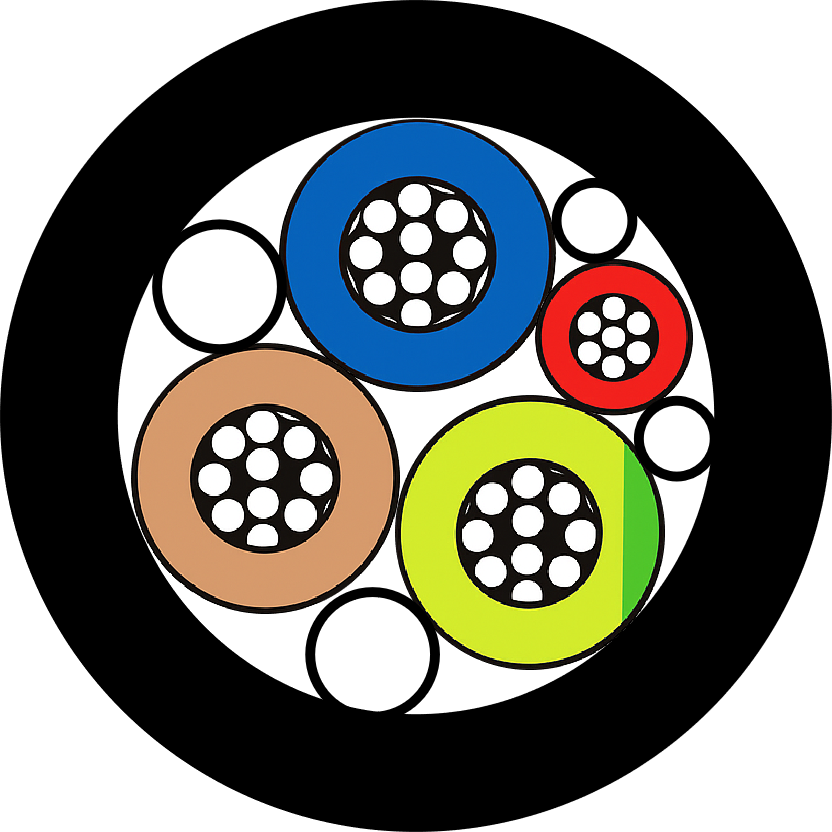





Introduction to Wiring and Color Codes

An understanding of wiring and color codes is imperative for safeguarding any electrical system while promoting its efficiency. For a 240-V circuit, the most common color indicates a black wire and red wire: they are considered “hot” wires or live wires, which means they carry current to the load. The white wire is neutral, completing the circuit, whereas bare wire or the green wire is an earth or ground wire, providing a safety path for energy in a fault condition. Following these color standards cannot be overemphasized while reducing the risk of electrical hazards and ensuring smooth operation of the equipment. Always check the local codes, whereby sometimes these standards can sometimes change with locations.
Importance of Wire Colors in Electrical Systems
The standardized scheme for wire colors in electrical systems is maintained mostly for the purposes of safety, efficiency, and other regulatory practices. Each color serves a specific purpose and offers a visual indication for electricians and maintenance personnel. In modern practice, black and red wires are often named “hot” wires and carry electric current from the power source to devices. The white wire is commonly designated as the neutral wire, allowing the current to return to its source and balancing the flow within the system. A green or bare copper wire is assigned for grounding purposes, which enhances safety by carrying excess current to the ground during an electrical fault.
From safety studies, we come to know that faulty wiring, which includes improper use of wire colors, remains one of the chief causes of electrical fire accidents, leading to around 51,000 electrical fires every year in the United States of America. Proper wire color code helps minimize the danger of an accident, as a technician will easily identify and work on an electrical system without guesswork. National standards like the NEC (National Electrical Code) in the United States actually make strict stipulations to maintain these color codes in residential, commercial, and industrial applications.
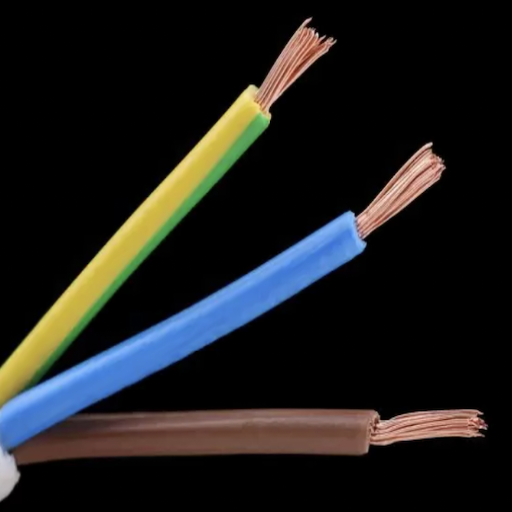
Besides, some international institutions, such as the IEC, set global guidelines on wire color coding to ensure multi-region consistency and interoperability. With respect to the IEC color system, brown wire is live; blue wire is neutral; and green/yellow wire is a grounding system that is used widely in Europe and other parts of the world. A clear understanding and adherence to these standards will not only reduce accidents but will also facilitate quicker repairs and upgrades to electrical systems.
When dealing with electrical systems, it becomes imperative that one checks the local standards and wiring codes applicable to those areas, as they may differ from one country or region to another. The observance of these color codes creates safer environments and encourages common practices within the electrical and construction world.
Overview of 240v and 120v Wiring
The main differences between a 240V and a 120V wiring system are the voltage level and applications, typically. The 240V system utilizes two hot wires, and each wire carries 120 volts, but they are out of phase with each other, hence considered a voltage of 240 volts. On the flip side, the 120V wiring system utilizes a hot wire and a neutral wire. So, 120v wiring finds common applications for standard household outlets and lighting, which supports low-power-consuming devices such as electronics and small kitchen appliances.
240V wiring, however, is used for heavy-power appliances like dryers, ovens, and air conditioners, which can utilize high power to operate efficiently. While both systems generally have their safety codes for wiring, the 240V installations often call for thicker wire gauge because of a higher current flow. Both systems must be installed and maintained by professionals to avert hazards like overheating, fire hazards, or electrical failure.
Common Color Codes for Wiring
Understanding color codes for wiring is essential for electrical safety and standard alignment. Below are common color codes for wires in the USA:
Black Wires
These are hot or live wires usually carrying current to the device being connected. Hence should never be grounded or neutral.
White Wires
These denote neutrals; the returns carry the current from the device to the power source.
Green or Bare
Grounds wire to allow current to flow in case of a fault condition.
Red Wires
May be used as second hot wires in 240V installations or switch legs in certain circuits.
Blue and Yellow Wires
Used using 3-way and 4-way switches in switch wiring; for instance, they could be switched on for lighting or fan control.
Always double-check using the local code for application in specific uses of these wires and consult a certified electrician when working with wiring.
Understanding Circuit Wiring
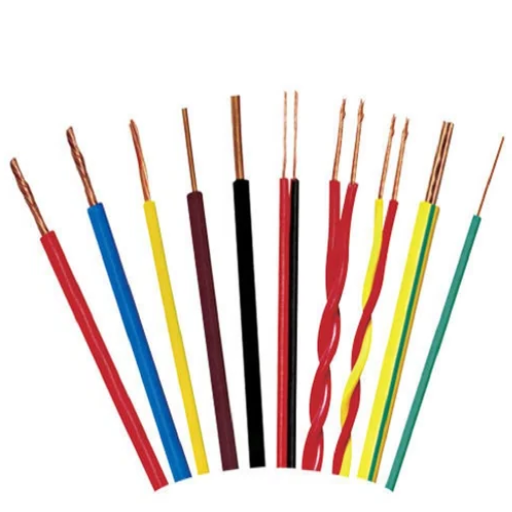
The understanding of circuit wiring involves looking into some of the major components:
- Live or Hot Wires: Carry electricity from the power source to electric devices or fixtures.
- Neutral Wires: Complete the circuit by carrying the current back to the source.
- Ground Wires: Serve as a safety path to dissipate excess electricity during the occurrence of a fault, thereby preventing electric shocks and hazards.
Safety First: Safety should always come first while working with any kind of circuit wiring. Switch off the power at the circuit breaker before initiating any work. Make use of the right tools, and always check a wire’s function with a volt tester. Follow the local electrical codes to ensure both safety and certification. In case an installation or repair looks too complicated, contact a licensed electrician for help.
Components of a 240V Circuit
A 240-volt circuit basically consists of some key components, each playing an integral role in its operation:
Double-Pole Circuit Breaker
The double-pole circuit breaker is rated for 240 volts as it connects to both hot wires (phases) inside the electrical panel, giving overcurrent protection and switching power to the circuit.
Two Hot-Wires
A 240V circuit is made with two hot wires carrying a potential difference of 120 volts each; hence, the total voltage is 240 volts between these two wires. The wires have two colors for their identification, usually black and red.
Ground Wire
This wire provides safety from electric shocks by allowing electric charges to ground in case of any fault, and thus, it minimizes the chances of fire outbreaks.
Neutral Wire (Optional)
There are some 240V circuits that have neutral wires, depending on whether the appliances may need both 120V and 240V. The neutral wires allow such circuits to also provide 120-volt power if needed.
The installations and subsequent tests of these components should be conducted with utmost care, following local electrical codes for safety and efficiency. Use a proper set of equipment for all tasks and never hesitate to seek help from a professional electrician on complicated installations.
Receptacle Wiring for 240V Systems
Installing the 240V receptacle requires specific wires to ensure safe and efficient operation. Switch the circuit breaker off to avoid any kind of hazards. There are three or four wires required for a 240V receptacle:
- Hot Wires (Black and Red): These carry the 240V power and go to the proper terminals on the receptacle. Each wire is a different phase of the current.
- Ground Wire (Green, or Bare): This can rescue the user from an electric shock by redirecting stray current.
- Neutral Wire (White, if Present): Some 240V systems have a neutral wire to help out appliances that need both 120V and 240V.
First: When wiring, be sure to fasten the wires tightly to the receptacle terminals, following the manufacturer’s wiring diagram if available. A voltage tester will verify that no current is present: Only then is it safe to handle the wires. Once the receptacle is connected, turn the power on and test using a suitable device.
Lastly and importantly, always follow your local codes and regulations. Should the installation pose any challenge, either seek advice or hire a licensed electrician; that will cut away the possible risks and guarantee that the installation is correct.
Safety Precautions When Working with 240V Wiring
Critical Safety Requirements
Working with wiring at 240 volts calls for time and attention in matters of safety, while preventing electrical hazards that might arise. Be sure that the main supply is switched off before commencing any work. It is good to check this with a tester or non-contact voltage detector. Don insulating gloves and safety glasses. Always keep out of wet areas, considering the risk of electrical shock.
Ensure all wiring connections are tight and that the right color code and labeling are applied as per the local electrical code. Tools with insulated handles should be employed. Never touch bare wires or metal surfaces. When in doubt about any installation, have licensed electricians inspect it so that it meets all codes and is safe. Using power should follow after double-checking all connections. Test using a recognized testing device to ensure that the circuit operates well.
Common Wire Colors in 240v Systems
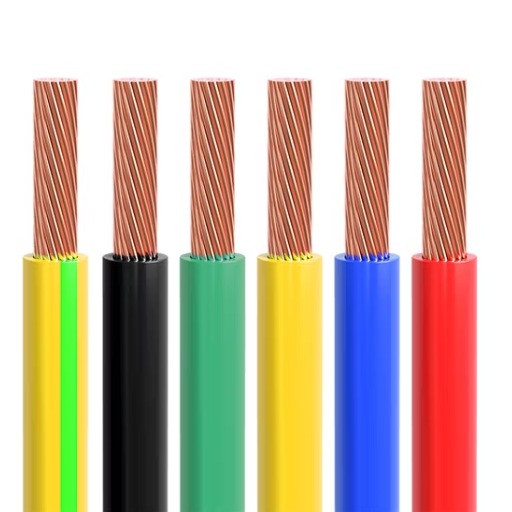
The wire colors for 240V systems are usually standardized so that they can be identified easily during installation and service and so that they can be safely handled. Defining the colors accordingly:
| Wire Color | Function | Description |
|---|---|---|
| Black | Hot (Live) Wire | Carries active current to power devices |
| Red | Hot (Live) Wire | Secondary hot wire in 240V systems |
| Green | Ground Wire | Safety path for electrical faults |
| Bare Copper | Ground Wire | Alternative ground wire without insulation |
| White or Gray | Neutral (if present) | Not always included in 240V systems |
Since it may vary from one region to the other, always confirm wire colors against local electrical codes. Safety comes first. Consult a certified professional should you ever be unsure.
Black and Red Wires
Black and red wires are termed “hot” or “live,” meaning that they carry the active current to power devices or systems. Mostly, black wires are used as the hot wire in a circuit, giving current from the power source. The red wire is the secondary hot-wire, used in interlinking smoke detectors, between switches in three-way switch installations, or in 240-volt circuits.
It is essential to say that, although both colors of wire indicate a live current, the wires cannot be interchanged since their particular functions rely on the wiring configuration and intended usage. Always check what a wire means in your particular circuit or device, and refer to its wiring diagram if one is available. Otherwise, it is safest to always follow local electrical codes and label everything appropriately. If in doubt, hire a licensed electrician.
White Wire and Its Uses
The white wire in a given electrical circuit is designated the neutral. It returns the current back to the electrical panel after a load or outlet has consumed or used the electrical power. The neutral wire goes into the neutral bus bar in a panel to give a return path for the electrical supply. It is very important to note that even though a white wire is not energized like a hot (black or red) wire, it may carry current and should still be treated with caution.
By traditional wiring standards, the white wire is also provided with the GFCIs and outlets to create an additional safety barrier against electrical shocks. However, in some circumstances, the white wire may be utilized for other applications, such as a hot wire in a switch loop, that must be appropriately marked (e.g., black tape) to identify this alternate use. It is advised to consult a licensed electrician or follow local electrical codes concerning safe and proper use.
Additional Wire Colors: Blue Neutral
Blue is usually a neutral wire in specific applications, though it largely depends on the context of the electrical system. For example, in some systems, the blue wire can be used as a traveler wire in three-way or four-way switch configurations, while in others, the blue wire is part of the neutral current. The following conventions may vary with countries and regions; hence, remember to consult your local electrical codes. Good labeling and adherence to standards are the key to providing safety and compliance. When in doubt, it is best to engage the services of a qualified electrician for clarification on the blue wire’s use, thereby avoiding wiring errors.
Identifying Wire Colors in Different Circuits
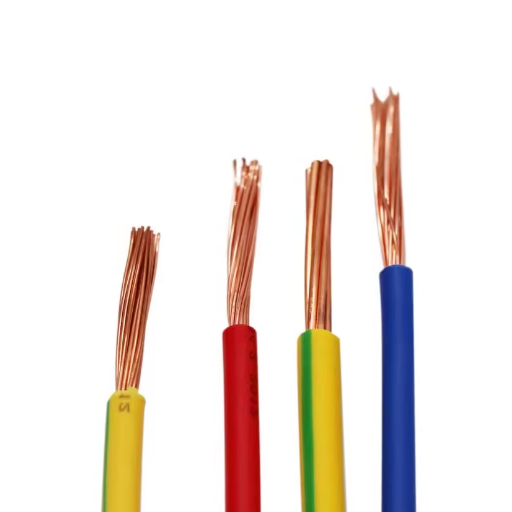
Wire colors vary by region, but the following are considered standard:
- Black or Red Wires: Such wires are mostly used for live connections in any circuits. They carry current from the power to the device.
- White or Gray Wires: These wires represent the neutral wire completing the electrical circuit by carrying current back to the power source.
- Green or Bare Copper Wires: Such wires indicate the ground wire that offers a safe path for electrical faults to prevent shock.
- Blue and Yellow Wires: These wires are used as travelers in switch configurations or for special applications, depending on the system.
Always check with the electrical codes specific to your area for these distinctions, and when in doubt, always consult a qualified electrician.
240v vs 120v Wiring Color Differences
Der hauptsächliche Unterschied besteht in der Konfiguration und im Anwendungsbereich. So bestehen die Standard-240-V-Systeme aus zwei heißen Leitern (schwarz und rot), im Allgemeinen auch aus einem Erdungsleiter (grün oder blank). Beide heißen Leiter tragen jeweils 120 Volt und bilden gemeinsam den 240-V-Kreis. Neutralleiter (weiß) werden in der Regel nicht verwendet; wenn überhaupt, dann nur für ganz spezifische Auslegungen oder Geräte.
Auf 120-V-Systemen sind es eine Leitung (schwarz) als heißer Draht mit 100- oder 200-Ampere-Belastbarkeit, neutraler Draht (weiß) und Erdungsleiter (grün oder blank). Ein Hot-Draht fließt in die Maschine, während der Neutralleiter den Rückweg bildet und der Erdungsleiter sicherheitshalber dient.
Identification and connection of wires must be based on the systems themselves, as errors in wiring either damage the equipment or cause hazards. Also, always check with the local electrical codes and, if you are unsure of your wiring, please consult a licensed electrician.
Common Wire Colors in Receptacles
Wire color codes in receptacles are standardized to indicate their purpose and ensure safety in installation. The most common wire colors in household and commercial receptacles are as follows:
- Black or Red (Hot): The wires carry live electrical current to power devices. The black wire is most commonly used as the hot wire, while the red wire is sometimes used for secondaries or switch-controlled circuits.
- White (Neutral): The neutral returns the current to complete the circuit. It is connected to the grounded conductor bar in the electrical panel.
- Green or Bare (Ground): These wires act as safety measures to divert stray currents that might otherwise cause shocks or hazards. They connect to the ground terminal in the receptacle and to the ground bar in the panel.
Always check on wire color standards in your locality to ascertain any variances pertaining to regional codes. Following the stated codes, or even better, with the aid of a licensed electrician, where installation is concerned, would allow for a safe installation that follows all the required codes.
Using Blue Neutral Wire in 240v Systems
The use of a blue wire as a neutral in 240V systems shall comply with the respective local codes and standards. Usually, in some systems, blue wires may hold the status of a phase wire, but if identified properly through markings or labels, they may serve as neutrals in some setups. Following safety grounds and neutral wires are always connected to the neutral terminal in the panel, keeping consistent with the wire in the circuit.
Wire identification also helps ensure correct wiring by verifying its purpose in the system. If a blue wire is used as a neutral, it must be identified at both ends with white or gray tape to indicate its use as a neutral. This requirement comes from the NEC (National Electrical Code) in the United States. In other countries or different systems, wire functions may differ, so always check local codes to be sure. If there is any uncertainty or unfamiliarity, always consult a licensed electrician for a safe and correct installation.
Safety Considerations When Working with Wiring
Essential Safety Guidelines
- Turn off power: Always switch off the power supply at the circuit breaker before doing any wiring work. Use any suitable voltage tester to confirm that no current is present.
- Wear proper gear: Work only with insulated tools and rubber-soled shoes to protect from electric shock.
- Codes for wiring: Comply with the applicable electrical code, such as the NEC for the United States.
- Inspect Materials: Using inappropriate types of wire and connectors will make your work less worthy of going on usage. Make sure that all materials are free from defects.
- Avoid Water: Make sure the work area is dry and away from water to prevent any short.
- Label wires clearly: Mark the wires correctly to positively identify the wires and reduce the chance of incorrect connections.
- If in Need of Help: If you have even a slight doubt about anything regarding wiring, call a licensed electrician. Never compromise safety for convenience.
Best Practices for Handling Black and Red Wires
Professional Handling Guidelines
When dealing with black and red wires, it is important to go about them correctly, so in essence, the safety and functionality of the equipment are maintained. Here are some best practices that are merged from two or more reliable sources:
- Know Their Functions: Black wires usually function as hot wires, bringing current from the power source to the load, and red wires are often secondary hot wires or used in switch legs for three-way switch systems or interconnect smoke detectors. One should always determine the particular use in his or her specific circuit with the help of a voltage tester.
- Turn Off the Power: Always switch off the power before you actually put your hands to work on any wiring. Check the wires with a voltage tester to confirm that no voltage is present.
- Observe Local Electrical Codes: Observe local electrical codes wherever possible for safety and reliability. Consult the NEC or a licensed electrician if in any doubt.
- Label Wires Clearly: Wires should be labeled properly while installing or fixing any wiring. The labeling assists in future maintenance and may prevent confusion with wires of similar colors.
- Check if Wires Have Damage: Check if wires have any wear, cuts, or damage on them. Replace any that are damaged; damaged wires are risky to be shorted and cause electrical fires.
- Match Proper Connections: Black wires are to be connected to black or brass-colored terminals; red wires are to be connected according to your circuit design and its stated purpose. Incorrect mixing of connections will lead to a malfunction or a hazard.
- Use Proper Insulation: High-quality electrical tape or wire caps must be used to keep the wire ends secure and insulated, especially in a shared electrical box.
Are we following this guide? If so, then you should have no problem handling black and red wires safely and effectively. If you do find yourself in trouble at any point, do consult an electrician to keep yourself from taking a risk.
Identifying and Using Correct Wire Colors
With wire colors, I like to be careful and follow the standard color codes for safety and functionality. For instance, black wires usually carry current, whereas red wires are used as secondary hot wires or in switch controls. I always check by local regulation or wiring diagrams that the color coding matches the intended purpose, since missteps can be dangerous. If I ever have doubts, I ask an expert to protect myself from possible hazards.
Common Mistakes to Avoid in Wiring
Critical Errors to Prevent
Power Not Off
One of the major mistakes to avoid is to start any electrical work without fully ensuring that the power is turned off. Ensure that it is turned off at the circuit breaker and double-check with a voltage tester to ascertain that there really is no live current.
Loose or Improper Wire Connection
In loose or improper wire connections, electrical fires can develop, short circuits made, or equipment can be destroyed. Stay with wire nuts or some approved connectors and ensure a secure connection and insulation.
Using the Wrong Wire Size
Attention to the size of the lumen wire with respect to the type of circuit being installed must be considered to avoid overheating or even eventual electrical failure. Always check the requirements of the circuit with respect to amperage capacity and set the wire thickness accordingly.
Ignoring Local Codes
If one ignores local codes, one may make an unsafe installation, face fines, or have to undertake the job all over again. Always check the requirements of your local area and make sure that you adhere to them to ensure safety and functionality.
Overloading Circuits
If too many devices or outlets are added to a single circuit, that circuit would be overloaded and would trip the breaker frequently or heat up dangerously. Plan circuits on the basis of the load intended for them, and outlet installations must be balanced accordingly.
Final Reminder: Adhering to these principles and codes saves one from the above mistakes, thus ensuring safe and reliable installations.
Reference Sources
Frequently Asked Questions (FAQs)
How does this color code help me understand 240 wiring?
Each color code for 240 wiring is meant to identify the function of a wire. Usually, the red and black wires are used for hot connections, and the white wire may sometimes be used for the neutral. For any given use, like a heater or another kind of appliance, the wiring may be different, so it would be good to get the opinion of a professional to make sure everything is correctly installed.
Can I use red-and-black wires for 120V or 240V?
Red and black wires are designed for 240V applications, but in some cases, such as branch circuits, they are used at 120 volts. You should always know what voltage you are dealing with to wire safely and effectively.
Should I be worried if there are three wires in my 240 wiring?
Three wires in a 240 wiring setup usually refer to two hot wires-wall-mounted in red and black, and a ground wire. Ensure that you connect each wire according to its color code and that the ground wire is firmly secured to prevent any hazards in your wiring setup.
Is it possible to make the 240V circuit ungrounded?
Making your circuit an ungrounded one can be achieved by inspecting the wires to confirm the absence of a ground wire. It serves as an essential factor for your safety, particularly when in a residential setup. If in any case you’re unsure, cementing the idea by consulting a certified electrical specialist will never be a bad option.
What is the purpose of the blue neutral wire in a 240 wiring?
Since it is occasionally used with other wires to balance the load, the blue neutral wire is especially so for the 3-phase systems. An incorrect connection of this wire must be avoided because it could be a danger to life or damage the electrical system.
What happens when my 240 wiring is not connected the right way?
If your 240 wiring connections are not good, then you threaten hazards like a short circuit or an overheating one. Appliances may not work properly, thereby amplifying the likelihood of an electrical fire. Make sure to keep those connections tight, or call home repair pros if you so wish.
Can I disconnect my 240V appliance safely?
One should absolutely disconnect a 240V appliance with the power supply shut off before unplugging it or disconnecting the wires. In doing so, one must take care to adhere to safety guidelines to avoid causing an accident while the disconnection is in progress.