








In terms of electrical systems in your residence or office, the most important thing is to keep them safe and to follow the standards. One of the frequently asked questions is whether it is possible to use a 30-amp circuit breaker instead of a 20-amp one. Although this change might look like an easy way to allow more load, it is very important to know the far-reaching implications of such a decision. This paper discusses the important technical points regarding circuit breakers, their function in securing your electrical system, and the dangers of using a breaker that has a higher amperage rating than the one specified. Eventually, you will have a complete knowledge of whether this change is safe, practical, and complies with electrical codes and best practices.
Understanding Circuit Breakers

Circuit breakers are safety devices that stop the circuit from suffering damage due to overcurrent or a short circuit. The operation of circuit breakers is that of automatically cutting off the electricity once a fault is detected; hence, they eliminate the risk of fire, overheating, and damage to the equipment that is in series with the power source. Every circuit breaker has a rating for maximum current that it can bear, and if this limit is crossed, there is a danger not only of the breaker being compromised but also of the whole system being unsafe. It is very important to choose the correct amperage of a breaker, which must strictly be in accordance with the specifications of the wiring and load within the circuit. If these guidelines are not followed, it could result in system failures or create very serious safety risks; thus, it is very important and necessary to comply with the electrical codes and recommendations.
What is a Breaker?
A circuit breaker is an electric safety appliance that is meant to save the electrical circuit from damage caused by overloads or short circuits. The main job of the circuit breaker is to break the current flow when a fault occurs. Fuses are different in that they are once-only devices that have to be replaced after operating, but circuit breakers can be reset manually or automatically to get back to normal operation. The modern-day circuit breakers are developed to cope with different voltages and currents, ranging from the residential systems that are at 120/240 volts to the industrial applications where voltages of over 1,000 volts are managed.
Currently, the circuit breaker operating on is monitored, and circuit breakers trip when the current exceeds the dangerous limit or when there is a short circuit, thus breaking the circuit’s continuity. For example, a typical breaker used in a house can supply main loads like lighting fixtures, household appliances, and outlets, whose ratings are commonly in the range of 15 to 60 amps based on the configuration, as the breaker is usually rated that much. On the other hand, there are highly advanced types of circuit breakers like AFCIs (arc-fault circuit interrupters) and GFCIs (ground-fault circuit interrupters) that not only prevent fire but also protect against electric shock by reacting and cutting off the current flow when an anomaly, typical of these two hazards, occurs.
According to statistical data from industry studies, the risk of electrical fires is greatly reduced through proper maintenance of circuit breakers, while modern installations follow strict safety measures like the National Electrical Code (NEC). This means that manufacturers are producing circuit breakers with very high accuracy and then putting them through very harsh testing so that the devices are guaranteed to be reliable no matter what condition is in place, thus protecting both residential and industrial electrical systems properly.
Types of Circuit Breakers
Circuit breakers can be classified mainly by their design, the nature of their application, and the mechanism they use to operate. The major types are:
Miniature Circuit Breakers (MCBs)
MCBs are meant for low-voltage applications and afford overcurrent and short-circuit protection to residential or commercial environments. They are small, simple to install, and apt for separate electrical circuits, generally dealing with a maximum of 100 amps.
Molded Case Circuit Breakers (MCCBs)
MCCBs are utilized in medium-voltage systems where greater current ratings and adjustable settings are necessary. They can manage a large variety of amperages, usually up to 2,500 amps, and have both thermal and magnetic trip mechanisms for better protection.
Ground Fault Circuit Interrupters (GFCIs)
GFCIs are important for stopping electric shock by cutting off power very fast when a ground fault or leakage current is found. They are often found in places where there is a risk of water, like kitchens, bathrooms, and outdoors.
Arc Fault Circuit Interrupters (AFCIs)
AFCIs are made to discover and reduce arc faults, which are among the main causes of electrical fires. In fact, these breakers monitor the electrical arc’s signature and shut down the circuit if dangerous conditions are detected, thus adhering to the safety regulations.
Air Circuit Breakers (ACBs)
ACBs are applicable for high-voltage systems, and they operate by quenching arcs in open air. Industrial power distribution systems are the major place where ACBs are used, and they can take currents up to 6,300 amps.
Vacuum Circuit Breakers (VCBs)
VCBs are for medium- to high-voltage systems, using a vacuum to halt arcs. Their quality of being long-lasting, needing little maintenance, and performing reliably in tough climates are a few of the things they are known for.
Oil Circuit Breakers (OCBs)
OCBs employ oil that insulates the arc during operation and are mainly used in older high-voltage systems. They are not widely used in modern installations, but they are still important in certain applications where high insulation is required.
Every kind of circuit breaker is designed to meet specific requirements depending on such factors as voltage level, current capacity, and environmental conditions, thus guaranteeing the protection of electrical infrastructure.
Function of Circuit Breakers in Electrical Systems
Circuit breakers are key elements in any electrical system. They are built to cut off the current during overloads, short circuits, or any other electrical faults. Their main job is to preserve the existing electrical infrastructure, equipment, and people by sectioning off the circuit where the fault is. The cutting off of power also reduces the risk of damage resulting from excessive current or arcing.
Today, circuit breakers are made with the latest technology, which includes microprocessor-based protection and modern monitoring systems. For example, high-tech electronic trip units allow very accurate real-time adjustments that lead to better reliability of the system. Industry statistics show that circuit breakers in industrial operations can take fault currents that go from 10 kA to more than 100 kA, depending on the system’s rating and the design specifications.
In addition, circuit breakers help maintain the stability of the new power grids completely by dividing the loads and enabling the safe restoration of the power during maintenance or after the faults have been cleared. Performance standards such as IEC 60947 or ANSI/IEEE C37 set the global and regional specific compatibility and safety requirements. These devices are at the forefront of the integration of renewable energy sources by controlling the variable power inputs and efficiently responding to the changes in generation.
All in all, the adaptability and creativity in the design of circuit breakers have not just contributed but have, in fact, secured their prime place in the preservation of the operational integrity and safety of electrical networks, both traditional and advanced ones.
Understanding Amperage Ratings
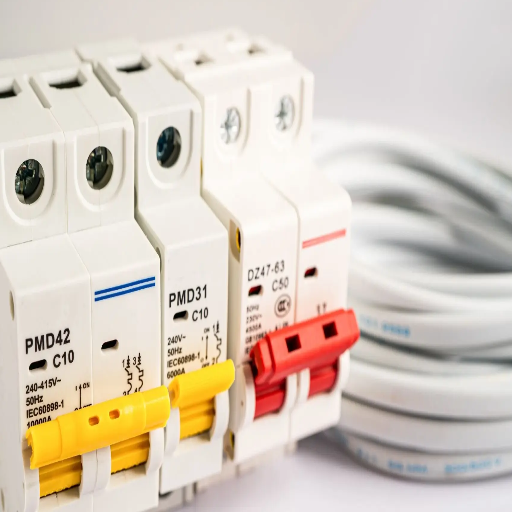
The amperage ratings show the highest current that a circuit breaker can withstand without tripping. These ratings are very important to the safety and efficiency of the electrical systems, as they prevent the circuits from being overloaded. The amperage rating is usually indicated right on the breaker and has to match the system’s needs in order to prevent overheating or ruining the components that are connected. Choosing the amperage rating correctly not only protects the system but also guarantees the reliability of the electrical network.
What Does 20 Amps Mean?
A circuit of 20 amps is made to accommodate a nonstop current of 20 amperes, which is nothing more than the passage of 20 coulombs per second of electric charge through the circuit. Such a circuit is regularly found in most houses as the basic power supply and is capable of operating a small-to-medium combination of appliances. To better understand this, the NEC (National Electrical Code) tells us that a 20-amp circuit operating at 120 volts can handle a maximum of 2,400 watts in terms of devices. Similarly, the code suggests that continuous loads should not exceed 80% of a circuit’s capacity, thus implying around 1,920 watts as the safe operating limit for appliances that are the duration of their operation is long.
Opting for the devices that can be plugged into a 20-amp circuit, one can find microwaves, toasters, and coffee makers among kitchen appliances, as well as some power tools. The receptacles for a 20-amp circuit usually have a T-shaped slot, which is one way to indicate the circuit, while the wiring must consist of at least 12-gauge copper in order to allow the electrical load to be carried safely without overheating. A solid grasp of the specifications and the rules for the 20-amp category is vital for maintaining the safety and efficiency of the system, implicit circuits and connected appliances.
What Does 30 Amps Mean?
A 30-amp circuit usually comes with a maximum electrical load of 3,600 watts that can be handled (it is calculated by 30 amps times 120 volts, which is the standard for residential circuits). The circuit is often used for bigger electrical appliances and machines like RVs, electric water heaters, air conditioners, or dryers, all of which need more power than a standard 20-amp circuit can provide. The 30-amp circuit wiring consists of at least 10-gauge copper to securely carry the load and allows the special receptacles, which are only compatible with 30-amp plugs, to prevent incorrect use. Proper installation and compliance with electrical codes are necessary in order to avoid overheating, fire hazards, and equipment failure.
Differences Between 20 Amp and 30 Amp Breakers
The key distinction between 20-amp and 30-amp breakers is their ability to take electrical load, as well as the technical requirements for wiring that vary to different extents depending on the breaker size for safe operation. The 20-amp breaker is meant for a circuit of a maximum of 2,400 watts on 120 volts, which makes it applicable to such appliances as lighting, small kitchen, and power tools. For this purpose, it is normal to use 12-gauge copper wire, which is rated for this load.
In contrast, a 30-amp breaker is rated for a maximum of 3,600 watts on a 120-volt circuit, or 7,200 watts on a 240-volt circuit, thereby increasing its applicability to heavy-duty power needs like RV hookups, water heaters, and air conditioners, or heavy-duty equipment. The wiring for 30-amp circuits is of thicker quality, requiring a 10-gauge copper wire specifically to not only prevent overheating but also ensure safety under the higher current loads.
Furthermore, the design of the plugs and receptacles for each breaker serves both as an indication of their intended usage and as a measure to prevent improper connections. A 20-amp receptacle usually features a horizontal slot to distinguish it, while a 30-amp receptacle is designed in a manner that only allows 30-amp plugs to fit, thus reducing the chances of erroneous connections. It is paramount to consider that the placement of a breaker with a capacity that is more than that of the wire gauge or connected devices carries with it the hazard of overheating, fire, or damage to equipment.
By comparison, in regular everyday circuits, 20-amp breakers make the most common type of circuit over residential properties, whereas 30-amp breakers are less common and usually found in dedicated sub-panels or high-power applications. Both of these breakers have to follow the National Electrical Code (NEC) regulations regarding proper installation very strictly, which is the only way to guarantee efficient and safe use of their respective areas.
The Specifications of 20 Amp and 30 Amp Breakers
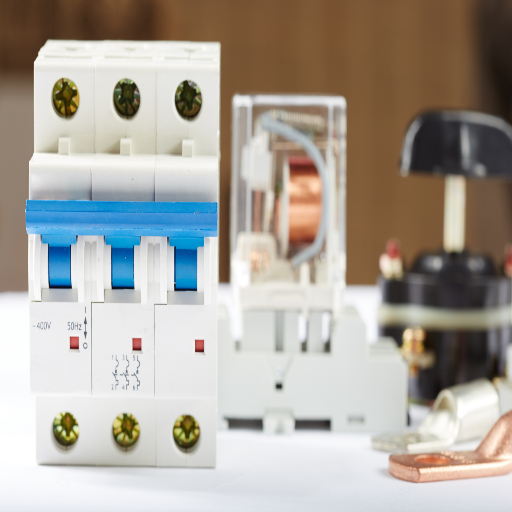
A circuit breaker rated at 20 amps is intended to be used over circuits that will at most consume 2400 watts (20 amps × 120 volts). They are used primarily for general purposes (i.e., lighting, outlets) and can even support some of the most common household appliances like refrigerators, microwaves, and dishwashers. The National Electrical Code (NEC) requires 12-gauge copper wire for 20-amp circuits.
In contrast, a 30-amp circuit breaker is a device that can deal with high current loads to a maximum of 3600 watts (30 amps × 120 volts or 30 amps × 240 volts, depending on the configuration). They are typically found in the circuits of heavy-duty electrical equipment like HVAC systems, water heaters, or electric dryers. The NEC stipulates the use of 10-gauge copper wire for 30-amp circuits to prevent wire overheating and melting due to excessive electrical load going through them.
The breakers of both types should be installed with their respective wire gauge and load requirements so that electrical codes are followed and all risks, such as overheating and circuit failure, are minimized.
Wire Gauge Requirements for 20 Amp and 30 Amp Circuits
The National Electrical Code (NEC) stipulates the use of 12-gauge wire as the minimum standard for a 20-amp circuit. The size of the wire allows for a safe operation under the electric current, without the possibility of overheating. A reduction in gauge, for instance, 14-gauge wire, is not allowed because it does not have the amperage rating and thus goes against NEC regulations.
In the case of a 30-amp circuit, 10-gauge wire is the recommended option. The ampacity of the wire size is rated for the current demand of 30 amps, thus guaranteeing the circuit’s safe and efficient operation. If you use a wire smaller than 10-gauge, like 12-gauge or 14-gauge, it can cause overheating, tripping breakers, and creating a fire hazard; thus, this practice is dangerous and highly discouraged.
Selecting the correct wire gauge is crucial for preventing non-compliance with the NEC and minimizing accidents caused by electrical installations. Moreover, local codes might impose more stringent requirements, hence the importance of consulting a licensed electrician to maximize safety and regulatory compliance.
Common Applications for 20 Amp and 30 Amp Breakers
20 Amp Breakers
20-amp breakers are normal to use in homes and light commercial places where moderate electrical loads are expected. General-purpose outlets in living rooms, bedrooms, and dining areas are typical for such applications because these circuits are designed for the operation of devices, which include lamps, computers, and televisions. Furthermore, the 20-amp breakers are used for the dedicated outlets in the kitchens and the bathrooms to power up the small appliances like microwaves, blenders, and hairdryers. Many building codes require 20-amp circuits in these spaces, mainly because of the higher energy consumption of these appliances and to ensure safety.
30 Amp Breakers
30-amp breakers find their application in higher power consumption scenarios, usually along with 240-volt circuits. These breakers are perfect for electric dryers, water heaters, and some central air conditioning units, which are heavy-duty appliances. Also, they are a common choice for RV connections and some workshop machines that need a strong energy supply. Their capacity makes it easier to take care of the high-load operations without overheating the system, and this is the reason they maintain the stability of the electrical system.
Can You Use a 30 Amp Breaker Instead of a 20 Amp Breaker?
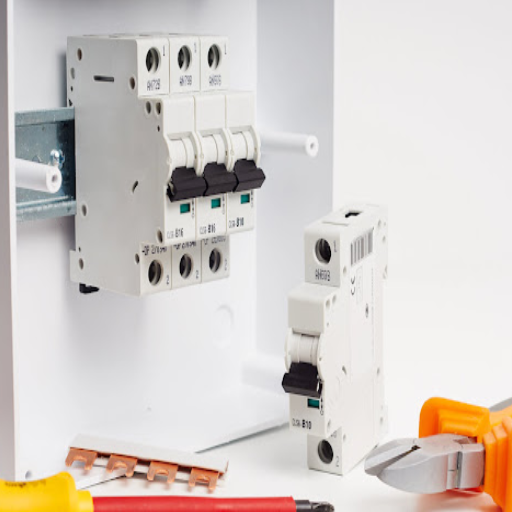
No, using a 30-amp breaker instead of a 20-amp breaker is not allowed unless the wiring and the device are rated for that higher current. Installation of a breaker with an amp rating higher than what the circuit was designed for poses a great danger of melting wires (which could result in fires). Always check that the breaker corresponds to the wire gauge of the circuit and the load requirements set by the local electrical codes. If in doubt, contact a licensed electrician for safety and compliance assurance.
Safety Considerations
First of all, remember that local codes and regulations should be followed at all times when dealing with electrical safety issues. The rating in amps of the circuit breaker must exactly equal the gauge of the wire and the maximum load for the circuit to avoid overheating and fire hazards. In case you are not sure which breaker or wiring is the right one, you can either refer to the National Electrical Code (NEC) or ask for advice from a licensed electrician. It is not advisable to replace a 15-amp breaker with a 20-amp one without first making sure that the whole circuit can handle the higher current. Moreover, always switch off the power at the main panel before working on a circuit, wear the right safety gear, and check that there’s no voltage present with the right kind of tester. These precautions will greatly reduce the possibility of electrical faults, thus the setup will be both safe and compliant.
Potential Risks of Upgrading to a 30 Amp Breaker
Upgrading to a 30-amp breaker without a proper circuit capacity assessment can expose the user to several large risks. The most important of these is the possibility of a fire caused by overheating wires if the current in the circuit exceeds the rated limit of the wiring and outlets. Moreover, electrical components such as outlets, switches, and appliances that are on the same circuit need to be capable of withstanding the increased load; otherwise, they can fail and present a safety risk. Furthermore, this upgrade might not comply with NEC (National Electrical Code) rules, thus resulting in issues with non-compliance and fines. The improper pairing of breakers with wiring can also weaken the integrity of the system, causing it to frequently trip, resulting in damage or even total circuit degradation. It is imperative always to have a licensed electrician do an assessment before making such changes for the sake of safety and compliance with codes.
When It’s Appropriate to Use a 30 Amp Breaker
A 30-amp breaker is designed for the maximum current of the specified 30 amps and can be used safely for that purpose. It is mostly used for large appliances that need a lot of power, e.g., clothes dryers, air conditioning systems, water heaters, or even RVs. These appliances normally draw so much power that a circuit meant for 20 amps cannot withstand their load and become unsafe. The NEC, therefore, dictates that a 30-amp breaker must be installed with 10-gauge copper wire using the most efficient and safe way of operation. It is crucial to check the manufacturer’s specifications for the equipment that is to be connected and also ensure that the circuit load is no more than 80% of the breaker capacity during continuous operation. Always adhere to NEC regulations and seek the intervention of a professional to assess whether a 30-amp breaker is the correct option to cater to your electrical demand.
Installation Guidelines for Breakers

To install a breaker safely and effectively, follow these essential steps:
Power Off
The first thing to do is to switch off the main power supply to the panel as a precaution against electric shock. Always test the panel with a voltage tester to make sure that it is really dead before doing any work.
Check Compatibility
Make sure that the breaker is suitable for the panel in terms of type, ampere rating, and manufacturer compliance. Installing a breaker that is not compatible could result in bad connections or even damage to the equipment.
Choosing the Right Wire
Make sure that the wire gauge is suitable for the breaker’s ampere rating according to NEC (National Electrical Code) standards (for example: 30-amp breaker, use 10-gauge copper wire). Using the wrong size wire can lead to overheating or fire, which is a serious hazard.
Tighten Connections
Now attach the wire coming from the circuit to the terminal of the breaker very tightly and make sure no wire is exposed beyond the terminal. Connections that are not tight will create arcs or may fail to work.
Put the Breaker in
Install the breaker firmly in the correct panel slot and listen for the click indicating it has been secured.
Circuit Testing
Power back on and check the circuit for correct working; also look for such unusual symptoms as tripping or overheating.
Always follow NEC guidelines and seek help from licensed professionals in case of difficult installations or inspections. This way, you will ensure that everything is safe and compliant with the law.
Steps for Installing a 20 Amp Breaker
The first step in installing a 20 Amp breaker would be to ensure that the power to the panel is turned off in order to prevent any electrical hazards. After that, I would locate the correct position in the breaker panel and prepare the wire by removing about 1/2 inch of its insulation. The wire would then be connected to the breaker terminal, with a tight securing to prevent loose connections. Next, I would insert the breaker firmly into the panel, making sure it snaps into place. Lastly, I would turn the power back on and check the circuit for proper function, looking for signs like tripping or overheating as a way to confirm that the installation was safe and correct.
Steps for Installing a 30 Amp Breaker
- Deactivate the Main Power Supply
The first step all the time is to turn off the main power switch at the breaker panel to prevent the electricity from coming into the panel during the installation. Then you can use a voltage tester to make sure the panel is dead before continuing. - Acquire the Tools and Materials that are Required
Get together all the tools and materials that you might need, such as the 30-amp breaker that fits your panel type, screwdriver, wire strippers, appropriate gauge wire (usually 10 AWG for 30 amps), and personal protective gear like insulated gloves and safety glasses. - Locate and Ready the Slot in the Panel
Look for a vacant slot in the breaker panel that is meant for a circuit breaker. Gently take off the panel cover while making sure that no existing wiring is affected. If needed, take out the knockout cover on the front of the panel to create room for the new breaker. - Circuit Wiring in the Way
Bring in the correctly sized wire from the appliance or device that the breaker will serve to the panel. Make sure that the insulation of the wire is intact and there is no damage during routing. Use a cable connector to secure the cable where it enters the panel. - Breaker Connection of the Wires
Remove about ¾ inch of insulation from the hot (black or red), neutral (white), and ground (bare or green) wires of the circuit. The hot wire goes to the terminal screw of the breaker, the neutral wire goes to the neutral bus bar, and the ground wire goes to the ground bus bar. Make sure all screws are tight. - Insert the Breaker into the Slot
Breaker in the designated slot. Properly align it with the panel’s bus bar and press it down until you hear the click that means it is secure. Check to make sure it is properly seated and that a good connection has been formed. - Check and Test the Installation
Go through all the connections to see if they are correct and make sure that wires are properly secured and neatly arranged inside the panel. Install the panel cover and switch the main power on. Turn the new breaker “ON” and check the circuit for correct operation.
By strictly following these steps and taking all the necessary safety measures, as well as adhering to the local electrical codes, a 30-amp breaker may be installed successfully. In case you get stuck or confused at any point in the procedure, do not hesitate to call a licensed electrician for safety and compliance guarantees.
Upgrading from a 20 Amp to a 30 Amp Breaker
Upgrading the circuit breaker from 20 amps to 30 amps is a decision that needs to be made after careful consideration of the existing wiring and the purpose of the circuit. The most important factor here is whether the wiring, usually measured in American Wire Gauge (AWG), is going to be capable of handling the increased current safely. Typically, a 30-amp circuit needs 10-gauge wire while 20-amp circuits use 12-gauge wire. The use of wires that are too small for the circuit can cause overheating, fire, and an electrical code violation.
A proper assessment of the electrical devices or appliances connected to the circuit must be done before taking any further steps. Higher-power appliances like deep freezers and industrial air conditioners might require a 30-amp upgrade. On the other hand, if a higher-capacity breaker is installed without considering the circuit’s other components, it may create a safety hazard and lead to insurance or warranty problems.
Leading industry experts suggest that any breaker upgrade should strictly adhere to NEC and local ordinances. This means that if the current wiring or circuit load is inadequate, the wiring must go along with the breaker upgrade. Always ensure the power is off at the main panel and then check with a multimeter that no current is flowing before starting any work.
⚠️ Upgrading incorrectly can bring about major problems, such as overheating and fires. If you are in doubt or your circuit does not seem to meet the required standards, then it is better to get the services of a licensed electrician for a safe and code-compliant installation.
Reference Sources
“Fault Analysis on Three-Phase Transmission Lines and Its Detection”
Frequently Asked Questions (FAQs)
Is it permissible to swap out a 20-amp breaker with a 30-amp breaker?
Substituting a 30-amp breaker for a 20-amp one is typically not a good practice. The 20-amp circuit breaker serves the purpose of safeguarding the connected wiring and devices, and if a larger breaker is used, there could be instances of overheating and fire hazards in case the wiring is not rated for the increased amperage.
If I switch a 20A breaker to a 30A breaker, what will happen?
In the event you substitute a 20A breaker with a 30A breaker, there is a risk of the circuit being overloaded. The 20a breaker functions to trip and thus protect the wiring when the current surpasses 20 amps, whereas a 30a breaker might not trip until the current exceeds 30 amps, which can then cause overheating and fire as the worst-case scenario.
What type of wire is used in the situation of a 30-amp circuit breaker installation?
Complying with the standard, a 30-amp breaker must be wired using no less than a 10-gauge wire (10 AWG). This is vital since it avoids the wire overheating by not exceeding the higher current capacity. If, however, a wire of a smaller gauge is used, there could be unsafe conditions.
Is it permissible to use a 12-gauge wire in combination with a 30-amp breaker?
No, the use of 12-gauge wire in tandem with a 30-amp breaker is not acceptable. A 12-gauge wire has a rating that restricts its use to a maximum of 20 amps only. Therefore, circuit breaker selection of 30 amp requires 10-gauge wire at the very least to be used for protection and to meet electrical code standards.
Is it possible to have a 30-amp breaker without switching the wiring and still trip the breaker?
A 30-amp breaker, which is an example of a larger breaker, will not trip if the wiring is not suitable for that amperage. Hence, it could be that overheating occurs and wires perhaps get burnt, for example, if a 30-amp breaker is utilized without a wiring capacity increase, which the breaker will not protect against.
What is the hazard when using a 30-amp plug on a 20-amp circuit?
Employing a 30-amp plug with a 20-amp circuit is very dangerous due to various reasons. The circuit will not be able to deal with the higher current drawn by devices designed for a 30-amp plug, thus resulting in overheating, melting the cable insulation, and the possibility of fire.
Can I connect the new heater to a 20-amp circuit?
It is very important to check the ampere requirement of the heater before installation. If the heater demands over 20 amps, you have to install a new circuit with a 30-amp breaker and proper wiring for safe operation.
In what way do circuit breakers protect a house?
By securing an automatic cut-off of electrical supply, breakers protect a house against overloads or short circuits. This measure effectively prevents materials from overheating and lessens the possibility of fires being started by electricity. Supplying the right breaker size for your circuit is a necessary step for this protection feature to work.
What sets apart a 20-amp circuit breaker from a 30-amp circuit breaker concerning their operation?
The difference in operation between the two types of breakers is essentially reflected in the maximum current they can each handle safely. A 20-amp breaker is suitable for loads that are less, and conversely, a 30 amp breaker can take significantly heavier loads. The difference in size demands proper wire gauges to be used so that safety is not compromised and there is no overheating allowed.