








Introduction to Fire Retardants and Fire Resistance
Due to fire safety, fire retardants and fire resistance are life-saving aspects. Fire retardants slow down the spread or intensity of fire and are thus applied as coatings or treatments on objects such as furniture or construction materials to make them less flammable. Fire resistance, on the other hand, is the extent to which a material or structure resists collapsing or breaking down through fire within a specified time. It is one of the most important fire preventive measures used in building constructions to confine the fire, thus giving time for the evacuation or entry of fire personnel to control it. Both are considered essential elements to reduce fire hazards and enhance overall safety.
Definition of Fire-Resistant Materials
Thus, the fire-resistant materials refer to the specially prepared substances that resist fire, with their capacity to restrain the spreading of the fire and protect people during a fire situation. They are designed to withstand temperatures and the duration of exposure to fire without losing structural integrity or easily combusting. Examples of fire-resistant materials include gypsum, concrete, wood after being treated with fire-retardants, and certain types of glass-wired or laminated glass. These materials are mostly used in the construction of fire doors, fire walls, floors, and ceilings.
Key Performance Data:
- Concrete can resist fire temperatures up to 1,100°F (593°C) for a couple of hours before suffering significant deterioration
- Fire-rated glass can have up to 120 minutes of fire resistance, depending on its certification and purpose of use
- Innovative fire-resistant coatings provide protection for structural materials such as steel to increase their fire resistance
Recent studies reveal that the application of fire-resistant materials in buildings greatly diminishes the risk of structural collapse during fire events, granting time for evacuation and also considerably diminishing property losses. By incorporating fire-resistant materials in modern construction technology, architects and engineers are able to create safer environments where equal emphasis has been laid on saving human lives and protecting property.
Definition of Fire Retardant Materials
Fire retardant materials are substances that basically prevent or retard the spread of fire. Thus, they usually work by interrupting the combustion process. Fire-retardant materials may act by forming a barrier that prevents the heat from transferring through to the base material. These materials can also chemically react to prevent combustion. Wood treated with fire-retardant chemicals, non-flammable fabrics, and some types of coatings applied to building materials are some examples.
Modern Fire-Retardant Technologies
Today, more modern fire-retardant materials usually contain some chlorides or other chemicals like ammonium polyphosphate, aluminum hydroxide, or bromine-based compounds, which either release water vapor to cool the surface or create a char layer to block oxygen from reaching the source of ignition. For example, research studies document that intumescent coatings can expand under extreme heat and reduce the surface temperature by almost 50% during a fire, extending the time that the structural element remains protected.
Performance Statistics:
- Buildings treated with fire-retardant materials show a 40% reduction in the spread of fire when compared to those not treated
- Materials with high-end fire-resistance rating according to ASTM or EN Standards play an important role in safety codes
- Fire retardants serve effectively in risk mitigation across residential, commercial, and industrial spaces
Importance of Understanding the Difference
It is undoubtedly a must to understand the difference between fire-resistance ratings and such classifications to comply with safety standards and ultimately save lives and property. For instance, fire-resistance ratings mean that a particular material or product is able to withstand the advent of fire while maintaining its structural integrity for a fixed period of time: 30, 60, or 120 minutes. Such a distinction permits engineers and architects to specify the proper materials for various applications to ensure that the structures being designed can withstand high temperatures during emergencies.
Materials with 120-minute resistance to fire are life-saving as they normally allow for evacuation and rescue. Theoretically, these resistant barriers could be concrete walls and fire-rated doors in high-rise buildings, where their strategic use could limit fire development by half, providing that extra time to react. Since their study is also important to prevent catastrophic events in hazardous industries, they benefit safety at work and asset protection.
Material selection often obeys certification from testing bodies like ASTM E119 or EN 1363-1 to confer credibility and accuracy on rating standards. Such an exacting approach ensures that the project fulfills all legal requirements and that people regard these constructions as long-lasting and safe. Fire-resistance should be properly differentiated and applied as an effective defense against fire hazards-who promotes the application of expertise in such a critical area?
Mechanisms of Fire Resistance and Flame Retardancy
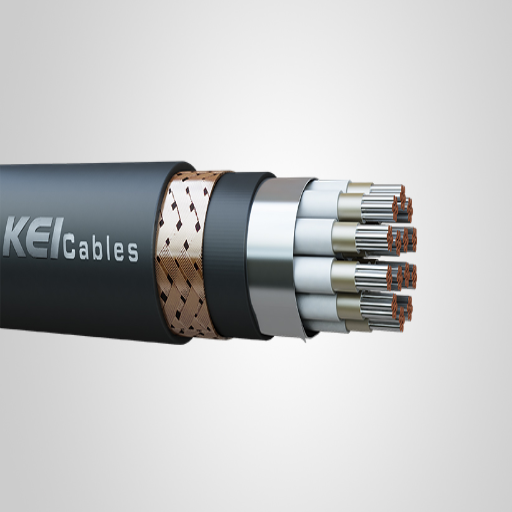
The different mechanisms make fire-resistance or flame-retardancy treatment work in preventing or at least delaying the spread of fire. Fire resistance generally refers to materials selected for their strength at high temperatures and for their ability to remain structurally intact, whereas, for whatever reason, insulation or fireproof coatings are applied to them. On the other hand, the flame-retardant treatment may involve chemicals or additives that reduce the flammability of the material by slowing ignition and flames. These measures include one or more of the following: the creation of a protective char layer, the release of non-combustible gases diluted with oxygen, and the chemical interruption of the combustion process. Eventually, if combined, these mechanisms can prevent a maximum of fire damage and guarantee safety.
How Fire-Resistant Materials Work
In fire resistance, materials must employ very specialized chemical and physical approaches to withstand extreme temperatures and further propagation of flames. For instance, an intumescent coating is a fire-retardant approach that swells on being made hot. This lends to the layer of reinforced char for insulation that protects the surface from any temperature increase. Further, some materials may use halogen-free flame retardants that intercept the chemical reactions leading to combustion by releasing an inert gas-like nitrogen or water vapor. They thereby displace oxygen, rendering the combustion far less likely.
New-age polymer nanocomposites have opened up a whole new approach to developing modern fire-retardant materials. Nanocomposites so formed with nanoparticles such as layered silicates or carbon nanotubes percolate their enhanced thermal stability and fire resistance to the polymer at the molecular level, hence maintaining performance while being lightweight in construction. Carbon nanotubes, for instance, have been proven in many studies that multi-walled carbon nanotubes (MWCNTs) can increase flame retardancy in polymers by up to 50%, thus benefiting many industrial and consumer applications.
Material Performance Examples:
- Drywall maintains its integrity for hours at a temperature above 1,800°F (982°C) when treated with fiberglass and non-combustible chemicals
- Fire-resistant glass consists of special laminate layers or silica layers and can withstand direct flame exposure for two hours plus under severe conditions
How Flame Retardants Function
The usual function of flame retardants is to prevent the combustion process by creating chemical or physical barriers. These substances are generally added to materials to delay ignition if possible, prevent fire spread, and reduce heat release. Their efficiency depends on what kind of flame retardant we are dealing with and on the nature of the material used.
Chemically, many flame retardants liberate halogens such as bromine or chlorine when subjected to high temperatures. These halogens thereby create a protective layer of non-flammable gases that inhibit the flames from spreading. Phosphorus-based flame retardants, on the other hand, generate char on the surface of the material, which acts as a barrier by limiting the availability of oxygen for combustion. In contrast, some inorganic materials, like aluminum hydroxide, release water vapor upon heating to cool down the material and dilute flammable gases.
However, according to recent research in this field, the flame retardant market has been experiencing tremendous growth due to the fire safety demands in construction fields, textiles, and electronics. For instance, studies have proved that materials with flame retardants can witness a decrease in peak heat release rate (PHRR) by more than 50%, thereby effectively lowering the fire severity and providing enough time for the evacuation of trapped people during an emergency. In addition, advanced bio-based flame retardants are helping to provide safer and greener alternatives to chemical classes, thus minimizing any side effects, while a positive step towards sustainable development.
Heat and Flame Propagation in Materials
Heat and flame propagation depend on a number of key parameters, including thermal conductivity, ignition temperature, and material characteristics conducive to charring. A higher thermal conductivity, as in metals, means heat is rapidly dissipated, which may be unfavorable for burning. Polymers, in contrast, are poor heat conductors and are, therefore, more readily subjected to ignition and flame propagation.
| Material Type | Flame Propagation Rate | Conditions |
|---|---|---|
| Wood | ~1 mm/min | Well-vented conditions |
| Synthetic Polymers (Polyethylene) | ~10 mm/min | Identical circumstances |
| Phosphorus-treated Materials | 30-40% reduction | Compared to untreated materials |
According to recent research, flame propagation velocities are strongly dependent on material composition, environmental conditions, and the like. Other influencing factors include humidity and oxygen concentration. Oxygen, in particular, tends to accelerate the rate of flame propagation, which can indeed be doubled under highly enriched environments.
Modern methods against flame propagation utilize material treatments and additives, such as intumescent coatings, which swell upon heating, thereby creating a protective layer blocking access to oxygen and causing reduced thermal degradation. Numerical simulations and experimental data show flame-retardant treatments based on phosphorus can reduce flame spread rates by 30-40%, thus increasing the level of fire safety in critical applications like those in construction or transportation.
Applications of Fire-Resistant and Fire-Retardant Materials
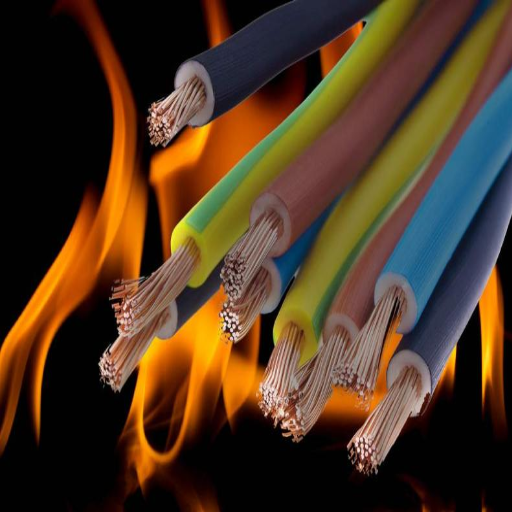
Fire-resistant and fire-retardant materials find uses in different sectors for safety enhancement. Along these lines in construction, they are applied to building materials such as insulation, wall panels, and roofing to prevent or slow the spread of fire. Their presence is also in the transport industry with regard to their usage in vehicles, be it airplanes, trains, or ships, in order to ensure protection for passengers and cargo during emergencies that involve fire. Conversely, these materials also find use in fabrics for protective clothing for firefighters, industrial workers, and the military, to ensure their safety in an environment filled with risk. At least, from these applications, one can fairly infer how advanced materials contribute to the safety of life and property.
Common Uses of Fire-Resistant Fabrics
Fire-resistant fabrics play a crucial role in ensuring safety in various industries by providing a safeguard against fire hazards. The most important of these applications includes personal protective equipment (PPE). One may consider these fabrics in flame-resistant clothing manufacture for firefighters, industrial workers handling chemicals or flammable materials, or military personnel exposed to environments in high-risk conditions. Aramid fibers such as Nomex and Kevlar are well-known for their use whenever high thermal resistance with great strength is required, and durability is needed under very harsh conditions.
Key Application Areas:
- Construction Industry: Curtains, upholstery, and wall coverings made from flame-retardant materials are used in commercial buildings, schools, and hospitals to comply with fire safety regulations
- Transportation: Airplane seat covers, carpeting in ships, and train interiors use fire-retardant materials for passenger safety
- Home Safety: Fire-resistant blankets, mattresses, and children’s sleepwear help minimize hazards in homes
Recent advancements allow for the fabrication of fire-resistant fabrics that are lightweight yet highly durable, thus allowing better fuel efficiency of any vehicle without sacrificing safety. With innovations going strong and the steady increase in global demand, fire-resistant fabrics are getting broad applications to make a safer world.
Industries Utilizing Fire Retardant Plastics
Fire-retardant plastics prevent fire hazards and thereby save lives. The following are some industries and ways in which the materials are implemented:
1. Construction and Building Materials
The construction industry depends on fire-retardant plastics for safety conformance and durability. Usage ranges from insulation, wall panels, roofing sheets, and electrical conduits. Recent data show that the global market for fire-resistant construction materials is witnessing robust growth and that fire-retardant plastics play a vital role in meeting fire safety norms. New-age PVC-based materials and fire-retardant coatings on structural members are fast becoming benchmarks of the industry.
2. Electrical and Electronics
The electrical and electronics industry extensively uses fire-retardant plastics for components like circuit boards, casings, switches, and connectors. Non-flammable thermoplastics like polycarbonate and ABS make devices safe from electrical fires. The rise in applications of flame-retardant materials in electronics, propelled by smart technology adoption and stringent fire safety norms, is expected to grow at a CAGR of about 7–8% through the next five years.
3. Automotive and Transportation
Fire-retardant plastics are important in order to mitigate fire hazards in vehicles, trains, and airplanes. Some of the components, like seating, paneling, wiring systems, and fuel tanks, may be composed of fire-retardant materials. Advanced polyamide (PA) and polypropylene (PP) composites are especially preferred due to their brilliant fire retardancy. Non-flammable insulation materials for batteries and high-voltage components in electric vehicles (EVs) are gaining traction to increase passenger safety.
4. Furniture and Home Appliances
The furniture industry incorporates fire-retardant plastics in products such as cushions, upholstery, and bedding materials. In the same way, home appliance manufacturers-from refrigerators to coffee machines-are using fire-resistant casings and components to comply with safety standards. Further innovations in additive technologies, such as halogenated and halogen-free flame retardants, allowed the production of safer household products without compromising on performance.
5. Aerospace and Defense
Given the demand for utmost safety and durability in aerospace and defense applications, these industries demand fire-retardant plastics. These materials are used in aircraft interiors, seat shells, and cable insulation. Another breakthrough is the application of lightweight fire-resistant composites to reduce weight and yet maintain very stringent fire safety standards, which are still the prime drivers in bringing down fuel costs and achieving safety compliance of modern-day aircraft.
Safety Considerations in Material Selection
In selecting materials for applications in which fire retardancy must be considered, one must keep in mind a variety of safety issues, such as toxicity, environmental laws, and factors that include flammability and thermal stability. A fire-retardant plastic is commercially ranked according to the stringent criteria of specifications like UL 94 or ASTM E84 for burning behavior and safety. Currently, the major growth in demand among industry participants has been for halogen-free flame retardants, which are perceived to be less toxic and less polluting in byproduct emission when compared to the conventional halogenated ones.
The emergence of environmentally friendly flame-retardant technologies signifies the evolution toward sustainable innovations in the industry. They may come to prefer phosphorous-based and nitrogen-based compounds for fire-performance applications as they come with a less environmental footprint. On paper, the halogen-free flame retardants market is anticipated to register a CAGR of over 6% through 2030 due to harsh environmental laws laid out in different regions such as Europe and North America.
Simultaneously, choosing the right materials ensures their mechanical properties remain intact while subjected to thermal stresses. Industries such as automotive and construction keep such resistance at the core of their considerations, for it may critically impact in terms of structural and human safety. Hence, the balancing between fire performance, environmental considerations, and assurance regarding the durability of materials is key to overall safety in the material application.
Comparison: Fire Retardant vs Fire Resistant
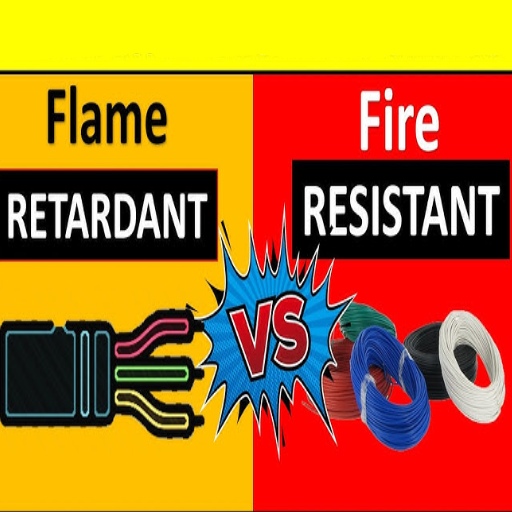
Fire Retardant and Fire Resistant are terms often used interchangeably and have almost the same implication.
Fire Retardant was defined as a material or means of protection treated to slow down the spread of fire. They reduce flammability and delay combustion when exposed to fire, thereby affording time for evacuation or extinguishing attempts. Typically, fire-retardant materials will receive chemical treatment to confer upon them these properties.
Fire-resistant refers to materials that cannot ignite, deteriorate, or resist exposure to high heat and flames for a certain period. Unlike fire retardants, fire-resistant materials are themselves impervious or less susceptible to ignition-based on their composition, and are best suited to withstand direct flame contact.
Knowing the differences is essential in selecting the right material for applications where fire safety is paramount. Fire-retardant materials are geared towards delaying ignition, whereas fire-resistant materials provide endurance to exposure to fire.
Key Differences Between Fire Retardant and Fire Resistant
| Aspect | Fire Retardant | Fire Resistant |
|---|---|---|
| Primary Function | Slow down or prevent the burning process | Withstand high heat and flame for extended periods |
| Application Method | Surface or structure treatments | Inherent material properties |
| Performance Rating | Flame Spread Index (FSI) values below 25 per ASTM E84 | Time-rated (30, 60, or 120 minutes) per ASTM E119 |
| Typical Uses | Furniture, curtains, insulation | Walls, safes, fire doors, protective gear |
| Protection Mechanism | Emit non-combustible gases or form a protective layer | Maintain structural integrity under direct flame |
When differentiating between fire retardant and fire-resistant, one has to study their properties, effectiveness, and applications. Fire retardants are surface or structure treatments designed to prevent or slow down the burning process. Such materials generally emit non-combustible gases or form a protective layer under the effect of intense heat. For example, wood treated with a fire-retardant chemical is used extensively in construction to prevent rapid burning.
On the other hand, fire-resistant materials are designed and tested to remain in place under high heat and flame for long durations without actual combustion, melting, or deterioration. Among others, this would include fire-resistant glass that can resist temperature extremes for up to 120 minutes without shattering, and fire-resistant concrete used widely in structural fireproofing of commercial buildings.
Performance in Extreme Heat Situations
Extreme heat marks the treatment of materials used in fire prevention and structural safety. Fire-rated materials such as concrete, steel, and specialized fireproof coatings are designed to maintain their structural integrity when exposed to temperatures above 1,000°F (538°C). For instance, structural steel treated with intumescent coatings may sustain direct exposure to fire for a significant period without undergoing critical failure.
| Material Type | Temperature Resistance | Duration | Key Properties |
|---|---|---|---|
| Fire-resistant Materials | Up to 1,800°F (982°C) | Hours | Maintain structural integrity |
| Fiberglass Insulation | High resistance to ignition | Extended periods | Slow temperature rise |
| Higher-grade Ceramics | Close to 3,000°F (1,650°C) | Continuous | Industrial applications |
| Reinforced Concrete | High heat exposure | Extended time | 90% load-bearing capacity retention |
Studies have shown that certain types of fire-resistant materials can remain intact up to 1,800°F (982°C) in a controlled setting, while materials such as fiberglass insulation resist ignition and slow down temperature rise. Higher-grade ceramics are used in industrial applications, being able to withstand even higher temperatures of close to 3,000°F (1,650°C), thereby making them suitable for extremely high-heat environments.
Additionally, the utilization of reinforced concrete in construction boasts outstanding workings, the tests having proved that it could maintain nearly 90% of its load-bearing capacity when exposed to high heat for some time. After due consideration of the materials suited for situations involving extreme heat, an industry can largely extinguish the safety hazards in environments prone to fire and extreme temperatures.
Cost and Effectiveness of Each Material
Before performing a cost-benefit analysis on materials for extreme heat conditions, consideration must be made of the balance between initial investment costs and long-term performance and safety benefits.
| Material Type | Cost Range (per sq ft) | Heat Resistance | Key Benefits |
|---|---|---|---|
| Fire-Resistant Glass | $25 – $150 | Beyond 1200°F | Durability, safety, clear visibility after heat exposure |
| Concrete | $4 – $8 | Extreme heat conditions | Retains 90% load-bearing capacity, cost-effective |
| Intumescent Coatings | $4 – $12 | High temperature expansion | Steel structure protection, insulating barrier formation |
| Ceramic Materials | $20 – $150 | Above 2000°F | Specialized applications (aerospace, industrial furnaces) |
Detailed Cost Analysis:
- Fire-Resistant Glass: The price of fire-resistant glass, be it ceramic glass or tempered glass with special coatings, shall vary from $25 to $150 per square foot, depending on the specifications and rating. The initial investment cost is higher when compared to regular glass, but its ability to resist heat beyond 1200°F gives an advantage in terms of durability and safety, which, in turn, can usually reduce replacement and maintenance expenditures over the longer term.
- Concrete: Being fairly cheap, concrete and polyvinyl fiber or additive-enhanced admixtures are very heat-resistant. The cost of the base-grade concrete ranges from $4 to $8 per square foot. More high-performance concretes meeting extreme heat conditions will, however, perhaps be priced slightly on the higher side. For industrial and structural purposes, this increase in price is demonstrably worth it since it can retain almost 90% of the load-bearing capacity after heat exposure.
- Intumescent Coatings: $4 to $12 per sq ft is the price for intumescent paint coatings, which are supposed to expand when heated intensely, forming some sort of insulating barrier. While these coatings somewhat increase the upfront construction cost, they are extremely effective in protecting steel structures against the eventuality of fire, notably increasing the life of the material and thereby giving enough time for evacuation or fighting of fire.
- Ceramic and High-Performance Composite Materials: Ceramic and composite materials, such as silicon carbide or alumina-based ceramics, can be considered among the most heat-resistant materials, respecting a heat tolerance level above 2000°F. On the other hand, these materials are extremely expensive, costing anything between $20 and $150 per square foot. Their use is generally reserved for very specialized instruction, such as aerospace applications or industrial furnaces, where unmatched performance justifies extra costs.
Considering durability, heat tolerance, and lifecycle costs, these materials allow for a range of choices depending on industrial demands. The final choice of a material depends on the given application, budgetary limitations, and the heat resistance needed for its satisfactory implementation.
Choosing Between Fire Retardant and Fire Resistant
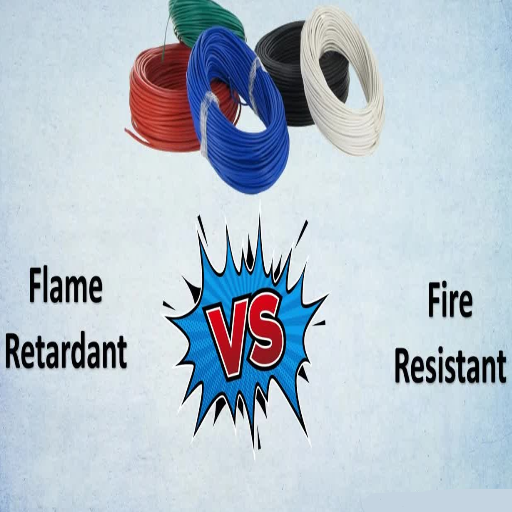
The differentiation between the two categories is imponderably important. A fire-retardant material works by slowing fire spread and may be chemically treated to inhibit an ignition source and to reduce flammability. A fire-resistant material resists the effect of fire by virtue of its non-combustibility, therefore not catching fire nor degrading under high heat.
So it depends on your case-about which should be chosen. Fire retardants should be used in places where preventing the spread of fire is critical, but where the material does not have to be made absolutely fireproof. If a situation requires complete protection against fire and prolonged periods of exposure to extreme heat, one should go for fire-resistant materials. Another important thing is to always be sure that the materials being used comply with the relevant safety standards for a specific use.
Factors to Consider When Making a Choice
The following factors should be considered in deciding on fire retardant or fire-resistant materials to ensure safety and efficacy:
1. Application Requirements
Assess the peculiar needs of your project or environment. Fire retardant materials are intended to slow down the spread of fire and are mostly used in construction, furniture, and textiles. However, fire-resistant materials are created to endure high temperatures for longer times and hence are used for industrial equipment, electric panels, and protective gear.
2. Temperature Resistance
Fire-resistant materials usually possess stronger resistance to heat and flame. In contrast, for example, materials such as fiberglass or ceramic can resist a flame above 1000°F, while a fire retardant material may begin to deteriorate at lower temperatures.
3. Regulatory Compliance
Ensure the materials satisfy the safety performance standards. Different agencies usually specify different tests and requirements; ASTM International might have standards for flame testing and fire safety measures. For construction, a material is likely required to be tested and certified in accordance with building codes that include NFPA 101 (Life Safety Code) or ISO 5660-1 for fire resistance testing.
4. Material Longevity
Look for how long during heating or exposure to fire will the material sustain its properties. Fire-resistant materials such as intumescent coatings can provide a longer period of serviceability even in aggressive atmospheres, whereas fire-retardant treatments may require repeated treatments to remain effective.
5. Impact on the Environment
Consider the impact on the environment of the materials. Sometimes, fire retardant chemicals may end up posing hazards to the environment or toxic threats if they are disposed of in an improper manner. An increasing number of eco-friendly formulas are now available as safer alternatives without compromising performance.
6. Price and Budget
Fireproof materials have often been more costly in the upfront purchase than fire-retardant materials. The investment may be worthwhile in instances where great protection is demanded, thereby reducing long-term risks and liabilities.
When assessing these considerations carefully, you will be inclined to make a decision that considers safety, performance, and cost-effectiveness as per your specific requirements.
Future Trends in Fire Safety Materials
One of the key trends I see in fire safety materials is the development of more sustainable and eco-friendly alternatives. Ambient environmental considerations push toward materials that provide fire protection without unnecessary ecological costs. Nanotechnology will play a very important role, I suspect, allowing the development of new coatings and additives that only impart fire resistance, without extra thickness or added weight. And, finally, the idea of smart materials being able to detect and respond to fire hazards is an exciting one that will definitely gather traction and bring major advances to the fire safety landscape in the years to come.
Final Thoughts on Fire Protection
Fire protection today is a constantly evolving discipline integrating advanced technologies, planning, and sustainable practices to minimize risk and safeguard human life and property. In short, addressing the questions above:
Key Developments in Modern Fire Safety:
- Advances in Fire Safety Materials: With developments in fire-resistant materials today, nanotechnology-based coatings, smart materials, and others are affecting the course of fire safety. While these innovative materials promote safety in the environment by keeping materials relatively light and efficient on resistance, others are weighty.
- Smart Fire Detection Systems: Early fire detection and response have been changed with the new IoT-enabled devices. Smart sensors, networks, and automated suppression systems can now rapidly detect fires, alert people and people, contain fires and damage much less, and above all fewer deaths.
- Sustainability in Fire Protection: The present-day trends in fire protection combine sustainable solutions, such as environmentally friendly retardants and materials that can be recycled, which help lessen the impact on the environment without compromising efficacy.
Considered along with strict fire safety laws and active community awareness initiatives, this can offer us a complete map toward a safer and more resilient future.
Reference Sources
1. Structural Materials, Fire, and Protection (2022)
2. Textile Flame Retardant Review (2023)
3. Application of Spatiotemporal Analysis for Fire Protection (2020)
Frequently Asked Questions (FAQs)
What’s the real difference between fire-retardant and flame-resistant grades?
According to CFA technical advisory notes, fire-retardant materials resist ignition and slow the spread of flames, whereas flame-resistant materials withstand high temperatures without catching fire. So, during a fire, the retardant material can help reduce flame spread; meanwhile, the flame-resistant material will extinguish itself once the flame is removed.
How would fire-retardant and flame-resistant fabrics react in a flash fire?
Fire-retardant fabrics resist ignition with regard to flash fires and slow down flame spread, while flame-resistant fabrics burn without melting or dripping under direct flame exposure. Hence, both provide protection and safety, but in some cases, their usefulness may be affected by the exact situation of the fire.
Are flame-resistant materials supposed to catch on fire?
Yes, flame-retardant materials can still burn; however, they resist ignition and will self-extinguish when the source of the flame is removed. Hence, flame-retardant materials in construction or clothing offer a lesser risk of fire spread.
What becomes of wool in a fire situation?
Wool is naturally flame-resistant and has a high ignition temperature. During a fire, it will not melt or drip away like synthetic materials, but rather tends to extinguish itself fluidly, or if you take away the flame, advice-drop-catching-on-intimate-goes.
How do flame-retardant sprays protect fabrics?
Fire retardant sprays are applied onto fabrics to render them more resistant to flames: they form a barrier that prevents ignition or slows the propagation of the flame. If applied correctly, it offers supplementary security for fabrics exposed to possible fire hazards.
Which materials are flame-retardant?
Materials that are considered to be fire retardants include treated fabrics, certain plastics, and specialty coatings. These fire chemistries resist ignition and delay flame propagation, thus providing safety in an environment where the threat of fire exists.
How is fire retardant related to arc flash protection?
During arc flash protection, fire-retardant materials are used to protect individuals from the intense heat and flames generated during the arc flash event. Such clothing resists burning and helps protect workers from burns and injuries that would otherwise be common in an electrical work environment.
Can fire-retardant materials be used interchangeably with flame-resistant materials?
Whereas the two provide fire safety, there is no substitutability between fire-retardant materials and flame-resistant materials. The former is designed to resist ignition, while the latter can resist high temperatures. Which material to be chosen depends on the specific fire safety requirements of the application.