







To configure a strong and secure electrical system for a home or business, it is important to know how to choose the proper wire size, especially for a 100-amp service. Choosing the right wire size will provide efficient power delivery and lessen any hazards, such as wires overheating or electrical failure. In this guide, you will further your understanding of some important factors that affect wire size choices for a 100-amp service, like safety standards, types of wiring materials, and code compliance. This article will serve you whether you are a homeowner looking to undertake an upgrade or an electrician seeking a refresher on the subject; it will provide basic knowledge to confidently make decisions on the must-have issues of efficiency and safety.
Understanding 100 Amp Service

100-amp service is the commonly used electrical service size used for powering household appliances, lights, and general electrical needs. Except for large HVAC systems and EV chargers, this supply can be sufficient to power home appliances for many average-sized houses. While setting up a 100-amp service, the conductor size must be considered carefully. It must be set according to local electrical codes and should also be safe to use. Hence, such a service fits in with homes that have standard energy requirements with no big additional loads.
What is a 100 Amp Service?
An electrical system service of 100 amp means the house electrical system can handle a total amount of 100 amperes of electric current load. It is one of the commonly chosen service sets for residential purposes and is most often adequate for an average-energy-consuming home. With a service of this rating, the basic appliances, lighting, and heating/cooling systems are accounted for; however, if there is a higher power requirement from the modern technology and numerous other amenities, this capacity may prove to be insufficient.
Power Capacity: The service will typically allow a total wattage capacity of 24,000 watts, as wattage is an impression of amperage multiplied by standard voltage (100 amps times 240 volts).
Now, a home with a 100-amp panel will get cables coming from the panel to various zones or appliances, with a circuit breaker that trips off whenever the load exceeds the norm.
Thus, for modern houses loaded with energy-hungry appliances like an EV charger, central air conditioning, or, say, an expensive water heater, upgrading to a bigger service of 200 amps or more would be most beneficial. Of course, local electrical code and laws are to be followed whenever a panel is installed or upgraded to really keep the house safe and to ensure it works properly. For proper calculation and installation, it is always best to hire a licensed electrician.
Common Applications of 100 Amp Service
A 100-amp electrical service is common in residential and light commercial areas, and it gives enough power for most ordinary needs. It will be perfect for medium-sized homes that will not aggressively consume energy with other appliances. For instance, a house with central air conditioning, an electric water heater, and some standard kitchen appliances will adequately run on 100 amps.
200 amps of service also allotted lighting, outlets, and small power tools go different scenarios. 100-amp panels are sometimes found in some smaller detached garages and workshops, particularly if power requirements include tools such as air compressors and welders.
According to recent data, 100-amp service panels can deliver a power of up to 24,000 watts, depending on voltage. This is usually more than enough to meet the daily power needs of energy-efficient homes. As appliances and devices become so sophisticated, however, homeowners thinking big upgrades like electric vehicle (EV) chargers or high-end HVAC systems might want to consider whether their electrical service today is adequate for future energy needs.
Understanding what a 100 amp service can and cannot deliver lets you make sure your system fits with your energy use pattern, plus is safe and efficient.
Critical Importance of Choosing the Right Wire Size
Choosing the wire for the proper gauge is critical for safety and the correct functioning of electrical systems. The size of the wire determines its capacity for carrying current safely without overheating and becoming a fire hazard. For instance, the 14-gauge wire is good for circuits up to 15 amps, whereas the 12-gauge wire is most common for circuits up to 20 amps. Using smaller-gauge wires for the electrical load can lead to overheating, causing damage to equipment or possibly dangerous failures.
Another most important consideration involving long distances between machines and the electricity source is the voltage drop across it. Giving consideration to voltage drop may require the up-sizing of the wire, especially for prolonged runs. For example, it may be necessary to use 10-gauge wire for a 30-amp circuit if that circuit must run very far to remain efficient and prevent power loss.
Industry guidelines such as the NEC provide detailed charts relating to ampacity, wire gauge, and material type (for instance, copper versus aluminum). Copper wires are usual because of their better conductivity. That said, if cost is a consideration, aluminum is used in larger gauges. Making sure you have the correct wiring will prevent overheating, meet code requirements, and ensure that your electrical system lasts longer. Wire sizes should always be selected for any project under the advisement of a licensed electrician.
Wire Size Considerations for 100 Amp Service
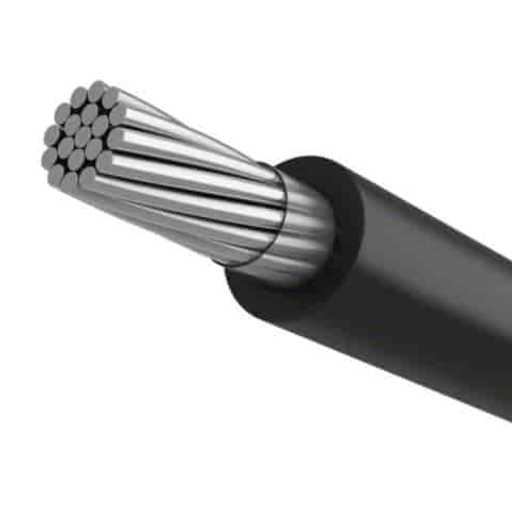
Depending on the system and for safety and efficiency, the wire size must be selected accordingly for the 100 amp service. Generally, copper wire 4 AWG or aluminum wire 2 AWG is recommended for a 100-amp service. These sizes will make sure that the wire can handle the load without the temperature getting high enough to compromise safety. For further checks under local electrical codes and specific requirements for installation, consult a licensed electrician.
Understanding Wire Gauge and AWG Wire
Wire gauge is the basic component in electrical systems. It determines the capacity of the wire to safely carry current. The AWG system classifies wire sizes based on diameter, with a smaller gauge number denoting a thicker wire capable of carrying a larger current. For instance, a 4 AWG copper wire is mostly recommended for a 100 amp service, whereas a 2 AWG aluminum may need to be run, considering the conductivity of aluminum is less than that of copper.
Factors to consider during wire selection include the length of the run, the wire material (copper or aluminum), temperature ratings, and local electrical codes. Under-sized wires can heat up, cause voltage drops, or even lead to fire hazards. Copper is preferred mostly due to its better conductivity and durability, but aluminum presents a lighter and often cheaper solution in several instances.
Safety First: Safety being a foremost concern, in any particular case, please do refer to the national and local electrical codes and request the assistance of a licensed holder or licensed professional. Correct installation and regulation would yield years of satisfaction and efficiency from your electrical system.
Voltage Drop and Its Impact on Wire Size
The voltage drop is the drop that occurs when the current passes through any given circuit. Three things would affect the voltage drop such as the size of the wire, the material of the wire, and the length of the wire, along with the amount of current being carried. Reasonable voltage drops worsen device performance, overheating, and wastage of energy. To keep away from voltage drops, one should pay attention to the connection with the wire size; the larger the wire size, the lower the resistance, and the lower the voltage drop over long distances or heavy loads.
Voltage Drop Guidelines: The general rule of thumb is to limit voltage loss to 3% for branch circuits and 5% in total, as suggested by most electrical codes.
When calculating the wire size, consider the voltage of the circuit, the overall length of the wire (round trip), the current (amperage), and the material of the wire. Most of the time, some voltage drop calculators or charts are used to ease the process. Correct wire sizing is very important for efficient and safe long-lasting electrical systems meeting all specified regulations. Whenever in doubt, consult an electrical expert to verify the specifics of the installation requirements.
Key Factors Influencing Wire Size Selection
Several critical factors influence the selection of wire size for safety and efficiency considerations in electrical systems:
Current (Amperage) Rating
Since current flow is one major criterion for wire dimension, high currents entail thick wires to prevent them from heating up to the extent of causing fire hazards. Consult ampacity charts for the wire gauge that corresponds to the current load required.
Wire Material
Usually, the materials consist of copper or aluminum. Each has conductivity and amperage capacity characteristics. Copper wires would need to be smaller in size than aluminum because copper is more conductive, while aluminum is lighter and is often less costly for certain installation requirements.
Voltage Rating and Voltage Drop
Voltage drops while traveling over long wire-wires due to resistance. Hence, greater wire size is usually applied to circuits of greater length to account for voltage drop and subsequent power loss. The voltage drop calculator is a good tool that helps determine the wire gauge.
Length of the Circuit
Round-trip current travel distances, especially in long runs, largely determine resistance values. Wire size thus increases with distance in maintaining voltage integrity and efficient operation.
Temperature Ratings
Both environmental and operational temperatures have effects on wire size. Temperature increases are detrimental to capacity, increasing the size requirements to maintain system stability.
Safety Standards and Local Codes
To comply, installation must adhere to the NEC (National Electrical Code) or other regulatory Standard. They ensure the installation conforms to safety and legal specifications.
Considering these parameters in depth alongside good sources will enable one to choose the correct wire gauge for any application, which in turn will improve working and reliability upon installation. In-building installation specifications should be considered by an expert before proceeding, especially if one questions a specification.
Types of Wire for 100 Amp Service Panels
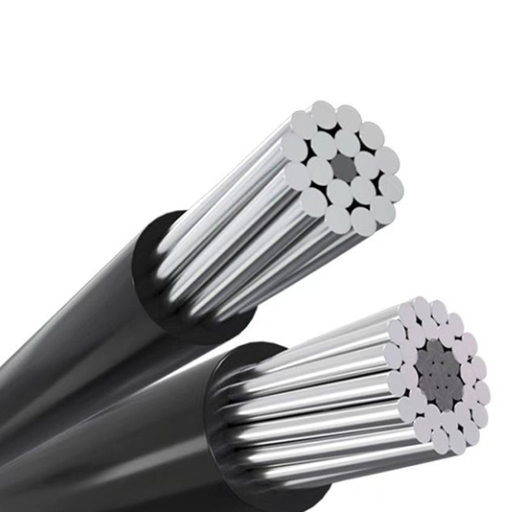
For a 100-amp service panel, the type of wire you choose depends on whether the installation is underground or overhead and the specific material of the wire.
| Wire Type | Minimum Size | Key Features | Best Use |
|---|---|---|---|
| Copper Wire | #4 AWG | Excellent conductor, efficient, and durable | Most residential applications |
| Aluminum/Aluminum-Clad Wire | #2 AWG | More economical, requires special care | Budget-conscious installations |
| Underground Feeder (UF) Cable | Varies by material | Rated for direct burial | Underground installations |
The specific requirements of your jurisdiction must always be verified by consulting the National Electrical Code (NEC) or its local equivalent before the wire is chosen. Selecting a proper size of wire guarantees safety, compliance with regulations, and the best performance of the electrical system.
Copper vs. Aluminum Wire Comparison
Both copper and aluminum wires are common in electrical installations; however, they present some characteristics that determination influences their application:
Conductivity
Copper is an excellent conductor of electricity compared with aluminum, which implies that copper wires carry more current for a given gauge size. It is for this reason that copper finds better utilization in applications requiring a lot of current.
Durability
Copper wires are more durable against oxidation and corrosion, and, therefore, they offer better long-term reliability. Aluminum wires, being more prone to oxidation, might, however, with increasing resistance, lead to overheating if not installed properly.
Weight and Cost
Aluminum wires are light and cheap to carry, being a practical consideration for long-distance power distribution and big projects where weight and budget are key concerns.
Connections and Safety
Connections involving copper wires are more rigid in nature, with the risk of loosening over time being almost nil. Aluminum wires require special fittings, along with anti-oxidation compounds applied to their contacts, to keep a safe and reliable connection.
When choosing either aluminum or copper, consider the specified technical requirements of your electrical project, load demand, budget, and installation circumstances. Check for adherence to the National Electrical Code (NEC) or local ordinances, and seek permission from a licensed party.
Specific Wire Types for 100 Amp Service
Types of Copper Wire for 100 Amp Service
The appropriate wire size must be determined for a 100-amp service by considering its requirements and safety measures. Generally, #4 AWG copper wire is used for 100 amp service because it can conduct the required load with minimal loss of energy. Also, it must be THHN or THWN-2 insulated type, since these wires are rated amps-wise and designed for electrical systems in homes and commercial areas.
The wire type depends on the installational criteria. For an underground installation, UF-B (underground feeder) cable will be used, as this cable type is suitable for direct burial and offers high durability. While being installed indoors, the use of NM-B (non-metallic sheathed) cables is encouraged. Make sure to take the distance of the run into account, as a longer distance might require a bigger wire gauge because of a voltage drop. Always check the local codes and confirm with an electrician if possible before proceeding with installation.
Types of Aluminum Wire for 100 Amp Service
Aluminum wire is a less expensive choice for 100-amp service installations, but it must be handled properly for safety and efficiency. The most common aluminum wires for 100 amp service are SE(SERVICE ENTRANCE) cable, XHHW-2, and URD cable.
- SE (Service Entrance) Cable: This aluminum wire is meant for above-ground installations, connecting a service panel to a meter base. It contains multiple conductors in a protective outer jacket and is intended for residential and light commercial use.
- XHHW-2 Wire: XHHW-2 is a one-conductor aluminum wire generally used in conduit installations, either above or below ground. It offers resistance to heat and moisture, which makes it extremely useful in various environmental conditions.
- URD Cable: The URD cable is commonly used with underground installations. It is suitable for direct burial and consists of insulated conductors carrying an outer sheathing to protect against moisture and abrasion.
Sizing the wire correctly for aluminum wiring installation is, therefore, of utmost importance in a 100-amp service. Generally, 100 amp service would need #2 AWG aluminum wire, but always check against local codes and with your electrician. The proper terminations must be used along with an antioxidant compound at the connection points to prevent corrosion and make certain of the safety of the system.
Best Practices for Wiring a 100 Amp Sub-Panel
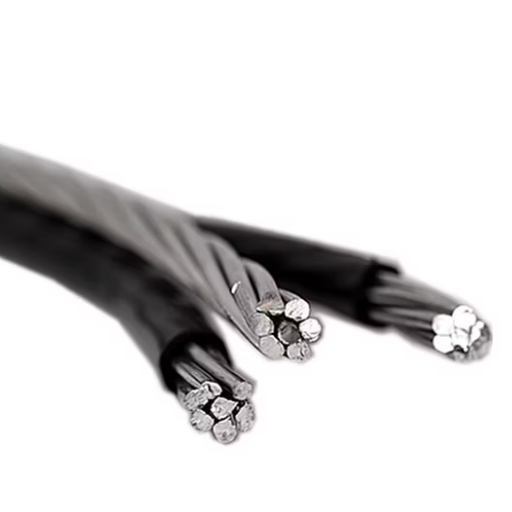
- Plan Installation: Locate the sub-panel in such a way that it will be easily accessible. Check whether the main panel will allow space for a new sub.
- Select the Right Wire Size: Wire size #2 AWG aluminum is to be used for a 100-amp subpanel, depending on your local electrical codes. Speak with a licensed electrician if you have doubts.
- Install an Adequate Grounding System: Keep the neutral and ground buses separated in the sub-panel. Provide a separate grounding wire to the grounding rod or grounding system as per the local code.
- Use Anti-Oxidant Compound: Apply the anti-oxidant compound on aluminum wire connections to prevent oxidation and to improve connectivity.
- Power Off Before Working: Always shut off the power before proceeding with wiring from the main panel. Use a voltage tester to confirm that the power is out.
- Recheck Connections: Recheck all connections for security and proper polarity. An inspection to make sure all connections are tight and clean is needed to avoid any overheating.
- Testing the System: The panel should be tested for proper functioning after installation. It will ensure that all circuits work as planned.
Choosing the Right Size Wire for Your Sub-Panel
Selecting the right wire size for your sub-panel is essential to ensure safety and proper operation of the system. The wire size is determined by the amperage rating of the sub-panel and the distance between the main panel and the sub-panel. Typically, a 100-amp sub-panel requires #4 AWG copper wire or #2 AWG aluminum wire for short distances below 100 feet. However, for longer distances, you will have to increase the wire size for any voltage drop that might occur.
Moreover, always adhere to local electrical codes that could demand a certain wire type and size for your installation. You should also use a wire rated for 240 volts to deal with the dual hot wires (phases) mostly used in sub-panels. Consulting the National Electrical Code (NEC) and seeking the advice of a licensed electrician should be your course of action if you are unsure about the requirements for your system. Efficient operation is achieved through the right-sized wire, while unsafe conditions may result if improperly sized.
Ground Wire Requirements
A ground wire is essentially a safety wire, provided as a safeguard for electrical faults. For a sub-panel, the wire has to be sized appropriately, generally using the wire sizing as referenced by the amperage of the breaker that feeds the panel. For example, a #6 AWG copper wire is sized for up to 60 amps, whereas a #4 AWG copper wire may be up to 100 amps, though these sizes vary by local codes and exact installation needs.
It becomes essential to keep the neutrals and grounds separate in the sub-panel. The ground wire connects the panel’s ground bus bar back to the main service panel or grounding electrode system. Neutral and ground bonding may only occur at the main panel; otherwise, a potential drum is created, and stray currents may be induced.
Make sure to follow the guidelines of the National Electrical Code (NEC) while still consulting the local building codes in your region, because these could have more stringent requirements. However, if ever in doubt, hiring a licensed electrician to have an inspection or to guide the installation ensures safety and compliance.
Installation Considerations for 100 Amp Sub-Panels
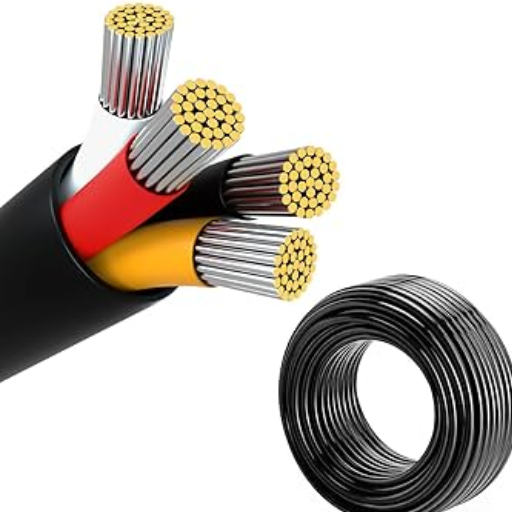
Sizing of the Sub-Panel
The sub-panel should be rated for 100 amps and be fitted with respect to the load to avoid overloading and to perform efficiently.
Correct Wire Size
Proper wire size must be used when installing the 100-amp sub-panel. Usually, 4-gauge copper conductors or 2-gauge aluminum conductors are used, but make sure to check the code requirements.
Main Panel Compatibility
Check first to see that the main panel can accept the sub-panel, considering the number of slots left for breakers and overall amperage rating.
Grounding and Bonding
Install another ground bar in the sub-panel, and make sure that the grounding and the neutral connections are NOT bonded. This secures the safety of the system and fulfills certain legal requirements.
Follow the Code
During installation, adhere to the NEC and complement it with other local building codes. This guarantees safety and helps in avoiding lawful or operational hindrances.
Always hire a duly licensed electrician to make the installation safe, legal, and functioning.
Wiring Requirements for 100 Amp Sub-Panels
There are several crucial requirements in the wiring of a 100-amp sub-panel:
Sub-Panel Location
Install the sub-panel in a dry location with access of reasonable clearance under the NEC. It should not be located in a bathroom or closet, for example.
Wire Size
Use an appropriate wire size for the 100-amp load. For distances of up to 50 feet, usually, 4 AWG copper or 2 AWG aluminum wire is sufficient. For longer distances, local code requirements or an electrician should be consulted, as larger gauge wires could be required for voltage drop.
Cable Type
Use only a cable rated for the required amperage. For outdoor use, use UF-B or equivalent underground-rated cables inside a conduit to give it additional protection.
The separation of ground and neutral should be maintained
The ground and neutral must remain separated at the sub-panel to ensure safety during operation. Install a separate ground bar, not bonded to the neutral bar. Each bar must be connected to its appropriate wiring.
Breaker Size
The main panel must retain a 100-amp breaker to feed the sub-panel. The breaker size must be that of the maximum amperage rating of the sub-panel to give it proper protection.
Grounding Electrode System
Install a grounding electrode system at the sub-panel location. This will usually require driving a ground rod into the earth and attaching a wire from it to the grounding bar in the sub-panel.
Following these requirements will assure safe operation of the sub-panel or code compliance. Internal NEC and local codes must be consulted, or a licensed electrician hired to avoid errors during installation.
Ground Wire Requirements for 100 Amp Systems
As for ground wire requirements for a 100-amp system, I would opt for a ground conductor with a size acceptable under the NEC regulations. For a 100-amp sub-panel, usually, a #8 AWG copper wire or a #6 AWG aluminum wire is required. The ground wire will then be run alongside the feeder cables, joining the grounding bar at the sub-panel to the main panel grounding system. Additionally, I would check for any specific local codes relating to cases or exceptions, bearing in mind that installation must be compliant for safety and effectiveness.
Essential Safety Considerations
Electrical wiring activity should always keep safety foremost. Start by switching off the power at the circuit breaker and checking with a voltage tester to be certain the circuit is completely de-energized. Proper personal protection includes insulated gloves and safety goggles, protecting from various hazards.
Use tools with insulated handles designed for electrical work. Do not stand on wet surfaces while working with electrical components. Assuring wires are properly connected reduces the chances of a short or excessive heat development. Abide by the National Electrical Code (NEC) and local building codes, thus establishing critical working guidelines to be followed.
Splicing of wires or repairs should never be attempted unless one is well-trained or competent. With complex repairs, when high voltages are involved, or should any doubt arise, engaging a licensed electrician is always the safe way. Inspection of electrical systems to observe deterioration or damage can avoid accidents and maintain the integrity of the system.
Safety Tips for Installing 100 Amp Service
Essential Safety Guidelines
- Use the Appropriate Materials: Should wires for any 100-amp service always be selected? The answer to that is yes. Usually, copper conductors of #4 AWG and aluminum conductors of #2 AWG are used for main conductors. Consider the proper circuit breaker and grounding wire, in accordance with the NEC and local codes.
- Turn Off Power Before Beginning: In doing so, this will guard against being accidentally electrocuted or the damage to equipment. Always use a voltage tester to check that the circuit is dead before going any further.
- Check for Local Code Compliance: Electrical requirements may vary from one locality to another. Therefore, verify local electrical codes before installation. Acquire all permits that may be necessary before commencing work; then, once the job is completed, schedule an inspection.
- Connect Properly: Tighten all connections to avoid overheating and to prevent faults. Use approved connectors; do not overtighten, for this will crush the wires.
- Grounding and Bonding: For a sub-panel, the neutral bar should be isolated, and the grounding bar has to be bonded to the ground wire; ground and neutral are to mate only in the main service panel to eliminate any kind of shock hazard.
- Test the System: After installation, test the system for voltage and proper grounding. Use a multimeter to check the connections.
Professional Recommendation: With these additional safety hints and following professional standards, you should be able to make a safe and reliable 100-amp service installation. However, always consult with or hire a licensed electrician for complex installations or when in doubt about any aspect of the work.
Reference Sources
High Voltage, Large Current Terminals for Hybrid Electric Vehicle Wire Harnesses
Design of EV Go: Kart Electrical System
Frequently Asked Questions (FAQs)
What size wire should be used for any 100-amp service panel?
The recommended wire size for a 100-ampere service panel is based chiefly on the type of wire used. 4 AWG is most common for copper wires, while 2 AWG is preferred for aluminum wires. It is vital to use the right sizes of wires so that the connection is safe and efficient.
How does the main breaker affect the wire size in the case of a 100-amp service?
The main breaker is a vital part of the electrical system, considered a protector. It permits a certain maximum amount of current to flow through the panel. So the wires must be appropriate to the load for a 100-amp service install, and that basically means 4 AWG copper or 2 AWG aluminum wires.
What types of copper wiring would be suitable for a 100-amp service?
Depending on the length of the wire run and amperage requirements, copper wires commonly used for 100 amp service installations are wire gauge type 4 AWG and wire gauge type 6 AWG. Distance to the sub-panel is a consideration, too, with longer runs possibly requiring a heavier gauge wire.
Can I use an aluminum wire for 100-amp service installations?
On the other hand, aluminum wire can fit any 100-amp service installation. Aluminum wire with 2 AWG size is ordinarily applied; this is sufficient for load carrying without jeopardy. However, it is advisable to maintain proper connections to avoid overheating and other problems.
What’s the difference between using copper or aluminum wire for 100-amp service?
The main difference between aluminum wire and copper wire for 100-amp service is conductivity and cost. Copper wire holds better conductivity and hence may be made smaller in gauge sizes, while aluminum wire, which is lighter and usually less expensive, has to be of a larger gauge to carry the same amount of current.
What is the recommended insulation for a 100-amp wire run?
The insulation should be perfectly chosen for safety and performance. Generally, THHN or THWN insulation is recommended because they are rated for 600 volts, hence provide suitable protection against heat and environmental elements.
How to select an adequate wire size for a 100-amp sub-panel?
In determining the adequate wire size for a 100-amp sub-panel, some considerations include the wire type (copper or aluminum), the length of the wire run, and the local electrical codes. Under most circumstances, 4 AWG copper and 2 AWG aluminum will suffice.
Can 8 AWG wire be used for a 100-amp service?
No, 8 AWG wire is not suitable for a 100-amp service. It can typically handle around 40 to 55 amperes, depending on the type of insulation. A 100-amp service requires no less than a 4 AWG copper or 2 AWG aluminum wire for safe operations.