








Ground Fault Circuit Interrupter outlets are vital components of electrical safety in any home, especially in locations with moisture, kitchens, bathrooms, and outdoor areas. But like any electrical component, GFCI outlets also wear out with time and could pose dangers to people via electric shock. How may you ascertain if your GFCI outlet has ceased functioning properly? This article will highlight the main signs of a faulty GFCI outlet, the importance of fixing it, and simple ways to mend it. We’ll equip you with all you need to know to protect your home and guard against any potential hazards.
Understanding GFCI Outlets
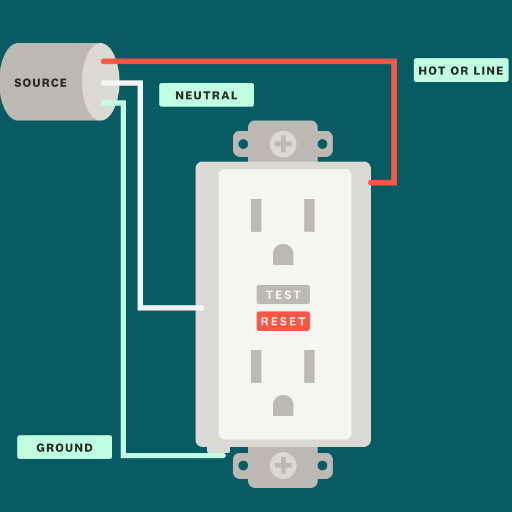
GFCI outlets protect individuals from shocks by shutting off power whenever an electrical imbalance is detected. They monitor the flow of current through a circuit and shut it off in case of the slightest leakage. Commonly, these outlets are installed anywhere that water and electricity are close partners, like the bathroom, kitchen, and outdoors; thus, these reduce accident hazards. By cutting off the electrical flow once a fault is detected, GFCI outlets are an important safety deterrent in your home.
What is a GFCI Outlet?
GFCI outlets are basically people shock-prevention devices. They constantly monitor electricity flow; that is, they measure current in and out of a circuit. If there is a very slight imbalance-indicating that electricity is traveling some unpredictable path, say, through water or a person GFCI will trip to turn off the power in under 1/40th of a second. This lightning-quick operation greatly diminishes the risk of injury or death.
Some of these locations where the NEC dictates GFCIs are installed include kitchens, bathrooms, crawl spaces, garages, and outdoors. Typical GFCIs can detect faults of 4 to 6 milliamperes, well below the amount required to inflict serious injury, indicating the protective safety nature of GFCIs toward homes.
Safety Statistics: The Electrical Safety Foundation International (ESFI) reports that since the GFCI outlet came into existence back in the 1970s, it has purportedly accounted for an 83% drop in electrocution deaths involving consumer products. Technology has been advancing ever since to make these outlets durable and functional enough for any application in either residential or commercial settings. GFCI outlets present the most cost-efficient safety measure one can add to a house.
How GFCI Outlets Work
These outlets are used for the protection of a person against an electric shock. The mechanism of any GFCI is to detect any difference that might occur in the flow of current through the “hot” and “neutral” wires. Under normal computation, equal current should flow through both the “hot” and the “neutral” wires. However, if some ground fault escapes through a person or over some unintended path, i.e., the current path to ground differs, the GFCI detects this difference, usually as low as 4-6 milliamperes, within 1/40th of a second and cancels the supply to the downstream line or equipment to prevent the occurrence of an electric shock.
Promptness is what distinguishes GFCI outlets from preventing injuries in moisture-prone areas like kitchens, bathrooms, or outdoor spaces. Reports state that modern-day GFCI outlets meet rigorous safety standards and come with current sensors that can detect leakage current as low as a fraction of an ampere, thus greatly reducing the chances of someone getting shocked by the electricity. The more advanced models even come with self-testing features that allow continual checks for operation, thereby adding to their reliability. Installing GFCI outlets in these high-risk areas will greatly minimize hazards associated with electrical failures and provide a safer environment for both homes and businesses.
Importance of GFCI Outlets in Electrical Safety
Very significant in minimizing electrical risks are GFCI outlets in areas prone to being wet, such as in kitchens, bathrooms, and outdoor areas. According to the National Electrical Code (NEC), GFCI protection is required in locations where water contact might be likely, greatly reducing electrical hazards. These outlets operate by checking the current flowing between the hot and neutral line wires and turning off the power when an imbalance of 4-6 milliamperes occurs. Normally, this is done within one forty-thousandth of a second to ward against electric shocks that can prove to be fatal.
Instantiating GFCI outlets would prevent potential electrocution. Ever since their introduction, an estimated 83% loss by electrocutions has been spared where homes had proper grounding and GFCI protection. Also, with increasing levels of GFCI-adopted systems, one can safely say that electrical fires due to ground faults have appreciably decreased.
In the highest safety standards today, advanced GFCI outlets are equipped with self-testing capabilities and shall automatically test whether their circuits work; in the case that they do not work, a warning shall be given. Coupling precision technology and continuous monitoring, GFCI outlets provide the most trustworthy protection for people and property from possible life-threatening electrical mishaps. Their installation and use are no longer merely a suggestion but a requirement to maximize safety in all residential premises, commercial, and outdoor establishments.
Signs of a Bad GFCI Outlet
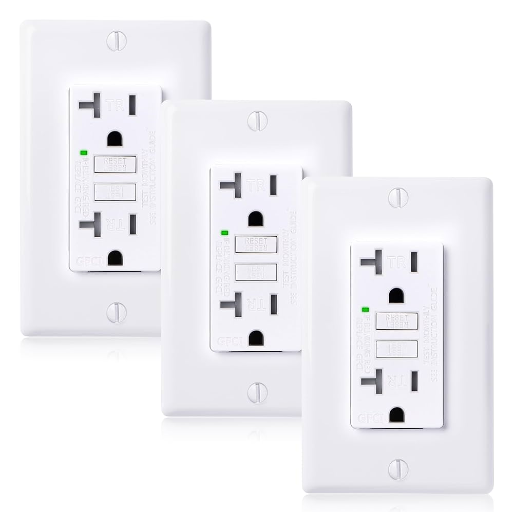
Critical Warning Signs: If you notice any of these symptoms, discontinue the use of the outlet immediately and have it inspected or replaced by a licensed electrician.
| Symptom | Description | Risk Level |
|---|---|---|
| Failure to Reset | The GFCI outlet reset button cannot hold or keeps tripping | High |
| No Power Output | The device gets no power even after pressing the reset button | High |
| Physical Damage | Cracks, burn marks, or other visible damage | Critical |
| Buzzing or Sparking | Strange noises or sparks from the outlet | Critical |
| Frequent Tripping | Outlet trips constantly without an apparent cause | Medium |
| Intermittent Functionality | Randomly shuts down power | Medium |
| Overheating | Heat coming from the outlet | Critical |
Common Symptoms of a Faulty GFCI Outlet
Your GFCI outlet may be malfunctioning in accordance with quite a few symptoms. Here are the big ones to look out for:
- Frequent Tripping: If a GFCI outlet trips frequently, and there does not seem to be any cause for it, then it may be internal wear or a fault, and it may be that the device needs to be repaired or replaced.
- Failure to Reset: Say it has tripped, and you’ve gone through all the procedures to try to reset it, but it refuses to stay on; this could indicate it might really be broken inside.
- No Power Output: An outlet that seems to be working but actually delivers no power to the devices connected to it could be a sign of damaged or faulty internal wiring, in fact.
- Burn Marks or Discoloration: In case you see signs of damage-recognizable scorch marks, discoloration, or melted portions around your outlet-this would have been a burning-hot signal, quite literally asking for attention from overheating or electrical problems.
- Buzzing, Sparking, Odd Odor: If an outlet buzzes, sparks when used, or emits a terribly burning odor, that outlet is dangerous and should be attended to by a professional immediately.
Important Safety Note: Should you notice any of these symptoms, discontinue using the outlets and have an electrician evaluate and resolve the issue safely. Periodic inspection and testing of GFCI outlets will also help prevent malfunctions and maintain electrical safety in your home or workspace.
Testing Your GFCI Outlet
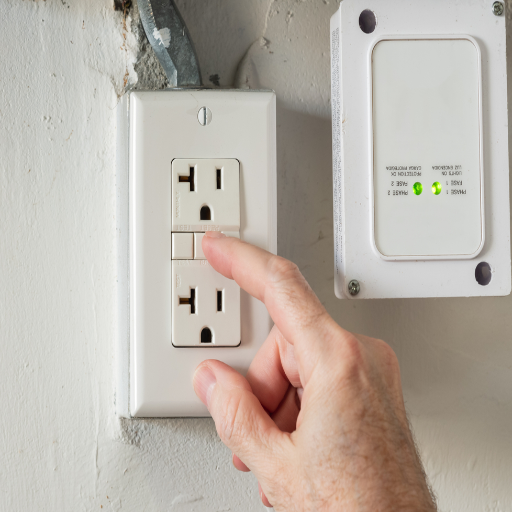
Testing your GFCI outlet is quite essential to ensure its safety and to see if it is protecting against electric shock. Regular testing should be performed monthly to ensure optimal performance.
Monthly Testing Statistics
About 20% of household GFCI outlets may fail unnoticed by the homeowner after a prolonged period of use. Electrical surges caused by storms, moisture creeps, or just for the sake of normal wear and tear can slowly destroy their ability to function.
How to Test a GFCI Outlet
- Locate the GFCI Outlet: First thing is to identify the type of outlet, usually found in kitchens, bathrooms, garage areas, or outside places, sites where water would be. These outlets will have two buttons on the surface, which are labeled “Test” and “Reset.”
- Plug in a Device: Plug in an appliance of a small wattage, such as a lamp or a hair dryer, to ensure that the outlet is providing power.
- Press the “Test” Button: Hit “Test” on the outlet. Power should now be cut immediately from the lamp or device with unifying confirmation that the GFCI has tripped in operation.
- Absence of Power: Confirm that the device no longer operates, indicating that the outlet has successfully interrupted the flow of electricity.
- Press the “Reset” Button: Pressing the reset button again restores the outlet´s and device´s state. Power to the device is thus restored, and the device is then turned back on.
- Repeat Periodically: Test GFCIs monthly, or after any major electrical event, just to be sure they are still functioning.
Test Results: If the GFCI outlet refuses to trip on demand or refuses to reset, this outlet is defective and should be inspected or replaced by a licensed electrician. Regular testing is maybe the simplest but a crucial element in home electrical safety.
Using the Test and Reset Buttons
Ensuring that the Test and Reset buttons on a GFCI outlet are used appropriately permits optimum use of the device and increased safety of the home. The Test button simulates a ground fault by halting the electrical flow so that an anomaly can be detected by the outlet. It should cut off power to anything plugged into the outlet. When the outlet has been tested, the Reset button should be used to restore the circuit and, hence, power.
If an outlet fails to trip when the Test button is used or fails to reset properly, it is an indication of internal damage or wear. For your safety, an electrician should inspect and replace the unit if any issues are detected. Ensuring regular testing as part of home maintenance can vastly lessen the dangers posed by electrical defects and facilitate the safer living of everyone.
Checking for a Tripped GFCI Outlet
Begin by identifying such an outlet to check whether the GFCI is tripped. This outlet has Test and Reset buttons on its face. GFCI outlets are generally found in kitchens or bathrooms in linens or garages, or outside. The Test button should be pressed to create a forced fault that causes the outlet to trip if functioning properly, and can detect interruption of the electrical currents. When the outlet trips, the Reset button will pop outward, thus displaying that the circuit has actually been broken.
In most cases, GFCI malfunctions are caused by improper installation, water damage, or just the passage of time. However, outlets 10-plus years of age remain an afterthought, almost to reflect an increase in failure rates. The installation is restored after pressing the reset button on the outlet, after having pressed the test button. If an outlet fails to trip during the test or fails to reset, supplementary data emphasizes that repair or replacement is necessary by a licensed professional for electrical safety. Regular inspections and being attentive to proper functionality will thus go a long way in minimizing any risk of electrical shock or hazards.
Visual Inspection for Damage
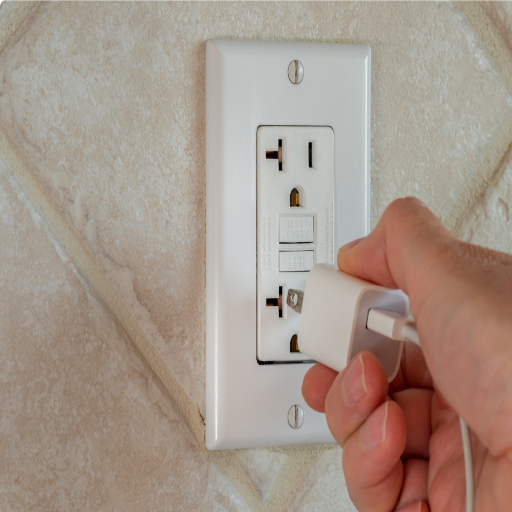
Begin by noting the outlet to ascertain wear and tear, such as cracks, chips, and burn marks, which could spell possibilities of overheating or damage. Loose or misaligned sockets must be checked, for they are the very safety hazards from which the outlet seeks reprieve if it can be so unlucky. Those anomalies on the faceplate common to discolorations often result from excessive heat or electrical issues.
It is also necessary to ensure the outlet is firmly secured to the wall to avoid any strangulation of the wiring. If burning, smells, flickering power, and the like occur, needless to say, it is indicative of more serious internal damage. Cease all use forthwith and have an electrician licensed for inspection or repair. Frequent visual checks prolong the life of an outlet by early detection of its impending problems, thereby maintaining a safe electrical environment at home.
Using a Multimeter to Test Voltage
To test voltage with a multimeter, set the multimeter to the appropriate voltage range. It is usually AC (V~ ) when testing household outlets and DC (V⎓) when testing batteries or electronic devices. Check if the probe leads are inserted correctly: the black probe into the “COM” port and the red probe into the voltage port labeled either V or VΩ.
Insert the black probe inside the neutral slot and the red probe inside the hot slot of the socket. The multimeter will then present the voltage on its display. For standard outlets, these would be approximately 120 V in the US or 230 V elsewhere. To measure battery voltage, place the black probe on the negative terminal and the red on the positive terminal. Keep safety procedures in mind and avoid touching any exposed metal during testing. Anything that shows a voltage way off from what it should be needs the attention of an electrician.
When to Call a Professional Electrician
Safety First: Calling an electrician at the right time is a matter of safety and preservation for your electrical system. Never attempt to fix complex electrical problems yourself.
Calling an electrician is suggested if you keep seeing your breakers tripping or experiencing a blackout, since these issues could point to deeper electrical problems. If outlets or switches seem to be hot to the touch, send out funny odors, or blacken in color, these signs call out to a professional to intervene so that there is no risk of fire hazards. Any flickering or dimming lights, a buzzing cry from an outlet, or constant use of extension cords may all be signs from circuits and wiring that they’re bouncing under overloaded and require an expert hand. For any installation or repair, including installing outlets, upgrading service panels, or servicing older wiring, a licensed electrician must be consulted to ensure it meets safety and code requirements. Safety first-the hard problems don’t try to fix yourself.
Replacing a Bad GFCI Outlet
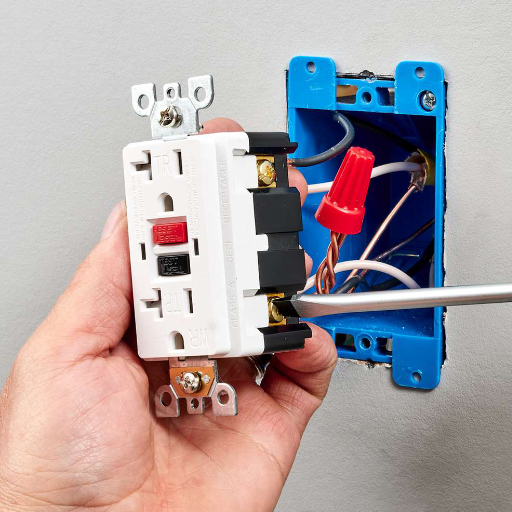
Important Notice: An electrician should be consulted if at any time there is doubt; this will make sure the installation is safe and conforms to local code.
Steps to Replace a GFCI Outlet
- Cut the Power: The circuit breaker serving the outlet must be turned off. Using a voltage tester, confirm that the power is off at the outlet.
- Remove the Existing Outlet: Unscrew the cover plate and the outlet from the electrical box. Detach the wires from the outlet terminals with care.
- Know Your Wiring: Identify the wires connected to the outlet. Typically, you have “line” wires that bring power into the outlet and “load” wires that carry power to downstream outlets. Some markings on your GFCI indicate where each wire must go.
- Install the New GFCI Outlet: Attach the wires to the terminals on the new outlet according to the manufacturer’s instructions. The black (hot) wire usually connects to the brass screw, and the white (neutral) wire to the silver screw; however, check all wiring instructions very carefully. Also, be sure that the ground wire is attached to the green screw.
- Ordering of Installation: Connect hot (black) wires, neutral (white) ones, and grounds (green or bare) in every case to their proper terminals. If the GFCI is wired incorrectly, it could either not work at all or keep tripping. Line wires should be connected to the terminals marked “line,” and load wires to terminals marked “load.”
- Secure and Test: Place the outlet in the electrical box and screw it securely in place. Turn on the power at the circuit breaker and verify the GFCI’s functionality by pressing its “Test” and “Reset” buttons. Then test the outlet with a voltage tester to make sure the outlet operates correctly.
Installation Warning: If any issue remains unclear or if you find unexpected twists in wiring, you are strongly urged to engage a licensed electrician to ensure it is all up to building code and safety requirements.
Choosing the Right Replacement GFCI Outlet
The choices in replacing GFCI outlets boil down to important factors that I consider, like amperage and voltage ratings, to match my electrical system. I also want to consider if the GFCI outlet has weather resistance for outside use or tamper resistance for the safety of children in a home. Another requirement that the outlet must meet is passing the UL (Underwriters Laboratories) standards for good quality and compliance with safety regulations.
Safety Precautions When Replacing a GFCI Outlet
Before undertaking replacement work on a GFCI outlet, one would like to consider preserving life, turning off the power supplied to that GFCI outlet in the circuit breaker box. Using a voltage tester will confirm the absence of any electrical power at the outlet. Always remember to put on your insulated gloves and ensure that the area is dry to protect yourself from electric shocks. Make sure to get a replacement GFCI outlet that meets the amperage and voltage requirements of your system. Follow the manufacturer’s instructions for installation closely and ensure that you attach wires to the correct terminals (line and load). At the end of installation, test the outlet by pressing the GFCI’s “Test” and “Reset” buttons to ensure it is working correctly. If you feel uneasy or unsure at any time during the installation, please call a licensed electrician.
Reference Sources
Frequently Asked Questions (FAQs)
How do you know if a GFCI outlet has gone bad?
If a GFCI outlet trips off quite often without any apparent cause, then one can hypothesize that the outlet is going bad. If it does not reset after pressing the reset button or if there is no power in the outlet, replacement might be necessary. A voltage tester is useful to check if power flows through the outlet.
What should one do if a GFCI outlet trips?
If the outlet trips, first press the reset button. If, after pressing reset or shortly thereafter, it trips again, either the wiring to the outlet is faulty or the GFCI outlet itself is bad. In such cases, shut off the power and call an electrician.
How do you test GFCI outlets?
The procedure to test a GFCI outlet is to use the test button on the outlet. Press the black test button, and if the outlet is functioning properly, it should trip. Press the reset button to restore power. If it did not trip, the GFCI might be bad and should be replaced.
What turns a GFCI outlet?
There are numerous causes why a GFCI outlet may go bad, such as damage to the outlet, damage incurred over an aging period, or repetitive tripping. Exposure to moisture, mostly with outdoor GFCI outlets, can ricochet and cause failure. They are to be tested regularly so that they remain fully functional.
When Is It Time to Replace Your GFCI Outlet?
Consider replacing a GFCI outlet when it trips frequently, will not reset, or is visibly damaged. The GFCI is bad and needs replacing if you test the outlet and it does not work or protect you against electric shock.
How to Find GFCI Outlets in Your Home?
If you want to find GFCI outlets in your home, look for outlets with a test button and a reset button. They are generally installed in places where the NEC requires GFCI protection, such as kitchens, bathrooms, and outside areas. You can also check your electrical panel to see if there are any GFCI breakers installed.
Can malfunctioning breakers affect GFCI outlets?
Breaker defects can affect GFCI outlets, undervaluing their functionality. A malfunctioning breaker creates a situation where the outlet trips or does not get any power. Always check the proper operation of the circuit breaker before troubleshooting the GFCI outlets.
What is a self-testing GFCI?
A self-testing GFCI automatically tests itself periodically, indicating whether it has passed or failed. This greatly improves the assurance that the outlet can protect you against electrical shock from an accident.
What do you do when your GFCI is not working?
First, make sure the circuit breaker has not tripped. If the breaker is working fine, try pressing the reset button on the GFCI. If the outlet still does not work, it could be due to damage to the outlet or electrical wiring, and a professional electrician should be called in.