








One of the megatrends people would ask when understanding the electrical operations of their home would be, “What is the rated amperage of a 110 outlet?” This value is essential for homeowners, DIY electricians, or anyone working with household appliances safely. Through this article, we break down the mystery behind this critical factor, explaining how amps, volts, and watts relate and what the numbers mean for your everyday electrical requirements. This serves as your foundation for decision-making, whether you are troubleshooting an overloaded circuit or planning an electrical upgrade for your home.
Understanding Amps and Voltage
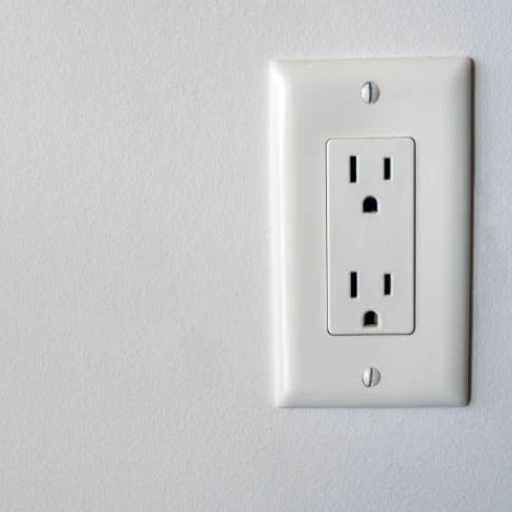
Amps (in amperes) measure the flow of electrical current, whereas voltage is the force at which the current is pushed through the circuit. Interpretively, Ohm’s Law is stated as current (I) equals the value of voltage (V) divided by the resistance (R). A typical household 110-volt circuit may range from 15 to 20 amps. What it does is provide enough power for standard usage, such as lights, small appliances, and electronics. The amp rating of your circuit must match the loads of your devices to prevent any hazards from forming.
What is an Amp?
An ampere, or amp for short, is the fundamental unit of electric current. It measures the number of electrons passing through a conductor every second. The ampere has been defined as the current that is produced by the flow of one coulomb of charge across a section of a conductor in one second. The knowledge of this base unit is essential because it helps describe and control electrical systems.
To further explain, household tools operate within specific current ranges, typically specified in amperes. For instance, an LED light may require approximately 0.2 amps, whereas a space heater draws around 15 amps, which is close to the rating for residential electrical circuits. An electric car, conversely, may require a charging current ranging from 15 amps to 40 amps, depending on the vehicle’s speed and the charging system. Henceforth, knowledge of amperes helps determine the correct mate for electrical systems, ensuring the safety and non-overloading of the systems, which could otherwise cause damage to the apparatus or infrastructure.
The Role of Voltage in Electrical Systems
Voltage is one of the most critical aspects in enabling and enhancing the efficiency of electrical systems. With force applied to push or drive electrons through the electron path, it has been called variously as an electric pressure. So, the voltage is what enables components within a system to have particular capacities to perform and work effectively.
U.S. household electrical systems employ a standard voltage of 120 volts for regular household appliances and 240 volts for heavy-duty electrical equipment such as dryers or electric stoves. In contrast, many countries in Europe typically use 230 volts as the standard. The existence of different voltage standards affects how electrical devices are built and operated, as devices designed for a specific voltage standard may require a transformer or converter when used elsewhere.
Renewable energy systems, such as solar power, involve voltage in the energy conversion and storage process to ensure efficiency. Solar panels usually operate within voltage ranges from 30 to 60 volts. To supply energy for domestic use, an inverter converts this low-voltage DC to high-voltage AC energy, i.e., energy compatible with household grids. Voltage regulation is another factor that ensures steady and reliable performance, preventing voltage spikes or dips from causing damage to the system.
Furthermore, in large-scale energy transmission, the function of high voltage is indispensable. Thus, power lines used for long-distance transmissions operate at voltages as high as 765,000 volts to minimize energy loss during transmission. Another factor contributing to energy loss is the heat generated in the conductors when current passes through them, which is directly proportional to the current and inversely proportional to the voltage. This factor is crucial for meeting the enormous demand for load in large urban and industrial centers.
Modern electrical systems are complex, and maintaining proper voltage levels strikes a delicate balance between efficiency, safety, and the adaptability of these systems. Understanding voltage concepts enables the design of optimized electrical networks, ensuring they function adequately, whether for residential, renewable-based, or large-scale infrastructure.
How Amps Relate to 110v Outlets
An essential aspect of electrical safety and efficiency is checking how amps and 110 volts work together. Amperes are the unit for measuring electrical current sent through a circuit, while 110V indicates the pressure that pushes the current. The current draw (measured in amps) varies according to what is plugged into the outlet and the power demand required by the device.
For the average household outlet with 110 volts in the United States, the circuit typically runs at either 15 or 20 amps. Theoretically, this translates to 1,650 watts as the maximum power limit under a 15-amp circuit (calculated by multiplying 110 volts by 15 amps). Likewise, for 20-amp circuits, the power rating will be 2,200 watts (110 volts x 20 amps). Any device above this limit, when connected to the outlet, will overload the circuit, resulting in tripped breakers or, worse, an electrical fire.
Heavy power demand from household appliances, such as vacuum cleaners, hair dryers, and microwaves, provides a perfect example. A hairdryer typically consumes between 1,200 and 1,875 watts and can safely be plugged into a 15-amp outlet if it is the only device in the circuit. However, it can cause issues if coupled with other high-wattage devices in the same circuit.
To prevent overload, familiarize yourself with your home’s electrical layout and ensure that special circuits supply heavy equipment. Today, most houses have this feature built-in, primarily when housing an air conditioner or a heater. Besides, power strips with overload protection will surely come in handy. With this knowledge of amps and their relation to 110V sockets, one should be able to make an educated guess about the correct operation and long lifespan of the electrical system.
Standard Outlet Ratings
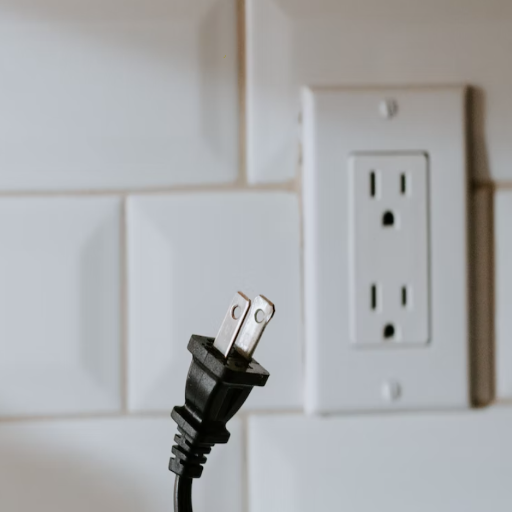
Standard 110V outlets in the United States can be rated for either 15 amps or 20 amps. Most household outlets are rated at 15 amps, which is sufficient for the usual appliances, such as lamps, TVs, and some refrigerators. When there is a higher power demand in a specific area, such as the kitchen, garage, or workspace, 20-amp-rated outlets may be installed to accommodate the use of microwaves or power tools. Additionally, it is a wise practice to match any outlet being installed on a particular circuit with the circuit’s amp rating for safety and efficiency.
15-Amp Outlets
The 15-amp outlet is the most commonly installed electrical outlet in homes in the United States. It works with supplementary wiring, allowing all standard 120-volt circuits to operate in different meters, and can support a maximum of 1,800 watts. This being the case, it would be put to use in situations such as table lamps, television sets, alarm clocks, and light switches. The 15-amp outlets can be installed using 14-gauge wire, which is the standard wire size in almost all home installations.
These outlets typically feature two vertical slots and a circular grounding opening, allowing the use of three-pronged plugs and ensuring their safe use. If the outlet is carrying power beyond its rated load, it may begin to heat up, posing a fire hazard; therefore, they are best suited for devices with low power consumption. Heavy use can also cause circuit interruptions, such as hair dryers and portable heaters, which might be too much for a 15-amp outlet.
Regular inspections should be conducted on outlets to ensure they are in good working order. Replacing worn or cracked outlets and avoiding the use of improper adapters or overloaded power strips can significantly increase safety and prolong the life of circuits connected to 15-amp outlets.
20 Amp Outlets
20-amp circuits provide higher outputs and power demands upon the outlet, making them suitable for heavy-duty uses and applications. Appliances requiring such service include microwaves, air compressors, and power saws. From an electrical standpoint, these outlets can support a 2,400-watt draw at a given voltage of 120 volts, making them the ideal electrical solution for high-energy applications.
The primary difference between 20-amp outlets for household installations is the presence of a second horizontal slot beside one of the two vertical prongs. Using 20-amp outlets will not allow plugs rated for lower current devices to be inserted intentionally.
When planning to work with a 20-amp outlet installation, ensure that it is matched with the proper wire, typically 12-gauge, which is deemed suitable for 20-amp loads, allowing higher currents to travel safely through it. By code, 20-amp circuits are often required in kitchens and laundry areas to prevent appliances, such as refrigerators and washing machines, from tripping breakers or causing electrical faults.
A 20-amp outlet shall be used for appliances that require this much current to operate; this helps control overheating and circuit overloads, thus keeping the electrical system functioning properly. It is recommended to have a 20-amp outlet installed correctly and periodically tested to maintain serviceability and ensure code compliance.
Differences Between 15-Amp and 20-Amp Outlets
A 110-volt outlet can typically carry either 15 or 20 amps, depending on the circuit to which it is connected.
|
Key Point |
15 Amp |
20 Amp |
|---|---|---|
|
Amp Rating |
15 amps |
20 amps |
|
Wire Size |
14-gauge |
12-gauge |
|
Plug Type |
Standard |
T-shaped slot |
|
Common Use |
Low-demand |
High-demand |
|
Circuit Load |
Up to 15 amps |
Up to 20 amps |
|
Overload Risk |
Higher |
Lower |
|
Appearance |
Single-slot |
T-slot design |
Types of Plugs and Sockets
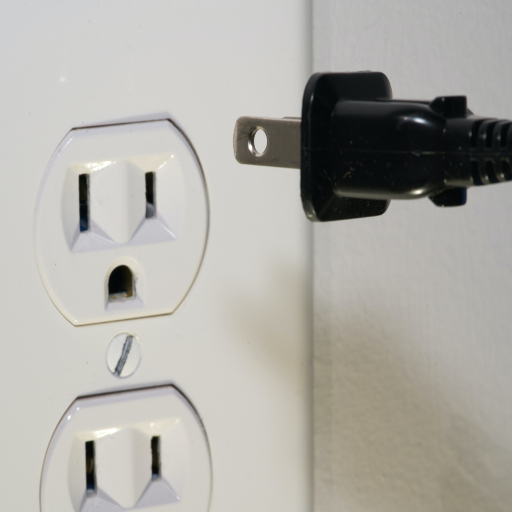
Various plugs and sockets exist for different types of electricity demands and standards. Here’s a summary:
15-Amp Outlets: These are the most common outlets in homes. They are designed for low-demand usage and can wire up to 15 amps of appliances using 14-gauge wiring. The plug features a standard slot.
20-Amp Outlets: These are typically used for appliances with higher power demands, such as refrigerators or power tools. These outlets allow for 20 amps and require 12-gauge wiring to accommodate a T-shaped slot, ensuring the 20-amp plugs fit securely inside. These are less prone to overload than 15-amp outlets.
Being aware of and choosing the correct plugs and sockets ensures both safety and efficient electricity usage.
Standard Plug Types for 110v Outlets
Regarding 110V outlets, there are various types of plugs, depending on the intended applications, to ensure compatibility and safety for different devices and appliances. Below is a brief list of some of the most common types of plugs:
Type A Plugs (NEMA 1-15): A type A plug is a two-pronged plug, standard by design, that lacks polarity and is almost exclusively used for low-power applications such as lamps, phone chargers, and small electronics. Such plugs are grounded-less, making them suitable only for applications that do not require grounding.
Type B Plugs (NEMA 5-15): Type B plugs feature an additional grounding pin, in addition to the two flat pins of Type A plugs. These plugs are polarized and designed for appliances that require grounding for safety purposes, such as computers, televisions, and other electronic devices. Twist-Lock Plugs: These are extra safety plugs designed to prevent accidental disconnection and are primarily used in commercial and industrial settings. They are necessary to avoid unintentional disconnection for applications such as medical and heavy-duty tooling.
GFCI Outlets with Specific Plug Compatibility: GFCI outlets are compatible with Type A and B plugs. They are essential in areas with high humidity, such as bathrooms or kitchens. These outlets protect against electrical shocks by cutting off the power whenever a ground fault is detected.
Tamper-Resistant Outlets and Plugs: Tamper-resistant outlets are mandated in most residential constructions to prevent electric shocks, mostly to children. These outlets only work if both prongs of a plug are inserted into the outlet at the same time.
Understanding these common types of plugs and outlets not only ensures compatibility with numerous devices but also enhances safety in residential, commercial, and industrial electrical systems. Choosing the correct combination of plug and outlet according to the device’s power rating minimizes the chances of overload and enhances efficiency.
Identifying Standard Outlet Sockets
From country to country and even from region to region, standard outlets have different designs that are appropriate to the voltage and air regulations of a particular area. The most common outlets in the United States are Type A and Type B outlets. Type A has two flat parallel pins, whereas Type B has an extra grounding pin for safety. These outlets are designed for 120 volts and either 15 or 20 amperes, which is typical of most household appliances.
Most European countries operate with Type C, E, and F outlets, generally at 230 volts and 50 Hz. Type C, commonly known as the “Europlug,” is designed to work with devices throughout the continent. The United Kingdom uses Type G outlets, which have three rectangular prongs and an in-built fuse for added protection to the device.
Each type of outlet is standardized according to the respective voltage and frequency standards, ensuring that functionality remains unhindered and safe. For example, devices sold in countries with a 230-volt system would most likely not work on 120-volt outlets unless some form of voltage conversion is considered. Compatibility is, therefore, a crucial factor, whether traveling or importing electronics, to prevent damage or inefficiency. Access to outlet specifications, standardized along with adaptor solutions, enables users to operate their devices safely in all parts of the world.
Compatibility with Various Appliances
Both performance and safety require proper compatibility between appliances and electrical systems. Modern appliances will always have their voltage and wattage requirements clearly outlined on the appliance or in its manual. Many kitchen appliances, such as electric kettles and mixers, require a voltage range of 120 to 240 volts, depending on the location. In contrast, heavy machinery such as air conditioners often requires more power systems and delivery capacity exceeding 2000 watts.
Travelers often encounter compatibility issues with local standards and regulations. For instance, in the US, a 120-volt system is typically used, whereas most of Europe follows a 230-volt standard. Universal adapters and voltage converters are increasingly being used to bridge this gap. Recent market statistics indicate a continuous rise in demand for dual-voltage appliances, as these appear to be a more convenient alternative for individuals who live or work on two different electrical grids.
Technological advances have also introduced smart appliances capable of sensing power usage differently and adjusting accordingly. By combining multi-voltage functionality with surge protection and energy-efficient operation, these appliances are quickly gaining popularity in international markets. To ensure maximum efficiency and safety, consumers must check appliance specifications, follow the manufacturer’s instructions, and work with reputable converters or adapters where applicable.
Electrical Cables and Wiring
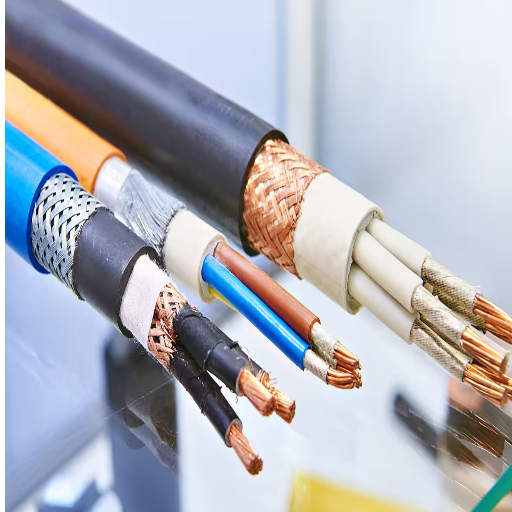
Electrical cables and wiring are indeed used for powering devices and making safe electrical connections. Electrical wires are available in various types and sizes for specific applications, including residential, commercial, and industrial use. A cable that upholds proper standards in conduction and insulation ensuring safety and reliability, must be chosen for any given application based on its voltage and current capacity. Quality materials should always be used in conjunction with installation procedures outlined in the standards, such as insulation and proper grounding. Any doubt in the matter should be subject to consultation with a licensed electrician or referenced from the local electrical code to ensure conformity and avert potential hazards.
Wiring Requirements for Different Amps
Selecting proper wiring involves a lot of considerations, for example, amp reading versus wire gauge, material, and length, all of which bear upon functions and safety. Common amp ratings and the corresponding wire specifications are listed below:
Up to 15 Amps: For circuits of up to 15 amps, 14-gauge copper wire is generally sufficient within a 50-foot distance. Beyond this distance, a 12-gauge is recommended to reduce the voltage drop.
20 Amps: To power 20-amp circuits, including standard outlets and kitchen appliances, 12-gauge copper wires are recommended. The breakers and outlets must be rated for 20 amps.
30 Amps: At 30 amps, it is generally the maximum setting for a 10-gauge copper wire in applications such as an RV hookup or an air-conditioning unit, whereas aluminum wires may require increasing the wire size to 8-gauge due to their lower conductivity.
40 Amps: 8-gauge copper wire is being considered for higher-power equipment, such as an electric range. If distances exceed 50 feet, consider an upgrade.
50 Amps: Bigger appliances or sub-panel installations often require this size. Always look out for temperature ratings and ensure that the wire insulation type resonates with the installation environment.
100 Amps: Service panels or heavy-duty use applications require the handling capability of 4-gauge copper wire or 2-gauge aluminum wire. Always verify these specifications against local code requirements.
Always remember that ambient temperature, insulation type, and installation method (i.e., inside conduit or open air) may affect a wire’s ampacity. Always ensure that the wiring selected complies with local electrical codes for safety and efficiency within your installation.
Choosing the Right Cable for Your Outlet
Selecting a cable that correctly fits your outlets is crucial for both safety and optimal performance. Most residential outlets require 14-gauge copper wire for circuits on a 15-amp breaker and 12-gauge copper wire for circuits on a 20-amp breaker. If the load demands more ampacity, such as for large appliances, higher wire sizes should be considered: 10-gauge copper wire for 30 amps or 8-gauge copper wire for 40 amps. Aluminum wires are an option but usually require a size upgrade to maintain the same ampacity as copper wires.
In cases of special installations, such as those in locations with high ambient temperatures, wire size may need to be adjusted. For example, if heat causes a reduction of one file’s ampacity, thicker cables may need to be used to compensate. Likewise, if the wire runs longer distances—say, more than 50 feet—voltage drop calculations will require taking into account and probably using a larger gauge of wire to ensure proper power delivery.
It is also crucial to select the correct type of insulation. The primary types are NM-B (non-metallic sheathed) for typical indoor uses and THHN (Thermoplastic High Heat-Resistant Nylon-Coated) for applications requiring more rugged insulation or those that may pose moisture concerns. Cables like UF-B (Underground Feeder) are primarily used in outdoor or direct burial applications due to their resistance to moisture and physical damage.
These details are in line with modern safety standards and should, therefore, be considered in conjunction with local electrical codes, which may require more specific requirements based on regional guidelines. Always consult a qualified electrician for specific recommendations tailored to your project.
Safety Considerations When Wiring Outlets
When wiring outlets, safety should be the top priority, as it can prevent accidents related to electricity, such as shocks, fires, or property damage. Industry standards and safety organizations recommend turning the power to the involved outlet off at the circuit breaker before proceeding to wire it. This can be checked with a voltage tester.
The type of outlet is an important consideration. For instance, GFCI outlets may have been installed in areas with high moisture levels, such as bathrooms, kitchens, and outdoors, to help the layperson avoid electrical shock, which is a familiar enough hazard. Studies show that these outlets significantly reduce the risk of injury; the Electrical Safety Foundation even claims that GFCIs can avert more than 2/3rds of the electrocutions currently occurring in modern households.
By installing higher-quality materials that have UL approval, compliance with safety standards is ensured. Loose connections are the one thing you want to avoid in wiring, as they lead to overheating and could create a fire hazard. The loading of appliances, such as washing machines and ovens, should be done through dedicated circuits sized to have an appropriate ampere rating, as overloading circuits should be avoided.
Regular inspections can detect wear, discoloration, sparks, or loose plugs in outlets. In an old home, experts recommend replacing two-prong outlets with grounded, three-prong outlets as a safety measure. Consult a licensed electrician for professional advice specific to your installation.
Using Switches with 110 Outlets
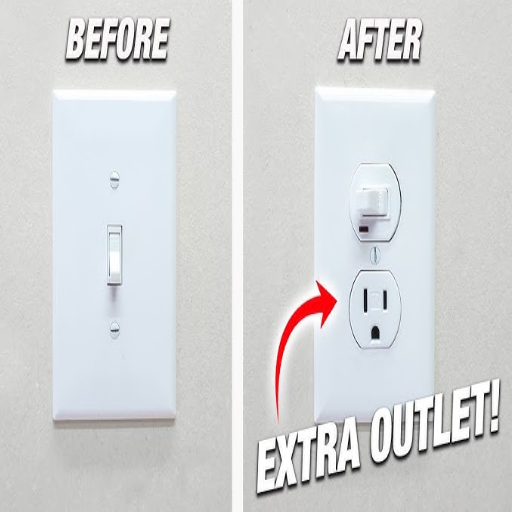
Switching with 110 outlets is usually performed to interrupt the power supply to a device or fixture. The switch used should be rated for the outlet’s voltage (110 volts) and should be able to handle the electrical load of the appliances or devices connected to it. Always turn the power off at the circuit breaker when wiring. If there is any doubt about the procedure, it is advisable to seek the services of a qualified electrician for your safety and to ensure compliance with local laws.
Integrating Switches with Standard Outlets
Switches combined with standard outlets offer a bit of convenience and energy savings. Yuktie: You can turn on or off two or more devices or light fixtures simultaneously from a single point; no extra wiring is needed, making it more convenient. According to today’s installation practice, a combined switch and outlet can handle various types of electrical loads, typically 15 or 20 amps, depending on the wiring method.
Another feature supporting smart home integration is that most modern switch-outlet combos now come with built-in smart connectivity, allowing users to open, close, or control lights via smartphone apps or voice control. According to their 2023 survey, approximately four in ten homes in the United States now have at least one smart outlet or smart switch, highlighting the growing trend toward connected homes.
In terms of installation, it should be compatible with the limitations of the electric circuit. At the national level, it is recommended that switches, outlets, and other electrical wiring hardware be UL-listed for both performance and safety. There is also a growing trend in USB outlets that enable charging devices without the need for an extra adapter. For optimal performance, always verify that the selected fitting complies with local building codes and industry best practices.
Switch Ratings and Compatibility
Selecting the right switch for an electrical system ensures safety and functionality. Switches are generally rated in terms of voltage and current. For standard day-to-day applications, most switches are rated for 120V or 240V, depending on the regional and electrical system framework. In the current ratings, 10A, 15A, and 20A were used, whereas 15-A switches are generally used for usual household circuits.
It should also be noted that operating a switching device beyond its rated current causes overheating and potential failure, thereby increasing the fire hazard. For instance, if a switch with a rating of 15A is installed in a circuit carrying 20A, unacceptable and dangerous situations may arise. Smart switches and dimmer switches typically have specific power limitations specified by the manufacturer; therefore, special care is required when selecting these switching devices for advanced systems.
For industrial and commercial applications, it may be necessary to specify switches with higher voltage and current ratings, such as those with 30A or more, to carry loads that are on the heavier side. Weatherproof or outdoor-rated switches are necessary when moisture or extreme environmental conditions are present, and these typically come with IP ratings, such as IP65 or IP67, indicating varying degrees of water and dust resistance.
Knowing about these ratings will, therefore, ensure that switches are suited to the circuit’s requirements, thereby reducing the possibilities of short circuits, if not worse electrical faults. Always ensure that you choose switches certified by governing bodies and suitable for the environment where they are to be installed.
Best Practices for Switch Installation
As far as best installation practices go, I verify that the switch meets the circuit requirements and environmental conditions. The IP rating must be assessed to determine if the switch is suitable for handling exposure to moisture or dust if any is expected. Additionally, the switch should be recognized by certified bodies for its safety and reliability. Take your time to secure proper connections during the installation, and double-check all wiring to avoid short circuits or faults. This is how I have maintained the safety and operational integrity of my installations at all times.
Reference Sources
Frequently Asked Questions (FAQs)
How Many Amps Can a Standard Outlet Provide?
A standard outlet in North America is typically rated for either 15 amps or 20 amps, depending on the circuit configuration and the type of circuit breaker used. Most household outlets are 15-amp receptacles suitable for common appliances and devices.
What Is the Difference Between a 15-amp and a 20-amp Outlet?
The primary difference between a 15-amp and a 20-amp outlet lies in their design and capacity. A 15-amp outlet has two vertical slots, while a 20-amp outlet includes a horizontal slot in addition to the vertical slots. This configuration allows a 20-amp outlet to accommodate devices that require more power.
Can I Plug a 15-amp Device into a 20-amp Outlet?
Yes, you can plug a 15-amp device into a 20-amp outlet. The 20-amp outlet is designed to accommodate both 15-amp and 20-amp plugs, ensuring compatibility with a wide range of devices. However, it is essential to ensure that the device does not exceed its rated capacity.
What Happens If I Overload a 15-Amp Outlet?
Overloading a 15-amp outlet can cause the circuit breaker to trip, cutting off power to prevent overheating and potential fire hazards. It’s vital to adhere to the maximum load recommended for the outlet to ensure safety.
How Many Amps Can a 110 Outlet Handle?
A 110 outlet, often referred to as a standard outlet, typically handles 15 amps. However, if it is a 20-amp outlet, it can handle up to 20 amps of current. The actual available amperage depends on the wiring and breaker configuration in your electrical system.
What Is the Maximum Amperage for New Installations?
For new installations, the National Electrical Code (NEC) recommends that outlets be configured to handle either 15 amps or 20 amps, depending on the intended use. This ensures that electrical systems can support modern appliances and devices safely.
Is It Safe to Use a 15-Amp Plug in a 20-Amp Outlet?
Yes, using a 15-amp plug in a 20-amp outlet is safe. The outlet can accommodate the lower-rated plug without any issues. However, the device being powered must not exceed its rated capacity, as this could lead to overheating or damage.
What Should I Check Before Plugging into an Electrical Outlet?
Before plugging into an electrical outlet, check the outlet’s rating to ensure it matches the device’s amperage requirements. Additionally, inspect the outlet for any signs of wear or damage, and ensure that the breaker box is appropriately configured to handle the load.