







With electrical wiring, safety and functionality are paramount. When installing 100-amp subpanels, the correct wire size and type must be selected to prevent damage to the house and ensure the smooth operation of the electrical system. This guide aims to help homeowners, DIY enthusiasts, and professionals clearly understand the requirements for selecting wire for a 100-amp subpanel. From decoding wire types to the importance of proper sizing, this article walks you through every step in the process. Whether you are upgrading the system, adding extra circuits, or undertaking a new project, this article will provide you with the best information you can rely on for informed decision-making and preventing costly blunders.
Introduction to 100 Amp Sub Panels

The 100-amp subpanel is a secondary electrical panel that provides an additional power supply to specific locations or circuits within a building. Typically, it is set up when there is insufficient space in the main panel to accommodate additional circuits, or when power needs to be controlled in separate areas of a property, such as a garage, workshop, or basement. Additionally, a well-installed subpanel ensures the safe and efficient distribution of electricity, preventing the main panel from being overloaded. More flexibility is thus offered to control the power usage. Additionally, the subpanel must be installed by local electrical codes and regulations to ensure its safety and reliability.
What is a 100-amp subpanel?
A 100-amp subpanel is an electrical panel that provides an additional 100-amp capacity to distribute power to specific spaces or circuits within a property. For example, it may be installed in larger homes or in situations where the main electrical panel has no remaining bus spaces for additional circuits, or where space must be allocated for more efficient power management. The 100-amp rating is the maximum current capacity that the subpanel can withstand, making it suitable for powering the garage, workshop, and other areas with heavy electrical requirements.
When installing a 100-amp subpanel, wiring it properly is crucial for both safety and electrical code compliance. A 100-amp subpanel typically requires a feeder cable with four wires: two hot wires, one neutral wire, and one ground wire, all of which connect to a matching 100-amp double-pole breaker in the main panel. The wire size to be used for a 100-amp subpanel would likely be 4-gauge copper or 2-gauge aluminum, depending on the distance of the run between the main panel and the subpanel. 4-gauge copper wire will work for runs of less than 100 feet, but if the run is more extended, heavier wire may be required to reduce voltage drop.
A 100-amp subpanel provides an ample amount of power for various applications, such as HVAC, heavy machinery, or any energy-demanding appliances, which may include electric ranges and dryers. However, it is recommended that one identify the total load requirements before allowing the subpanel to be overloaded. Ask a licensed electrician to study your property and similarly consider the installation of your subpanel, bearing in mind the electrical code of your locality.
Importance of Proper Wiring
Critical Safety Information: Wiring is a key factor in determining the safety and efficiency of any electrical system. Bad wiring or legacy gas wiring can lead to electrical fires, power surges, and system failures. According to the Electrical Safety Foundation International, approximately 51,000 electrical fires occur in homes each year in the United States, resulting in around 500 deaths and $1.3 billion in property damage. Primarily, these issues arise from poor installations, overloaded circuits, or the deterioration of materials used in wiring.
Wiring also ensures that proper energy utilization occurs by reducing energy losses caused by resistances or voltage drops. Such work requires materials that meet high-performance standards, such as copper wiring and insulated cables, to satisfy the energy requirements of modern homes and industries. Furthermore, compliance with national standards, such as the NEC, enables the electrical system to meet safety guidelines and accommodate future expansions or upgrades to that system. Because inspections and maintenance make sure that hazards do not develop, wiring forms an integral part of any building’s infrastructure.
Typical Applications of 100 Amp Sub Panels
A 100-amp subpanel is ideal for providing additional power to specific areas of a property when the central panel cannot be expanded with further circuits. Typical uses include:
- Operating a garage, workshop, or outdoor building where heavy-duty tools and equipment, such as power saws or air compressors, are employed
- Home additions or remodeling to provide dedicated circuits for new appliances, lighting, or HVAC
- High-load areas, such as kitchens and laundry rooms, where power is distributed on demand
- Dedicated circuits for electric vehicle charging stations
- Pool and spa electrical systems
Types of Wire for 100 Amp Sub Panels
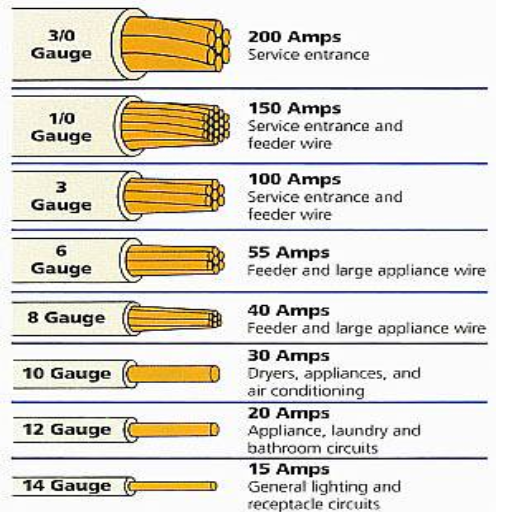
When wiring a 100-amp subpanel, two main types of wire are used: copper wire and aluminum wire. Each option has its considerations:
Copper Wire
Has better conductivity and high strength, thereby ensuring long-lasting performance. Typically, a 4-gauge copper wire is required for a 100-amp sub-panel.
Aluminum Wire
A good option when cost minimization is a priority. For a 100-amp subpanel, 2-gauge aluminum wire is typically recommended to ensure a safe passage for the load.
The wire size must match ampacity requirements and should conform to local electrical codes. It is also advisable to check with a licensed electrical contractor.
Copper vs. Aluminum Wire: Detailed Comparison
Several factors come into play when deciding between copper and aluminum wire to use in electrical installations:
| Factor | Copper Wire | Aluminum Wire |
|---|---|---|
| Conductivity | Excellent – 100% IACS rating | Good – 61% conductivity by weight |
| Durability | Highly resistant to oxidation and corrosion | More prone to oxidation, requires special connectors |
| Cost | Higher initial cost | Significantly cheaper |
| Weight | Heavier material | Lighter, easier to handle |
| Safety | Less reactive, safer choice | Requires proper installation techniques |
Benefits of Using Copper Wire
- Excellent conductivity properties with very little energy loss
- Resistant to corrosion, making it long-lasting and requiring less upkeep
- Ductile and can be bent or molded without breaking
- Highly thermal conductive material, dissipating heat effectively
- Reliable, efficient, and resilient conductor for electrical systems
Benefits of Using Aluminum Wire
- A less expensive alternative to copper wire
- Cost-effective for large projects or extremely long installations
- Weighs less than copper, easier to handle
- Causes less stress to structural steel members, especially overhead lines
- Excellent conductivity-to-weight ratio
- Modern aluminum alloys are more durable and corrosion-resistant
Ultimately, the decision to use copper or aluminum wire depends on the specific nature of the application, budget, and long-term requirements. Ensure the wire and installation comply with local electrical codes, and consider consulting a professional electrician for advice on the most suitable option for your project.
Choosing the Right Wire Size for Your 100 Amp Sub Panel
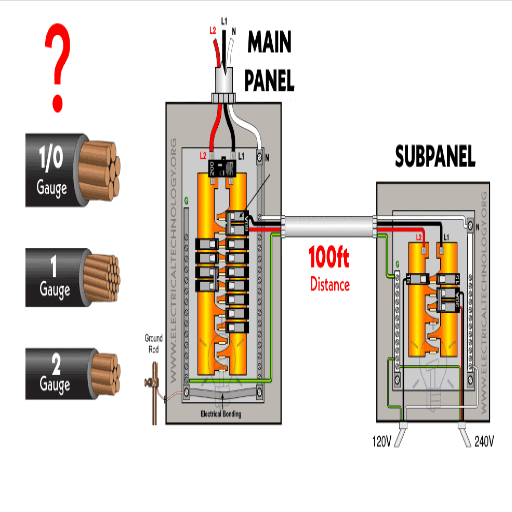
The recommended cable size is generally four-gauge copper or two-gauge aluminum for 100-amp subpanels. Under this rating, the wire should normally carry the full current safely, usually when it has the maximum possible distance under the permitted limitations. As the run length increases, the wire size is sometimes increased to compensate for the voltage drop. Always consult your local electrical codes and regulations, or a licensed electrician, to ensure the proper wire size for your specific installation.
Understanding AWG (American Wire Gauge)
The AWG or American Wire Gauge system is a standardized scale of wire diameters. This system ranges from 0000 (4/0), the largest size, to 40, the smallest size, and thinner wires correspond to larger numbers. For example, wire number 12 is thicker than wire number 14. Wire diameter affects resistance and current capacity. Hence, they are essential in a safe and efficient electrical setup.
AWG Wire Ampacity Chart
| AWG Size | Maximum Ampacity | Typical Applications |
|---|---|---|
| 14 AWG | 15 amps | Lighting circuits, small outlets |
| 12 AWG | 20 amps | General outlets, some appliances |
| 10 AWG | 30 amps | Electric water heaters, large appliances |
| 8 AWG | 40 amps | Electric ranges, large air conditioners |
| 6 AWG | 55 amps | Sub-panel feeders, large equipment |
| 4 AWG | 70 amps | 100-amp subpanel (copper) |
| 2 AWG | 95 amps | 100-amp subpanel (aluminum) |
Besides ampacity, voltage drop is one other factor that needs to be taken into consideration. Voltage drop occurs over long distances and negatively affects the efficiency of an electrical circuit. To avoid excessive voltage drops, bigger wires are used on long runs.
For safety and conformity, always double-check the wire size recommendations with the local electrical code or standards. A proper understanding of the AWG ensures good performance and reduces the risk of problems arising from incorrect wire sizing.
Calculating Wire Size for Different Distances
In wire sizing calculations involving various distances, one must consider the voltage drop, amperage, and the total distance between the source and the load. Voltage drop is exacerbated by resistance over longer distances, resulting in adverse effects on the electrical system’s efficiency. To persuade technical workers to keep the voltage drop at 3% and below, the wire gauge should be selected based on the current being carried in amps and the distance concerned, so that significant amounts of energy are not lost.
Distance Guidelines:
- For shorter distances with low amperage, 12- or 14-gauge wires may suffice
- The longer the run or the higher the power, the larger the wire must be, such as 10 AWG or even 6 AWG, to avoid a tremendous voltage drop
- Calculators and charts are freely available on the internet to simplify the process by taking into account distance, load current, and voltage
It is essential to adhere to local electrical codes and standards, which are established to ensure safety and reliability. Oversizing a wire may increase expenses, but it provides improved performance and less heat generation in the long run. When in doubt, always consult with a licensed electrician to help you determine the best wire for your needs and run all installations accordingly.
Installation Considerations for 100 Amp Sub Panels
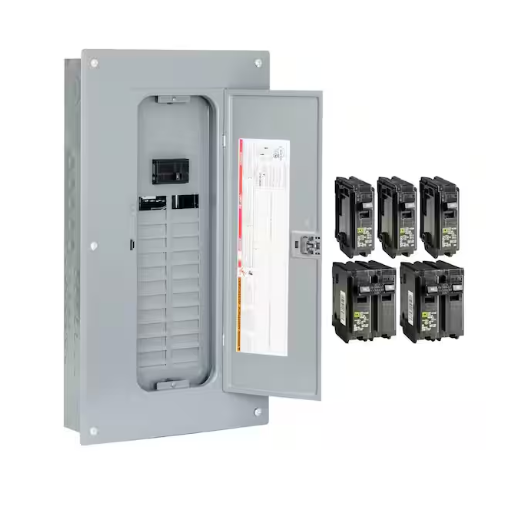
Ensure that you select a subpanel rated for 100 amps and that it meets your slot requirements. A 100-amp double-pole breaker is used to feed the subpanel from the main panel. For a 100-amp subpanel, wire size typically would be #4 copper or #2 aluminum, with the deciding factor being distance and code requirements. A ground bar must be installed inside the subpanel, and the neutral and ground wires must remain isolated to prevent a safety hazard. Furthermore, all local electrical codes must be studied, and permits must be obtained if applicable. To ensure compliance with requirements and adherence to safe practices, an electrician holds the key to knowledge.
Feeder Cable Requirements
Choosing the right feeder cable for a 100-amp subpanel is crucial, as it depends on both wire size and material choice, as well as the length of the run. Typically, #4 AWG copper or #2 AWG aluminum is suitable for feeder runs of up to 100 feet in length. If the run exceeds 100 feet, the conductors must be upsized to prevent voltage drop. The feeder cable must include:
- Two hot wires (Line 1 and Line 2)
- One neutral wire
- One ground wire
Important Safety Note: The neutral conductor should be kept isolated from the ground in the subpanel as per the safety requirements. Be sure to check with local codes in your area, as there may be additional requirements. Seeking professional help from a licensed electrician can only enhance your safety and ensure code compliance. Ensure you obtain all the necessary permits before commencing the installation.
Using Conduit for 100 Amp Service Panels
When pulling conduits for 100Amp service panels, the conduit type and size shall be governed by the wire gauge and the number of conductors. Generally, non-metallic or PVC and metallic or EMT conduits are used in residential situations. For 100-amp service, the conduit size most often recommended is 1 ¼ inch when pulling 3 AWG copper conductors or 1 AWG aluminum conductors. Conduits must meet the NEC fill requirements because overcrowding could lead to overheating or installation difficulties.
Conduit Installation Guidelines:
- Attach and secure conduits at an appropriate interval, as specified by local standards
- Follow the shortest practical path to minimize voltage drop
- For outdoor wiring, Schedule 40 PVC is typically used
- Schedule 80 PVC may be necessary for additional protection in exposed areas
- For underground installations, the trench depth should align with NEC standards:
- 18 inches for direct burial
- 6 inches when buried in rigid metal conduit
Proper connectors and a waterproof seal for such conduits are paramount, especially for outdoor jobs. Always check for local code requirements, as some authorities may have additional requirements beyond those outlined in the NEC. One should rely entirely on a licensed electrician to ensure that their installation is safe and meets code.
Common Installation Mistakes to Avoid
Critical Installation Errors
1. Improper Grounding
The lack of proper grounding in electrical systems is one of the most common errors leading to safety hazards. Always ensure that grounding is made correctly; otherwise, a person may get electrocuted, or appliances may be damaged.
2. Using an Incorrect Wire Size
Using a wire size that does not correspond to the circuit’s load will cause it to overheat and increase the likelihood of a fire. Always refer to the NEC and your local codes for wire size in your particular application.
3. Ignoring Circuit Overload
Overloaded circuits can trip breakers and, in the worst case, cause an electrical fire by connecting too many devices in parallel. Calculate the current demand and provide an appropriate number of outlets along with a breaker that will cover this demand.
4. Neglecting to Seal a Conduit
Stopping at unsealed conduits, particularly those passing through outdoor or wet locations, will allow water ingress and result in corrosion and damage. Watertight connectors and conduit plugs should be used for sealing.
5. Ignoring Code Updates
Being in an industry that can change rapidly, it is necessary to update codes fairly often to keep installations as safe as possible. Not following an up-to-date code never guarantees a secure installation and is penalized accordingly. Always keep up with the latest NEC and local codes.
By avoiding these common mistakes, you ensure that the installation is safe, economical, and compliant with applicable standards.
Understanding 100 Amp Service Panel Specifications
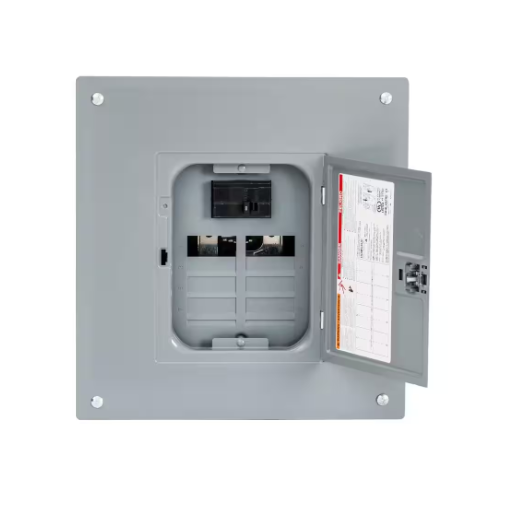
A 100-amp service panel is capable of accommodating an electrical current of up to 100 amps. Therefore, it is considered ideal for small to medium-sized houses. Generally, it will have a 100-amp rated main breaker and several circuit breakers that will distribute electricity safely to various areas or appliances. The panel can serve the everyday needs for lighting, outlets, and basic household appliances. It is essential to ensure that the panel complies with the local electrical code and is installed by a licensed electrician for safety and compliance purposes.
Defining a 100-Amp Sub Panel
If you think of a sub-panel as a secondary distribution panel, branching off from a leading panel to provide additional capacity and flexibility in circuits and distribution, then a 100-amp sub-panel would be familiar enough that it would not serve its purpose if installed as one. For example, a workshop in the basement may be powered by a 100-amp subpanel, ensuring the central panel is not overloaded. The subpanel is connected to the main panel via a feeder cable, which has its own circuit breakers to control and distribute power independently.
It is also imperative to confirm, when installing the 100-amp subpanel, whether the existing main panel can support the additional load. One of the key things to check is the wire size between the sub-panel and main panel. For a 100-amp subpanel, copper wires #4 AWG or aluminum wires #2 AWG are generally recommended to safely carry the electrical load.
This particular size of subpanel is sufficient to serve houses or spaces that require a moderately high electrical load. For example, it can accommodate many circuits for outlets, lighting, appliances, and a little HVAC or water heater load. Proper grounding of the subpanel is essential, which requires a separate ground bar and the isolation of the neutral bar from the ground bar, as specified in electrical codes.
The installation should comply with the requirements of the National Electrical Code (NEC) and all applicable local laws. Typically, the installation of the subpanel includes an overcurrent protection device rated for the subpanel, such as a 100-amp breaker in the main panel and corresponding breakers in the subpanel itself. It is highly recommended that a licensed electrician be engaged for the installation to ensure safety, compliance with codes, and optimal performance.
Comparing 100 Amp and Other Service Panel Sizes
| Panel Size | Suitable For | Typical Applications | Power Capacity |
|---|---|---|---|
| 100 Amp | Small to medium homes | Basic lighting, small appliances, light HVAC | Up to 24,000 watts |
| 150 Amp | Medium to large homes | Standard appliances, central air, electric heat | Up to 36,000 watts |
| 200 Amp | Large homes, high demand | Heavy-duty HVAC, electric car chargers, and pools | Up to 48,000 watts |
There is an interesting evaluation to consider when comparing the 100-amp service panel to others on offer, which involves examining the detailed electrical requirements of the property. A 100-amp service panel can indeed sufficiently cater to the electricity demands of small houses, such as lighting, small appliances, and light induction or demister units. On the other hand, large houses or properties with higher power demands, such as electric car chargers or heavy-duty HVAC systems, may require at least a 150- or 200-amp panel to consider the respective capacity and future flexibility. In my opinion, if I had to decide, I would carefully evaluate present and future power needs, selecting the panel size that best suits those needs without the system ever exceeding its capacity.
Regulatory Standards for Wiring a 100-Amp Sub Panel
When wiring a 100-amp subpanel, the first and foremost consideration, such as safety and operational requirements, is compliance with national and local electrical codes. In NEC, a feeder cable for a subpanel must be suitably sized, typically using 4-gauge copper or 2-gauge aluminum wire for a feeder with a capacity of 100 amps. The grounding conductor must be installed and bonded to the subpanel by NEC requirements to prevent electrical hazards.
Key Regulatory Requirements:
- Proper Wire Sizing: Must comply with NEC ampacity requirements
- Grounding: Separate ground and neutral buses in the subpanel
- Ground Rod Connection: Grounding bus connected to the property’s ground rod system
- Overcurrent Protection: 100-amp breaker in main panel
- Conduit Requirements: Proper conduit type for installation environment
- Permit Requirements: Local building permits may be required
- Inspection: Professional inspection for code compliance
Additionally, the subpanel neutral and ground buses should be separated, with the grounding bus connected to the property’s ground rod system, allowing it to dissipate fault currents correctly. Power from the main panel to the subpanel is supplied through a breaker rated for 100 amps, and the conduit used to run the wiring is deemed proper for the installation, such as PVC or metal conduit for an outdoor run or underground. Always confirm specific requirements with the local building codes, as they may provide a different or stricter set of regulations.
Professional Recommendation: Hiring a licensed electrician for the installation of a 100-amp subpanel is highly advisable to ensure that all safety standards and regulations are met. A well-designed, properly installed, and adequately inspected subpanel will not only ensure compliance but also guarantee an electrical system that functions well and is safe.
Conclusion
Installing a 100-amp subpanel requires careful consideration of wire selection, proper sizing, and adherence to electrical codes. Whether choosing between copper and aluminum wire, calculating appropriate wire sizes for different distances, or ensuring adequate grounding and installation techniques, every aspect plays a crucial role in creating a safe and efficient electrical system.
Remember that electrical work poses significant safety risks and has specific legal requirements. While this guide provides comprehensive information on wire selection and installation considerations, it is always recommended to consult with a licensed electrician for your particular project. Professional installation ensures not only compliance with local codes but also the safety of your property and its occupants.
By following the guidelines outlined in this article and working with qualified professionals, you can successfully install a 100-amp subpanel that will provide reliable power distribution for years to come.
Reference Sources
Frequently Asked Questions (FAQs)
What wire size should be recommended for a 100-amp subpanel?
The size of wire generally recommended for a 100-amp subpanel typically includes 4 AWG copper or 2 AWG aluminum. These sizes are usually suitable for carrying the electrical load safely, ensuring the wire does not overheat or experience a voltage drop.
How far can I run a 100-amp subpanel fed by 4 AWG wire?
For the run of 4 AWG wire on a 100-amp subpanel, it can be safely done depending on the type of wire and load. Generally speaking, 4 AWG copper wire will be sufficient for any run of up to 50 feet. However, aluminum wire would have to be larger due to its relatively lower conductivity.
What are the different types of wire acceptable for a 100-amp subpanel?
They can be THHN, URD, or MC cable. THHN is most often found in indoor wiring up to the walls. URD is suitable for underground installations, mostly. MC cable offers improved flexibility in placing conductors within the insulation and is a popular choice for residential applications.
Can I use a 90-amp breaker for a 100-amp-rated subpanel?
Generally, a 90-amp breaker is not recommended for use with a 100-amp-rated subpanel, as it will not provide the full capacity needed by the panel. Instead, a 100-amp breaker should be used so that the panel can safely withstand its full load.
What is the maximum load for a 100-amp service panel?
A 100-amp service panel is rated for 100 amps, which, with a demand-factor calculation, allows about 24,000 watts at 240 volts as the maximum-rated load. This is crucial in determining the total electrical load and ensures that the branch circuits never exceed the panel capacity.
What is the importance of using the correct wire size for a 100-amp subpanel?
Using the correct wire size for a 100-amp subpanel is crucial for safety and efficiency. The proper wire size prevents overheating and may even cause a fire; alternatively, voltage drops can compromise the system’s efficiency in some instances, affecting the appliances being powered.
How do I determine if I need a new panel or a subpanel?
If your electrical needs necessitate it, or if your methods require the installation of a subpanel to allocate the existing electrical load, a new panel will be warranted if your home needs to be brought up to code or if it is in demand.
What are some advantages gained by using aluminum wire for a 100-amp subpanel?
Using aluminum wire for a 100-amp subpanel offers advantages, including a lower material cost and the benefit of being lighter than copper. The key, however, remains in ensuring the connections are tight and rating the wire for the amps to prevent possible overheating.
Do I have a 100-amp subpanel that feeds other subpanels and circuits?
Yes, a 100-amp subpanel can be used to feed various subpanels and circuits. It is typically done in larger homes, where it is necessary to distribute electrical loads to different areas while ensuring proper circuit protection and adherence to electrical codes.