







Low-voltage conduit is a crucial component of the installation process. It ensures that wires are safe and effectively organized. Whether it is a small home setup, a commercial area, or an extensive industrial application, installation techniques and best practices are essential for low-voltage installations. This book will present you with knowledge that will help streamline your installations, ensure compliance with applicable codes, and facilitate the long-term implementation of wiring systems. From selecting the types of conduits to addressing common installation issues, this article provides everything you need to know for installing low-voltage conduit. Continue reading for the practical tips and insider advice you need to make your work stand out.
Understanding Low Voltage Conduit
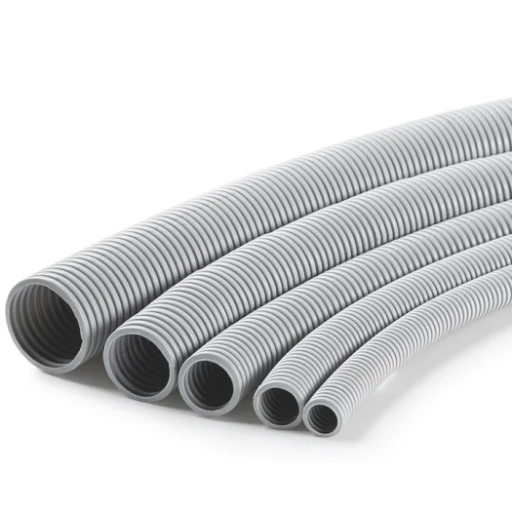
Low-voltage conduit has the capacity needed to house and protect electrical wiring for systems operating at lower voltages, typically under 50 volts. These mainly include data cables, security wiring, and telecommunication networks. The conduit protects the wires against environmental damage, physical damage, and interference, thereby maintaining the system’s working conditions and safety for an extended period. Usually, they are galvanized to stand against rust and corrosion. Consider common types such as RMC (rigid metal conduit), EMT (electrical metallic tubing), and FNC (flexible non-metallic conduit); each is selected according to the specific case. When all is said and done, improper installation and codes will degrade the system, so follow your local building codes to ensure durability.
What is Low Voltage Conduit?
The term ‘low voltage conduit’ is meant to describe a protective pathway specifically catering to low voltage wiring and cables. Typical uses of these systems include data networking, security systems, audiovisual systems, and building automation systems, with the voltage typically varying between 0 and 50 volts. This means that, unlike their counterparts, which are busy carrying high electrical loads, the low-voltage conduit solution serves more toward the mechanical management of cables, the prevention of physical damage, and shielding against EMI.
Low-voltage conduits are typically made of PVC, flexible metal, or EMT, and are selected based on various factors, including project requirements, installation environment, and safety considerations. For example, non-metallic conduits are more suitable in moist environments, while metallic conduits are effective for EMI shielding in sensitive data environments. According to research, the global low-voltage conduit industry is expected to experience significant growth in the coming years, driven by demand for innovative technologies and the expansion of networks in residential and commercial areas. Proper planning and installation of low-voltage conduit systems ensure that the conduits will function reliably, be easy to maintain, and facilitate future upgrades.
Types of Low-Voltage Wiring
Low-voltage wiring consists of various types, each tailored to a specific application and specification, serving distinct purposes in contemporary installations. Below are the primary types and their main features:
Twisted Pair Cable
It is a popular cable choice in telecommunications and signal transmission, with each pair of wires twisted to decrease EMI. For example, Cat5e, Cat6, and Cat6a cables, categorized by their standards, are widely used in Ethernet networks, with transmission speeds of up to 10 Gbps.
Coaxial Cables
These cables are designed for the transmission of signals for television, the internet, and radio. They make excellent long-distance transmitting media as they are well shielded against EMI. RG-6 and RG-11 are popular variants, with RG-6 commonly employed in residential environments and RG-11 having a strength profile for longer distances or industrial applications.
Fiber Optic Cables
Fiber optic cables utilize light to transmit data, thereby achieving significantly higher speeds and bandwidths compared to traditional copper cables. These cables are installed alongside infrastructures and are instrumental in providing high-speed internet and telecommunications. Due to the increasing incorporation of smart homes and 5G technology, the demand for fiber optics remains strong, according to recent industry reports.
Low-Voltage Control Cables
These are cables typically used for security systems, HVAC controls, doorbells, and intercoms. They are intended to carry small currents but must ensure a secure connection to vulnerable devices. The increasing number of smart home systems has led to a higher penetration in residential projects.
Speaker Wires
Speaker wires connect audio systems and carry clean signals without interference. They come in various gauges, with thicker wires (lower gauge number) being used for longer distances or more powerful systems.
Structured Wiring Systems
Structured wiring combines low-voltage cords into a single entity, serving as an integrated connection point for houses or offices. This way of setting up wired connections assists multimedia, communication, and automation needs. A surge in demand for integrated solutions is currently driving the global market for structured wiring systems.
Different applications guarantee different attitudes toward low-voltage wiring; thus, such wiring systems perform best in all residential, commercial, and industrial applications. The world adoption of network expansion and innovative technologies is expected to further accelerate the demand for these wiring systems in the years ahead.
Benefits of Using Conduit for Low-Voltage Applications
Key Advantages of Low-Voltage Conduit Systems
The use of conduit in low-voltage wiring presents numerous benefits in terms of safety and efficiency in electrical installations. Conduits serve as a barrier, protecting cables and wires from physical damage, moisture, or external disturbances that could interfere with their performance. This is especially crucial in environments where conditions are never very steady, such as industrial installations and outdoor locations.
Another factor is organization and flexibility. Wires can be replaced or new ones configured through conduits without hurting the walls or support structures. Recent industry reports suggest that using conduit for low-voltage systems may increase the wiring’s lifetime by up to 25% while reducing certain long-term maintenance costs.
In the field of infrastructure, conduits improve fire safety by acting as sanctuaries, protecting against sparks that might slide along their surface or heat generated by short circuits, which otherwise would aid in the spread of a fire. They also impede electromagnetic interference, which would otherwise compromise data integrity, especially in innovative technologies and networked systems.
This conduit provision ensures that the homeowner or business entity is safeguarded against code and safety violations, while also ensuring their installations remain compliant with the newer demands brought forth by technology. Protection, durability, and convenience: these three combined make a conduit vital for low-voltage installations in both residential and commercial settings.
Low Voltage Wire Conduit Installation Process

The installation of low-voltage wire conduit involves several steps to ensure proper protection and functionality. First, observe and design the conduit layout by studying the pathways that need to be utilized with maximum efficiency and safety. Then, measure and cut the conduit into lengths to ensure a snug fit. The conduit so cut will need to be properly fastened with brackets or fasteners as per local building codes. Once the conduit is in place, proceed with running the low-voltage wiring through it, taking care not to bend it sharply or kink the cable. With everything installed, make the connections and test the system to ensure safety and effective operation. When the steps are followed, the result will be a sound installation that fully complies with the code and is future-proof.
Step-by-Step Guide to Low-Voltage Wire Conduit Installation
- Preparation and Materials: Before beginning any project, ensure all relevant tools and materials are ready: rigid or flexible conduit, wire cutters, fish tape, coupling connectors, conduit fasteners, and low-voltage wires. Verify that the conduit type is code-compliant and suitable for the application, such as PVC, EMT, or flexible metal. Also, verify that the wire gauge is ideal for the system’s voltage and current.
- Plot the Conduit Path: Bring into focus the most advantageous route for installing the conduit to ensure code compliance. Excessive bends between pull points should be avoided, preferably with a maximum total bend of 360 degrees, from a wire stress standpoint, and to facilitate easy wire pulling. Use a tape measure to measure the total length of the conduit required, including allowances for bends and connections.
- Cutting and Preparing the Conduit: Cut the required conduit lengths using a conduit cutter or a hacksaw. Smooth off any burrs with a reamer or file to prevent damage to the cable during installation. Each section should be inspected to ensure a good, clean, firm fit into the couplings or boxes.
- Install the Conduit: Install conduit sections along the planned path and secure them at regular intervals, as per local building codes. Supports are usually spaced at intervals of 3 to 10 feet, depending on the conduit material and design. Use brackets or clamps that are compatible with the mounting surface, whether it is drywall, concrete, or wood.
- Pulling Low-Voltage Wire: Use fish tape for assistance to pull the cables through the conduit. Secure the wires tightly to the tape and guide the cables through without jerking or applying excessive force. If the path has several bends, applying lubricant could ease the friction. Try protecting the wires from any kind of damage to the insulation during this period.
- Continuity and Safety Testing: Perform continuity checks using a multimeter to ensure both correct operation and proper wiring. At junction points, ensure all connections are firmly established and check for any scrapes or damage on the cable insulation. Testing at this stage helps avert any future problems and ensures that the system is safe to energize.
- Completion and Inspection: After the installation is complete, conduct a thorough inspection of the entire installation to ensure it meets local code requirements and safety standards. If necessary, label the wires and conduit for ease of use during future maintenance or upgrades. You may have to get it inspected, certified, or both to verify that the project complies with regulatory requirements.
Following these steps systematically will ensure a professional-quality low-voltage wire conduit installation that is done with consideration for efficiency, longevity, and compliance with current code requirements.
Low-Voltage Wire Conduit: Tools Required for Installation
Essential Tools for Professional Installation
For better efficiency and safety, the following hardware is generally required to mount low-voltage wire conduit:
Conduit Bender
Used to bend the conduit pipes at the required angles without causing damage to the conduit.
Wire Puller or Fish Tape
Used to route the wires smoothly inside the conduit.
Measuring Tape
Ensures accurate measurements for cutting and fixing conduits.
Conduit Cutter
Cuts the conduit smoothly, ensuring no burrs or jagged edges.
Screwdrivers and Drill
Used for mounting the brackets and to fasten the conduit connections.
Level
Used to check the conduit installation and alignment.
Utility Knife
It is used to strip away wire insulation and trim edges.
Marker or Labeling Materials
Used to mark conduit and wires that will require identification during installation.
Safety Gear
These include gloves, safety glasses, and protective clothing for personal safety.
Installation will be smooth if safety measures are strictly adhered to, and this equipment is used correctly.
Selecting the Right Conduit for Low Voltage Wiring
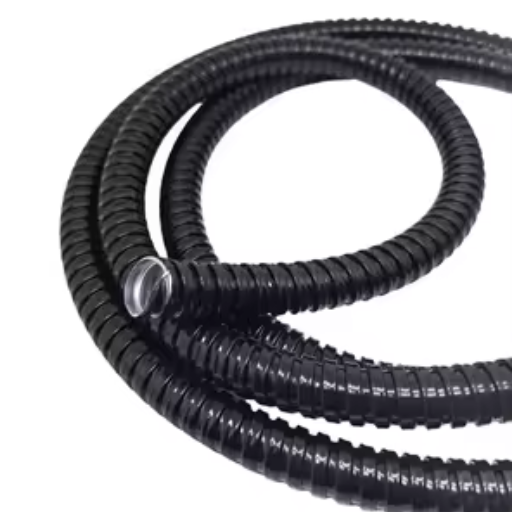
Some of the considerations to bear in mind in choosing a conduit for a low-voltage wiring system are as follows:
- Material – PVC conduits are lightweight and can be purchased for a minimal amount. They are corrosion-resistant and are best suited for indoor applications. For locations where enhanced durability is required or where electrical grounding is necessary, metal conduits such as EMT or IMC should be employed.
- Location – While indoor operations require only non-metallic conduits, for outdoor or exposed locations, the conduits must be weather-resistant to withstand the environmental elements.
- Cable protection – The conductor should be allowed to move freely in the conduit without any crowding. Since cable resistance to heat or damage is dependent on this, the risk of destruction increases during working conditions when it is crowded.
- Compliance – It should also be verified whether or not the selected conduit passes the local electrical codes regarding low-voltage wiring systems, thus accommodating safety standards.
Examining all these factors will enable you to choose a conduit that can guarantee both the harborage and efficiency of all the wiring in your project.
Factors to Consider When Choosing Conduit
Here are the primary considerations that you need to keep in mind:
- Material Type – Based on the installation location, choose between metallic (e.g., steel or aluminum) and non-metallic (e.g., PVC) conduits. Metallic conduits offer better durability and grounding, while non-metallic conduits provide resistance to corrosion and are lightweight.
- Environmental Considerations – The ecological conditions include moisture, temperature extremes, and chemical exposure. For moderately harsh environments outside or damp conditions, consider weatherproof or corrosion-resistant conduits, such as those made from rigid PVC or LFMC.
- Size and Fill Capacity – Opt for conduit sizes that can accommodate the number and size of wires without exceeding the allowable fill capacity. Otherwise, it can lead to overheating and damage.
- Installation Flexibility – The flexible options (EMT or FMC) are suitable when the project has curved or adjustable routing requirements, while the rigid options are best suited for fixed and straight installations.
- Code Compliance – Ensure the conduit type conforms to the requirements of the NEC and local regulations for safety and legality.
Considering these factors, you will be able to make an informed decision in the best interest of your wiring project, taking into account safety, efficiency, and longevity.
Types of Conduit Suitable for Low Voltage Wiring
| Conduit Type | Material | Best Use Cases | Key Features |
|---|---|---|---|
| Electrical Metallic Tubing (EMT) | Steel | Indoor applications, commercial buildings | Lightweight, easy to bend, rigid protection |
| Flexible Metal Conduit (FMC) | Steel with flexible joints | Tight spaces, vibrating machinery | Excellent flexibility, adjustable routing |
| Rigid Nonmetallic Conduit (PVC) | Polyvinyl Chloride | Outdoor, wet environments | Corrosion-resistant, economical, moisture protection |
| Liquid-Tight Flexible Nonmetallic Conduit | PVC with liquid-tight jacket | Wet, hazardous areas | Superior moisture protection, flexible |
| Rigid Metal Conduit (RMC) | Galvanized Steel | Industrial, high-protection environments | Maximum mechanical protection, heavy-duty |
The following are some of the common conduit types used for low-voltage wiring:
Electrical Metallic Tubing (EMT) – With properties of lightness and easy-to-work-with, EMT provides a rigid yet versatile solution in low-voltage projects. It is best suited for indoor applications where mechanical protection is required, but extra bulk cannot be afforded.
Flexible Metal Conduit (FMC) – It offers excellent flexibility and is suitable for applications that require bends or adjustments. FMC is installed in tight areas or where vibrations are present, such as in machinery.
Rigid Nonmetallic Conduit (PVC) – PVC is corrosion-resistant, strong, yet economical. It has a prevailing use in outdoor or wet environments due to its resistance to moisture and other elements.
Liquid-Tight Flexible Nonmetallic Conduit – Designed for use in wet or hazardous areas, this conduit offers superior protection from moisture while remaining flexible. Ideal for outdoor, underground, and exposed installations.
Rigid Metal Conduit (RMC) – RMC is the most robust conduit, offering the heaviest mechanical protection and is well-suited for installations outdoors or indoors that pose significant safety concerns, especially in industrial environments.
While selecting conduits mostly depends on the environmental setting and applicable standards, each of these conduit types provides an advantage that ensures a low-voltage installation is safe, efficient, and durable.
Best Practices for Conduit Selection
Professional Selection Guidelines
When selecting a conduit, observe the following best installation practices and safety considerations to be compliant with the installation:
- Consider the Installation Environment – Would this installation be indoors or outdoors? Additionally, consider the potential impact of moisture, temperature extremes, or corrosive substances. The conduit materials, such as PVC or RMC, provide better protection against outdoor or harsh environments.
- Consider Load and Flexibility Requirements – What mechanical load is enforced? Is there any flexibility allowed in this regard? EMT for lighter loads; RMC for heavier ones. For bending or some flexibility while installing, acceptable are flexible conduits from FMC or LFMC.
- Follow Regulatory and Code Compliance – Check local, national, and industry-specific electrical code requirements to ensure the chosen conduit meets safety standards. Compliance ensures the safety of installations and also puts them under legal provisions. Otherwise, they may face legal consequences or penalties.
- Factor in Cost and Practicality – Assign a budget to meet the project’s needs. Purchase conduits that provide the necessary protection and quality without being overly expensive for the client. PVC or RMC, being tough and durable, has long-term value for use in rough environments.
- For Future Maintenance and installation, access should be considered for future maintenance or upgrades. Easy-to-assemble setup conduits could be a time-saver and reduce effort in the future.
Careful consideration and analysis will provide a suitable conduit type for a particular application, ensuring an electrical wiring system that is both safe and efficient.
Conduit Systems and Their Applications
Conduit systems are often crucial in protecting and routing electrical wiring in various environments. Installation is generally provided for in residential (home wiring), commercial (office wiring), and industrial sites (plant wiring) to protect the wiring and cables from physical damage, moisture, and other environmental factors. Where indoor installations are involved, such as wiring in a house or an office, conduits like EMT or PVC may become a choice conductor simply because they are cost-effective and easy to work with. Adverse atmospheric conditions outdoors or industrial situations may demand a thicker gauge RMC or IMC setup. Selecting the right conduit ensures safety, durability, and compliance with electrical standards.
Overview of Different Conduit Systems
Different conduit systems serve specific purposes concerning the environment and application. A brief description accompanying the most common types follows:
EMT (Electrical Metallic Tubing): Also known as “thin-wall,” it is lightweight and easy to bend, making it ideal for interior uses such as office buildings and residential installations. Inexpensive yet less durable than other heavier types of conduit, it is unsuitable for outdoor use in severe environments.
PVC (Polyvinyl Chloride) Conduit: PVC conduit is a non-metallic, lightweight, and corrosion-resistant material, and is highly versatile in its applications. It is used both indoors and outdoors, particularly in damp areas. It is cut and glued together using specific tools, though it offers a different advantage-that of insulating properties.
RMC (Rigid Metal Conduit): RMC is a heavy-duty conduit designed to withstand the rigors of industrial conditions or outdoor usage, wherever maximum protection is required. Being made of galvanized steel, it affords superior protection against physical damage; however, it is expensive and more challenging to install.
IMC (Intermediate Metal Conduit): IMC is the lighter option compared to RMC, yet it remains durable and offers excellent corrosion resistance. It is typically used in industrial and outdoor applications where a combination of strength and manageability is needed.
Flexible Metal Conduit (FMC): FMC, also known as Greenfield, is highly adaptable and suitable for use in tight or angled spaces. In short runs, it is primarily used to connect fixtures, but it is insufficient to protect against physical damage.
The choice of conduit system is always made based on the very same safety standards, durability, and adaptability of installations to environmental conditions. Each type possesses different characteristics and, therefore, various applications, making their understanding necessary to choose the most suitable one.
Applications of Low-Voltage Conduit Systems
Low-voltage conduit systems have diverse applications, particularly in residential, commercial, and industrial settings where cables carrying low-voltage currents are involved. Thus, it is generally installed to wire security systems, telephone lines, fire alarm systems, or data networks. The conduits provide the cables with protection against abrasion, physical injury, and various environmental conditions, such as moisture or exposure to UV rays, thereby ensuring a secure and lasting installation. They are also frequently used in landscape lighting, HVAC controls, and other low-voltage control applications. The choice of conduit, whether it be PVC conduit, EMT conduit, or flexible conduit, depends on considerations such as the environment, complexity of installation, and safety codes. Properly selected, these provide an economical way to manage cables across various industries.
Maintenance of Conduit Systems
Essential Maintenance Practices
Proper maintenance of conduit systems is crucial to ensure their longevity and functionality. Regular inspections should be conducted to check for physical damage, corrosion, or wear caused by environmental factors. Cleaning the conduits periodically helps to prevent blockages caused by debris or dust accumulation. For metal conduits, applying anti-corrosion treatments can protect against rusting, especially in humid or outdoor environments. Any loose fittings or seals should be tightened or replaced promptly to maintain the system’s integrity. Additionally, ensure that cables inside the conduits remain organized and undamaged during inspections. Following manufacturer guidelines and adhering to safety regulations during maintenance will further increase the reliability of conduit systems in various applications.
How to Determine the Right Size of Low-Voltage Wire Conduit?
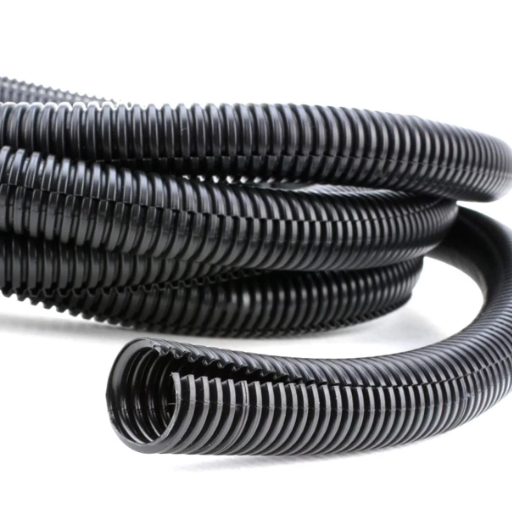
Conduit Sizing Guidelines
Each of the following steps helps in sizing a low-voltage wire conduit correctly:
- Calculate the Total Wire Fill: Establish the number of wires to be installed inside the conduit and their diameters. Calculate the sum of the cross-sectional areas for all cables to determine the total wire fill.
- Check Conduit Fill Capacity: If working in the US, the National Electrical Code (NEC) specifies the maximum allowable conduit fill. In many other countries, standards equivalent to these should be consulted for guidance. Common practice is usually a 40% fill limit for most conduit types.
- Select the Appropriate Conduit Size: Using the total wire fill, select a conduit size that is big enough to meet or exceed the fill capacity required, but still within the filling limits.
- Allow for Possible Future Expansion: If the addition of more wires is expected in the future, allow for this by selecting a conduit slightly larger in size.
To ensure the proper sizing of the conduit for safe, functional, and efficient operation, follow the steps listed above.
Can Low-Voltage Wiring Be Installed Outdoors?
Outdoor Installation Requirements
Yes, indeed, low-voltage wiring can be installed outdoors, provided the work complies with safety regulations and guidelines to ensure durability and functionality. In the outdoors, a low-voltage wire must be either rated for direct burial or installed inside a conduit that protects it from exposure to weather conditions and potential physical damage. Underground feeder or “UF” cables, as well as those rated for outdoor use, are the best options.
NEC’s minimum burial depth typically indicates that any conduit used for low-voltage wires should be buried at least 6 inches. In comparison, direct burial cable must be buried 12 to 24 inches, depending on local laws. Weatherproof enclosure materials for connectors and junction boxes should be used in outdoor installations to prevent moisture from entering and causing corrosion.
Use UV-resistant jacketed cables where wires are exposed to sunlight for extended periods. Another important check to make is to ensure the voltage drop is the least for the low-voltage system, particularly on longer runs, by using wires of sufficient size. Proper planning thus not only prolongs the life of outdoor low-voltage wiring but also ensures safe and reliable operational performance.
What are the Code Requirements for Low Voltage Conduit?
⚠️ Important Code Compliance Information
Low-voltage conduit installations offer built-in safety and utility features that are reflected by the code requirements. I always adhere to the National Electrical Code (NEC), which typically requires the use of conduit rated for the specific type of installation environment—either inside or outside. In wet conditions, underground conduits must be rated for such situations, with PVC or HDPE being standard options. Whether this is a damp or dry location, based on a standard NEC definition, all conduits must be fastened appropriately and buried to the required depth, usually a minimum of 18 in. For outdoor wet locations, a conduit fill is certainly not allowed to exceed the stipulated limits, as it hampers heat dissipation and wire integrity. By following these guidelines, I ensure a compliant and safe low-voltage setup.
Key Code Requirements: Always consult local building codes and the National Electrical Code (NEC) for specific requirements in your area. Code compliance is not optional—it ensures the safety and legal operation of your electrical systems.
Conclusion
Installing low-voltage conduit systems requires careful planning, proper material selection, and adherence to safety codes and best practices. By understanding the various types of conduits available, following systematic installation procedures, and adhering to local regulations, you can ensure a safe, efficient, and long-lasting low-voltage wiring system. Whether you’re working on residential, commercial, or industrial projects, the principles outlined in this guide will help you achieve professional results that protect your wiring investments and ensure reliable system performance for years to come. Remember always to prioritize safety, use the right tools, and consult with professionals when in doubt about code requirements or complex installations.
Reference Sources
1. Power Line Cable Transfer Function for the Broadband Power Line Communication Channel
2. Design and Implementation of a WiFi-Enabled Home Automation System
3. Factors Affecting Photovoltaic System Cost in Ecuador
Frequently Asked Questions (FAQs)
How is low-voltage conduit constructed, and why is it necessary?
A low-voltage conduit is a protective tubing system that encloses low-voltage cables and wiring. They usually keep the threat due to weather, physical damage, or violation of electrical codes. Such systems, when used properly in low-voltage conduit applications, will help maintain system integrity and ensure installation safety.
How do I select the correct conduit for low-voltage wiring?
Selection criteria are based on the type of low-voltage cables used, the installation environment, and the local electrical code. Lightweight and flexible conduits make installation and working in tight spaces easier, whereas rigid conduit is ideal for very high-traffic areas that require the utmost protection.
What are some good practices?
Conduit installation best practices include ensuring that the conduit is adequately secured. Improper installation could lead to misalignment, and one must be versed in proper installation techniques to ensure that the running conduit systems comply with electrical codes. Accessibility for future maintenance is critical, as is the ability to pull in new wires or run fiber through the conduit.
Can I use electrical nonmetallic tubing for low-voltage wiring?
Yes, electrical nonmetallic tubing (ENT) is usually utilized for low-voltage conduit systems. It is relatively lightweight, quite flexible, and presents fairly good protection to low-voltage cables. It comes in handy in situations where quick installation and protection against physical damage are required.
What are the safety hazards related to improper low-voltage conduit installation?
Incorrect installation of low-voltage conduits can pose serious safety hazards, including exposed wires that present a risk of electric shock or fire. Moreover, an inefficient system performance can be experienced if the conduit fails to provide proper protection to the cables, resulting in signal quality issues and jeopardizing data transmission.
What types of low-voltage cables require conduit?
Conduits are typically used to transmit data, secure systems, and power low-voltage lighting, as well as for low-voltage cables. These cables must be enclosed to protect them from physical damage and to comply with local electrical codes for a safe and reliable setup.
How can I ensure that my low-voltage conduit installation complies with the National Electrical Code?
Ensure the suitable conduit type is used for a particular application. Installations should be conducted in accordance with the provided instructions, and regular checks should be performed to ensure compliance with the National Electrical Code. An inspection by a licensed electrician would also ensure that the entire installation meets all safety regulations and standards.
Considering a low-voltage conduit in corrosive environments, what harm could it do?
Corrosive environments are detrimental to low-voltage conduits, compromising their ability to maintain wiring integrity. The conduits may corrode over time, exposing cables and creating an electrical hazard. The conduit selected should hence be capable of withstanding such conditions for long-term performance.