

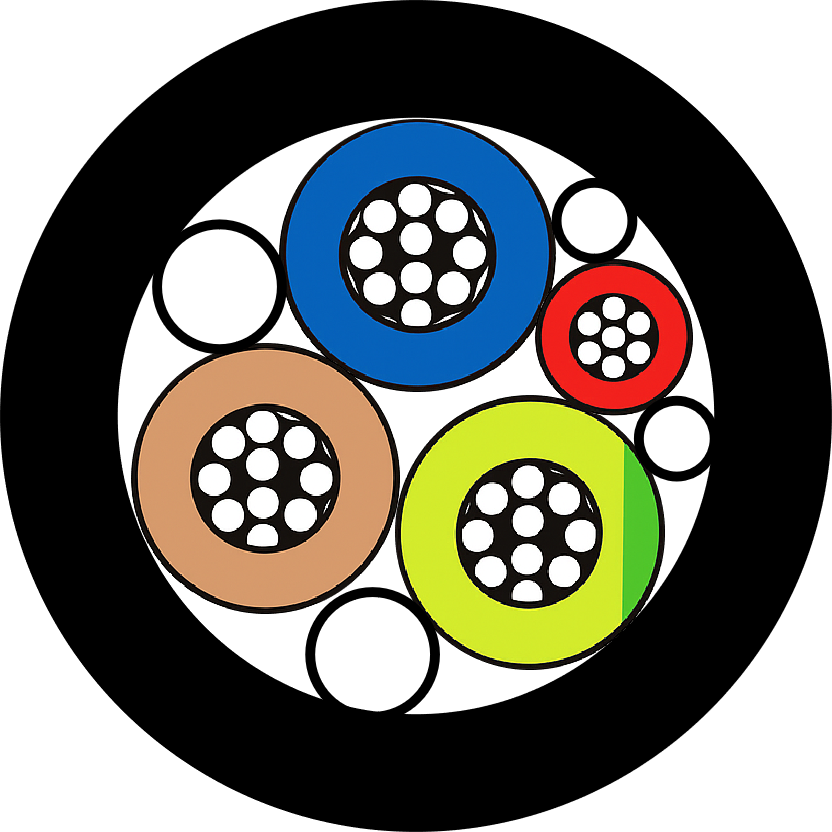





In all things related to wiring and cabling, insulation plays a crucial role in ensuring safety, performance, and reliability. But have you ever considered what makes one wire insulation more suitable than another for a specific application? Wire insulation protects from electric hazards and guarantees durability in extreme conditions. This demonstrates that wire insulation plays a multifaceted role in various industries. This post will guide you through the world of cable insulation, enabling you to understand the various types of materials, each with its unique properties, and how to select the one that best suits your needs. The guide will enhance your knowledge and insight, working towards better decision-making, whether you are an engineer, an electrician, or simply someone curious about how electrical systems work.
Introduction to Cable Insulation
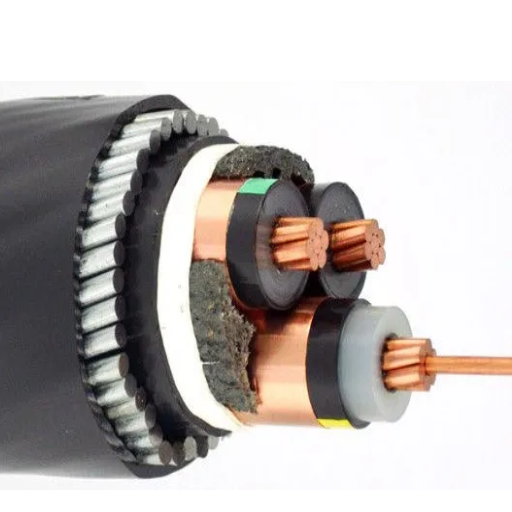
Cable insulation refers to the protective covering that is wrapped around electrical conductors and cables to ensure safety and durability. Insulation prevents the passage of electrical current, blocking it from contacting other conductors or materials and thereby avoiding short circuits, fires, or shocks. Commonly used latex materials include PVC, polyethylene, rubber, and Teflon, each suited for its specific applications, which may involve temperature resistance or flexibility. The selection of insulation depends on various factors, such as application, environmental conditions, and voltage levels, to ensure energy efficiency and safe implementation.
What is Cable Insulation?
Cable insulation is a protective layer applied to electrical cables to prevent the flow of electrical current to unintended surfaces, ensuring safety and efficiency. It acts as a barrier, protecting conductors from environmental factors such as moisture, heat, and chemicals, while also reducing the risk of electrical hazards, including short circuits, shocks, and fires. Common materials used for cable insulation include PVC, rubber, polyethylene, and Teflon, selected based on specific needs such as durability, flexibility, and resistance to temperature or chemicals. Proper insulation is critical for maintaining the reliability and safety of electrical systems in various applications.
Importance of Insulation in Electrical Wiring
Through insulation, electrical wiring is granted the foremost guarantee of safety-the insulation acts as a physical barrier between electrical currents and the elements. Electrical fires originating from faulty and degraded insulation account for a significant percentage of those that occur in residential and commercial buildings. Using good-quality insulation material, one should also ensure that electrical currents are contained safely within the wires to prevent overheating, arcing, and the ignition of fire hazards.
Moreover, these advancements have led to the development of better insulating materials that function effectively under extreme conditions. For instance, XLPE has gained more acceptance because it is deemed highly effective against temperature fluctuations, to the extent that it has found positive application in high-voltage systems. Cables insulated with XLPE were found to withstand a continuous normal operating temperature of 90°C and, in the event of a fault, a temperature tolerance of 250°C for short periods. Likewise, Teflon insulation is widely used in industrial applications because it is resistant to chemicals and high temperatures, ensuring prolonged durability even in harsh environments.
The energy efficiency factor is mainly due to the fact that when insulation is involved, power losses are minimized, and hence, the current flows in consistent values. For one, an excellent insulation system, reducing leakage currents, ensures that the electrical energy transmitted toward its end-use arrives without experiencing any unnecessary loss. Additionally, the use of ideal insulation materials, such as thermoplastic elastomer, improves flexibility, thus facilitating installation and operating life from both domestic and industrial perspectives.
Hence, investing in durable and appropriate insulation materials not only promotes a higher level of human safety but also ensures the efficacy and reliability of electrical systems, highlighting the pivotal role insulation plays in the engineering of modern-day electrical infrastructure.
Overview of Wire and Cable Types
To run electrical systems, wires and cables are essential for carrying electricity and signals. Indeed, there are numerous types of wires and cables, each adapted for their application, concerning the material used, insulation applied, and use. Here are some of the commonly used types:
Single-Core Wire
This wire type consists of a single conductor, usually made of copper or aluminum, and features insulation for safety. It is mainly used in straightforward circuits and wiring for domestic appliances.
Multi-Core Cable
Consisting of more than one core in a single insulation jacket, these cables have huge industrial applications for connecting equipment that requires multiple connections.
Coaxial Cable
Because of its extraordinary resistance to signal interference, it is used in telecommunications, cable TV, and internet systems.
Flexible Cables
They are used in applications that require frequent movement, such as robot arms or machinery. Being resistant to wear and tear, these cables offer a longer operational life in dynamic environments.
Armored Cable
The metallic protective layer usually protects armored cables from mechanical damage. They are often used in underground, outdoor, or under-building installations.
Each wire and cable type is designed to meet specific requirements, including voltage, environment, and durability, ensuring safe and efficient power or signal transmission in various settings. Hence, knowledge of the very nature of these components will allow for selecting an appropriate solution for the desired application.
Types of Electrical Wire Insulation
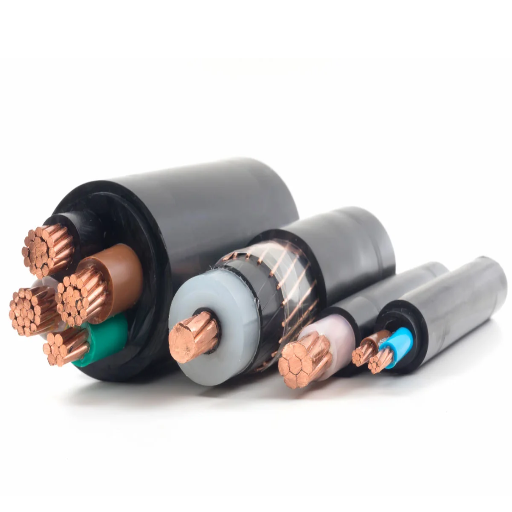
Electric wire insulation is available in various materials, each suited for specific requirements and situations. Some commonly found varieties include:
PVC (Polyvinyl Chloride)
Being the most common insulation type due to its relatively cheap cost, flexibility, and resistance to moisture and chemicals.
XLPE (Cross-linked Polyethylene)
Great resistance to temperature and chemicals seen in high-temperature situations.
Rubber
Commonly used for flexible cords, providing good abrasion resistance and durability.
PTFE (Teflon)
High temperature resistance and non-flammable properties; thus used widely in heavy industrial atmospheres.
Silicone
Suitable for very high and low temperatures, as it stays flexible in both extremes.
EPR (Ethylene Propylene Rubber)
Having excellent electrical characteristics, widely applied in power cables.
The selection of insulation requires consideration of environmental conditions, voltage requirements, and the desired durability for a specific application.
Common Types of Wire Insulation
Wire insulation should be chosen in consideration of several vital aspects that will determine its good performance and safety retention. These are the following.
Environmental Conditions
Exposure to various elements, including moisture, UV rays, chemicals, and temperature extremes, should be assessed. For instance, silicone insulation is preferred for extremely hot or cold environments, whereas PVC is resistant to moisture and abrasion under relatively moderate conditions.
Voltage Requirement
Certain applications require insulation to protect against a predefined voltage for safe operation. High-voltage operation requires materials that provide good dielectric resistance, such as polyethylene or cross-linked polyethylene (XLPE).
Durability and Flexibility
Insulation may require exceptional flexibility for compact spaces or exceptional durability in areas where significant mechanical stress is anticipated. Thermoplastics like Teflon exhibit excellent flexibility and chemical resistance.
Flammability Standards
Determine whether flame-retardant or non-combustible materials are needed for safety compliance in your specific application. Fluoropolymers excel in most high-hazard applications.
Each application has different requirements and considerations; therefore, it is necessary to measure the product specification against the above factors to ensure the satisfactory and safe use of wire insulation.
Rubber Insulation: Benefits and Applications
More than anything else, rubber insulation is appreciated for its flexibility and durability, which makes it a preferred choice among various industries. High elasticity gives it the ability to resist mechanical stresses and vibrations, while it remains susceptible to environmental effects such as moisture, ultraviolet radiation, and temperature extremes. Rubbers provide superior dielectric strength, ensuring enhanced electrical safety.
The applications of rubber insulation are many and varied. It is frequently applied in industrial machinery, automotive wiring systems, and household appliances, where safety and reliability are of utmost importance. Rubber excels again when exposed to oils, chemicals, or weathering processes and remains in service for a long time. Class-type rubber formulations for high-end flammability or environmental applications can be manufactured and supplied in various rubber types, such as silicone rubber. It makes the adaptation of rubber insulation in both home and industrial settings a matter of necessity.
Comparing Different Insulation Materials
Insulation materials differ from each other, with pros and cons for every application they are suitable for. Fiberglass insulation is one of the widely used materials, as it provides an economical way to reduce thermal transfer. It performs well in most scenarios, including conventional residential and commercial buildings, and is considered easier to install. It can irritate the handler, necessitating the use of protective equipment.
With its superior capability to seal air and high R-values, spray foam insulation becomes an excellent choice for reducing energy consumption or insulating areas that are hard to reach. It is relatively more expensive compared to fiberglass, but foaming assures a continuous barrier.
Brittle foams, such as polystyrene, that are durable and moisture-resistant, are suitable choices for basements, rooftops, and exterior walls. Lightweight and easy to maneuver, they will differ in climatic resistance based on their density and type (EPS or XPS).
Natural is another big group of insulation materials. So naturally, these are preferred for being sustainable. Cellulose insulation is made from recycled paper and provides excellent soundproofing and thermal insulation, while wool offers easy moisture regulation and biodegradability.
Each is made for each purpose. Thus, it is crucial to analyze criteria such as the budget, thermal resistance, the green aspect, and the environment in which the application will be used before making a choice.
Choosing the Right Wire Insulation Material
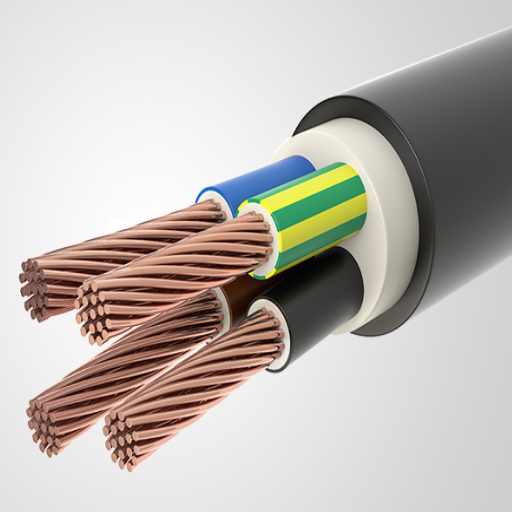
Several key considerations come into play when selecting the insulation material for a wire, including durability, temperature resistance, and flexibility. PVC is considered suitable for general applications and is also inexpensive, offering a degree of abrasion and chemical resistance. Silicone is mainly used in places where high temperatures are maintained. Polyethylene, on the other hand, is excellent for insulation purposes and is resistant to moisture. For outdoor use or heavy-duty applications, rubber or Teflon may be considered superior due to their weather and heat resistance. It is advisable to match the properties of the insulation material with the actual requirements of the application to maximize safety and performance.
Factors to Consider When Selecting Insulation
Keep these key factors in mind while choosing insulation:
Thermal Conductivity
Select insulation with lower thermal conductivity to reduce heat loss/gain; if so, it will be more energy-efficient. Typically, materials such as fiberglass or foam serve this purpose.
Moisture Resistance
For areas prone to humidity, insulations like closed-cell foam or polyethylene are best, as they resist moisture and the growth of mold.
Fire Resistance
Opt for highly fire-resistant materials, such as mineral wool and fiberglass, especially in high-risk areas.
Durability
Check how long an insulation would last. Durable materials, such as foam board or rubber, can resist damage caused by the environment.
Environmental Impact
Opt for environmentally friendly materials with a small footprint, such as recycled denim or cellulose insulation.
Application Type
Match the insulation type to the specific application for maximum performance, the sprays good for irregular spaces and suitable for surfaces.
Deciding on such factors will ensure that your chosen insulation material meets the functional and safety requirements of the project.
Performance Characteristics of Insulation Options
During the selection and evaluation for the proper kind of insulation, knowledge of the chief performance characteristics of popularly made choices will prove worthwhile.
| Insulation Type | Key Features | Best Applications | Limitations |
|---|---|---|---|
| Fiberglass Insulation | Inexpensive, moderate thermal resistance (R-value), non-combustible, doesn’t absorb moisture | Residential and commercial buildings, available as batts or loose-fill | Care needed during installation to avoid gaps that compromise efficacy |
| Spray Foam Insulation | Excellent R-value, seals gaps well, serves as air barrier | Irregular spaces, energy leak elimination | Higher cost, two types: open-cell and closed-cell with different properties |
| Cellulose Insulation | Made from recycled paper, environmentally friendly, good thermal resistance, soundproof | Attics and walls | Must be protected against moisture, requires fire retardant treatment |
By working with those characteristics, the very needs for the application can lead one to decide on an insulation that provides a good balance between effectiveness, sustainability, and price.
Regulatory Standards for Wire Insulation
Regulatory standards for wire insulation, by necessity, ensure the safety, efficiency, and compliance of various applications; these, thus, come into being by agencies. We have the following agencies defining insulation standards: Underwriters Laboratories (UL), the National Electrical Code (NEC), and the International Electrotechnical Commission (IEC). Standards set by UL are used for testing and certification regarding the flammability, temperature ratings, and voltage capabilities of insulating materials. For NEC Standards, it is all about preventing fire issues and proper installation methods, serving as a code for electricians and builders in the United States. The IEC, being active on a global scale, has the purpose of standardizing specifications to provide compatibility and safety in all markets. Some of the essential criteria considered by wire insulation standards worldwide include resistance to heat, electrical insulation properties, chemical resistance, and environmental friendliness, such as being RoHS or REACH compliant. These standards prevent any hazard from occurring while allowing for long-lasting and efficient electrical systems.
Applications of Cable Insulation
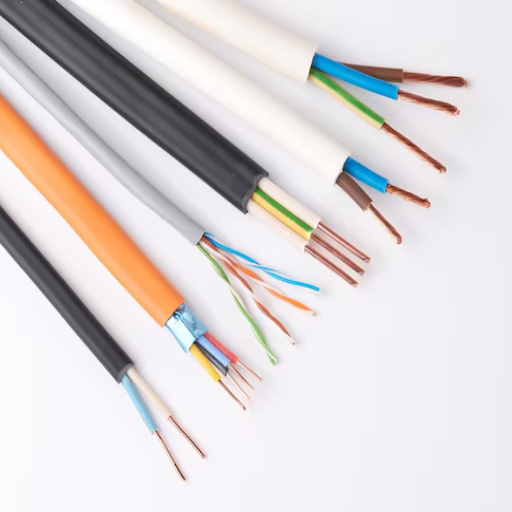
Cable insulation is essential to ensuring the safe and orderly operation of an electrical system. Its applications mainly include functions such as protecting against electrical shocks, short circuits, and exposure to environmental factors such as moisture, temperature variations, and abrasions from weather conditions. It finds widespread use in residential, commercial, and industrial wiring systems, as well as power distribution systems, telecommunications, and the design and automobile industries. This guarantee assures the working fun and safety in diverse environments.
Residential and Commercial Wiring
Residential and commercial installation of wiring is a crucial part of modern infrastructure that ensures the safe and efficient transmission of electricity to various areas. Residential wiring systems operate at lower voltages, typically 120V or 240V, to supply electricity to household appliances, lights, and HVAC systems. Being highly conductive and durable, materials including copper and aluminum are used. Copper wires constitute more than 70% of the electrical cables used domestically.
Market Growth and Innovation
Commercial wiring, meanwhile, requires more robust systems for higher voltages and more intricate layouts for lighting, heating, and equipment in office buildings, schools, and malls. According to industry reports, the energy-efficient commercial wire market is experiencing growth, with global insulated wire and cable production forecasted to surpass $290 billion by 2030. This corresponds with increased investments in innovative building technologies, which require highly defined, scalable wiring systems.
High-quality insulating materials, such as PVC or XLPE, are used for residential and commercial wiring, protecting against electrical shocks, providing thermal resistance, and ensuring long-term reliability. For example, in new constructions, wiring materials that are low-smoke and zero-halogen (LSZH) are used to enhance safety in enclosed firefighting environments. This evolution emphasizes the importance of using certified and standardized wiring materials tailored to a specific project’s requirements to achieve maximum efficiency, while also ensuring compliance with local electrical codes and regulations.
Industrial Applications of Cable Insulation
Cable insulation holds significant importance in industrial applications, providing protection for electrical channels, ensuring safety, and enhancing durability across various fields. This is just one of many industries where high-voltage power cables need strong insulation to bear high electrical loads and environmental stressors. Modern insulating materials, such as cross-linked polyethylene, provide the cable with greater thermal and chemical resistance, enabling it to be used in severe conditions, including underground or offshore wind applications.
In other words, the development of electric vehicles requires insulated wiring, which is a step ahead. These systems have applications in supporting the rapid adoption of the EV industry. The insulation systems must be lightweight, heat-resistant, and capable of handling high voltages. For example, silicone insulation is most effective in situations where it needs to remain flexible and perform well across varying temperatures and operating environments.
The second category of cables is those used in the aerospace and defense industries, which require fluoropolymer or polyimide insulation because they resist flames, chemicals, and radiation. These materials ensure that their systems withstand the test of time in high-stakes installations where any failure could result in disaster.
The global cable insulation market is expected to show significant growth, reaching the billion-dollar zone by the end of this decade. Combining the contradictory views, the remarkable demand for energy infrastructure, renewable energy projects, and advanced development in transportation and communications has fueled market growth. Industries are constantly innovating and investing in high-performance materials that help insulation keep pace with evolving safety regulations and efficiency standards.
Emerging Trends in Wire Insulation
Sustainability and Environmentally Friendly Materials
Sustainability has become a prominent consideration in the decision-making process for the wire insulation industry. An increasing number of producers are going green by creating recyclable and biodegradable insulating materials to minimize environmental harm. Halogen-free flame-retardant materials are one of the choices growing in their applications for minimizing toxic emissions in fires, given the stricter ecological and safety regulations. One of the reports predicts that the demand for halogen-free materials alone is projected to grow at a CAGR of more than 8% by 2030, driven by sustainable production endeavors.
High-Temperature Insulation, Growing Acceptance
Wire insulation, exposed to environmental conditions, is designed to protect against extreme conditions that are prevalent in the aerospace, automotive, and renewable energy industries. There is a steady increase in the use of polymer insulation, such as polyimide and fluoropolymer, for wire insulation, as these materials provide mechanical strength and perform well under thermal stress. According to industry figures, the market for high-ambient resistance wire insulation materials is expected to surpass the $2 billion mark by 2028.
Focus on Electrification in Transportation
Phenomenal growth in the field of EVs is having a direct impact on wire insulation developments. Modern EVs now require wire insulation that is lightweight, efficient, and durable to meet quality assurance and safety requirements. Materials such as cross-linked polyethylene (XLPE) and thermoplastic elastomers are being developed for specialized advanced cabling systems for vehicles. The analysts have therefore forecasted that the EV sector could contribute almost 25% of the overall growth in wire insulation materials by 2027.
Innovative and Flexible Insulations for IoT Systems
With the evolution of IoT devices, applications for wire insulation have evolved significantly toward greater flexibility and adaptability in systems. For instance, conducting polymers are being designed to provide insulation while also offering conduction, thereby aiding in the development of next-generation communication networks and connected devices. Industry experts speculate that specialized wire insulation materials will be further developed into innovations in the coming years under the auspices of IoT-related investigations.
The wire insulation industry has been positioned as a forefront regarding technological progression among other sectors. Demands for performance enhancement and environmental compatibility are being taken into consideration. In this regard, these will be the highly evolving needs in response to today’s challenges of sustainability and advanced functionality.
Maintenance and Safety Considerations
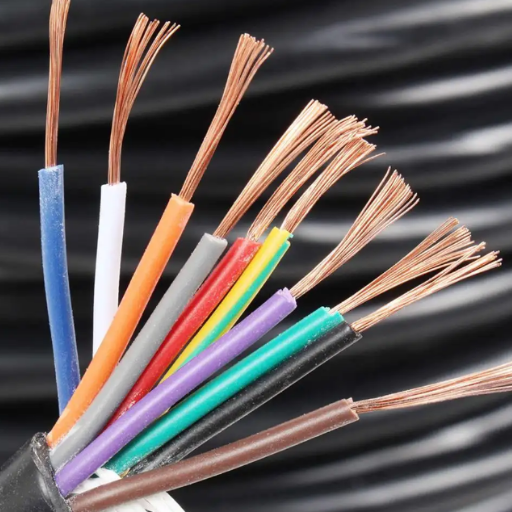
Maintenance and strict adherence to safety regulations are crucial for handling and using insulated wires. Inspections must be conducted periodically to identify any signs of wear, cracks, or damage to the insulation, as a compromised wire increases the risk of electrical hazards. All installations should be performed, along with maintenance, according to the instructions in the manufacturer’s manual and in accordance with safety standards. Do not put your circuits under an overload; overheating causes insulation to deteriorate. In the presence of wires, personal protective equipment and tools should be used to reduce the risk of injury or accidental damage. Disconnect power sources before performing any repairs or maintenance.
Inspecting Wire Insulation for Damage
Insulation must always be checked to ensure electrical safety, as hazards range from electric shocks to actual fires. When insulation is damaged, the conductive wires are exposed, creating a chance for short circuits or accidental contact. Begin with a visual inspection for cracking, fraying, or discoloration of the wire insulation. Discoloration can occur due to overheating, while abrasion can result from prolonged use or even rodent activity.
Professional Testing Standards
Insulation resistance is to be tested according to industrial standards with a megohmmeter. A typical reading for new installations should be in the range of 1 to 10 megohms, depending upon the voltage class of the system. Lower-than-specified values may indicate deteriorated insulation, which requires immediate remedial action. Also, ensure your cables do not get wet, as moisture ingress decreases the effectiveness of insulation and leads to corrosion.
A significant amount of statistics indicates that electrical fires are often caused by unmaintained wiring systems or those with defects, and a lack of proper insulation is frequently to blame. To prevent such incidents, it is best to conduct periodic inspections at least once a year, particularly when systems are installed in extreme temperatures, subjected to physical stress, or exposed to harsh chemicals. Early identification of problems saves time, expense, and possible safety risks. Any damage found is to be repaired without delay, and replacement or repairs are to be carried out in full compliance with all applicable regulatory requirements.
Best Practices for Handling Insulated Cables
Whenever I handle insulated cables, I take safety precautions to ensure they are not damaged and their performance is not affected. I avoid any abrupt bending of the wires and protect them from abrasion against sharp or rough edges. The cables are stored in a clean and dry environment. I also ensure that regular inspections of wires are conducted to identify any signs of wear and tear, and issues are addressed immediately upon detection to prevent further damage or safety risks.
Safety Precautions When Working with Electrical Insulation
Critical Safety Guidelines
Electrical insulation is considered a subject in which safety must be treated as a primary consideration to prevent accidents and damage. The working environment must first be ensured to be de-energized with the help of a voltage tester before starting work. Always use gloves, mats, and tools that are rated for the voltage level you would be working on. Do not take chances by working with worn-out gear. A wet and cluttered surface raises the potential for slips and electrical soil hazards. Another essential precaution is to inspect all tools and materials periodically and provide them with satisfactory maintenance, ensuring they are in working condition. Follow these precautions for safety and the longer life of electrical installations.
Conclusion
Understanding cable insulation is fundamental to ensuring electrical safety, system reliability, and optimal performance across all applications. From residential wiring to complex industrial systems, the right choice of insulation material can make the difference between a safe, efficient installation and potential hazards. As technology continues to evolve with trends toward sustainability, high-performance materials, and smart systems, staying informed about insulation options and best practices becomes increasingly important. Whether you’re an engineer, electrician, or facility manager, investing in quality insulation materials and proper maintenance procedures will ensure long-term safety and system reliability while meeting evolving regulatory standards and environmental considerations.
Reference Sources
1. Research on Fault Diagnosis Algorithm of Power Cable Based on Deep Learning
Frequently Asked Questions (FAQs)
What is cable insulation, and why is it important?
Cable insulation is a protective layer that surrounds electrical wires, preventing electrical leakage and protecting against environmental factors. It is crucial in ensuring the safety and efficiency of electrical applications, as it helps to prevent short circuits and damage to the wire.
What are the different types of wire insulation used in electrical applications?
There are various types of wire insulation materials used in electrical applications, including PVC, rubber, and thermoplastic materials. Each type has unique properties, such as chemical resistance, weather resistance, and durability, making them suitable for different applications in residential, commercial, and industrial settings.
How does insulation material affect electrical properties?
The insulation material has a significant impact on the electrical properties of a cable, including its dielectric constant and resistance to electrical leakage. High-quality insulation materials can enhance performance by reducing energy loss and ensuring safe operation, especially in high-voltage cables.
What are the advantages of using rubber insulation?
Rubber insulation is renowned for its exceptional flexibility and abrasion resistance, making it an ideal choice for applications that require flexibility. It also provides reliable protection against moisture and chemicals, making it suitable for both indoor and outdoor electrical applications.
What is PE insulation, and what are its benefits?
PE insulation, also known as polyethylene insulation, is commonly used in plenum cables due to its low smoke and flame characteristics. It offers good electrical properties and is resistant to water, making it suitable for a variety of electrical applications, including those found in plenum spaces.
What is EPR insulation, and where is it mainly used?
EPR insulation, or ethylene-propylene rubber insulation, is primarily used as primary insulation for high-voltage cables. It provides excellent ratings for chemical and weather resistance, making it ideal for industrial power plant applications and environments where durability is essential.
How does cable jacketing contribute to insulation performance?
Cable jacketing is an additional protective layer that surrounds the cable insulation. It enhances overall insulation performance by providing extra resistance to environmental factors, such as moisture and abrasion, and helps to prevent current from coming into contact with external elements.
Can insulation be used in retractile cord applications?
Yes, specific types of insulation materials perform well in retractile cord applications. These materials are designed to withstand repeated bending and flexing while maintaining their protective properties, ensuring long-lasting performance in various electrical applications.
What are the characteristics of popular insulation materials?
Popular insulation materials possess characteristics such as affordability, versatility, and effectiveness in preventing electrical leakage. They are often used in a wide range of applications, from appliance wire to motor lead wire, due to their reliable performance in diverse environments.