






Data transmission and protection systems are at the core of modern-day interlinking. The new data requirements for fast, secure, and efficient transfer over traditional cable solutions somehow make these products obsolete. The spiral data cable is a new intervention that significantly alters how we manipulate, transfer, and safeguard information. This article examines the additional advantages that spiral data cables offer compared to standard cables, particularly in terms of durability, flexibility, and operational performance in demanding environments. Upon concluding this discussion, you should have developed a clear understanding of why this technology will be the most significant for the future in both industrial and consumer arenas for data cabling solutions.
Introduction to Spiral Data Cables

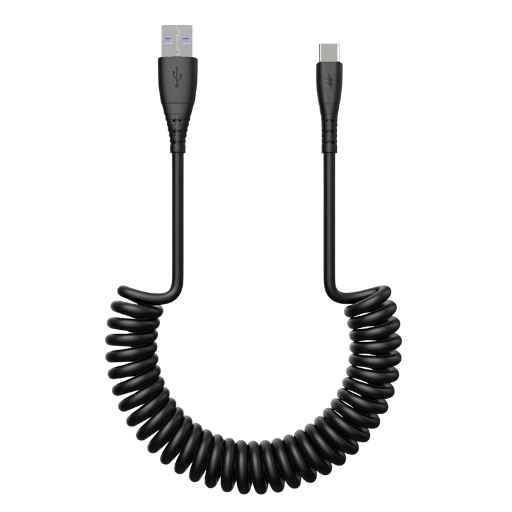
Spiral data cables are specialized cables that can extend and retract without tangling, making them suitable for applications that require flexibility in dynamic environments. The spiral shape ensures durability and resistance to wear; additionally, it is space-efficient, particularly in areas requiring constant motion or repeated extension. Commonly used in the fields of robotics, medical devices, and industrial machinery, these cables provide reliable data transmission while accommodating the physical demands of various applications. Their compact and space-saving nature makes them a familiar favorite among industries that require both performance and flexibility.
What is a Spiral Data Cable?
A spiral data cable is a type of wire that is constructed in a spiral fashion to allow for easy adjustment upon retracting and elongating without any loss or weakening. This makes it suitable for areas with highly mobile equipment or changing cable distances, while saving space. Highly resistant, spiral data cables are usually applied for power and data cable management in such areas as robotics, hospitals, and manufacturing industries, requiring both lasting wear and efficient operation.
Interesting Facts and Statistics
- Spiral data cables are often manufactured using high-grade materials, such as TPE or PU, which exhibit excellent resistance to abrasion, oil, and chemicals. This enables them to be used for long periods in the most demanding conditions for which they are intended.
- The fact that the spiral cable is constructed from coiled elements gives it the advantage of stretching up to three or five times the normal length. This makes it highly suitable for use in applications where large movements or vibrations are expected without the risk of damage.
- Coiled cables or spiral cables are expected to remain in high demand in the future, as market studies indicate an increasing demand for these products at a CAGR of 5.3% between 2023 and 2030, driven by robotics, automated systems, and healthcare equipment.
- Among other things, spiral cables can be repeatedly extended and bent back, often withstanding such cycles for several times longer than straight cables working under the same conditions.
- As the use of automated machinery and robotic systems increases in industries such as pharmaceuticals, automotive, and electronics, spiral cords prove to be highly essential in modular robotic systems, where data transfer is crucial and must not be distorted during motion.
Importance of Data Cable Protection
It’s essential to protect data cables, just as any other component, to increase the system’s lifetime and maintain its integrity. Both home and industrial components usually contain a large number of cables that are subject to strong influences such as heat, humidity, contamination, and mechanical strain. Unprotected cables typically deteriorate more rapidly over time than protected ones, rendering signal transmission almost impossible at some point due to the wires failing to perform their intended roles.
One unique solution would be the use of robust outer casing materials, such as polyurethane, with a reinforcement that confers high resistance to abrasion on power cords. According to recent market analysis, protective cable coatings are anticipated to become increasingly popular, with an estimated annual demand of 7% in the industrial automation and telecommunications sectors until 2030. Furthermore, even in the case of the most advanced integrated protective systems, such as fire-resistant coatings, the need still arises to provide more protection when exposed to abrasive wear.
The inefficiency in the implementation strategy regarding the cable and wire system can cause more than just downtime, bringing additional costs associated with downtime and repairs. This threat is particularly severe in areas where data transfer needs to be constant, such as in data centers and hospitals. Furthermore, the use of traditional materials that have undergone proper design has demonstrated significant effectiveness in saving money, requiring fewer levels of maintenance, and reducing bureaucratic complications and undesired downtime.
Key Benefits of Using Spiral Data Cables

Enhanced Durability and Flexibility
Spiral data cables offer strong durability due to their solid construction and superior materials, which include thermoplastic elastomers or polyurethane. These substances provide excellent resistance to abrasion, chemicals, and environmental conditions. Such a design offers these cables infinite flexibility to extend and retract without compromising wire integrity, thanks to the spring cable protector. A dynamic environment, characterized by significant movement or vibration, is ideal for such a structure, such as industrial automation or machinery. Research suggests that spiral cables can withstand at least tens of thousands of flex cycles, often exceeding the capabilities of conventional straight wires. Thanks to their versatility and extremely lengthy life, they provide an excellent solution for applications that require uninterrupted performance under harsh conditions.
Space-Saving Design
Spiral cables, one of the foremost types of cable bases for designs, optimize space utilization without compromising functionality. The coiled tubing extends farther when in use and retracts when stored due to its spiral design, facilitated by the tuber charging cable protector. This design minimizes clutter and reduces the storage space required. When retracted, spiral cables can occupy up to 50-70% less space compared to extended ones, making them particularly beneficial in tight workspaces or equipment with limited housing capacity. Spiral cables have gained widespread acceptance in the medical, aerospace, and manufacturing industries for their ability to elegantly handle setups and maintain cable management with a retractable option. This design also substantially reduces tangling and damage, resulting in improved lifespan and reliability of the systems in which they are installed. Such space-saving characteristics have facilitated meeting the increasing demand for smaller yet powerful solutions in numerous sectors, including those involving phone accessories.
Reduced Tangling and Damage
Spiral cables resist tangling by maintaining a coiled shape that discourages twisting and knotting. They also eliminate the strain imposed on the internal wires, thereby increasing their durability and performance. Being user-friendly, spiral cables extend and retract with ease, even in the most dynamic environments. Hence, they are particularly suited for applications requiring continuous movement and reliability.
How to Choose the Right Spiral Data Cable for Your Needs

Understanding Cable Specifications
When selecting a spiral data cable, careful consideration must be given to its specifications to ensure compatibility and optimal performance for your intended use. These parameters include conductor material, gauge size, insulation type, and maximum voltage rating of flexible data cable. Conductor materials, such as copper or copper alloys, affect the electrical conductivity and resistance of the cable, which is crucial for high-performance headphone cables. For higher performance, oxygen-free copper is generally preferred due to its superior conductivity.
Wire gauge (or simply gauge) in AWG essentially indicates the thickness of the wire and its ability to carry current through it: the lower the number, the larger its diameter and the more suitable it is for current-analog use cases, such as higher-power or data-intensive areas. The application of different materials for insulation, such as PVC or polyurethane (PU), results in varying degrees of flexibility and durability for the wire in the respective environments, with PU scoring high in terms of abrasion resistance and chemical resistance.
Verify the cable’s maximum voltage rating alongside its operating temperature to ensure its safe application under the intended conditions. Spiral data cables typically detail these parameters for proper functioning, whether in static or dynamic conditions. This way, if these parameters are compatible with your system or device, operation should be trouble-free, with durability in frequent use as a plus. Accuracy in the decision-making process requires one to always refer to technical datasheets or manufacturers’ literature.
Identifying Your Device Compatibility
To figure out if a device is compatible, I begin by estimating the technical specifications in the product documentation, such as voltage and current requirements, and the type of connectivity. Then, I cross-check the given parameters with those of my system or application. Confirmation that these details match ensures the device will operate as intended and be reliable under normal operating conditions.
Evaluating Length and Coil Options
Selecting the proper length and coil type is paramount to achieving peak performance and application compatibility. First, the length required should be measured based on the physical dimensions and operational range of the application. Next is the coil type, which should be selected according to the intended application, such as for greater flexibility or rigidity. For instance, a more tightly wound coil can offer more rigidity, while a more loosely wound one will provide more flexibility. Ensure that the operating conditions, such as temperature and load, are factored into the choice, so that the contractor will not encounter any issues during performance with flexible cables. Always go with the manufacturer’s instructions or industry standards for such determinations.
Innovations in Spiral Data Cable Technology

New Materials and Manufacturing Processes
Recent advances in spiral data cable technology have introduced innovative materials and refined manufacturing techniques, enhancing performance and durability. Thermoplastics, considered high-performance materials, such as polyurethane (PU) and thermoplastic elastomers (TPE), have gained popularity due to their higher degrees of flexibility, abrasion resistance, and environmental resistance. Compared to PVC, these materials offer an advantage in the lifespan of cables subjected to repetitive motion and hostile environmental conditions.
Additionally, thanks to recent developments, a new suite of conductor wire alloys, such as tinned copper or silver-plated copper, offers preferable resistance and signal integrity while increasing current capability. They are suitable for industrial and outdoor applications because they prevent oxidation and ensure reliable operation.
Also evolved are manufacturing processes that train an extrusion process for precision and enforce coiling, ensuring that tension control and dimensional accuracy are guaranteed for spring cable protector data cables. Laser-assisted monitoring systems integrate production processes, enabling the detection of any defects in real-time, thereby limiting waste and enhancing overall quality in the manufacture of flexible cables. Together, these changes would allow cables to surpass previous designs and meet strict industry standards for data transmission efficiency and mechanical robustness.
Steady developments in the field of material science and manufacturing shall set the path for spiral data cables to meet the stringent requirements of high-speed communication networks and present-day industrial systems.
Integration of Fast Charging Capabilities
Fast charging has become an increasingly popular trait demanded by the current electronics industry, thanks to the growing need for efficient energy discharge into devices—from smartphones to industrial equipment. Spiral data cables are now designed to facilitate fast charge protocols, such as Power Delivery (PD) and Qualcomm Quick Charge, which drastically reduce the charging time while maintaining an uninterrupted current flow to protect against overheating or damaging the battery.
Fast charging technology is currently undergoing advancements to achieve higher power output levels of above 65W, allowing devices to reach nearly full battery capacity in under 30 minutes. For example, USB-C spiral cables with built-in fast charging capabilities can provide up to 100W energy while simultaneously supporting high-speed data transfer of up to 10 Gbps, satisfying performance and convenience needs. Durable material construction, efficient shielding, and new-generation chipsets have been integrated into the design to maintain power delivery safety under various usage scenarios, making these cables suitable for both personal use and industrial applications.
Essentially, the fast-charging mechanisms of spiral cables enhance energy efficiency by allowing power to flow according to the connected device’s consumption pattern. Therefore, it consumes a minimum amount of energy while preserving battery life to contemporary sustainability and reliability standards. With further improvements, the fast-charging feature in spiral cables will become the foundation for next-generation connectivity solutions.
Innovative Features in Modern Spiral Cables
- Enhanced Durability: Modern spiral cables are manufactured with high-quality materials and a reinforced design, ensuring high resistance to wear and environmental stressors, making them suitable for demanding applications.
- Flexible Insulation: An advanced insulating material affords a much higher degree of flexibility and protection, ensuring the cable’s performance is not compromised even under constant bending and stretching processes.
- High-Speed Data Transmission: By utilizing the highest-quality conductors and shielding, these cables enable fast and efficient data transfers that modern communication and computing systems require.
- Customizable Designs: Spiral cables today offer a wide range of options for customization, including length, connectors, and color codes, making them suitable for use across diverse industries.
- Environmental Resistance: Coating options provide resistance to moisture, ultraviolet rays, and extreme temperature conditions, which can prolong their lifespan in outdoor uses or harsh environment applications.
Practical Uses of Spiral Data Cables

Home and Office Applications
Spiral data cables offer flexibility, reliability, and space-saving properties imperative in contemporary homes and offices. They are often applied in structured cabling systems for interfacing computers, printers, telecommunication, and audio-visual equipment. Therefore, the HDMI and Ethernet spiral cables ensure an efficient data transmission system while maintaining a neat and well-organized workspace. Studies have proven spiral cables to be effective cable management solutions, enhancing productivity in the workplace by up to 20% due to reduced clutter and fewer damaged cables. Furthermore, these cables work very well in adjustable desks and for dynamic office setups, thanks to the coil, which makes adjustments very easy and reduces wear. Their strength and customizable features make these cables highly versatile for both home and professional networks.
On-the-Go Charging Solutions
Chargers with a difference, such as retractable spring cables, must be the solution for the growing demand for mobility and convenience in technological societies. Carrying power banks offers a nearly endless variety in terms of capacity, ranging from small 5,000mAh units suitable for sporadic use to large 20,000mAh ones that make a significant difference in charging multiple devices. Fast-charging technologies, such as USB-C Power Delivery (PD), have now been put to good use, allowing the device to recharge almost 50% in just 30 minutes, making it a fine choice for users on the go.
Wireless charging pads have seen vast improvements. Utilizing magnetic alignment schemes-the kind employed in Qi-certified devices-provides efficient power transfer with very little dissipation, being a few examples of how travel-based technology transfers. Solar-powered chargers have been developed for those with a green conscience; these come with integrated solar panels that convert sunlight into usable energy, making them ideal for outdoor use. These innovations have set the trend towards portability, speed, and green charging infrastructure.
Frequently Asked Questions (FAQs)
Q: What is a spiral data cable?
A: In standard terms, a spiral data cable is an interconnection cable that interlinks devices, allowing for less tension in the line of connection. The spiral ends prevent tangling and, consequently, damage to the cable, making them perfect for situations where cables need to be moved frequently.
Q: How can a cable protector keep my spiral data cable safe?
A: A cable protector shields spiral data cables from the rigours of wear and tear caused by bending or pulling. This layer of protection certainly extends the life of a cable and provides optimal performance for an extended period.
Q: Can I use a spiral cable protector for charging other devices?
A: Yes, the spiral charger spring cable protector will fit around several cables, smartphone cables being just one example. It is universally compatible, making it a straightforward solution for protecting the charging cables of various devices.
Q: What are the benefits of a pack of 4 spiral cables?
A: Buying 4-pack spiral cables allows you to have multiple cables for charging various devices; therefore, you need not buy them one by one. Moreover, buying a pack of four will be cost-saving and provide a backup in case any of the cables get damaged.
Q: Are spiral data cables compatible with Type-C and Lightning cables?
A: Yes, spiral data cables may be made to be compatible with all varieties of connectors, including Type-C and Lightning. This compatibility enables users to connect and charge multiple devices simultaneously.
Q: How can I take care of my spiral data cable?
A: To take care of your spiral data cable, do not bend it excessively, keep it away from sharp objects, and store it in a protective cover when not in use. Additionally, perform regular checkups to identify wear and tear and maximize performance.
Q: What devices can I hook up with a spiral data cable?
A: Spiral data cables have a flexible design that extends their usage to all types of devices that include smartphones, laptops, tablets, and computer peripherals. They are versatile for all kinds of charging and data transfer requirements, including USB connections.
Q: How does a cable protector save data cables?
A: Cable protectors save data cables by placing a protective sheath around the cables, hence protecting the wires from fraying and damage at the point of greatest vulnerability, mainly near the connectors. This, in turn, increases the lifespan of the cables.
Q: Is it safe to charge my devices through a spiral tube?
A: Yes, spiral tube charging is safe, provided the tube used is made for electrical use. The spiral tube would still serve to protect the cable from damage while allowing flexibility and ease of use in connecting your devices.
Reference Sources
1. “Performance Degradation of Multi-Layer Spiral Cable During Manufacturing Procedure”
- Our study aims to critically evaluate the performance of multilayered spiral cables and identify the factors that lead to performance reduction during manufacturing.
2. “Spiral Strand Cables Subjected to High Velocity Fragment Impact”
- This research endeavors to provide insight into the behavior of spiral strand cables subjected to high-speed fragment impacts through models and experiments.