







Understanding Automotive Wire
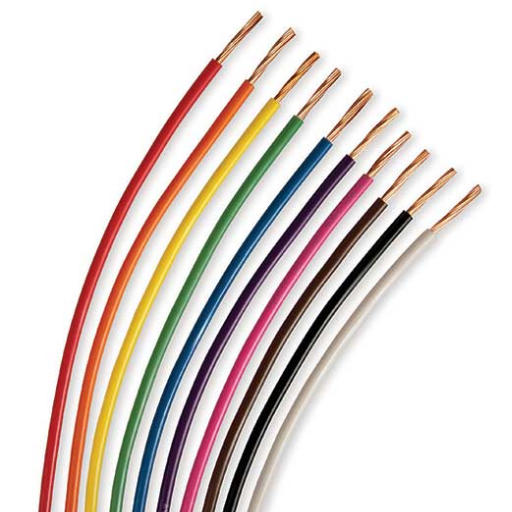
Automotive wires are an indispensable part of a vehicle’s electrical system, carrying voltage to power various devices and functions. Being good conductors, the wires are made out of copper or aluminum, with a rigid insulation material to prevent mechanical damage and to ensure safety. Different automotive wires vary by gauge size, insulation type, and usage applications, which generally include primary wires for everyday use, battery cables that carry high current loads, and fuse link wires to protect circuits. Typically, using the correct type of wire ensures that your vehicle’s electrical systems operate perfectly and reliably.
What is Automotive Wire?
Automotive wire is a highly specialized type of electrical wire that must be installed within various electrical systems and components of vehicles. It is generally built to withstand adverse conditions, including high temperatures, vigorous vibrations, chemicals such as oil, and even fuel. Automotive wire, by nature, should be made of copper or aluminum for its very high conductivity; insulation would be made of strong materials such as PVC, GPT, or high-temperature cross-linked polyethylene, which ensure longevity and safety. These wires will vary in gauge and types for specific uses, such as powering conventional electrical devices, carrying high current for battery cables, and fuse link wires for circuit protection. Selecting the correct automotive wire is crucial for ensuring that a significant portion of the vehicle’s electrical system functions optimally and safely.
Importance of Different Types of Automotive Wires
The importance of automotive wires lies in their ability to meet the diverse demand patterns of various electrical systems within a vehicle. High-temperature cables, such as cross-linked polyethylene ones, are typically used for under-hood applications where heat resistance is required. Battery cables are designed to sustain high currents for transferring power from the battery to the vehicle’s electrical components. Fuse link wires save circuits by blowing in an overload condition, thereby providing added protection from damage or fire. The correct wire, while enhancing performance, will also warrant long-term reliability and safety. Additionally, the wire insulation should be selected based on voltage drop requirements to minimize heat generation and wear in environments where moisture, vibration, or chemicals may be present.
Common Applications of Automotive Wire
Automotive wire is employed for thousands of applications within the vehicle to keep electric systems running efficiently and reliably. Some typical applications involve powering the lighting system, such as headlights, taillights, and interior lights, which provide illumination and safety from the elements. It is also considered an automotive wire to power essential units, such as ignition systems, starter motors, alternators, and others, ensuring the vehicle runs smoothly and becomes a secondary process for the engine. The automotive wires also connect many modern setting systems, such as infotainment, navigation, and diagnosis networks, to enhance convenience and functionality. Other usages pertain to the fuel systems, HVAC (heating, ventilation, and air conditioning), and safety systems such as airbags and ABS (anti-lock braking system). Because they are inherently flexible, automotive wires allow them to fulfill the complex electrical requirements of today’s vehicle.
Types of Automotive Wire
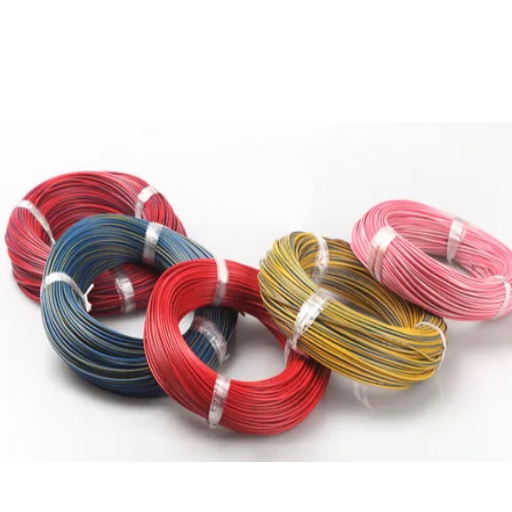
Depending on their specific application, automotive wires come in several varieties that would ensure performance, reliability, and safety. Typical types include:
GPT Wire
It is a primary wire for low voltage, always very flexible, and resistant to oil and chemicals.
GXL Wire
The wire is recognized by its very thin insulation and is resistant to high temperatures, making it best suited for harsh environments.
TXL Wire
Thinner and lighter wire type intended for the very compact spaces in vehicles and for situations in which durability is needed.
SXL Wire
This wire features even thicker insulation for enhanced abrasion resistance in demanding applications.
Battery Cable
Used in heavy-duty applications to connect batteries to starters and power systems in an efficient manner.
Each wire type is designed with a particular function in mind, thus ensuring that automotive electrical wiring systems remain flawlessly connected.
Primary Wire: Characteristics and Uses
The primary wire is a versatile, single-conductor wire predominantly used for low-voltage electrical applications in vehicles. The wire is flexible and strong, making it suitable for routing through tight places. Primary wires are primarily made of copper or aluminum to be good conductors of electric current, with insulation composed of thermoplastic materials like PVC, which resists chemical, moisture, and abrasion. This wire finds good applications in the wiring of automotive components, such as lighting, switches, and relays, where it must perform reliably. They come in a variety of sizes and colors for easy identification and compatibility with different electrical systems. Designed to operate over an extensive range of temperatures, the primary wire ensures reliable performance under various environmental conditions.
PVC Automotive Wire: Benefits and Limitations
With its numerous benefits, PVC automotive wires have been a popular choice for vehicle electrical systems. Primarily, these are durable wires insulated with PVC, which creates resistance to moisture, chemicals, and abrasion, enabling them to perform well in harsh environments. PVC wires are also inexpensive and come in various gauges and colors, making them easy to organize and apply to different systems. They can also withstand a vast temperature range, making them ideal for automotive applications in various conditions.
Benefits of PVC Wire
- Durable and resistant to moisture, chemicals, and abrasion
- Cost-effective solution for most applications
- Available in various gauges and colors
- Good temperature range tolerance
- Easy to organize and install
Limitations of PVC Wire
- Performance decreases under intense heat conditions
- Less flexible than cross-linked polyethylene (XLPE)
- Limited use in tight spaces or high-vibration areas
- Environmental concerns – not easily recyclable
- Can release toxic fumes when burned
Despite these few limitations, PVC automotive wire remains a tried and true, and least expensive alternative for electrical applications in most automobiles.
Cross-Linked Automotive Wire: Features and Applications
Cross-linked automotive wire, typically made from materials such as cross-linked polyethylene (XLPE), offers several advantages over conventional PVC insulation. The chief feature is superior heat resistance, as it can stand higher temperatures without degrading, making it highly suitable for a modern vehicle with a high-performance engine. Furthermore, cross-linked wires exhibit good abrasion resistance, ensuring they perform well under severe environmental conditions, such as exposure to chemicals, oils, and heavy vibrations.
Additionally, it affords considerable flexibility, ensuring easy installation in the small spaces often encountered in complex vehicle designs. Cross-linked automotive wires possess better-insulating properties than PVC, providing improved electrical insulation and reducing the likelihood of short circuits. Therefore, although it is almost always pricier than PVC, its performance and dependability, in many cases, more than justify the initial cost, especially in stressful applications. Usually, cross-linked automotive wire gets used in areas deemed critical, such as engine compartments, battery cables, and high-voltage components inside electric vehicles.
Automotive Electrical Wiring Standards
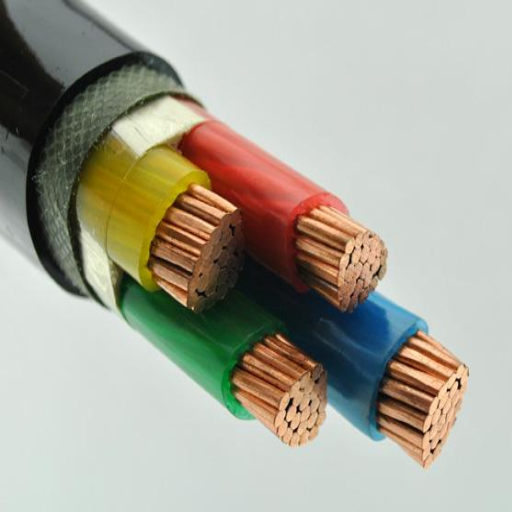
Automotive wiring standards are established to ensure safety, reliability, and system compatibility. These are concerned with wire insulation, conductor material, voltage rating, and temperature resistance. Some common standards include ISO 6722, which outlines the performance requirements for single-core wires, and SAE J1128, a specification for low-voltage primary cables. Essentially, a wiring standard is in place to ensure that the wire can withstand the expected mechanical, electrical, and environmental stresses that an automotive wiring application will subject it to.
Overview of Wiring Standards in the Automotive Industry
Wiring standards ensure vehicle safety, reliability, and efficacy in challenging conditions. Some of the standards are ISO 6722 that refer to single-core wires in terms of temperature, voltage, and resistance to flammability; SAE J1128, which relates to the requirements for low-voltage automotive primary wires, especially concerning those under 60 volts; and ISO 14572 that refers to the wire performance for road vehicles with special consideration given to thermal and mechanical durability.
These standards require that wires used in modern-day automobiles must be able to sustain performance when subjected to heat, vibration, and chemical exposure. Compliance with these standards also ensures compatibility among automotive components, thereby easing manufacturing and reducing the chances of failure. Standardized tests-i.e., thermal aging tests, voltage resistance tests, abrasion tests, and so on-contribute further to assuring wire performance. In this way, manufacturers and designers can rely on the products.
Key Regulations Affecting Automotive Wire Types
When referring to types of automotive wires, I would mention major regulations such as ISO 6722 design requirements for single-core vehicle wires, making sure that such wires will last and be reliable in automotive conditions. SAE J1128 is also essential in North America, as it pertains to wires for automotive use of low-voltage primary power. These requirements all contribute to ensuring safety, performance, and compatibility in this field; they guide the testing and engineering of wires to meet rigorous demands.
How Standards Impact Safety and Performance
Standardized automotive wiring regulations are concerned with safety and performance. These regulations are established to ensure the reliability of wiring systems depending on varying environmental conditions, which may change from extremely cold to hot, or from vibrations to moisture, or from chemicals to any other environment. However, as specified in ISO 6722, the temperature ranges and mechanical durability of the wires used in automobiles must be such that the cables can perform under the higher electrical demands of modern vehicles without failure.
Safety Impact: From a safety perspective, adhering to standards such as ISO or DIN helps reduce the risks of electrical fires, system failures, or short circuits. Ideally, vehicle recalls related to electrical concerns could be avoided in approximately 70% of cases by proper implementation of wiring standards. Additionally, tests like those outlined in SAE J1128, such as resistance to abrasion or corrosive environments, directly promote safety and reliability in the long term.
From a performance standpoint, standardized wiring systems enhance energy efficiency and reduce vehicle weight. For instance, the use of lightweight wires under the FLRY standards can reduce vehicle weight by about 5%, thereby assisting in the improvement of fuel efficiency and reduction of emissions. Until the final verification, materials of higher specification and tighter manufacturing tolerances could be used under these regulations to ensure consistency among manufacturers, maximize performance, and respond to the growing demand for sustainability in automobile design.
Adhering to these universal standards protects the users while keeping an automotive company competitive in a global market that increasingly prioritizes safety, innovation, and environmental stewardship.
Choosing the Right Automotive Wire
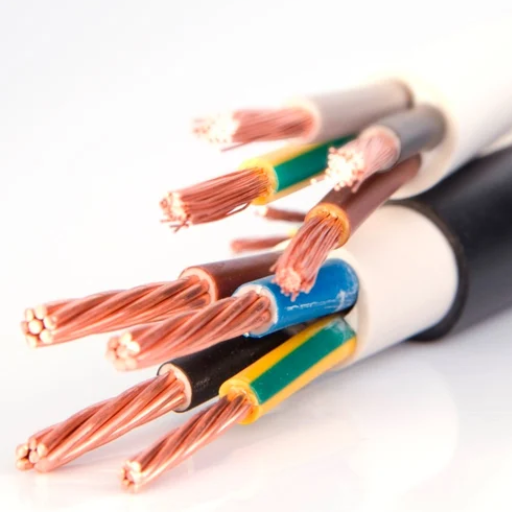
The following primary factors should be taken into account while selecting automotive wire:
Ensure the wire gauge is selected based on the electrical load to allow proper current flow without overheating conditions. The thinner the wire, the less current it can carry; the thicker, the higher the load it can bear.
Selecting heavy-duty, heat-resistant insulation can be advantageous in serving the challenging and demanding automotive environment. The general use of PVC is quite common, whereas cross-linked polyethylene is often used in extremely high-temperature situations.
Ensure the wire is flexible for the application, particularly in cramped spaces or areas with frequent movement.
Wires must withstand moisture, abrasion, and chemicals to survive in harsh outdoor conditions.
Ensure that the selected wire meets the automotive standards and regulations, such as SAE or ISO requirements, for greater safety and reliability.
After selecting the wires that suit your vehicle, check the manufacturer’s recommendations for compatibility and optimum performance.
Factors to Consider When Selecting Wire Types
When choosing wire types, some important considerations should be taken into account to ensure safety, efficiency, and compatibility with your application:
- Wire Gauge (AWG): Select the wire gauge based on the current load and total circuit length. Thicker wires (with lower AWG numbers) are required for high-current load applications to prevent the risk of overheating or voltage drop.
- Conductor Material: Choose between copper and aluminum conductors, with copper being preferred due to its excellent conductivity and flexibility. Aluminum is a viable alternative, as it is lighter and more cost-effective for specific applications.
- Insulation Type: The insulation must be able to withstand operational conditions, such as high temperatures or exposure to chemicals. Some typical insulation types include PVC for general use and XLPE insulation, which stands for cross-linked polyethylene and is better suited for harsh conditions.
- Temperature Rating: The temperature rating of the wire insulation must be compatible with the operational heat levels of the application to prevent failure under stress.
- Voltage Rating: The wire should either match or outrank the voltage requirement of the circuit for reliable electrical performance and safety.
- Resistance: In harsh environments, use wires specifically designed to resist moisture, oils, UV radiation, and abrasion, thereby extending the wire’s lifespan and maintaining reliability.
- Flexibility and Application Needs: In applications involving moving parts or confined spaces, flexible wires or braided constructions that can withstand bending or vibration should be given preference.
Keeping these considerations in mind will help you select the correct wire type for your specific project, in line with standards and changes that ensure long-term functionality.
Comparative Analysis of Wire Types for Different Applications
When selecting wires for specific uses, one has to analyze their behavior along with characteristics such as conductivity, insulation, flexibility, and durability.
| Comparison Factor | Option A | Option B | Best Use Case |
|---|---|---|---|
| Copper vs Aluminum | Copper: Best conductor, highly durable | Aluminum: Lighter, cheaper, requires proper installation | Copper for high-performance; Aluminum for power distribution |
| Solid vs Stranded | Solid: Permanent installations, low cost | Stranded: Flexible, vibration-resistant | Solid for building wiring; Stranded for automotive/electronics |
| PVC vs Silicone | PVC: Cost-effective, moisture/chemical resistant | Silicone: High-temperature resistant | PVC for general use; Silicone for extreme heat |
| Shielded vs Unshielded | Shielded: EMI protection, sensitive applications | Unshielded: Less expensive, minimal interference | Shielded for audio/communications; Unshielded for power |
These comparisons will enable you to align the type of wiring you choose with the specific project requirements, ensuring your application performs optimally, safely, and in a cost-effective manner.
Best Practices for Wiring in Automotive Applications
Safe automotive wiring must be performed in a manner that ensures safety, durability, and optimal system performance. Some good practices that can be applied to your wiring projects include:
- Select the Right Wire Type and Gauge: When selecting wire gauge, consider the electrical load to ensure safe operation. Thicker wires (lower gauge numbers) are used for larger systems, such as starter motors, whereas cables are chosen in a higher gauge for low-ampere circuits, like sensors. Current amperage and anticipated voltage drop with the length of wire being used should always be considered.
- Use High-Quality Insulation Materials: Insulation materials for automotive wires should be selected to be heat, chemical, and abrasion resistant. Such materials will help prevent a short circuit and guarantee reliability under harsh conditions.
- Route the Wires Safely: Prevent wiring from coming into contact with sharp edges, moving parts, or heat sources. In addition, install conduits, grommets, and cable ties for further protection and to keep wiring in position, preventing vibration and wear over time. A considered routing promotes ease in maintenance and decreases the chance of damage.
- Install Proper Terminations and Connections: Use crimped connections with heat-shrink tubing for added strength and protection against moisture or corrosion. Soldering can be used as an additional safety measure, but extreme care must be taken to prevent the solder from becoming brittle.
- Test and Validate Wiring Systems: Use diagnostic tools, such as multimeters or circuit testers, to check for continuity, resistance, and voltage levels in a wiring setting. Check and test regularly to find faults before they appear.
- Follow Industry Standards: Adhere to automotive wiring standards, such as those outlined in ISO 6722 for road vehicles, which establish the performance requirements for cables. Following the guidelines ensures all safety measures are met and adds to the quality of your electrical systems.
In recent times, other developments in automotive wiring have included the use of lightweight aluminum wiring to reduce the overall weight of the vehicle and the introduction of an Ethernet-based architecture in electric cars to handle complex data communication systems. Equipped with knowledge about these trends and thorough wiring procedures, you can design systems that are efficient, reliable, and future-ready.
Future Trends in Automotive Wiring
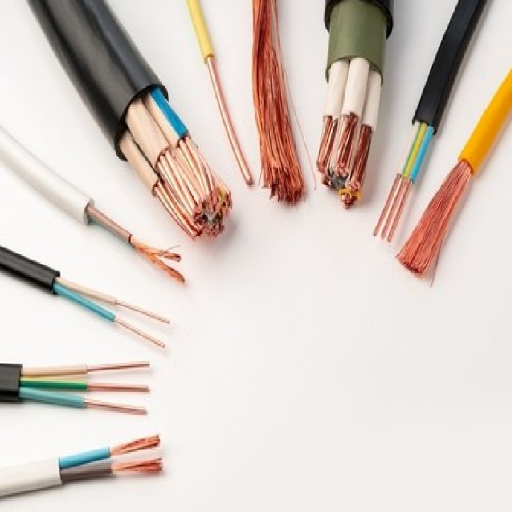
Future automotive wiring is all about efficiency, connectivity, and sustainability. To make vehicles lighter and thus more efficient in fuel usage, lightweight materials like aluminum and advanced composites are becoming increasingly popular among manufacturers. Meanwhile, the Ethernet-based architectures are making it straightforward to transmit large data packets in modern vehicles, primarily electric and autonomous vehicles. Such systems facilitate high-speed and low-latency communications between sensors, controllers, and software. Another environmentally friendly proposal involves the use of recyclable materials and manufacturing processes for wiring that minimize environmental impact. With this set of innovations, the automotive industry is gearing toward making more imaginative, greener, and more connected vehicles.
Innovations in Automotive Electrical Wiring
To meet the ever-changing demands of modern vehicles, the automotive industry has seen numerous advancements in electrical wiring. Whereas copper wiring was traditionally considered the standard for cars, aluminum wiring is gradually evolving as an alternative due to its lightweight properties, which help reduce vehicle weight and improve fuel efficiency. Moreover, high-voltage wiring systems have been developed to cater to the ever-increasing number of electric vehicles (EVs), thereby offering optimal power delivery and safety. Latest developments in multiplex wiring systems enable several signals to be transmitted through a single cable, simplifying the wiring harnesses and reducing their weight.
Smart Wiring Integration: Smart-wiring integration is one more innovation. Using embedded sensors and diagnostic tools, the smart wiring monitors performance in real-time, preventing failures. The other aspects include recyclable and biodegradable wiring materials, which are considered to meet the goals of sustainability and reduce the environmental impact. These primary solutions, which also include robust cybersecurity protocols in place to prevent data breaches, represent the industry’s vision for more innovative, safer, and more efficient transportation.
Emerging Wire Technologies for Electric Vehicles
Emerging wire technologies in the EV sector strive for performance, safety, and sustainability. One trend revolves around the creation of high-voltage wiring systems designed to meet the higher power requirements of electric vehicles. These high-voltage systems are designed to carry fast-charge currents and facilitate rapid energy transfer, ensuring efficient vehicle performance. Another innovation involves techniques and materials for lightweight automotive wires, such as aluminum wiring, to reduce the gross vehicular weight, which ultimately makes vehicles more energy-efficient and increases their driving range. Heat-resistant and durable insulation materials represent significant developments that generally lead to the enhancement of safety and extension of the life of wiring systems by preventing overheating and wear.
It is also worth emphasizing that sustainability has become a key consideration in cable development, with manufacturers increasingly opting for recyclable and biodegradable wiring materials to minimize their residual environmental impact. Hence, these developments align with the broader global effort to promote greener transportation. Also on the rise are innovative wiring systems that provide up-to-the-minute data on electrical operations and detect faults therein, thereby enhancing capabilities for reliability and preventive maintenance. All these include driving the technologies toward a more innovative and sustainable next generation of EVs.
Impact of Sustainability on Wire Types
The development of wire types for electric vehicles (EVs) is beholden to sustainability. With the industrialization, people prefer recyclable materials such as aluminum and biodegradable polymers to minimize waste and conserve resources. Aluminum wires, for instance, are sought for the very fact that they can be recycled throughout the entire vehicle’s life cycle and their light weight, which in effect enhances the vehicle’s efficiency. From this point onward, manufacturing processes are becoming greener through reduced energy consumption and emissions, achieving all objectives that align with global environmental considerations. These attempts ensure that not only are the systems of wiring in an EV sustainable, but also that they comply with specific environmental regulations, appealing to the environmentally conscious buyer.
Key Takeaways
Understanding automotive wire types is crucial for safe, efficient, and reliable vehicle electrical systems. From selecting the right gauge and insulation to following industry standards and embracing future innovations, proper wire selection ensures optimal performance while meeting environmental and safety requirements. Whether you’re working with traditional PVC wires or exploring advanced cross-linked materials for electric vehicles, always prioritize quality, compliance, and application-specific requirements for the best results.
Reference Sources
“The FlexRay Implementation of By-Wire System for Electric Vehicle”
“Voltage Stability Analysis of Automotive Power Nets Based on Modeling and Experimental Results”
“Electric and Hybrid Electric Non-Road Mobile Machinery – Present Situation and Future Trends”
Frequently Asked Questions (FAQs)
What are the different types of automotive wire used in vehicles?
There are several types of automotive wire, including primary wire, battery cable, and specialized wiring such as TXL and GXL wires. Each type is designed for specific applications, offering varying levels of insulation, heat resistance, and flexibility to meet the demands of the vehicle’s electrical system.
How does automotive wire insulation affect performance?
Automotive wire insulation plays a crucial role in protecting the wire from extreme conditions, including high temperatures, moisture, and abrasion. Materials like PVC and cross-linked insulation offer excellent heat resistance and durability, ensuring that the wire maintains its performance and safety in various environments.
What is the best wire for automotive use?
The best wire for automotive use depends on the application. For general circuit wiring, primary wire is often recommended, while battery cables require thicker insulation to handle higher electrical loads. Wires like GXL and TXL are preferred for their high-temperature resistance and flexibility, making them ideal for modern automotive applications.
What is the temperature range for automotive primary wire?
Automotive primary wire typically has a temperature range of -40°C to 125°C, allowing it to withstand varying environmental conditions. This temperature resistance is essential for ensuring the wire’s longevity and safety, especially in under-hood or cabin applications.
How do I select the correct type of wire for my automotive project?
Selecting the correct type of wire involves understanding the specific requirements of your project, including the electrical load, installation environment, and space constraints. Consider factors such as wire gauge, insulation type, and whether the wire is designed for high heat or extreme conditions to ensure safe and efficient performance.
What are the differences between PVC and cross-linked automotive wire?
PVC automotive wire is renowned for its exceptional heat and abrasion resistance, while cross-linked automotive wire provides enhanced durability and flexibility. Cross-linked insulation can withstand higher temperatures and is often used in applications where the wire will be exposed to harsh conditions, making it suitable for trucks and trailers.
What is a battery cable, and what is it used for?
A battery cable is a thick wire used to connect a vehicle’s battery to the electrical system. It is designed to handle high currents and is typically made from copper with robust insulation to withstand extreme conditions, ensuring reliable power delivery to the vehicle’s electrical components.
Can thin-walled wire be used in automotive applications?
Yes, thin-walled wire can be used in automotive applications where space is tight, and weight is a concern. However, it is essential to ensure that the wire meets the necessary standards for electrical performance and safety, particularly in environments where it may be exposed to heat or abrasion.
What standards ensure safety and reliability in automotive wiring?
Automotive wiring must adhere to specific standards that ensure safety and reliability. These standards evaluate factors such as insulation type, temperature resistance, and durability to ensure that the wire can withstand the electrical loads and environmental conditions typical of automotive applications.