







Aircraft navigate through and around an airport, which is a daunting task, especially in low-visibility situations or during the peak hours of operation. The unnoticed toiler of this difficult and complex process is the flight light, which by its brightness guides the aircraft on the runway, taxiway, and apron, thus securing the safe and effective ground and air transportation of aircraft. These lighting systems that are specialized indeed have a great impact on the pilots’ way of navigation, efficiency of the operations, and observance of safety protocols. The following article is a tour into the very fascinating world of aviation lighting—its technology, its functionality, and its important role in modern air travel. You might be an aviation fan or just someone who wants to know what keeps the flights on time, but anyway, then you will see how much these lights have contributed to the skyways we are dependent on every day.
Understanding Flight Lights
Flight lights can be defined as various types of specialized lighting systems that work toward the safe and efficient operations of aircraft and airfields. On an aircraft, these include navigation lights for position awareness; landing lights to provide illumination during aircraft takeoff and landing; and strobe lights to allow daytime visibility to the other aircraft in the sky. Runway and taxiway lights are installed on airfields to guide pilots during takeoff, landing, and crossing of the runway, especially during low-light conditions or bad weather. Together, these systems are crucial in distributing safety, securing navigation, and promoting smooth air travel operations.
The Role of Light in Aviation
Light in aviation has significance in all phases of flight as it ensures safety and efficacy. The chief functions of light are visibility enhancement, the navigation of aircraft, and situational awareness of pilots, air traffic controllers, and ground crews. Position and direction of an aircraft are indicated by navigation lights. During flight, strobes are used to increase visibility so the aircraft can be seen and avoided by other pilots. Landing and taxi lights assist pilots with ground visibility during takeoff, landing, and taxiing, especially during nighttime operations and in adverse weather conditions.
An airport is fitted with an elaborate lighting system, and these remain illuminated to guide an aircraft effectively to its respective runway. Runway edge lights, centerline lights, and threshold lighting mark the boundaries considered safe by the system for runway/taxiway alignment. During the night or under poor visibility conditions, the approach lighting systems (ALS) work to help the pilot with final corrections while landing. Such a concerted lighting scheme consequently ensures smooth operations both in the air and on the ground and thus reduces the chance of an accident, speeding up the whole process of air travel.
Types of Flight Lights
In daylight, parking lights/position lights are of different types; their primary application is to keep the plane anodized and secure. Being supplemented with the following most important categories:
Navigation Lights
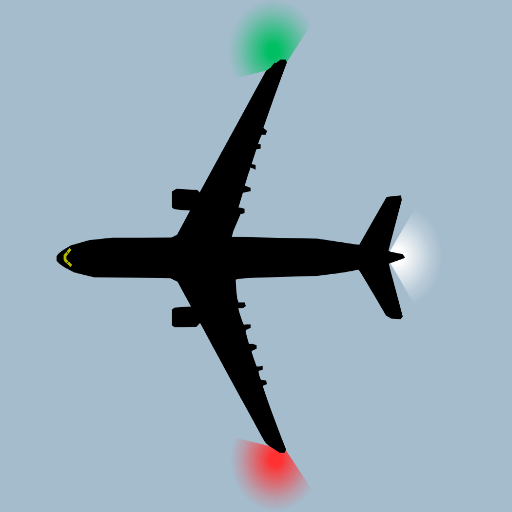
These prevent collisions and maintain spatial awareness. Red and green lights are kept on an aircraft’s left and right wings, and bright white lights are kept at the aircraft’s tail to indicate orientation.
Anti-Collision Lights
These consist of strobe lights and beacon lights and are intended to make the aircraft as visible as possible during dim conditions or bad weather.
Landing and Taxi Lights
Forward-facing lights used to illuminate the runway and taxiways during takeoff, landing, and ground operations for the aid of pilots and ground personnel.
Logo Lights
These are placed near the aft part of the aircraft to illuminate the logo on the vertical stabilizer of the airline for visibility and branding during nighttime operations.
The lights would be placed on the aircraft’s nose or on its wings to aid the pilot with precise maneuvers along the taxiway or while turning off the runway.
Each type of flight light exists to promote the safety of aircraft operations, both from an airborne and terrestrial perspective.
How Flight Lights Enhance Safety
Aviation safety depends on flight lights that have both functional and situational implications. Low visibility in daylight or bad weather might contribute to many accidents. Washing light and taxi light shine towards the runway and taxiways so that aircraft can land, take off, and taxi with precision. Meanwhile, strobe and navigation lights would warn others in the sky that an aircraft is there to keep away from mid-air collisions by signaling its position, direction, and movement. When it’s dark, logo and wing lights are very useful; they show branding, inspect, and operate. Flight lights maintain severe standards of aviation safety and ensure the security of passengers and crew by facilitating communication, navigation, and situational awareness.
Airport Lighting Systems
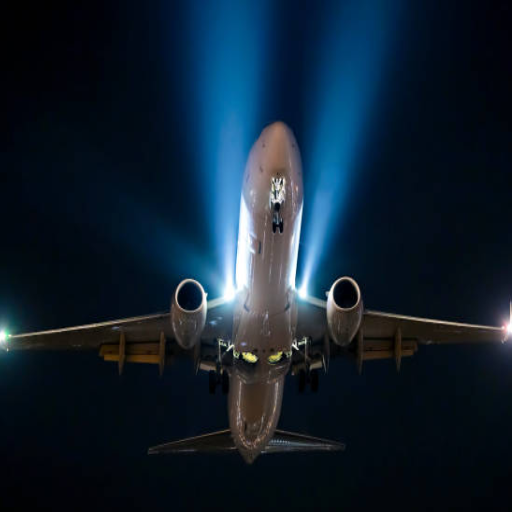
Each of these systems serves a special purpose: to help a pilot with the takeoff/landing/taxiing procedure when there is some sort of visibility problem, usually during the evening. Runway lights secure the landing area with marking outlines for accurate alignment and coordinate with taxiway lights that lead an aircraft to or from a runway. Approach lighting systems (ALS) help the pilot visually transition from instrument flight to visual flight when getting closer to the runway. Obstruction lights mark obstacles to ensure that hazardous navigation will be safely executed within the airport environment. Hence, these lights strongly contribute to airport safety and operational efficiency.
Components of Airport Lighting
Airport lighting systems are crucial to ensuring safety and efficiency, especially during the night or in low visibility. Main lighting elements are as follows:
Runway Lights
These lights mark the edges of the runway, and sometimes, identifiable centerline lights may be present to provide extra guidance. They are very useful to the pilot for lining up his or her aircraft for takeoff and landing. Also, the Runway End Identifier Lights (REIL) and Threshold Lights furnish a very definite marking for the runway ends.
Taxiway Lighting
Edge lights on taxiways are blue, and there are green lights along the taxiway centerline, all designed to guide the aircraft during ground movements to ensure that aircraft navigate safely between the runway, apron, and terminals.
Approach Lighting Systems (ALS)
ALS lights seem to give pilots some acute visual guidance as they make an approach from their instrument navigation to the visual flight phase. The systems have flashing and steady lights.
Obstruction Lighting
The system of lighting on the obstructions uses red or white light, such as those for buildings, towers, or other structures considered hazards to aircraft, either during flight or ground operations.
Apron and Ramp Lighting
They light the ground area where planes are serviced, loaded, or unloaded, and ensure the safety and smooth operations of the ground crew.
Heliport and Specialty Lighting
Airports with a heliport or special infrastructure need a lighting system that directs helicopters and aircraft to those areas.
Together, these systems contribute to safety factors and enhance pilot visibility and navigation across varying weather and operational conditions.
Best Practices for Airport Light Installation
When installing the airport lighting system, adherence to best practices ensures efficient operation and long-term performance.
- Carry out Particular Planning – In the installation process, while doing so, an in-depth study of the airport layout, traffic volume, etc., should also be conducted to decide the best-suited types of lighting system and their placement.
- Compliance with Standards and Regulations – The entire lighting system must abide by the guidelines of aviation authorities, such as the FAA or ICAO; this becomes essential for the safety of human life and for smooth compatibility with the aircraft systems.
- Use High-Quality Materials – Ensure to choose appropriate lighting systems manufactured with materials that withstand extreme weather changes, UV exposure, and wear-down from heavy usage. LED lights should be chosen for being energy efficient, being bright, and having for long life.
- Emphasis on Precision and Visibility – Lighting should be positioned with optimum consideration given to pilot visibility and ground crew safety, excluding any annoyance from glare or misalignment. Proper calibration would offer optimum guidance during landing, takeoff, and taxiing, especially in low-visibility scenarios.
- Maintenance and Upgrades – Keep a maintenance schedule to check, clean, and repair lighting apparatus. Another view is to refurbish an old lighting system with modern energy-efficient solutions to increase operational efficiency and environmental sustainability.
- Consider Backup Systems – Reliable backup power should be considered, including generators or solar solutions, ensuring the airport lights are never blocked from operation during a power outage.
Such implementation would result in airports operating safer, more efficient, and better able to guide pilots and ground operations alike.
Maintenance of Airport Lighting Systems
Maintenance of airport lighting systems is of critical importance in terms of safety, operational efficiency, and regulatory compliance. Maintenance should be considered at Aurora while managing the systems. Regular inspections must be conducted to weed out problems like burnt-out bulbs, electrical faults, quarrying from the environment, etc. Cleaning light fixtures, lenses, and reflective units would go a long way toward assuring the highest degree of visibility and light output. Loads should be reduced and dangerous occurrences with schedule maintenance. All electrical connections and subsequent conductance must be kept under testing to ensure the supply of Gilait-power. Modern LED systems could help cut down on maintenance service intervals, thus offering greater durability and energy efficiency. Maintenance protocol training for personnel-row industries standards will lead to smooth operations and minimal downtime. By remaining proactive, airports ensure that lighting systems function reliably in various conditions to uplift safety for pilots and airport staff.
Industry Standards and Regulations
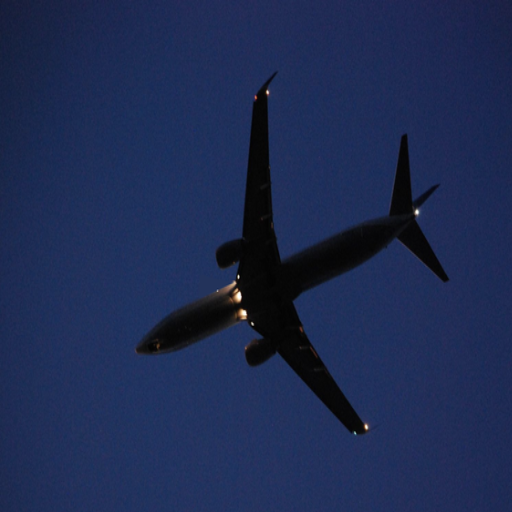
For the sake of safety, efficiency, and more security in airport operations, it is mandatory that compliance is maintained with the prevailing industry standards and regulations. Relevant industry standards declare the minimum design requirements for airport lighting. These include brightness, position, and maintenance schedule requirements set out by, for example, the International Civil Aviation Organization (ICAO) and the Federal Aviation Administration (FAA). Since these guidelines are concerned with risk minimization, they guarantee uniformity of operations and uphold global aviation safety standards. Coupled with regular audits, adequate records help airports in the maintenance of compliance and also in the effective rectification of any deviations that can be faced.
Compliance with Aviation Authorities
Each airport abides by strict safety, operational, and technical standards to comply with aviation authorities like ICAO and FAA. It mainly entails adequate placement of navigational aids, airfield lighting systems, and runway markings to ensure visibility and safety during operations. Appropriate measures for aircraft separation, obstruction clearance, and environmental sustainability must be followed to meet regional and global regulations.
Regular investigations or safety audits, staff training, and documentation are necessary to substantiate compliance. In viewing updates or changes to regulations, the airports are expected to cooperate with the authorities. When the airports maintain good communications with such agencies and consistently uphold international standards, they will be able to operate safely and efficiently while remaining compliant.
International Standards for Aircraft Lighting
The term aircraft lighting refers to the illumination of an exterior part of an aircraft. These lights are intended to enhance visibility for the pilots and also alert other crafts in the air and on the ground. Aircraft lighting is regulated internationally to ensure the safety and efficiency of flight operations, especially in bad weather. Such standards are promulgated chiefly by the International Civil Aviation Organization (ICAO) and the Federal Aviation Administration (FAA). Requirements usually include navigation lights, anti-collision strobe lights, landing lights, and taxi lights. All of the lights have their own specific purposes, like indicating the position, direction, or intent of an aircraft to other pilots or increasing visibility during take-off, landing, or ground operations.
According to ICAO in Annex 14, Volume I, specifications for bright, gusty-colored intensity and location of lighting systems must be provided to ensure uniformity worldwide. Conversely, the FAA issues guidelines in the form of advisory circulars, such as AC 20-30B on aircraft position lights and AC 120-16F on maintenance of lighting equipment. Compliance with such recommendations is an imperative preliminary for airworthiness certification and for operational safety.
With the implementation of these standards, the aircraft will be afloat with lighting systems that will operate reliably during various weather conditions and environments. This, in turn, will reduce collision risk and increase the safety of passengers and crew. Also, continual inspections and maintenance will ensure the working and compliance of lighting systems with international regulations.
Impact of Regulations on Flight Light Technology
Flight light regulations have initiated advances into aircraft lighting systems in terms of design, functions, and efficiency. These standards, including those of the FAA and ICAO, urged manufacturers to adopt energy-efficient LED lighting solutions over conventional halogen systems. Promoting LED lighting further in effect has ensured that these systems have greater durability, consume less power, and produce crisp visibility conditions across various adverse weather conditions.
Furthermore, the regulations have fostered the design of smart lighting systems that can respond to changes in their environment, such as levels of ambient light or emergencies, to affect optimal safety. The aspects of sustainability and diminished environmental impact have also influenced manufacturers to use greener materials and designs. In summary, these laws have realized lighting technologies that are safer, more reliable, and innovative, and stand in tandem with internationally set goals in safety and the environment.
Innovations in Flight Light Technology
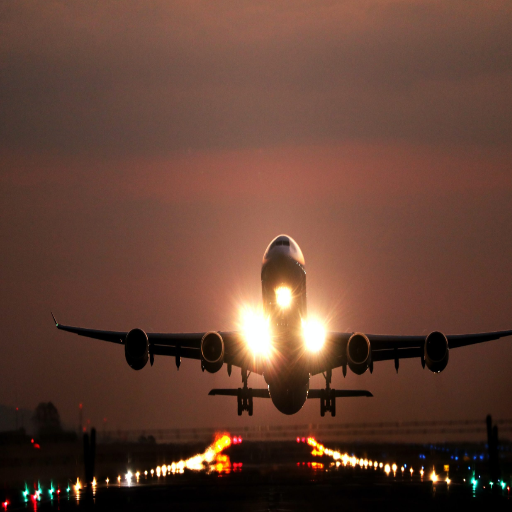
In recent times, energy efficiency, life extension, and safe working conditions for flight light facilities have been given top priority, having been at the forefront lately. LED lighting integration has been a major innovation, putting its advantages of less electricity consumption, longer lifespan, and visibility to use. Dynamic lighting now reacts to changing conditions, diminishing brightness during certain flight phases to lessen passengers’ discomfort and nighttime glare for pilots. Also, developed materials that are lighter in weight for lighting components give the aircraft a lower weight of the aircraft, enhancing fuel efficiency and reducing emissions. These developments should mainly meet the aviation industry’s goal to ensure safety, sustainability, and better operational performance.
Emerging Technologies in Aircraft Lighting
Emerging technologies in aircraft lighting are revolutionizing the aviation industry, focusing on efficiency, passenger experience, and sustainability. Advanced LED lighting systems have become a standard for energy efficiency, longevity, and low maintenance. In addition to this, human-centric lighting tailored to passengers’ circadian rhythms is now being integrated to reduce jet lag and improve onboard comfort. Innovations also include RGBW lighting solutions to cast dynamic ambience effects, thus creating cabin atmospheres that may be controlled according to time of day or flight conditions.
Smart lighting through IoT offers seamless integration with aircraft systems for enabling in situ adjustments and diagnostics towards greater efficiency and less downtime. Colorful developments in the domain of OLED technology may allow for lighter and flexible lighting concepts. These LEDs reduce weight while also acting as a design statement for the aircraft. Coupled with the environmentally sustainable application of, say, solar-powered lighting on ground operations, these provide a pathway to cut down carbon footprints and move toward making the industry greener.
LED vs Traditional Lighting: A Comparison
There are many advantages of LED lighting over traditional types of light, including incandescent and fluorescent types. For one thing, LEDs are highly energy-efficient, converting at least 90 percent of their energy into light, whereas other types of lighting convert much of it into heat. Therefore, energy consumption is reduced; hence, lesser operational costs are incurred as time goes on.
Secondly, LEDs last way longer than other types of light. Incandescent lights usually go on for 1,000 hours, and fluorescent light operates for 10,000 hours, while a good-quality LED lasts for 50,000 hours or more. This durability makes them perfect where consistent, long-life illumination is required.
In addition to offering the highest brightness, color options, and eco-friendly benefits, LEDs give instant glare without any warm-up time as required by traditional sources, which is almost zero heat emission to prevent overheating. While fluorescent tubes contain mercury, an environmentally hazardous waste, LEDs do not and thus are safe to throw away.
This initial high cost of LEDs balances out with energy savings every day’s longer running life and maintenance costs. It is a smarter and more sustainable way for both companies and households to use LED technology to meet their modern lighting needs.
| Feature | LED Lighting | Incandescent | Fluorescent |
|---|---|---|---|
| Lifespan | 50,000+ hours | 1,000 hours | 10,000 hours |
| Energy Efficiency | 90% converted to light | Much converted to heat | Moderate efficiency |
| Heat Emission | Almost zero | High | Moderate |
| Environmental Impact | Safe disposal | Moderate | Contains mercury |
| Warm-up Time | Instant | Instant | Requires warm-up |
Future Trends in Flight Lighting

Onboard lighting is already undergoing a revolution due to the various objectives of energy efficiency, passenger comfort, and safety. New-age adaptive lighting systems are becoming more common, where brightness and color change with time of day to suit the cabin requirements. With OLEDs making the problem of weight really critical in their applications, lightweight and flexible solutions are offered, reducing the weight of an airplane and the fuel consumption thereof. Moreover, UV-lighting systems are introduced to disinfect and maintain sanitary conditions in a shared cabin space. These considerations finally culminate in offering a greener and healthier flying experience to the passengers, together with some money down to the airlines.
Environmental Considerations for Flight Lights
For me, energy efficiency and sustainable values are what I look at in order to determine the environmental impacts of the flight lights. LED lighting presents a viable option considering its advantages of low energy consumption and long life feature, thereby significantly reducing greenhouse emissions due to aircraft. Furthermore, I research the materials used for light-fitting construction to ensure either that the material can be recycled or else comes from sustainable sources. Therefore, these actions work toward minimizing waste while adopting greener aviation lighting considerations.
Predictions for the Future of Airport Lighting
Airports of the future will rely heavily on technological advances and on growing environmental concerns that will encourage sustainability. Smart lighting installations with sensors and IoT integration, limiting usage to actual needs, are expected to play a big role in conserving energy. Insofar, this would mean adjusting brightness levels through sensors depending on sunlight or the various airport activities. Along with this, however, the use of solar-powered lighting will probably grow, thus conserving traditional sources of energy and cutting down on costs. The continued development of LED lighting technologies will thus continue in transferring energy-saving attributes to lighting systems that are best performing in respect to durability. There may also be concepts for passenger and aircraft-friendly customized light engineering that will enhance user experience while maintaining efficiency. Such developments harbor global trends toward bringing down the adverse environmental factors and sustainable aviation infrastructure.
Key Takeaways
- Flight and airport lighting systems are essential for safe and efficient aviation operations
- LED technology has revolutionized lighting with improved energy efficiency and durability
- International standards from ICAO and FAA ensure consistency and safety worldwide
- Smart lighting systems with IoT integration represent the future of airport lighting
- Environmental sustainability is driving innovation in aviation lighting technology
- Proper maintenance and compliance are critical for operational safety
Reference Sources
“Wireless Communication Using Li-Fi Technology”
Frequently Asked Questions (FAQs)
What are flight lights, and why are they important in the aerospace industry?
Flight lights are a set of specialized lighting systems used on aircraft to enhance the visibility of aircraft in flight and ground operations. From a safety standpoint, their essence is to give illumination to assist pilots during takeoff, landing, or taxiing. From an industrial viewpoint, their quality and reliability are essential for operational efficiency and safety standards.
How do flight lights enhance cockpit visibility?
Flight lights illuminate important instruments and controls, thereby allowing pilots to function in low-light conditions. They are indeed very important during night flights or adverse weather conditions, where visibility is greatly impaired. Flight lights are designed and placed such that a pilot is able to promptly take an account their environment and make a sound decision.
What types of flight lights are usually employed in aircraft?
There are many different types of flight lights used in aircraft landings, taxiing, navigation, and strobes. The correct flight lights must be placed in the right situation for the correct operation-correctly guiding an aircraft, say, for takeoff and landing, or warning of its position to other aircraft. They are always manufactured with reliability, employing stringent quality standards so that they can be used in any weather conditions.
How do airport regulations affect flight light requirements?
Airport regulations set requirements for flight lights for reasons of safety and to avoid accidents. These regulations may specify the type and intensity of lights to be used on aircraft, and their exact position on the aircraft. Flight lighting installed on aircraft must conform to such regulations if the aircraft is to be operated safely in and about airports, so that pilots and ground crews can effectively use the lighting to navigate the airfield.
How does one best maintain flight lights?
Flight lights require regular inspections and cleaning to maintain their proper performance. Pilots and maintenance crew should check for signs of wear, such as flickering or dimming, and if need be, replace a bulb or fixture. Properly working flight lights are very important for the safety of people and must abide by international aviation standards.
How do flight lights assure safety during night flights?
Flight lights assure safety during night flights by ensuring navigation for pilots and helping facilitate communication among ground crews and other aircraft. Working lights provide visibility of runways, taxiways, and areas that need to be observed under controlled precepts. Visibility on the runway is an essential component in avoiding accidents and making successful, smooth flights.
Can flight lights be adapted to different aircraft models?
Yes, flight lights can be manufactured according to the needs of differing aircraft types. Manufacturers could supply different designs for the different specifications of a particular aircraft. Customizing will make sure flight lights vary according to their distinct aerodynamic and performance features on different models, so that they can perform better in terms of safety and efficiency.
What are the functions of flight lights in the path of the future of aviation?
With the advancement of aviation, flight lights would also advance to include LED technology and smart lighting features for visibility, energy-saving, and safety in flight operations. In this manner, flight lights will become one of the forefront winners carving out the steps of the aerospace industry.