







Introduction to Electrical Connectors
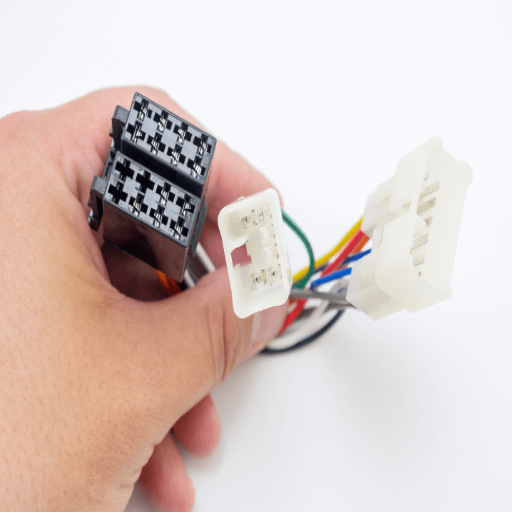
An electrical connector, by definition, refers to a component that enables joining electrical circuits with each other for forming a secure, reliable connection. The purpose of connectors is to facilitate the transfer or transmission of electrical energy from one or more conductors with minimum risk of disconnection or voltage drop, or other safety issues. Being simple and efficient, these connectors, like the Wago connector and wire nuts, find usage across residential, commercial, and industrial applications. The kind of connector chosen should ideally maintain the integrity of the system and its compliance with relevant electrical codes.
What are Wire Nuts?
Wire nuts are a family of twist-on connectors that physically join two or more electrical wires by twisting their exposed wire ends and enclosing them with a conical-shaped insulating cover. Wire nuts are typically made from flame-retardant plastic. Inside, wire nuts contain a metallic conductor coil designed to grip the wires firmly. Given their simplicity and cost-effectiveness, wire nuts have found extensive use in residential and commercial electrical installation for a safe connection that will negate shorts or accidental disconnections. Wire nuts are sized and color-coded for specific wire gauges or applications; the wire nuts constitute the standard that meets the requirements of the NEC standard wiring practices.
Overview of Wago Connectors
Wago connectors are specialized and tool-free wire connectors created to ease wire joining. While the traditional wire nut twists the wires together, the Wago connector uses a lever mechanism or push-in technology to clamp the conductors in place firmly. This technology guarantees a safe and efficient connection. The versatility of Wago connectors is evident in being able to accommodate solid, stranded, and fine-stranded conductors used in different settings, residential, commercial, or industrial.
The connector comes in different series, such as the 221 and 222, with suitable applications according to different wire capacity and voltage rating. Specific advantages of Wago connectors are ease of installation, time-saving, and reusable. Should the wires ever need to be disconnected or changed, it is a quick process that will not affect the integrity of the wires, making Wago connectors very handy in cases where modifications or maintenance are a regular occurrence.
These connectors conform to international safety standards and are well accepted in reducing loose connections, overheating, and other electrical issues. Being compact, they are great for use where free space is limited. They find usual applications in junction boxes, lighting systems, and controls. Till today, Wago connectors ensure safety and consistent performance and gain trust as a modern replacement for electrical wiring.
Importance of Choosing the Right Connector
Choosing the right connector has paramount importance in ensuring the reliability, operational efficiency, and safety of an electrical system. Acting as a bridge between two components, connectors, when improperly selected, cause unwanted heating, voltage drops, or a completely failed system. Current rating, voltage rating, environmental considerations, and other application-specific needs must be carefully assessed when choosing a connector. For example, industrial connectors may require higher durability and resistance to vibration, whereas residential connectors usually emphasize ease of installation and compact size. Unless the connectors abide by relevant standards and certifications, they are not guaranteed to meet those safety criteria. Considering all of the above ensures that the system has an extended lifetime, less maintenance, and, therefore, top performance.
Comparative Analysis: Wago vs Wire Nut
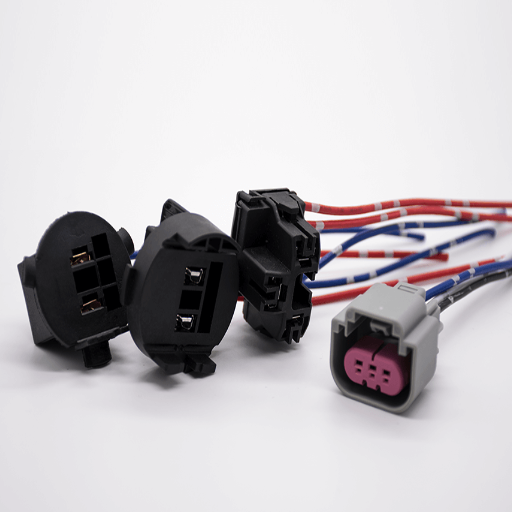
In Wago versus wire nut comparisons, ease of use and reliability come to the forefront of concern. The Wago connector uses a lever mechanism to create connections in seconds-fast and secure-without having to twist wires. This reduces installation time and errors. Wire nuts do not do that; they require one to twist wires together manually, which can sometimes be time-consuming and may end up with almost loose connections if not done properly.
Wago connectors are famous for their reliability and reusability, hence being favored for difficult wiring tasks or any environment where things are commonly changed. Wire nuts are cheaper and fine for simple work, but less versatile over time, especially when vibrations or environmental stresses come into play. In a nutshell, Wago connectors are the more advanced solutions that are easy to use, while wire nuts make an economic case for basic applications.
| Feature | Wago Connectors | Wire Nuts |
|---|---|---|
| Installation Method | Lever mechanism or push-in technology – no twisting required | Manual twisting of wires required |
| Installation Speed | Fast – seconds to complete | Slower – more time-consuming |
| Reusability | Highly reusable – easy to disconnect and reconnect | Limited reusability |
| Cost | Higher initial cost | Lower cost – economical option |
| Reliability | Highly reliable with consistent performance | Reliable when properly installed |
| Vibration Resistance | Excellent resistance | More susceptible to loosening |
| Best Applications | Complex installations, frequent modifications, tight spaces | Basic applications, cost-sensitive projects |
Design and Functionality
The Wago connector design adapted an innovative clamping mechanism that uses spring pressure to close connections with no need for twisting wires. With this, installation time is kept low, yet it assures consistent performance across varied application areas. These connectors accommodate different types of wires and sizes, deliberating on solid conductors, stranded conductors, and fine-stranded conductors. Their compact style and clear housing also allow for easy visual inspection as well as tight config space installations.
Meanwhile, wire nuts utilize a somewhat different fastening mechanism. Being threaded, they actually would twist the wires together against friction. While it is suitable for more basic applications, it is more prone to loosening when subject to vibrations or thermal expansions and requires greater manual effort to secure the connection. Wire nuts do not really offer much in the way of accessibility for varying wire types or repeated usage.
Overall, Wago connectors embody a sleek design with efficiency, safety, and variability in mind, thus making them suitable for modern-day installations. Vice versa, potential customers find wire nuts appealing for a time-tested solution for applications where enhancement to customer flexibility and resilience are the last priorities.
Ease of Use for DIYers
Wago connectors are usually described as more user-friendly by DIYers due to the tool-free lever mechanism, enabling quick connections secured without twisting or applying the force of specialized tools. This factor almost removes any chance of an error from the user and also helps avoid strain or fatigue during installation. The other advantage is that wire-end marking of these connectors helps in fast verification of wire placement or in double-checking, hence promoting safety. Wire nuts, however, are cheap and well known, whereas twisting of wires is required and sometimes can be a hassle with thick or stranded wires, especially from the untrained individual’s perspective. Wago connectors rank highest for the DIYers demanding ease of use, reliability, and adjustments with minimal effort in the future.
Reliability and Safety
The evaluations for reliability and safety in electrical connectors consider whether there are unsafe connections, the quality of materials, and whether they meet industry safety standards. Wago connectors are generally recognized as reliable since spring clamp technology accepts a wire for firm contact, yet the wire does not become loose over time. Enhanced reliability is assured due to corrosion resistance and higher tolerance against overheating provided by good-quality and durable materials.
Wago connectors have certification standards such as UL and IEC, which assure conformance to the safety and quality requirements. They are suitable for use in residential, commercial, and industrial environments. For added security, they incorporate locking mechanisms and display cases through which the wiring can be visually inspected. Hence, the risk of plain incorrect connections is minimized. Wire nuts, on the other hand, leave the installation vulnerable due to numerous human errors. Conversely, Wago connectors are designed to be fool-proof and simple to use for the professional and layman alike, ensuring the utmost safety and durability.
Wago Connectors: Features and Benefits
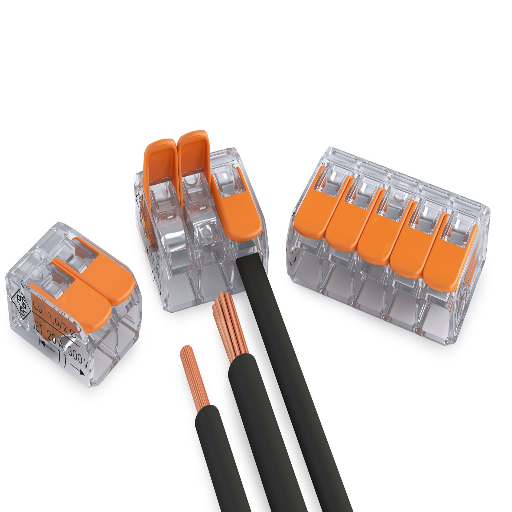
Features of Wago Connectors
- Push-in Technology: With push-in cage clamp technology, the Wago connector creates fast and secure connections without the use of screws or special tools.
- Compact Design: Wago connectors are designed to be compact, which makes them suitable for use in tight spots.
- Transparent Housing: The transparent casing allows users can look through and visually verify that the wires have been placed correctly and that the connections have been secured.
- Wide Wire Compatibility: Wago connectors can accept wires from a broad variety of sizes and types, and these include solid, stranded, and fine-stranded wires.
- Reusability: They can be disconnected and reused with ease, allowing for quick changes or repairs.
Benefits of Wago Connectors
- Safety: The locking mechanism locks the components securely in place such that installations are stable and correct; hence, there is less chance for electrical faults.
- Time-saving: The good design greatly reduces the time required for installation compared with traditional wire nuts.
- Reliability: Wago connectors have proven to perform consistently over time, made with strong materials and with spring pressure technology to maintain solid contact.
- Versatility: Suitable for any number of applications, from home-based small-scale projects to technically advanced industrial installations.
- Compliance: The connectors comply with various international codes dealing with safety and performance, ensuring that quality and reliability are assured in installations of professional-grade.
Introduction to Wago 221 Series
Wago 221 Series connectors are the newest and smallest wire splicing connectors that guarantee an easy installation and excellent electrical performance. They have clear housings so that one can view the connections and be sure that the wiring was done correctly and securely. With a simple lever operation, the Wago 221 allows quick, tool-less termination of alligator, stranded, and fine stranded conductors ranging from 24 to 12 AWG.
The Wago 221 Series is highly flexible, thus suited for a wide range of applications such as residential, commercial, and industrial installations. Its compact size provides for the optimal use of space in junction boxes and distribution enclosures, hence the nice and clean arrangement. The connectors are rated at 450V and 32A, which are good enough to sustain all operational provisions while respecting world safety standards such as UL and IEC.
In addition to that, Wago boasts an innovation in design aiming toward further testing and safety potentialities. The connectors have inbuilt test points, so electricians can verify voltage without having to dismantle the connection. The Wago 221 Series connectors have long been known for reliability and efficiency, being indispensably used by professionals looking for robust, efficient, and time-saving wiring solutions.
Advantages of Wago Lever Connectors
- Fast Installation: The Wago lever connectors allow for a speedy installation without any tools being required. They come with a lever mechanism that makes it very easy to connect or disconnect wires, ultimately saving a lot of time in assembly and maintenance.
- Versatility: They accept all types of wires, from solid, stranded, to fine stranded wires, making them extremely adaptable for a myriad of applications outside of residential, commercial, and industrial usages.
- Compact and Space-Saving Design: The slim profile of the Wago connectors allows them to fit perfectly in tight spaces such as junction boxes. Such designs, therefore, help keep clutter to a bare minimum while enhancing the overall clean look of the wiring system.
- Secure and Reliable Connections: The spring-pressure Ontario ensures that the wires are securely gripped with no chance of disconnection even with time, considering conductivity, and even under the harshest conditions.
- Enhanced Safety: Through its transparent housing, an inspector can observe the wire positioning, and the test points allow for quick voltage verification with no need to break existing connections, thereby increasing safety during installation and troubleshooting.
- Compliance with International Standards: Wago lever connectors come with stringent international standards such as UL and IEC certifications as the main criteria behind the acceptance of these devices for use with and assurance of safe performance of any and all electrical systems.
Such benefits are what make Wago lever connectors the professionals’ reliable and efficient wired solutions.
Wago Connectors for Different Applications
Wago connectors enjoy use in countless applications because they remain generic, reliable, and convenient. Below are some common uses of the Wago connectors:
Residential Wiring
Wago connectors are mostly used in house wiring for lighting circuit connections, outlet installation, and wiring of appliances. The connectors have been designed in such a way that they provide an easier process of connecting wires quickly and securely without needing any tools, even in limited spaces.
Commercial and Industrial Systems
The connectors come in handy in industrial automation, control panels, and HVAC applications. The advantages of the connectors to handle higher current loads and allow many conductor types in wiring make them an ideal solution for use in complex industrial environments. Another aspect is compliance with international standards, ensuring safe and reliable operation for heavy applications.
Renewable Energy Systems
Wago connectors are increasingly applied in renewable energy installations, including photovoltaic (solar) systems and wind energy applications. Their robust performance, resistance to environmental factors, and suitability for DC wiring make them indispensable for modern energy solutions.
Temporary Installations and Testing
For environments requiring frequent reconfiguration, such as laboratory settings or temporary event setups, Wago connectors offer a reusable, flexible solution that minimizes waste while maintaining electrical integrity.
By providing dependable connections across diverse settings, Wago connectors have become an essential component for electrical professionals seeking adaptable and efficient connectivity solutions.
Wire Nuts: Features and Benefits
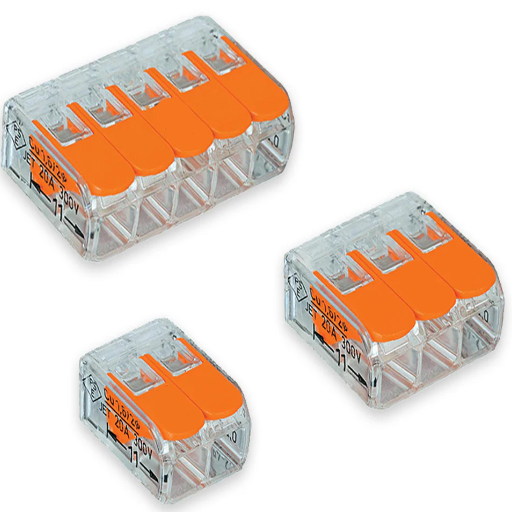
Wire nuts are probably the most common method used to make electrical connections, be they residential or commercial. Basically, the principle of wire nuts is simple: they are installed with a simple twist onto one or more single-conductor wires and are removed by reversing the twist. They are inexpensive, easy to install, and reusable. A wire nut has an insulated plastic shell that screws onto wire conductors and holds them firmly in place. The inside of the wire nut has a threaded metal coil, which allows just enough twisting to create a good connection, preventing a short or a loose connection between wires.
The advantages of wire nuts are: being able to fit different sizes of wires, offering good environmental protection from moisture and debris, and ensuring consistent contacts. The simplicity of applying wire nuts with minimal tools and the long-term reliability offered in any installation, barring that of temporary circumstances, are of especial concern.
How to Use Wire Nuts Effectively
-
Velocity Wire Nut Size
Select a wire nut that is designed to accommodate the specific gauge and number of wires you are connecting. Most wire nuts are color-coded for easy identification of the size range they promote. Always refer to the manufacturer’s specifications for compatibility.
-
Strip the Wire Insulation Properly
Use a wire stripper to carefully remove the proper length of insulation from the wire, about 3/4 of an inch. Make sure the exposed metal is clean and in no way damaged to allow good conductivity.
-
Align and Twist Wires Together
The wires should be held with stripped ends together, aligned evenly. The principal method involves pre-twisting the wires clockwise with a pair of pliers before applying the wire nut, while other brands may require direct insertion of the wires into the wire nut.
-
Install Wire Nut Securely
Push in the wires and continue turning the nut clockwise until it stops, giving the wires a firm hold. There must be no wire showing under the wire nut.
-
Test for Stability
Stop for a moment and give each wire a gentle tug, just to be sure that the wire nut is not letting go of the wires. A properly secured wire nut will stay in tight contact with the wires even if they are lightly pulled or physically strained.
-
Inspect and Finalize
Here again is a clear {safety hazard} if any ends of the wire are found sticking out of the wire nut. Consider going for wire nuts manufactured with moisture-resistant features if in a moisture or outdoor environment, or wrap the wire nut connections with electrical tape.
Thereby, you’ve made safe, reliable, and long-lasting electrical connections. Always work with your electrical system with local electrical codes and safety protocols simultaneously.
Common Misconceptions about Wire Nuts
Wire Nuts Are Only for Temporary Use
A conventional thought is that wire nuts are intended for just temporary solutions. However, when used according to proper installation, wire nuts offer a firm and permanent electrical connection. They are accepted as a permanent wire-splicing device in residential and commercial electrical works.
Wire Nuts Are One-Size-Fits-All
Does anyone think that just one size of wire nuts can be used for all wire gauges, which is not true. Those wire nuts are made for specific combinations of wire sizes and counts, and thus an improper size will make the connection insecure, further creating a safety hazard. Always check the manufacturer’s specifications before choosing a wire nut.
Before Using a Wire Nut, Always Twist the Wires Tightly Together
Although pre-twisting wires is sometimes an aid, one should not suppose it is always a must. Modern wire nuts feature internal threads or springs that engage in torsion and secure the wires during installation. Refer to any particular wire nut’s installation instructions for whether pre-twisting is necessary.
Wire Nuts Are Unsafe for High-Voltage Applications
Wire nuts are often thought to be unsuitable for high-voltage connections. That is just not true. Wire nuts are tested and UL-listed for various voltages. When used within their rated specifications, they constitute the safest and most effective method of joining wires in a high-voltage system.
Having dusted away these misconceptions, it becomes clear that wire nuts are just about as versatile an electrical item as one can use, provided they are applied correctly and in accordance with safety standards.
When to Choose Wire Nuts Over Wago Connectors
Depending on the use case and user requirements, each connector offers certain advantages. Wire nuts fit the best when dealing with different wire gauges, especially in the case of high voltages or when a solid mechanical connection is needed. The very design of a wire nut clamp ensures that wires are held tightly together, which could be very important in high-vibration and movement situations. Also, wire nuts are excellent with respect to cost and availability, making them ideal for any project where price is a considerable concern.
Conversely, Wago connectors are excellent for applications that require fast and secure wire connections without twisting, hence suitable for intricate installations or cramped spaces. On the other hand, wire nuts will still go best when the electrician needs to accommodate wire gauge mismatches or prefers an age-old, adaptable, and time-tested means of connection.
Practical Applications and Use Cases
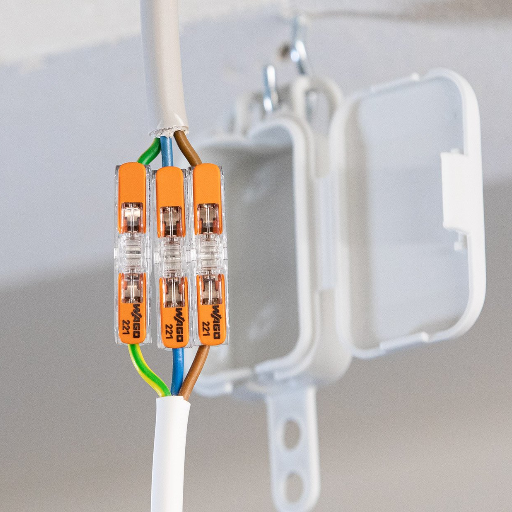
Wago connectors are highly effective in residential or commercial electrical projects where the primary concern is the quick termination of wires. They work best when joining multiple wires in a junction box, a lighting fixture, or a control panel, chiefly in tight or confined spaces. Wire nuts, in contrast, are typical in older electrical systems or in cases where the two wires joined are seldom of the same gauge, with the design better accommodating such mismatches. Both go the route depending on the changes needed in an installation process; Wago connectors emphasize ease of use and speed, while wire nuts emphasize flexibility and adaptability.
Using Wago Connectors in Residential Projects
Wago connectors ensure a safe and reliable working environment while saving valuable time during residential electrical installations. The lever-actuated system ensures that the wire is securely terminated without having to twist the wire. They accommodate solid, stranded, and fine-stranded conductors, so they are versatile in applications such as lighting circuits, switches, and outlet wiring. Being very small also allows efficient use in compact junction boxes. They also meet tough electrical standards, thereby forming a UL-listed solution to increase safety in residential systems. Fewer mistakes in installations, no other tools required to use them: thus, Wagos fast-tracks electrical projects, making them favored by professionals and DIYers alike.
Wire Nuts in Commercial Electrical Work
When commercial electrical works are contemplated, wire nuts serve as secure insulating connections, whose trustworthiness I am blessed with. When dealing with larger gauge wires and multiple conductors, wire nuts are commonly used. For instance, in applications for connecting lighting circuits or heavy-duty equipment, they are used. Moreover, the threaded design yields a firm mechanical connection necessary where harsh physical environments demand durability and years of service. Though they do take a little longer to install than push-in connectors, I would rather use them because their proven capability is there to maintain a stable connection under a fluctuating electrical load.
| Application Type | Recommended Connector | Reason |
|---|---|---|
| Quick Residential Installations | Wago Connectors | Fast installation, tool-free, compact design for tight spaces |
| Budget-Conscious Projects | Wire Nuts | Lower cost, widely available, proven reliability |
| Frequent Modifications | Wago Connectors | Reusable, easy to disconnect and reconnect without damaging wires |
| Mixed Wire Gauges | Wire Nuts | Better accommodation for wire gauge mismatches |
| Junction Box Wiring | Wago Connectors | Compact design, transparent housing for visual inspection |
| Heavy-Duty Commercial | Wire Nuts | Solid mechanical connection, proven durability under harsh conditions |
| DIY Home Projects | Wago Connectors | User-friendly, reduces installation errors, no special skills required |
| Lighting Circuits | Wago Connectors | Quick termination, suitable for multiple wire connections |
Best Practices for Splicing Wires
Best Practices to Splice Wires Safely and Efficiently
Tools and Materials
Use only high-quality tools, like good wire strippers and crimpers, and connectors rated for the wire gauge and application. The connector should be rated for the size and type of wire being used (e.g., solid or stranded). Thus, the connector will provide a more secure connection that is considered acceptable in electrical codes.
Prepare Wires Properly
Care must be taken when stripping the insulation to avoid nicking or damaging the conductive core. The stripped length should follow the requirements of the splicing method to be used for maximum contact. The stranded conductors must be twisted so that the strands remain together during the splicing process while also enhancing their stability.
Making the Connection
For wire nuts, wires should be twisted together before twisting on the nut. Crimp connections need to be properly applied, with crimps firmly and evenly applied all around the conductor. Such a mechanical bond is important to avoid connections from becoming loose and causing wire arcing or overheating.
Insulation of the Splice Area
The spliced area should be covered with electrical tape, heat shrink tubing, or pre-insulated connectors in order to prevent exposure and to reduce the chances of short circuits. Ensure proper fitting and extend the insulation beyond the splice area for adequate protection.
Test the Connection
With the splice complete, the connection will undergo testing via a pull test(almost an inexact art) in which you pull the wires gently to check their stability. Use the multimeter to check continuity as well as any active load condition.
Local Electrical Codes Must Be Followed
Always respect codes and regulations relevant to your locality and application. Splicing otherwise could be considered PIR or a safety hazard.
This method should result in wire splices that are reliable and long-lasting, suitable for residential, commercial, and industrial purposes.
Conclusion: Making the Right Choice
Summary of Key Differences
Both Wago connectors and wire nuts serve essential roles in electrical installations, each with distinct advantages tailored to specific applications. Understanding their differences helps electricians and DIYers make informed decisions that prioritize safety, efficiency, and cost-effectiveness.
Wago connectors represent modern innovation in electrical connectivity. Their lever mechanism and push-in technology eliminate the need for wire twisting, dramatically reducing installation time and the potential for human error. The transparent housing allows for visual verification of proper wire placement, while the spring-pressure clamping system ensures consistent, reliable connections that resist loosening over time. Their reusability makes them ideal for applications requiring frequent modifications or maintenance, and their compact design is perfect for tight spaces like junction boxes. While the initial cost is higher, the time savings and reduced labor often justify the investment, especially in commercial and industrial settings.
Wire nuts remain a proven, economical solution that has stood the test of time in electrical work. Their simplicity, widespread availability, and low cost make them attractive for budget-conscious projects and straightforward installations. The threaded design creates a solid mechanical connection that performs reliably when properly installed, and they excel at accommodating mixed wire gauges. For commercial applications involving larger conductors or harsh environmental conditions, wire nuts provide the robust, durable connections needed for long-term reliability.
Factors to Consider When Choosing
- Installation Speed Requirements: Choose Wago connectors when time efficiency is paramount
- Budget Constraints: Wire nuts offer excellent value for cost-sensitive projects
- Frequency of Modifications: Wago connectors excel in applications requiring regular changes
- Wire Type Compatibility: Wago connectors handle various wire types effortlessly; wire nuts accommodate gauge mismatches better
- Space Limitations: Wago’s compact design works best in confined areas
- User Skill Level: Wago connectors are more forgiving for less experienced installers
- Environmental Conditions: Consider vibration, temperature, and moisture when selecting
- Code Compliance: Ensure chosen connector meets local electrical codes and standards
Final Recommendations
For modern residential installations, renovations, or any project where ease of use and installation speed matter, Wago connectors offer significant advantages. Their fool-proof design minimizes errors and their reusability supports sustainable practices by allowing wire reuse without damage.
For traditional commercial work, large-scale projects with budget constraints, or applications involving mixed wire gauges and heavy-duty connections, wire nuts remain an excellent choice. Their proven track record and mechanical reliability continue to make them indispensable in the electrical industry.
Ultimately, many professional electricians keep both connector types in their toolkits, selecting the most appropriate option based on each project’s specific requirements. Understanding the strengths and limitations of each connector type ensures safe, efficient, and code-compliant electrical installations that stand the test of time.
⚠️ Safety Reminder
Always prioritize safety when working with electrical systems. Ensure power is disconnected before beginning any electrical work. Follow all local electrical codes and regulations. When in doubt, consult with a licensed electrician. Proper connector selection and installation are critical for preventing electrical hazards, including fire, shock, and equipment damage.
Reference Sources
Frequently Asked Questions (FAQs)
What are Wago vs. Wire Nut Connectors?
Wire nuts and Wago connectors were both used for joining electrical wires, although they do differ in functioning. Wire nuts twist onto the wires for a tight set of wires, while Wago connectors (especially those from the Wago 221 series) are designed with levers for a more dependable and safer connection. In this sense, Wago connectors are easier to operate and are less prone to failure than traditional wire nuts.
With respect to wire nuts, what are the differences in the Wago 221 wire connectors?
The advantages Wago 221 wire connectors hold over wire nuts are many. They allow the insertion of solid or stranded wires in one fast step without twisting. This saves time while eliminating short circuits or loose connections that may present liability issues. Another of the benefits of Wago connectors is that they are reusable, which increases their versatility in DIY jobs.
Are Wago connectors safer than wire nuts?
Yes, Wago connectors are sometimes referred to as being safer than wire nuts. The lever action of the Wago connector ensures good gripping power on the wires, so it cannot become loose. This is especially important in high-voltage applications where a secure connection is the main concern. Also, the Wago design reduces the risk of exposed conductors, which could be a hazard in cases of an improper wire nut application.
What kind of wires are compatible with Wago 221 connectors?
Various wires are acceptable for Wago 221, including both solid and stranded wire. The connector accommodates different conductor sizes and is therefore suited for a wide range of electrical applications. This is one reason why many professionals in the trade prefer Wago connectors to wire nuts.
Are there instructional videos to help you learn to use Wago connectors?
There are many instructional videos available online that show one how to use Wago connectors. Usually, these videos include topics such as inserting wires into the Wago connector properly, the benefits of using Wago connectors versus wire nuts, and some tips for electrical applications. It will be of particular help for DIY enthusiasts to watch such tutorials to further strengthen their skills.
What is the Wago 221 series-and what are its advantages?
The Wago 221 series refers to a small set of wire connectors with many benefits, most of which come under those that contribute to speed and ease of use. Compared with wire nuts, which must be twisted to hold the wires, Wago 221 connectors use a simple lever mechanism to clamp the wires in place. Such a mechanism makes connecting faster, while the design guarantees equally strong joints each time, which could easily lessen the chance of failure.
Are Wago wire connectors reusable?
Yes, Wago wire connectors are reusable, which gives them a significant advantage over wire nuts. If a connector application needs to be changed or is not removed, one can comfortably open the lever, remove the wire, and then reuse it for a different application. This feature makes a Wago connector far less of an expense for both professionals and DIYers.
Which is better for DIY projects: Wire nuts or Wago connectors?
From the perspective of a DIY project, Wago connectors are most often the better choice compared to wire nuts. Their convenient design facilitates fast connections without specialized tools. Being able to reuse Wagos may also lead to time and money savings, thus making them a practical option for anyone who wants to safely and efficiently undertake electrical work.