








When choosing suitable wire and cable sizes for electrical projects, industry nomenclature becomes essential. Two universally used terms, ‘kcmil’ and ‘mcm,’ often confuse most beginners or those seeking to update their technical knowledge. But what actually are these terms, and can we compare them? This article examines the differences between KCMIL and MCM, their meanings in electrical work, and how both terms relate to wire sizing standards. Whether you are an electrician, engineer, or DIYer, this article will clear all the fog and help you finish your task successfully. So, stay with us as we delve into the nitty-gritty details behind these critical measurements and explore their applications in the world of power distribution.
Cable Size Fundamentals
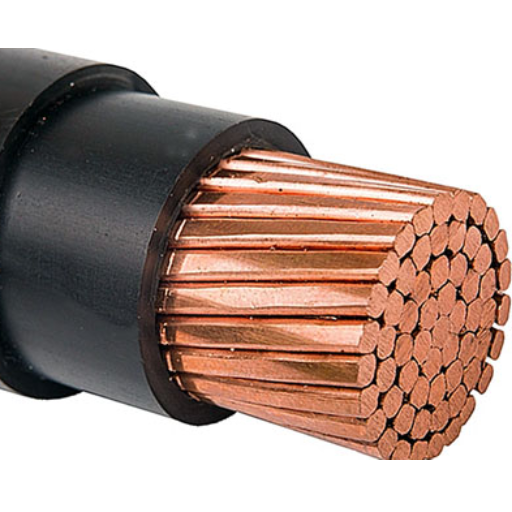
The size of an electrical cable plays a key role in good performance and safety. A cable can carry a certain amount of current without excessive heat buildup or voltage drops. The sizes are generally in circular mils (CM), and larger cables carry more current. Primarily based on the current rating, voltage, and distance (length of the cable or wires), a cable size is typically determined in most common applications. A cable size chart ensures compliance with electrical standards and safe operation of your equipment or system.
What is kcmil?
KCMIL Definition: “kcmil,” or thousand circular mils, is a measurement unit widely adopted in the electrical trades for designating a wire or cable’s cross-sectional size. It is the area of a circular wire whose diameter is measured in mils (with one mil corresponding to one-thousandth of an inch). The “k” stands for “thousand,” hence, kcmil means thousands of circular mils.
This unit comes in handy with huge conductor sizes because it’s far easier to communicate and calculate in kcmils than it would be with smaller units, such as square inches. To put it more understandably, one kcmil is equal to 1,000 circular mils, while one circular mil equals 0.0005067 mm².
Common Examples: 250 kcmil, 500 kcmil, and 750 kcmil are the common ones that industrial companies utilize. Higher kcmil values mean that the electrical cable can carry more current; hence, they are used in heavier electric installations.
Proper usage of kcmil-size cables is crucial to system safety, while also helping to reduce energy loss and meet standards such as the National Electrical Code (NEC).
What is mcm?
MCM Definition: MCM, or “thousand circular mils,” is a unit of area used in measuring the electrical conductor’s cross-section. It is the very same as kcmil (kilo-circular mils), with both being used interchangeably. The circular mil is the area of a circle whose diameter is one mil (1/1000 inch), and 1 MCM would then be 1,000 circular mils.
The unit is typically used for large electrical cables, where the higher the MCM, the larger the conductor and hence the greater the capacity for current, thereby making them suitable for heavy power or industrial applications. It is essential to understand these MCM ratings initially, both to ensure the construction meets specific electrical standards and to enhance system performance.
Importance of Wire Size in Electrical Applications
The very safety, efficiency, and functioning of the electrical system demand that the correct wire size be selected. In an electrical sense, the wire size determines the current and is thus chosen based on factors such as its capacity to carry current, voltage drop, and the application. Wires that are smaller than required may generate heat, lose energy, or become fire hazards, whereas wires that are larger than necessary cost more to purchase and to install.
To standardize the measurements, the American Wire Gauge system and MCM designation ensure that the wire is correctly sized for the electrical load, distance, and ambient working conditions. With correctly sized wires ensuring the electrical installation complies with codes such as the National Electrical Code (NEC), therefore, installing the wires correctly will represent one of the best methods to improve the reliability and service life of the system itself.
Comparing kcmil and mcm
Key Comparison Point
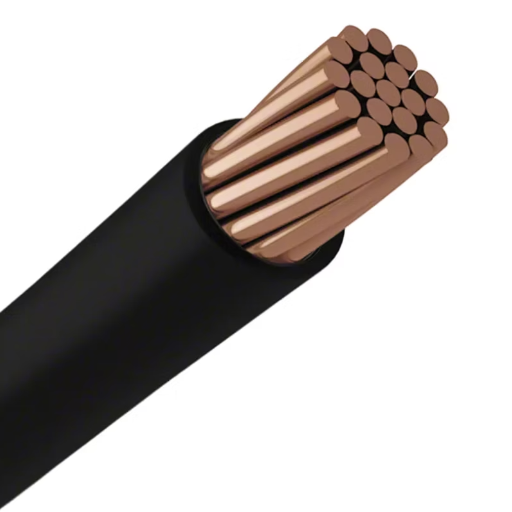
kcmil and MCM are terms used interchangeably to mean the same thing when referring to wire size. Both terms mean one thousand circular mils, which is the standard measure for wire cross-sectional area. Kcmil is the term most commonly used in present-day electrical standards and codes, while MCM is an older term. They are different in name only; hence, the two terms have the exact same definition and can be used interchangeably in electrical calculations or system design.
Differences Between kcmil and mcm
The fundamental differentiation between kcmil and MCM is, rather, in their usage and historical context, rather than the units they themselves indicate. Both names describe the same value, wherein kcmil stands for “thousands of circular mils” and MCM is the archaic contracted term derived from the Roman numeral convention, where M stands for 1,000. Thus, one kcmil corresponds to 1 MCM on a functional basis; they are both equal to 1,000 circular mils.
| Aspect | KCMIL | MCM |
|---|---|---|
| Full Form | Thousand Circular Mils | Thousand Circular Mils |
| Origin | Modern SI-based terminology | Roman numeral convention (M = 1,000) |
| Current Usage | Preferred in modern NEC standards | Found in older documentation |
| Measurement Value | 1 kcmil = 1,000 circular mils | 1 MCM = 1,000 circular mils |
| Industry Preference | Recommended for new projects | Legacy systems and old documents |
The kcmil nomenclature was introduced in newer electrical standards, such as the National Electrical Code (NEC), making it more popular due to its relevance to the SI-unit system and more precise connotation. By contrast, MCM saw usage mostly in old documents and specifications, whereas kcmil is more prevalent in the present day, particularly in industries such as wire and cable manufacturing.
Nowadays, KCMIL has gained prominence and is therefore recommended in electrical engineering to standardize technical documents and standards worldwide.
Again, kcmil measurements determine the ampacity. For instance, a copper conductor with 500 kcmil generally has an ampacity ranging from approximately 380 to 400 amps at a typical ambient temperature, depending on insulation specifications and installation conditions. An awareness of this KCMIL-MCM equivalence is essential for correct sizing in various industries, ensuring compliance with safety regulations.
When to Use kcmil vs mcm
The terms kcmil and MCM are used interchangeably, as both stand for the same unit of measurement for large conductor cross-sectional areas in electrical systems. However, “kcmil” is the term modernly used and is supported by national and international standards, such as NEC, or the National Electrical Code, whereas MCM is its older form. The preference for kcmil lies in its direct translation into “thousands of circular mils,” thereby eliminating ambiguity and aligning with current technical documentation conventions.
Both terms retain their mathematical integrity; thus, you can interchange them as you see fit, though consistency should be maintained within a project.
Typical Applications for Each Size
250 kcmil Applications
Usually used in commercial and industrial electrical systems, such as powering transformers, feeders, or large motors. Due to its high current-carrying capacity, medium voltage systems favor it.
500 kcmil Applications
Usually used in heavy power distribution, such as main feeders and distribution cables for high-demand buildings and facilities like hospitals, factories, and office complexes. This size is preferred due to its ability to tackle heavy electrical loading.
750 kcmil Applications
Typically encountered in severe industrial, substation, and significant infrastructure works, thus granting high-current capacity where heavy-duty power transmission is required.
1000+ kcmil Applications
May be suitable for specific high-voltage applications, such as power-generating plants, very long transmission lines, or utility-scale renewable energy projects. The cable could sustain large electrical loads over long distances with minimal power losses.
Depending upon the load, system requirements, and environmental referents, the cable size shall be chosen, thereby ensuring efficiency and safety in actual applications.
Understanding 300 mcm Copper Cable
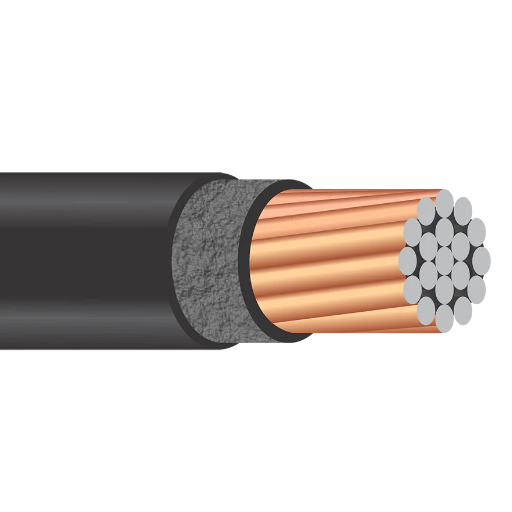
The typical applications of a 300 mcm copper cable range chiefly from medium to high power. The cable is suitable for various industrial and commercial loads, including power distribution, electric panels, and the connection of large machinery. Due to its size, this cable effectively handles heavy electrical loads while retaining flexibility for easy installation. Tracking the copper makes the cable perform reliably and resist corrosion, making it a good choice for long-term usage.
Specifications of 300 mcm Copper Cable
The 300 mcm copper cable has been specially designed for applications requiring high performance, combining durability and best conductivity. Here are the specifications in detail:
- Conductor Material: Soft-drawn annealed copper for the best electrical conductivity.
- Conductor Size: 300 mcm (thousand circular mils), approximately 152 mm² in cross-sectional area.
- Voltage Rating: Rated for up to 600 volts for typical applications.
- Temperature Rating: Temperature rating of 90°C for dry locations and 75°C for wet environments.
- Insulation: Usually enclosed in cross-linked polyethylene (XLPE) or PVC insulation, with good resistance to heat, chemicals, and abrasion.
- Ampacity: Rated for about 285-350 amps according to installation conditions (ambient temperature and conduit configuration).
- Outer Diameter: The standard outer diameter ranges from 0.76 to 0.85 inches, providing the wire with flexibility for installation in various types of applications.
- Weight: Approximately 1.3 pounds per foot, depending on different types of insulation.
- Compliance standards: It meets or exceeds the UL, NEC, and IEC standards, ensuring safety and performance in electrical systems.
The 300 mcm copper cable, due to its sturdiness and durability in demanding situations, is a viable solution for electrical power transmission in the commercial and industrial sectors.
Advantages of Using 300 mcm Copper Cable
- Electrical Conductivity: As a metal with high conductivity, it ensures power transmission with minimal variation in energy.
- Durability and Longevity: 300 mcm copper cables feature a robust construction that withstands abrasion, corrosion, and other environmental factors, making them suitable for demanding long-term applications.
- Heat Resistance: Copper cables remain unscathed by the ravages of temperature rise, maintaining steady and efficient performance even while carrying heavy electrical loads.
- Flexibility and Ease of Installation: Though quite suitable for heavy applications, copper works for a little bit more flexibility, making it much easier to install for either a complex or straightforward setup.
- Reliability in Critical Systems: The best performance of these cables, along with their certifications, according to industry standards, enables them to be used in critical systems where reliability and continuous operation are paramount.
- Sustainability: Since copper is recyclable, it presents a green alternative when fulfilling electrical requirements.
Installation Considerations for 300 mcm Copper Cable
When it comes to the installation of 300 mcm copper cable, all major factors must be considered for safe, low-cost, and conforming to the appropriate electrical standards:
- Conduit and Bending Radius: The large cable requires a correspondingly large conduit to accommodate its diameter, thereby preventing strain. The minimum bending radius must be followed, depending on the cable type and size, to prevent damage during the installation process.
- Ampacity and Temperature Ratings: The cable ampacity should be by the planned electrical load and temperature rating of the environment. Overloading the cable or placing it in an environment with higher temperatures can cause damaging effects on the cable insulation.
- Proper Grounding: Grounding is a critical safety issue and is mandated by electrical code regulations. Improper grounding may create dangerous situations.
- Pulling Tension: Maintain an appropriate level of pulling tension throughout the installation to prevent any force that may damage the cable’s insulation and mechanical structure.
- Code: Always follow the NEC or local rules for installation to meet jurisdictional standards, including those for derating factors, conduit fill requirements, and environmental considerations.
The installation and completion of 300 mcm copper cable shall be done safely and effectively to ensure optimal performance in both residential and industrial applications.
Requirements for Using KCMIL and MCM
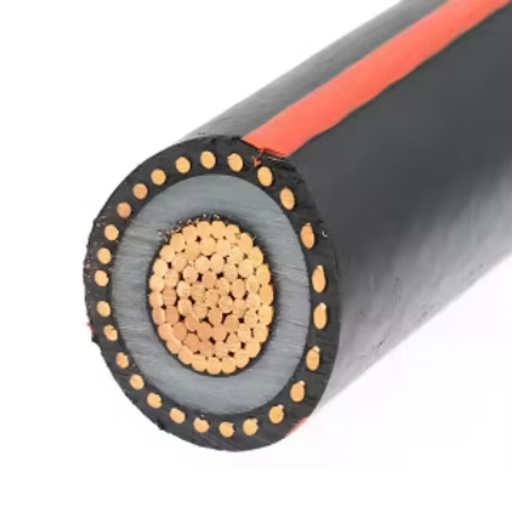
- Voltage Rating: Ensure that the cable’s voltage rating is equal to or greater than the voltage rating of the electrical system it will serve. Check with the manufacturer to confirm compatibility.
- Ampacity Calculation: Ensure that the ampacity of the cable meets the necessary ampacity current demands of the system. Calculate or double-check conductor sizes by using charts or tables within the NEC.
- Temperature Rating: Ensure insulation can withstand the temperature present within the working environment and that any derating factors are taken into account.
- Conduit Fill Rules: The NEC rules for conduit fill shall be followed to minimize overheating and for proper installation.
- Connection Compatibility: Ensure that connections and terminations are suitable for the size and type of KCMIL or MCM conductors used.
Measuring against these requirements ensures safe and efficient operation while ensuring the specifications are in regulatory compliance.
Electrical Code Compliance
Electrical code compliance ensures a safe, reliable, and efficient installation. Below is a consolidated response to those compliance questions:
- Conductor Ampacity: To determine the ampacity of conductors, the NEC ampacity chart should be used, taking into consideration the type of insulation, ambient temperature, and derating factors. Specific adjustments must be made when high temperatures or multiple conductors are present in a single conduit.
- Temperature Ratings: Conductors shall have a temperature rating equal to or higher than the rating of that condition under which they will operate in the environment of application. The common types of insulation include THHN, XHHW, and XHHW-2, each with its own specified operating temperature limit.
- Conduit Fill: The NEC specifies limits for conduit fill: 40 percent for one cable, 31 percent for two cables, and 53 percent for three or more cables in a single conduit. Exceeding these limits can lead to overheating.
- Connector Compatibility: Proper connectors and terminations must be used. They must match the size, type, and material of the conductors (if copper or aluminum) to make a secure connection, and failure will prevent.
Determining the Right Size for Your Project
When planning your electrical project, the wire size to be selected must be appropriate to ensure safety, efficiency, and adherence to electrical codes. Wire size is designated by gauge and directly relates to the capacity of current that can flow safely through that wire. Thus, 14 AWG wire is generally used for light circuits that can handle a maximum current of 15 amps; on the other hand, 12 AWG wires are employed for points and outlets that can carry a maximum current of 20 amps.
Calculating the right size depends on such things as load, the length that current is to travel, and the allowable voltage drop, generally assumed to be no more than 3%. The greater the distance, the more viable becomes the option of a voltage drop. With longer runs, undersized wires could lead to inefficiencies, overheating, or the possibility of fire. For a 120-volt, 15-amp load circuit of approximately 100 feet, a 10 AWG wire could be the option to maintain the voltage drop within acceptable limits, whereas under normal load resistance, a 14 AWG wire would have sufficed.
Materials also play a role in sizing. Since copper wires conduct electricity better than aluminum ones, they can carry more current for their given size: conversely, aluminum wires need larger-gauge sizes to perform the same. Always check the latest ampacity charts and NEC guidelines to ensure your designs meet their requirements and conform to safety parameters. Combining all of these considerations would present you with the best size for a quietly performing installation.
Factors Affecting Cable Selection
Typically, when selecting the main cable, I consider various factors to ensure it meets both performance and safety requirements. The first factor to consider is the current-carrying capacity, or, in other words, whether the cable can handle the electrical load without overheating. The installation environment must be considered in terms of temperature, moisture, and chemical exposure, among other factors, which can impact cable life. Voltage drop also needs to be reviewed, as a very long run can lead to energy loss. Another consideration is to verify that the cable meets NEC guidelines and local regulations for safe and legal installation. Once all these points are taken into consideration, I know I can really proceed with the cable fitting for the project.
Choosing Between kcmil and mcm for Your Needs
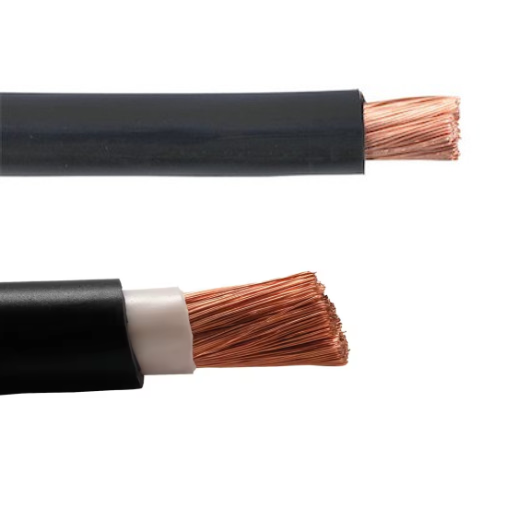
The choice between KCMIL and MCM frequently boils down to industry standards and the specific issue at hand. Both are just different names for the exact measurement; kcmil is the designation in the present-day electrical standards. The NEC generally acknowledges the term “kcmil,” setting it up as the default for compliance purposes.
Practical use dictates the name kcmil, as it is in more current documents. This assures a developer’s seamless communication with suppliers, contractors, or engineers who are familiar with the terminology. Whichever you choose does not affect the workings of your electrical system, given they are precisely equal in measure. Making an informed decision based on your project’s standards and codes, as well as the preferences of the stakeholders, is therefore recommended.
Reference Sources
Frequently Asked Questions (FAQs)
What is the difference between kcmil and mcm in electrical products?
Kcmil and mcm both refer to the same unit of measurement, which stands for “kilo circular mils.” The kcmil is commonly used in the United States, while the mcm can be more prevalent in other regions. Both terms refer to the cross-sectional area of electrical conductors, which is crucial for determining the current-carrying capacity of cables.
How do kcmil and mcm measurements require different calculations?
The calculations for kcmil and mcm do not differ; they both represent the same physical area. However, when comparing these measurements to AWG sizes, understanding their relationship is key. Kcmil and mcm can be converted into square millimeters for a clearer perspective. For example, one kcmil is equal to approximately 0.5067 square millimeters.
In what applications are kcmil and mcm cables used in industrial settings?
Kcmil and mcm cables are often used for larger conductors in industrial and commercial settings, including data centers, utility substations, and machinery and equipment. Their substantial cross-sectional area enables them to handle higher currents, making them suitable for critical applications such as generators and HVAC systems.
How does the AWG vs. KCMIL comparison help in selecting a cable?
When comparing AWG sizes to kcmil, it’s essential to note that higher AWG numbers correspond to thinner conductors, which may not be suitable for high-current applications. This comparison enables you to select the most appropriate product based on the required current capacity for specific electrical systems.
What is the significance of the diameter of one mil in kcmil and mcm cables?
The diameter of one mil is a crucial factor in determining the cross-sectional area of conductors. In kcmil and mcm terminology, it helps in understanding how these measurements are derived. Each kcmil represents a circular area defined by a diameter of one mil, which is significant when calculating the necessary conductor size for different electrical applications.
Are kcmil and mcm cables suitable for everyday applications?
While kcmil and mcm cables are primarily designed for larger-scale industrial use, they can also be utilized in everyday applications, particularly when high currents are involved. However, for smaller conductors or lower power needs, standard AWG sizes are often more appropriate.
What types of products require kcmil and mcm specifications?
Products that require kcmil and mcm specifications include large commercial electrical systems, power distribution units, and components used in complex electrical grids. These specifications ensure that the conductors can handle the operational demands of various applications, from escalators in shopping malls to heavy-duty machinery.
Can kcmil and mcm cables be used interchangeably in electrical projects?
Yes, since kcmil and mcm refer to the exact measurement, they can be used interchangeably in electrical projects. However, it’s essential to ensure that all specifications and requirements align with the local standards and practices, as terminology may vary across different regions.
How do larger conductors impact the performance of electrical systems?
Larger conductors, measured in kcmil or mcm, enhance the overall performance of electrical systems by allowing for the transmission of higher currents with reduced resistance. This capability is vital in critical applications where performance and safety are paramount, such as in data centers and utility substations.