

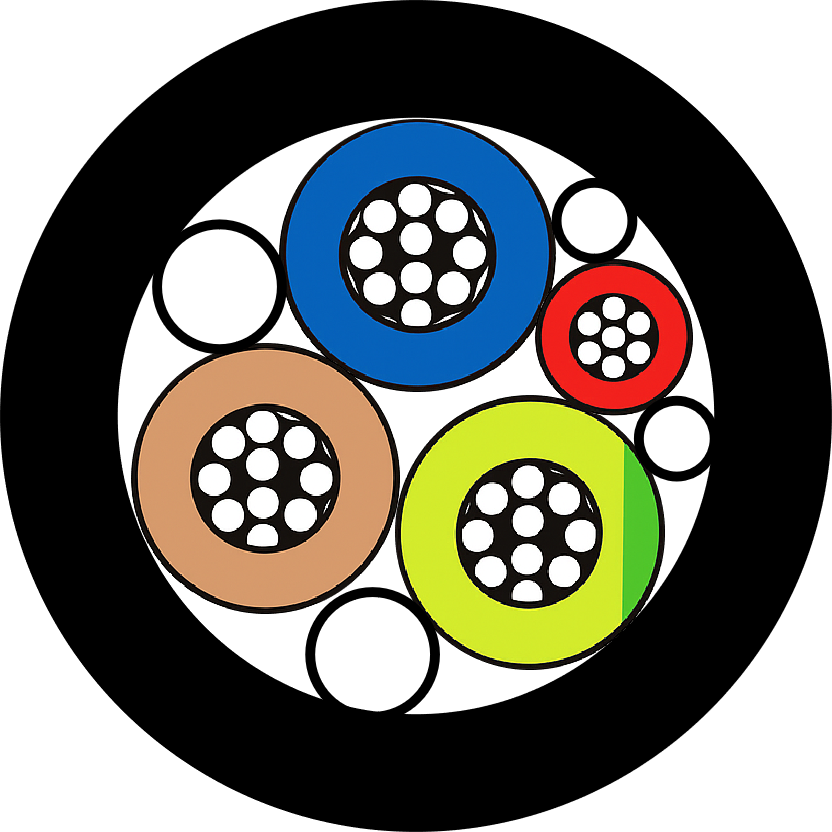





Introduction to Insulation and Wire Types
Wire insulation refers to the protective outer coating that may be applied over electrical wires to prevent electrical current from contacting conductive materials or surfaces. It works to ensure safety by reducing the risk of electrical shock, short circuits, and fire hazards. The insulation materials used have a significant influence on a wire’s lifespan, heat resistance, and flexibility. PVC (polyvinyl chloride) is used mainly due to its lower cost and versatility; rubber is utilized for its flexibility; Teflon is used in environments that require high heat resistance. Hence, choosing the proper insulation largely depends on the few needs of a project, such as temperature tolerances, exposure to elements, or electrical load.
What is Wire Insulation?
It is an insulating material that surrounds an electrical conductor to prevent shocks, short circuits, and even fire. It acts as a barrier to prevent energy loss, guards against environmental conditions, and allows for the safe and efficient conduction of electricity. Modern wire insulation materials are designed to meet specific industrial standards and performance requirements.
The choice of wire insulation is often influenced by factors such as temperature resistance, chemical exposure, flexibility, and electrical properties. For example, PVC (polyvinyl chloride) insulation is widely used due to its cost-effectiveness and reliable performance at temperatures up to 194°F (90°C). On the other hand, XLPE (cross-linked polyethylene) insulation offers superior heat resistance and dielectric strength, withstanding temperatures up to 302°F (150°C). Materials like Teflon (PTFE) excel in high-performance environments, offering resistance to extreme temperatures, chemicals, and moisture.
The importance of wire insulation extends beyond residential and industrial applications. For example, in the aerospace and automotive sectors, insulation must withstand extreme conditions, including high temperatures and vibrations. Similarly, for renewable energy systems, such as wind and solar, insulation is exposed to UV radiation and ozone.
Therefore, selecting the appropriate insulation material is crucial for ensuring that electrical systems operate safely and reliably in various environments.
Importance of Electrical Wire Insulation
Electrical wire insulation plays a vital role in safeguarding electrical systems and ensuring reliability across a wide range of applications. Insulation not only protects users from electrical shocks but also prevents short circuits and electrical fires, which are among the leading causes of property damage globally. According to recent industry data, electrical fires account for over 10% of structural fires annually, underlining the critical importance of proper insulation.
Critical Safety Statistics
10%
200°C
20%
Materials of various sorts of insulation, such as PVC, rubber, and Teflon, have properties suited for specific applications. For instance, Teflon is primarily used in situations where high heat exposure is encountered, as it can withstand temperatures of approximately 200°C. Meanwhile, thermoplastic insulation is widely used in household wiring for its flexibility and economical cost. In recent times, with advancements in the field of materials science, a new type of insulation that is eco-friendly or environmentally friendly has been developed; for example, biodegradable polymers.
And selection and maintenance of insulation will prolong the life of electrical plants. Studies have shown that deterioration of insulation materials, due to certain environmental factors such as moisture and UV exposure, may reduce the efficiency and lifespan of a system by 20%. New advances in insulation types with improved resistance to fire and self-extinguishing characteristics further reduce the risk and improve scenarios from a safety perspective.
Electric wire insulation is gaining importance with increasing demands for efficient power systems to support renewable energy, whether electric vehicles or smart grid technology. Apart from the performance of an electrical system, insulation plays a crucial role in supporting worldwide safety, efficiency, and sustainability.
Overview of Different Types of Wire
Electrical wires are classified into their types based on materials, insulation, and uses. The most common types are as follows:
Copper Wire
Copper is the most widely used material for electrical wiring due to its greater conductivity, durability, and flexibility. Copper wiring is suitable for use in residential, commercial, and industrial applications. Copper wires are used in power generation, distribution, and telecommunication systems.
Aluminum Wire
Aluminum wires are a lighter and less expensive option than copper, although they are not as conductive. It is used for power transmission purposes and other large-scale applications that consider weight and costs. Nevertheless, aluminum wires rarely need special connections to avoid oxidation.
Tinned Copper Wire
These wires have a copper coating with tin to offer a slight degree of corrosion resistance. With such a coating, tinned copper wires are used in marine and outdoor settings where moisture exposure is a variable.
Insulated Wire
Wires with insulation made of thermoplastic or thermoset material are designed to protect against shock potentials and environmental influences. Wired insulation is essential in terms of heat, moisture, and abrasion resistance.
Magnet Wire
Magnet wires are coated with thin insulation and are primarily used in transformers, motors, and inductors. Within these devices, they provide electromagnetic fields.
Based on the balance between performance, safety, and cost, these types of wires are widely applied in various specialized applications according to the requirements.
Types of Wire Insulation
| Insulation Type | Key Properties | Temperature Range | Primary Applications |
|---|---|---|---|
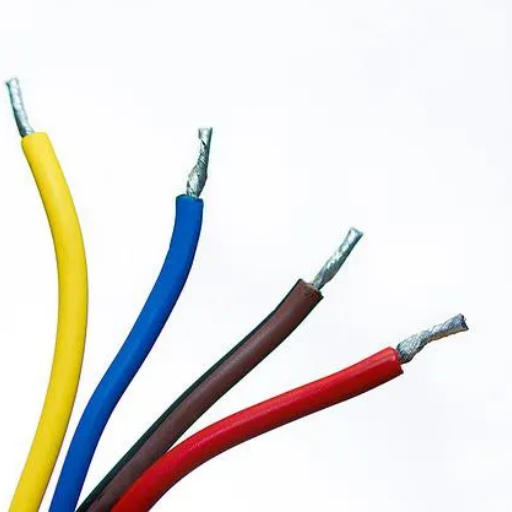
| PVC (Polyvinyl Chloride) | Cost-effective, moisture resistant, moderate heat resistance | Up to 194°F (90°C) | General-purpose applications |
| XLPE (Cross-Linked Polyethylene) | High durability, chemical resistance, higher temperature tolerance | Up to 302°F (150°C) | Industrial and heavy-duty environments |
| Teflon (PTFE) | Extreme heat resistance, chemical stability | Up to 500°F (260°C) | High-temperature, high-frequency applications |
| Rubber | Flexible, weather-resistant, heat and moisture protection | Varies by compound | Portable cords and cables |
| Silicone | Heat-resistant, flexible | Extreme temperature applications | Specialized uses |
The common types of wire insulation are selected based on the application’s demands in terms of performance, durability, and affordability.
Common Types of Insulation Materials
Polyvinyl Chloride (PVC)
PVC has been widely used for electrical insulation due to its exceptional durability, flame-resistant properties, and low cost. Chemicals and oils also serve to increase the lifespan of PVC when used in demanding environments, making it suitable for domestic wiring as well as industrial cabling.
Teflon (PTFE)
Commonly known as Teflon, PTFE is a top-notch insulation material for extreme temperatures. It is nonflammable, with strong resistance to chemical attacks, making it an excellent product for the aerospace, automotive, and high-frequency electronic industries.
Cross-linked Polyethylene (XLPE)
XLPE is renowned for its excellent thermal and electrical properties. Due to its robustness, XLPE exhibits increased life, enhanced moisture resistance, and corrosion-resistant properties, making it a suitable material for use in power cables.
Fiberglass
It offers good temperature stability and is primarily used in areas where extreme heat is present, such as in furnaces and industrial operations.
Polyethylene (PE)
Polyethylene is considered indispensable for the synthesis of cables used for phone purposes and general communication, given that this lightweight material has high dielectric strength and excellent moisture resistance. PE insulation is applied in coaxial cable communications and submarine communications.
Evaluating insulation materials based on their thermal range, elasticity, resistance, and overall cost helps us determine which one is more effective in achieving its purpose. Different insulation materials offer various properties suited to different operational and environmental conditions.
Rubber Insulation vs. Other Insulation Types
It is due to its flexibility, durability, and resistance to environmental harm that rubber insulation enjoys the distinction of being among the most preferred options in both industrial and residential application sectors. Rubber-based products, such as EPDM (ethylene propylene diene monomer) or silicone, will perform well against extremes of temperature, which can range from as low as -76°F to as high as 300°F, depending on the specific compound of rubber used. These wide temperature ranges of interface rubber insulation accommodate both high-heat and cryogenic applications.
However, rubber insulation tends to have a higher cost compared to standard thermoplastics, such as PVC. Where budget constraints are concerned, PVC, being inexpensive with a fair range of performance, is the option of choice, particularly when installation is indoors, and exposure to extreme weather conditions is minimal.
Flame retardation in the case of rubber insulation typically requires the use of chemical additives to enhance fire performance. Specialized compounds, such as XLPE (cross-linked polyethylene), are inherently very good flame retardants and are therefore designed for situations where a high degree of fire safety is required.
Ultimately, the choice between rubber insulation and other options depends on factors such as environmental conditions, mechanical requirements, and costs. Rubber is preferred mainly in demanding dynamic environments, whereas materials like PVC and PE are usually sufficient and cheaper in environments with less rigorous weathering conditions.
Popular Electrical Cables and Their Insulation
PVC-Insulated Cables
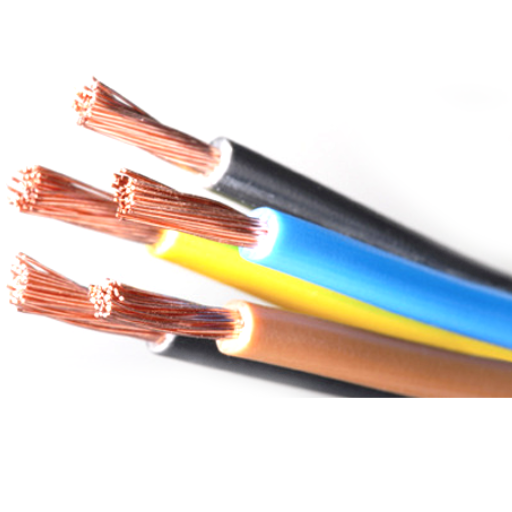
Polyvinyl chloride (PVC) is a commonly used insulation material. It is durable, cost-effective, resistant to moisture and chemicals, and suitable for all applications, including domestic wiring and low-voltage systems.
XLPE-Insulated Cables
Cross-linked polyethylene (XLPE) offers superior thermal resistance and can operate at significantly higher temperatures than PVC, making it suitable for use in industrial and high-voltage power distribution systems.
Rubber Glove Cables
Rubber insulation is flexible and highly weather-resistant. Thus, it finds applications in portable power tools, machinery, and outdoor installations.
EPR-Insulated Cables
Ethylene Propylene Rubber (EPR) is chosen for its high dielectric strength and resistance to heat and flame, and is therefore used for medium-voltage purposes.
Teflon-Insulated Cables
A Teflon coating enables high heat resistance and high chemical stability, and can commonly be found in applications in the aerospace, military, or specialized industrial fields.
Each insulation type is chosen by the application’s requirements and other factors such as the installation’s operating conditions, voltage levels, and exposure to the environment.
Types of Electrical Cables
Electrical cables are among the fundamental components essential for numerous industries; a variety of almost a thousand types are manufactured to meet different needs and conditions. An in-depth description of some common types is given below:
| Cable Type | Construction | Frequency Range | Primary Applications |
|---|---|---|---|
| Coaxial Cables | Central conductor surrounded by insulating layer and shielding | 1 MHz to over 1 GHz | Television and telecommunications systems, high-speed data transmission |
| Twisted Pair Cables | Pairs of twisted wires (UTP/STP) | Voice and data transmission | Telecommunications and networking |
| Fiber-Optic Cables | Glass or plastic fibers for light transmission | Up to 10 Gbps speeds | Long-distance, high-speed communication, data centers |
| Flat Ribbon Cables | Multiple insulated conductors arranged parallel | Low-speed data transmission | Interior wiring of computers and small devices |
| Armored Cables | Metallic sheathing protection | Various voltage levels | Underground burial, industrial settings |
| Submersible Cables | Water-resistant insulation and construction | Underwater applications | Pumping mechanisms, aquariums, offshore projects |
Twisted Pair Cables: Twisted pair cables, also known as twisted pairs of wires, have applications in telecommunications and networking. This arrangement helps guard against electromagnetic interference and crosstalk. Such cables come in two types: unshielded and shielded; the latter is the most desirable in a noise-sensitive, high-performance design, but is pricier, while UTP is cost-effective.
Fiber-Optic Cables: Utilizing glass or plastic fibers to transmit information, fiber optics involves communication with light across fiber lines, enabling communication over longer distances at extremely high speeds. Such cables have incredible bandwidth capabilities, with some reaching speeds of 10 gigabits per second (Gbps). Fiber optic and data centers are often used due to their resistance to signal attenuation and electromagnetic interference.
Flat ribbon cables: Predominantly used in electronic gadgets and computing, the flat ribbon cables contain many insulated conductors arranged parallel to one another, resembling a ribbon. These cables are typically used for the interior wiring of computers or other small devices, which limits space.
Armored Cables: In addition to damage considered physical from one point of view or another, moisture, and chemical exposure may be guarded against by an armor or metallic sheathing that has been placed on the outside part of the cables. Often, such cables are used when buried underground or in industrial settings, where durability is crucial.
Submersible Cables: Submersible cables are insulated against water penetration and changes in hydrostatic pressure and are used extensively for underwater applications: pumping mechanisms, aquariums, and offshore projects.
Each type of electrical cable is selected by considering critical factors such as voltage capacity, environmental exposure, durability, and ease of installation. The diversity in cable types enables them to play a crucial role in ensuring efficient and reliable power and data transmission across various industries.
Cable Insulation Materials and Their Applications
Cable Insulation is important for ensuring the safety, durability, and effectiveness of electrical cables. Some commonly accepted insulation materials are:
- PVC (Polyvinyl Chloride): It is one of the most popular insulation materials because of its low cost, flexibility, and resistance to moisture and chemicals. It is used in household wiring, industrial equipment, and also for many low-voltage purposes.
- XLPE (Crosslinked Polyethylene): Ideal for high-voltage applications where excellent thermal and electrical properties are required, XLPE insulation provides insulation at higher temperatures, making it resistant to heat, weather, and electrical stress. Power distribution and transmission systems utilize it.
- Rubber (EPR and Silicone Rubber): EPR and silicone rubber insulation are very flexible and resilient to extremely high temperatures. They are employed in situations that demand durability and extra flexibility, such as mining or heavy industrial environments.
- Teflon (PTFE): Teflon insulation provides superior thermal resistance and chemical stability, making it a common choice in extreme environments where temperature and chemical exposure are significant concerns. Aerospace, medical, and high-technology electronic industries are often the users.
- PE (Polyethylene): Polyethylene insulation acts as a dielectric and is primarily used for coaxial cables, data transmission, and telecommunication due to its minimal signal loss and enhanced performance.
A decision on insulation materials depends on various application variables, including voltage levels, environmental conditions, and flexibility requirements. A well-designed system will ensure that these materials deliver viable performance across all industries.
Specialty Cables and Insulation Options
Specialty cables meet the unique requirements of their applications, providing custom solutions for aerospace, healthcare, and energy. These are essentially shielded cables for noise reduction, high-temperature cables designed for extreme conditions, and hybrid cables that serve multiple purposes within a single design.
Shielded Cables
Designed for noise reduction and electromagnetic interference protection in sensitive electronic applications.
High-Temperature Cables
Engineered for extreme temperature environments with specialized insulation materials that maintain performance under harsh conditions.
Hybrid Cables
Serve multiple purposes within a single design, combining power, data, and control functions in one cable assembly.
Insulation materials vary for specialty cable wires according to the requirements placed upon their performance. For example, PVC is inexpensive and versatile, but it is better suited for applications with mild demands. PTFE offers significantly better thermal and chemical resistance for harsher implementations, while silicone is chosen for its extreme flexibility and high-temperature resistance.
Choosing the right specialty cable and insulation depends on specific conditions of use; for example, factors such as temperature range, chemical exposure, or mechanical stresses may be relevant. Manufacturer guidelines and industry standards should offer the best performance and reliability.
Applications of Insulated Wires and Cables
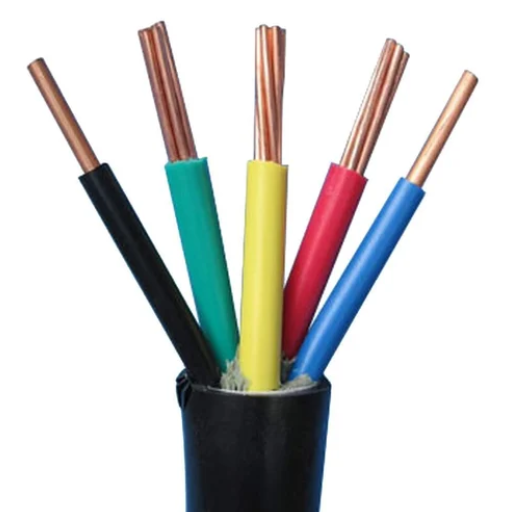
Insulated wires and cables are of paramount importance for various industries and applications. They are used in power transmission for the safe and efficient distribution of energy, whereas in telecommunications, these insulated cables guarantee the smooth transmission of data and communication signals. They play an essential role in industrial automation, too, where they are used to interconnect and control machinery. Moreover, insulated wires are also used in residential and commercial applications for lighting, appliances, and security systems. Insulated cables protect against electric shock, heat, and other environmental factors, ensuring both safety and optimal performance.
Residential Wiring and Insulation Needs
The wiring process in a residence is highly suitable for careful planning and the use of high-quality materials, as the safety, efficiency, and longevity of electrical systems within homes are ensured. Newer homes typically prefer aluminum wiring or non-metallic (NM) cables due to their superior conduction, strength, and cost-effectiveness. These cables feature thin plastic insulation designed to protect against electrical shocks, moisture, and heat.
Residential Wiring Statistics
1960
100%
With the recent changes in industry standards, it is now apparent that most houses in the U.S. utilize copper wiring for good conductivity and resistance to corrosion, making it the best for power distribution and electronics. Other trends show that the focus on fire-resistant and environmentally friendly insulation materials remains strong. Fire-resistant insulation, such as cross-linked polyethylene (XLPE), limits the possibility of electrical fires and affords an extra layer of safety.
Statistics reveal that older homes built before 1960 may still contain aluminum wiring, which poses safety issues ranging from overheating to potential fire hazards. For such homes, upgrading to insulated copper wiring creates compliance with newer codes and reduces inefficiencies.
However, new trends in residential wiring now emphasize the integration of smart-home systems; such systems often require special wiring that supports higher data transmission rates, further strengthening the case for performance-insulated cables. From ensuring power quality to safety and connectivity, proper residential wiring and insulation are godsend in contemporary homes.
Industrial Applications of Insulated Wire
The insulated wiring becomes foundational when reliability, safety, and performance are considered in an industrial environment. The manufacturing, automotive, aerospace, and energy sectors have significant demands for insulated wires, including high-voltage applications, communication systems, and precision operations.
Automotive Industry
Essential for power transfer to EVs. Modern EVs require insulation materials that can withstand extremely high temperatures, chemical exposure, and possess good dielectric properties. The global automotive wire and cable market is advancing rapidly due to growing demand for EVs and smart vehicle technologies.
Energy Sector
Crucial role in power generation for renewable energy systems. Solar farms and wind towers utilize cables with robust, weather-resistant insulation to transmit power through challenging environmental conditions.
Manufacturing
High-temperature insulated wires are installed in industrial factories to maintain safety and functionality for equipment that handles extreme heat, such as furnaces or heavy machinery.
Industrial Automation
Communication networks utilize insulated Ethernet cables for high-speed data transmission in factories, ensuring precision and smooth operational flow of automated systems.
To illustrate, in the automotive industry, insulated wires are indispensable for power transfer to EVs. Modern EVs require insulation materials that can withstand extremely high temperatures, chemical exposure, and possess good dielectric properties. Research shows that the global automotive wire and cable market is advancing at a rapid pace due to the growing demand for EVs and smart vehicle technologies.
In the energy industry, insulated wire plays a crucial role in power generation for renewable energy systems. Solar farms and wind towers utilize cables with robust, weather-resistant insulation to transmit power through challenging environmental conditions. High-temperature insulated wires are installed in industrial factories to maintain safety and functionality for equipment that handles extreme heat, such as furnaces or heavy machinery.
Apart from industrial automation communication networks, there are insulated wires. Insulated Ethernet cables allow high-speed data transmission in factories for ensuring precision and smooth operational flow of automated systems. Industries are now operating with stronger, insulated cables to achieve greater safety and performance, driving innovation in wire insulation technology.
Insulated wires are anticipated to steadily rise in industrial applications, with numerous projections showing these markets will increase significantly in monetary value in the years to come. This growth will be driven by the advancements in insulation materials, such as fluoropolymers and thermoplastic elastomers. These materials can better withstand environmental stresses, ensuring long-term performance and safety in industrial environments.
Innovations in Wire and Cable Insulation
Wire and cable insulation technology has advanced in response to the increasing demands for enhanced durability, efficiency, and affordability. New materials such as XPLE and silicone rubbers increase thermal resistance and enhance cable life under high-stress conditions. Improved efficiencies in manufacturing have led to the development of thinner, lightweight insulations that reduce material consumption while maintaining high performance. On the other hand, green technologies such as biodegradable insulation and halogen-free materials are meeting the increasing demand for environmental compatibility by reducing their ecological footprint and improving fire safety. These developments enable the wire and cable industries to keep pace with the ever-changing requirements of diversified applications.
Key Innovation Areas
- Advanced Materials: XLPE and silicone rubbers for enhanced thermal resistance and cable life
- Manufacturing Efficiency: Thinner, lightweight insulations reducing material consumption
- Environmental Sustainability: Biodegradable insulation and halogen-free materials
- Smart Technology Integration: Insulation with embedded sensors for monitoring
Selecting the Right Insulated Wire Type
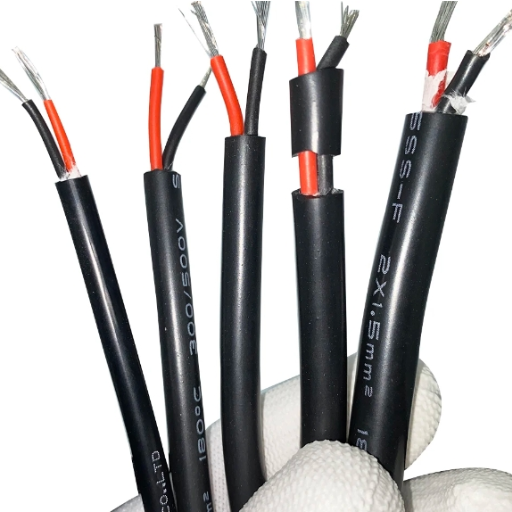
Choosing the correct type of insulated wire involves several key considerations. The first step is to evaluate the application’s specifications, including voltage, current, and temperature ratings, to confirm that the wire can bear its intended load in the given setting. Then, select the insulation material based on its properties, such as resistance to heat, moisture, chemicals, or abrasion, to match the operating environment. Lastly, pay attention to any safety or regulatory considerations that may be required, such as fire resistance or halogen-free designs for sensitive uses. Considering these aspects in line with your project parameters will help you ensure wire performance that is reliable, efficient, and durable.
Factors to Consider When Choosing Wire Insulation
When selecting wire insulation, I consider factors such as the operating environment, in order to ensure the insulation can withstand the prevailing conditions, including extreme temperatures or exposure to chemicals. Then, I evaluate the specific properties of the material itself: is it durable? Is it flexible? Will it resist moisture or abrasion? Safety and compliance are essential to me as well; I ensure the insulation meets the required standards, such as being flame-resistant or halogen-free, as necessary. This way, I can opt for the proper insulation, yielding an optimally reliable performance on-site.
Key Selection Criteria:
- Operating environment conditions (temperature, chemicals, moisture)
- Material properties (durability, flexibility, resistance)
- Safety and compliance requirements (flame resistance, halogen-free)
- Voltage and current ratings
- Cost considerations and lifecycle value
Future Trends in Wire and Cable Insulation
Changes in materials, sustainability, and technology have shaped the future of wire and cable insulation. Given environmental concerns, researchers are seeking eco-friendly insulation solutions, be it through biodegradable or recyclable materials. High-performance polymers are being developed to provide better durability, heat resistance, and flexibility, thereby better serving wires for very demanding applications such as electric vehicles and renewable energy systems. Furthermore, the wire and cable industry is witnessing the emergence of intelligent insulation, integrated with sensors to monitor electrical performance and detect faults early. Thus, these developments show a clear commitment to sustainability, enhanced performance, and more functionalities.
Emerging Trends in Insulation Technology
- Eco-Friendly Solutions: Biodegradable and recyclable insulation materials
- High-Performance Polymers: Enhanced durability, heat resistance, and flexibility
- Smart Insulation: Integrated sensors for real-time monitoring and fault detection
- Sustainable Manufacturing: Reduced environmental impact in production processes
- Application-Specific Design: Customized solutions for EVs and renewable energy systems
Final Thoughts on Insulated Wire Types
The choice of an insulated wire depends on parameters that describe the application, such as temperature resistance, voltage capacity, flexibility, and the ability to withstand the elements. Thermoplastics, such as PVC, are inexpensive and widely used, while rubber is excellent under high temperatures. For advanced and critical applications, modern insulations possess properties such as flame retardance, chemical resistance, and flexibility, which enable them to maintain safety and performance.
Smart insulation innovations allow real-time monitoring, mitigating the risks of unplanned downtime. Due to their material properties and options in the evolving market, industries can use wire and cable solutions that align with their sustainability goals and operational efficiency.
As technology continues to advance, the future of insulated wire types looks promising, with innovations focusing on environmental sustainability, enhanced performance, and intelligent monitoring capabilities. Whether for residential, industrial, or specialized applications, understanding the fundamentals of wire insulation empowers you to make informed decisions that ensure safety, efficiency, and long-term reliability in your electrical systems.
Reference Sources
1. Electric Field Distribution around Contaminating Wire Particles Inside Gas-Insulated Bus Duct
2. Fault Indicators of Partial Discharges in Medium-Voltage Systems
Frequently Asked Questions (FAQs)
What are the commonly used types of wire insulation?
The commonly used types of wire insulation include PVC, rubber, and EPR. They are the materials generally used for wire insulation due to their good electrical properties and resistance to electrical leakage, allowing them to be used in various applications.
What are the various types of wires generally used in electrical work?
Associated with their specific applications, different wires and types are defined and insulated accordingly to do their respective job efficiently and safely. There exist NM Cable, Armored Cable, Underground Feeder Cable, etc.
What are the types of insulation for electrical wires?
These include types of insulation for electrical wires such as PVC, rubber, and fluoropolymer. Depending on the environment and electrical load to withstand, these insulation types provide different levels of protection and performance.
What is the function of insulation in electrical wires?
The insulation of electrical wires is used to protect the conductor from environmental damage and prevent unwanted electrical leakage. It can also preserve the integrity of the electrical connection, keeping short circuits and electrical hazards at bay.
What is the best type of insulation for lead wires?
Typically, the best insulation for lead wires consists of rubber insulation and PVC insulation, as these materials offer good flexibility and excellent electrical properties, making them suitable for a variety of applications, including high-stress environments.
How do I select the appropriate insulation for my wire?
Typically, one chooses the insulation for wire by considering the environment, temperature range, and electrical load. One should evaluate the electrical properties of the insulation and verify that it conforms to the applicable electrical code and standards.
What are the common types of cable insulation for applications?
Common types of cable insulation used in applications include polyethylene, PVC, and rubber. These are chosen based on their strength, flexibility, and resistance to factors that may affect the cable’s performance.
What are commonly seen in military wire and cable applications?
In military applications, wires and cables commonly used are those utilizing very high-performance insulation materials, such as fluoropolymers and EPR. These insulations provide the necessary durability and resistance to the extreme conditions encountered in the field.