






Today’s world is a digital one, and fiber optics has changed how we communicate and connect. People are seeking greater speeds and reliable connections in regards to networks, and in this case, they have discovered fiber-optic technology. However, it is common for any technological progress to come with some compromise; therefore, people should consider the positive aspects as well as the negative ones. In this text, we will discuss the pros and cons of fiber optics. The advantages will be listed. Limitations contributed by this technology will also be looked into. How well such a communication and connection technology is prepared will also be explored. Many questions will be answered, including what this advancement does for communication as well as connectivity in general. If you are looking to upgrade your home or business or simply understand the technology that builds contemporary networks, then this guide is for you.
Introduction to Fiber and Fiber Optics
Pros and cons of fiber optic internet are an interesting topic, especially when it comes to broadband connections, where the rate of data transfer is expected to be high. Copper cables are already in place and their sources are well established, while the other means of communication are tampered with either naturally or artificially. This will take a specific example of message traffic in traditional radio communications, in which it is copper wires that help in transferring information.
What is Fiber?
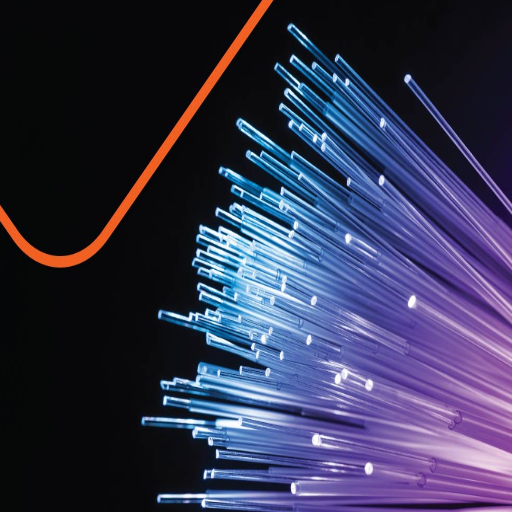
Fiber optics technology (or simply fiber) makes use of tiny diameter strands of either plastic or glass that are almost the same size as a human hair, for the movement of data in the form of light. Fiber optics has transformed communication channels over the years because they operates at exceptional speed, offers colossal capacity, high reliability, and solution diversity. In many cases, these cables carry data at more than 1 Gbps, and with new evolutions such as 10G or more, there is more speed permissible with the passage of time.
The ability to carry information over long distances without significant loss of signal is one of the major pros and cons of fiber technology. Take, for instance, a single-mode fiber, which has the capacity of conveying signals as long as up to 40km and doesn’t require amplification, a very handy tool for international communication. Some other reasons why fiber optics is popular include its high resistance to electrical noise, which compromises performance in the case of other systems.
The benefits of fiber technology aren’t confined to the Internet alone. In the healthcare sector, it is also used in endoscopes that assist health professionals in undertaking minimally invasive surgeries; while in the defense industry, secure and high-bandwidth communication is very important.
Overview of Fiber Optic Technology
The technology of optical fiber refers to the use of thin pieces of glass or plastic (optical fibers) that are used as optical waveguides in communication. It is characterized by the transfer of vast amounts of information with ease at very high speeds over long distances. Fibers are used in the manufacture of these cables, and they are arranged in a way to reduce attenuation, hence ensuring a strong and effective transmission of data. When compared to ordinary copper cables, their advantage is that they are far more broadband due to the fiber, have much lower latencies, and are not affected by electromagnetic interference.
A fiber optic network converts electrical data into light to transmit it through an optical fiber. The operating principle entirely goes beyond the gigabit range of possibilities. An optical transmission system has various components, where the most important ones are the optical transmitter, the optical fiber, and the receiver. All of these components help in high-rate data transmission free of interruption.
Importance of Fiber in Telecommunications
The use of fiber optics in communication has greatly contributed to the industry’s speed, bandwidth, and reliability needs, among other aspects. Unlike the wooden cables available previously, in fiber optic cables, light signals are used in transmission, permitting a faster and more efficient way of communication over long distances with very little loss of signal. This is an important technology that supports modern-day networks such as fast internet, video streaming, and communication networks. To add, since it is scalable and non-susceptible to electromagnetic interference, fiber optic cables are the best in terms of network expansion and riding on other technologies, for instance, 5G, IoT, and smart city systems.
Advantages of Fiber Optic Cables
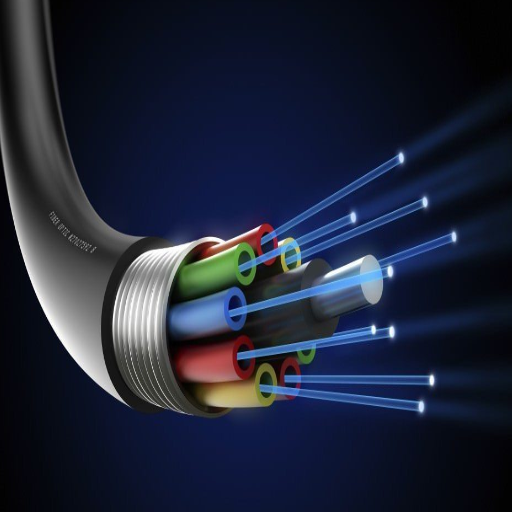
Key Benefits Overview
- Rapid Transfer of Data: When it comes to copper cables, a fiber optic cable is usually significantly faster, which makes them excellent for use in high-capacity activities.
- Wider Bandwidth: Unlike copper cables, fiber optic cables cannot be seen to be able to possess more ‘data capacity’ or more information, giving them the ability to perform reliably even in times of high demand.
- Good Signal Within Long Distances: Fibre optics does not suffer from deterioration of power over a large distance, thus minimizing the consistent use of repeaters.
- No Interference: They have the characteristics of being resistant to electromagnetic effects for effective and secure communications.
- Longevity: Fiber-optic cables are more resistant to deterioration, saving the end user more often from replacement.
Speed and Bandwidth Benefits
Fiber optic technology is ahead of others in terms of speed and bandwidth, which perfectly suits the current demands for digital communications. Fiber services are capable of offering residential customers Gbps internet speeds and more than 100 Gbps for business customers, which makes them totally incomparable to copper wire systems like DSL or cable. There is also the advantage of having equal speeds for uploading and downloading, a very important factor for applications such as video meetings, cloud services, and uploading as well as downloading huge files.
The main benefit of fiber technology lies in the bandwidth capacity, where there are virtually no limits as compared to other technologies. Even now, existing fibers put into use support over tens of terabits every second, meaning that any gains in demand caused by technologies such as 8K streaming, VR, or IoT will still be catered to. Fiber’s low delay ensures that the user does not experience any delays during use. This makes it perfect for online gaming, stock exchanges, and any other applications that require real-time communication.
Durability and Longevity
By virtue of their exceptional strength in being elastic, sturdy as a rock, fiber optic cables are a worthwhile investment for the new infrastructures. With that in mind, they are built to endure harsh external conditions such as temperature, humidity, and even electronic noise, which would weaken other forms of cables used for communication. Furthermore, unlike metallic wires, the filaments do not wear down or rust with time; thus, they can live for more than 25 years with very little production care. On top of that, better yarns and processes have made fiber-optic cables a lot stronger and less fragile to handle during and after installation. It is shown that compared to conventional cables, the failure rate of fiber optic cables is relatively low, thus assisting in the reduction of downtimes as well as the cost of repairs, and also works in promoting their use as a viable option in long-lasting networks driven by high performance.
Resistance to Interference
The cables made of glass or plastic fibers offer quite appealing protection when considering electromagnetic interference (EMI) or radio frequency interference (RFI) within systems, and hence satisfactory levels of construction even in surroundings filled with trouble signals. This is because these cables are based on the principle of light transmission as opposed to electrical energy, and so there are no influences of external magnetic fields for signal implementation. Industry analysts understand that such a capability allows for clearer transmission of information over long distances than traditional copper cables. More importantly, the relevance of fiber optics because there exists virtually no cross-talk, thus providing high security and reliability of data transfer. It is for these reasons that fiber networks are seen as very strategic in areas where there is high interference, such as within industries, among others. Fiber optic systems enable solutions that are efficient and robust even in the most severe scenarios.
Disadvantages of Fiber Optic Cables
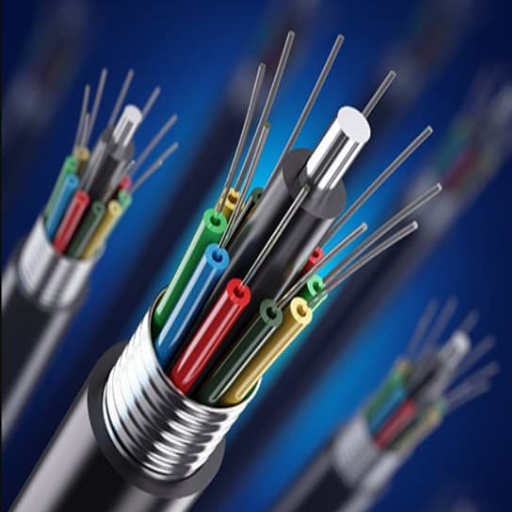
Key Limitations Overview
- Higher Expenditure: Optical networks entail hefty costs. In comparison to copper wire systems, the price of fiber optic cables and devices tends to be higher, in both principal and maintenance considerations.
- Brittleness: Unlike copper and other conducting materials, these cables are more fragile and may be easily damaged when being installed or handled because of the glass and or plastic components that make them.
- Intricacies of fibre optical installations: Fibre optics installation needs some extra equipment and skilled people, thus may see an increase in labor cost and installation complexity.
- Within the Boundaries: Fiber optic cables tend to be less malleable as opposed to certain traditional equipment, making it more difficult to work with in use cases that entail continuous curves.
- Chance of Disturbance: This is not common, but one of the cons of fiber infrastructure can be a possible reduction in signal power over a long stretch without the use of an amplifier or a repeater indoors or outside.
High Initial Installation Costs
The alt-charges for initial installation of fiber optic networks can be highly variable, depending on higher prices for material, labor, and special equipment. Industry data points to a cost of between $1-$6 per foot for fiber optic cable laying, depending on the environmental conditions of installation (urban, suburban, or rural areas). Other processes, such as trenching, installing conduits, and burying cables, also add to the total installation cost.
Another factor contributing to the high cost is the emphasis on the expertise of the technician and on specific tools for installation. Unlike copper, fiber optic systems require proper handling, splicing, and testing to verify and guarantee their proper functioning. These requirements increase labor costs, which can amount to a hefty lag on the total project budget.
Fragility of Fiber Optic Cables
While fiber optic cables give information at the zenith, they can become very fragile in the act of doing so due to their composition and design. The core is made of glass or plastic fibers, which, despite being fabricated to be strong and flexible, are subject to damage. Some form of accidental crushing, sharp bends, or excessive tensile stress affects their integrity and causes signal losses.
Fiber optic cables are another matter in that they are much more sensitive to environmental conditions. High temperature, water ingress, or exposure to chemicals will degrade the sheath plastics and weaken the protective layers underneath. Staying with the installation issue, it has been found that a very large number of damages owe their origin to improper handling, costing large sums in terms of repairs and downtime to the network. For instance, studies have established that if the bending radius is less than the manufacturer’s recommendation, microbends are generated in fibers that amplify light loss by about fifty percent.
Having been taken into consideration as weaknesses, due to extreme climatic conditions, these risks are mitigated with advances in cable design, including the use of ruggedized coatings and armored cables. Fiber optic networks’ performance and lifespan depend highly on cautious planning, storing, and installation by expert hands.
Limited Availability in Certain Areas
Though fiber optic networks give the very best in speed and dependability, they are still available in a few places due to infrastructure and cost challenges. These networks mostly cover those people who stay in city lifestyles, leaving out those living in rural and out-of-coverage areas, as realistic statistics put to an end the dreams of around 17% of people living in rural areas of the USA who hope to have access to high-speed fiber internet. Since the method of providing fiber involves trenching and cabling, and managing the lines from distances near or more than the limit, most of the telecom companies are not keen to invest in it.
Furthermore, even in well-connected urban settlements, a gap in fiber communication exists, dependent on demographics, as opposed to all residents. This research demonstrates that in a few cities, there is a tendency for lower-class neighborhoods to have a slower rollout compared to wealthier areas, creating an uneven development gap within societies. Both the states and the companies running the networks at times take steps to address the development imbalances by measures such as price control, extending the coverage of broadband to the countryside, or expanding the scope through the implementation of the new technologies – fixed wireless and satellite, even where fiber is yet to be laid.
Comparative Analysis: Fiber vs. Traditional Copper Cables
| Aspect | Fiber Optic Cables | Traditional Copper Cables |
|---|---|---|
| Speed | 1 Gbps to 100+ Gbps | Up to 100 Mbps (DSL/Cable) |
| Distance | Up to 40km without amplification | Limited distance, signal degradation |
| Interference | Immune to EMI/RFI | Susceptible to electromagnetic interference |
| Installation Cost | $4-$8 per linear foot | $1-$2 per linear foot |
| Maintenance | Low maintenance requirements | Higher maintenance due to degradation |
| Lifespan | 25+ years | 15-20 years |
Pros and Cons of Traditional Copper Cables
Advantages
- Available Infrastructure: Copper networks are already ubiquitous, and adding networks to existing setups is much easier and cheaper.
- Cheap for Limited urbanization: Ideal for micro-installations and transmission over short distances.
Disadvantages
- Speed and Capability Limitations: Copper is no match for fiber in terms of speed or capacity.
- Noise: Distance increases the loss of signal quality, while with such cables, less sound and/or high-frequency noise shielding is possible.
- More Maintenance Required: Copper has a tendency to weather and suffer from more physical degradation.
Cost Comparison
When it comes to evaluating the costs of copper cabling and fiber optic cabling, we must be conscious of not only the initial costs incurred but also the costs that may come about in the future. There is no denying that copper cabling is cheaper than fiber optic cabling if the people concerned only consider the initial outlay. On the other hand, there are costs associated with installing copper cables, which range between $1 and $2 per linear foot. These costs vary depending on the type and quality of the cables that are being used. On the other end of the spectrum, installing fiber optics comes at an average cost of $4 to $8 per linear foot due to the high cost of resources and less direct installation methods.
However, despite the possible immediate cost savings of copper cables, realistically, it may be more expensive due to maintenance and malfunction losses in the long run. Copper cables need replacing and repairing much more often due to their deteriorating condition and susceptibility to external harsh conditions. While with fiber, there is less chance of wearing out, fewer repairs are needed, and the costs of maintaining the system are lower as time progresses. The other thing is that the concentration of throughput and efficiency is much higher in the case of fiber, unlike in other technologies. This helps optimize the costs of expansion of the network.
Performance Metrics
Fiber optics also gives professional-grade performance in every important metric with its copper-based counterparts. Driving it is the transfer speed, where speeds of 1 Gbps and above are very much feasible, making fiber optics suitable for high bandwidth applications like 4K streaming, online gaming, and cloud computing. Latencies themselves, where fiber optics takes precedence, are generally quite low, which allows communication to be easily and truly lag-free.
Reliability comes in another marked aspect of fiber optic systems. Compared to copper cables, fiber optics is less prone to electromagnetic interference, weather disruptions, and degradation over long distances. For instance, single-mode fiber cable can send data over distances greater than 40 kilometers without signal boosting, demonstrating good value for covering large distances.
From there, new advances in Dense Wavelength Division Multiplexing (DWDM) enabled these fiber optics to handle the simultaneous data traffic. The scaling provides an assurance for the providers to meet growing user demands without making any bulk infrastructure upgrades. With such a strong RAM and CPU, fiber optic networks still lead in solving data-hungry situations for both modern businesses and homes.
Application Suitability
Fiber optic networks are best suited to applications requiring high-speed data transmission, stability, and scalability. Now, industries like telecom, healthcare, and finance use fiber optics to carry real-time processing, smooth communication, and secure data handling. On the other hand, their low latency and high bandwidth make their use common in cloud computing, streaming, and IoT implementations. For homes, fiber optic internet ensures consistent connectivity for everything from remote work and online gaming to 4K streaming. Because of its multipurpose nature and that it supports an emerging generation of innovations, fiber optics is poised to be the next infrastructure solution in store for both personal and enterprise-level use.
Weighing the Pros and Cons of Fiber Optics
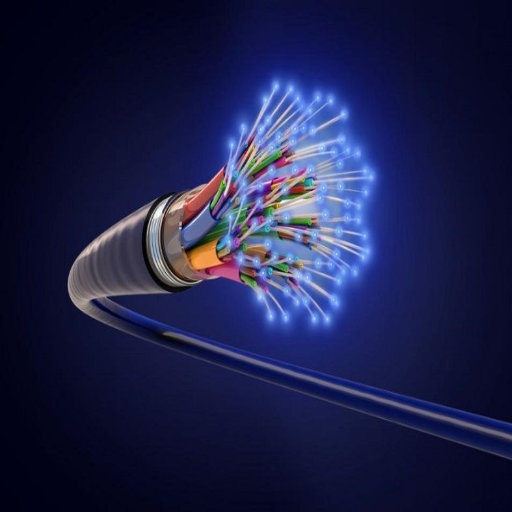
Advantages of Fiber Optics
- High Speed: Fiber optics provides internet with much faster speed than traditional cables, which makes it great for bandwidth-heavy activities like video streaming and large data transfers.
- Reliable Connectivity: They are less prone to interference and weather disruptions, essentially providing uninterrupted, consistent connectivity.
- Scalability: A future technological urgency can always be accommodated by an already existing fiber optic network, hence making it a long-term solution to increasing data needs.
- Enhanced Security: Though fiber-optic cables, in their present form, are much less easy to tap, they present a great transmission method also in this respect.
Disadvantages of Fiber Optics
- The Cost of Installation is High: Laying fiber optic cables is the single largest investment, especially in sparse or less accessible locations.
- Restricted Availability: The fiber optic infrastructure is still far from being widespread, and many areas may simply not have access.
- Fragility: Fiber optic cables are more fragile than conventional copper wires, requiring careful handling during installation or maintenance.
Future of Fiber Optics in Telecommunications
I find that the future of fiber optics in telecommunications is extremely bright. With its incomparable speed, reliability, and potential to handle extraordinarily large volumes of data, fiber-optic cable should be the backbone of global connectivity. As technology evolves and the demand for faster internet keeps growing, fiber optics will act as an enabler for such advances as 5G-based networks, smart cities, and AI-based applications. With constantly evolving infrastructure and innovations on the horizon, fiber optics surely will remain the foremost name to reckon with in the telecommunications industry for decades to come.
Making Informed Decisions on Fiber Usage
Considerations such as bandwidth requirements, scalability, and long-term cost efficiency are very important when adopting fiber optics technology. Fiber optics is a choice for commercial establishments and residential settings where high-speed internet service is necessary, as the fiber optic cables provide higher speed and reliability than the older copper cables.
Another critical consideration is scalability. Since fiber networks support growing data loads, it is a future-proof solution for the increasing demand for 5G, IoT, and cloud-based applications. Although costs might seem high for installation, maintenance costs are low and energy efficiency is high, making the operating costs greatly favorable after some years.
Outside the subject of capacity, users will think of geographic coverage and availability, as setting up fiber networks in rural or remote areas may require a somewhat higher investment. What perhaps alludes to a combination of insights from leading sources indicates is that integrating fiber optics is aligned with the world trend and will therefore empower countries as well as individuals with faster and efficient data solutions.
Final Thoughts on Fiber Technology
Fiber optics stands as the leading option today in connectivity because of its configurations for unmatched speeds and unparalleled reliability. While installation costs can be on the higher side for fiber optic cables, and they are fragile by nature, these are mere minimalistic drawbacks when stacked against the merits of higher data transfer speeds, greater bandwidth capabilities, and lower latency compared to traditional modes of connections. Another disadvantage is their limited availability in rural or far-flung areas, although mounting investments are turning these into areas open for potential. Fiber optics provides a future-proof solution for ever-growing Internet needs placed under harsh conditions by homes, businesses, and industries. Fiber optics, through technological advancement and infrastructure development, continues to define digital communication possibilities worldwide.
Considering these factors, end users and organizations may decide if fiber optics fits their connectivity and technology profile. The internet is the most feasible medium to support innovative technologies like 5G, IoT, and smart cities, and in this context, the pros and cons of fiber optics become consequential.
Reference Sources
“Present status and development of algal pulp for hand-made paper making technology: a review”
“Current Dietary Lipids Recommendations: Pros and Cons”
Frequently Asked Questions (FAQs)
Are fiber optics prone to physical damage?
Yes, fiber-optic cables tend to suffer from physical damage during installation when the proper installation methods are not implemented to protect them. Fiber optic cables are immune to electromagnetic interference, yet they can be very delicate and require great care to handle, so that they do not get affected by bending or crushing. Problems arising out of the installation can be avoided by a proper installation from trained technicians.
What is the importance of fiber optics in data networking?
Fiber optics serves an important function in data networking because of its capacity to carry signals at extraordinary speeds for incredible distances. This is worth considering by a business dependent upon continuous internet connections. Fiber optics could then communicate better and thus is preferred for modern telecommunication infrastructures.
How does the cost of fiber installation compare to traditional copper wiring?
Given the installation of fiber optics, the main costs–and hence these upfront expenses–may be earned back over time by virtue of reduced maintenance and operational costs regarding electricity and signal loss. Besides, a fiber optic installation takes a matter of a few days compared to weeks or months for copper cable installations, which may require an extensive upgrading operation.
Can fiber optics be set forth by the environment?
Fiber optic cables remain subject to environmental considerations, but they can be considered by standard cables as much more resilient. For example, untidy cables exposed during building renovations may stand to be damaged. In such a state, these should be protected from harm so that disruptions cannot occur.
What is all the equipment required for a fiber optic?
Installing and maintaining fiber optics requires various specialized instruments to be used, including fusion splicers and optical time-domain reflectometers (OTDR). Experienced technicians use these tools to align and splice the delicate glass fibers so that light can propagate through the cable correctly. Such specialized treatment is necessary to allow network optimization.
Why is it so important for fiber optic cables to be correctly aligned?
Proper alignment of fiber optic cables is required in order to ensure efficient data transmission. Misalignment may cause a considerable loss of signal, in turn affecting the performance of the telecommunication network. Hence, emphasizing that skilled technicians should carry out this work with accuracy, otherwise, potential problems may arise.