








A neutral conductor constitutes an essential element of any electrical system, with the work it carries in its own unseen way often going unappreciated by laymen. Are you aware of why such a mundane-looking wire is most important for the safe and efficient operation of a circuit? Whether an owner, a DIY boy, or just some inquisitive soul about the way electricity energizes his gadgets, by knowing the function of the neutral wire, a lot of mysteries regarding their home’s electric grid can be unravelled. This article will explain what a neutral wire is meant for, why it is so vital to charging a circuit, and how it affects the safety and functionality of any electric system. After going through this, you’ll have a better understanding of this bumper hero that basically enables energy to flow smoothly.
The Role of the Neutral Wire in an Electrical System

A neutral wire completes the circuit by providing a return path for current back to the power source. This way, electric current flows to balance the functioning of devices connected to the system. Without neutral conductors, the circuits would be incomplete, and appliances and most fixtures would remain non-functional. The neutral wire also helps maintain balanced voltage levels to enhance the safety of electrical systems, thereby reducing the risk of overloading or short-circuiting.
Definition of Neutral Wire
Neutral wire helps to conduct current back to the source in an electrical system. It plays with the live wire to fulfill an electrical circuit so that appliances work.
Neutral wires are grounded at the main panel to stabilize voltage and to minimize power surges. By codes, such as the National Electrical Code (NEC), a neutral wire is always either white or gray, so as to distinguish it easily. It is an integral safety feature that eliminates dangerous imbalances or even short circuits.
Alternating current can be supplied for household electrical systems that demand the precise manipulation of current flow. As per a 120-volt system, the live wire brings the electricity to an appliance from the power source, while the neutral wire returns the unused current, thus completing the circuit. Hence, the balance keeps the appliances running smoothly.
In addition, the neutral wire’s role in multi-phase systems, usually utilized by industries, would be to distribute clear power to prevent the effects of over-voltage. Engineers and electricians stress that the improper use or disconnection of a neutral could pose substantial electrical hazards, which include the malfunction of protective devices such as circuit breakers.
How Neutral Wire Works in AC Circuits
The neutral wire in AC circuits acts as an essential component in the formation of an electrical loop, and, thus, enables current flow back to the source. It acts as a return path for any unbalanced current, so it can safely and efficiently travel through a circuit. If the neutral wire were not to work properly, the presence of unbalanced voltage in electrical systems may cause damage to or failure of appliances.
Neutral wires are generally grounded at the main electrical panel to stabilize voltage levels and to circumvent accidental shocks. In a typical 120V/240V single-phase residential system, the neutral wire is at zero voltage and helps to split the voltage into two circuits of 120 volts that share a common trajectory in returning current.
Critical Statistics
30% of electrical equipment breakdowns in commercial buildings are caused by improper neutral connections
40% reduction in lifespan of sensitive electronics due to voltage imbalances from neutral wire problems
Knowing the function and upkeep of neutral wires is especially important in three-phase systems that are usually found in industrial and commercial environments. In these settings, the neutral wire is responsible for balancing power loads among several phases. When one phase carries an excess load, the neutral wire dissipates the extra voltage, which could otherwise have resulted in equipment failure or a fire hazard. To ensure that the neutral works properly, its insulation test and connections are inspected from time to time, as even a minor fault may jeopardize the system’s reliability and safety.
Importance of the Neutral Wire in Electrical Wiring
The neutral wire, in modern electrical systems, ensures stability and safety. It completes an electrical circuit by providing the return path for current, allowing the proper working of appliances or devices. Recent findings in electrical engineering suggest that a neutral wire, if properly installed, prevents circuits from overloading and consequently overheating and causing a fire.
Safety Alert: According to electrical safety benchmarks, about 25% of residential electrical fires result from wiring defects that usually relate to improper installation of the neutral wires.
Also, within three-phase power systems, commonly used in industrial applications, the neutral wire is vital for voltage balancing between phases. An inadequately functioning neutral wire caused current imbalances, leading to an increased chance of equipment failure and downtime.
With these ingenious developments, one can now monitor neutral wire performance in real time through IoT devices and smart circuit breakers. They improve preventive maintenance by signaling users about potential faults before such faults grow into problems. Be it residential, commercial, or industrial, the understanding and maintenance of the neutral wire are vital to the safety and efficiency of an electrical system.
Understanding the Electrical Circuit
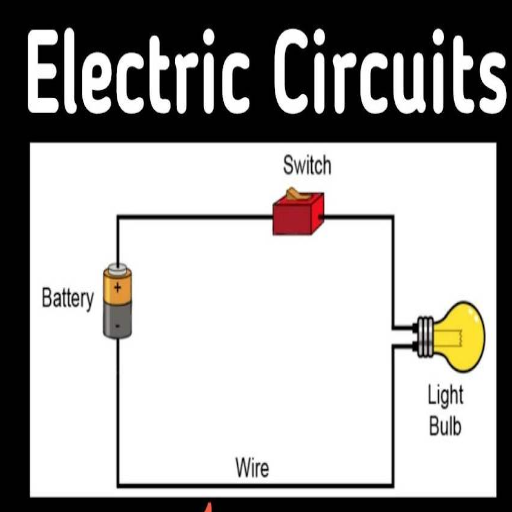
An electric circuit is a complete path through which electric current flows. It normally comprises an electric source, conducting wires, a piece of load (such as a light bulb or appliance), and sometimes a switch to open or close the circuit. The entire setup must be closed for electric current to flow through it and impart energy onto loads. Circuits are so designed as to bring efficiently and safely the electric power to appliances, preventing overloads or faults.
Components of an Electrical Circuit
- Power Source: It is the power source that powers the circuit to perform operations. Generally speaking, examples of power sources might include batteries, generators, or outlets. It supplies energy in the form of electric current.
- Conductors: These are the conducting wires, which are most commonly either copper or aluminum and connect the elements of the circuit in such a way that the current flows through the various components.
- Load: Anything that uses electrical energy to perform work is considered to be a load, such as a light bulb, a motor, or a heater.
- Switch: A switch is an element in the circuit with which one can stop or let the flow of current to the circuit. Closing the switch sets the flow of electricity to work, while opening the switch breaks that flow.
- Resistors (optional): Resistors can limit or regulate the amount of electric current that flows through a given circuit. This prevents components from receiving too much energy and getting damaged.
- Capacitors and Inductors (optional): Jarring the notions of elementary operation with simple interpretation will be anathema, for these two components store and release energy that accords to necessity in the operation and stability of somewhat complex designs.
They and the other components work harmoniously to ensure the proper functioning of the electrical circuit, either for simple household connections or for more complex electronic systems.
Comparison of Live Wire and Neutral Wire
Live and neutral wires have somehow different but complementary roles in electric circuits. The live wire is known as a “hot” wire because it carries electric current from the generating source to the load. Usually, it is brown or red, depending on the wiring codes of the locality. Conversely, the neutral wire completes the return current flow from the load back to the source of power. This neutral wire is coded blue or white.
| Aspect | Live Wire | Neutral Wire |
|---|---|---|
| Function | Carries current from source to load | Returns current from load to source |
| Color Code | Brown or Red | Blue or White |
| Voltage Level | High (120V/240V) | Zero or near-zero |
| Safety Risk | High risk of electrocution | Lower risk under normal conditions |
| Connection | Connected to mains power supply | Grounded at main panel |
The live wire stands directly connected to the supply of mains power; hence, it is at a higher risk of electrocution upon contact. The neutral wire is at ground level or potential, which makes it less dangerous under normal circumstances. These two wire pairs need each other for the flow of current, but they are very different when it comes to their functions and voltage levels. Either way, they should be properly insulated and wired to prevent an accident.
Functionality of Ground Wire vs Neutral Wire
While serving their different ends, the ground and neutral conductors contribute to ensuring safety and functionality. The neutral wire returns electric current to the power source, completing the circuit; it provides a return path for the electricity so the system is balanced. In usual operation, the neutral is maintained at or near zero voltage with respect to the ground.
Contrarily, the ground wire is established as a safety mechanism: it is to protect persons and electrical equipment. Grounding provides a direct route for the manufacturer to evacuate excess electricity or abnormalities like short circuits safely into the earth, reducing risks of shock and also preventing fires. Thus, it is rarely the case for a ground wire to carry any electric current under normal working conditions unless a fault has developed.
Important: While both wires are required for a safe electrical environment, the grounding wire protects against faults, whereas the neutral wire maintains the operation of the circuit. Each of these wires must be properly installed to maintain a safe and efficient electrical system.
Neutral and Ground Connections
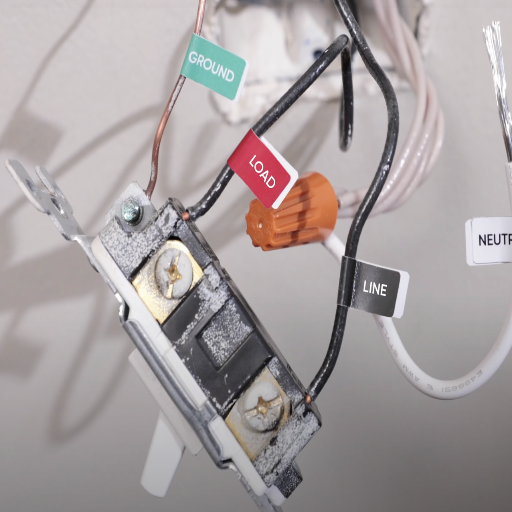
Neutral and ground connections perform two separate, complementary functions within an electrical system. The neutral wire, which carries current back from an appliance, acts as the return path. The ground wire, conversely, is a safety-conductive path to provide a path of low resistance to carry fault currents away from the system so that electric shocks and system damage can be minimized. They are tied together at the main panel for proper operation and safety considerations; however, beyond the main panel, they should not be used interchangeably to prevent potential electrical hazards.
Differences Between Neutral and Ground Wires
In an electrical circuit, current enters through the line or phase conductor, while the neutral provides a return path for the current to return to the source. The neutral is vital for the circuit as it delivers an effective current-carrying conductor to balance the loads. On the contrary, the ground provides a safe path for the stray current to be safely earthed during a fault, such as a short circuit, thus protecting the users and equipment. Both halts meet in the main panel, where the neutral is bonded to the grounding system for operational reasons, making their functions different and distinctive. Aside from the main circuit panel, mixing or using these wires interchangeably is unsafe and increases the chances of an electrical hazard. Both their functions remain vital, with one dedicated to the operation of the circuit and the other to the safety aspect of it.
How Neutral and Ground Work Together
At the heart of any functional electrical system lies an understanding of how neutral and ground wires interplay. The neutral wire carries current back to the power source for the completion of an electrical path, while the ground wire serves as an escape route for the current into the earth in case an electrical fault occurs. This two-wire system ensures the safety of all devices and human life by reducing the risk of electrical shocks or fires.
Should a fault occur, ground wires direct any excess electrical energy away from live parts. This guards against hazardous scenarios since it prevents stray currents from flowing through unintended routes, possibly including human flesh or any flammable substances. Electrical regulations in most nations, including the National Electrical Code (NEC) in the United States of America, require the use of both wires, thereby ensuring that all systems keep these functionalities plainly separated for safety and reliability purposes.
Grounding Safety Statistics
80% prevention rate of major electrical injuries in residence sites with proper grounding
13% of electrical fires in residences annually are due to absence of proper grounding
Combined, therefore, the neutral and ground systems form the backbone of electrical safety as we know it today, mutually cutting the risks associated with a home or facility power system and improving their functionality along the way.
Common Misconceptions about Neutral and Ground Lines
One incorrect and widespread belief is that neutral and ground wires are interchangeable since both are connected to the earth at the main service panel. In reality, their functions differ. Otherwise put, neutral wires carry current back to the power source to complete the circuit; ground wires are there for safety considerations, sometimes diverting stray currents so that they do not cause shocks or fires.
The other misbelief is that, if appliances work fine, then having no ground wire in the house is harmless. Some older electrical installations do not have ground wires and work quite well; however, there is an increased risk of electrocution or of damage to a sensitive electronic circuit during a power surge. In modern standards and safety codes, such as those formulated by the National Electrical Code (NEC), the protection of people and equipments by ground wiring is stressed.
The third misconception held by many is that having multiple grounds in a single system is safer. In practice, however, the presence of more than one grounding point creates the possibility of a ground loop, potentially causing differences in voltage levels and engendering noise interference on equipment or, in more serious situations, actually hazardous differences in potential.
Critical Data: According to recent electrical safety reports, about 20 to 30 percent of electrical shock incidents in older properties arise from systems having missing or bad ground connections. It is thereby important that we dispel these misconceptions and correct the installation and maintenance of neutral and ground wiring to ensure the safety of persons and property.
Safety Measures in Wiring with Neutral Wire
Appropriate wiring with a neutral wire leads to good functionality and safety of electrical systems. A neutral wire creates an electrical current, which, after use, returns to its source, and, if installed correctly, it avoids potential hazards such as overload or short circuit. Some detailed safety practices include:
- Grounding: Neutral wires need proper grounding; otherwise, they can lead to fatal shocks to persons or damaging activations of appliances. Incorrect grounding can give rise to fluctuating voltage and dangerous situations.
- Inspect Connections Regularly: With time, loose or corroded connections on the neutral wire create resistance, heating, and may cause electrical fires! Regular inspection of connections and their tightening, if necessary, will allow for safety and stability.
- Avoid Overloading Circuits: Keeping electrical loads distributed between the various circuits keeps the neutral wire from overheating, degradation of insulation, or eventually fire hazards. For instance, circuits are not allowed to exceed 80% of their rated capacity as per the National Electric Code.
- Use Compatible Appliances: Electrical devices should be compatible with the wiring system employed. High-demand appliances may require special attention toward the neutral connection for proper power delivery and system stability.
- Installation of RCDs: RCDs detect leakage currents through the neutral line and then switch off power immediately, minimizing possible electrocution and damage to the electrical system.
- Project National Electrical Code: The Neutral wire shall be laid down as per the latest provisions of the codes and standards to have the required safety and performance standards. With time, changes in electrical codes occur as better safety practices and technologies get established.
- Install by Professionals: If wiring work for neutral wire installations is necessary, an electrician should always be hired. These professionals calculate proper load requirements and wire the system accordingly to safety standards.
Neutral wires are a present-day phenomenon; following safety measures protects one from electrical hazards and, at the same time, improves the longevity and efficiency of the given system.
Best Practices for Electrical Setup
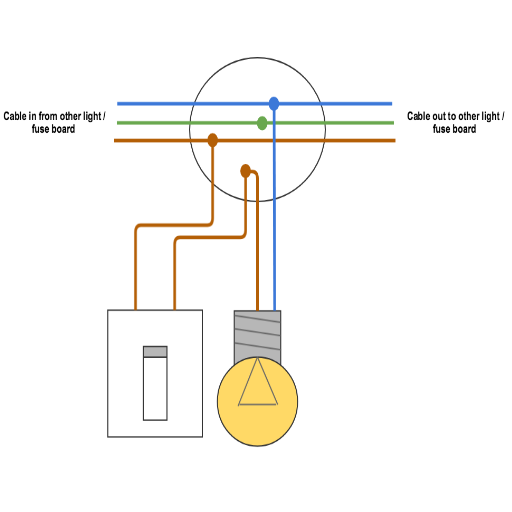
- Ensure Proper Grounding: Particular attention should be placed on grounding, with systems being installed securely and to all prevailing safety standards to reduce the risk of electrical shocks.
- Use Quality Materials: Use tested, certified materials for wiring, connectors, and other components to get stable, long-term, and safe electrical installations.
- Inspections Must Be Regularly Conducted: Regular inspections and maintenance should be conducted by licensed electricians to ensure potential system faults or wear and tear can be identified and rectified.
- Learn the Essential Differences Between Neutral and Ground Wires: Learn about the purpose and differences of neutral and grounding wires so that there is no confusion, and installation is carried out correctly.
- Follow Local Code: Always install or repair wires at all times according to local electrical codes so that they will comply and be safe.
- Install Surge Protection: Use surge protectors to help protect your appliances and electrical system from sudden voltage spikes.
- Label circuit breakers: These labels should be made very clear so they can be quickly identified when maintenance work is being undertaken or during an emergency.
Practicing these recommendations will assure everyone’s safety, along with a smooth-running electrical system protecting all individuals and properties.
Guidelines for Proper Electrical Circuit Design
Electrical circuit design requires accuracy, safety standards, and clear knowledge of what the system needs. The following are highlighted points to follow for an efficient and reliable circuit design:
- Identify Load Requirements: The total load your circuit will carry must be calculated. This includes knowing the wattage of machines, devices, and lighting, which could potentially overload the system. A 15-amp residential circuit can ordinarily handle about 1800 watts, while a 20-amp one is good for 2400 watts.
- Select Appropriate Wire Size: Based on the current (in amperes) being carried, wires of the correct gauge must be chosen. For example, 14-gauge wire is good for 15 amps, while 12-gauge wire should be used for 20 amps. If wires of smaller size are used, they will get hot and may become fire hazards.
- Circuit breakers and fuse Installation: Based on the current rating of the circuit, select the breakers or fuses. These protect against overcurrent and short circuit conditions to ensure safety in the electrical installation.
- Set Up Dedicated Circuits: Certain high-power appliances, such as refrigerators, washing machines, and HVAC systems, require dedicated circuits to work efficiently without being disturbed by any other device attached to the same line.
- Plan for Future Expansion: Whenever possible, circuit designs should account for some sort of contingency. It is much easier to put in extra outlets or widen the system later if the design has already allowed for expansion.
- Abide by Local Electrical Codes: The first and foremost code to follow is the local electrical codes, i.e., the National Electrical Code (NEC) in the USA. These codes constitute safety standards, installation practices, and certification of equipment.
- Ensure Proper Grounding: Grounding prevents electrical shocks and safeguards appliances by diverting excess electricity into the earth in case of a fault.
- Use Energy-Efficient Technology: You may want to implement energy-efficient devices like LED lights, energy-saving outlets, and smart home systems that maximize energy efficiency and reduce costs.
- Test the System After Installation: Following the installation of the system, test all of the circuits for continuity, proper grounding, and that loads operate properly. Testing will confirm that the system does what it is supposed to do and may reveal any problems.
- Engage Professional Assistance: Up against a complex design, especially one involving several circuits or an installation of great dimension, hire a licensed electrician. The expert will guarantee safety standards as well as optimal performance.
Testing the electrical circuits to ensure their functionality is an important step that cannot replace the same steps in the following guidelines. So, if these guidelines are followed, electrical circuits would be at least functional, safe, efficient, and ready for present and future needs.
Tips for Home Electrical Wiring Projects
- Plan Thoroughly: Before undertaking any project, draw detailed diagrams of your wiring layout. Show the location of outlets, switches, and fixtures; make sure they are all in line with local building codes.
- Use the Right Tools and Materials: Purchase good-quality equipment such as wire cutters, voltage testers, and screwdrivers. Always check that the wires and components you are installing have an appropriate rating for the electrical load of the circuits.
- Turn Off the Power: Always switch off at the circuit breaker any power to the site you are working in. For further safety, test with a voltage tester to ensure that there is no current flowing.
- Label Everything: Paths or panels of breakers or wires must be appropriately labeled for the entire project. It helps to troubleshoot and makes future maintenance straightforward.
- Install Proper Grounding: Proper grounding considers safety. Ensure that all outlets and fixtures are properly grounded to prevent shock or surges.
- Understand Wire Color Coding: Learn the color coding of wires (e.g., black for hot, white for neutral, green or bare for ground) to reduce installation errors.
- Leave Slack in Wires: Provide for a few inches of extra wire when connecting to boxes or fixtures. This lends flexibility for future changes or maintenance.
- Test as You Go: After finishing every wiring section, test continuity and voltage with stops to be sure all is in working order.
- Safety First: Follow the National Electrical Code (NEC) or its accepted local equivalent strictly. This ensures the wiring on your project is safe and conforms.
- Know when to call the Pros: An electrician should be called for things such as upgrading the service panel or configuring complex wiring, to avoid hazards.
With good preparation and adhering to these tips, you are bound to have a safe and functional home wiring project without falling into any traps.
Electrical Setup and Circuit Design
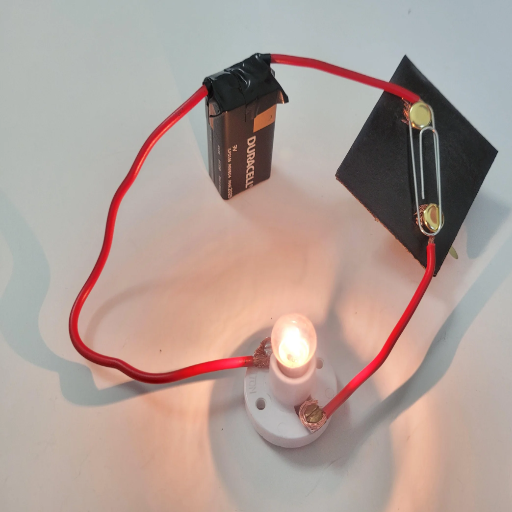
The basics of setting up electrical circuits at home begin with the assessment of power requirements and the determination of the number of circuits required. High-demand appliances such as air conditioners, refrigerators, and washers should be placed on separate dedicated circuits. Otherwise, standard 120 V circuits should be employed for general outlets, while 240 V circuits should be provided for heavy-duty equipment as necessary.
Ensure all wiring and breakers are appropriately sized for the equipment they will service. Proper amperage rating avoids overloading. Circuits should be well labeled and mapped on the breaker panel to aid future maintenance. Always switch off the power from the main panel before any work begins. When the installation becomes complex, the services of a licensed electrician should be sought to guarantee safety and conformity with the building code.
Designing a Safe Electrical Circuit
- Assess Power Needs: Assess the power needs of the equipment to be connected to the circuit. Calculate the total watt load and make sure it exceeds 80% of the rated capacity of the circuit for safe working.
- Select Proper Materials: Select wire sizes and circuit breaker ratings as are appropriate for the load and amperage. Normally, 14-gauge wires are used in 15-amp circuits, while 12-gauge wires are adopted for 20-amp circuits. All materials used must meet code.
- Plan the Layout of Circuits: Plan out the circuitry to include the detailed outlet locations, switch positions, and other components. Make sure that outlets are in proper locations, and that no circuit is overloaded by daisy chaining of devices.
- Install Safe Grounding and GFCI Protection: Have all circuits safely grounded to prevent electrical shocks; use GFCIs in kitchens, bathrooms, and outdoors for added protection.
Observe Electrical Codes and Regulations: Follow standards of the National Electrical Code (NEC) and also local building codes outlined in your area. This makes the circuit safe and legal.
Test and Inspect: After installation of the circuit, test it using the voltage tester and inspect for all connections. Look for loose wires, damaged insulation, and any hazards before powering up.
A licensed electrician should be consulted in case a more complicated or unique electrical installation is expected. Implementing these steps will help guarantee a safe and efficient electrical system in compliance with code.
Common Issues with Neutral Wires in Electrical Setups
A fairly common issue that I have encountered with neutral wires is an improper connection or loose terminal, accounting for intermittent power delivery or even complete circuit failure. Another issue is plating the neutral wire with a heavy load, overheating it, especially in shared circuits, and even creating a hazardous environment from a safety viewpoint. I have also observed that damaged insulation on neutral wires can lead to a higher probability of short circuits. Identification and rectification of these issues are important for maintaining safety and the functioning of the electrical system.
Best Practices for Wiring and Circuit Configuration
Essential Wiring Guidelines
- Assure Proper Connections: Terminals must always be set tightly to avoid interruptions in power delivery, and thereby circuit failure. Always double-check wire connections during installation or repairs to avoid loose ends.
- Prevent Overloading: Proper assessment of circuit loads is necessary, particularly in a shared neutral setting, so as not to subject the neutral wire to an overload. Balancing electrical loads in all circuits prevents overheating and increases safety.
- Use Quality Insulation: Inspect wires for damaged insulation desperately. Damage to insulation can cause a short circuit or hazard. Replace damaged insulation with high-quality materials for long-lasting insulation.
- Follow Correct Wire Sizes: The wire gauge to be Halla must have proper current-carrying capacity as demanded by the circuit. Undersized wires cause overheating; however, oversized wires increase installation costs unnecessarily.
- Label Circuit Breakers and Wires: Always label circuit breakers and wiring to allow easy identification during maintenance or repairs. This minimizes confusion and increases troubleshooting time.
- Follow Electrical Codes: Abide by the codes laid down by the local authorities, such as the NEC (National Electrical Code), so that the system is safe and compliant. Older systems are periodically upgraded to meet modern requirements.
When these best practices are kept in view, the reliability, efficiency, and safety of any electrical system can be enhanced. Always consider having frequent inspections and professional advice, especially with complex wiring arrangements.
Reference Sources
Frequently Asked Questions (FAQs)
How does an electric current flow into the neutral wire?
After the current has powered the total electrical load for its use, it flows in the neutral wire as a safe path for the return cargo of current. Usually, the neutral wire is connected to a ground at the main electrical panel to ensure that any excess of electrical charge may flow into the earth or ground to avert any electrical faults and reduce an electric shock.
What happens if there is no neutral wire in an electrical setup?
Without the neutral wire in an electric circuit, the circuit cannot be completed, which can give rise to possible electrical faults or damage to electrical appliances. An absence of a neutral wire disrupting the path for the return of electric current essentially prevents electricity from returning safely, thereby increasing potential hazards.
How may the knowledge of neutral wires be of help in electrical work?
The operation of neutral wires ought to be known to anyone who works in the field of electrical systems. This would help ensure that the neutral wire is properly set up, which is very important for the safety of the device. At the same time, this knowledge prevents hazards and makes sure that the system is working well on the three-phase side.
How do you distinguish between a neutral wire and a ground wire?
There are occasions when a neutral wire takes part in the current’s return, with the other wire being a ground wire that acts as a safety mechanism by carrying excess current to the ground, so the result is an electric shock. The two wires make up the electrical systems, but they must perform different and important functions.
Why is there a need to inject a neutral wire into a three-phase electrical system?
A neutral wire is needed in a three-phase electrical system so that the electrical circuit can be completed and balanced load conditions can be maintained across the three phases. The presence of a neutral wire will permit the system to function smoothly without any overloading situations that may lead to damage to electrical appliances.
What is the function of the black wire in an electrical system?
Generally, the black wire is the live wire through which electrical power flows from the source to the load. The neutral wire completes a circuit that allows current flow, safely returns the current, and ensures the functioning of the electrical instruments.
How could the absence of neutral and ground wires affect electrical safety?
The lack of neutral and ground wires can compromise electrical safety very much. It could improperly ground the device and allow electric shock stimulation or electrical fire to occur. Proper installation and connection of neutral wires are important for a safe electrical environment.