







Critical Safety Notice: During the installation of an electric range, the essential issue of proper wire sizing can often go unnoticed. If the wire size is considered correctly, it eliminates every chance of electrical hazards to the operator of the stove and the home; however, an improper wire size poses a significant electrical danger to the furnace, and hence, to the operator and the house. The wire gauge to choose depends on several factors, including the power requirements of your range and the distance to the electrical connection point. In this article, every aspect of wire selection for your electric stove will be unraveled. With information on electrical codes and hands-on installation tips, this guide empowers you with the knowledge to undertake installations wisely and safely.
Understanding Wire Size for Electric Ranges
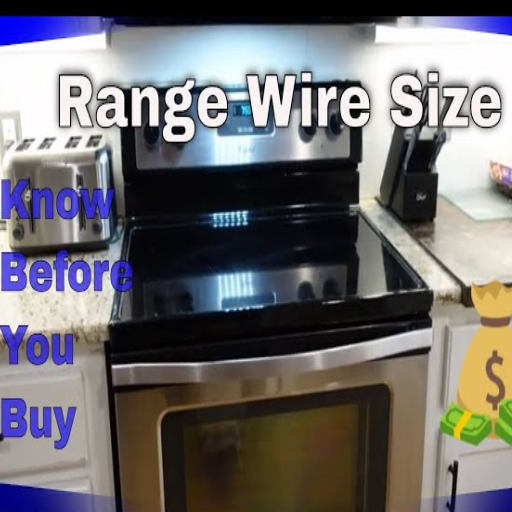
A wire size for a particular electric range usually depends upon the amperage rating of that appliance. Most household electric ranges operate on a 40-amp circuit, utilizing 8-gauge wire. Higher-powered or larger ranges often require a 50-amp circuit, for which 6-gauge wire would be recommended. Always verify the exact amperage requirement in your appliance’s user manual or specification sheet before installation, to ensure a safe and proper installation that conforms to local electrical codes. When in doubt, seek a licensed electrician to remain risk-free.
Importance of Choosing the Right Wire Size
Choosing the correct wire size for an installation is crucial, as it ensures the installation is safe, efficient, and hazard-free. Too small wires can overheat with excessive current, thus increasing the risk of an electrical fire. Wires of insufficient gauge, for instance, may not be able to handle the load of large appliances, such as electric ranges, further contributing to insulation damage and failure. Conversely, larger wires may be on the safe side but can be a nuisance owing to their excessive cost and difficulty in handling during installation.
American Wire Gauge (AWG) System: The American Wire Gauge (AWG) is the widely accepted system of wire sizing, with lower gauge numbers indicating thicker wires. For instance, a 10-gauge wire is rated for a maximum of 30 amperes over short distances; an 8-gauge wire can carry approximately 40 amperes; and a 6-gauge wire can carry approximately 55 amperes.
These values, however, decrease with the length of the cable, since voltage drop becomes a concern. The general rule is that for every 100 feet of wire, there is almost a 2% drop in voltage, which can affect device operation. An experienced electrical designer does the proper calculations and ensures that all code standards are met to avoid these situations.
Wire materials affect performance differently. Copper wires are used due to their superb conductivity, but aluminum wires are sometimes used because they are cheaper and lighter. Aluminum wiring must have a larger gauge than copper wiring to carry the same current. Ultimately, selecting the correct wire size for an installation should be done in conjunction with careful planning and consideration of the electrical load, wire material, and the distance of the run to ensure a safe and dependable electrical system.
Common Wire Gauges for Electric Stoves
When selecting wire gauges for electric stoves, the power requirements and distance from the electrical panel must be taken into account. Most typical electric stoves operate on a 240-volt circuit and usually require 30 to 50 amperes, based on the model.
| Amperage Rating | Copper Wire Gauge | Aluminum Wire Gauge | Application |
|---|---|---|---|
| 30 Amp | 10-gauge | 8-gauge | Smaller electric stovetops or ranges |
| 40 Amp | 8-gauge | 6-gauge | Medium to large electric ranges (most common) |
| 50 Amp | 6-gauge | 4-gauge | Larger or commercial-grade electric stoves |
30-Amp Electric Stove
A 30-amp electric stove requires a minimum of 10-gauge copper wire for a 240-volt circuit carrying 30 amperes. This probably is the minimum size needed for smaller electric stovetops or ranges that consume less power.
40-Amp Electric Stove
Most medium to large electric ranges fall into this category; they require an 8-gauge copper wire to safely support the 40-amp load. This is a typical arrangement for residential kitchens.
50-Amp Electric Stove
For the larger or commercial-grade electric stoves, 6-gauge copper wires are recommended. They can safely handle the greater amperage without any danger of overheating.
Important Note: It is essential to note that if aluminum wires are used instead of copper, the gauge size of the wire must increase by one level to maintain an equal current capacity. For example, the size of an aluminum wire required for a 40-amp load is generally 6-gauge, as opposed to 8-gauge for copper wire. Additionally, regardless of the type of wire used, it is essential to verify compliance with local building codes and the National Electrical Code (NEC) to ensure adherence to safety regulations. Using the correct gauge wires will prevent overheating and ensure the electric stove operates efficiently.
Factors Affecting Wire Size Selection
Several factors are typically taken into consideration when selecting the size of wire for an electrical installation.
Current Load Requirements
The most critical factor is the load current that the wire carries. In other words, amperes, the strength of current, for which the wire has been designed. For instance, an average household 240V electric stove requires between 30 and 50 amps, depending on its size and power rating. The correct wire gauge will, therefore, safely carry the current, while failure to do so may lead to overheating or even start a fire.
Length of the Wire Run
Wire length affects the voltage drop caused by the resistance, which reduces the voltage level as current passes through the wire. Long wires require thick wires (small gauge) so that the voltage at the end against the appliance is high enough. As a general rule, the drop voltage should not exceed approximately 3% for both efficiency and safety reasons. This percentage value can be calculated by considering the wire gauge, wire length, and the current carried by the wire.
Material of the Wire
Two primary electrical wiring materials are copper and aluminum, with conductivity as a key difference between the two. Copper, being a better conductor, can allow smaller-gauge wires to carry higher loads than aluminum can. For example, an 8-gauge copper wire can ordinarily carry up to 40 amps, while an aluminum wire of the same rating will need to be 6-gauge.
Ambient Temperature
The higher the ambient temperature, the lower the current the wire can carry. Electrical codes provide ampacity correction factors for various temperature ranges to protect the wire’s allowable ampacity and ensure safe use in different environmental conditions. For example, if the ambient temperature exceeds 86°F, then the current-carrying capacity of the wire must be de-rated accordingly.
Insulation-Based Wire Type
The insulation type not only protects the wire but also determines the temperature to which a wire can be subjected. For common-type cables, such as THHN or XHHW, their temperature ratings must be compatible with the installation requirements. For example, THHN wire can be heated to 90°C (~194°F) if used dry.
The Uncommon Use of Voltage Rating
Less commonly, voltage can be a limiting factor, but it should still be in sync with the system it will serve. 120V or 240V circuits will probably serve most residential installations, but industrial circuits might require wire types with higher voltage ratings.
Professional Recommendation: A careful analysis of all these factors will help ascertain the correct wire gauge and material. Any installation must be backed up by consulting accepted industry standards, like the NEC, to ensure compliance and safety.
Types of Cables for Electric Ranges
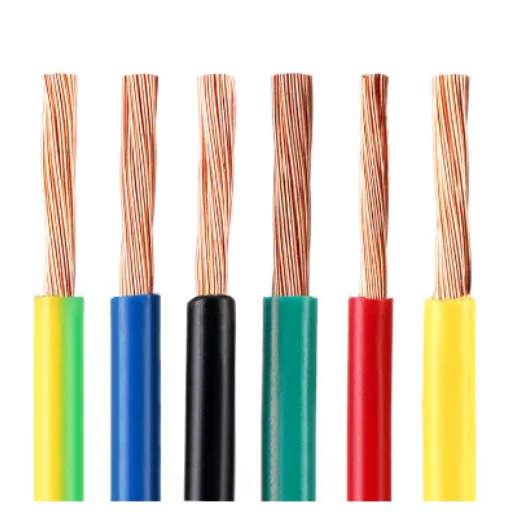
Electric ranges must have cables that can safely carry high levels of current. The most commonly used type is either SE (Service Entrance) cable or NM (Non-Metallic); this depends on whether the installation will be outdoors or indoors, as well as local code requirements that govern it. Such cables typically have three conductors with insulation, surrounded by a bare copper ground wire intended to support 240V amperage, with a size compatible with the appliance’s amperage rating, usually 40 or 50 amps. Always verify local codes and the manufacturer’s specifications to ensure compliance with the exact cable requirements.
4-Prong vs 3-Prong Cables
For safety reasons and to comply with modern electrical standards, it is essential to know the difference between four-prong and three-prong cables when installing an electric range. An older home would mostly have a three-prong cable consisting of two hot wires and one wire functioning as both neutral and ground. Such a design does not include a ground wire, which raises concerns such as electrocution or the risk of fire under certain circumstances.
3-Prong System (Legacy)
- Two hot wires
- One wire functioning as both neutral and ground
- No dedicated ground wire
- Higher risk of electrocution
- Increased fire risk in certain circumstances
4-Prong System (Modern Standard)
- Two hot wires
- One dedicated neutral wire
- One dedicated ground wire
- NEC approved since 1996
- Enhanced safety features
- Prevents stray currents
On the contrary, a four-prong installation has received National Electrical Code (NEC) approval since 1996 and features two hot wires, one fully integrated neutral wire, and one ground wire. Separation of neutral and ground wires enhances safety partly by preventing stray currents on the neutral from energizing the metal frame of the appliance.
Safety Alert: According to scientific studies and industry standards, ground-fault risks are best mitigated by 4-prong systems. Hence, the new codes mandate 4-prong outlets and cables for all new installations. Homeowners across the nation with a three-prong outlet may need to upgrade their setups, either by rewiring the outlet or purchasing a code-compliant adapter. When installing or upgrading an electric range cable, consult a licensed electrician to ensure compliance and guarantee the utmost safety.
Choosing the Right Type of Cable
Choosing the correct cable for your electric range is a safety issue, but also relates to performance and code application today. The vast majority of electric ranges require a 240-volt connection, and the choice of cable depends on the outlet and the electrical specifications of the appliance.
For 4-Prong Outlets
For 4-prong outlets, you will require the 4-wire type of cable: two hot wires, a neutral, and a ground, ensuring safety by separating neutral and ground. Typically, electric ranges use either 6/3 or 8/3 cables, depending on the appliance’s amperage. For example, a range that requires up to 50 amps will typically require a 6/3 cable, while one with 30 to 40 amps can use an 8/3 cable. Double-check the amperage of your range in the manufacturer’s specifications.
For 3-Prong Outlets (Legacy Systems)
The 3-wire cable may be used on an older setup with 3-prong outlets, but it is now discouraged for safety reasons. In older 3-wire setups, grounding is typically provided via the neutral wire, which may not meet current electrical standards.
Cable Jacket Material Considerations
The jacket material of the cable is another essential thing to consider. On the inside, NM-sheath cables are typically used. However, in areas prone to moisture or where the cable is exposed, it must be toughened to withstand harsh conditions, including UV and water resistance. For instance, SRD or SRDT-type cables are often recommended for ranges due to their robust construction and the trust placed in them.
Code Compliance: Check for local electrical code requirements before choosing a wire. Attention to these issues ensures a safe and efficient installation while minimizing risk and adhering to current standards.
Comparing Cable Materials
When it comes to electrical wiring materials, copper and aluminum are the primary choices. Being a better conductor, more durable, and less susceptible to overheating, copper is the widely favored option, especially in cases requiring high power with minimal voltage drop and long-lasting applications. However, the cost and weight of copper cables can also pose drawbacks during installation.
| Material | Advantages | Disadvantages | Best Use Cases |
|---|---|---|---|
| Copper | • Superior conductivity • More durable • Less susceptible to overheating • Minimal voltage drop • Long-lasting |
• Higher cost • Heavier weight • More difficult installation |
High-power applications, permanent installations, critical circuits |
| Aluminum | • Lighter weight • More economical • Good for large-scale projects |
• Lower conductivity • Prone to oxidation • Higher maintenance needs • Reduced long-term reliability |
Large-scale projects, budget-conscious installations, temporary setups |
Aluminum cables are indeed lighter and more economical, making them a viable choice for large-scale projects or those with budget constraints. Aluminum has lower conductivity than copper; the oxidation of aluminum may increase maintenance needs and compromise its long-term reliability. To avoid this, aluminum wires are commonly treated or coated to ensure suitable performance.
To conclude, the decision is made based on specified factors, including budget constraints, load requirements, and environmental conditions. Therefore, the criteria must be analysed to ensure that the selected material is safe and performs optimally for the application.
Electrical Requirements for Electric Stoves
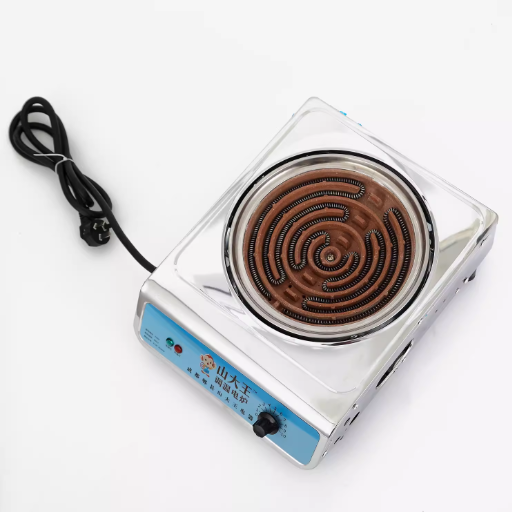
Electric stoves must be on their circuits for their safe and efficient operation. Usually, they require a 240-volt circuit with a 40-amp breaker, raising the question of whether specific models require a 50-amp breaker due to increased power requirements. The wiring should have much heft; it should generally be #8 if a 40-amp breaker is used or #6 if a 50-amp breaker is used so that it can handle the electrical load safely. Always check the fine print requirements in the manufacturer’s manual and comply with local electrical codes to ensure a safe installation.
Understanding Amperage Needs
Sometimes, amperage requirements for appliances like electric ranges, dryers, and water heaters depend on the power ratings of the specific model. Such a dryer might require a 240-volt circuit with a current rating of 30 amps. Similarly, electric ranges usually require circuits of 40 to 50 amps, depending on size and wattage. Larger and professional-grade appliances can require a significant amount of amperage, sometimes exceeding 60 amps. The breaker and wiring of the circuit must be capable of safely handling the specific load.
Amperage = Wattage ÷ Voltage
Amperage is calculated using the formula amperage = wattage ÷ voltage. Suppose, for example, an appliance has a power output rating of 8,000 watts, distributed through a 240-volt circuit. This circuit needs about 33.3 amps. Such information helps in selecting the correct breakers and wire sizes; improper wire sizing can lead to overheating and create a hazard. Ten-gauge wire is used for circuits with an amperage rating of 30 amps or less; for higher amperage ratings, a thicker wire, either 8-gauge or 6-gauge, is appropriate. Always obtain the advice of or follow the instructions provided by electricians or manufacturers to ensure the system meets all safety codes.
Calculating Power Requirements
To accurately calculate power requirements, it’s important first to find the total wattage of the devices and appliances under a particular circuit. Power in Watts (W) is calculated with the formula:
Power (W) = Voltage (V) × Current (A)
- Example 1: A piece of equipment that utilizes a 120-volt line and draws 5 amperes of current will require 600 watts of power (120 V × 5 A = 600W)
- Example 2: A major appliance on a 240-volt circuit drawing 20 amps requires 4,800 watts of power (240V × 20A = 4,800W)
Safety Factor: Due to safe electrical design practices, one should only consider 80% of a given circuit’s amp rating for use. For example, a 15-amp circuit rated at 120 volts would safely support 1,440 watts (15A × 120V × 0.8).
Heavy appliances such as electric water heaters, cookers, or air conditioners often require special power considerations. A central air conditioner in a house, depending on its size and efficiency rating, can require more than 5,000 watts. Performing accurate calculations will ensure that the electrical system has sufficient capacity, making tripping of breakers highly unlikely and reducing the risk of unsafe conditions.
Finally, whenever configuring complete electrical systems or adding new circuits, always consider the overall load of the leading service panel’s capacity, which capacity is often rated at 100, 150, or 200 amps in most residential situations.
Choosing the Right Circuit Breaker
Understanding the specific needs of your electrical system will help you choose the correct type of circuit breaker. Breakers are rated for the amperage, voltage, and their interrupting power. Circuit breakers available to the residential market range from 15 to 60 A, with 20-A breakers being the most common for general-use circuits, such as those for outlets and lighting. A breaker of significant amperage, such as 30 or 50 amperes, may be dedicated to a load consisting of a water heater or an HVAC system.
Voltage Ratings
Equally important are voltage ratings. U.S. residential installations frequently use single-pole breakers rated for 120 volts, or double-pole breakers rated for 240 volts. For large equipment used in high-demand applications, double-pole breakers become appropriate, given the voltage and current demands as well.
Interrupting Capacity
Moreover, interrupting capacity (in amperes) is what primarily determines the allowable limit for fault current that a breaker can safely interrupt while remaining undamaged. For most residential installations, an interrupting capacity of 10,000 amps (10 kA) generally suffices. Above this level, at a particular place having a fault current, such as near transformer substations, higher interrupting capacities are necessary to ensure safety.
Advanced Safety Features
Now, these aren’t the only nice features these modern breakers may provide. More advanced options offered by these breakers include GFCI and AFCI. Those GFCI breakers should be used in every area where moisture may be a problem, such as bathrooms, kitchens, and outdoor locations, to name a few. These AFCI breakers help prevent fires caused by arc faults and should be installed in all bedrooms and any other areas with a high risk of fire.
Compatibility Check: When upgrading or installing a new breaker, take an extra step to ensure it is compatible with your electrical panel. Always match the breaker with the make and model number of your panel to avoid poor connections or safety hazards. When in doubt, always consult a licensed electrician to ensure your system runs efficiently and safely.
Electric Furnace Cable Installation Precautions
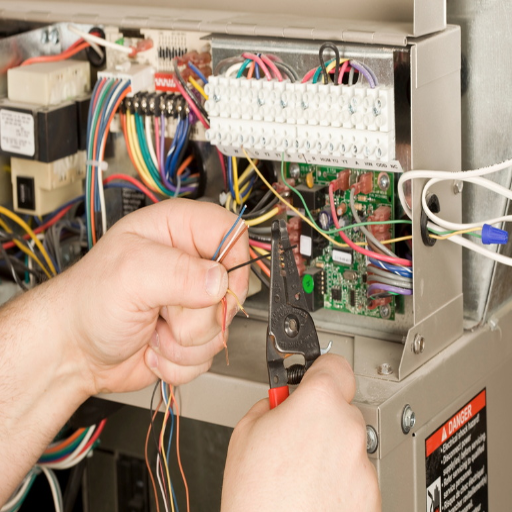
- 1Choosing the right cable: Ensure the cable’s power and voltage ratings meet the requirements of your electric furnace. An improperly connected cable can overheat and pose a potential hazard.
- 2Comply with Local Codes: Follow local electrical codes and regulations to ensure the installation meets safety standards.
- 3Connections Check: Ensure all connections are very tight and that there are no loose wires that could allow electrical arcing or short circuits to occur.
- 4Dedicated Circuit: Electric furnaces typically require a devoted circuit with sufficient capacity to handle their high demand without overloading other systems.
- 5Switch Off Power: Before starting any installation, always switch off the power from the main circuit breaker to avoid accidental shocks.
Professional Consultation: For further consultation, a licensed electrician should be sought to perform a safe and correct installation if any doubt arises in any step of the process.
Hiring a Licensed Electrician
Hiring a licensed electrician ensures that the job is done safely, efficiently, and in accordance with local building codes. Licensed and bonded electricians undergo rigorous training for several years, pass a series of tests, and continue their education to stay up-to-date with all current safety protocols and new technological advancements in their industry. Licensed electricians can provide diagnoses and solutions for even the most complicated electrical issues, solutions that do not leave the very real risks of electrical fire or power outages.
Fire Safety Statistics: Defective or botched electrical work contributes to approximately 2 percent of all residential fires nationwide, resulting in around 51,000 incidents annually. This type of risk can be significantly minimized by a licensed electrician who complies with all safety standards and installs wiring or conducts repairs using high-quality materials.
Some insurance claims may require the insured to provide proof of professional electrical work to validate the claim. Thus, engaging a licensed electrician protects not only your house but also warranties on devices and systems, should anything go wrong.
If anyone were contemplating an electric furnace installation or any other high-load system, a licensed electrician would be crucial, as the dedicated circuit needed to handle increased power could be designed and installed without compromising the overall system integrity. Before others spend their money on qualified professionals, they may save time, money, and potentially even a life, by avoiding costly errors and future problems.
Common Installation Mistakes to Avoid
Using Unsuitable Wire Sizes
One common mistake in over-the-counter installation under these windows is specifying an inappropriate wire gauge based on the circuit’s power demand. Wires with an undersized gauge may overheat and cause fires; therefore, the correct wire should be inexpensive but manageable to install. If we consider a 20-amp circuit, it usually requires its 12-gauge wire. The wiring must thus be in accordance with the size requirements, generally a matter of efficiency and safety.
Failing to Add Dedicated Circuits to High-Load Appliances
High-power appliances, such as electric furnaces, dryers, ovens, or other high-power appliances, require a dedicated circuit. When an appliance is connected to a shared power circuit, power overloads can occur, causing breakers to trip and potentially injuring the installation. Statistically, overloaded circuits are a significant contributor to electrical fires in residential settings.
Improper Grounding
Failing to ground an electrical system properly exposes the system to potential shock hazards or equipment damage. Local codes mandate the grounding of all outlets and appliances to avoid hazardous electrical faults. Untested surges can cause damage to devices if not properly grounded.
Failure to Use GFCIs in Required Areas
Ground Fault Circuit Interrupter (GFCI) outlets should be installed wherever electrical circuits are exposed to moisture, such as bathrooms, kitchens, or outside. Not installing GFCIs means a much higher chance of electrical shock. Code compliance is often required both for lessons learned and self-governance.
Inadequate Circuit Labeling
Incorrectly labeling an electrical panel or failing to label it at all will only cause confusion during future maintenance or repair jobs. Proper and informative labeling of the circuits saves a significant amount of time and effort in quickly identifying the correct circuit whenever the need arises, whether during a problem or an emergency.
Overlooking Load Calculations
Improper electrical load calculation poses a risk of the circuit being underpowered or overloaded. It is, therefore, essential that load calculations account for the total wattage of all appliances and devices connected to a circuit to ensure that the breaker and wire chosen can comfortably carry the demand.
Skipping Permit and Code Requirements
Attempting to skip permits or disobey local electrical codes to save money is a significant violation that can lead to hazardous conditions and costly fines. To ensure safety and that installations are reliable and up to standard, installations should be compliant with electrical codes.
Professional Advice: By being mindful of these errors and engaging with experienced professionals, homeowners and installers can ensure safe and high-quality electrical installations that will last for years to come.
Safety Precautions During Installation
Ensuring electrical installation safety is crucial to prevent accidents, injuries, and system failures. First, before initiating any work, ensure all power is off from the main circuit breaker to avoid the possibility of electric shock. Personal protective equipment (PPE) must also be worn, including insulated gloves and safety goggles, to protect against various hazards.
Safety Statistics: While working with wiring, such tools with insulated handles further reduce the risk of shocks. It has been said that 97% of all home electrical accidents could be prevented with simple safety precautions. Using a voltage tester to test circuits before touching wires is one of those easy safety measures.
Furthermore, keep the workplace dry and clean, with no conductive materials on the surface or in the vicinity. Establish non-contact distances between lines and hand points for installations with the operation of high-voltage systems. It is reported that over 4000 injuries happen every year in the U.S. due to contact with power lines.
Lastly, ensure that you thoroughly check your grounding and bonding connections, as these are crucial for reducing fault currents and stabilizing circuits. Adhering to all these safety considerations protects the installer and ensures safe and long-lasting electrical work.
What Wire Do I Need for My Electric Range?
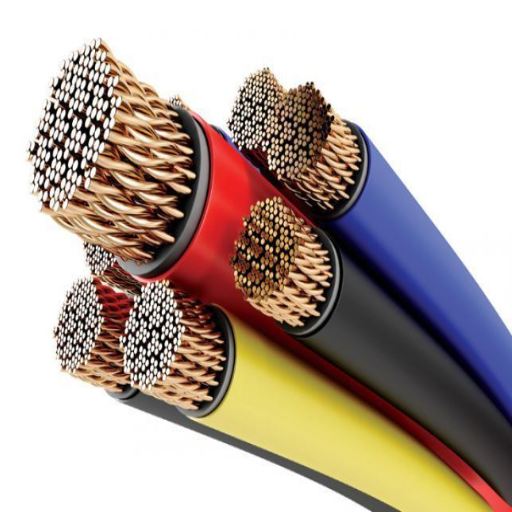
The second consideration when choosing wire for electric ranges is the amperage for the load from the panel. In the newer construction style, electric ranges operate on 240 volts. Wire sizes are 6 for 40 ampere loads and either size 6 or 4 for 50 ampere loads, depending on the local electrical code. Manufacture specifications must be followed, together with the local building codes, or consultation with a licensed electrician.
How to Measure Wire Size Properly?
To size perfectly, the first thing I like to do for a wire is to identify its gauge, either by using a gauge tool or by checking it against a gauge chart. The wire is stripped for about an inch of insulation on the conductor side, and then it is inserted into the notch on a gauge tool that corresponds to the apparent size of the wire. If, in the absence of a gauge tool, I then measure the wire diameter outside the insulation using a micrometer or a vernier caliper, I refer to a wire size conversion chart that corresponds the diameter to a wire gauge. For me, the final check is always made against the project specs for accuracy and safety.
When to Upgrade Your Wiring?
Wiring updates become necessary when your existing wiring no longer meets the power requirements of your house or business. Other reasons for upgrading your home wiring may include circuit breaker trips occurring regularly, flickering or dimming lights, outlets feeling warm or even sparking, and simply not being able to supply power adequately to present-day appliances. Present-day or not, homes with outdated systems, such as knob-and-tube wiring or aluminum wiring, pose a serious electrical hazard and should be examined. Arching or sparking outlets, the lack of sufficient outlets in the house, having old two-prong outlets, and/or having an inadequate electrical panel, such as one with less than 100 amps, will warrant an upgrade. Upgrading the wiring to meet current code requirements and safety standards is the best assurance against fire hazards and promotes energy conservation. In cases of major renovations or the installation of high-energy appliances, a licensed electrician should be consulted to inspect and upgrade the system as necessary.
Conclusion
Key Takeaways: Proper wire sizing for electric ranges is critical for safety, efficiency, and code compliance. Always verify your appliance’s specific amperage requirements, choose the appropriate wire gauge and material, and ensure all installations meet local electrical codes. When in doubt, consult with a licensed electrician to ensure a safe and professional installation that will serve you reliably for years to come.
Remember: Electrical work can be dangerous and complex. While this guide provides comprehensive information about electric range wiring, professional installation by a licensed electrician is always recommended to ensure safety and code compliance.
Reference Sources
Frequently Asked Questions (FAQs)
What is the wire size typically used for electric range wiring?
The appropriate wire size depends on the amperage requirement of a particular appliance. In most cases, electric ranges alternatively take 6 AWG wire for a load of 50 amps. This wire size, rather than the lower one-size-gauge-thin wire, prevents one-way unsafe operation due to the melting down of the wire that may come into contact with a 4-prong receptacle.
What type of cable is required for the installation of an electric stove?
For the installation of an electric stove, you must have an NM-B cable rated for the amperage involved. The standard type is the four-wire kind, consisting of two hot wires, one neutral wire, and one ground wire. This wiring configuration meets all requirements for power and safety of all electric ranges.
Do I need a licensed electrician to install the electric range wiring?
For wiring an electric range, it is best to hire a licensed electrician. An electrician guarantees the installation of a range wire that meets local codes and safety standards, minimizing the threat of electrical issues or hazards.
How does the size of a circuit breaker affect the wire size for an electric range?
Circuit breaker size is the deciding factor in determining whether any wire sizes are suitable for an electric range. For instance, wire sizes are generally 6 AWG for a 40-amp breaker, whereas for a 50-amp breaker, it can be either 6 AWG or 8 AWG, depending upon the specific installation. Wire size is significant; if it causes overheating, it poses a serious fire hazard.
What is the difference between a 3-prong and a 4-prong plug for electric ranges?
The principal difference between a 3-prong and a 4-prong plug lies in the fact that the 4-prong configuration has a separate grounding wire. The 4-prong installation is safer because it gives a separate ground connection to avoid shocks and ensure the appliance is properly grounded.
What should I consider when choosing the wire connected to my electric range?
When installing a wiring system for connecting the electric range, consider the appliance’s amperage rating, the distance from the main panel, and the type of receptacle to be used. The size of the wire must correspond to the load it carries to prevent overheating and must also comply with local electrical codes for use in that installation.
Can the wrong wire size for an electric range cause a fire?
Yes, using the wrong size of wire for the electric range can cause fire hazards. When the wire is undersized for the actual current-carrying capacity, it tends to overheat and eventually break down the insulation, leading to the ignition of adjacent materials. Always ensure that the wire size matches the appliance’s requirements and the circuit breaker.
How do I test the range after installation to ensure proper wiring?
After installing the range, I check all connections for tightness and sound insulation. I turn on the circuit breaker and use my multimeter to check that the receptacle voltage is correct. The range is now turned on and checked for regular operation. If anything is wrong, I call an electrician to troubleshoot the issue.