






The demand for renewable energy sources is extremely high now, and the world is on the brink of transitioning toward sustainability. Towering symbols of clean energy, wind turbines rely on robust power cables to transmit their energy to the grid. But what are the problems these crucial components encounter, and what are some new-generation solutions that shape their evolution? Let us explore the intricate relationship between wind turbines and energy cables, shedding light on how technological advancement offers the promise of a more reliable and efficient wind energy infrastructure. Find out, from the innovations in the design, the technologies used to enhance the mechanical resistance, and more, key developments that will historically define the future of wind energy solutions.
Understanding Wind Turbines

Wind turbines are characteristic machines that convert the kinetic energy of wind into electric energy. The big blades turn in the wind, and these are connected to a rotor. The rotor, in turn, spins the generator to produce electricity. Present-day wind turbines are typically installed in areas with consistent wind speeds, such as open plains, coasts, or offshore locations. These turbines serve as a cornerstone for renewable energy systems, providing a clean and sustainable source of power that helps lessen reliance on fossil fuels and reduce greenhouse gas emissions.
Components of a Wind Turbine
A wind turbine comprises several key components that work together to generate electricity:
Blades – Typically, the turbine has three aerodynamic blades that harness wind energy. The blades are designed to convert the wind’s kinetic energy into rotational motion efficiently.
Hub and Rotor – The rotor consists of the blades and hub. Wind forces the blades into rotation, allowing energy to flow through to the internal mechanism.
Nacelle – This contains vital components, including the gearbox, generator, and braking systems. The nacelle sits atop the turbine tower and is designed for optimal performance and protection against weather elements.
Gearbox – This increases the rotational speed of the rotor to match higher generator speeds, ensuring power generation is as efficient as possible.
Generator – The generator is a key machine that converts mechanical energy from the rotor into electrical energy.
Tower – The tower supports the nacelle and rotor at a very high altitude, helping the turbine to tap powerful and steady winds. Towers are usually made of steel and can measure the height depending on the turbine’s size.
Control System – In the 21st century, turbines are equipped with control systems that adjust to wind speed and direction, and also monitor turbine performance to ensure optimal function and safety under all conditions.
Yaw System – This system orients the nacelle such that blades are presented directly into the wind for maximum energy capture.
These components work in harmony to harness the wind’s energy and convert it into a reliable source of renewable electrical energy.
How Wind Turbines Generate Electricity
However, when air flows over turbine blades, it creates lift, just like an airplane wing. This lift causes the blades to rotate around a rotor, which is attached to the main shaft. The shaft then rotates a generator to produce electricity. The efficiency of this process has increased dramatically over time through improvements in the design and materials of the turbine.
On modern wind turbines, the capacity factor is typically between 35% and 50%, meaning that, by location and wind conditions, they produce the maximum electricity level 35-50% of the time. To provide some context, a modern onshore wind turbine can generate approximately 2-3 MW of electricity, sufficient to power around 1,500 homes annually. Offshore turbines are even more powerful, with some having a capacity exceeding 12 MW.
Important innovations, such as variable-speed generators and pitch control systems, help further optimize energy output. Aerodynamic and blade materials advances reduce drag and improve rotation efficiency. The International Energy Agency (IEA) reports that wind power accounted for nearly 7% of the world’s electricity in 2022, with projections indicating continued rapid expansion in the transition to renewable energy sources. These technological and operational advances make wind power a crucial and expanding source of clean energy.
Types of Wind Turbines
Horizontal-axis wind turbines (HAWTs) and vertical-axis wind turbines (VAWTs) are accompanied by various types of energy cables, including power cables, control cables, and fiber-optic cables.
|
Type |
Description |
Key Use |
Energy Cables |
Cable Use |
|---|---|---|---|---|
|
HAWT |
Standard turbine style |
High output |
Power cables |
Energy transfer |
|
VAWT |
Compact, vertical axis |
Low-wind fit |
Control cables |
System control |
|
Cables |
Power, control, fiber |
Connectivity |
Fiber-optic cables |
Data transfer |
Role of Energy Cables in Wind Farms
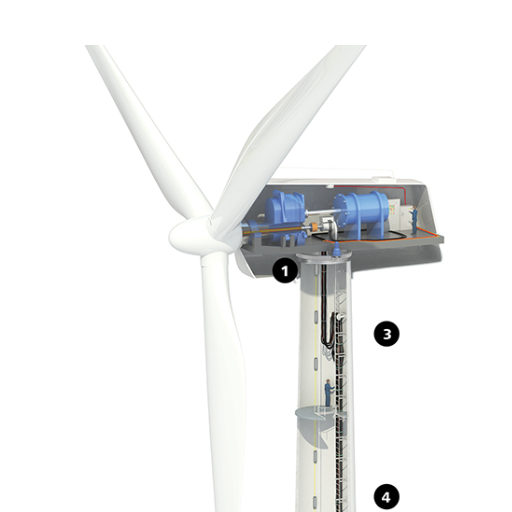
Any wind farm without energy cables is incomplete, as they facilitate the uninterrupted transmission of electricity. Power cables channel the electricity generated to the grid or various storage units for energy utilization. Communication from turbines and control over such machinery within the windscape system construction is realized through control cables. The third kind, fiber-optic cables, supports data flows for real-time monitoring and optimization of wind farm performance. Therefore, energy cables connect all the components, thus guaranteeing reliability and efficiency of the energy generation process through wind.
Types of Cables Used in Wind Energy Systems
Initially, the system is installed to use different types of cables in wind energy operations for various purposes.
Power Cables: These power cables supply the energy from the turbine to the substation or energy storage system. These include medium-voltage cables for internal wiring and high-voltage cables for transmission of power through long circuits. Standard cables used include XLPE-insulated cables and submarine cables for offshore wind farms.
Control cables: Control cables provide communication and control functions for the wind turbines. These cables connect the generator, transformer, and control panels, transferring control signals that regulate operational functions and monitor performance. They are designed to be flexible, durable, and impervious to environmental conditions.
Fiber-optic cables: Fiber-optic cables enable data communication between turbines and control centers. These cables allow real-time monitoring of system performance, optimization, fault detection, and overall system reliability. Their ability to transmit data fast is essential for operational efficiency.
Together, by utilizing these specialized cables, wind energy systems efficiently generate power and communicate, ultimately enhancing performance tracking and monitoring. Wind energy cable types are designed to withstand demanding environmental conditions and complex energy networks.
Medium Voltage Power Cables
Medium-voltage power cables are crucial components of a wind energy system, conducting electricity generated by the turbines to substations or directly to the power grid. These cables operate in the range of 1 kV to 35 kV, serving medium-scale power distribution systems.
To withstand contingencies and offer a longer lifespan, medium voltage power cables employ conductor materials such as copper or aluminum, along with insulation materials like cross-linked polyethylene (XLPE). The XLPE insulation is popular due to its excellent thermal resistance, mechanical strength, and electrical properties, providing reliability over a wide range of temperatures and environmental conditions.
Also, these cables are built to withstand harsh operating conditions, including adverse weather situations, UV degradation, and mechanical stress. For instance, specific medium voltage cables are armored or sheathed with compounds that resist corrosion, abrasion, and oil degradation. Hence, they provide a tough solution for offshore and onshore wind farm applications.
Advances in medium-voltage cable technology continue to increase efficiency and safety. For example, partial discharge monitoring systems can now be integrated to warn against early faults and prolong the lifespan of such cables. Industry studies also conclude that, if well-maintained, medium-voltage cables can last over 30 years, further contributing to the sustainability of a renewable energy system.
Thus, medium-voltage power cables serve as a vital link in dependable energy transport, keeping pace with the ever-growing demand for efficient and sustainable power solutions.
Characteristics of Wind Turbine Cables
Wind turbine cables were specially manufactured to resist the severe conditions of wind-generated power. These cables operate in rigorous environments, facing extreme temperatures, intense vibrations, UV radiation, and even chemical or moisture attacks. They exhibit high flexibility, allowing them to withstand the constant twisting motion occurring within the nacelle of a wind turbine. Wind turbine cables also exhibit excellent resistance to abrasion, oils, and chemicals that would gradually degrade the cable materials.
Concerning electrical parameters, they ensure against power loss and provide maximum current-carrying capacity. Most of the latest wind turbine cables are voltage-rated from 6 kV to 66 kV, meeting the requirements of both onshore and offshore wind farms. These cables are selected for their durability, with a typical operating life of over 20 years when properly maintained. The insulating materials, such as XLPE or EPR, exhibit excellent electrical and reliability characteristics over time.
These offshore cables are also armored for protection against mechanical damage and corrosion by saline waters. They also utilize fiber optics for the transmission of data on turbine performance, enabling real-time monitoring. Industry insight today reveals that technological advancements in wind turbine cables are a result of a global trend embracing renewable energy, thereby enhancing the sustainability and resilience of wind power systems.
Electrical Systems in Wind Energy
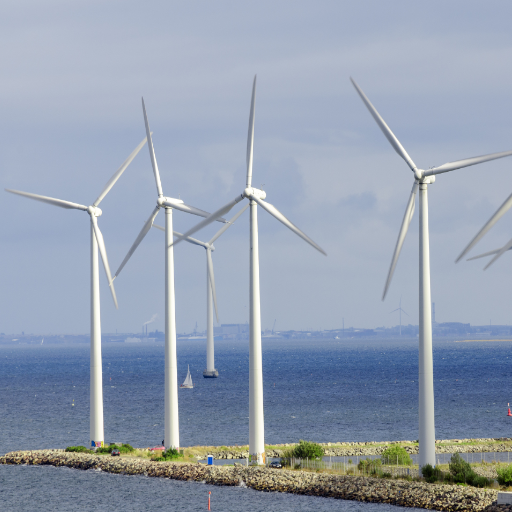
Generating electricity causes wind energy systems to convert the mechanical energy of the wind turbine blades into electrical power for utilization. The chief components include generators, transformers, and power converters. The kinetic energy given to the rotor is converted into electrical energy by the generator. In contrast, the transformer converts this electrical energy to a certain level of voltage for transmission to the grid. The power converters regulate the electrical output to meet grid requirements, providing a steady and reliable energy supply. These engineering systems are designed for maximum efficiency and must integrate with existing energy infrastructure.
Integration with the Grid
One of the most critical conditions for integrating renewable energy systems, notably wind and solar power, into the electrical grid is the use of advanced technologies and strategic planning, which enables a seamless and stable supply of electricity to consumers at all times. Modern grid systems utilize a range of innovative grid technologies, including advanced sensors, energy management systems, and tools for real-time monitoring, to balance the demand and supply of energy.
Recent advances indicate that the ongoing global energy transition has paved the way for the widespread adoption of grid-scale storage solutions, including lithium-ion batteries and pumped hydro storage. They assist in addressing the intermittency of renewable energy resources by storing energy when production is high and releasing it when demand is high. For instance, the utility-scale battery storage market has grown at a CAGR of more than 30 percent in the past few years as the costs of technologies as well as their efficiency have been declining.
DERs further enhance grid integration by enabling generation and consumption at the local level, thereby boosting the resilience of the grid. Countries around the world are investing heavily in improving transmission infrastructure, with the U.S. as a notable example, having invested over $13 billion through the Infrastructure Investment and Jobs Act to enhance grid reliability and resilience.
By combining comprehensive integration strategies with advanced technologies, collaboration is paving the way for grids that operate on renewable energy sources and can meet the growing requirements of global energy demand.
Electrical Components and Their Functions
Electrical systems comprise various components, each of which performs an essential function related to efficiency, reliability, and safety. Below are some key electrical components, their functions, and relevant data to emphasize their importance.
Resistors: The resistor is the passive element that opposes the flow of electric current and divides voltage in circuits. Resistors protect sensitive components from having excess current flowing through them. Standard power ratings on resistors range from 0.125 watts to several hundred watts, suitable for many applications in electronic devices and industrial machinery.
Capacitors: The capacitors’ ability to store and release energy temporarily, thereby allowing filtering, stabilizing, and timing applications to occur in circuits. Modern multilayer ceramic capacitors have capacitance values ranging from the picofarad (pF) to the microfarad (μF) levels, and are widely used in both consumer electronics and power systems.
Inductors: Inductors are passive components that control current by storing energy in a magnetic field. Their inductance ranges typically lie between microhenry (μH) and millihenry (mH) values. They are usually located in power supply circuits and signal processing to ensure a stable power supply and filter out high-frequency noise.
Transformers are used extensively in electrical grids and electronic devices to step up or step down voltage levels. For instance, utility transformers exist in capacities from a few kilovolt-amperes (kVA) to hundreds of megavolt-amperes (MVA) to ensure proper power transmission over long distances.
Diodes: Diodes allow the current to flow only in one direction, which is very useful in rectification, signal demodulation, and voltage spike protection. Being a type of diode, LEDs are highly efficient and consume 80% less energy compared to conventional incandescent lamps.
Batteries: Batteries are devices that store chemical energy and convert it into electrical energy upon demand. Innovations in lithium-ion batteries have already enhanced their capacities, reaching up to 300 Wh/kg, thereby transforming renewable energy storage and improving the performance of electric vehicles.
Circuit Breakers: These are quick-acting protective devices that automatically interrupt power flow under a fault condition, i.e., either a short circuit or an overload, within milliseconds to protect the electrical system and connected appliances from damage.
Strategically assembled into circuits or power systems, the electrical components serve as technological building blocks across various sectors, including renewable energy, telecommunications, and transportation. Their continuous invention and refinement are the answers to the ever-growing demands for efficiency and sustainability in today’s applications.
Challenges in Electrical Systems
Are electrical systems undergoing any challenges in particular? Well, technology evolves, and the need for energy-efficient systems, along with high-end reliability, sets the main requirements. In many parts of the world, however, aging infrastructure poses a significant issue for electrical systems, as equipment and systems are becoming increasingly outdated and unable to meet the modernization requirements of present-day electricity. Studies reveal that in certain countries, approximately 70% of the grid infrastructure was installed about 25 years ago, resulting in constant breakdowns that incur significant maintenance expenses.
Another major challenge is integrating renewable energy sources (such as solar and wind) into existing grids. These sources are intermittent and hence must be coupled with an energy storage system and a smart grid to guarantee an uninterrupted power supply. For example, we must triple the global energy storage capacity by 2030 to enable the green transition.
Cybersecurity threats loomed over electrical systems. With an increase in smart grids and IoT devices, the electrical infrastructure entered a new world of cyberattacks. Over the past five years, attacks on critical infrastructure, including electrical grids, have increased by 30% or more, underscoring the need for robust cybersecurity measures.
Lastly, the ever-growing demand for electrification, primarily driven by electric vehicles and innovative technologies, adds significant strain to existing electrical systems. To meet this demand, an enormous amount of investment in grid modernization is required, estimated to exceed $14 trillion globally by 2050, ensuring the capability and reliability of tomorrow’s electrical systems. Any action taken to address these challenges will undoubtedly benefit sustainable economic growth and technological development.
Cables Used in Wind Energy
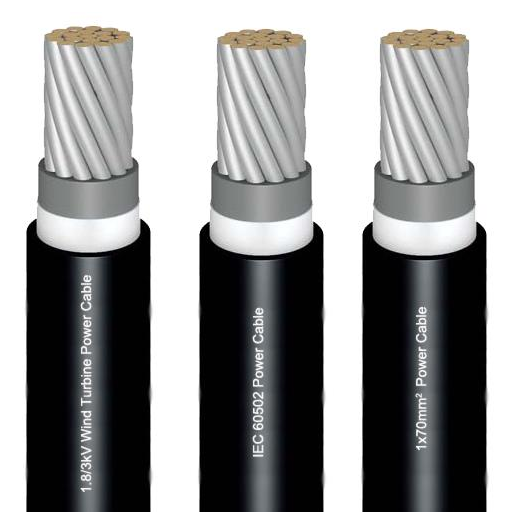
The cables of wind energy systems play a crucial role in power transmission and the efficient operation of the system. Among the most common types are:
Power Cables: They carry the electrical power generated by the wind turbine into the grid or for storage. These cables are designed to operate under very high voltage and maintain durability in harsh environmental conditions.
Control Cables: These are used to monitor and control various types of turbine operations, such as blade positioning and system diagnostics.
Fiber Optic Cables: They transmit data at high speed for communication from turbines to the operational control center.
All of these types of cables are designed to withstand harsh environmental conditions such as high winds, temperature variations, and moisture to function reliably in both onshore and offshore wind farms.
Types of Energy Cables
Wind turbines and energy cables encompass a range of cables, including power cables, control cables, fiber optic cables, medium-voltage cables, low-voltage cables, and grounding cables.
|
Cable Type |
Function |
Location |
Durability |
|---|---|---|---|
|
Power Cables |
Transmit power |
Turbine to Grid |
High |
|
Control Cables |
System operations |
Inside Turbine |
High |
|
Fiber Optic Cables |
Data communication |
Turbine Network |
High Speed |
|
Medium Voltage Cables |
Connect turbines |
Farm Network |
High |
|
Low Voltage Cables |
Internal circuits |
Inside Turbine |
Moderate |
|
Grounding Cables |
Lightning safety |
All Components |
High |
Choosing the Right Wind Turbine Cables
Selecting cables in a wind turbine project entails many vital considerations to maintain efficiency, safety, and far-reaching durability:
Environmental Conditions: Cables must be positioned to withstand harsh environmental conditions, including high-temperature effects combined with UV rays, heavy winds, salt spray, and humidity. Ensuring that the cables are selected with strong outer sheathing material, such as XLPE or thermoplastic, will guarantee that performance will stand the test of time.
Electrical Requirements: Proper voltage and current ratings are to be ascertained. Medium- and low-voltage cables serve different purposes and should be selected based on the electrical loads expected in their respective applications.
Mechanical Stress: Given that a wind turbine constantly moves, its cables must withstand various mechanical stresses, including torsional and bending forces. An acyclic and more flexible design will limit damage during operation.
Fire Resistance and Safety: It is recommended that cables be of the fire-resistant and halogen-free varieties to minimize risks to equipment and people in the event of an electrical failure.
Data Transmission Needs: The status of communication and controlled monitoring with fiber optic data cables is crucial in modern turbines to maintain system efficiency and control. High-speed data transmission is significant with minimal signal degradation.
Compliance with Standards: Ensure that the cables conform to industry regulations and international certifications such as IEC standards to guarantee the quality and compatibility of the wind turbine systems.
Addressing these considerations will help you select cables that suit specific wind turbine applications, enabling them to produce energy for an extended period.
Durability and Performance Standards
Durability and high performance are key considerations when selecting cables for wind turbine systems, as they operate in extreme conditions. Wind turbine cables must withstand high mechanical stresses, including torsion induced by the rotation of components. For instance, torsion-resistant wires are required for uninterrupted operation, as a resistance of 150° per meter of twisting is sufficient to interfere with operation.
Furthermore, resistance to environmental factors such as UV rays, moisture, salt spray in coastal regions, and temperature variations from -40°C to 90°C or higher, depending on the area, must be provided for these cables. XLPE and TPU are two materials commonly used in cable insulation and sheathings for enhanced resistance and longevity purposes.
Along with the latest standards, IEC 60811 provides some of the strictest mechanical and thermal testing to qualify cables and place them against industry norms. For example, cables must undergo tests for tensile strength and elongation at break and be subjected to thermal ageing to ensure that these properties will withstand the test of time after deployment in the field for years. Also of paramount importance are flame-retardant and low-smoke testing, especially in enclosed turbine spaces, as specified by the IEC 60332 and IEC 61034 standards.
Meeting all these durability and performance standards ensures that wind turbine cables will provide the much-needed reliability for consistent energy generation while minimizing the need for frequent maintenance or replacement.
Solutions for Wind Energy Cable Management
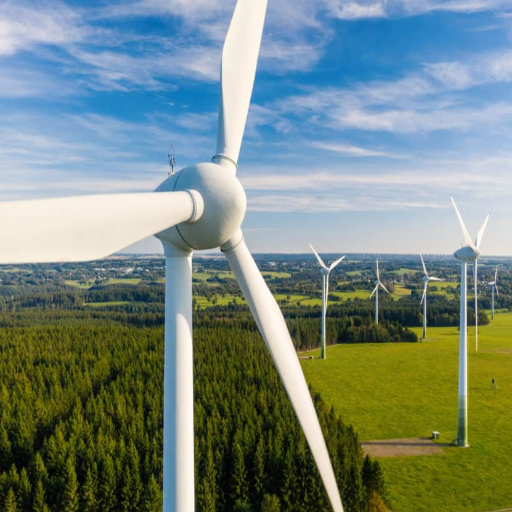
For efficient wind energy cable management, strong and weatherproof cable protection systems must be used, such as conduits, trays, and clamps, all of which must be robust enough to withstand harsh environmental conditions. Proper routing of cables minimizes mechanical stress, while strain relief devices avoid tension damage. It is also beneficial to carry out regular inspections and maintenance to detect wear, corrosion, or other faults early. Applying a sound management plan, along with standard procedures, would help ensure that cable performance in wind farms remains optimal and energy generation systems remain reliable.
Best Practices for Installation
When I think of best installation practices, I envision careful planning and adherence to industry standards. This means that the installation work has to provide for proper cable routing so that they are not subjected to unnecessary stresses. Secondly, the use of quality materials compatible with the environmental conditions must be ensured. To achieve this, strain relief should be provided to cable terminations to prevent damage resulting from tension. I also believe in conducting regular inspections during and after installation to ensure the successful suppression of potential problems, thereby ensuring the system’s long-term reliability.
Maintenance and Inspection Strategies
Effective maintenance and inspection will enable a system to maintain its structure and, therefore, operate at optimal performance for as long as possible. Regular inspections should be conducted to identify potential breakdowns, such as wear and tear, corrosion, or other forms of damage, as early as possible. Similarly, preventive maintenance is also designed to prevent failures from occurring; such maintenance may include actions such as cleaning, lubrication, or tightening of connection nuts. Predictive maintenance tools can also be used to anticipate failures once they occur and perform repairs ahead of time. A documented record shall exist for all inspections and maintenance activities, allowing trends to be identified and industry standards to be adhered to. Such combinations will undoubtedly help improve the system’s reliability and minimize downtime, ultimately leading to a decrease in total costs.
Future Innovations in Energy Cable Solutions
The current phase is one of rapid advancement in the energy cable industry, with increasing demand for efficiency, sustainability, and reliability. High-temperature superconducting cables, which can transmit electric current with virtually no energy loss, are excellent examples of how energy efficiency can be improved. Additionally, advancements in materials, including nanotechnology and robust insulation systems, enhance cable performance and durability in challenging environmental conditions.
Innovative cable systems: sensors and the IoT to measure performance parameters (such as temperature and faults) in real time are integrated into these systems. Predictive maintenance and the avoidance of catastrophic failures can thus be achieved. There are also research activities aimed at producing candles using green approaches and recyclable materials to make the candles more sustainable, in line with the global drive to reduce carbon footprint.
This set of innovations aims to enhance the energy sector, providing strong, efficient, and environmentally friendly solutions that address the challenges of a more electrified and interconnected future.
Reference Sources
1. “Presenting a Wind Turbine Model for Climate Change Education and Action”
2. “Limitations of HVAC Offshore Cables in Large Scale Offshore Wind Farm Applications”
3. “A Wind Farm Electrical Systems Evaluation with EeFarm-II”
Frequently Asked Questions (FAQs)
What is the role of wind power generation in clean energy initiatives?
Wind power generation plays a crucial role in clean energy initiatives by harnessing the natural force of wind to produce electricity. This renewable energy source helps reduce reliance on fossil fuels, thereby lowering greenhouse gas emissions and promoting a sustainable future.
What types of energy cables are necessary for wind energy production?
Energy cables used in wind energy production must be specially designed to withstand extreme weather conditions and high temperatures. These cables are responsible for transmitting the power generated by wind turbines to the grid, ensuring efficient energy transmission and distribution.
How do wind turbine cables ensure efficient transmission of electricity?
Wind turbine cables are designed to minimize energy loss and ensure efficient transmission of electricity. They are constructed with materials that offer excellent conductivity and corrosion resistance, making them suitable for harsh marine environments where many wind farms are located.
What characteristics do energy cables need to have for wind power applications?
Energy cables used in wind power applications must possess characteristics such as UV resistance, flexibility, and durability. These features ensure that the cables can withstand extreme climatic conditions and provide reliable performance over their operational lifespan.
Can you explain the importance of grid connection for wind farms?
The grid connection is vital for wind farms as it allows the generated electricity to be delivered to consumers. Properly designed energy cables facilitate this connection, ensuring that power can be transmitted efficiently and safely from wind turbines to the electrical system.
What are the advantages of using pre-assembled wind energy cables?
Pre-assembled wind energy cables offer several advantages, including reduced installation time and lower labor costs. These cables are manufactured to specific lengths and specifications, which simplifies the installation process and enhances the reliability of the electrical connections.
How do communication cables support wind energy systems?
Communication cables are crucial for wind energy systems, as they enable the real-time monitoring and control of wind turbines. These cables transmit data related to performance and operational status, allowing for timely maintenance and optimization of energy production.
What solutions are available for protecting wind turbine cables from environmental damage?
Solutions for protecting wind turbine cables include using materials with enhanced corrosion resistance and UV protection. Additionally, proper installation techniques and regular maintenance can help ensure the longevity and reliability of these cables in challenging working environments.
What challenges do energy cables face in harsh marine environments?
Energy cables in harsh marine environments face challenges such as corrosion, extreme temperatures, and mechanical stress from waves. To mitigate these issues, cables are designed with robust materials and protective coatings that enhance their durability and performance under such conditions.