








First and foremost, safety and efficiency are interdependent on selecting the correct wire size for the specific needs of an electrical system. For homeowners and professionals, understanding the requirements of a 200-amp service is essential; otherwise, one may be involved in fire hazards, energy loss, and potential violation of local electrical codes. This blog post guides the reader step by step through the essentials of 200 amp service wire sizes, explaining material type, wire gauge, distance, and other important considerations. Whether you’re upgrading your house or installing a new system, the information in this guide should enhance your ability to make informed decisions and ensure that your electrical system meets local code requirements for optimal longevity.
Understanding 200 Amp Service

Today, the most common residential electrical system is typically rated at 200 amps. Its electrical power has the capability of fulfilling the needs of most commercial homes, large appliances, lighting, and HVAC systems. The primary advantage of the 200-amp service is that it can provide sufficient electrical power to meet today’s energy requirements and offer some headroom for future expansions. This service typically utilizes thicker wire to carry a larger electrical load safely. The exact wire gauge will then depend on several variables, like the material used (copper or aluminum) and the distance of the service panel from the source of power. Always refer to local codes and consult with a licensed electrician to ensure compliance and safety in any such installation or upgrade.
What is 200 Amp Service?
The building’s electrical system is designed for a 200-amp service, capable of handling a load of up to 200 amperes. Due to the increased use of electrical appliances and systems, this type of service has become the standard in most modern homes. It provides the ability to safely run all essential household systems, including heating, air conditioning, water heating, and appliances that consume large amounts of electricity, such as ovens, refrigerators, and washers, while leaving room for future electrical requirements.
Depending on the distance from the service entrance to the electrical panel, 2/0 AWG copper wire or 4/0 AWG aluminum wire is generally required for setting up a 200-amp service. The distance consideration ensures that the wiring can sufficiently handle the increased current rating while avoiding the accumulation of heat and the risk of overload.
Statistically, most newly built houses across the United States are provided with 200-amp service or higher. For instance, most single-family homes in urban and suburban areas require this level of capacity to accommodate state-of-the-art HVAC systems, electric vehicle charging stations, and other high-demand electronics.
Additionally, upgrading may increase the property’s potential value while safeguarding the home against the energy demands of modern technologies, such as solar power or smart home solutions. It is wise to have a licensed electrician first evaluate your house’s needs before making the upgrade, so that it is checked against local electrical codes.
Benefits of a 200-Amp Service
The various practical applications of upgrading to a 200-Amp service will meet modern energy requirements. From the beginning, this service is crucial in reducing circuit overloads, as many households now rely on massive energy-consuming appliances, such as air-conditioning facilities, electric ovens, or EV chargers. A 200-Amp service provides a more stable and efficient power distribution, resulting in fewer breaker trips and a better safety rating.
The installation of a 200-Amp service would similarly enable a house to install a renewable power system such as solar power. Thus, an upgrade provides sufficient capacity to integrate battery storage systems, making it a sustainable solution in the long run, particularly in terms of reducing electric bills. Research indicates that with the increasing application of renewable energy, there is a greater emphasis on higher electrical capacity.
For smart home considerations, the upgrade ensures that all smart devices, including smart thermostats, security systems, and entertainment systems, function smoothly. Additionally, a 200-Amp service is a significant upgrade for resale value. Many homebuyers are now seeking properties with modernized electrical infrastructure, as this eliminates the need for future upgrades, making them an attractive selling point.
Lastly, this 200-Amp panel upgrade may also result in long-term cost savings through higher energy efficiency and reduced incidents of electrical accidents. Whether for safety, efficient energy management, or to increase home value, a 200-Amp electrical service upgrade provides homeowners with a reliable and future-proof solution.
Common Uses of 200 Amp Service
A 200-Amp service is truly a perfect, well-balanced capacity to meet the power requirements of modern-day homes and commercial establishments. Applying this service to power load-hungry appliances, such as heavy electric air conditioners, electric water heaters, and major kitchen appliances, which require a substantial and steady electrical input for smooth and efficient operation, is the most common usage. This capacity would rarely give rise to any risk of circuit overload, even when these devices are operating simultaneously.
These days, with the large-scale promotion of electric vehicles, the acceptance of 200-Amp panels is expanding to cover EV charging station installations. Level 2 chargers, typically installed in residential environments, usually require dedicated circuits and higher power availability than what a 200-amp panel can comfortably provide.
Another trend that increased the need for greater electrical capacity is smart home technology. Home automation, security installations, and intelligent lighting networks often require complex systems that must work flawlessly, without a hitch, which is something that a 200-Amp service easily accommodates. Homeowners also consider these upgrades when installing renewable energy systems, such as solar panels, as they enhance compatibility with inverters and other necessary equipment.
For larger families or those with expansion plans, the 200-Amp panel will be perfect for supplying additional circuits and rooms with ample electricity, ensuring that electricity requirements never become a constraint. Being a modern standard, it assures reliability to support existing technology trends and also transforms properties to accommodate future energy needs, making it a convenient and strategic choice.
Wire Size for 200 Amp Service
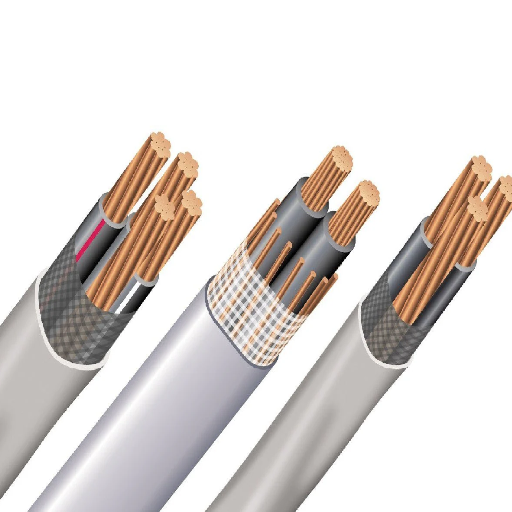
For a 200-amp service, the recommended wire size is 2/0 AWG for copper or 4/0 AWG for aluminum. These wire sizes are selected to have the current appropriately and comply with the electrical code’s stipulations. One should almost always confirm installation specifics and safety with a licensed electrician and local building codes.
Determining the Correct Wire Size
Choosing a wire size for a 200-amp service is crucial for both efficiency and safety. The appropriate wire size depends on several factors, including the type of material used (copper or aluminum), the length of the run, and the maximum allowable voltage drop.
According to the National Electric Code (NEC), a 2/0 AWG wire is acceptable for a 200-amp service using copper. Copper wire offers better conductivity and high durability, making it a prime choice in installations. On the contrary, Aluminum wires are lighter and cheaper but must be of a thicker gauge to carry the same current load. For aluminum wires, the appropriate size used for a 200-amp service would be 4/0 AWG.
Another consideration for voltage drop must be taken, especially for longer runs. The voltage drop is preferably limited to 3% for the best performance. If, for example, the entire run is longer than 100 feet, you might have to size the wire larger. For a longer distance with a 200-amp service, contact a licensed electrician to make the necessary adjustments.
Depending on your location, always refer to your local building code for specific requirements. Proper wire sizing ensures both legal compliance and safety against overheating, energy loss, and potential electrical hazards. Always consult a professional for a safe and reliable installation.
Copper vs. Aluminum Wire
For a 200-amp service, the recommended wire sizes are 2/0 AWG copper or 4/0 AWG aluminum for most installations; however, adjustments may be necessary for specific conditions, such as longer distances.
|
Key Point |
Copper Wire |
Aluminum Wire |
Notes |
|---|---|---|---|
|
Standard Size |
2/0 AWG |
4/0 AWG |
Typical size |
|
Voltage Drop |
Adjust size |
Adjust size |
Long distances |
|
Conductivity |
High |
Moderate |
Efficiency |
|
Cost |
Higher |
Lower |
Budget factor |
|
Weight |
Heavier |
Lighter |
Installation |
|
Durability |
Excellent |
Good |
Longevity |
|
Code Compliance |
Required |
Required |
Check local |
Always confirm with local codes and consult a licensed electrician to determine the precise requirements for your specific installation.
Voltage Drop Considerations
This voltage drop occurs whenever electric current flows through a conductor, resulting in a slight loss of voltage. Factors such as wire size, circuit length, and the current drawn through the circuit contribute to this phenomenon. A few measures that can ensure minimum voltage drop include:
Conductor Size: Higher wire sizes, such as size 4/0 AWG, have lower resistance and therefore less voltage drop. They are preferable for long-distance or high-current applications. Their cost in terms of both money and weight is significantly higher, but they ensure better efficiency.
Distance: Oppositely, the higher the distance, the more pronounced the voltage drop. Adjusting wire sizes accordingly to compensate for the voltage drop would ensure that adequate voltage levels are maintained at the load.
Load Current: The higher the load current, the higher the voltage drop. Calculate the size of conductors based on the current draw to ensure the system remains viable and safe.
Code Compliance and Safety: Always size wires according to local electrical code requirements. A licensed electrician can provide assistance in confirming wire size and other installation requirements that will apply to your installation.
Address all the above factors as early as possible to ensure better system performance, energy efficiency, and long-lasting reliability. Otherwise, check resources or use online voltage drop calculators.
Selecting the Right Wire Type
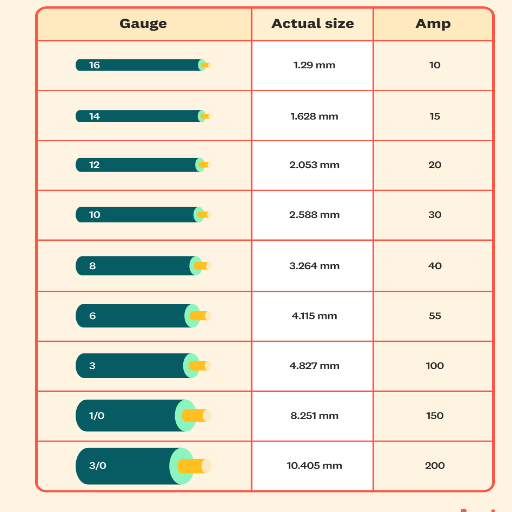
Choosing the correct type of wire varies depending on a few factors, like:
Conductor Material: Copper wires are highly conductive and durable, making them the preferred choice in most applications. Aluminum wires, being lighter and less expensive, typically require a larger size to compensate for their lower conductivity.
Wire Insulation: Check the conditions under which the wire will be installed. Inside buildings, insulation such as THHN or THWN is acceptable, while outdoors or buried may require UF or USE cables.
Current Rating: Ensure that the wire type used can carry the required current without overheating. Check the ampacity charts for the wire type and size that best fits your system’s current requirements.
Application-Specific Requirements: Make sure that your equipment is compatible and in compliance with the safety standards when it comes to specific applications such as solar panels or EV circuits.
These factors ensure the wires you select are safe, efficient, and suitable for your specific setup. Always consult an electrician or refer to local codes for additional assistance.
Types of Wire Suitable for 200 Amp Service
Selecting the correct wire size and type for a 200-amp service is essential for safety and efficiency. Some commonly used wires are described below:
Copper Wire: Typically, a copper wire size of 2/0 AWG is required for a 200-amp service. Copper wire offers excellent conductivity, durability, and resistance to corrosion, making it the best choice for permanent installations.
Aluminum Wire: Aluminum wire is the lightest and cheapest alternative to copper. For 200 amp service, aluminum wire size 4/0 AWG is usually used. They are coated to protect against oxidation and can be considered safe when installed correctly.
SER Cables: Service Entrance (SER) cables are commonly used for 200-amp panels in residential installations. It comes in copper and aluminum, with the size varying depending on the metal used (for example, 2/0 AWG copper or 4/0 AWG aluminum).
THHN/THWN Wires: These are single-insulated wires typically used in conduit systems. For 200 amp service, multiple THHN/THWN wires of proper gauge (for example, 2/0 AWG copper) can be used. They are heat-resistant and suitable for both indoor and outdoor use, mainly when housed in a conduit.
Ensure that the wire you choose always complies with local electrical codes, and consider the distance to avoid voltage drop. When in doubt about installation, consult a licensed electrician for professional advice.
Understanding Ampacity Ratings
Ampacity is defined as the maximum current an electrical conductor can bear without producing excessive heat. Depending on the conductor material, insulation type, ambient temperature, and installation environment, among other factors, the ampacity value may vary. For a service at 200 amps, a conductor is selected with the utmost attention to safety and efficiency. Generally, 2/0 AWG copper or 4/0 AWG aluminum wire is commonly used; however, the exact size may vary depending on the length of the run and regional codes.
The voltage drop becomes progressively more important with distance; therefore, it is vital to calculate the distance to the load. To reduce voltage drop, a larger conductor size may have to be considered for very long runs. In addition to considerations of voltage drop and distance, ampacity tables list the allowable current for each size of conductor under various insulation types at different temperature ratings—the tables are provided by authoritative bodies such as the NEC (National Electrical Code). These should always be followed, and local regulations must be adhered to during the installation process. When circumstances become more complicated, such as with combinations of different circuit types or environmental modifications, consulting a licensed electrician is the safest recommendation.
Code Requirements for Wire Size
The size of the cable must be selected according to NEC guidelines, considering various factors to ensure both safety and efficiency. The primary factors influencing cable selection include the total current load of the circuit, the type of insulation used on the wires, the maximum allowable voltage drop, and the temperature rating of the environment in which the cables will be used. According to the NEC, wire sizing must be sufficient to carry the designed current without overheating and should maintain a voltage drop of less than 3% for optimal efficiency in critically rated circuits.
The following general guidelines are used in standard residential work:
14-gauge wire: For 15-amp circuits.
12-gauge wire: For 20-amp circuits.
10-gauge wire: For 30-amp circuits.
For longer wire runs, however, opt for a larger wire size to reduce voltage drop. Select the exact size according to the ampacity tables provided by the NEC or local codes, taking into account insulation type, environment, and temperature considerations. The NEC or local codes give these tables. Ensure compliance with local building codes, which vary in electrical standards; if in doubt, consult with a professional. When in doubt or if the installation is somewhat complex, consider hiring a professional electrician for assistance.
Ampacity and Voltage Drop
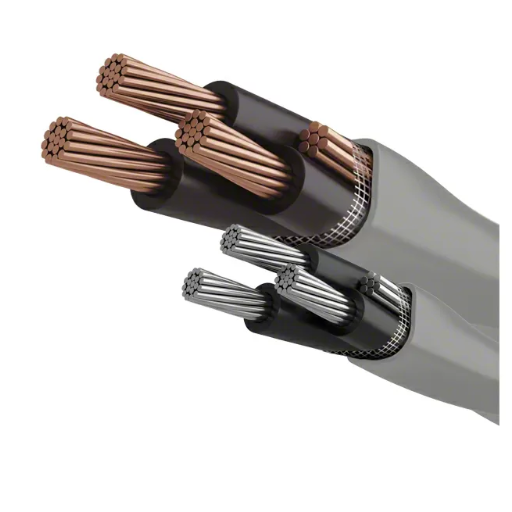
Ampacity is specified as the maximum current that a conductor can carry continuously without overheating, damaging the wire insulation, or causing an undesired temperature rise in the surrounding area. When determining wire size, several factors are considered, including the conductor material (the wire may be made of copper or aluminum), insulation type (thermoplastic or thermoset), ambient temperature, and the installation environment (whether the wire is placed in conduit or directly buried underground). A voltage drop occurs when the electrical current passing through a conductor produces a reduction in voltage along the conductor’s length. To minimize voltage drop, keep the longest wire runs as short as possible and use a larger wire gauge. One can rely on the NEC ampacity tables to ensure proper wire sizing and comply with local electrical codes.
Understanding Ampacity
The ampacity of a wire or cable is the maximum current it can safely carry without exceeding the temperature related to its rating. Various factors affect ampacity, including the conductor material, insulation type, ambient temperature, and method of installation.
For example, copper conductors typically exhibit higher ampacity levels than aluminum conductors, as copper has better conductivity and durability properties. However, aluminum may serve as a cost-effective option for more extensive installations, provided allowances are made for its reduced conductivity. The standard ampacity tables, as prescribed by the National Electrical Code (NEC), list the allowable ampacities under various conditions; therefore, they serve as an essential reference for electrical installations.
In real life, 12 AWG copper wire with THHN insulation usually has an ampacity of 20 amperes under normal operating conditions at 30°C (86°F). An increase in ambient temperature beyond 30°C or the conduction of wires in bundles can cause ampacity to decrease due to limitations in heat dissipation. Correction factors, as specified in the NEC, are used to account for this decrease in ampacity, ensuring safe and efficient installation.
Similarly, the voltage rating, length of the circuit, and type of load should be noted, in addition to ampacity, to avoid overheating, voltage drops, or equipment failure. Proper conductor sizing is, therefore, not only a pathway to safety but also to reduced energy loss and an efficient system. Installation should always adhere to local codes and standards for optimal performance and safety.
How Voltage Drop Affects Performance
Voltage drops occur whenever there is resistance to the current flowing along a conductor, resulting in a decrease in voltage at the load points. This can cause equipment to malfunction if it requires a constant voltage. Above-normal voltage drop may result in dimming lights, incorrect motor functioning, or equipment damage in the worst-case scenario. All of these affect the voltage drop between the supply and the load. Voltage drop becomes a serious issue in any 200-ampere service installation in respect to conductor sizing, length of the circuit, and the total load Whatever should be done about voltage drop calculations, it’s far better doing them and minimizing voltage drop, so that the system performs well protecting its connected load and meets the accepted standards regarding performance and safety.
Installation Considerations for Service Entrance
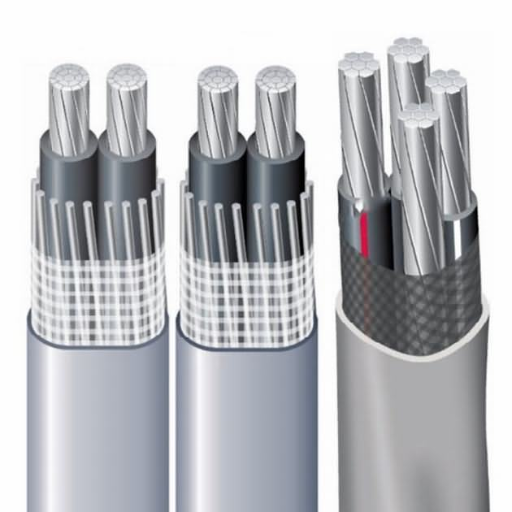
When installing a service entrance, the conductor size has to be selected based on the service rating and the anticipated load to prevent problems such as overheating and voltage drop. Conduits and conduit completions must be firmly fastened and properly grounded to ensure safety, by electrical code requirements. If located above ground, the service entrance panel must be weatherproofed to prevent damage from the weather. Always adhere to local and national electrical codes to ensure the system is deemed safe and reliable. Take a final inspection to verify that all connections and components are installed correctly and functioning properly.
Choosing Wire for Service Panel Connections
Selecting the appropriate wire for service panel connections is crucial to guarantee safety, efficiency, and code compliance. One of the most critical factors in wire selection is the wire gauge, which determines the maximum current-carrying capacity of a cable without risking melting or heat buildup. Typically, the American Wire Gauge (AWG) system is followed for residential service panels. For example, a 200-amp service panel typically requires 2/0 AWG copper wire or 4/0 AWG aluminum wire. In contrast, smaller panels, such as the 100-amp panel, require 4 AWG copper wire or 2 AWG aluminum wire.
Equally important is the type of insulation. For typical service panel installations, wires with thermoplastic insulation, which offer good durability and heat resistance characteristics, such as THHN and XHHW, may be selected. Always consider the environment around the installation. If wires are to be installed below ground or in a moist climate, choose cables that are moisture-rated to ward against hazards.
Voltage ratings shall be equal to or greater than the requirements for the system and will typically be 120/240 volts for a residential service panel. Also, ensure that the wire selected complies with your local code requirements, as these may specify particular wire sizes and materials based on the setup and intended use.
Utilize certified wires suitably marked, such as those labeled by UL. Proper wire selection ensures the system’s proper functioning and reduces the likelihood of electrical fires, as well as damage to equipment. When dealing with service panel connections, if you are uncertain about particular requirements, it is always recommended to engage the services of a licensed electrician.
Best Practices for Installing 200 Amp Wire
Determining Wire Size: Typically, for 200 amp service wires, 2/0 AWG copper and 4/0 AWG aluminum or aluminum-clad cables are recommended for the respective wire materials. They provide the highest conductivity levels while meeting the requirements of most local electrical codes. Be sure to check the requirements for your specific locale.
Use of Conduit for Protection: Place the wires in an appropriate conduit, either PVC or metallic, to provide them with protection against mechanical damage or environmental hazards. The conduit size is dependent on the gauge of the wires and must comply with both national and local code requirements. NEC provides guidelines for the sizing.
Inspect Panel and Connections: Confirm that the service panel is rated for 200 amperes and that all connection points are neat, secure, and free from corrosion. Connectors should be tightened to the manufacturer’s specifications to prevent overheating or loosening.
Follow Local Codes and Acquire Permits: Before installation, consult with your local building department to obtain any necessary permits and ensure compliance with all code requirements for your area. This way, you can be assured that your installation will be both legal and safe.
Grounding and Bonding: Good grounding and bonding will save lives. Install a grounding rod and ensure that all connections are bonded correctly to protect the system against electrical faults or surges.
Hire a Licensed Electrician: For a project of this scale, it is well worth hiring a licensed electrician who ensures all safety standards are met and is capable of addressing any issues that may arise during installation.
Following the above steps will ensure that you work with a safe and efficient 200-amp wire installation, thereby reducing potential hazards and maintaining system integrity.
Common Mistakes to Avoid
Misused wires are hazardous to life because they commonly overheat. One more is not following the local electrical codes, which would result in unsafe installations as well as legal problems. Neglecting to verify connections or using poor-quality materials also would compromise the safety and service life of the system. I address these matters personally by remaining informed and consulting an expert whenever necessary.
Reference Sources
Frequently Asked Questions (FAQs)
What is the recommended wire size for a 200-amp service?
The best wire size for a 200-amp service typically involves using a larger wire size, such as 2/0 AWG copper wire or 4/0 AWG aluminum wire. This ensures that the electrical needs of your home or business are met while maintaining safety and efficiency.
How does the ampacity affect wire selection for a 200-amp service?
Ampacity refers to the amount of current a wire can carry without exceeding its temperature rating. For a 200-amp service, it’s essential to select a wire with a sufficient allowable ampacity to handle the load without overheating. Utilizing the correct wire size is crucial to prevent high voltage drop and ensure safe operation.
Should I use aluminum or copper wire for my 200-amp service?
Both aluminum and copper wires are suitable for a 200-amp service. Copper wire is more conductive and can handle a higher amperage in a smaller size, while aluminum is lighter and less expensive. When choosing wire, consider both the long-term costs and the installation requirements.
What are the advantages of using aluminum cables for a 200-amp service?
Aluminum cables are advantageous due to their high conductivity and lower cost compared to copper. They are often used in residential and commercial applications. However, it’s essential to follow code requirements and ensure that connections are made correctly to avoid issues related to expansion and contraction.
What is the minimum size service wire required for a 200-amp service?
The minimum size service wire required for a 200-amp service is typically 2/0 AWG copper wire or 4/0 AWG aluminum wire. This ensures that the wire can handle the load effectively while minimizing voltage drop and maintaining safety standards.
How do I determine the appropriate wire size for installing a new 200-amp panel?
To determine the appropriate wire size for installing a new 200-amp panel, consider factors such as the length of the run, the type of wire used, and the expected load. Using a larger wire size may be necessary for longer distances to reduce voltage drop and ensure reliable performance.
What should I consider when choosing wire for a 200-amp service entrance?
When choosing wire for a 200-amp service entrance, consider the type of wire (copper or aluminum), the gauge of the wire, the length of the run, and the total amperage of your electrical loads. It’s essential to ensure that the wire can handle the load with minimal voltage drop and that all code requirements are met.
Can I use three wires for my 200-amp service?
Yes, you can use three wires for a 200-amp service, which typically includes two hot wires and one neutral wire. This configuration is standard for residential services, ensuring that the electrical system can safely and efficiently handle the required load.
What are the effects of high voltage drop on a 200-amp service?
High voltage drop can lead to inefficient operation of electrical devices, increased energy costs, and potential damage to appliances. To avoid high voltage drop in a 200-amp service, it’s essential to use the proper wire size and ensure that connections are secure and properly installed.