








Regardless of the electrical wiring situation, the conductor’s material plays a significant role in affecting its performance, price, and durability. The debate between aluminum wire and copper conductor has been one of the most discussed topics over the years. Each material comes with its own distinct merits and drawbacks, often leaving buyers and professionals in a state of indecision: which one would best suit their requirements? This blog provides a detailed comparison of aluminum and copper, examining their electrical conductivity, cost-effectiveness, safety, and working conditions. Suppose you are an electrician, a contractor, or simply an average consumer trying to make an informed decision. In that case, this comprehensive guide will help you evaluate the pros and cons of every option and weigh your choices to arrive at the right choice for your next project.
Introduction to Aluminum and Copper
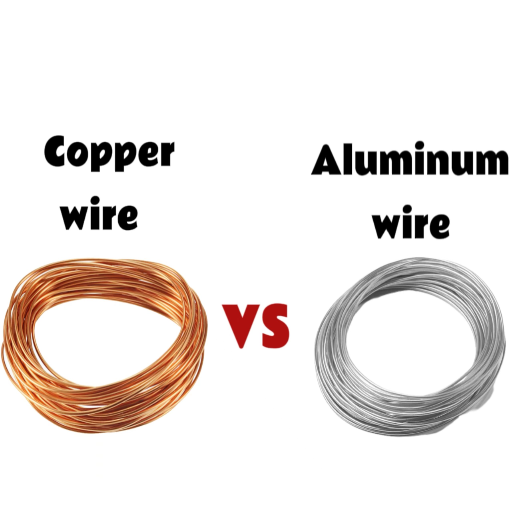
Aluminum and copper are two materials commonly used in electrical and building works due to their excellent conductivity and durability. Aluminum is lightweight and less costly; therefore, it is widely used in power transmission lines. On the other hand, copper has greater conductivity, strength, and corrosion resistance properties, and is therefore used for building wiring and electronics. Both materials have their advantages and disadvantages, so depending on the project’s requirements, such as budget, ambiance, or load demands, an engineer may opt for one.
Overview of Aluminum as a Conductor
The electricity industry acknowledges Aluminum as an efficient and economical conductor. It weighs about one-third as much as copper and, therefore, is ideal for applications that require weight reduction, such as power distribution lines and aircraft manufacturing. Aluminum is said to have 61% of the conductivity of copper while weighing less. This compromise comes with price cuts in both material and transportation costs. Aluminum yields functionality with less cost.
Another significant advantage of aluminum is that its oxide layer forms upon exposure to air, meaning corrosion consumes no aluminum. This ensures longevity in applications where outdoor conditions are harsh or high moisture levels exist, such as overhead transmission lines or underground cables. The advances in the field of materials science, on the other hand, have led to the development of aluminum alloys with enhanced strength, making them well-suited for all demanding environments.
A measurement shows that the conductivity of aluminum remains approximately 37.8 million Siemens per meter (MS/m) at room temperature, while copper, with a measured conductivity of 59.6 MS/m, exhibits higher conductivity. Being lightweight and less expensive, aluminum is typically used for cables of larger diameter, offering comparable electrical performance. The research and development processes continue to strengthen their presence in the electrical market, thereby giving it even more emphasis as a material in modern energy infrastructure.
Overview of Copper as a Conductor
Among conductive materials, copper has always been the standard by which conductivity is measured, boasting an extremely high conductivity of around 59.6 MS/m at room temperature, which makes copper highly advantageous. This extremely high electrical conductance means that there are almost no power losses during energy transmission; hence, copper is favorable for use in cables, wires, and electrical components.
In addition to its conductivity properties, copper also exhibits a high level of ductility and malleability, as these qualities enable the stretching of wires or the forming of wires into other shapes without compromising their structural integrity. Its corrosion resistance makes it highly durable to environmental conditions. Another consideration would be copper’s thermal conductivity, which aids heat dissipation in electronic equipments.
The extensive use of copper in industries speaks for itself. For instance, the renewable energy sector requires copper for wind turbines, solar panels, and energy storage systems. And then the demand for copper will soar with electric vehicles taking over the streets. Electric cars require significantly more copper than vehicles with internal combustion engines. Copper is used in electric motors, batteries, and charging infrastructure. On average, an electric vehicle uses about 183 pounds of copper, whereas conventional cars use about 50 pounds.
Innovations in copper refining and recycling methods are ongoing to extend the sustainability of copper in modern energy infrastructure. Its unmatched properties, and being a material that can be recycled any number of times without loss of performance, make copper an indispensable entity in the fast-paced electrical and energy industries that are evolving further.
Importance of Conductors in Electrical Applications
Conductors are pivotal in electrical applications, being materials that allow the flow of an electrical current with very little resistance. Copper and aluminum are among the most popular conductors due to their relatively high conductivity and comparatively low cost. For instance, copper has a conductivity rate of 100% in the International Annealed Copper Standard (IACS), which serves as the standard or benchmark for conductive materials. Superior thermal conductivity and corrosion resistance make copper better suited for power transmission and distribution, motor windings, and circuit wiring.
Aluminum, slightly less conductive than copper but lighter and cheaper, is considerably suitable for high-voltage overhead power transmission, with weight being a significant consideration. Technologies continue to be developed to enhance the efficiency of these materials further. A case in point is the advanced development of high-purity copper conductors with optimized grain structures, which minimize energy losses within power grids. This ensures that the networks themselves become more reliable and efficient in terms of energy.
The data on global electricity demand forecasts an annual growth rate of about 3%, thereby highlighting the critical need for efficient and resilient electrical conductors. Investment needs exist in improved conductor materials and designs to keep pace with the surging demand for renewable energy sources and sustainable energy solutions.
Aluminum Wire vs Copper Wire
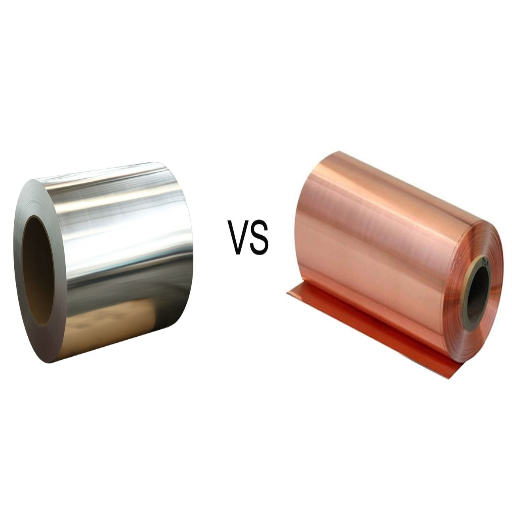
Aluminum wire and copper wire, being standard household names for electric conduction, both have certain advantages and disadvantages:
Cost: Aluminum is always more cost-effective, so costs need to be kept low when installing large systems.
Weight: An aluminum cable is even lighter than a copper one; hence, it is easier to handle and install, especially when working above power lines.
Conductivity: Since copper has greater conductivity, it means that in a smaller cross-sectional area, more current can travel through it, which is very useful for areas with limited space.
Durability: Copper is more durable and resistant to oxidation compared to aluminum; however, aluminum requires protection if necessary to maintain its use over an extended period.
Copper and aluminum wires are selected based on the specific industry, budget, or design requirements for the project.
Properties of Aluminum Wire
Lightweight: Aluminum, being significantly lighter than copper, is worth considering due to the ease it offers in manual handling and installation, especially in large-scale and overhead applications.
Cost-Effective: Aluminum is less expensive than copper, making it a favored choice in projects with tight budgets, particularly for residential and industrial wiring areas.
High Conductivity-to-Weight Ratio: Aluminum possesses less electrical conductivity than copper; however, being lightweight, it offers much efficient conductivity when conductivity is calculated based upon weight.
Corrosion Resistance: When exposed to air, aluminum forms an oxide coating rapidly on its surface, which protects the metal to some extent from further corrosion. However, under specific environmental conditions, additional treatments or coatings may be necessary.
Thermal Expansion: Aluminum expands and contracts more than copper when subjected to a change in temperature, which can cause loosening at the connecting points. Therefore, special installation procedures must be followed to ensure safety and integrity.
Generally speaking, aluminum wire is an excellent choice in applications where both weight and cost are critical, such as those where both factors must be considered simultaneously. Installation precautions should be taken to account for its thermal and mechanical properties.
Properties of Copper Wire
Being the conductor par excellence, copper stands among the best materials for transferring electricity with minimal losses. The transfer of heat is also effective; therefore, heat dissipation is possible within the electrical arrangement, preventing overheating. Good tensile strength, corrosion resistance, and performance sustainability of copper are ensured even under harsh environmental conditions. Its excellent malleability and ductility allow it to be drawn into fragile wires without breaking, making it easier to install in various applications. Another advantage is that copper, having lower thermal expansion compared to aluminum, provides stable, reliable connections, thereby lessening the tendency for connections to loosen. In general, this reliability and efficiency have caused copper to be most often favored for essential electrical systems and long-duration applications where aluminum is otherwise cheaper and lighter.
Key Differences Between Aluminum and Copper Wire
Essential differences between aluminum and copper wires are:
Conductivity: Copper is the best electrical conductor. More efficient transmission means less energy is wasted. Aluminum-fewer conductor is suitable for energy transmission in situations where weight and cost are a concern.
Durability and Strength: Copper is stronger; hence, it is durable and can take high stresses without breaking. Aluminum, while lighter than copper, is easily damaged and requires careful handling and use.
Weight and Cost: Installation in some places becomes easier due to aluminum’s lightweight nature, and, of course, this leads to a cheaper project on a large scale. Endurable copper would have lower maintenance costs over time and, therefore, would be a worthy option.
Corrosion Resistance: Aluminum exhibits a higher rate of oxidation and corrosion compared to copper. Hence, aluminum wire may require special coatings or treatments for the safety and performance of the system, whereas copper is somewhat corrosion-resistant by nature.
Thermal Expansion: Aluminum expands and contracts more with temperature change; hence, with time, this predisposes loosening of connections. In contrast, copper’s relatively low thermal expansion promotes stability and lessens maintenance.
Such distinctions tend to make one or the other a better fit for particular applications. In most instances, aluminum has remained the favored choice in large-scale or budget-conscious projects. In contrast, copper, for those familiar with its demand for long-term performance and reliability, remains at the forefront for critical systems.
Advantages of Using Aluminum Wire
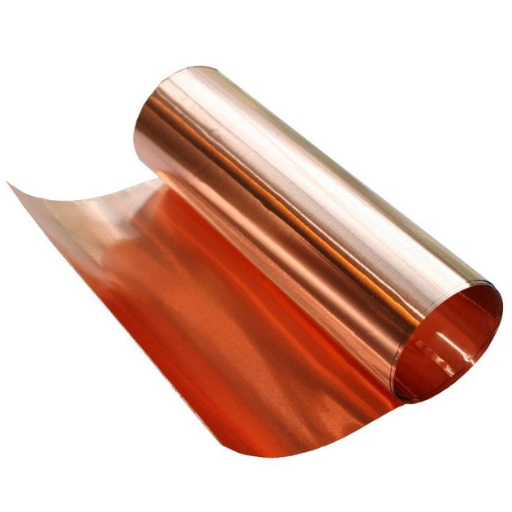
Cost-Effectiveness: Aluminum is significantly cheaper than copper; therefore, this option becomes more attractive for projects with a tight budget or large installations.
Lighter: A lighter material than copper, aluminum allows for easier transportation, handling, and installation.
High Conductivity-to-Weight Ratio: Aluminum’s light weight enables it to be an excellent conductor, despite its conductivity being less than that of copper.
Corrosion Resistance: When properly installed, aluminum wire forms a thin oxide layer that protects against corrosion, especially in typical atmospheric conditions.
Compatibility with Overhead Lines: Due to its lightness and flexibility, aluminum is used in overhead power line applications where maintaining low structures is crucial.
Cost-Effectiveness of Aluminum
Aluminum presents an affordable choice for electrical purposes, as it is cheaper and more widely available than copper. Although copper has better conductivity, aluminum, with its light density and low cost, serves as an economical option for mega projects, chiefly for overhead power and utility grids. Aluminum’s weight advantage also improves its cost further by curbing transfer and installation costs. Aluminum wiring, when correctly installed and maintained to mitigate issues, such as the formation of oxides at wiring connections, can be an equally reliable and economical alternative to copper under many situations.
Weight and Flexibility Benefits
Aluminum wiring is significantly lighter than copper, making it easier to carry, transport, and install. The lightweight nature is an advantage in applications where minimizing weight is a paramount factor, such as aircraft, automotive, and overhead power lines. Moreover, aluminum is slightly more malleable than copper, an aspect that facilitates the installation and conforming process quickly according to specific infrastructure needs. The features bring increased efficiency to the industries and savings, especially in wiring installations over large distances. Proper installation technique is crucial for avoiding challenges such as potential expansion and contraction due to temperature fluctuations.
Applications Where Aluminum Shines
A lightweight metal with excellent corrosion resistance and good conductivity, aluminum has applications in various industries. A significant sector that utilizes aluminum is transportation, including the manufacture of aircraft, autos, and railcars. Aluminum, with its high strength-to-weight ratio, offers improved mileage. Studies suggest that replacing heavier steel components with aluminum could reduce a vehicle’s weight by as much as 50%, potentially improving its fuel economy by 20-30%.
The construction industry also greatly benefits from aluminum for both structural and design applications. Aluminum is durable and resistant to environmental factors, making it an ideal material for constructing window frames, roofing, and curtain walls. Additionally, the use of aluminum in green buildings is increasing, as it is recyclable and promotes energy efficiency, thereby supporting the design intent of sustainability.
Constructing electrical power transmission would be another vital area. Aluminum, due to its exceptional conductivity-to-weight ratio, can provide lightweight yet efficient power lines. For example, when an aluminum wire carries twice the electricity that a copper wire would carry at half the weight, it makes it a very workable solution for long-distance power transmission networks.
Finally, aluminum is on the way to the renewable energy sectors. Aluminum is a key material used in solar panels, wind turbine components, and battery casings, contributing to the energy efficiency and durability of these systems. Reports would indicate a significant expansion in the use of aluminum in these renewable energy sectors, emphasizing the importance of aluminum in laying the pathway toward a sustainable future.
Advantages of Using Copper Wire
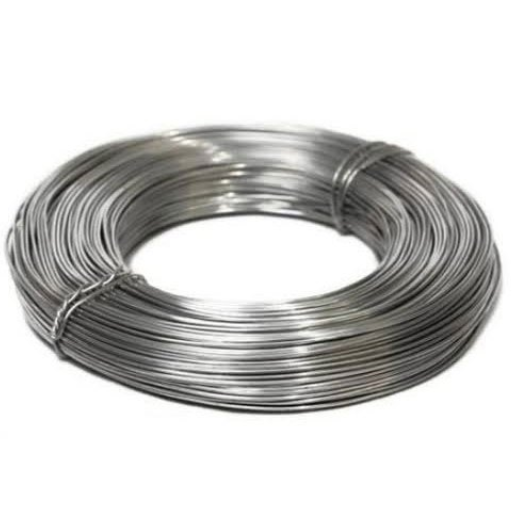
The advantages of copper wire are good enough to earn it a place among the most commonly used choices:
High Electrical Conductivity: As one of the best conductors of electricity, it enables power transmission with minimal energy loss.
Durability: Copper wire offers protection against corrosion and can withstand harsh environmental conditions, making it suitable for constant use.
Flexibility: Copper is a flexible material that lends itself to easy bending and installation, making it ideal for complex wire installations.
High Melting Point: The safety of copper can be assured in high-temperature situations due to its high melting point; thus, a copper wire cannot overheat.
Widely Available: There is a plentiful supply of copper, which is in great demand, making it a very reliable and accessible material for electrical wiring.
Superior Conductivity of Copper
As a reputable conductor of electricity, copper has found applications in a wide range of industries. Having an electrical conductivity of 5.96 × 10^7 S/m, copper nearly tops other metals in terms of conducting electricity. The exceptional conductivity of a metal is crucial for allowing minimal energy dissipation while electric power is transmitted. Thus, copper permits minimal energy dissipation, creating highly efficient energy transmission in power grids, electronic devices, and appliances.
At a temperature of about 20°C, it has a resistivity of about 1.68 × 10^-8 Ω·m, allowing it to dissipate very little heat in use, even at high currents, thus ensuring safety and reliability. Its conductivity is second only to silver, and copper is far less expensive and preferred worldwide. Copper, whether used for wiring in residential homes or for high-voltage transmission lines, remains the standard conductor in electrical engineering.
Durability and Longevity
Copper is renowned for its exceptional durability against environmental wear and tear, making it suitable for both indoor and outdoor installations. It is spectacularly corrosion-resistant, thanks to a subtle oxide layer forming on its surface upon exposure to the atmosphere. This quality enables copper to withstand harsh external conditions, including extreme heat, cold, and moisture, without compromising its structural integrity.
According to some studies, copper materials can maintain their function for over 50 years when properly installed, such as in electrical wiring or plumbing. The resistance of copper to mechanical stresses, such as bending or vibrations, also reduces the likelihood of damage or failure occurring due to these stresses over time. For example, copper alloy parts in construction and transport infrastructure have been shown to retain up to 85% of their mechanical properties after decades of use.
It also has a high recycling rate, with nearly 90% of the copper used in buildings and manufacturing being recyclable. This fact supports the sustainability of copper and promotes its long-term use, with the assurance that it can be reprocessed into various applications without compromising its performance characteristics. Copper is thus favored for a myriad of industrial and domestic applications, given its resistance to weathering and longevity with infrequent maintenance requirements.
Applications Where Copper Excels
Copper plays a crucial role in the industrial sector due to its unique properties. A significant application of copper is in electrical wiring and electronics, where its exceptional conductivity is utilized for efficient power transmission. Sometimes, it’s also used in renewable energy systems to enhance the systems’ energy efficiency: for instance, in solar panels and wind turbines. The plumbing and heating systems require copper for its durability and resistance to corrosion. Copper is also widely used in construction for roofing and cladding due to its durability and aesthetic appeal. Furthermore, copper has antimicrobial properties, which make it an essential product in healthcare settings, where touch surfaces can be coated with copper to help contain the spread of infections.
Aluminum vs Copper in Practical Use
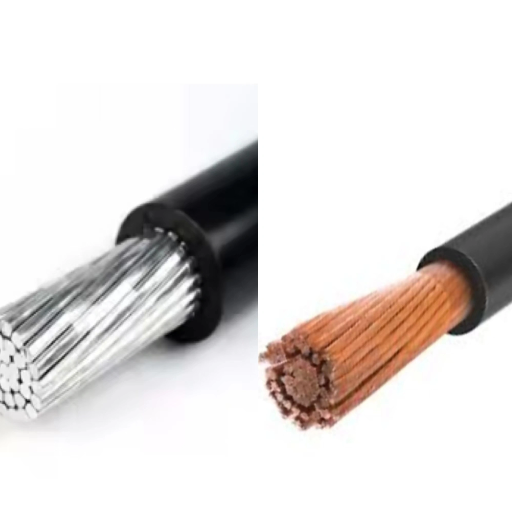
Like any material, aluminum and copper have specific fields where they excel. Aluminum, being lightweight, cost-effective, and easily workable, would be best suited for applications in transportation, packaging, and aerospace. Its high strength-to-weight ratio and outstanding corrosion resistance provide excellent performance, particularly for such purposes.
In contrast, copper is a better conductor of electricity and heat, and is, hence, the preferred choice for wiring, electronics, and efficient heating. Its durability enables it to withstand wear in plumbing and certain construction activities, performing better.
Ultimately, it is the application requirements, which may include weight, conductivity, or cost, that will determine whether aluminum or copper is chosen.
Final Thoughts on Choosing Between Aluminum and Copper
Understand the properties and prices of each material before choosing between aluminum and copper for a particular application. Aluminum, being a lightweight metal and more affordable, has an average cost of nearly $2,400 per metric ton, compared with the higher cost of copper, which can reach even $8,000 per metric ton. This makes aluminum an attractive proposition in industries where the weight-to-price ratio is a crucial criterion for building automakers and aerospace engineers.
Copper, on the other hand, has real selling power due to its conductivity, which is approximately 40 percent better than that of aluminum. This becomes the primary criterion for electrical wiring and electronic hardware, where precision and reliability are essential. Copper becomes a preferred option in environments requiring high durability because of its higher tensile strength and resistance to corrosion.
Another element taken into account concerns sustainability. Aluminum is more abundant and easier to recycle efficiently, whereas copper recycling can only be considered adequate if a separation process works perfectly, as it has smaller supply reserves. Ultimately, the material to be used in any given application will be determined mainly by striking the perfect balance between performance, cost, and sustainability.
Future Trends in Conductor Materials
The future of conductor materials lies in improvements in efficiency, sustainability, and cost reductions. These days, advanced materials like graphene and superconductors hold considerable promise due to their high conductivity and minimal energy loss. Nanotechnology and materials science advancements could enable hybrid-type solutions that leverage the strengths of several materials. Environmental factors must always rank highest for me alongside the ever-changing technological needs, because this is the pathway toward responsible and forward-looking material evolution.
Recommendations for Specific Applications
Energy Transmission: For energy transmission with a high degree of efficiency, superconductors such as YBCO are the first choice, with applications limited only by their low resistance and the need for refrigeration with liquid nitrogen to operate at higher temperatures. These materials offer predictable performance in large power grids and renewable generation systems, drastically reducing energy losses.
Electronics and Semiconductors: Graphene and silicon carbide are among the best material pairs for the next generation of electronics. Their combination, that is, excellent electrical conductivity and flexibility from graphene and high-temperature stability from silicon carbide, sets the standard for much faster, smaller, and more efficient semiconductors, catalyzing the development of microchips, sensors, and high-frequency devices.
Medical Technology: Titanium and biocompatible alloys, with their anticorrosive nature and strength compatible with human tissues, are standard implants and devices in the medical field. For durability and safety, these materials are used in areas such as joint replacement, surgical instruments, and advanced diagnostic apparatus.
Nanotechnology Applications: In nanotechnology, carbon nanotubes and advanced polymers are chosen because of their specific properties that require mechanical, electrical, and thermal properties. These materials provide the art with lightweight, durable, and highly efficient nanostructures, for example, in aerospace and clean energy solutions.
Each recommendation strikes a balance between technological imperatives and sustainability, offering ingenious materials for efficient, long-lasting, and environmentally friendly technological solutions.
Reference Sources
Frequently Asked Questions (FAQs)
What are the key differences between aluminum and copper conductors?
The main differences between aluminum and copper conductors lie in their physical properties, cost, and conductivity. Aluminum is lighter and often less expensive, typically costing half the price of copper. However, copper has a higher conductivity and tensile strength, making it preferable for applications requiring high ampacity over long distances. When deciding between the two, consider factors such as installation ease, the size of wire needed, and budget constraints.
Why should I consider using aluminum wire instead of copper?
Using aluminum wire can lead to significant cost savings, as aluminum is generally much less expensive per pound than copper. Additionally, modern aluminum conductors have been engineered to offer improved performance, making them suitable for various applications, including service entrances and feeder applications. However, it’s crucial to ensure proper termination techniques to prevent issues like galvanic corrosion.
How does the ampacity of aluminum compare to copper wire?
While copper wire typically has a higher ampacity than aluminum, aluminum can still be a practical choice when using larger sizes. To match the ampacity of copper, you may need to use a larger aluminum conductor. This is due to aluminum’s lower conductivity, but advancements in aluminum wire technology have made it a viable option for many applications, including residential and commercial buildings.
What are the implications of aluminum oxide acting as an insulator?
Aluminum oxide forms on the surface of aluminum conductors when exposed to air, which can act as an insulator. This layer can create electrical resistance, leading to voltage drop issues if not properly managed. Therefore, when terminating aluminum wire, it’s essential to use connectors and lugs designed to prevent this insulation layer from impacting performance, especially in high-demand applications.
Are there specific codes governing the use of aluminum and copper wire?
Yes, the National Electrical Code (NEC) provides guidelines for the use of aluminum and copper wire. These codes address aspects like installation methods, allowable ampacities, and proper termination practices to ensure safety and efficiency in electrical systems. It’s essential to adhere to these codes to avoid hazards such as overheating or corrosion, especially in applications involving dissimilar metals.
What are the advantages of using aluminum wire in utility applications?
Aluminum wire offers several advantages in utility applications, including lower material costs and reduced weight, which makes handling and installation easier. Its high tensile strength allows for longer spans without the risk of breakage. Additionally, aluminum conductors are often used in overhead power lines due to their ability to carry large currents over long distances, making them a practical choice for utilities.
How does galvanic corrosion affect aluminum and copper wire connections?
Galvanic corrosion occurs when dissimilar metals, such as aluminum and copper, are connected in the presence of an electrolyte, resulting in accelerated corrosion of one of the metals. In electrical systems, this can result in poor connections and increased resistance. To mitigate this risk, it’s essential to use appropriate connectors and avoid direct contact between aluminum and copper conductors, ensuring a reliable and safe electrical installation.
What factors should be considered when selecting aluminum vs copper wire for a project?
When selecting between aluminum and copper wire, consider factors such as cost, desired ampacity, wire size, installation environment, and potential corrosion issues. Aluminum is often favored for its cost-effectiveness and lightweight properties, while copper is selected for its superior conductivity and strength. Evaluating the specific requirements of your project, including temperature ratings and voltage drop, will help in making an informed decision.