







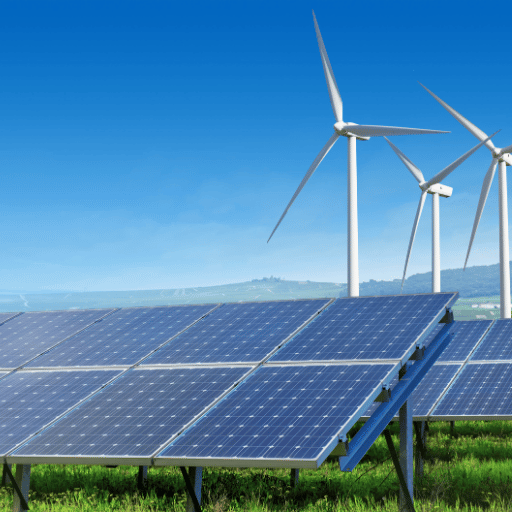
Improvements in climate response strategies, alongside attempting to reduce reliance on fossil fuels has made the transition to renewable energy urgent in the past years. Solar-wind hybrid systems have integrated these two crucial energy sources to develop sustainable energy solutions. This guide delineates the core concepts of wind-solar hybrid solutions, explaining how the systems function, their advantages over individual solutions, and the possibility of transforming the energy infrastructure. Whether a renewable energy aficionado, policy maker, or industry expert, this detailed guide aims to assist anyone interested in the construction and operation of advanced power plants.
What is a Wind-Solar Hybrid System?
How does a Hybrid System work?
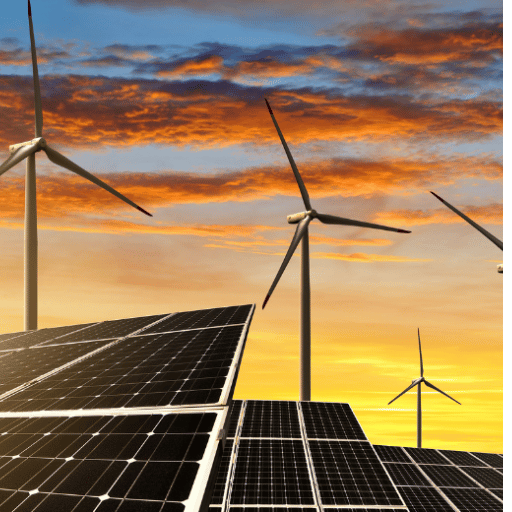
Electricity generation can be done at once through a hybrid wind-solar system where solar panels are paired with wind turbines. Both energy sources operate in a complementary manner, with wind power usually being more productive on cloudy days or during the night, while solar power is best utilized during sunny days. The produced energy is sent to a common inverter or controller which manages the flow of electricity to ensure it covers the demand for power. Depending on the system’s configuration, surplus electricity can be either stored in batteries or pumped back into the power grid. This configuration is advantageous because the combination of both sources results in maximized energy output, improved efficiency, and a more reliable power supply as compared to using wind or solar power separately.
Benefits of Wind and Solar integration
- Enhanced Efficiency: With wind and solar being integrated, energy production is ensured to be achieve at almost all times since the two often complement each other- solar energy is usually more available in the summer while wind energy is predominant in winter.
- Improved Reliability: Integrating both sources provides greater reliability, thus minimizing the likelihood of outages or interruptions, which is one of the major issues with one-sourced systems.
- Cost Effectiveness: Maintenance and Installation costs are significantly reduced with the shared use of inverters and battery systems as this eliminates the need for separate systems for each energy source.
- Climate Change: The use of two renewable energy sources simultaneously fosters less reliance on fossil fuels, meaning emissions of greenhouse gases will be reduced, leading to a cleaner environment.
Problems Encountered When Implementing a Hybrid Solar System
- Higher initial investment: Hybrid systems need advanced inverters and batteries which increases its upfront cost by a considerable margin.
- Complex installation process: The integration of multiple energy sources greatly complicates the installation of hybrid systems thereby increasing the labor cost.
- Battery maintenance and lifespan: Batteries require a warranty period and regular maintenance which increases the concern over long-term operational cost.
- Space requirements: Hybrid solar systems are more expansive because they require additional supplementary equipment, batteries, and solar panels.
- Regulatory restrictions: Local policies or regulations concerning grid-connections can be complex, which may create additional costs or barriers to hybrid solar electricity implementation.
How do Solar Panels and Wind Turbines cooperate?
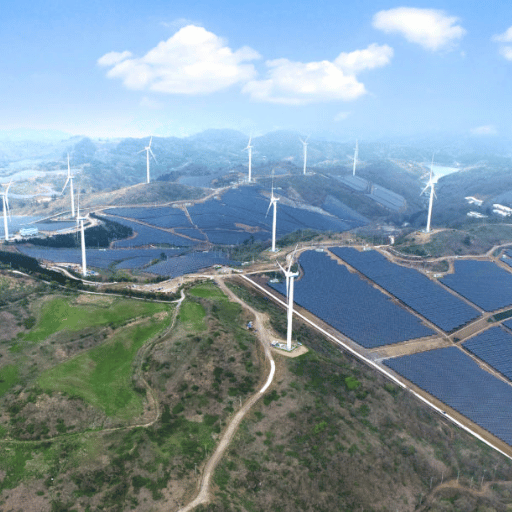
Understanding Solar Panel’s Functions
Harnessing solar energy and converting it into usable electricity requires solar panels, which are effective during the day, especially at places that receive good sunlight. Solar energy can be converted into direct current (DC) electricity by generating it with photovoltaic cells and solar panels are excellent renewable energy sources. The generated power can either be used right away, stored in batteries for future use, or supplied to the gird. There formed an integration of hybrid energy systems which helps to provide energy during sunny periods together with other renewables like wind energy.
The impact of Wind Turbines on energy generation
Wind energy is converted into electrical energy with the help of wind turbines which marked an advancement in energy generation. They are some of the highest producers of renewable energy clean energy as they do not produce greenhouse gases. Placed where the wind blows constantly, wind turbines serve to reduce the reliance on fossil fuels and aid in achieving sustainability goals. Furthermore, increased effeciency and capacity due to innovation of turbine design and technological advancement makes them dependable for the renewable energy effforts.
Merging Solar Power with Wind Power
Combining solar and wind energy increases dependability and efficiency. Solar panels capture energy during the day, while wind turbines often produce more power at night. Together, these energy sources ensure that electricity is available 24 hours a day. Combining energy sources reduces reliance on specific weather conditions, increasing energy production. This integration makes it possible to put these dual-use systems in strategically designated places, improving land and resource management. Ultimately, this type of approach results in a more sustainable and resilient energy system.
What Are The Benefits Of A Hybrid System?
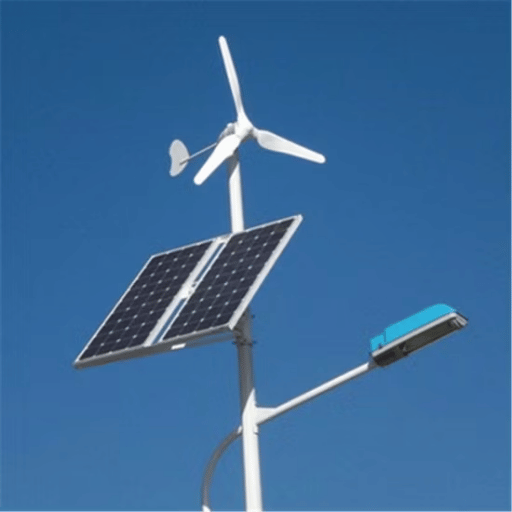
Improving Reliability in Renewable Energy Systems
The incorporation of solar and wind resources into a hybrid renewable energy system makes it more reliable. This system can maintain power generation even in the case of resource downtime, as one source can often compensate for the other. Energy storage technologies, which can store excess energy for future use, implementing further stabilizes supply. Adaptability of the hybrid system increases while variability decreases. Therefore, the hybrid systems can meet energy demands more consistently and effectively.
Cost Efficiencies and Other Benefits of Hybrid Systems
Renewable sources of energy, like solar and wind, have very low operating costs. The use of hybrid systems further reduces energy cost by optimizing the use of energy. The integration of energy storage with these sources helps decrease reliance on expensive traditional power grids. These systems further improve energy waste minimization by storing surplus power for later use. Additionally, the reduced need for maintenance due to fewer moving parts compared to conventional setups results in long term savings.
The contribution of Hybrid Power Plants toward the shift in energy sources
The development of hybrid power plants is crucial in achieving International Renewable Energy Agency (IRENA) objectives. These systems integrate renewable solar photovoltaic (PV) or wind energy and hydroelectric energy with energy storage technologies, including lithium-ion batteries or pumped hydro storage. Hybrid systems have the potential to improve grid stability and energy resilience by providing power during renewable generation lulls, thus enhancing a region’s energy security according to studies from the last few years.
Hybrid power plants can also greatly decrease the release of gases that may contribute to global warming. For instance, 2023 reports estimate that the combination of solar and battery systems can reduce carbon emissions by 45% on the average when compared to traditional fossil fuel power plants. These systems are also becoming more efficient and cheaper to implement, as is the case with hybrid systems using solar energy and storage, which in some estimates have the LCOE drop to <0.05$/kWh in places with sufficient sunlight and good storage resources.
Hybrid designs are indispensable in managing peak demand difficulties. By coupling energy storage devices with variable renewable sources, hybrid plants can store energy during slow hours and discharge it when demand is high, thereby alleviating pressure on conventional grids. In Australia and Germany, for example, hybrid power plants with enhanced forecasting capabilities have reliably achieved as much as 90% energy reliability by optimizing the timing of energy storage and release.
Hybrid power plants’ flexible configuration enables both large centralized utility and small decentralized energy systems, allowing them to meet different energy needs. This adaptability ensures such plants are not only useful to developed countries seeking to upgrade existing infrastructure, but also to remote or underdeveloped areas lacking energy access. As a result, hybrid power plants are helping hasten the transition toward sustainable, secure, and efficient global energy systems.
Can a hybrid solar-wind system meet energy needs?

Determining Solar Capacity and Wind Conditions
Understanding whether a solar-wind hybrid system meets energy needs begins with the assessment of solar capacity and wind conditions. The capacity to harness solar energy is dependent on the availability of sunlight, which differs with geographic region, time of year and weather patterns. Areas with high solar irradiance are highly valued in terms of energy generation. Wind conditions also have to be assessed in terms of average wind speed and its persistence. Areas with strong and steady winds are most suitable for the production of wind energy.
Wind and solar resources also complement each other due to the nature and timing of their available energy. While solar energy is available to be harnessed during the day, the wind is often stronger at night or during different seasons. The combination of both resources enables a more reliable energy supply which makes it possible to reduce dependence on a single resource. An appropriately designed hybrid system that considers local solar and wind conditions can more effectively meet energy demands in a sustainable manner.
Strategies for Efficient Power Supply Management
- Incorporate Energy Management Systems: Use battery storage technologies to store excess energy during peak production periods for later use during low generation periods.
- Adopt Smart Grid Technology: Use smart grids to improve efficiency in energy distribution because energy flows can be monitored and controlled in real-time, which minimizes wastage.
- Refine Capacity Resource Allocation: Undertake granular studies of local energy consumption and modify the capacity of solar and wind systems to correlate with demand.
- Scheduled Maintenance: Develop a routine maintenance and inspection program for solar panels, wind turbines, and supporting infrastructure to assure reliable performance and avoid system breakdowns.
- Use of Energy Efficiency Technologies: Employ more energy-efficient devices, lighting fixtures, and better insulation which will serve to mitigate higher requirements placed into the power supply system.
Incorporating Energy Storage Systems for stability
Renewable energy grids especially rely on the storage systems of energy to achieve stability. For me these systems capture, during high generation periods, energy and release it in times of increased demand so that a reliable output is provided. Each of these facets helps mitigate the intermittent nature of solar and wind energy systems while reducing the dependency on backup fossil fuel systems. Batteries and other energy outsourcing systems offer an imbalance reduction on power supply while simultaneously raising the overall efficiency of renewables.
How to optimize a Hybrid Solar System?
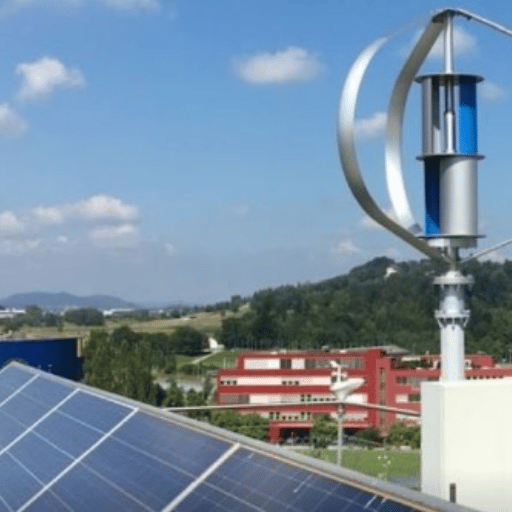
Selecting the Right Energy Source
Choosing the right type of energy for a hybrid solar system largely depends on how much energy is needed, financial placement, and local resource availability. For most cases, solar energy should be the key resource due to its renewability and low cost. Also, to assist solar, adding a backup source like a wind turbine might be helpful in regions with consistent wind, or a generator in areas with long periods of clouds. Proper alignment with the system’s capabilities and anticipated demand would enhance reliability and efficiency. Proper consulting with local data estimates and professionalism will offer better outcomes.
Designing Efficient Power Systems
To design an efficient power system for a hybrid solar installation, focus on three core components: solar panels, small wind turbines, and energy management systerns.
- Energy Storage: Add batteries with a larger capacity for storing solar energy for nighttime or periods of low sunlight. Lithium-ion batteries are widely suggested because of their exceptional practicality and long lasting durability.
- Power Management: Use a trustworthy inverter to change solar DC into usable AC power and build a smart energy management system to help manage energy output while minimizing energy wastage.
- Scalability: The system should be designed for easy expansion down the line, such as adding more panels, batteries, or other renewable energy sources to accommodate growing energy requirements.
The hybrid system can attain the highest level of performance, reliability, and sustainability when these elements are integrated cohesively.
Embracing new technology to maximize power generation
Advanced technology is indispensable for optimal power generation in a hybrid solar system. The rate of improvement in the manufacturing of photovoltaic (PV) panels is one such noteworthy example. Current monocrystalline solar panels are more efficient than their polycrystalline counterparts, with efficiency rates of up to 22.8%. Moreover, the unwavering increase in energy production by bifacial solar panels from 10-20%, depending on environmental factors, makes them even more desirable. Unlike traditional solar panels, these cutting-edge solar panels have the ability to absorb sunlight from both sides.
Another important factor is the development of advanced tracking systems. Single-axis and dual-axis trackers allow higher capture of energy in dual systems than in fixed systems. Different AI technologies can be integrated within these systems for better accuracy in production predictions. This smart approach to tracking, along with AI, improves the accuracy of following the sun’s path and forecasting the amount of energy that will be produced.
Additionally, smart inverters with Maximum Power Point Tracking (MPPT) increase the efficiency of conversions. These inverters extract the highest possible power from shifting solar energies, which minimizes loss. Predictive algorithms, coupled with this, make it possible for energy systems to respond to weather changes and peak demands.
Such enhancements to hybrid solar systems can lead to a 15-25% increase in generation capacity. Hybrid solar systems use advanced panels, tracking technologies, and power optimization tools to effectively reduce reliance on non-renewable energy sources while providing dependable performance.
Frequently Asked Questions (FAQ)
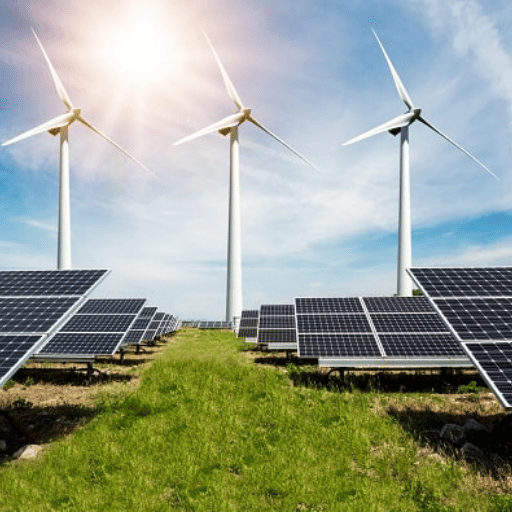
Q: What is a wind-solar hybrid system?
A: A wind solar hybrid system combines photovoltaic panels and wind turbines to produce electricity. This system maximizes its potential through its dual-source capability, harnessing energy to produce clean renewable energy using both wind and solar technologies.
Q: How does a wind or solar hybrid plant work?
A: A wind-solar hybrid plant generates clean power by using wind turbines and solar photovoltaic panels. Wind turbines spin using the kinetic energy from the wind. The turbine then spins a motor attached to a generator, creating electricity. On the other hand, solar hardware absorbs sunlight and converts it into energy. This hybrid system captures and utilizes both types of energy, often in conjunction with battery storage, to ensure a reliable supply of renewable energy.
Q: What are the advantages of wind solar hybrid systems?
A: These types of systems reduce energy costs while improving reliability and energy density. Wind-solar hybrid systems are capable of efficiently fulfilling power generation without putting too much reliance on the grid and can be implemented for on-grid or off-grid clean energy solutions.
Q: What is the solar panel requirement for a wind-solar hybrid system?
A: The requirements for solar panels in a wind-solar hybrid system relies on different factors such as energy needs, land area, and ratio of wind energy to solar energy. A single residential system may require 10 to 20 solar panels while more extensive commercial and utility sized systems swell into the hundreds and thousands of hybrid plant panels including solar and wind farm panels.
Q: Is it capable to combine both solar and wind power in the same system?
A: Indeed, solar and wind power can be integrated seamlessly within a hybrid system. There tends to be stronger wind overnight when solar power is not available, and there is plentiful solar energy available during the day. These renewable sources work together to help balance energy production and reduce the inconsistency problems related to each renewable resource when it stands alone.
Q: In what way can a solar hybrid system assist in managing power outage situations?
A: In the case of power outages, a solar hybrid system can reduce the impact by acting as a secondary power source. With battery storage, these systems are capable of providing electricity even when the grid collapses. This makes them particularly useful in areas that experience frequent outages or in off-grid hybrid systems, as the need for reliable power supply is paramount.
Q: What is the function of battery storage in wind-solar hybrid systems?
A: Battery storage is one of the most important components in wind-solar hybrid systems. It stores excess power generated during periods of peak production, which can be used later during low wind or solar availability, or during high demand periods. Battery storage systems also increases the overall reliability of the hybrid power system because they help smooth out power production.
Q: Are wind-solar hybrids systems appropriate for home energy applications?
A: These types of systems are appropriate for household energy solutions and are particularly beneficial to homes that are located in areas with good wind resources. In addition to providing self-sufficiency, these systems can completely eliminate or drastically lower electricity bills and further provide a greener alternative to grid energy. Nonetheless, home hybrids require careful evaluation of other considerations such as commonly used local climate, available space, and energy consumption.
Q: What is the implication of wind-solar hybrid systems in the energy market?
A: As with many things in energy today, wind-solar hybrids systems have made great improvemets. Unlike solar or wind alone, systems like this economically aren’t as volatile as single-source renewable energy systems. With hybrids, there is so much the market can do, including lowering the dependency on fossil fuels, decreasing the overall rate of electricity, and creating wonderful opportunities for new PPAs when solar meets wind. They are also well suited for large scale energy projects because hybrids are able to help balance intermittency issues.
Q: What do you consider as the challenges in undertaking wind-solar hybrid systems?
A: Adopting wind-solar hybrid systems faces a few challenges including higher costs, the need to integrate more than one technology, and the availability of solar and wind in the same location. Besides, these renewables pose challenging tasks of structuring the ideal ratio of solar and wind power components, limiting the variability of power production, and trying to achieve balance in legislations.
Reference Sources
1. Designing a Solar/Wind Hybrid Power System for Charging Electric Vehicles
- Authors: Afshin Balal et al.
- Publication Date: February 13, 2023
- Summary: This paper is centered on the combination of different solar and wind energy sources for charging electric vehicles (EVs). The authors suggest a mixed or hybrid power system consisting of both solar photovoltaic (PV) and wind turbines to construct a reliable energy supply for EV charging stations. The system is intended to be grid-connected to enable power sales and purchases during periods of high demand.
- Key Findings: The suggested hybrid approach works best in servicing the energy needs of EVs while reducing dependency on fossil fuels. Incorporating solar and wind power makes the charging infrastructure more reliable and self-sufficient by guaranteeing a dependable energy source.(Balal et al., 2023, pp. 1–5).
2. Simulation of the Use of Solar and Wind Energy as a Hybrid Power Plant in Malahing Village Using Software Homer
- Authors: Bima Sakti et al.
- Publication Date: 2023
- Summary: The aim of this study is to simulate a hybrid solar-wind power plant which can satisfy the electricity demands of Malahing Village. The authors use the HOMER software to determine the best possible arrangement of the hybrid system while taking advantage of the local solar and wind energies.
- Key Findings: From the simulation results, it is evident that a rural hybrid system that incorporates both solar and wind energy can supplement the use of conventional energy sources greatly and provide an alternative in rural electrification. The system described also includes a pv system which is able to produce enough energy to cater to the energy needs of the village.(Supriyono et al., 2021).
3. A GIS-based FAHP and FEDAS analysis framework for suitable site selection of a hybrid offshore wind and solar power plant
- Authors: Fatih Karipoğlu et al.
- Publication Date: December 1, 2023
- Summary: This document outlines a procedure to determine the most optimal locations for a combined offshore wind and solar energy plant using Geographic Information System (GIS) integration alongside fuzzy analytic hierarchy process (FAHP). The study highlights the relevance of site selection in achieving optimal operational efficiency and effectiveness of hybrid power plants.
- Key Findings: The suggested methodology implements a comprehensive plan to site selection, making certain that the hybrid power plants are installed in regions with maximum resource availability, thereby increasing the plants’ operational efficiency.(Karipoğlu et al., 2023).
4. Design of Wind and Solar Hybrid Power Plant to Support Electricity Needs for Shrimp Farms in Binangun, Cilacap
- Authors: Faizal Basith et al.
- Publication Date: October 18, 2022
- Summary: The goal of this research is to design a solar-wind hybrid power plant to supply electricity for shrimp farming activities in Cilacap. A techno-economic analysis is performed by the authors to assess the viability of the proposed hybrid system.
- Key Findings: The hybrid system has the capability to markedly decrease fossil fuel dependency and operational costs in shrimp farms. The research emphasizes the possibilities offered by renewable energy in aiding agricultural practices.(Basith et al., 2022, pp. 295–300).
5. A hybrid power plant based on renewable wind and solar energy for decentralized consumer power supply
- Authors: Yu.S. Zapylihin, L. P. Andrianova
- Publication Date: 2019
- Summary: The hybrid system has the capability to markedly decrease fossil fuel dependency and operational costs in shrimp farms. The research emphasizes the possibilities offered by renewable energy in aiding agricultural practices.
- Key Findings: With the aid of the hybrid power plant, the energy requirements of decentralized consumers can be met effectively while the adverse impacts on the environment are minimized. The integration of wind and solar energy improves the reliability and sustainability of the power supply.(Zapylihin & Andrianova, 2019).
6. Solar power
7. Energy