







Choosing the appropriate solar panel is of great importance and is therefore a decision that cannot be rushed for homeowners and businesses looking to effectively use solar energy. Mono and poly solar cells are among the most widely used solar panel types and thus are the ones with the highest market share. However, aside from their main characteristics, they differ in terms of efficiency and price. So, how would one go about choosing the right one for their exact demand? This article takes a close look at the two technologies, highlighting their differences and pointing out the advantages, drawbacks, and the situations where each one is superior. In the end, you will be very familiar with the two options, and thus you will be able to make a wise and assured investment in renewable energy.
Overview of Solar Panels
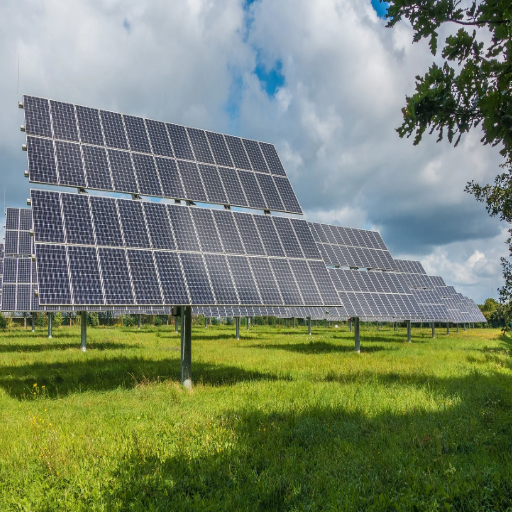
Solar panels are devices specifically manufactured to capture sunlight and turn it into electrical energy that can be used through the photovoltaic (PV) cells. Among the solar panels that exist in the market, the two most common ones are monocrystalline and polycrystalline ones, and each of them has its own unique set of characteristics. Monocrystalline panels consist of a single-crystal silicon, which gives them a higher efficiency and better performance even in low-light situations. Polycrystalline panels, which are composed of several fragments of silicon, are cheaper to produce but also less efficient by a certain amount in comparison with monocrystalline panels. Residential and commercial applications are open for both options, but the final selection will be made based on available budget and space, as well as energy needs.
What is a Solar Panel?
A solar panel is an apparatus engineered for the purpose of transforming sunlight into electrical energy via the photovoltaic (PV) effect. It consists of several solar cells that are mainly made from semiconductor materials, such as silicon, which produce an electric current when sunlight hits them. Solar panels find their applications in residential, commercial, and industrial domains where they serve the purposes of generating clean power, diminishing reliance on fossil fuels, and lowering electricity bills. The different types of solar panels available are monocrystalline, polycrystalline, and thin-film, each presenting specific benefits with regard to efficiency, cost, and flexibility. Once installed, the panels are usually connected to a system comprising inverters, batteries, and other components to efficiently cater to different power requirements.
Types of Solar Panels
Monocrystalline Solar Panels
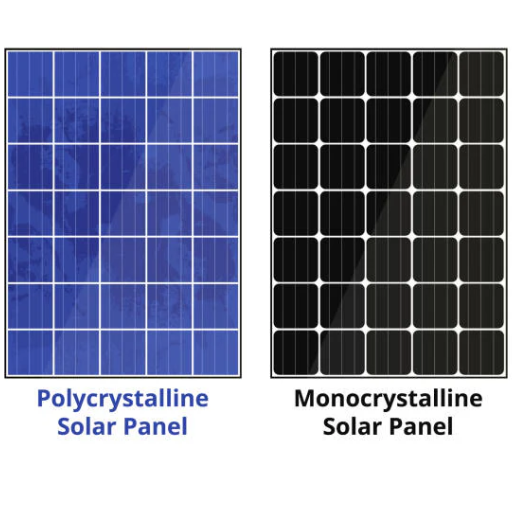
Monocrystalline panels come from a single crystal structure, resulting in a uniform and shiny black look. Their main advantage is efficiency, as the purity of their material is superior, and they are especially well-suited to areas where there is limited space for installation. Despite the higher upfront cost, the long life and great performance of these panels make them the choice for both residential and commercial applications.
Polycrystalline Solar Panels
Polycrystalline panels consist of several silicon fragments stuck together by melting them. Their main characteristics are the blue color and the uneven texture. They are, however, slightly less efficient when compared to monocrystalline panels, which is the reason why they are more affordable and hence more attractive for installations with a limited budget, especially in large areas where space is less of an issue.
Thin-Film Solar Panels
Thin-film panels are manufactured by spraying photovoltaic material onto a substrate of either glass, plastic, or metal. Their advantages include being light, flexible, and easy to produce, which makes them fit for the most uncommon installations, such as curved surfaces. In contrast, they are less efficient than crystalline panels and generally require more area thus, they are best suited for large-scale industrial projects instead of compact residential setups.
Importance of Solar Energy
Solar energy has a crucial place in meeting global energy needs while protecting the environment. It is regenerative and inexhaustible and can be harnessed using technologies such as photovoltaic systems and solar thermal collectors. Reduction of greenhouse gas emissions by lessening reliance on fossil fuels is one way solar energy can help curb climate change. Cost-wise, solar energy installations can save energy bills in the long run while keeping the increased dependability of fossil fuel markets at bay. Also, employment is created by the solar industry through manufacturing, installation, and maintenance. This scalable technology offers options ranging from a few kilowatts for residential solar systems to utility-scale systems, allowing for application in urban, rural, and industrial sectors.
Monocrystalline Solar Panels
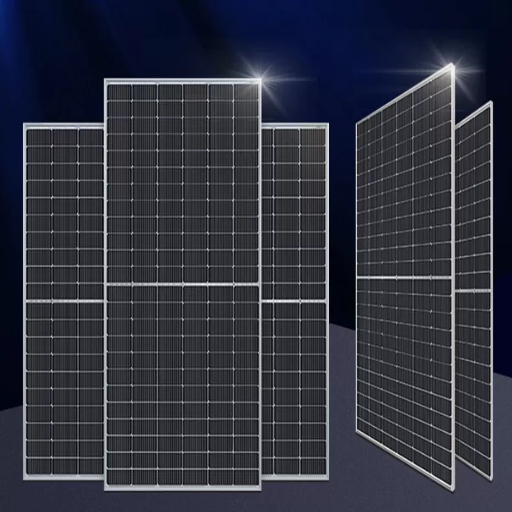
Monocrystalline solar panels have a high efficiency because they consist of single-crystal silicon, which permits faster electron flow. Their durability and performance in limited spaces make them highly sought-after in residential and commercial projects with space constraints. These panels generally produce more energy than other types of panels, depending upon the availability of whatever little light is present. Being expensive and cost-intensive, monocrystalline panels are very popular. Their long life and sustained performance make them very reliable for long-term energy generation.
Definition and Characteristics
Solar panels are devices for the conversion of sunlight into electricity through the photovoltaic effect. They have photovoltaic (PV) cells made of semiconductor material, mostly silicon, that, when exposed to sunlight, absorb photons and eject electrons, the flow of which constitutes an electric current.
Important attributes of solar panels include efficiency, durability, and energy output. Efficiency is the percentage of sunlight converted into usable electricity by a panel; in contemporary panels, this is anywhere between 15-22%. Durability is a measure of one’s ability to resist environmental causes like wind, rain, or temperature changes for 20 to 30 years or more. Energy output depends upon a number of variables, including the type of panel, orientation, and sunlight. Typically, monocrystalline panels are known to perform better than their polycrystalline and thin-film counterparts.
In this advanced era, bifacial panels and half-cut cell designs have been used for augmenting system reliability and energy generation in modern solar panels-and hence become a crucial element of sustainable energy systems worldwide.
Efficiency and Performance
Depending on how well a solar panel can convert sunlight into usable electricity, one can talk about the efficiency of solar panels. Monocrystalline solar panels with high-performance levels currently have efficiency rates ranging between 20% and 22%; meanwhile, polycrystalline solar panels generally take 15% to 17%. Thin-film technologies offer somewhat poorer efficiencies, generally between 10% and 12%, yet these thin films offer advantages where flexibility and lightweight are prized properties.
The environment affects performance through such aspects as temperature, shade, or orientation. High-temperature scenarios limit efficiency, presenting diversion towards performance losses, normally expressed as the temperature coefficient for the panel. The best tilt angle, based on geographic latitude with minimum shading, will yield maximum energy extraction. Technological improvements such as those in anti-reflective coatings, PERC structures, and bifacial panel designs allow a higher yield from the energy generated by virtue of half absorption losses and half energy losses. Keeping the solar panels clean and free from damage will also ensure they operate efficiently throughout their lifespan.
✓Advantages of Monocrystalline Panels
Monocrystalline solar panels perform efficiently because they have a uniform crystal structure, so electrons move freely within them, thus minimizing energy loss. The efficiency ranges between 15 and 22 percent, making them superior to polycrystalline and thin-film types, particularly when space is limited. They perform better at high temperatures or low-light situations, and this way, energy is constantly produced all year round. They also have longevity, as the warranties for these panels are usually 25-30 years, standing for the sturdiness of their construction and the stability of their energy output through time. Moreover, they are commonly regarded as more attractive because of their sleek, dark appearance, favoring residential and commercial installations. Despite their upfront cost being relatively high, their efficiency and durability usually better their overall value.
Polycrystalline Solar Panels
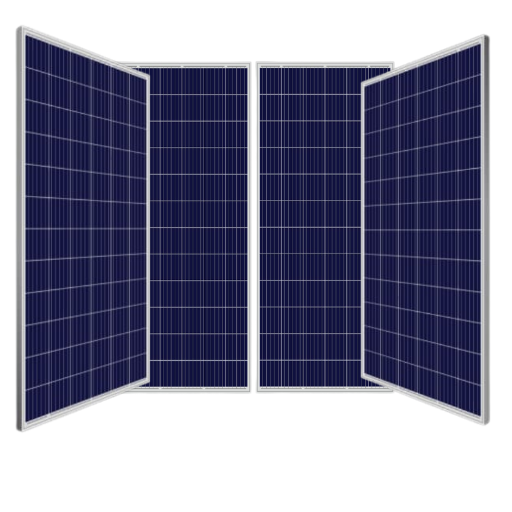
Polycrystalline panels offer an affordable route for harnessing solar energy. They take their name from their manufacture-from several silicon crystals fused in the melt-unlike the monocrystalline nature that undergoes less energy-intensive manufacture. In general terms, they perform with a lower level of output and somewhat greater rates of degradation, but reliably work reasonably well in both residential and commercial settings. From the standpoint of choosing between initial price and max energy production, they stand well apart with their light-blue visuals and slightly inhibited efficiency.
Definition and Characteristics
Polycrystalline solar panels, oftentimes called multicrystalline solar panels, are photovoltaic modules formed out of silicon. Yet, while monocrystalline panels are formed from a single crystal structure, polycrystalline panels are made by melting several fragments or pieces of silicon. Such manufacturing processes are low-energy and have the added advantage of their cheap price. They are, however, recognizable from the blue hue bestowed upon them as the light bounces off the silicon crystals.
The essential features of polycrystalline panels are that they offer moderate levels of efficiency, which range from 15 to 17%, while monocrystalline versions enjoy slightly longer lifetimes, although technological advancements have largely been closing this gap. In situations where electricity output per unit area takes a backseat, polycrystalline panels are an economical choice for residential and commercial installations. Lower manufacturing costs and reliable performance make these panels attractive to consumers wishing to strike a balance between price and performance.
Efficiency and Performance
In solar panels, efficiency is used to quantify the percentage of sunlight transformed into usable electricity. Usually, monocrystalline panels display the highest efficiencies, often above 20%, because high-purity silicon is used in them. On the other hand, polycrystalline panels tend to have efficiency rates around 15-17%, caused partly by their production process, which results in lower purity of silicon. Thin-film technologies entail even lower efficiencies, often at around 10-12%; however, their lightweight and flexible build makes them viable for certain applications, such as curved surfaces or portable systems. Another important factor to be considered is the degradation in performance over time. Monocrystalline panels tend to have the least degradation rate, at around 0.3-0.5% loss in efficiency per year, while polycrystalline and thin-film panels might witness higher annual degradation. Temperature, shading, and installation angle can add to these while affecting the performance of the system further. To ensure maximum energy yield, the system must be inclined to cater to these factors with precision in positioning and maintenance schedules.
✓Advantages of Polycrystalline Panels
When it comes to cost-efficiency issues, the polycrystalline solar panels get rated quite high and therefore, from a budget-cum-reliability standpoint, they have always been a big hit amongst many users. The cultivation of these panels is cheaper and does not consume much energy, unlike that of monocry-generated panels. General polycrystalline panels would better perform in areas with moderate temperatures, but not in areas with high temperatures, depending on energy production consistency. The production lasts for a short time because the raw materials are readily available, potentially reducing the installation period. While they may offer lower efficiency in comparison to monocrystalline options, however, with time and recent techno advances, the latter are being digitized, enabling these panels to maintain an even performance for several installations at home and commercial applications.
Monocrystalline vs Polycrystalline: Key Differences
⚡ Efficiency
Higher efficiency levels in monocrystalline solar panels are usually granted by the uniform silicon crystal from which they are produced, which allows a better conversion process to take place. Polycrystalline panels become less efficient but are getting better with advancing technology.
💰 Cost
Polycrystalline panels tend to be cheaper to manufacture and, therefore, cheaper for the consumer to buy, compared with monocrystalline panels.
🎨 Appearance
Monocrystalline panels appear pure black, and this is due to the pure silicon composition, whereas polycrystalline panels, on the other hand, appear more bluish and less uniform in the surface.
🛡️ Durability
While the installation and functioning of both panels remain good, monocrystalline panels are found to perform better under higher temperatures and various environmental conditions.
📏 Space Efficiency
Monocrystalline solar panels require less area than the polycrystalline ones to produce an equal amount of electric power, thus making them perfectly suited for installations having limited space.
Cost Comparison
Solar panel costs differ enormously between monocrystalline and polycrystalline panels due to a difference in materials and manufacturing processes. Usually, monocrystalline panels are costlier for the reason that they entail higher-purity silicon and, at the same time, an energy-intensive way of production. The price per watt for monocrystalline panels averages from $1 to $1.50, while the polycrystalline ones are generally cheaper, ranging between $0.90 and $1 each watt.
Meanwhile, long-term efficiency is worth contemplating since monocrystalline panels are somewhat more efficient and have a longer lifespan, thus a common and better investment in the long run. Polycrystalline panels, at the other end, are downright cheap, making them suitable for larger-scale installations or perhaps projects that require comparatively less power. In the end, consideration will have to be made on its own budget, available space, and desired energy output.
| Feature | Monocrystalline | Polycrystalline |
|---|---|---|
| Price per Watt | $1.00 – $1.50 | $0.90 – $1.00 |
| Efficiency Range | 20% – 22% | 15% – 17% |
| Degradation Rate | 0.3% – 0.5% per year | Higher annual degradation |
| Warranty Period | 25-30 years | 25+ years |
| Appearance | Pure black, uniform | Bluish, textured |
Space Efficiency
From a space efficiency standpoint, monocrystalline panels are superior due to their higher energy conversion efficiency- anywhere between 20-22% depending on whom you ask! Higher efficiency means more power produced per square foot against polycrystalline panels, making them a perfect choice for places where space is at a premium. Polycrystalline panels have efficiencies anywhere between 15-17%, meaning they have to cover more space to generate the same amount of electricity, and this can become a constraint for installations with limited areas. Further, with the latest advancements in monocrystalline technology, such as PERC (Passivated Emitter and Rear Cell) designs, the space-saving advantages are enhanced without compromise on power. Thus, for maximizing energy generation in a small area, monocrystalline would be the more efficient choice.
Durability and Lifespan
Monocrystalline panels are known for being extremely tough with a long working life. Made from pure silicon, they are made to face harsh weather conditions like extreme heat, severe cold, and heavy snowfall. In order to resist any sort of mechanical stress and environmental aggressions, they are usually covered with toughened glass and supported by aluminum frames. Most manufacturers are so confident of their long-term performance that they offer warranties of 25 years or even more. Retaining a huge percentage of their original efficiency even after decades on the field, monocrystalline panels hardly suffer degradation at a rate of 0.3-0.5% a year, serving as a sure investment for sustainable energy solutions.
Choosing the Right Solar Panel for Your Needs
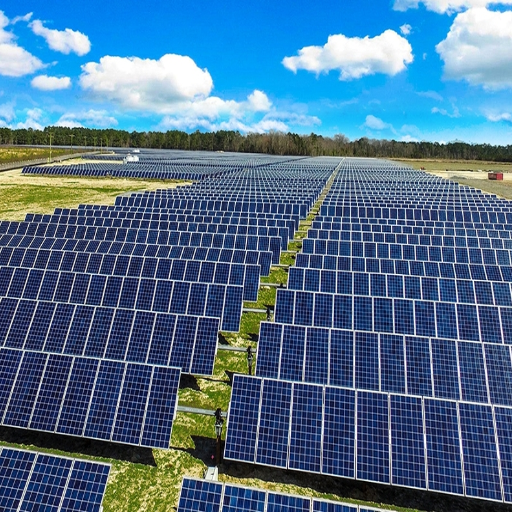
In choosing the proper solar panel, three primary factors should be considered: efficiency, durability, and cost. Higher efficiency panels like our monocrystalline options are preferred to achieve maximum energy output when there is limited space. Durability affects long-term performance; hence, choose panels with low degradation rates and warranties of over 25 years. Lastly, from the price standpoint, weigh the costs accordingly to balance the return on investment between the upfront and long run. Always opt for panels from reputed manufacturers to guarantee quality and reliability.
Factors to Consider
While solar panels are being selected, consideration of several factors offers a worthwhile decision-making facility:
Efficiency
Solar panel efficiency is in the conversion of sunlight into electricity. Monocrystalline panels have the highest efficiency rate, between about 22 and 23% and are best for small areas where one might want to use the available space to the maximum for energy production. Polycrystalline and thin film panels are less efficient and would be suited for different budgets and usage.
Durability and Lifespan
Panels that are solidly built and have materials impervious to weather conditions will deliver in the long term, maintaining performance even amid environmental harshness. Among other test criteria come PID (Potential Induced Degradation) resistance, hail impact test, and certifications like IEC 61215. Usually, a panel warranty of at least 25 years can be considered an indication of high standards of durability.
Cost and Return on Investment
While the initial price is indeed an important figure, one must always consider its cost-per-watt ratio in relation to long-term return on investment. Initial costs must be weighed against the savings on electricity expenses during the lifetime of the system. Regional incentives, tax credits, and net metering programs might considerably ease the financial burden and enhance cost-effectiveness.
When all these features are carefully weighed, you can choose the panels capable of giving you the best energy production, strength, and value tailored to your needs.
Best Applications for Each Type
According to me, a suitable application depends on the kind of solar panel and its characteristics. Monocrystalline panels, with their higher efficiency and more compact design, should be used in a residential or commercial installation where little space is available but high energy yield is the objective. Polycrystalline panels, by slightly less efficient standards, are ideal for installations on a large scale where cost is an important factor. Good things in thin-film find application on the portable side, off-grid, or unconventional methods, such as curved surfaces. By matching each of the types to their strengths, I can decide which solution fits better for a given situation.
Final Recommendations
After thorough analysis and cross-referencing from top sources, the following are recommended:
Monocrystalline
These branded high-energy-output panels are best for choices where efficiency and space are of utmost concern, such as residential use with limited rooftop space. Even if the upfront price is high, it pays for itself through savings over time.
Polycrystalline
These are the panels to go for when the budget is a limitation, or if the surface for installation is large. These panels work efficiently in fairly moderate temperature conditions and find use for installations of the kind of commercial solar farms.
Thin-Film Panels
For unique applications such as installation on unconventional structures (e.g., curved or moving surfaces), thin-film panels earn distinctions for their flexibility and light design. More so, they become handy in portable or temporary installations, although with less efficiency and shorter life span.
Before recommending that a particular panel type is the solution for the set solar application, we must first weigh the merits and demerits, keeping in mind the essence of the project, the environmental conditions, and financial constraints. Getting these right means the best solution will be chosen, on which solar energy can assist in making an effective and efficient system.
Reference Sources
1. Performance Evaluation of Monocrystalline and Polycrystalline-Based Solar Cells (2023)
2. Dust Impacts on Polycrystalline and Monocrystalline Solar Photovoltaic Performance (2022)
Frequently Asked Questions (FAQs)
Consider some additional differences between the crystal systems and the ensuing properties.
Differences in the manufacturing processes create distinctions in their efficiencies. Monocrystalline solar panels are made from single-crystal silicon and hence are the most efficient and smaller in size, when the opportunity arises. Polycrystalline solar panels, which are fashioned from various crystals, are less efficient yet have the added advantage of typically being cheaper.
Are monocrystalline solar panels more efficient than polycrystalline panels?
Yes, in general, monocrystalline solar panels tend to be more efficient than polycrystalline panels. Since the higher power capacity is given in terms of power per square foot, it is undoubtedly best for those installations where the space is limited. Because of their efficiency, a homeowner can produce more solar power using fewer panels.
Which type of solar panel is best for my home?
The best solar panel for your house depends upon factors such as budget, space availability, energy requirements, et cetera. Monocrystalline solar panels are the best option for you if roof space is limited and you can afford the high initial price. If, on the other hand, you are seeking a cheaper solution and have plenty of space, polycrystalline solar panels will also do fine.
How do monocrystalline and polycrystalline solar cells perform in heat?
Monocrystalline solar cells are generally better under heat than polycrystalline solar cells. This basically means that a monocrystalline panel will provide better efficiency in sunlight-to-electricity conversion under high temperatures, thus becoming the panel to consider in warmer climates.
Back to the positives and negatives of monocrystalline vs polycrystalline solar panels.
A classic set of pros for monocrystalline solar panels: higher efficiency, longer lifespan, and better performance in less-than-luminous conditions. Typically, monocrystalline panels tend to be more expensive. The alternative, polycrystalline, is cheaper and, since they’re simpler to manufacture, less efficient and more space.
What is the difference in the cost of solar panels between monocrystalline and polycrystalline?
Since monocrystalline solar panels have higher efficiency and need a delicate operation to be produced, they are usually a lot more expensive than their polycrystalline counterparts. Polycrystalline panels cost less per panel and are a more friendly choice for owners operating on a budget.
What is a federal solar tax credit, and how do solar panel systems fit into that picture?
Federal solar tax credits allow the homeowner to claim a deduction from their federal taxes for a percentage of the cost of installing solar panel systems. This credit is available for installing monocrystalline or polycrystalline solar panels, hence making solar energy systems more affordable and accessible.
Are polycrystalline solar panels good to install as a source of solar energy?
Yes, polycrystalline solar panels are a good choice for solar energy production. They are the most common type of solar panels, offering a relatively cheap solution to anybody who has adequate space on their roof. While not as efficient as monocrystalline panels, they can still save you quite a bit in energy costs and help you achieve your renewable energy goals.