








Knowing the amp rating of a 10-gauge wire is a critical consideration for those venturing into the world of electric systems or wiring installations. Ampacity of a wire or the current-carrying capacity of the wire acts as a direct culprit behind an efficient system or an unsafe system. This blog works as an in-depth guide regarding the capacities and restrictions of a 10-gauge wire, thereby helping you make decisions that are informed by factors such as electrical codes, temperature considerations, and application-specific constraints. Whether you work in the field full-time or with the wires during the weekend, or simply want a little clarity on electrical wiring, this elaborate overview will help you grasp key points to make sure the operation performs safely and reliably.
Introduction to 10 Gauge Wire
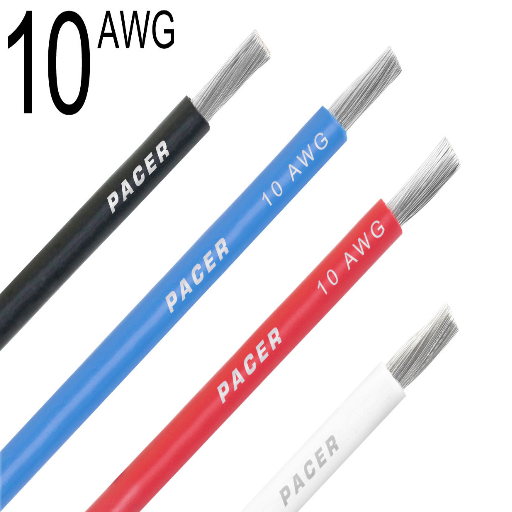
Also called 10-gauge wire or with an informal name, this is a typical electrical conductor intended for many residential, commercial, and industrial uses. It is known to appropriately carry moderate electrical loads for safe handling while being durable in nature. The wire under normal conditions can carry a maximum current of 30 amps and is frequently employed for circuits in appliances such as water heaters, air conditioners, and hefty tools. Its dimensions give some flexibility and some strength, which is why it can be used in a variety of installations. Do check your local electrical codes and guidelines to ensure proper usage and safety compliance.
What is 10 Gauge Wire?
A wire of gauge 10 is an electrical cable that is considered to be moderately thick and capable of carrying heavy electrical loads. It has a diameter of about 0.1019 inches (2.58826 mm) without insulation, and in residential, commercial, and industrial electrical systems, it is predominantly used. It senses a current load capacity of up to 30 amps, although this value might change depending on the insulation type, temperature of the environment, or conditions of installation.
This is a wire used for wiring heavy appliances such as water heaters or air conditioners, and older electric stoves, or for heavy-duty power tools. It is also used in circuits that need quite a bit of ruggedness, low resistance, and transmitted power in transmitting power. Depending on the insulator, say THHN, THWN, or UF-B, the wire can be used indoors, outdoors, and even underground. If you want it for applications outside, UF-B is rated for outdoor and direct burial use, which is perfect.
With the 10-gauge wire, extensive runs can yield voltage drops that would induce inefficiency and erratic performance; thus, paying attention to voltage drop becomes imperative. According to medical charts, 10-gauge copper wire can deliver 30 amps fairly comfortably with very slight voltage drop in the short distances, but for longer runs (greater than 50 feet), some considerations should be given to adjustments to keep the device functioning properly. In addition to length, the conductivity of wire-whether copper or aluminum, differs; copper is highly regarded for better electrical behavior and for long-term reliability.
Always observe local electrical codes, such as the NEC codes, and consult an expert if need be to ascertain that all installations are within safety regulations.
Common Uses of 10 Gauge Wire
The 10-gauge wire is used for a variety of uses in the residential, commercial, and industrial sectors due to its capacity and size balance. The wire undergoes processes that moderately deliver power. Some of the specific uses for wire-gauge 10 include:
Electrical Circuits for Appliances
Many appliances for the house, including electric water heaters, air-conditioning systems, and washing machines, need 10-gauge wire for their circuits. It works for carrying currents of up to 30 amps, which makes it excellent for high-power demand devices. For instance, an electric water heater could draw current as much as 25 amps, and the current-carrying capacity of 10-gauge wire falls perfectly within 25 amps.
Interior Wiring
Interior wiring refers to wiring that is installed inside the walls or ceilings of buildings. It is mostly used in residential buildings and smaller commercial establishments. Interior wiring consists of connecting various loads and light points from the distribution board (DB), which gets its supply from the electricity meter or main service panel.
EV (Electric Vehicle) Chargers
With the increasing rate of electric vehicle adoption worldwide, the need to lay special circuits with 10-gauge wires has arisen. All Level 2 EV chargers work with a 240-volt system and typically draw about 20-30 amps, well within the limits of 10-gauge wire with proper installation.
Home Remodeling Projects
Typically, 10-gauge wire is used in alteration work, especially when an electrical system upgrade occurs in the kitchen, since appliances such as ovens and microwaves call for higher power supplies.
Additional Applications
- Exterior Wiring: Exterior wiring is the one installed on poles with the earth being the reference, be it a distribution line or any low-tension cable usually installed on poles. These include low-tension cables, high-tension cables, and communication telephone cables. Exterior wiring consists of engineer wiring for transformers, building supply, and overhead lighting.
- Area Wiring: Area wiring is entirely different from exterior, cable, and interior wiring. It is basically the wiring done in the open, or take a suspended hose line as an example. Provided such types of wiring are properly insulated for outdoor conditions and well protected, it should present no hazard or problem. The wiring done in parks is termed area-wire.
When dealing with 10-gauge wires, determine the amperage requirement of the application and allow for any voltage drop associated with the distance being covered. Also, ensure the insulation covering the wire is rated for the specific condition at the installation site, such as being suitable for outdoor weather or resistance to higher temperatures.
Importance of Amp Ratings
Critical Safety Information
Amp ratings, or amperage ratings, are vital to maintain the safe and efficient use of electricity systems. These ratings indicate the maximum current that may pass through a wire, circuit, or device without it getting heated to the point of becoming a fire hazard. In wire selection for an application, the amp rating should correspond to the load. Typically, 10-gauge wire can support up to 30 amps; however, it varies according to ambient temperature, type of insulation, and installation configurations.
The lower amp rating of a wire can lead to the overheating of the wire itself, the deterioration of the insulation, and eventual electrical failure. On the contrary, an overestimation of the amp limit will keep one paying more unnecessarily while maintaining inefficiency at that. Voltage drops also occur in long wire runs and play a substantial role; they have to be accounted for in order to preserve performance and safety standards. Adhering to the amp ratings prescribes the possibility of incidents, ensures the system is within regulatory codes (such as NEC requirements), and maximizes the lifespan of electrical installations.
Amp Rating of 10 Gauge Wire
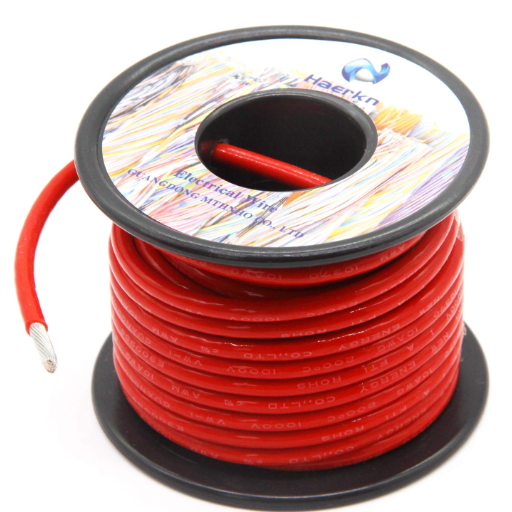
The current carrying capacity of wire size 10 gauge varies depending on many things, including wire type, insulation, ambient temperature, and application-related factors. In the latest issue of the NEC, for example, a copper wire of size 10 gauge under normal working conditions, when insulated usually by such as THHN/THWN, will be able to carry safely a load of 30 amps. However, due to derating factors, for example, high ambient temperatures, conduit fill situations, or long distances in running the wires, adjustments might be required to avert voltage drops or severe heating scenarios. So work in reference to manufacturers’ instructions and NEC tables to confirm all standards are met with perfect performance of your system.
Defining Ampacity and Its Relevance
Ampacity, being the maximum electrical current that a conductor can carry safely without excessive buildup of its own heat, becomes a factor that is very important to consider in electrical engineering and safety considerations. The value of ampacity depends on several parameters, including the construction of the conductor (e.g., copper or aluminum), the insulation type, ambient temperature, and the operation conditions of the wire (in free air or enclosed by a conduit). It is imperative that the right ampacity be chosen in order to avoid overheating, fire hazards, and energy losses. Derating factors must be considered when determining ampacity by calculation, as specified by the NEC: a few examples are adjustments considering ambient temperature rising above 30°C (86°F) or several conductors placed in one raceway. Ampacity determination becomes the keystone in protecting the electrical system while registering its compliance with safety standards.
How Many Amps Can 10 Gauge Wire Handle?
According to the National Electrical Code (NEC) and generally accepted industry standards, 10-gauge wiring is commonly considered to be rated for 30 amps under normal conditions. This assumed that the wire is copper and was rated to 60°C (140°F). Ampacity changes, however, may be present due to factors such as the type of insulation, ambient temperature, or installation conditions (e.g., grouping of wires in the same conduit). For example, 10-gauge wires having an insulation rated for a higher temperature, such as 75°C or 90°C, might carry slightly higher ampacity values before applying any derating factors. It’s thus necessary to consult the NEC tables and consider all applicable deratings in order to have an exact ampacity for a given application with safety and accuracy.
Factors Influencing Amp Ratings of Wire
The ampacity or current-carrying capacity is influenced by several key factors. These are conductor materials such as copper or aluminum, giving the wire conductivity and opposing resistance; copper will have a higher conductivity and hence a higher ampacity than an aluminum wire of the same gauge. Another factor that adversely affects the ampacity is the type of insulation on the wire. If the insulation can withstand high temperatures, then it will allow the wire to carry more current safely.
- Conductor Material: Copper vs. aluminum conductivity differences
- Insulation Type: Temperature rating affects current capacity
- Ambient Temperature: Higher temperatures reduce ampacity
- Installation Method: Conduit bundling creates heat buildup
- Wire Length: Longer runs increase voltage drop considerations
Besides that, conditions like ambient temperature will also affect ampacity. At higher ambient temperatures, the wire will have less heat to dissipate; hence, it will have less allowable current. Installation issues affect ampacity, too, one of them being bundling several wires into a single conduit. Another derating factor is the temperature buildup within a conduit so tightly packed against another conduit, so as to cause the wires to become too hot. Such conditions are represented in detailed tables and guidelines specified by standards, such as the National Electrical Code (NEC), to give a truly accurate calculation of permissible ampacity if all ampacity ratings for such installations are taken fully into consideration. Adherence to such guidelines assures efficiency and safety.
Comparing 10 Gauge Wire with Other Gauge Wires
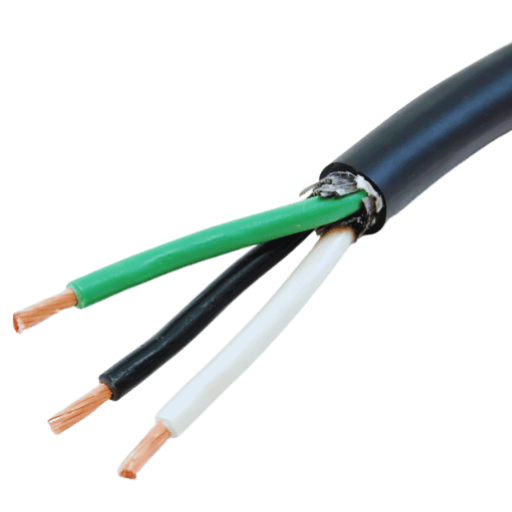
| Wire Gauge | Diameter (inches) | Ampacity (Copper) | Typical Applications | Cost Factor |
|---|---|---|---|---|
| 8 AWG | 0.1285 | 40-55 Amps | Electric ranges, large appliances | Higher |
| 10 AWG | 0.1019 | 30 Amps | Water heaters, AC units, dryers | Moderate |
| 12 AWG | 0.0808 | 20 Amps | General outlets, lighting | Lower |
| 14 AWG | 0.0641 | 15 Amps | Basic lighting, small appliances | Lowest |
While including some factors into comparison are the current carrying capacity for a conductor, performing operations for physical size, and suitability for the respective application. Under normal conditions, a 10-gauge wire can take 30 amps of current at ampacity. Whereas 8-gauge wires are somewhat better on this front, capable of 40 amp currents (incidentally, this capability depends on the thickness in dia. or resistance). Conversely, the thinner wire, or one of smaller diameter, maybe 12-gauge in this instance, limits itself to an ampacity of 20. This lesser ampacity does not suit heavy operations well. Greater in size than 10-gauge wire, an 8-gauge wire, for instance, is harder to bend and install; maybe so much harder to bend that installation will require more time and money. Choosing a wire size is dependent on electrical load, allowable voltage drop, and NEC guidelines.
10 AWG vs. 8 AWG: Ampacity Comparison
The main difference between 10 AWG and 8 AWG wires is their ampacity and uses. A regular 10 AWG typically allows a maximum of 30 amperes, considered medium-load circuits, like for water heaters or air conditioners. That said, an 8 AWG wire will be rated closer to 40 to 55 amps, depending on insulation type and installation method, and is therefore suited for heavy applications such as electrical ranges and subpanels.
Since the 8 AWG wire has a larger diameter, it exhibits relatively lower resistance and voltage drop situations have a better performance over long distances, hence ideal for long wiring. This wire is also less flexible and more expensive than 10 AWG type. Therefore, the choice between these two gauges rests upon specific load requirements, length of the circuit, and compliance with NEC requirements regarding wire size and safety parameters.
Understanding the Differences in Amp Ratings
An amp rating, or ampacity, is the maximum electric current that a wire may safely carry without turning the wire unbearably hot. Under normal copper conductor situations, an 8 AWG wire may bear a maximum current of 55 amps, whereas a 10 AWG can hold up to 30 amps. These are, however, influenced by factors such as wire conductor material type, ambient temperature, and whether the wire is installed in free air, conduit, or underground.
Longer circuits will often experience some voltage drops and will, therefore, require some thicker wire, such as 8 AWG, even if the load is less than 30 amps. In contrast, shorter runs with lighter loads may require 10 AWG. Another factor is the guidance that the NEC (National Electrical Code) sets forth with respect to ampacity adjustments, either due to environmental conditions or wire bundling.
In the final analysis, the fitting wire gauge is the one whose consideration will takes into account all components of current demand, distance, voltage drop, and consideration of the respective code requirements. Thereby, choosing the wrong wire gauge will result in blow-ups due to overheating, inefficiency of energy, or even fire hazard; all these illustrate the importance of accuracy and compliance with electrical installations.
When to Choose 10 Gauge Over Other Sizes
The selection of 10-gauge wire is considered in cases where higher current loads are to be supported with minimal voltage drop. Usually, for circuits rated up to 30 amperes-greater loads being imposed by the use of heavy appliances such as electric water heaters, clothes dryers, or some HVAC systems, size wire is employed. Mostly, it is recommended that circuits with lengths longer than shorter distances but within the limits set in calculating the voltage drop-nearly 100 feet, be selected for maximum efficiency.
For better current carry and lesser resistance to heat generation, 10-gauge wire was used compared to smaller gauges such as 12 or 14 ~ 10-gauge wire. Since the harder-drawing effect here is imperfect and mostly impairs hardness, the inability lasts longer for D.C. Charged application. It is, therefore, a major choice from a safety viewpoint for the fulfillment of all requirements in a domestic electrical field or the like. It is recommended that one always comply with the local electrical codes and standards on wire sizing to ensure performance and safety.
Practical Applications and Considerations
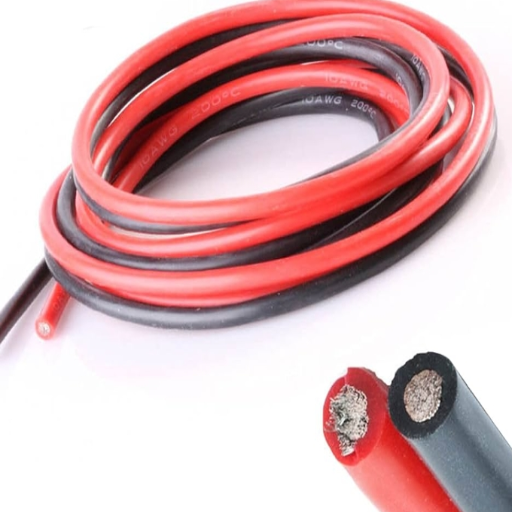
When selecting wiring for an electrical system, the type of wiring is dependent, among other factors, on the amperage and voltage of the circuit, on environmental conditions, and on the load being serviced. For example, high-load appliances such as heating, ventilation, and air conditioning (HVAC) systems generally require heavier gauge wiring so the wiring does not lose energy and heat up. On the other hand, if it is an outdoor application, the insulation may have to be suitably rated to resist moisture and UV exposure. The conductor material is also a point to consider; for instance, is it copper or aluminum? They each offer different conductive and life properties. If local electrical codes are adhered to, and periodic inspections are carried out, it ensures the avoidance of a hazard, efficiency, and longevity of the system.
Electrical Projects Suited for 10 Gauge Wire
10-gauge wire is a popular choice among electricians for residential, commercial, and industrial wiring projects because it provides an excellent balance of conductivity and strength. It is especially suitable for wiring that carries up to 30 amperes. Typical examples include wiring for electric water heaters, dryers, and window air conditioners. It is also marketed for use in 240-volt circuits carrying power to large equipment like ovens and power tools.
For outdoor work or longer wire runs where minimizing voltage drop over distance is imperative, 10-gauge wire is the best choice due to its ability to work at higher loads. It is also commonly used in low-voltage wiring systems like those for landscape lighting and solar panels. Choose 10-gauge wire with an insulation rating that fits the job requirements and meets the local electrical code, such as THHN or UF-B, for safety and function in your project.
Safety Considerations and Best Practices
Essential Safety Guidelines
The safe practice for electrical wiring must always be observed in all phases of the work to prevent fire and life-threatening hazards, including electrocution and equipment failure. A common practice should be to turn circuits off at the breaker panel before any work can begin, with voltage testing to confirm this. Ensure that the protective tools are in use, such as insulated gloves and safety glasses, which prevent accidents during installation or repairs. Ensure all activities are performed under the National Electrical Code (NEC) requirements, maintaining legal standing and comprehensive system functionality.
- Select conductor size and insulation type, compatible with system operating temperature, current, and environmental surroundings, thus guarding against any overheating or degradation.
- Connections must be tight, ensuring the presence of suitable wire nuts or terminal strips for the required splicing. Avoid overloading of circuits; calculate load requirements beforehand, then install the best breakers or fuses rated at the current intended.
- Use weatherproof enclosures and wiring rated for exposure in outdoor or wet environment installations, such as UF (Underground Feeder) or THWN (Thermoplastic heat and water-resistant nylon-coated).
- Always consult an experienced electrician for undertakings more complex because their knowledge helps reduce installation risks and makes the installation long-lasting.
Calculating Wattage Requirements with 10 Gauge Wire
Wattage Calculation Formula
Ampacity and voltage will matter in deciding the wattage capacity for 10-gauge wire, as will other conditions of the circuit. 10-gauge copper wire will have a maximum amp reading of about 30 in standard installations as provided by the NEC. For wattage ratings, this amp rating is multiplied by the voltage rating of the circuit.
Examples:
- 120V Circuit: 120 volts × 30 amps = 3,600 watts
- 240V Circuit: 240 volts × 30 amps = 7,200 watts
Other factors, such as voltage drop, must be considered, especially with long wire runs, and the wire must carry sufficient current without the loss of energy or heat. When the run is longer than 50 feet, voltage drop becomes an issue for which compensative provisions will need to be realized: a bigger size of cable or a lesser load installation. Likewise, always confirm that the breakers or fuses installed on the circuit correspond with the rated current capacity, also a safety measure according to regulations.
Wire Handle and Safety Considerations
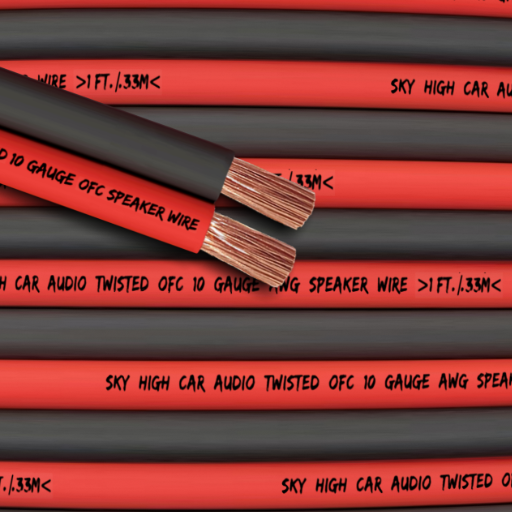
The different wire types and sizes are used for various things, including any wire handling actions and safety considerations embodied in them. Good insulation on a wire should never be compromised to avoid short circuits, shocks, or even fires. Handle wires only with insulated tools and never work on live circuits for your safety. Install the properly rated breaker or fuse for the circuit to protect it against overcurrent and observe all local/National Electrical Codes. For longer wire lengths, one can reduce the voltage drop either by upping the wire gauge or by coming up with a design that reduces the load, which thereby allows the whole system to operate efficiently and safely. Proper grounding and regular inspection of connections will improve the connection’s temperature and safety.
Proper Handling of 10 Gauge Wire
When handling a 10-gauge wire, it is best to follow expert procedures in order to accomplish both efficiency and safety. This wire size is ordinarily employed in 30-amp circuits, such as those for electric water heaters, dryers, or large appliances. For proper handling, consider:
Current Capacity and Compatibility
A 10-gauge wire has an ampacity of 30 amps under normal conditions. It should be used only with a circuit breaker or fuse of the appropriate rating (e.g., 30 amps) to prevent the wire from overheating or causing a fire. Do not use it on any device that requires a higher current capacity, as this may jeopardize the integrity of the circuit.
Longer wire runs beyond 50 feet must account for voltage drop, attempting to keep the circuit efficient. If the drop is beyond 3%, then either use a bigger wire to really lower the resistance or split the load in such a way as to allow for shorter runs where there’s an opportunity. Failing to correct for voltage drop brings with it reduced appliance performance or system inefficiency.
Proper Insulation and Environmental Specifications
Insulation must be appropriate for the environment in which it is installed. In other words, an outdoor or wet location installation will require a wire with weather-resistant insulation, like THWN or UF-B, in compliance with the electrical code. Always ensure that the wire insulation fits the needs of that particular environment, whether they are temperature or moisture.
Safe Connections and Terminals
Use devices manufactured strictly for this wire size when making 10-gauge wire terminations so that the connections are always secure. Loose connections may start to arc, and there is a possibility of overheating. Also, the use of anti-oxidizing compounds on the terminals in aluminum wiring promotes better conductivity and creates a safer installation.
Good Installation Practices
All installations must follow the provisions of the National Electrical Code (NEC) and any applicable municipal amendments. Proper grounding, firmly secure construction, and use of a protective conduit should be assured where exposure is inevitable due to physical damage or environmental threats.
In adherence to these mentioned instructions and working with reliable sources, the home inspector, technician, or homeowner can deftly accomplish safe and guaranteed installations using 10-gauge wire.
Safety Measures for High Amp Applications
High Current Safety Protocol
Safety always comes first, especially when working with high-current circuits. All equipment and wiring must be rated for the load to prevent them from overheating and failing. The connections must be tight; otherwise, electrical arcing could occur. The circuits are checked for any signs of wear or damage before they are energized. I will wear my personal protective equipment (PPE), which might include insulated gloves and safety glasses, at all these stages. And of course, I always make sure that circuit protection devices, such as breakers or fuses, are rated for the current. Thorough planning coupled with attention to the smallest detail allows me to always limit exposure and maintain a safe workplace.
What to Avoid with 10 Gauge Wire
Critical Mistakes to Prevent
Never exceed the ampacity limitations of the 10-gauge wire in its application. Mostly, this wire is made to withstand 30 amperes of current in a host of applications, but an overload and heat will bring fire hazards to the kitty. The wire shall never be utilized for circuits going higher in amperage unless the manufacturer or the local electrical codes specify this.
More cannot be said for the installation procedure either. Failure to join the ends properly makes resistance and arcing-prone wires and devices. Making sure you use the right tools for your jobs in the first place, wire connectors and terminals must be adequate for secure and dependable connections.
Under no circumstances should a 10-gauge wire be used in environments where the provision for guarding the wire from physical damage is inadequate, or in cases where the insulation might be subjected to degradation due to exposure to the extremes of temperature, UV, or corrosive phenomena. In order for the wiring to be safe and effectively contained, proper conduit and insulation must be used, and up-to-code as per NEC standards.
Reference Sources
Power Cable Ampacity and Influential Factors Analysis under Operation
Frequently Asked Questions (FAQs)
What is the ampacity of this 10-gauge wire?
The common rating for 10-gauge wire is 30 amperes for general purpose, meaning it should safely carry this current under normal conditions. It is important that the rating be observed so that the wire never becomes hot in operation or sustains damage.
How much heat does a current generate through 10 AWG wiring?
The heat generated by the current flowing through 10 AWG wire can be pronounced with heavier loads. The resistance offered by the wire aids the generation of heat, so one should always calculate current and duration of use to avoid overheating and ensure safety.
Is it an appliance wired with 10-gauge conductor wire?
The correct usage of 10-gauge wire is for home appliances that draw heavier current, such as ovens and dryers. Being considered a 30-amp wire, it is suitable for said applications. It should, however, be properly insulated and installed according to electrical codes.
What is the maximum loading of the 10-gauge wire under industrial conditions?
Being industrial, the 10-gauge wire is often rated for currents up to 30A, depending on installation conditions and ambient temperature. For larger distances, voltage drop consideration needs to be taken into account along with the choice of conduit size through which it would be run.
How does resistance affect the performance of a wire?
The resistance of the wire causes performance to be upset one way or another, causing more heat to be generated as a current passes through it. Higher resistance may cause more heating, which may, in turn, affect the safety and efficiency of the wire, thus making it necessary to choose the appropriate size to be used for the occasion.
Is 10-gauge wire applicable in automotive circles?
Automotive uses require 10awg wire, especially for components that can draw high power, like starters or amplifiers. Because of its capability to accommodate currents of 30 amps, it is accepted as standard high-current wire for several electrical systems in cars.
What insulation should be given to 10-gauge wire?
The insulation on 10-gauge wire can best be achieved by NM-B or PVC insulation, both of which guard against moisture or heat. This leads to a safe installation wherever possible, especially for permanent setups where durability comes into consideration.