







Outdoor wiring requires an informed decision on the electrical cables to be made for the sake of safety, durability, and functionality. From outdoor lighting to backyard workshops to water features, the right type of wire will make sure that your outdoor electrical system meets codes and can take on severe weather. In this guide, you will understand the considerations when selecting the best wire for outdoor use, from types to uses, safety, and precautions that are required before kick-starting your project. Gear up to empower your outdoor spaces with surety and reliance.
Types of Outdoor Electrical Wire and Cable
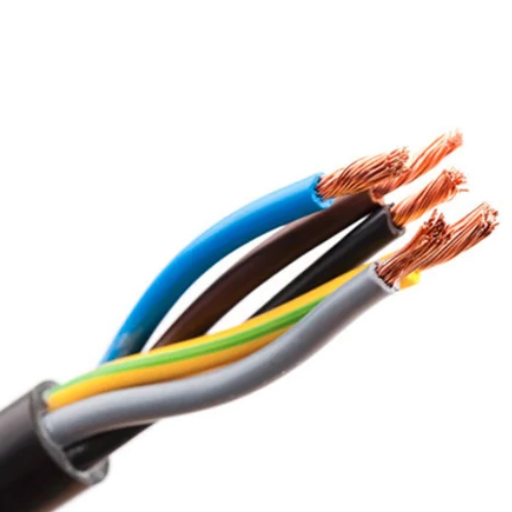
The selection of outdoor electrical cables must be determined keeping in mind such factors as durability, insulation, weather resistance, and so forth. Here is a comprehensive overview of the most common types of outdoor electrical cables, including their specifications and respective applications:
The UF-B cable is laid under the earth, requiring no conduit. The cable is resistant to moisture and sunlight; therefore, underground wiring or any outdoor project that entails exposure to the elements is apt. UF cables are made for underground installations and are waterproof, dirtproof, and resistant to other environmental conditions. It is insulated with solid thermoplastic material and is used for outdoor lighting, landscape wiring, and external outlet feedings. Usually, UF cables are supplied in wire gauge sizes 14 through 2 AWG to accommodate different power requirements.
Very water-resistant, the THWN-2 wire is good for wet locations if the conduit installation is used inside. It is generally used in the outdoors where the wires are to be routed inside some form of protective tubing. These single-conductor wires are used in exterior electrical installations when running through a conduit. THWN wires, in particular, are thermoplastic-insulated and nylon-coated, and as such, water and heat-resistant. THWN-2 is an improved type and is more often used as it supports a temperature rating of up to 90°C (194°F) under wet and dry conditions.
These direct burial cables are made for really harsh outdoor conditions and burial directly in the soil with no rake for the conduit. These cords possess sturdy jackets of PVC or polyethylene that protect them against soil acidity, water infiltration, and physical damage. Most direct burial cables are rated up to 600 volts and may be used in residential and commercial setups.
These wires are mostly used for landscape lighting and irrigation systems. They are weather-resistant and designed to carry lower voltages safely. Low-voltage cables are quite suitable for external landscape Lighting, sprinkler systems, and security devices. Since these cables operate at voltages below 50, they are usually insulated with weather-resistant materials such as PVC. The cable comes in various sizes from different manufacturers, depending on the load requirements of the connected devices.
SE cables bring power from the utility lines to structures. They are engineered to withstand outdoor conditions that include exposure to ultraviolet rays and moisture.
In outdoor installations, coaxial cables transmit internet, TV, and surveillance signals. The outdoor or exterior-rated coaxial cable tends to have an extra layer of weatherproofing under its UV-resistant jacket to improve its lifetime in exposed areas. The higher data transfer rate and shielding effectiveness will be dependent upon the cable type-it could be either RG-6 or RG-11.
Photovoltaic cables connect solar panels to inverters and other system parts. These cables are designed for durability, with insulation to protect against UV rays and ozone exposure, thereby shielding them from degradation and from extreme temperatures. PV cables are usually of the single-conductor type, with volt ratings ranging from 600 V to 2,000 V, depending upon the needs of the system.
They will be shielded against signal interference and have a rugged, weather-proof jacketing. They are indispensable in any high-speed network installation outdoors.
Pro Tip
Each wire type has certain applications it fits best for. Always ensure your choice conforms with your project requirements and local electrical codes. In the plans for the project, it would be a good idea to check specifications of the cable, the wire gauge, the type of insulation, ratings, such as UL-listed or NEC-compliant. Use the right kind of outdoor electrical cable for long life and lesser maintenance costs, and, above all else, the safety of outdoor electrical systems.
Factors to Consider When Selecting Electrical Wire
Wire Type and Applications
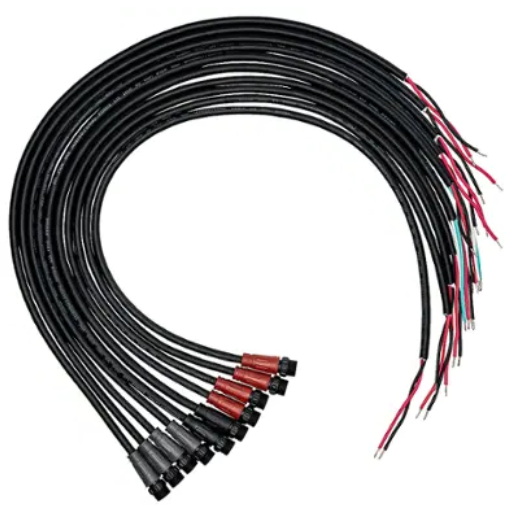
Choose the wire type based on its location and mode of application. For interior installations, NM cable is often used, whereas for exterior applications, UF cable or THWN wires can be used, depending on whether they’re being buried or run through a conduit. Make sure the wire type is compatible with the surroundings (or conditions) under which it will be subjected-wet conditions, temperature variations, or UV exposure.
Gauge and Load Capacity
The wire gauge designates its ability to safely carry an electric current. Over-assuming a particular gauge may cause overheating and hazards to occur. Calculate the amperage of the connected load and select a wire-gauge rating equal to or greater than its demand as prescribed by the American Wire Gauge (AWG) standard.
Wire Gauge and Its Importance for Outdoor Use
In the planning phase of an outside installation, picking wire of the right gauge would be a matter of safety and efficiency. The wire gauge is the thickness of the wire, and it is directly related to the amount of electrical current that can safely be carried by it without producing excessive heat. The American Wire Gauge or AWG system is a measure of wire sizes, with lower numbers indicating thicker wires and higher numbers denoting thinner ones.
A 12-gauge wire is generally used for cases up to 20 amps, whereas a thicker 10-gauge wire is required for up to 30 amp circuits. Wire gauge thickness may also depend on distance, since a longer wire distance means more voltage drop, and voltage occurs if electricity flows through a wire for an extended distance. An application of a voltage drop will indeed not be very efficient and can also damage the equipment. Industry guidelines usually standardize a maximum voltage drop of 3% for proper functioning.
| Wire Gauge (AWG) | Maximum Amperage | Typical Applications | Voltage Drop Considerations |
|---|---|---|---|
| 14 AWG | 15 amps | Light circuits, small appliances | Higher drop over long distances |
| 12 AWG | 20 amps | General outlets, moderate loads | Moderate drop, good for medium runs |
| 10 AWG | 30 amps | Heavy appliances, long runs | Lower drop, ideal for distance |
| 8 AWG | 40 amps | Main feeds, high-power equipment | Minimal drop over long distances |
Insulation and Protection
Insulation quality and type are of utmost importance in ensuring safe operation. Insulation materials that resist heat, water, and chemicals should be used, such as PVC or nylon-coated wires, for example. Also, double insulation is recommended in severely harsh environments or critical installations for increased durability.
Voltage Rating
Ensure the wire holds the correct voltage rating for your application. Voltage rating stands for the maximum voltage the wire can carry before the wire and its insulation start degrading. Should you use a wire beyond its voltage rating, an insulation failure may occur, henceforth constituting a safety hazard.
Understanding Cable Labels and Ratings
Cable labels and ratings help define cable use so the customer can choose the correct cable for an application. Often marked on the cable label are the wire gauge size (14 AWG), insulation-type designation (THHN, XHHW, etc.), voltage rating, and temperature rating. Voltage rating means the maximum voltage the cable can safely carry; temperature rating is the highest operating temperature the insulation can endure.
Other markings on labels may include things like UV Resistant (for outdoor applications), FT4 (for fire-resistance), or certifications such as UL (Underwriters Laboratories) set to conform to industry safety specifications. Having a cable with the right ratings prevents it from problems like overheating, shorts, or damage due to environmental exposure. Ensure that these details are considered so that your wiring may be up to safety and performance codes, or consult professionals if need be.
Compliance With Electrical Codes
Adherence to local and national electrical codes is an essential factor. You must verify that the wire you choose meets NEC (National Electrical Code) standards or local regulations to ensure a safe and legal installation. Check for certifications like UL (Underwriters Laboratories) or ETL (Electrical Testing Laboratories).
Cost and Availability
Purchase cables considering the cost, but quality and compliance should take precedence over price. Inexpensive wires may not conform to safety or performance standards, which may pose higher repair or replacement costs down the road. Choose a trusted supplier to enable a steady supply of compliant materials.
Key Selection Criteria
It would be best if you always select and use wire types that fulfill the local building code requirements and are approved by trustworthy organizations such as UL (Underwriters Laboratories). Take also into consideration the cable’s own rating in terms of voltages, resistance to UV rays, moisture, and temperature changes, according to what your individual project demands.
Evaluating these considerations will help you ensure a safe, sound, and efficient electrical installation. Always seek the counsel of a licensed electrician for professional advice.
Installation Techniques and Best Practices
Installation of Outdoor Wiring
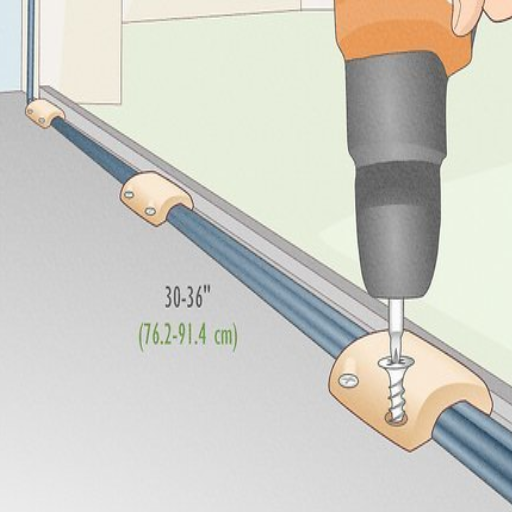
Following the installation of outdoor wiring comes the action of planning the entire work and thinking about the safety considerations. First, select the cables suited for the job; for instance, choose the UF-B cable for underground installations. Dig a trench that satisfies the depth requirements put forth by local authorities, usually in the range of 18-24″ for buried electrical wires. Pull the cable through a conduit if it requires further protection. All connections must be made using weatherproof junction boxes and fittings. Before covering, test the wiring to ascertain its functional status. Always obey local building codes, and if necessary, have a licensed electrician work on the project for safe and code-approved installation.
Proper Techniques for Installing Outdoor Electrical Wire
Installing outdoor electrical wire safely and promptly calls for thorough planning with a specific execution of techniques. One good foresight is to select the proper grade of wire, like the UF-B wire, for outdoor applications. This wire is rated for outdoor use and permits direct burial without conduit, but if conduit installation is possible, it is always an added layer of protection, particularly in high-traffic areas or those currently exposed to digging.
Burial Depth Requirements
While burying the wire, respect must be given to the depth considerations. For instance, UF-B cable without conduit for direct burial must be at least 24 inches in places. If using conduit, a depth of 18 inches could be acceptable, but please ensure it is consistent with the local electrical code. A rigid metal conduit also would offer better protection from accidental damage than would a PVC conduit.
Connection and Junction Techniques
For connections, always use weatherproof junction boxes, ensuring all splices are sealed correctly with wire nuts or heat-shrink tubes suitable for outdoor use to avoid moisture ingress, which might cause corrosion and short circuits. Another safety step is installing ground fault circuit interrupter (GFCI) outlets since they are designed to protect against electrical shock from damp or wet conditions.
Testing and Verification
After setting up the circuit, test the system with a multimeter thoroughly to verify correct current flow and grounding. Do a momentary check to ascertain all connections are properly secured and rated to the National Electrical Code (NEC). Regular upkeep can ensure the wiring or conduits are not damaged over time, further prolonging the installation’s life and minimizing hazard possibilities.
Professional Compliance
Lastly, ensure adherence to local building codes, with some variations in regulations occurring between towns. Hiring a licensed electrician under indecision will guarantee the project’s safety, reliability, and compliance with codes.
Direct Burial vs. Above-Ground Wiring
Installation cost, durability, and long-term maintenance must be considered for either direct burial or above-ground wiring. Direct burial consists of electrical cables run underground without an extra conduit and is preferred for a more aesthetic look and protection against being physically damaged and weather conditions. It must be well insulated with cables such as the UF (Underground Feeder) cable if direct burial installation is opted for, and must be carefully installed to render it safe and compliant with NEC standards. The additional cost will come from the trenching and backfilling process.
On the other hand, above-ground installation is generally faster and less expensive to install as well as maintain. It could have conduits to protect the cables from environmental and physically harmful factors, but is more prone to wear and tear due to constant exposure to sunlight, wind, and rain. This necessitates regular inspections and maintenance to ensure wire integrity and to avoid hazards.
Given the needs of the project, local regulations, and the environment in which the wiring will be placed, the final decision is arrived at. Direct burial is usually preferred for a permanent underground option because of its durability and reliability, while the choice for above-ground wires might be determined by permeance, accessibility, and lesser initial costs.
Utilizing Pull Wire for Efficient Installation
A pull wire is an essential tool that makes it easier to install cables through conduits. Being efficient and effective, the tool is useful in both residential and commercial projects. Traditionally, pull wires are made of hard yet flexible steel or nylon and fed through the conduits to guide and pull cables with their assistance. This reduces the effort involved while also minimizing the chances of wiring damage.
Steps for Using Pull Wire
Make sure to follow these concise steps to use it to the maximum benefit:
- Preparation: Measure the required length of the pull wire and inspect the conduit for any obstructions. The path should be clean so the wire cannot snag or be resisted.
- Attachment: Attach the cables securely to the pull wire with a sturdy knot or pulling grip. Set electrical tape on the connection for additional security.
- Lubricate: Use a cable lubricant to lower friction, especially over long-distance pulls or with curved conduit runs.
- Execution: Apply consistent, gentle pressure to pull the cables through the conduit, taking care to avoid excessive tension on the wires.
Among the advantages of utilizing pull wire during cable installations are being time-efficient and safe, along with being technically accurate. For its maximum benefit, the process requires proper planning, quality materials, and careful execution.
Applications of Outdoor Electrical Wire
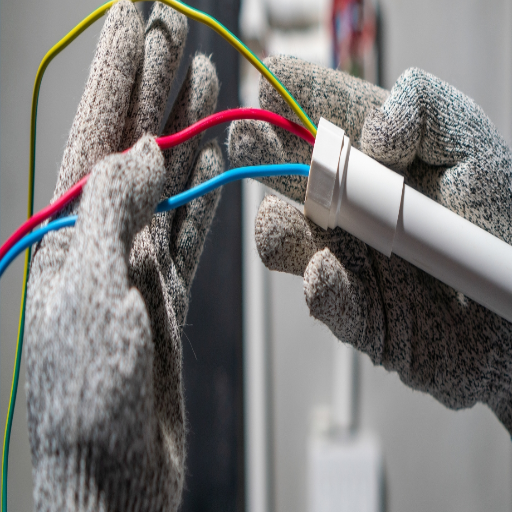
Being outside electrical wires energizes various installations or pieces of equipment set up in the external environment. Typical applications are landscape lighting, charging outdoor outlets, working with pool and spa equipment, running electrical lines for sheds, garages, or additional outbuildings. These wires are also found in agricultural applications, security systems, and outdoor signage. Because of moisture, temperature fluctuations, and UV, outdoor electrical wires must be resistant to weather and safe. The selection and installation of these wires are essential for optimum performance and safety.
Landscaping and Outdoor Lighting Solutions
Other landscaping and outdoor lighting activities improve an outdoor space’s functionality, safety, and visual appeal. LED lights are energy-efficient and preferred for pathways, garden accents, and cessation because of their prolonged illumination at a price of energy efficiency. Solar lighting units provide another way to go green and do so without extensive wiring. Also, smart lighting can be used in automating controls, setting brightness, or integrating with home automation for ease.
Designing an efficient outdoor lighting system should find its balance between aesthetics and utility. Trees or architectural features can be uplit, for example, while downlighting can help improve visibility and safety in thoroughfares. The fixtures themselves must be sturdy and weatherproof, with aluminum and stainless steel usually being the materials of choice. Once fixtures are chosen, it is best to set them up far away from glare zones so that the light disperses evenly throughout the surroundings.
In order to harmonize the intent of the design with the performance of the actual installation, and in consideration of the specifics of your installation, a competent electrician can be called. They will help select wiring material that conforms to safety standards and is well-suited to outdoor conditions. But the landscaping and lighting must represent the quality of your home: attractive and inviting, providing a secure environment for family and guests alike.
Outdoor Underground Feeder Cable Uses
In essence, outdoors, underground feeder cables (UF cables) are mostly the ones buried while running with electrical lines underground. The name is wide-ranging, including the powering of outdoor lighting, running electricity to and from detached garages or sheds, gardening fountains, and pool and spa equipment. Considering their construction, they’re made to go through damp environments with great moisture resistance and, consequently, are perfect for outdoor use.
UF cables are normally insulated by the toughest materials that can bear direct burial without any further conduit. In any case, depending on your local building code and safety regulations, an installation practice may require laying the cable at a depth (usually 18 inches) for further protection. They truly are an effective solution for delivering power to different outdoor places. Plunge into existing laws by employing a competent licensed electrician so that the installation meets code.
Electrical Circuits for Outdoor Applications
One must always comply with the local building regulations and safety standards where outdoor applications are considered. According to well-known sources, outdoor wiring may call for the use of UF (Underground Feeder) cables or wires with a conduit that are specifically rated for outdoor use. These cords must be protected by GFCIs, which lessen electrical shocks.” The burial depth for direct-buried cables should be at least 18 inches, as mandated by the National Electrical Code (NEC). A conduit, such as PVC or metal, can offer further protection and may permit a lesser burial depth, depending on your local regulations. Installers must choose weather-resistant outdoor outlets with protective covers so as not to let moisture in. It is strongly recommended that one engage a qualified electrician to ensure that the design and installation of the electrical setup are safe and compliant.
Safety Considerations for Outdoor Wiring
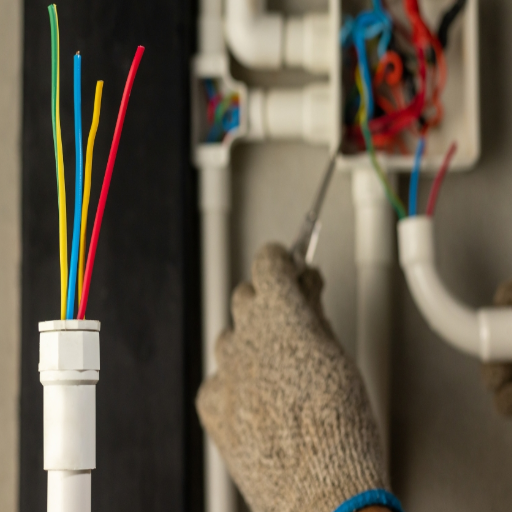
Outdoor wiring should always be an area of concern when safety is a concern. Conforming to the NEC is a must, and weatherproof materials must be used, including outdoor-rated cables and fixtures. PVC or metal conduits protect wires from being damaged physically and from weather exposure. Install GFCI outlets with waterproof covers to prevent shocks or any time failure. Speak to a licensed electrician to get your installation and local code requirements taken care of for a safe setup that suits your needs.
Insulation Requirements for Outdoor Electrical Wiring
Proper insulation is of the utmost importance when it comes to outdoor electrical wiring to ensure safety and longevity. Cables with a weather-resistant jacket should be used, such as UF (Underground Feeder) or THWN (Thermoplastic Heat and Water-Resistant Nylon-coated) wires, which are made especially for wet-dry and outdoor environments. These materials are moisture-resistant and harmful UV rays, and they also resist freezing and thawing. This helps reduce the possibility of damage or failure. The second safety measure is that wherever these wires are laid underground, the wires must be inside conduits or pipe-shaped tubings-probably made of PVC or metal-giving extra protection from physical impact and environmental elements. Always adhere to local electrical codes, which usually specify the minimum depth at which conduits must be buried and the type of insulation required for various applications. A licensed electrician will ascertain that the chosen materials and installation conform to regulatory standards.
UV Resistance and Weatherproofing
When UV resistance and weatherproofing are concerned, I make sure to select materials that have been adapted for long exposure in sunshine and harsh weather conditions. For example, UV-resistant coatings and weatherproof enclosures shield electrical components from degradation over a passage of time. Likewise, I make sure that all outdoor installations employ weather-tight fittings and sealed junctions, thus preventing the ingress of water that can lead to corrosion or hazards of an electrical nature.
Outdoor atmospheres are crying out for some consideration assigned to them. In the presence of moisture, temperature variation, and UV rays, wire insulation starts to degrade. Make sure the wires are protected by good insulation against environmental factors, for outdoor use, keeping with marks like “UF” or “W.” Always check if the insulation and the wire you have picked are suitable for the application at hand. If not, that is a hazard: electrical shorts or fires.
Making sure you understand wire gauge, electrical load, and environmental factors gives you power over decisions, ensuring safety and the lifespan of your outdoor wire systems. In all cases, it is wise to check local codes and call in a licensed professional for recommendations.
Common Mistakes to Avoid in Outdoor Wiring
Critical Safety Warning
The omission of any of these would seriously jeopardize the safety, longevity, and performance of any residential-grade or outdoor electrical system.
Using Components Rated for Indoor Use
Quite often, one error is to use materials or components intended for use indoors in outdoor work. An indoor wire, connector, or fixture will not bear the brunt of weather and UV rays and will prematurely fail, causing other safety hazards. Always select components with an outdoor or weatherproof rating.
Failure to Bury at Proper Depth
Burying electrical cables at the correct depth is crucial so that they are not damaged by landscaping activities or soil shifting. According to the National Electrical Code (NEC), there are different depths depending on whether conduit or wiring is used, but if these are not followed, live wires can be exposed and create immediate hazards.
Lack of Weatherproofing
Not sealing connections and junction boxes properly is another common mistake made in outdoor wiring. This can allow moisture ingress, create shorts and corrosion, and turn potential fire hazards. Always use weatherproof fittings, sealants, and enclosures to give protection to all outdoor connections.
Neglecting GFCIs
Ground-fault circuit interrupters must be installed in outdoor outlets or circuits to give shock protection due to ground faults. Disregarding this can put a person to electrocution in damp conditions. Make sure that every outdoor receptacle has GFCI protection as is required by electrical codes.
Not Following Code Compliance
In any wiring project, not following proper local building and electrical codes is a huge mistake. Non-compliance with rules can lead to a fine, inspection problems, or even the setting up of some hazards. Before an outdoor wiring project is commenced, familiarize yourself with National and local requirements.
Final Recommendations
Considering outdoor wires, durability, and safety should be paramount. There must be a search for wires with “outdoor use” labels, since they are built to withstand rain, UV rays, or temperature changes. Common choices are UF cable for direct burial and THWN wire for conduit installations. Ensure that the wire gauge corresponds with the electrical load to prevent overheating. Check local electrical codes and certification for safety and reliability.
Reference Sources
“Outdoor Lighting Design Process Optimization”
“Leakage Current and Discharge Phenomenon of Outdoor Insulators”
Frequently Asked Questions (FAQs)
What are the main differences between indoor and outdoor wiring?
Indoor wiring usually refers to the wiring heterogeneously designed to serve dry, controlled environments, but outdoor wiring must withstand moisture, sunlight, and temperature variations. Outdoor cables are insulated with materials such as PVC or XLPE to withstand exposure to direct sunlight and moisture.
How do I wire for outdoor settings?
In selecting the correct wiring for your outdoor project, factors such as the electrical requirements of your project and the environment where it will be installed, including local electrical codes for compliance, should be considered. It should be listed for outdoor use and be resistant to sunlight and moisture. If the cable is to be buried directly, it should be suitable for such purposes.
What types of cables are suitable for direct burial?
Direct burial cables are supplied with jackets intended for protection against moisture and physical damage. The most popular options are UF-B (underground feeder) cables, which can be directly buried in the ground without the use of conduits, or other types of outdoor-rated cables, depending on the local electrical code.
Can I use Romex outdoors?
Romex, or NM cable, is strictly for indoor use. For outdoor wiring, cables designed exclusively for use outdoors must be used. Examples include underground feeder (UF) cable or other outdoor-rated conductors capable of standing the exposure.
What are the most common types of outdoor electrical cables?
Think of MC (metal-clad) cable offering extra protective physical insult and UF-B cable being perfect for underground installation. Both, however, will be subjected to the rigors of outdoor use.
How can I make sure that my outdoor electrical installations are safe?
Be sure to always dissect and adhere to your town’s electrical codes to maintain the legality of all work in your jurisdiction; use only outdoor-designated cables, and consult an electrical inspector if really unsure about the legality of your installation. Covering cables under direct sunlight with anything shall be avoided unless the cables are rated for such exposure.
What is the best wiring method for landscape lighting?
Generally, one uses cables resistant to UV radiation and moisture, namely low-voltage outdoor-rated cables for landscape lighting. These can be lowered right into the soil or can be run above grade with protection from UV rays and other elements.
What should one keep in consideration when installing outdoor electrical wire?
Voltage drop, wire gauge, the cable’s suitability for being directly buried, or whether it must be used within conduit are some things to consider when running outdoor electrical wire. The wire you have selected should comply with both in terms of electrical requirements of your project and local electrical codes.