






Selecting the correct type of cable is critical for the functionality, dependability, and productivity of a modern communication system. The RG6/U coaxial cable is now the standard for numerous applications, ranging from satellite TV and broadband internet to CCTV and other high-frequency transmissions. But what exactly sets RG6/U apart? In this article, you will be provided with all the essential and supporting information that accompanies RG6/U coaxial cable. You will learn not just its components and technical specifications, but also the reasons why it is heavily relied upon in both consumer and professional environments. If you are a technician, an installer, or any other informed consumer, you will receive the answers you are looking for in this document. Now let’s dive into the universe of RG6/U coaxial cables and see how they sustain the connections that we depend on daily.
What is RG6/U Coaxial cable?
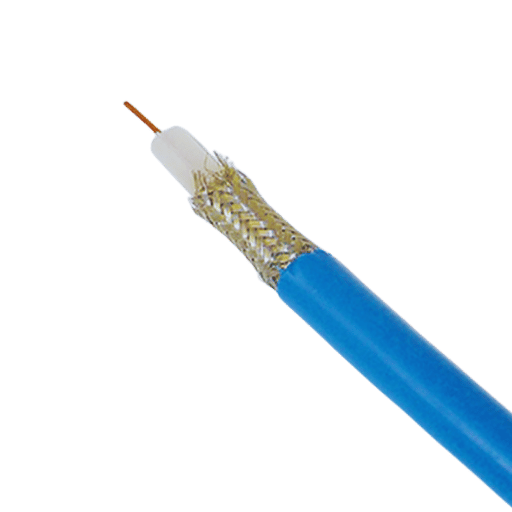
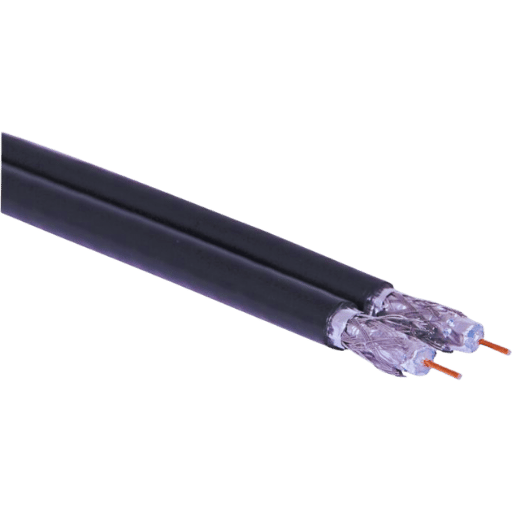
A RG6/U coaxial cable is one of the most widely used types of cables for the transmission of audio, video, and data signals. It consists of a central conductor, an insulating layer, a shielding layer that reduces signal interference, and a protective jacket on the outside. RG6/U is known for its accomplishments in high frequency applications and for its low signal loss; thus, it is utilized in applications like cable television, satellite connections, and internet networking. Its rugged construction, along with maintenance of signal quality over long distances, makes it an ideal choice for residential or commercial installations.
Understanding RG6 Cable Specifications
Exceptional performance in the high-frequency signal transmission makes RG6 cables crucial for modern telecommunication systems. Below are the fundamental characteristics of RG6 cables:
Impedance
- With a typical value of 75 Ohms, RG6 cables are suitable due to their capability to minimize signal reflections in audio-visual systems, cable television, and broadband internet setups.
Frequency Range
- These cables support frequencies up to 3 GHz, essential for compatibility with satellite systems, HDTV, and other advanced broadband services requiring high-frequency data transmission.
Signal Attenuation
- RG6 cables have low attenuation rates even over long distances. For Example, the typical attenuation rate at 1GHz on 100 feet of cable is around 6.5dB, which makes the signal strength stable over long distances.
Conductor Material
- They usually feature a solid copper or copper-clad steel (CCS) conductor. Solid copper is better for conductivity and preferred in power over cable configurations, but CCS is less expensive and more durable, which is ideal in most standard installations.
Shielding Efficiency
- Top-tier RG6 cables offer dual to quad shielding (combination of foil and braided shields) to mitigate electromagnetic and radio frequency interference (EMI/RFI). Quad-shielded variants are especially useful in places with high interference, such as urban areas.
Outer Jacket Material
- Typically, PVC and polyethylene comprise the outer jacket. For external uses, jackets that are weather-resistant and UV-rated are used to protect against severe environmental conditions.
Maximum Length
- RG6 cable performance is consistent for up to 150 feet in length with no signal amplifiers. Beyond this range, the use of signal boosters is acceptable to prevent degradation.
Fire Safety Ratings
- RG6 cables come in various configurations: CL2, CL3, and CM for differing fire ratings, which permit compliance with cited construction regulations in terms of in-wall and plenum placement.
These technical details make RG6 a versatile and reliable option for high-definition signal transmission while accommodating evolving demands in telecommunications and media industries. Following exact specifications tailors performance for any intended application.
Components of RG6/U cable
- Core Conductor – Principally made of solid copper or copper-clad steel, serving as the main route for signal transmission.
- Dielectric Insulation – The core conductor is encircled by a layer of foam polyethylene, which is responsible for signal preservation by preventing energy loss.
- Shielding – Composed of foil with braided aluminum or copper used for blocking interference while protecting the signal from external electromagnetic or radio frequency sources of interference.
- Outer Jacket – Protects the internal parts from environmental factors and physical damage. Made from durable materials such as PVC.
Differences Between RG6 and Other Coaxial Cable Types
The unique features that set RG6 cables apart from other coaxial cables are their construction and performance. Compared to other cables like RG59, they possess a larger conductor, thicker dielectric insulation, as well as improved shielding. These enhanced features allow RG6 to best serve applications like cable television, satellite connections, and internet services, as it is capable of transmitting high-frequency signals with minimal loss. In comparison, RG59 is best suited for lower frequency signals such as analog video or CCTV systems due to its thinner insulation and lower shielding. Another variant, RG11, is better than RG6 in terms of signal loss but is less flexible, making it ideal for long-distance underground or outdoor installations. The decision among the different types of cables relies on the application’s specific signal needs and surrounding conditions.
How Does the Shield Affect Performance?
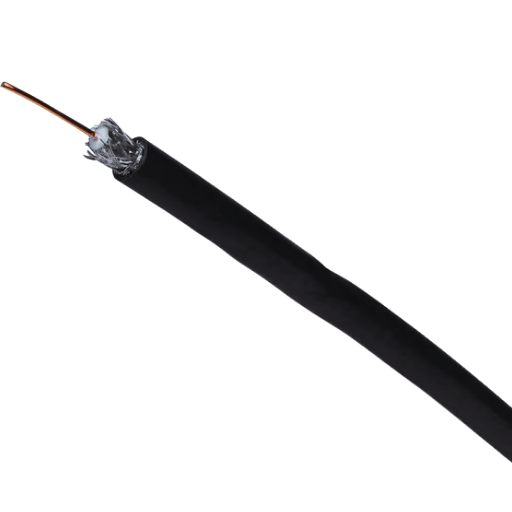
What is Quad Shield Technology?
Quad Shield Technology is a sophisticated class of cable shielding designed to optimize signal protection by reducing interference. It contains four layers of shielding that protect against electromagnetic interference (EMI) and radio frequency interference (RFI), usually made of alternating foil and braid. The intensive shielding offered by quad-shielded cables makes them extremely suitable for uses where strong signal fidelity is crucial—for example, broadband internet, digital television, and satellite communications.
The Role of Shield in Signal Quality
To my understanding, the shield helps to maintain the quality of signal transmission by safeguarding the core signal from threats like EMI and RFI. As with other forms of shielding, the shield in question prevents interruptions and degradation of data accuracy during transmission, which is vital in satellite and broadband systems.
Why Choose Pure Copper RG6/U cable?
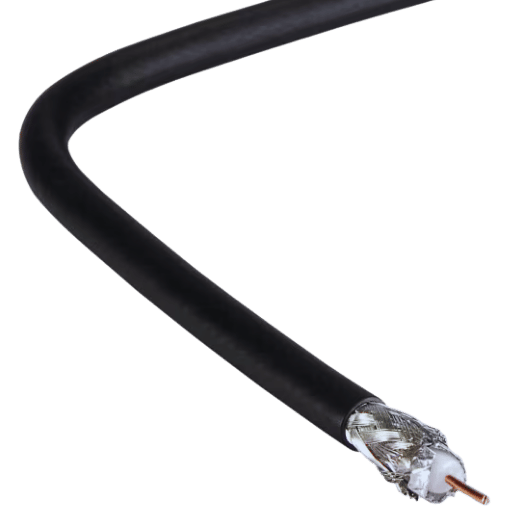
Benefits of Pure Copper Conductors
Unmatched Conductivity
- The unparalleled signal conductivity that is offered by copper stems directly from its vast conductivity system. The conductivity system possesses a staggering value of 5.96 × 10^7 S/m at twenty degrees Celsius, earning it a place among the conductors used in cables.
Retention of Signal Quality
- Pure copper possesses the ability to sustain signal quality for both telephone and data signals. Extended distances do not pose a challenge to its audio and video signal transmission, including its usage in HDs, satellites, and other major internet bands. Pure copper conductors have reduced attenuation, ensuring efficient data flow.
Sustained Lifespan
- Resistance to while Pure copper plates face environmental conditions such as corrosion and wear, giving them a sustained lifespan compared to copper clad and aluminum wires. These raw materials arrest oxidation naturally, unlike their counterparts.
Feeble Attenuation
- In comparison to conventional conductors of cables, pure copper aids in the reliable performance of networks with fewer alterations in signal degradation, even with prolonged cable runs.
Thermal Performance and Safety
- Also, copper offers amazing advantages attached to safety and reliability, reducing the expected risk of overheating in systems that endure heavy workloads.
Enhanced Compatibility with Connectors
- While lower grades of copper may reduce conductivity and pose a blockage towards attenuation, increased ductility will result in a solution to working with standard connectors. This smoothens the secure connections using the gaps, which results in the prevention of the loss of deception.
Cost-Effectiveness Over Time
- The long-term cost-effectiveness of pure copper cables has to do with their durability, performance, and low replacement costs, even though the initial investment is higher than that of other options.
Supported by the advanced modern communication infrastructure, pure copper conductors provide optimal performance in highly demanding applications while meeting the ever-increasing need for more capacity and faster speeds.
Comparing Pure Copper vs. Copper-Clad Steel
Distinctions between pure copper and copper-clad steel (CCS) include their electrical and thermal conductivity, strength, and industrial uses. Pure copper is preferred for strong electrical current flow and data-driven applications due to its minimal signal loss. Conversely, the outer copper layer of CCS does not impede the steel core’s increased tensile strength and resistance to physical stress, making CCS more suitable for mechanical durability.
CCS cables tend to be cheaper; however, their use in high-performance communications systems is limited as they usually have increased electrical resistivity, which lowers efficiency. For systems that focus on the quality of the signal, pure copper will always be the best option; CCS is favored for cost-effective, robust structural applications.
What are the Applications of 3 GHz RG6/U cable?

Using RG6/U cable for Satellite and CATV
The advantages of RG6/U cable’s low attenuation are fully realized in its use within satellite and CATV installations. RG6/U cable supports the transmission of audio and video signals with minimal loss, ensuring quality delivery. External shielding protects the cable from electromagnetic interference, allowing for both residential and commercial use. Its versatility and reliability make RG6/U the preferred type of cable used for connecting satellite dishes, cable boxes, and televisions.
Can RG6/U cable Support High-Speed Internet?
Yes, these cables can support high-speed internet with some limitations, especially when paired with modern broadband technologies. Internet data can be carried using coaxial cables, which are specially designed to aptly transmit radio frequencies over long distances, especially for cable internet setups.
The transmission of data on these cables distinctly exceeds the limit of one gigabit per second due to the lack of attenuation, interference, and shielding gaps within these cables. Most DOCSIS technologies utilize these cables as primary input lines for Internet data, especially with cable internet providers who use these standards to offer broadband access. One of these technologies, DOCSIS 3.1, supports infrastructure-based download ceilings of 10 gigabits per second.
RUG cables’ performance on high-speed internet services is also influenced by the quality of the installation, distance from the modem to the point of connection, and the physical condition of the cables. Regular maintenance and the use of high-quality materials can achieve optimal performance and dependability for high-speed internet services.
Considerations for Security and CCTV Installations
Security and CCTV installations require careful consideration of durability as well as signal quality for cables. Video transmission is commonly done using RG6 cables because of their solid copper conductors. These cables maintain good signal quality over longer distances as compared to other options. Furthermore, external factors pose a threat to signal consistency. Thus, advanced shielding on the cables is crucial to guarantee low signal interference and reliable performance. For outdoor use, climate-resistant or direct-burial-grade cables are necessary to prevent moisture, UV, and other environmental damage. As with any cables, check if the specific equipment being used is industry compliant to ensure signal effectiveness and trustworthiness.
How to Install 1000 ft RG6/U cable Efficiently?
Tips for Pulling Cable from a Pullbox
Prepare The Installation Area
- Make certain that the installation route does not contain obstacles, sharp angles, or any other hazardous waste that may damage the cable. For long runs, ensure that the pulling path is free of sharp edges, obstacles, or debris that may damage the cable and use trays, conduits, or other protective materials.
Use Equipment Appropriately
- Use a cable puller or fish tape as it is easier to cut through friction, shorten friction, and help with lowering. Use coaxial wire lubricant as well, as it reduces resistance greatly in small spaces.
Abide By The Pulling Tension Guidelines
- Maximum pulling tension for RG6/U cable is best set at approximately 35 lbs. If exceeded too much, the cable will stretch or be damaged, and it will degrade. Always check the manufacturer’s documents for specifications on the set limit.
Avoid Excessive Bending or Stacking
- Avoid sharp curves to maintain the bend radius to prevent damage to the internal core of the cable. During installation, bend guides need to be used if necessary for RG6/U with the minimal requirement of a 2.5-inch radius.
Check Distance and Labeling Markings
- You can call these markers “labeling”. Call out distance markers as well, since each foot with RG6/U of 1000 ft is marked evenly.
Exerting A Steady And Equal Force
- When pulling the cable, be sure to apply constant and even force since any pulling jerks or snags caused will disrupt the flow of the conductor as well as the insulating sheath of the cable, damaging it.
Make Secure Connections And Test
- Perform the preliminary installation checks, such as continuity and signal tests, to ensure the cable functions properly and has no damage incurred before installation is completed. Also, make sure the cable is stationary by using clamps or ties that prevent movement.
These important pointers will help execute precise and professional installations of a 1000 ft RG6/U cable without compromising the cable’s mechanical and operational functions.
Best Practices for Connecting RG6/U cable
Use Proper Connectors
- To guarantee quality connections, always use the appropriate F-type connectors designed for RG6/U cables.
Prepare the Cable Correctly
- While stripping the cable to reveal the conductor and shielding, ensure that the dielectric and conductor are not damaged during the outer jacket removal.
Secure the Connection
- Follow the instructions precisely to avoid any form of signal attenuation when tightening the connector. Be certain that no shielding material is in contact with the center conductor.
Test the Connection
- After setup, check the continuity and signal strength using a coaxial cable tester.
Adhering to all the steps enables you to maximize signal quality while strengthening RG6/U cable connections.
Weatherproofing and Outdoor Installations
Appropriate bad-weather proofing is crucial for RG6/U cables to ensure they are weather resilient and stout for outdoor deployments. Use weatherproof sealing for coaxial connectors and specially designed coaxial tapes or self-amalgamating tapes on coaxial connections to defend against environmental conditions. Cables should be bonded with anti-UV clamps or ties to defend against sunlight and heat, as well as wind-induced movement. Where feasible, run the cables through conduits that provide an additional barrier against physical wear. Check outdoor connections periodically to replace worn-out parts on time. The measures mentioned above will help mitigate environmental impact on your installations and aid signal fidelity.
Frequently Asked Questions (FAQs)
Q: What is RG6/U coaxial cable, and its primary use?
A: RG6/U, often shortened to RG6U, is a commercially used coaxial cable grade with a common industry name RG6 coaxial cable. It was initially manufactured for use in audio and video transmission and works well for cable television, satellite television, and even the internet.
Q: How does RG6/U differ from other types of coaxial cables like RG59?
A: The copper center conductor of RG6/U is thicker than that of RG59, and its shielding is also superior. These features make RG6 coaxial cable better for some applications, such as receiving satellite and cable television, which demand higher frequencies. It is more useful in situations where there is a need to transmit and receive signals at lower loss over considerable distances.
Q: What are the benefits of using 18 AWG in RG6/U coaxial cables?
A: The value of 18 AWG (American Wire Gauge) for RG6U is a proper balance of flexibility and rigidity. This grade of coaxial cable is applicable in structures of all sizes, residential and commercial, where the signal and transmission losses are kept to a minimum.
Q: Is it possible to use RG6/U coaxial cable to connect Ethernet?
A: Ethernet connections have very different functionality from video and audio peripheral connections, so RG6/U coaxial cable has not been adopted for use in Ethernet connections. Network connections are best established using CAT5 or CAT6 cables.
Q: What are the diverse medical standards and lengths for RG6/U listed in the market?
A: The lengths of RG6/U coaxial cables are 6ft, 10ft, 50ft, and 1000ft. They can be found in different ratings, such as CL2 rated for indoor use, CMX for outdoor graded applications, and riser rated, indicating fire safety for vertical spaces.
Q: What are the characteristics of the cable jackets used on RG6/U cables?
A: The outer casings or jackets of RG6U are primarily constructed from black PVC and can endure outdoor exposure to sunlight. This makes it suitable for indoor and outdoor installations at the same time, which helps protect the cable from environmental damage.
Q: Which center conductor is used in RG6/U coaxial cables?
A: A solid bare copper or copper-clad steel center conductor is used in RG6/U coaxial cables. Solid bare copper has excellent conductivity and signal transmission, while copper-clad steel adds strength and durability.
Q: Do RG6/U coaxial cables have specific connectors?
A: Yes, RG6/U coaxial cables can utilize connectors such as F81, BNC, and RCA, based on the application. These connectors provide a good mechanical and transmission interface between devices.
Q: What is the effect of aluminum braid on the performance of RG6/U cables?
A: The aluminum braid within the RG6U cables also gives extra shielding, which reduces electromagnetic interference (EMI) and ensures a stronger, clearer signal. This also ensures that the cable performs well in heavily electronically interfered areas.