








Not for mere comfort but for critical factors such as safety, power loss, and code compliance, when putting a 400-ampere power service-filled wire selection of size. This article will take you through basic considerations, including conductor materials, ampacity, voltage drop, and all NEC issues. In the end, you will have all the usable gauges you will be required to have to aid your decisions. So be briefed on this with the aim of avoiding costly or potentially dangerous errors in your electrical installations. Time to assume no guess about the 400-amp wire sizing process for satisfactory performance of the system.
Introduction to 400 Amp Service
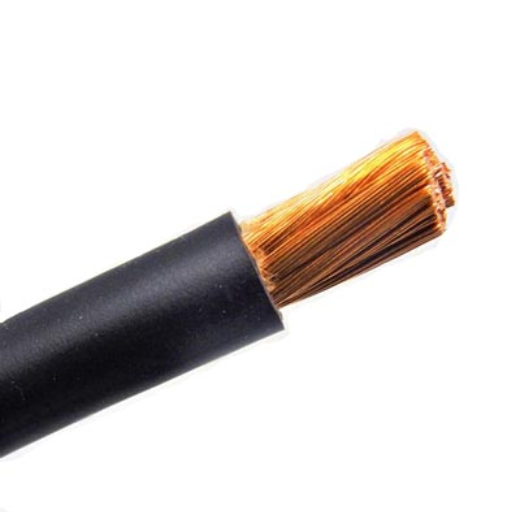
The 400-amp electrical system is a very sturdy electrical apparatus typically found in big residential homes, commercial buildings, or facilities that require an impressive amount of energy. Its structure induces the existing circuit to carry a heavier load so that a group of home appliances, HVAC systems, and specialized equipment can all be on at the same time with no chance of overload. This installation usually includes the installation of oversized conductors, higher-rated circuit breakers, correctly sized equipment to manage the load safely, and efficiently. NEC mandates compliance because this ensures correct installation (which makes it safe) and is the final word as to the performance.
What is 400 Amp Service?
400-amp service refers to the setup of an electrical panel that can handle a maximum electrical load of 400 amperes. It is a common application in extremely large residential properties, commercial buildings, or facilities with significant power needs, which may include multiple HVAC units, electric vehicle chargers, or industrial equipment. The service entails special equipment, like a larger service entrance wire, a panel rated 400 amperes, and a breaker of proper rating. Such a great flip from standard 100-or 200-amp panels means that the system can accommodate higher electrical consumption with minimal risk thereof. Installation must adhere to the National Electrical Code (NEC) guidelines for ensuring the safety, reliability, and proper installation of the system.
Importance of Correct Wire Size
It is crucial to pick the right size wire for electric safety, system efficiency, and legal code compliance. How big a wire decides what it can take through it before it overheats. An example arose when a wire so small as to generate too much heat might lead to combustion and damage to the apparatus, requiring additional parts to be lubed up with overall system efficiency, while a wire too large results in windup losses with safety and drags unnecessary material dimension and handling issues into the construction of the system.
The right size of wire, according to the NEC, depends on many factors, including amperage of the circuit, material of the conductor (copper or aluminum), and environmental considerations, such as temperature and type of conduit. Such as For a 400-amp service, 3/0-AWG copper or 250-KCMIL aluminum conductors are normally employed to meet safety requirements. Voltage drop over long distances needs special mention as the presence of undersized wires can lead to poor transmission of energy, disrupting the functioning of the system and equipment connected to the latter.
Important Note: Selecting the correct wire properly is not only the mandate of the law but also essential according to fundamental blacked in technical capabilities. Following the guidelines reduces risks, and the system stays up better and lasts for a long time. Consult the NEC code books of the latest versions or seek the verification of a qualified electrician to know the exact wire size identification for the particular application.
Applications of 400 Amp Residential Services
A 400-ampere residential service is often required by big properties or extensive homes that have high power requirements, such as a few loads of the service in one switch borne by hot tubs or an electric vehicle charger station for their energy needs. For example, with features like heated pools, saunas, or more recently home automation systems, 400-ampere service affords homes quite a luxury to meet their energy requirements without generating an overload.
Also, being able to dedicate small subpanels around it for other structures, such as workshops or guestrooms, is one of the practical uses of 400-amp service. It also future-proofs everything in a home with a view towards eventual solar installations, or if consumption should later become greater for some reason. 400 Amp services, if implemented properly, ensure that an electric system can stand up well, withstand, and be free from overload under heavy loading conditions.
Determining Wire Size for 400 Amp
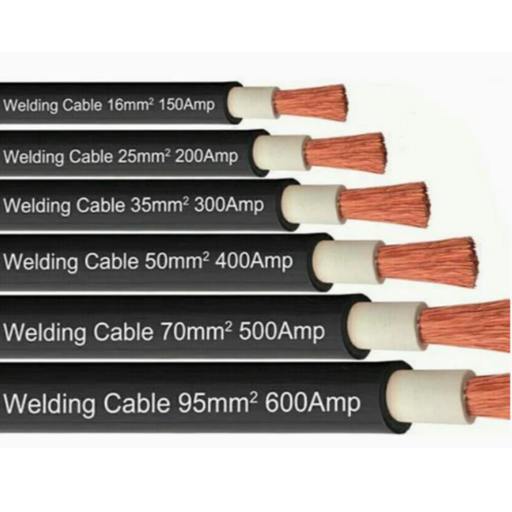
Usually, the recommended glass size for a 400 Amp service would typically be either copper or aluminum kits and 1000kcmil or 1250kcmil, respectively. Copper kits are preferable because of their smallness and higher conductivity. Therefore, aluminum kits offered a comparatively cheaper choice. In all conditions, the key factor is NEC (National Electrical Code) code compliance and care required in the particular installation. This can include temperature ratings, distance due to the run, or some other specifics that won’t hurt the performance or safety, so calling any licensed electrician may be an indication of choosing the correct size of the wire in question.
Wire Size for 400 Amp: Key Considerations
For a 400-amp feeding service, service conductors are to be chosen as they need to comply with the NEC standards, as well as allow performance at their peak level. Copper conductors, usually 400 kcmil (thousands of circular mils) in size, should just do it as far as handling the current is concerned. But if using single-phase systems, you should place the appropriate raceway system for XIV or XV instead, except for 600 kcmil. The minimum permissible conductor size may be governed by the temperature rating of the conductor and terminations; for example, these wire sizes are acceptable at 75°C for a 400-amp load.
Critical Consideration: Wire length will have a great effect on voltage drop. For long runs (>100 feet), you must increase the wire size to offset excessive voltage drop, which can compromise the performance of the system and destroy equipment. Typically, the voltage drop should not exceed 3% of the operating voltage.
Always refer to NEC regulations and ensure that all the components in use fulfill the standards of the ampere rating, as lessons of the type of installation. For underground installations, the tubular volume required needs to be taken into account when considering the maximum allowable fill requirements. Since these calculations are complex, it is greatly preferable to consult with an electrical engineer or electrician who is licensed to determine the correct wire size and to do so in consideration of the particular data’s underlying circumstances.
Understanding AWG and Its Relevance
The American Wire Gauge (AWG) system refers to standard methods for measuring electric conductor diameters, which affect electric currents, resistance, and the overall performance of the electric system. The numbering is such that the smaller the number, the larger the size and capacity (in terms of amperes), while the larger the number, the smaller the size of the wire and its capacity. For instance, the 12-AWG-size wire can safely conduct currents up to at least 20 amperes under the usual conditions, while a 14-AWG-size wire is good for a 15-ampere current.
AWG turns out to be crucial for electrical safety, voltage drop prevention, and meeting code requirements. Proper selection of AWG wire size depends on parameters such as current load, voltage level, distance of run, and environmental factors such as temperature. For longer lengths, larger module wire would be necessary to reduce added resistance, thereby avoiding increased thermal overload and heating, as well as minimizing energy waste.
Different AWGs should be considered for the application. It is necessary to consult the ampacity charts of the NEC (National Electrical Code) along with considering derating factors and conditions such as conduit fill and ambient temperature. Wire with proper sizing is beneficial for the greater general system efficiency along with safety, and ensures reliability in the long term.
Copper vs. Aluminum Wire: Which to Choose?
The positive experiences of the copper owners have spread through the world like wildfire, with some consumers now preferring copper-gauge over aluminum. High in use versus aluminum, copper wire boasts a strategy highlighting top conductivity, durability, and oxidation resistance. However, aluminum wires are much less resistant when it comes to mechanics; they will break if you pull them too hard.
Another advantage of aluminum is that, given its cheaper price and light weight, it is most likely to be preferred where heavy weight considerations, such as in power distribution systems, occur. Insofar as aluminum tends to thermal expansion and oxidation, and this causes loss of proper connection if not installed correctly, tips typical to aluminum application should be based on using anti-oxidative compounds and an approved aluminum fitting.
Recommendation: All things considered, not being slighted-and for small-scale applications and inferior residential applications, copper wins out for its reliability and virtually zero maintenance requirements. For bigger installations where weight and price are the main focus, aluminum becomes a good potential alternative with the ability to minimize its own weaknesses, provided it is installed correctly. Therefore, considering the standards and codes, such as the NEC, will prove an encouraging factor to the best practicability and performance.
Cable Size Requirements for 400 Amp Services
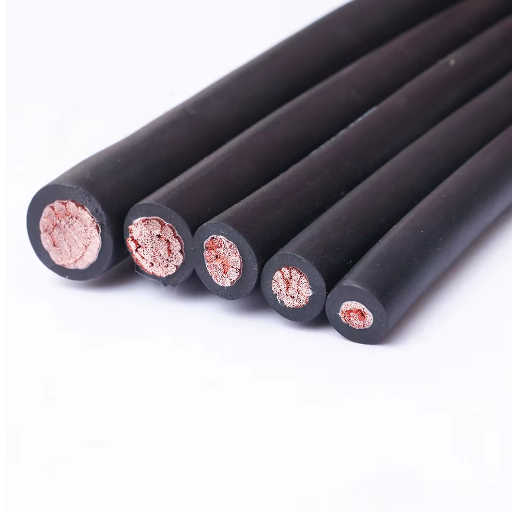
Now, what will be the least gauge cable recommended for a 400A service mainly depends on the conductor material and installation conditions. If copper conductors are to be used, generally, the 400 ampere main breaker would call for at least a 600 kcm cable, while aluminium/aluminium-clad conductors would normally use an 800 kcm cable. They are based on the most common temperature ratings of 75°C as per NEC guidelines. Before you undertake installation of any type in the field, consult the local codes to ensure compliance and safety. Always consider local codes, environmental factors, and ambient temperatures in deciding on the wire size that finally determines the correct gauge.
Recommended Cable Sizes for 400 Amp Service
For a 400-amp service, the recommended conductor size depends on the material of the conductor and other installation factors. As per the NEC code:
| Conductor Type | Recommended Size | Temperature Rating | Notes |
|---|---|---|---|
| Copper Conductor Wire | 600 kcmil | 75°C | Standard operating conditions |
| Aluminum and Aluminum Clad Copper Wire | 800 kcmil | 75°C | Same current-carrying capacity as copper |
It is very crucial to consider additional factors such as the temperature of the surroundings, the load of the conduit, the type of conductor insulation, etc. Anything could have an influence on the final ampacity of the conductor. Further, upon more consideration of temperatures, it is quite possible that a larger conductor or different installation layout would be needed to combat voltage loss wherever conditions dictate that there are higher temperatures or when installed conductors are long. Remember to check with the appropriate local electrical code and licensed electrician to ascertain that the actual procedures are met.
Factors Affecting Cable Size Selection
Cable selection is influenced by several technical and environmental factors to ensure safe and effective electrical system performance. Some of the important considerations are:
Key Factors to Consider:
- Current-Carrying Capacity (Ampacity): The simple ability of a cable to carry current without causing an increase in temperature is a noteworthy point to be looked into. The ampacity depends on the conductor material (copper, aluminum), insulation type, temperature (which can vary), and whether the cable is buried or in a duct. It is essential that the cable is sized in a greater equal to the ampacity, and this would allow it to carry current without heating up above its rating.
- Voltage Drop: When electrical resistance causes an energy loss in a cable as a result of the large distance it crosses causing a voltage drop performance and efficiency of equipment might be at risk. Testing this is outlined in cep #1:Larger cables, call them dumb, or alternatively, low-resistance materials such as copper, are considered in the construction of cables meant to operate for long distances or high-power applications (e.g., power transmission lines) in order to avoid excessive voltage drop.
- Environmental Conditions: External factors such as heat, moisture, chemicals, or UV radiation can affect cable functionally or longevity. Selecting the correct insulation—the appropriate jacketing for the location—has to be guaranteed in order to sustain the stability and protection in accordance with the appropriate standard.
- Installation Method: The way cables are installed—and, by that, whether they are buried underground, exposed to the sun, or placed in a conduit—affects both heat dissipation and the requirements for mechanical protection. These aspects regulate the cable size and type to be used.
- Local Regulatory Compliance: Being compliant with codes like the National Electric Code (NEC) is mandatory in the United States. It is a set of safety norms that must be followed to select cables as per requirements in that country to ensure safety and standardization. It is highly recommended to seek the advice of a well-qualified electrician or engineer for this purpose.
By giving proper consideration to these factors, the electrical system would be guaranteed reliability, lesser safety risks would be unable to occur, and the duration of operation would be assured. Always consider the parameters in relation to the specific application for the best cable selection size.
Ground Wire Size for 400 Amp Installations
The size of the ground wire for a 400-amp service and its material of construction (copper or aluminum), according to the National Electrical Code (NEC) sizing provisions, is governed by the size of the largest ungrounded conductor to which it is bonded-as per this Code requirement. A ground wire that goes with the copper conductors, which have the highest ratings, usually requires a 1/0 AWG one. However, for an equivalent 400-amp service case, the possession of a 3/0 AWG ground wire might be automatic for aluminum or copper-clad aluminum conductors. Varying code requirements may mean that the items mentioned will change depending on the codes enforced by certain states or jurisdictions. Therefore, unless a competent electrical professional and local regulations support such a construction, it is always imperative to validate this assumption. Appropriate grounding constitutes the safe installation of a system compliant with the electrical standards.
400 Amp 3 Phase Service Considerations
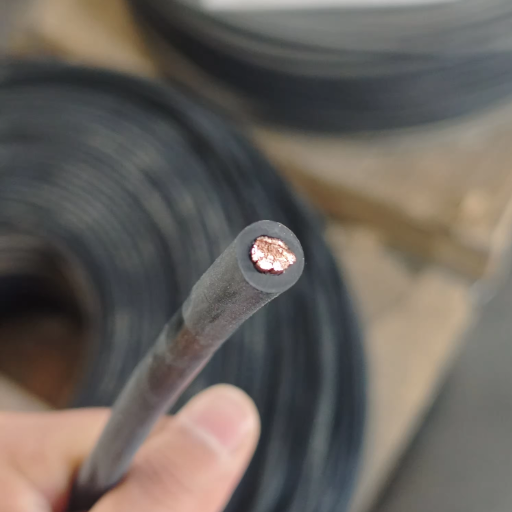
Conductor size for a 400-amp, three-phase service is mainly dependent on the type of metal used, system voltage, and the NEC column. In general, 400 kcmil is required for copper conductors, whereas 600 kcmil will be needed for aluminum conductors to carry the same load. These sizes are based on the NEC (National Electrical Code) 75°C column for the most common installations. It is necessary to consult the local code and a licensed electrician to confirm these requirements due to considerations like ambient temperature, conduit type, and installation method. Proper selection of the conductor ensures system efficiency, safety, and compliance with the various regulatory standards.
What is a 400 Amp 3 Phase Service?
A 400 Amp 3 Phase Service is a type of electrical service that is very common in commercial and industrial buildings; it gives luxurious capacity for power. It carries three alternative currents on the main legs and gives an imbalance in 120 degrees while helping in supporting an unbalanced load for better performance than single-phase systems. This machine configuration represents the most suitable operation for such tasks as equipment-heavy, HVAC systems, and machinery that requires high energy demands. In practical terms, such a service will deliver a total capacity of around 277/480 volts or 120/208 volts, depending on whether it is a system design that accommodates simultaneous operation of many heavy-type loads. Adequate installation and proper grounding must conform to the NEC (National Electrical Code) and the local codes that might be applicable. It is very important to consult with a qualified electrician or engineer, so that the system designed will satisfy the project’s needs.
Wire Size for 400 Amp 3 Phase Configurations
For an appropriate selection of wire size conductors for a 400-amp three-phase system, numerous variables must be accounted for, including conductor material, voltage drop, insulation specification, and ambient temperature. As per industry standards:
| Conductor Material | Minimum Wire Size | Application Notes |
|---|---|---|
| Copper Conductor | 500 kcmil | Allows for good carrying capacity of current with acceptable voltage drop |
| Aluminum Conductor | 750 kcmil | Economically feasible alternative to copper |
Voltage and Distance Considerations: When the distance is far, the voltage drop has to be calculated so that the desired level of performance will be achieved. Possibly, an oversized conductor might be required to counter the high voltage loss.
Always keep in mind that all wire selection is strictly laid down by the National Electrical Code (NEC) and may also need to take into account the local code, unless otherwise noted. Also, the insulation type (e.g., THHN, XHHW) must suit the environmental conditions and the electrical system requirements. Always get in touch with a duly-licensed electrical engineer to establish the appropriateness of the aforementioned wire size for a particular application.
Advantages of 3 Phase Service
Three-phase electrical service offers numerous benefits exclusive to those rendered in single-phase systems, thereby arguably establishing it as the standard option for industrial and commercial requirements. For one, it explains how a stable supply is provided with fewer power blasts and voltage imbalances, leading only to a higher level of efficiency in conjunction with the most efficient operation of heavy machines and equipment throughout the world. Historically, the moment when power is changed from one-phase to three-phase greatly reduces another primary advantage. Three-phase systems require less conductive material for transmission, thereby lowering the cost of installation and day-to-day operations as a second benefit. In this mode, motors energized with a three-phase induction motor are the most dependable, and likewise tend to be more efficient, occupying a little less space, and necessitating relatively less energy for any finite energy requirement. Finally, power efficiency offered by three-phase service can be up-step with very large electrical peaks of energy for a new process or facility, allowing it to fulfill any client need for its developing attention to improved comfort or mature capacity. These advantages basically define this as being the primary desirable choice wherever demands span efficiency and performance.
Installation and Safety Guidelines
Essential Safety Protocols:
- Proper Earthing: All equipment should be earthed properly to prevent electrical hazards. This minimizes the damage caused by hazards like a single shock or transient voltage surges.
- Local Code Compliance: Adhere to local electrical codes and regulations when making electrical installations. These handmade standards will allow the properties to be safe and environmentally compliant at all times.
- Overload Protection: Install electrical circuit breakers or fuses according to the system rating to ensure protection against overcurrents, which may cause equipment failure or fires.
- Regulated Maintenance: Regularly maintain the equipment to avoid wear, damage, or any unsafe circumstances. This is a way to ward off accidents and to ensure business continuity.
- Barely Qualified: Persons working on installation and repairs should be licensed electricians or individuals formally trained to work on three-phase systems. This will guarantee accurate and safe execution.
Proper Installation of 400 Amp Meter Base
When having another meter base installed, a 400-amp meter base must be in agreement with the electrical code specifications and meet requirements for the power distribution, with safety intact. Below are the procedures and considerations that must be confirmed for this task to be completed:
- Checking for Satisfaction of Local Electrical Code: Check if it complies with the NEC Code (National Electrical Code) and any local additions. This is to ensure that the installation is done according to legal and safety standards.
- Selection of Proper Location: The meter base should be placed where it can be easily accessed by utility people and secured against possible hazards. It should not be prone to water or exposure to parked vehicles.
- Selection of Correct Sizing and Mounting Type: Use a 400-ampere-rated meter base, which may be explicitly rated to that effect. Visit the Service Entrance Wires and Distribution Panel for compatibility checkups. Once operated, at least three-quarters of the base is placed within an area, the most usable space. Fasten the meter into place with a small hardware (a suitable bolt and nut or equivalent fastening anchorage). It is really important for the meter to be perfectly and safely installed in an upright horizontal position.
- Install Conduit and Wiring: Conduit installation is necessary, sometimes by using or incorporating some rigid metal conduit or using PVC; the conduit would originate from the service entry point, extending into the meter board and the main circuit-breaker panel accordingly. These main service conductors are installed as per the NEC, that is, 4/0 AL or 400 MCM CU may be required for a 400 Amp Service.
- Grounding System Connection: This grounding point provides lightning grounding system connection points for a conductive electrical pathway and offers protection to persons exposed to metal-to-earthing connections. Plant overnight or use ground rods in every building at the appropriate locations.
- Utility Company Coordination: Coordinate with the utility company to plan your installation and inspection. Your meter can only be sealed and service connected after gaining their approval, so organize operations well to get all parties working together in time and meet their deadline.
If someone is doing this work, then each of these steps must be followed in full to get the 400 ampere meter base in place safely and efficiently, minimizing risks and ensuring compliance with the industry’s standards.
Common Mistakes in 400 Amp Service Wiring
In 400-amp service wiring, one very common mistake is underestimating the importance of wire sizing. In a situation where conductors are used that are too small for the amperage, this may cause overheating, leading to potential fire hazards. An additional issue comprises poor anxiety against the wire grounding, which may compromise the entire system’s safety and functionality. I set out to check all connections, making sure they are tight and free of corrosion, as this might increase the resistive losses operating through the connections. Last but not least, presumably skipping inspections or not coordinating with utility companies may lead to delays and compliance issues, so I always try to follow rules and keep up to date with all necessary permits.
Understanding Terms of Service and Compliance
The user’s daily license and interpretation pose a lot of challenges; managing them involves keeping to a particular list of legal and operational prerequisites as per company practices. Usage conditions completely explain the acceptable customer activities. By entering into a service agreement, the parties agree on how to legally use any information exchanged during transactions. The purpose of such use is fully revealed. A review of contracts is about reviewing the usage aspect, regulations on liabilities, and the contractual clauses on neutral procedures applicable to the service delivery.
Compliance, in the context of rules and regulations, always demands a decent approach with local, national, and even international requirements. In most compliance aspects, the laws define how an organization can collect personal data or conduct privacy, content moderation, or intellectual property. For example, complying with GDPR in Europe, the CCPA from California, or any other regional mandates represents how things are done correctly. Transparency in an organisation’s conduct and keeping the policies updated often can become the major thrust toward compliance and minimizing perceived legal threats. In order to avoid non-compliance risks proactively, a deal with sound legal associates, regular audits of compliance, and an open disclosure of the provisions will assist both the company and its consumers.
Final Recommendations
Selecting the appropriate wire size for a 400-amp service is a critical decision that impacts safety, efficiency, and long-term system performance. Whether you’re working with copper or aluminum conductors, single-phase or three-phase configurations, adherence to NEC guidelines and local electrical codes is non-negotiable. Always consult with licensed electricians and engineers to ensure your installation meets all regulatory requirements and operates safely under all conditions. Proper planning, quality materials, and professional installation are the cornerstones of a reliable 400-amp electrical service that will serve your needs for years to come.
Quick Reference Summary:
- Copper Conductors: Typically 600 kcmil for 400-amp service
- Aluminum Conductors: Typically 800 kcmil for 400-amp service
- Ground Wire (Copper): 1/0 AWG minimum
- Ground Wire (Aluminum): 3/0 AWG minimum
- Voltage Drop: Should not exceed 3% of operating voltage
- Temperature Rating: Most installations based on 75°C rating
- Three-Phase Copper: 500 kcmil minimum
- Three-Phase Aluminum: 750 kcmil minimum
| Service Type | Copper Size | Aluminum Size | Ground Wire (Cu) | Ground Wire (Al) |
|---|---|---|---|---|
| 400 Amp Single Phase | 600 kcmil | 800 kcmil | 1/0 AWG | 3/0 AWG |
| 400 Amp Three Phase | 500 kcmil | 750 kcmil | 1/0 AWG | 3/0 AWG |
| Alternative Sizing (General) | 1000 kcmil | 1250 kcmil | 1/0 AWG | 3/0 AWG |
Critical Safety Reminders:
- Never attempt to install or modify 400-amp service without proper licensing and training
- Always de-energize circuits before working on electrical systems
- Use appropriate personal protective equipment (PPE) during all electrical work
- Verify all connections are tight and properly torqued to manufacturer specifications
- Schedule inspections with local authorities and utility companies before energizing
- Keep detailed documentation of all installation specifications and materials used
Professional Consultation is Essential
While this guide provides comprehensive information about wire sizing for 400-amp services, it’s crucial to understand that electrical work of this magnitude requires professional expertise. Every installation has unique characteristics that may affect wire sizing decisions, including ambient temperature, conduit fill calculations, distance of runs, and specific load requirements. Local electrical codes may have additional requirements beyond the NEC, and utility companies often have their own specifications for service entrance equipment.
Always engage a licensed electrical contractor for design, installation, and inspection of 400-amp electrical services. These professionals have the training, experience, and tools necessary to ensure your installation is safe, compliant, and optimized for your specific application. The cost of professional installation is insignificant compared to the potential risks of improper installation, including fire hazards, equipment damage, injury, or loss of life.
Benefits of Professional Installation:
- Safety Assurance: Licensed electricians follow strict safety protocols and have comprehensive insurance coverage
- Code Compliance: Professionals stay current with NEC updates and local code amendments
- Proper Equipment: Access to specialized tools and testing equipment for accurate installation
- Warranty Protection: Professional installation often comes with warranties on both labor and materials
- Inspection Facilitation: Licensed contractors coordinate all required inspections and corrections
- Future Support: Ongoing support for maintenance, troubleshooting, and system upgrades
Maintenance and Long-Term Considerations
Once your 400-amp service is properly installed, ongoing maintenance is essential to ensure continued safe and efficient operation. Regular inspections should be conducted by qualified electricians to check for signs of wear, corrosion, loose connections, or overheating. Thermal imaging can detect hot spots before they become serious problems. Keep all panels and equipment clean and free from debris, and ensure adequate ventilation around electrical equipment to prevent overheating.
Document all maintenance activities, including dates, findings, and any corrective actions taken. This documentation can be invaluable for troubleshooting future issues and may be required for insurance purposes. Consider scheduling professional inspections annually or bi-annually, especially in harsh environments or high-demand applications. Remember that electrical systems can degrade over time due to thermal cycling, oxidation, and mechanical stress, so proactive maintenance is far more cost-effective than reactive repairs.
Conclusion
Understanding wire sizing for 400-amp electrical service is fundamental to creating safe, efficient, and code-compliant electrical installations. From selecting between copper and aluminum conductors to calculating voltage drop and determining appropriate ground wire sizes, each decision impacts the overall performance and safety of your electrical system. The information provided in this guide offers a solid foundation for understanding the technical requirements and considerations involved in 400-amp service installations.
However, knowledge alone is not sufficient for such critical electrical work. The complexity of 400-amp service installations, combined with the serious safety implications of errors, makes professional involvement absolutely essential. By working with licensed electricians, following NEC guidelines, and adhering to local codes, you can ensure your 400-amp service will deliver reliable, safe power for decades to come. Invest in quality materials, professional installation, and regular maintenance to protect your property, equipment, and most importantly, the people who depend on your electrical system.
Need Professional Help?
When to Contact a Licensed Electrician:
- Before beginning any 400-amp service installation or upgrade
- When calculating voltage drop for long wire runs
- For determining exact wire sizes based on specific site conditions
- When local codes differ from standard NEC requirements
- For complex three-phase installations
- When integrating renewable energy systems
- For any troubleshooting or repairs to existing 400-amp services
Remember: Electrical work is not a do-it-yourself project when it involves high-amperage services. Your safety and the safety of others depends on proper installation by qualified professionals.
Reference Sources
Frequently Asked Questions (FAQs)
What is the correct wire size for a 400-amp service? – IEC
Correct wire size for 400-amp service is between 200 and 600 kcmil, depending upon the type of conductor material. Copper wires, one comes across 600 kcmil used, the other, and when Aluminium wire is the conductor type, 600 kcmil wire is a common choice. It’s essential to factor in the temperature rating and distance.
What size wire do I need for a 400-amp residential service?
Residential service with a size of 400 amps is served with 600 kcmil conductor size for copper wire and 750 kcmil conductor size for aluminum conductors. This combination works well enough for applications in residences thus far, both economically and safely.
Can I use 200-amp wire size for a 400-amp service?
No, you cannot use 200-amp wire size for a 400-amp service. Wire size must be adequate to handle the load and the risk of overheating. A service rated at 400 amps must have increased flexibility in load agreement with the use of larger wire sizes, such as 600 kcmil, thus leaving no stone unturned to mitigate accident liabilities.
What size wires are required for a 400-amp meter base?
Wires that are needed for a 400-amp meter are mostly 600 kcmil copper or 750 kcmil aluminum conductors, but these may vary depending on other budget constraints or outdoor use. The underlying code issue for all this is to provide a general assumption that the service entrance conductors would be able to handle the amperage without exceeding the smaller wire’s type and capacity.
How does one determine the size of the service conductors for a 400-amp panel?
Service conductors’ size is most readily determined for 400-amp panels, referring to NEC recommendations. You should consider the conductor material, run length, and line bundling if the conductors will run in parallel. Indeed, 600 kcmil copper or 750 kcmil aluminum is made for a 400-amp panel.
What is the difference between a 400-amp single-phase and a 400-amp three-phase service?
As for the question of the Todds: A 400-amp service is typically a single-stage service; the size of the other two corresponds with how much is included within the overall requirements. Better, wire size will be influenced by specific conditions of local experience, rather than specifics being substituted or omitted: in fact, you will be able to find the right figures for ground wires, bare conductors, and service entrances.
Ground wire size for a 400-amp service?
The most significant issue must be the size of the main service conductors in order to determine the earth wire size; however, a minimum wire size of 4 AWG copper or 2 AWG aluminum for 400-amp service is a rule of thumb. Always consult local codes and regulations for specific requirements.
May I use parallel conductors for a service wire size of 400 amperes?
Yes, it is common to feed a 400-amp service wire with parallel conductors. This facilitates pooling multiple smaller conductors and still enjoying the desired ampacity. Normally, two parallel sets of 250 kcmil conductors would meet 400 amp requirements.
What is the maximum amp rating of an enclosure using a 400 service panel?
The maximum amp rating an enclosure can intelligently supply to a 400 amp panel is 400 amperes itself. This rating defines the maximum system current handling capability. If wire sizing and breakers are duly and correctly sized, then they are under no power threat for a safe operation and no concern for overcurrent flowing.