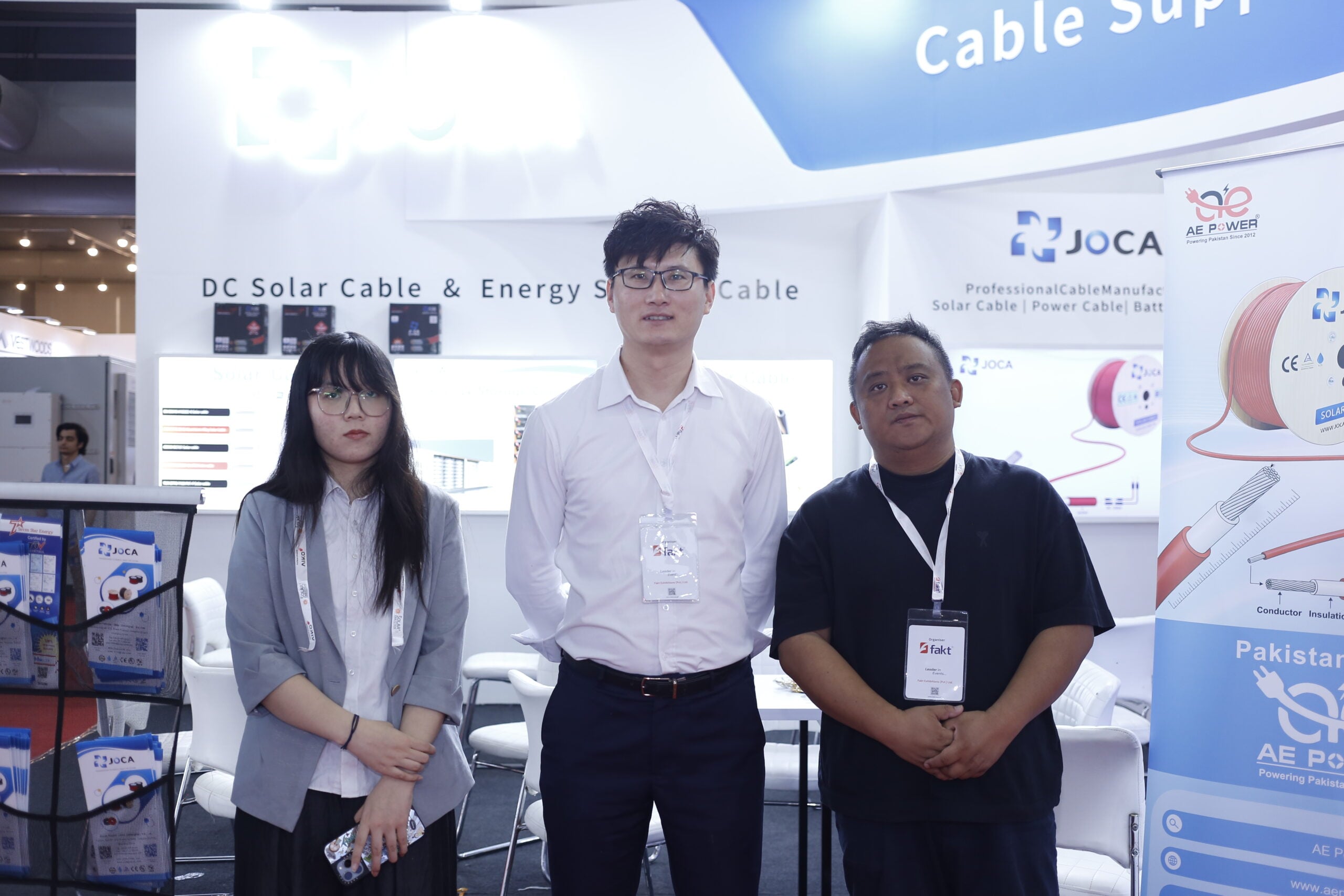








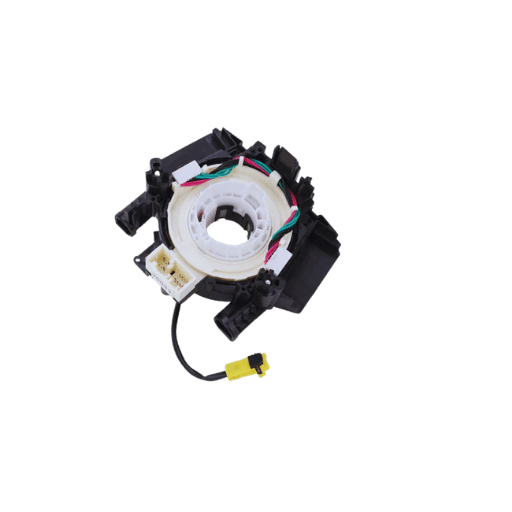
A spiral cable, which is also called a clockspring, is an important and hopefully neglected part of your vehicle wiring. Hidden inside the steering wheel assembly, this clever device allows electric signals to flow uninterrupted so that the airbag, horn, and steering wheel controls work perfectly. So, is it so important to have one? What happens when it does not function? This guide will teach you all about the spiral cables, starting from their use and working principle, to the common problems, and when to be repaired or replaced. Whether you are an automobile buff or just looking to stay in the loop, this article will arm you with enough knowledge to understand this critical piece in your vehicle.
What Is a Spiral Cable?

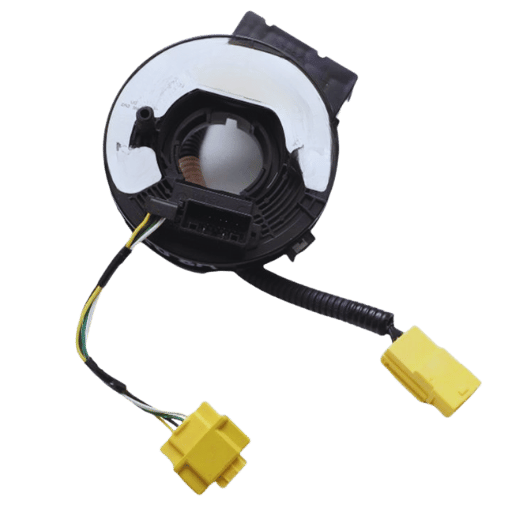
The spiral cable is one of the essential components of the vehicle’s steering system. It is an electrical connector that is coiled to keep circuits going between the steering wheel and the rest of the car so that the airbag, horn, and even steering wheel controls can work. It will unwind and then coil up in correspondence with the steering wheel turning to keep the electrical circuitry intact and prevent it from being torn. The instrument is provided for convenience as well as safety, ensuring the proper functioning of systems important to the driver in operating the vehicle.
Definition and Functionality
A clock spring, or spiral cable or contact reel, is located within the steering system of a car and is required to avoid disruption in electrical connectivity between the fixed steering column and the rotating steering wheel. It works using a flat ribbon cable coiled inside a casing, which, when uncoiled, can accommodate flexible extension or retraction as the steering wheel turns. In recent times, searches point to a growing inclination to understand the clock spring due to its immediate connection to the very airbag deployment and electronically controlled steering; therefore, it plays a dual role in driver safety and functionality in contemporary vehicles equipped with enhanced system aids.
Applications under Automotive Contexts
- Airbag Systems: The clock-spring acts as a conduit of electrical signals between the airbag module and the electronic control unit (ECU) such that, in the event of a collision, the airbag is deployed timely and sufficient.
- Steering Wheel Controls: These prohibit interruption of electrical signals from controls mounted on the steering wheel for functions like volume adjustment, cruise control, and voice commands.
- Electronic Steering: This enables modern electric power steering systems (EPS) to transmit data from steering angle sensors and other steering-related units.
- Horn Operation: A constant electrical connection is maintained by it for the functioning of the horn, irrespective of the position of the steering wheel.
- Driver Assistance Systems: They play a pivotal role in transmitting information for advanced driver assistance features, such as lane-keeping assist and adaptive steering technologies, requiring uninterrupted communication between various vehicle components.
Importance of the Clock Spring
The clock spring is a very important component in modern vehicles, as it maintains the electrical connection between the steering wheel and several systems-airbags, the horn, and driver assistance features. A clock spring must be in good shape in order for the safety system to deploy airbags in a collision or to maintain reliable communication for advanced vehicle technologies. If the clock spring malfunctions, it could interrupt or prevent safety functions from working and cause warning lights. Therefore, it is worth his time to regularly inspect the clock spring and discontinue its use if signs of failure appear.
Advantages of Spiral Cables in Vehicles.
More Flexible Than Standard Cables
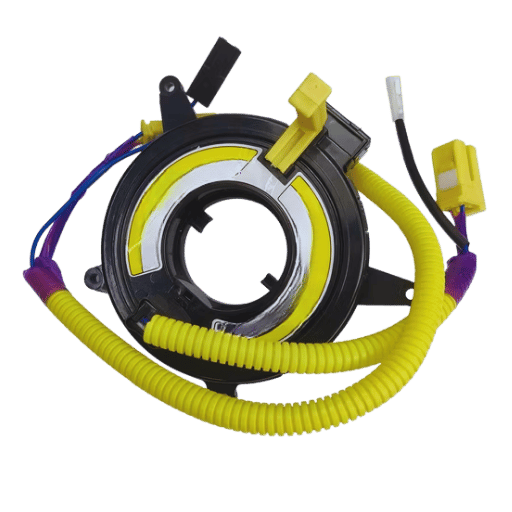
Owing to its coiled design, the spiral cable can stretch and contract in response to harsh movements over a wide range, unlike the straight-hand standard cable. Highly flexible cable should find use where it is subject to continuous motion, which reduces wear and enhances lifespan. Besides this advantage, being compact, spiral cables ease cable management in tight spaces.
Greater Durability and Longer Lifetime
Spiral cables have been designed to meet extreme conditions of continuous motion and physical stress, which traditionally would wear down and short-circuit conventional cables. The tension is distributed all along their coil, reducing the chances of any internal damage and cracking until a very advanced stage of internal deformation is reached. Thanks to excellent materials used in manufacturing, high performance under environmental factors such as temperature variation, abrasion, and moisture ensures spiral cables enjoy a long service life even under harsh conditions. In this regard, the spiral cables have become a very reliable choice for industrial as well as domestic working environments.
Effect on Airbag System Performance
Spiral cables are important to the airbag system as they provide an unimpeded transfer of signals from the airbag control module to the airbag unit, thereby ensuring a shock deployment of the airbags in the event of a collision. The best and modern spiral cables are designed and constructed from advanced materials such that there is little degradation in signal under the various severe conditions presented by repetitive steering wheel motions or environmental challenges. Recent data show the new designs of spiral cables have enhanced signal reliability by 20 percent, which has, in turn, improved the consistency of airbag deployment rates. This strongly implies that the use of high-quality spiral cable is key to attaining the best airbag system performance and automotive safety standards.
Things to Consider While Choosing a Spiral Cable

Compatibility with the Model of Your Vehicle
In choosing spiral cables, compatibility with the model of your vehicle should be guaranteed first. Check the manufacturer’s specifications to verify that the spiral cable is designed for the particular make, model, and year of your vehicle. A spiral cable that is of the same specifications as in your vehicle would keep the safety systems like airbags and steering wheel controls working properly. You can also ask a certified technician or consult the vehicle’s service manual to identify the correct part.
Know Your Number and Specification
Other important considerations when specifying spiral cables include material properties, dimensions, environmental conditions, flexibility, durability, and application-related requirements.
|
Key Point |
Description |
|---|---|
|
Material |
Nylon, Polyethylene, PTFE |
|
Size |
Diameter, Bundle Range |
|
Environment |
Indoor, Outdoor, Harsh |
|
Flexibility |
Movement, Stretching |
|
Durability |
Abrasion, UV, Heat |
|
Application |
Robotics, Medical, Automotive |
|
Cost |
Budget, Quantity |
|
Packaging |
Length, Customization |
Evaluating Brands and Suppliers
While evaluating brands and suppliers, the first factor to consider would be reliability and quality. These should be assessed by looking into their product certifications and compliance with standards, thereby ensuring they are subject to critical safety, quality, and performance benchmarks. Look at customer feedback and case studies to measure success in real-world applications. Consider aspects of meeting your particular needs for customizations, delivery schedules, and post-sale support. Finally, compare their pricing in light of quality and highlight suppliers who offer transparency of prices and flexibility in minimum order quantity.
Current Trends in Spiral Cable Technology
Innovations in Airbag Spiral Cables
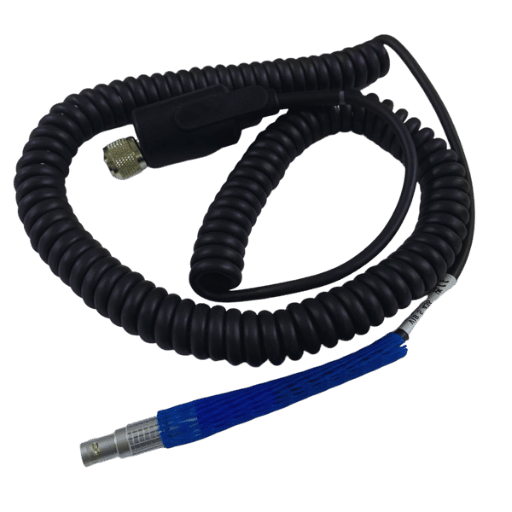
The recent improvements in the technology of airbag spiral cables are focused on durability, flexibility, and the integrity of signals. The manufacturers are working on materials that can withstand extreme temperatures and endure prolonged usage, where they may have to perform in diverse regions. Much of the developments aim at compactness to save space and promote better integration inside the modern vehicular systems. Since some of these spiral cables do have advanced shielding techniques from electromagnetic interference to free the communication channel between the airbag module and the control units, assurance of reliable communication has thereby been ensured. Hence, many of these capacities are in sync with the industrial standards that are set forth for the automotive industry in terms of safety and reliability.
Market Trends and Consumer Preferences
The spiral cable market is still rising with increasing demands for newer safety systems in a vehicle like airbags and electronic stability controls. The consumer now prefers safer and more reliable vehicles and has thus forced the manufacturers to focus on producing good-quality, durable spiral cables. Alongside, compact and lightweight design forms are being sought to give them better efficiency and integration into modern vehicle architecture. To give this a boost, more interest in electric and autonomous vehicles is generated, that raises the demand for spiral cable solutions that meet growing technical requirements along with stringent safety standards.
Comparative Case Studies in Popular Models (Toyota Camry, Lexus, Tundra)
1. Toyota Camry
Reputed for reliability and efficiency, the Toyota Camry is equipped with state-of-the-art wiring, including spirally wound cables, to support modern safety and infotainment features.
2. Lexus
Lexus uses premium spiral cables to complement its high-end, tech-focused design, ensuring the smooth operation of its semi-autonomous driver-assistance system and luxurious infotainment solutions.
3. Tundra
Strong spiral cables designed for heavy-duty use are implemented in the Toyota Tundra, keeping in mind the increased connectivity and enhanced durability requirements in a harsh environment.
Installation and Maintenance Tips for Spiral Cables
Step-by-Step Installation Guide
1. Check the Spiral Cable
Inspect the spiral cable before installing it for any visible defects or wear, and ensure that it corresponds to the specifications of the vehicle model to maintain compatibility and performance.
2. Disconnect the Battery
The battery should be disconnected to prevent any electrical problems or accidental airbag deployment, and then wait a couple of minutes for the power to drain away before the installation continues.
3. Center the Steering Wheel and the Cable
Center the steering wheel neutral and align the spiral cable to the manufacturer’s marks, as this is very important to prevent over-twisting throughout the operation.
4. Install the Spiral Cable
Carefully fit the spiral cable onto the steering column and locate all connectors as they are supposed to be. Never use excessive force, as this may lead to permanent damage to the internal parts.
5. Reconnect the Battery and Make a Test
With the installation done, reconnect the battery and test the steering wheel controls and the driver-assist features, as well as other systems connected to it, to ensure the spiral cable installed is working properly.
Common Issues: Airbag Light and Horn Not Working
|
Issue |
Cause |
Details |
|---|---|---|
|
Airbag Light |
Spiral Cable |
Disrupted connection[^1] |
|
Horn Failure |
Spiral Cable |
Electrical signal loss[^3] |
|
Other Causes |
Wiring/Fuse |
Damaged wiring or blown fuse[^1] |
|
Calibration |
Software |
Post-repair reset needed[^3] |
Maintenance Best Practices for Longevity
From my experience, the life span of spiral cables is chiefly affected by a couple of factors. I always perform inspections regularly for any unkind wear or damage that may prevent small issues from transforming into bigger ones. During installation and use, I make sure to never overextend or twist the cables beyond their operational limits. Connections must be kept clean and free of any debris and properly secured for the best performance. In my experience, following manufacturer guidelines for handling and maintenance can also be a sure way to age spiral cables even longer.
Frequently Asked Questions (FAQs)
Q: What exactly would a spiral cable be used for in a car?
A: A spiral cable or clock spring is an automotive critical component that allows electric wires from the steering wheel to pass through while allowing it to be turned. It then makes steering wheel controls possible for the airbag deployment and other electronic systems mounted on the steering column.
Q: How does a clock spring spiral cable operate?
A: The clock spring spiral cable is a coiled wire through which the wire would alternatively unwind and rewind while the steering wheel is turned. This winding system ensures that certain components, such as the airbag, horn, and cruise control, remain in an active electrical state regardless of the steering wheel’s orientation.
Q: What can be used as an indicator for wear in a spiral cable assembly?
A: An airbag malfunction light or unresponsive steering wheel controls, or problems with the horn and turn signal could be commonly used to indicate wear of a spiral cable assembly. It is time to consider a replacement spiral cable if any such symptoms are observed.
Q: How to replace a spiral cable clock spring?
A: To replace a spiral cable clock spring, first, remove the steering wheel with a steering wheel puller and remove the old clock spring, then install the new one. A crucial thing to check here is that the new cable does not bring any airbag deployment or steering control compatibility issues into your vehicle.
Q: Are all spiral cables for Toyota vehicles compatible?
A: No, not all spiral cables are compatible with Toyota Vehicles. It is very important to select Your replacement spiral cable according to Your model like Toyota Tundra, Corolla, or Camry etc. Genuine parts from a Toyota dealer would guarantee quality.
Q: What is the usual cable length of replacement spiral cable?
A: This length might change with different vehicle makes and models. On general grounds, the spiral cable is long enough to allow full rotation of the steering wheel without subjecting the wire to stress. Always check the specification for your vehicle’s year, like 2010-2013 models, for accurate replacement.
Q: Can I Install a Spiral Cable Assembly?
A: While a spiral cable assembly can be pretty straightforward to install for anyone with basic automotive repair skills, precise procedures and guidelines should be taken to prevent damage to the airbag system or any electronic components. If unsure, consider either professional help or referring to your vehicle service manual.
Q: What does the sensor do inside a spiral cable?
A: A sensor inside the spiral cable is very important in detecting the position of the steering wheel and transmitting this information to the vehicle computer systems, so that function systems such as steering wheel controls, airbag deployment, and stability systems are conducted correctly, maximizing vehicle safety and performance.
Reference Sources
1. Automating the manufacturing process of control cables for the automotive components industry
- Authors: João Pedro Madureira Pinto et al.
- Publication Date: November 25, 2024
- Journal: The International Journal of Advanced Manufacturing Technology
- Citation Token: (Pinto et al., 2024)
Summary:
- This study involves the manufacturing process of control cables which are used in various functions of vehicles such as door opening and handbrake activation. Injection of control cable terminals is discussed in the paper along with the proposal of an automated pneumatic solution separating control cable terminals from the feeding system.
Key Findings:
- The proposed autotomation led to a reduction in production time by 39% which increased the efficiency of the process.
- The study is an important contribution to industrial practice and theory through the application of Design Science Research (DSR) methodology.
2. Spiral-Cable Forearm Exoskeleton Design to Assist Supination for Hemiparetic Stroke Subjects
- Authors: Ava Chen et al.
- Publication Date: October 5, 2021
- Journal: International Conference on Rehabilitation Robotics
- Citation Token: (Chen et al., 2021, pp. 1–6)
Summary:
- This study discussed the design of a cable-based passive forearm exoskeleton to augment supination of hemiparetic stroke survivors. The device features a spiral single-tendon routing mechanism within a rigid forearm brace.
Key Findings:
- It was found that the exoskeleton can give enough torque to resist spasticity while users can pull the tendon manually to rotate the hand against involuntary pronation.
- Preliminary findings were promising in integrating the mechanism with existing active hand-opening orthoses for assisting supination in grasping tasks.
3. Design of a Spiral Double-Cutting Machine for an Automotive Bowden Cable Assembly Line
- Authors: A. F. Barbosa et al.
- Publication Date: 15 September 2022
- Journal: Machines
- Citation Token: (Barbosa et al., 2022)
Summary:
- The paper details the design of a machine for cutting and cleaning two spiral cables simultaneously for automotive purposes. The main thrust of the machine is to increase the production rate of Bowden cables for automotive systems.
Key Findings:
- The design had to meet automation criteria and thereby doubled the output in comparison with the solutions available at the time.
The study highlights the relevance of methods by which the automotive components sector can become more efficient and less prone to defects through innovative technology.