








When it comes to ensuring the safety and protection of the electrical systems, choosing the proper wire size is of utmost importance, particularly for a 70-amp circuit. Selecting the wrong wire size can lead to overheating, fire hazards, or damage to your electrical appliances. This blog aims to provide you with a thorough understanding by detailing the wire sizing framework, including aspects that influence your choice and how to apply these factors effectively when making an informed decision. It’s intended for every electrician, straightforward home DIYer, or anyone who is simply aware of safety practices around electricity. Embarking upon this blog will provide you with pertinent matters to consider, expert information, and technical details necessary for flawless implementation.
Understanding Amperage and Wire Size
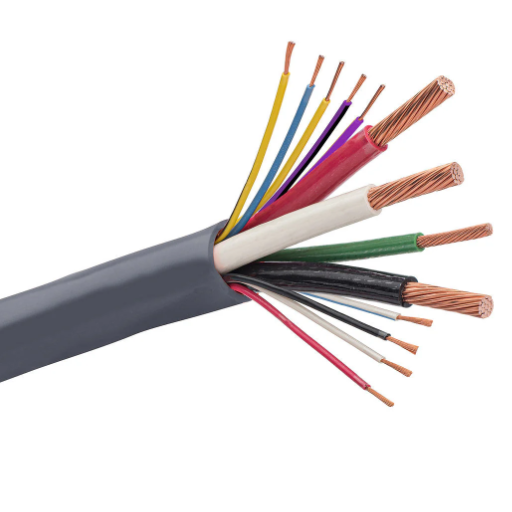
A better way of thinking of amperage is to consider it as the flow of electric current through a circuit. The wire size merely tells us how much current it can safely carry. For a 70-amp circuit, a wire gauge must be used that can handle this current without risking overheating or damage. 4 AWG copper wire or 2 AWG aluminum wire is generally recommended for 70 amps, with best practices. Having these wire sizes ensures a safe operation with less resistance, as resistance leads to power loss or overheating. Check the local electrical codes and seek professional advice to ensure you use the correct wire size for your application.
What is Amperage?
Amperage, also called current, is the rate at which electric charge flows through a conductor or wire. It is measured in amperes (A), which gives the number of electrons passing through a point in the circuit in one second. Higher amperage means a greater flow of electric current.
Current is generally divided into two main types depending on how it behaves in a circuit: direct current, which flows in one direction, and alternating current, which reverses directions periodically. The maximum amperage a circuit can handle depends on wire gauge, material, insulation, and ambient temperature. For example, copper wires often efficiently handle higher currents because they have lower resistance compared to aluminum.
The importance of amperage lies in the sizing of electrical components and their safe operation. For instance, typical household circuits in the U.S. are rated at 15 or 20 amps, whereas large appliances, such as water heaters or electric ranges, may be rated higher. If a circuit is asked to carry an amperage it is not designed for, damage from overheating may develop; even a fire is not ruled out, hence circuit breakers or fuses are used to protect against such overcurrent situations.
Importance of Wire Size in Electrical Circuits
The size of wiring plays an essential role in the safety and efficiency of any electrical setup. The thickness, or gauge, of the wire determines the amount of current it can carry before it overheats. For example, a 14-gauge wire is usually rated for 15 amps, while a 12-gauge wire is rated for around 20 amps. A wire that is smaller than needed for the current passing through it could become so hot as to risk a fire or equipment failure.
A wire’s run length also impacts its performance. A voltage drop occurs along a long run of wire due to resistance and could affect the functioning of specific connected devices. For example, the NEC recommends considering voltage drop beyond 3% of the system voltage; on a standard 120V circuit, this means the voltage should not fall by more than 3.6 volts. Conversely, an electrician may opt for larger-sized wires to minimize the effects of voltage drop, ensuring the voltage at the device end remains within an acceptable range.
The type of wire insulation will also indicate the environmental conditions for which it is suitable. For example, wires used outdoors or in areas with extremely high temperatures require insulation types rated for such situations. Choosing the proper insulation and wire size for every application is crucial; otherwise, energy waste, maintenance issues, and even hazards may occur. Where possible, existing guidelines, such as the NEC standards, should be followed to ensure maximum conductivity and safety of electrical systems.
How to Determine the Right Wire Size
Choosing the correct wire size in electrical work guarantees efficiency and safety in the operation of the system. Consideration must be given to several factors in the determination of the right size:
Current (Amperage) Requirements: The amount of current a wire is required to carry should be among the primary considerations. Very high currents will require wires having a larger cross-sectional area to avoid heat formation or energy loss. To illustrate, 14 AWG wire is generally suitable for currents up to 15 amperes, while 12 AWG wire can carry currents up to 20 amperes. Going beyond such limits could cause intense heating or even a possible fire.
Voltage Drop: Over extended lengths, voltage drop is an issue as some of the electrical energy dissipates in the generation of heat. To limit excessive voltage drops (typically set below 3% for optimal efficiency), it may be necessary to select a larger wire gauge. For example, a 10 AWG wire might be more suitable than a 12 AWG wire when the conveyance distance exceeds 50 feet.
Environmental Factors: The temperature or exposure of the wire to adverse conditions, such as moisture or chemicals, affects wire performance. High temperatures tend to affect insulation, reducing the wire’s ability to carry current. Wires used in highly heated or outdoor conditions will, therefore, be required to be large and able to withstand harsh conditions, such as THHN or XHHW-rated insulation.
Material of the Wire: Conductivity is a function of the material of the wire. Copper wires are popular because they have higher conductivity than aluminum wires. However, aluminum wires are lighter and cheaper. Occasionally, they present a viable option. Aluminum wires, when in use, typically require one size larger than copper wires to maintain the same current-carrying capacity.
Code Compliance: Following some set standards, such as the NEC, is essential. Such standards specify minimum wire sizes for use in specific applications or environments. For example, NEC Table 310.16 establishes ampacity ratings based on wire size, material, and ambient temperature.
It is essential to consider all the stated factors when calculating wire size for your project, in the interest of efficiency, longevity, and the safety of the electrical system.
70 Amp Circuit Requirements
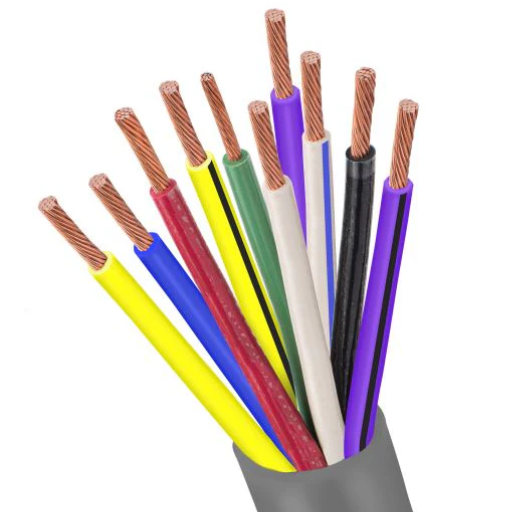
Typically, for sizing wires to handle 70 amps safely, the wire should be 4 AWG copper or 2 AWG aluminum, depending on the material used. This wire size complies with the National Electrical Code (NEC) under normal conditions. Always check the ampacity by equipment factors, including ambient temperature, insulation type, and installation method, to ensure safety standards are met.
Overview of 70 Amp Breaker Specifications
As the name suggests, a 70-amp breaker is a type of breaker designed to handle continuous load currents of up to 70 amps without tripping, thereby protecting electrical circuits from overloading and short circuits. These breakers are installed in specific critical applications such as subpanels, HVAC systems, electric water heaters, or other heavy-duty equipment. Typically, a double-pole breaker rated for 70 amps is the preferred choice for use with 240-volt circuits.
Before making your selection, ensure that your breaker is compatible with your service panel and meets NEC standards. Additionally, proper wire size, such as 4 AWG copper or 2 AWG aluminum, should be considered; smaller sizes should not be used, as they will not safely carry the current. A larger wire size is required if ambient temperature, longer wire length, or wavetype insulation adversely affects performance and safety. At all times, it is wise to have an electrician included in the process. They will verify compliance and confirm the appropriateness of the chosen setup for your application.
Typical Applications for 70 Amp Circuits
A 70-amp breaker finds broad application in residential, commercial, and industrial settings, wherever large-scale power is required. A typical application of this breaker is in subpanel power for larger homes, where the subpanel can supply power to areas such as workshops, garages, or any other outside heavy tripping zones. Subpanels equipped with a 70-amp breaker are well-suited for energy management in such applications.
Another great use would be those related to EV Charging Stations. Most contemporary Level 2 EV chargers run on 240-volt circuits and require a continuous load of 48-50 amps. Hence, 70-amp circuits are sufficiently capable of handling this load with some margin for safety.
Additionally, 70-amp circuits are also used for central air conditioners, electric ranges, and large electric water heaters. For instance, many large property air systems or heat pumps are installed with this capacity, especially during peak conditions.
For medium-sized industrial equipment, such as welding machines, compressors, and specialized manufacturing tools, 70-amp circuits would be a viable power source, ensuring robust and reliable operation.
The most critical thing to check is that the load on the circuit from electrical appliances should never exceed 70 amps. However, the National Electrical Code (NEC) recommends that the load should not exceed 80% of the rated capacity for continuous use. For the 70 amp circuit, this means a constant load of no more than 56 amps. A thorough assessment of the electrical requirements of the connected equipment should always be conducted, and a professional should be engaged for a safe and efficient installation.
Factors Influencing Wire Size Selection
Several factors must be observed to select the appropriate size of wire while ensuring safety, efficiency, and adherence to codes:
Current Capacity (Amperage): The settings that ultimately determine the current load the wire can carry are of prime importance. It is necessary to choose a wire size that can carry its designed current without causing excessive heating. The NEC guidelines should always be followed, as they provide ampacities for various wire sizes.
Voltage Drop: Voltage drops with the lengths when resistance in the wire causes it, this is one of the main factors that need to be considered while selecting wire size, especially for a long circuit: using a bigger wire to keep the voltage drop under limits will ensure the proper function of the connected equipment.
Wire Materials: Copper and aluminum are common materials used in electrical wiring. Copper is a better conductor of electricity and, therefore, carries a higher current than aluminum wire of the same gauge. Aluminum, being lighter, is generally cheaper. The selection of the material will, therefore, affect not only the wire size but also other installation details.
Environment and Temperature Rating: The ambient temperature and environmental conditions, including moisture, chemical exposure, and UV radiation, affect wire selection. The wires rate their insulation with a temperature rating of sorts against a particular condition, and higher operating temperatures may decrease the wire’s effective ampacity.
Other Application-Specific Requirements: Different applications, such as residential, commercial, and industrial, have different demands on wiring. For instance, heavy machinery needs much thicker wires compared to the standard circuits in most homes. Furthermore, special-type wiring (e.g., underground or outdoor wiring) may require specific insulation types or thicknesses.
By studying and considering these factors appropriately, not only will selecting the proper wire size ensure compliance with codes, but it will also guarantee safety and system reliability. Never hesitate to verify IEC or relevant country codes and to take the advice of a licensed electrician when a question arises.
Wire Gauge and Its Implications
Wire gauge determines wire thickness, and there is a direct relationship between thickness and both current-carrying capacity and resistance. A thick wire (low gauge) indicates high current flow and low resistance, making it suitable for high-power applications. Conversely, thin wires are used for low-power devices. Using the wrong wire gauge can cause overheating, voltage drops, or electrical fires. Use wire gauge tables from the National Electrical Code (NEC) to make your selection according to current and voltage requirements. Additionally, consulting a licensed electrician can ensure a safe and compliant installation.
Understanding Wire Gauge and Ampacity
Wire gauge and ampacity are closely correlated aspects with significant implications for electrical systems. Ampacity is considered the current-carrying capacity of a conductor without causing any temperature rise above its rated temperature for that conductor. The wire gauge (usually rated by the American Wire Gauge, or AWG) defines the conductor diameter and also influences its ampacity.
Thus, a 14 AWG copper wire can safely accommodate only around 15 amps, whereas a 12 AWG wire, of slightly larger diameter, is designed to handle up to 20 amps. A larger diameter 10 AWG copper wire is expected to carry 30 amps. These ratings may be altered due to ambient temperature, type of insulation, or installation conditions (conduit or free air). Aluminum wires, due to their lower conductivity as compared to copper wires, usually have lower ampacity than a copper wire of the same gauge. Hence, the choice of selecting materials becomes crucial.
The NEC contains various tables and guidelines detailing ampacity values for different wire gauges given certain conditions, stressing that it is always crucial to have the wire rated above the expected load. Always prefer the use of larger gauge wire for heavy-load circuits to avoid the risk of overheating or voltage drop, a point also emphasized in safety standards, which provides rock-solid support for any electrical installation or project.
6-Gauge Wire: Is It Suitable for 70 Amps?
Wire material, ambient temperature, and installation conditions are crucial factors to consider when determining whether 6-gauge wire can carry 70 amps. Generally speaking, 6 AWG copper wire typically has an ampacity of 65 amps under average operating conditions, enclosed in conduit or raceway. With greater variation, certain circumstances may affect this value.
For example, if the wire is installed in free air with proper ventilation or the temperature rating of the wire insulation is higher (e.g., 75°C or 90°C), the ampacity can be rated even higher than 65 amps. On the other hand, the capacity is reduced with rises in ambient temperature or bundling of wires. Aluminum wire, being the alternative, conducts less current than copper; hence, it is not desirable to carry a 70-amp load.
As a matter of safety, considering certain other factors, a 6-gauge wire can carry 70 amps. However, for safety’s sake, some experts advocate using a 4-gauge wire to take such a load, in an attempt to eliminate the hazards associated with wire overheating and voltage drops, and provide a margin of safety by the NEC guidelines.
Reviewing Common Wire Sizes for 70 Amp Applications
For a 70-amp load, standard wire sizes include 6-gauge, 4-gauge, and 2-gauge wires, depending on insulation type, temperature rating, and installation conditions.
|
Wire Size |
Ampacity |
Insulation |
Temp. Rating |
Use Case |
|---|---|---|---|---|
|
6-Gauge |
Up to 65A |
THHN, THWN |
75°C |
Light Loads |
|
4-Gauge |
Up to 85A |
THHN, XHHW |
90°C |
Common Choice |
|
2-Gauge |
Up to 115A |
THHN, UF |
75°C – 90°C |
High Safety |
When determining the appropriate wire size for 70 amps, consider factors such as insulation type, ambient temperature, and National Electrical Code (NEC) guidelines to ensure safety and optimal performance.
Using Wire Size Charts Effectively
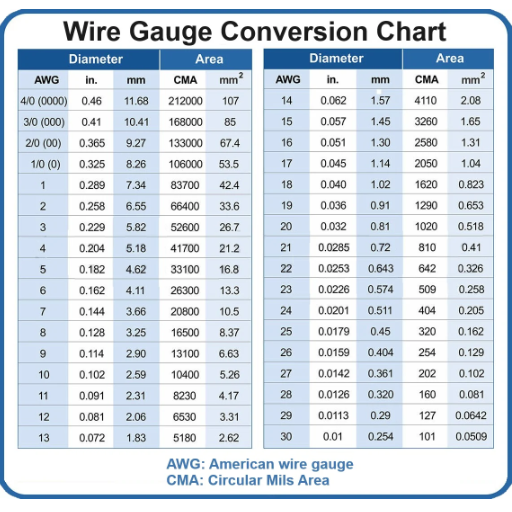
To make proper use of the wire size chart, first find out the amperage of your circuit and then search for the wire gauge corresponding to it in the wire size chart. For instance, a 70-amp circuit usually requires a 4-gauge wire using an insulation rating of 75°C. Always check the wire type (such as THHN or XHHW) along with the insulation ratings to ensure they correspond to the requirements of your application. Finally, verify that they comply with the National Electrical Code (NEC), which provides both safety and accuracy.
How to Read a Wire Size Chart
Reading a wire size chart entails understanding how wire gauge, current (amperage), and insulation type correspond to each other to have a safe and efficient electrical installation. Here’s a brief guide:
Identify the Circuit Amperage: First, find the amperage of the circuit at hand. The amperage is the most critical factor determining the wire gauge size necessary to carry the current.
Match the Wire Gauge to the Amperage: Determine the recommended wire sizes from the chart, such as a 12-gauge wire for 20 amps, commonly used in a 20-amp circuit, or a size six wire for 50 amps. Proper size selection must be specific to the exact amperage listed.
Check Insulation Type and Temperature Rating: The wire insulation type (e.g., THHN or XHHW-2) and the temperature rating (60°C, 75°C, or 90°C) also impact the ampacity. Ensure that the wire chosen meets both the required rating and the operating conditions.
Account for Distance: For longer runs exceeding 100 feet, voltage drop must be considered, necessitating larger wire sizes to maintain efficiency.
Ensure NEC Compliance: Ensure your selection adheres to all applicable requirements by the National Electrical Code (NEC), which establishes safety standards and regulations by law.
Consider Special Applications: Certain applications, such as underground installations or those operating in higher heat conditions, may require special wire types or sizing considerations not listed in standard charts.
By following these steps, you can accurately read a wire size chart and select the appropriate wire for any electrical job.
Comparing Different Wire Sizes
When choosing a wire size, understanding its differences and how it is ideally suited for fulfilling electrical demands is essential. Wire size is commonly measured in American Wire Gauge (AWG), where a lower numerical value indicates a thicker wire with greater current-carrying capacity. For example, a 14 AWG wire is generally used for circuits that require a maximum of 15 amps, while a 12 AWG wire is rated up to 20 amps. Wires such as 6 AWG and above are usually used in larger sets or industrial systems for heavy current loads.
Another factor that affects the appropriate wire sizing is the length of the cable run. Greater cable runs imply higher voltage drops, necessitating thicker wires to achieve satisfactory performance. Usually, whenever the cable length exceeds about 100 feet, recommendations are to upgrade to a wire size just larger than what you would typically use. If the distance is approximately 150 feet for a 20-amp circuit, it may be better to use a 10 AWG wire instead of the standard 12 AWG.
Furthermore, wire materials such as copper and aluminum also influence performance. Copper wires have higher conductivity and are more durable, making them ideal for most household and commercial applications. Aluminum wires are good if you’re looking for lightweight and cheap options–besides, they have to be larger to conduct as much current as copper can.
Consulting reliable wire size charts, along with considerations for the load being applied, will ensure the chosen wire fulfills both safety and efficiency requirements. When dealing with varying wire sizes, always compare their amperage, length, and cable characteristics to avoid overloading or creating hazards.
Safety Considerations When Choosing Wire Size
Proper selection of wire size for safety and functionality in any electrical system is vital. Ampacity, one of the primary considerations, refers to the maximum current a wire can carry without the temperature rising beyond allowable limits. A 14-gauge copper wire can typically handle 15 amps, while a 12-gauge copper wire can carry 20 amps. There is a threat of fire or system failure if one chooses a wire with an ampacity rating that is insufficient for the load.
Voltage drop becomes more critical in long-distance cable runs. For every 100 feet of wire, a 3% voltage drop is acceptable. Furthermore, the resultant voltage drop may cause inefficient operation or outright damage to the connected devices. Long runs generally recommend increasing the wire gauge to minimize the voltage drop.
Environmental considerations, including temperature and exposure to moisture, should also be taken into account when selecting wire size. Wires subjected to high temperatures, for instance, may need to be derated, which essentially involves increasing the wire gauge to carry the same load. Outdoor or underground wiring requires wires with suitable insulation, such as THWN or XHHW, that can resist moisture and corrosion.
When aluminum wires are involved, it is recommended to use wire sizes larger than those for copper to meet equal performance standards. Thus, while a 12-gauge copper wire could suffice for a load, a 10-gauge aluminum wire may be needed for the same application. Always ensure that connections are secured with anti-oxidation compounds, which help prevent the hazards of corrosion, oxidation, or overheating.
By following these safety ratings, in conjunction with a clear assessment of load requirements, wire length, and environmental factors, you ensure that your installation is both safeguarded and performs efficiently under these requirements.
Conclusion and Best Practices
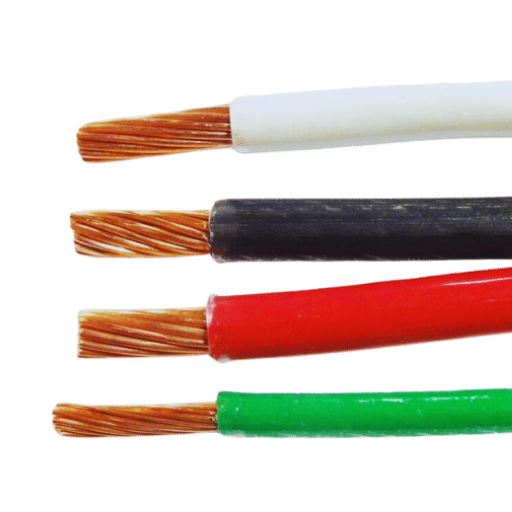
To conclude, safety and efficiency must always be considered when working with electrical systems. Use the type and gauge of wire required to carry the load, taking into account environmental factors such as moisture and temperature. Ensure all connections are as tight as possible, and use anti-oxidation compounds if necessary, to prevent the connection from deteriorating over time due to corrosion. Consider ongoing inspections and maintenance that identify issues before they become hazardous. By adhering to these best practices, electrical systems will perform safely and reliably.
Summarizing Key Points on Wire Size
Choosing the correct wire size is crucial for ensuring safety and efficiency in an electrical wiring system. Wire sizes in the U.S. are designated by the American Wire Gauge (AWG), where the size number increases with a decrease in wire diameter. For residential applications, standard wire sizes are 14 AWG for 15-amp circuits and 12 AWG for 20-amp circuits. The gauge of wires for larger appliances, such as electric ranges or air conditioners, depends on the current draw, typically 8 AWG or 6 AWG.
The ability of a wire to safely carry current depends on the wire size and the temperature rating of the insulation. A 10 AWG copper wire, in most cases, is suitable for carrying 30 amps of current. There are, however, other issues that need to be taken into consideration. High temperatures cause a decrease in the current-carrying capacity of the wire and, thus, an increase in wire size becomes necessary.
When selecting wire size, voltage drop is another factor that should be taken into account. Over long distances, resistance in the wire causes the voltage to drop to levels below accepted norms, reducing the level of energy efficiency and posing a risk of damaging end-use appliances. Larger gauge wires are therefore used when a circuit spans large distances, with this criterion typically set at a voltage drop of less than 3 percent.
Before undertaking any work, the local electrical codes and standards, such as the National Electrical Code (NEC) in the United States, shall be consulted to verify the required application of regulations. Apart from preventing possible overheating and fire hazards, proper wire sizing ensures energy efficiency and optimizes system performance.
Recommendations for Home Electrical Projects
A home electrical project begins by ensuring that all devices and circuits have been adequately accounted for in terms of their power requirements and matched with the correct wire size. I follow local codes, including the NEC, to conform to established safety standards. I go one step further by carefully scrutinizing all connections and using the best supplies to eliminate hazardous occurrences and to ensure energy efficiency. Before handling any electrical system, ensure the power is switched off at the breaker panel and consult a licensed electrician if you have any doubts.
Final Thoughts on Amperage and Wire Selection
Choosing the proper wire size and understanding amperage are essential for the safety and efficiency of any electrical system. Wires should be rated for sufficient current loads; otherwise, overheating may occur, resulting in a fire hazard. For example, 14-gauge wires are suitable for carrying a maximum current of 15 amperes, while 12-gauge cables are suitable for carrying a maximum current of 20 amperes. Ensure compliance with local electrical codes, such as the National Electrical Code (NEC) in the United States, to ensure your charge and wiring meet the necessary regulations. Cut no corners; using good materials and hiring a professional electrician for advice whenever needed leads to electrical installations that are not only code-compliant but are also designed for a lifetime of secure and efficient operation.
Reference Sources
Power Transformer Wire Estimate
Study of Electrical Systems in the Engineering Faculty of Udayana University, Bukit Jimbaran
Detuning Mechanism and Frequency Tracking Algorithm for Wireless Power Transmission System
Frequently Asked Questions (FAQs)
What is the recommended wire size for a 70-amp circuit?
The recommended wire size for a 70-amp circuit is 6-gauge wire. This size wire typically has enough ampacity to handle the current flow without overheating, ensuring safety and efficiency in electrical applications.
How does wire size impact the power delivery for a 70-amp breaker?
The wire size has a significant impact on power delivery for a 70-amp breaker. Using a wire that is too thin can lead to voltage drop and potential overheating, whereas the correct wire size ensures that the circuit can safely carry the same current over longer distances.
What are the standard wire sizes used for high amp applications?
Standard wire sizes used for high amp applications include 6-gauge and 4-gauge wire, with 6-gauge being suitable for up to 70 amps. These sizes are often used in residential applications where higher ampacity is required.
How do I determine the correct wire gauge for my electrical needs?
To determine the correct wire gauge for your electrical needs, refer to an ampacity chart that correlates wire size with amp ratings. This chart will help you identify the proper wire size based on the amperage and the length of the run.
Can I use a thinner wire for a 70-amp application?
Using a thinner wire for a 70 amp application is not advisable, as it may not provide the necessary durability or safety. Thinner wires cannot carry the same current without risking overheating, which can lead to circuit failure or fire hazards.
What factors should I consider when selecting wire for longer distances?
When selecting wire for longer distances, consider the voltage drop, wire gauge, and ampacity. Larger wire sizes, like 6-gauge for a 70-amp circuit, are often necessary to minimize voltage drop and ensure the efficient delivery of power over extended runs.
Is a 70-amp wire suitable for powering an oven?
A 70-amp wire can be suitable for powering an oven, depending on the oven’s specifications and power requirements. Always check the manufacturer’s recommendations and ensure that the wire size meets the amp rating needed for the specific appliance.
What is the flexibility of using small strands in wire gauge for high amperage applications?
Using small strands woven together in a wire gauge can increase flexibility, making the wire more versatile for applications that require bends or tight spaces. However, it is crucial to ensure that the combined strands can still meet the ampacity requirements for a 70-amp circuit.