







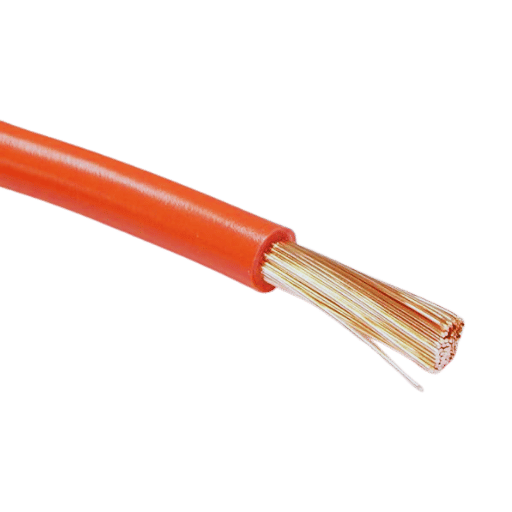
The efficiency, reliability, and safety of any electrical system heavily rely on the appropriate choice of cabling. One of the most important aspects is to know the differences between DC (Direct Current) cables and AC (Alternating Current) cables. Their purpose is to transmit electrical energy, but they differ enormously in terms of design, functionality, and application. This piece will delve deeply into the differences between DC cables and AC cables, casting light on their distinctive characteristics, functions, and incomparably technical details. It does not matter whether you are an electrical engineer or a mere enthusiast who wants to understand power transmission on a deeper level; this article will surely provide essential information that will aid you in making better decisions on your projects or operations.
What is a DC Cable?
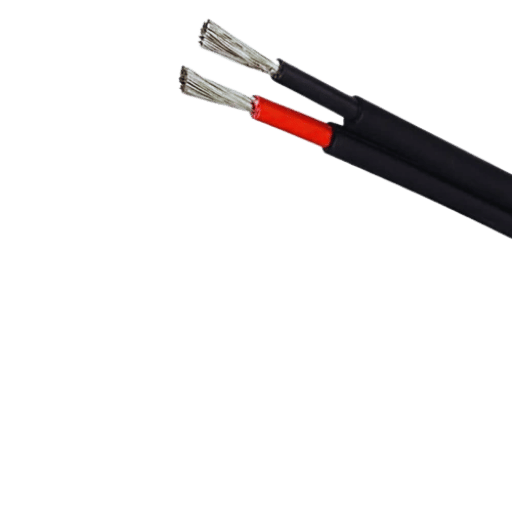
A DC cable is an electrical cable designed specifically for the transmission of direct current (DC) electricity. Unlike alternating current (AC), direct current (DC) electricity flows in one constant direction. For instance, solar power systems, electric vehicles, and battery storage systems make use of such power-delivering devices, which need consistent performance. These cables are specially designed to consider the diverse challenges posed by the use of DC electricity, such as power loss or low reliability over a time span in different environmental conditions.
Definition of DC Power Cables
DC power cables are types of cables found specially to transport electric power in the form of direct current (DC). As a result, they are applied in structures with a fixed, single-directional current flow, like in solar panel installations, electric vehicles, and battery storage systems. These cables are constructed to guarantee dependable and effective power transfer with minimum energy waste as well as protective shielding from environmental and operational stressors.
Key Characteristics of DC Power Cable
Conductor Material
- Electrical Power Cables employment copper and aluminum as preferred materials because they have goodconductivity and can store electricity efficiently. Moreover, copper is very efficient due to its low resistance with electricity flow, therefore has heavy usage electrical performance scheme effectiveness.
Voltage Rating
- These cables have set operational as well as supporting direct current systems. Depend of application and industry, common voltage ratings of use to DC term include low voltage which is below 1kV, medium voltage of 1 – 36kV, high voltage of greater than 36kV.
Insulation
- Good quality high resistance electric shock materials include polyethylene (XLPE), polyvinyl chloride (PVC), Ethylene Propylene Rubber EPR and others which prevents moisture from penetrating. These materials are very mechano-sensitive, therefore they improve safety measures with regard to damages reinforced cables.
Temperature Resistance
- In extreme environmental conditions, these DC power cables are good exposed to different ranges of temperatures. For example, some cables have performance ratings of -40 degrees centigrade for lower limit and 90 or more for upper limit, depending on the application.
Flexibility
- Some textbooks designed for modern facilities have DC power cables with flexible construction. They are very good suited for dynamic surrounding like electric vehicles system or portable batteries storage unit where frequent bending in required.
Shielding
- To prevent electromagnetic interference (EMI) and current disruption in telecommunications or instrumentation, shielded DC cables feature advanced layers of protection to enable optimal current flow.
UV and Weather Resistance
- For outdoor use, DC power cables are usually resistant to UV radiation and are specifically designed to withstand sunlight, rainfall, and environmental exposure for extended periods of time without deteriorating.
Chemical and Oil Resistance
- In industrial and high-risk environments, the lifespan of many DC power cables is extended due to the absence of synthetic jackets that resist chemicals, oils, and acids.
Size and Cross-Section
- The cables are available with differing sizes and cross-sections based on the current-carrying capability needed. A cable with a bigger cross-section can sustain higher currents with very little power loss.
Standards Compliance
- DC power cables are produced in conformity with international requirements like the IEC, UL, or ISO in regard to their intended purpose, quality, performance, and scope.
Application in Power Supply
DC power cables are indispensable components for the effectiveness and reliability of power supply systems. Their use ranges across different industries and environments where cables are specifically designed to perform optimally under different operational conditions. The details of the installations are provided below:
Telecommunications Infrastructure
- The application involves powering telecom base stations and data centers.
- Commonly utilized for -48 V DC systems to provide reliable communication networks.
- Configured for low voltage drop and redundancy to enhance uptime.
Renewable Energy Systems
- Connection of photovoltaic panels and inverters in solar power installations.
- Off-the-grid and hybrid solar setups are used for energy storage compatibility.
- Insulated with UV-resistant material, it is durable for use in solar energy harnessing.
Electric Vehicles and Charging Stations
- Facilitate the transfer of DC power at charging stations to EV batteries.
- Cables are highly durable and can be used in harsh conditions.
- Standard compliance for public and residential charging to enhance safety.
Industrial Automation
- Supplying power to DC motors, robotics, and other control systems in the factory environment.
- Resistant to oil, mechanical stress, and elevated temperatures.
- Tolerant to specific regulated voltage and current for stability in the system.
Uninterruptible Power Supplies (UPS)
- Connecting the batteries to inverters in UPS systems for critical backup power.
- Reliable during continuous charge-discharge cycles.
- Help in sustaining operational efficiency during grid outages.
Railways and Metro Systems
- Application in onboard electronics, signaling devices, and propulsion systems.
- Vibration, high current load, and weather factors are withstood by rough construction.
- Enable long-distance operation without safety issues or malfunctions.
Aerospace and Defense
- Employ onboard systems and military-grade equipment. Ensure the use of lightweight, durable DC cables.
- Provide power distribution in high-altitude regions with extreme temperatures and uncontrolled pressure changes.
- Designed to ensure maximum safety and performance standards.
These diverse examples clearly illustrate how modern power supply solutions are facilitated with the use of DC power cables and showcase the trade-off of efficiency with safety compliance.
How Does a DC Power Cable Work?
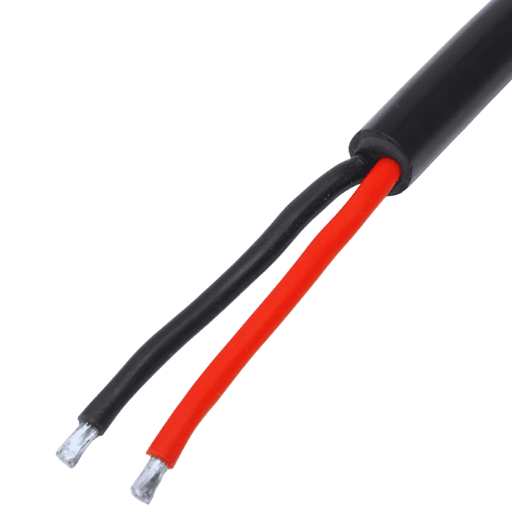
The Role of Direct Current in Power Transmission
For applications that necessitate a constant and uninterrupted flow of energy, Direct current (DC) is indispensable in power transmission. DC differs from alternating current (AC) in the sense that it travels in one direction only, which means it is ideal for batteries, solar power systems, and even electronic circuits. DC power cables transmit a steady current efficiently over short distances without a lot of wasted energy, which guarantees reliable function of connected equipment. This feature makes DC especially useful in applications that have high precision and stability requirements.
Components of a DC Cable System
A DC cable system consists of a number of different yet equally important parts that work together to deliver direct current safely and efficiently. These are:
Conductors
- Conductors form the nucleus of a DC cable system as they are the parts that actually carry electric current. Known materials for the conductors are aluminum and copper due to their reliability and high conductivity. Copper, for example, has a conductivity of about 5.96 x 10^7 S/m (Siemens per meter) and is widely used in the industry as well as in low-voltage applications. In comparison, aluminum has lower conductivity but is beneficial in particular scenarios as it is lightweight and inexpensive.
Insulation
- Insulation, in this case, refers to the outer layer of the thermoplastic which encapsulates the conductor to avoid electrical hazards to the user. Polyethylene (PE), cross-lined polyethylene (XLPE), and polyvinyl chloride (PVC) offer the insulation layer with protection due to their dielectric strength and thermal resistance. XLPE, for instance, can withstand over 90 degrees Celsius during normal use, which is favorable under tough conditions.
Shielding
- Shielding is mainly done to prevent cables from malfunctioning due to interference in electromagnetic fields (EMI) as well as to mitigate any stray emissions. Braided copper and aluminum tapes are most commonly applied. This shielding guarantee that residing electronic gadgets will not be damaged due to electrostatic issues stemming from the operation of the DC cables.
Outer Jacket
- The outer jacket repels moisture, chemicals, and physical damage while protecting the cable from moisture and temperature extremes. For common purposes, thermoplastic materials such as PVC are widely used while others like thermoplastic elastomer (TPE) and more specialized polymers are used in more extreme conditions due to their increased flexbility and ruggedness.
Connectors and terminals
- Connectors and terminals create the boundary between the system or device and the DC cable. The design permits to people to connect and disconnect the conductor easily while guaranteeing low contact resistance and firm mechanical fixation. Design improvement with the incorporation of plating surfaces with gold or tin enhances electrical conductivity and protection from corrosion.
Rating of Voltage and Performance in Thermal Aspect
- The categorization of dc cables is done with regards to the voltages they can handle, which can range anywhere from less than 1000 V to high voltage direct current (HVDC) systems above 100kV. The thermal design of the system is also a significant factor because overheating will certainly cause insulation failure and, ultimately, system inefficiency. Modern DC cables are built to a specification that provides sufficient margins above predicted peak electrical and thermal loads.
These components guarantee economically viable and secure functionality of the DC cable systems in renewable energy plants, telecommunications, industrial automation systems, and other areas. Consideration of each design and material choice will be accompanied by a defined set of operational limits, environmental conditions, and applicable requirements for electrical and mechanical standards.
Differences between AC and DC Current Cables
The following is a summary of some more nuanced differences between AC (alternating current) cables and DC (direct current) cables:
- The direction of Current Flow: DC cables have current flowing in a steady direction, while AC cables have alternating current, which periodically reverses in direction.
- Level of Insulation: AC cables usually need insulation for alternating voltages, while DC cables need specific insulation in order to handle constant voltage and prolonged periods of ionization.
- Design of the Cable: DC cables are simpler in design and contain less material which allows them to be more efficient over long distances as opposed to AC cables, which are larger in diameter to handle the greater level of resistive losses due to alternating fields.
- Uses: DC cables are used in systems of renewable energy, long distance transmission, and battery based systems while AC cables are used in residential and urban power distribution.
These distinctions stem from the principles of the device’s operation and the technological constraints posed for each type of current.
What are the Differences Between DC and AC Cables?
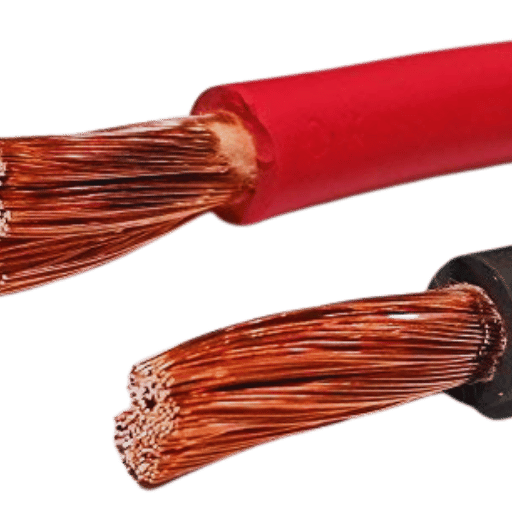
Structural Differences in Power Cables
The difference in structure between DC and AC cables comes from their insulation and their construction components:
- Insulation: Compared to AC cables, DC cables have much thicker insulation because the voltage levels are constant and would reduce the risk of dielectric breakdown with time. Alternating current provides AC cables with peak voltages that need higher levels of insulation.
- Conductor Design: Simpler designs of conductors are typical of DC cables because of the non-existence of the skin effect. Skin effect is a phenomenon whereby the electric current is concentrated on the surface of the conductor. AC cables need to be designed with the skin effect in mind and therefore use stranded conductors or any other approach that would optimize the flow of current.
- Shielding Requirements: During the construction of AC cables, far more complex shielding is added for the management of the electromagnetic fields linked with alternating current. DC cables have less complex shielding requirements due to the absence of alternating electromagnetic fields.
The requirements for shielding vary from one type of cable to the next, which helps describe the operational characteristics and performance needs of each cable type.
Usage of AC vs DC in Electronic Devices
The distinction between AC and DC electricity is generally made based on the effectiveness of the application, the technology associated with it, and definitional requirements. Transmission power over long distances is made using AC electricity because it can be transformed to different voltage levels using transformers and because there is less energy loss. DC electricity, on the other hand, is preferred in renewable energy systems and modern electronics featuring low-voltage and high-efficiency applications.
The power grid standard for households and industrial machines is AC electricity. Therefore, it is what most devices utilize. Refrigerators, air conditioners, and lighting systems utilize AC electricity because they are already compatible with the infrastructure. However, smaller portable electronic devices equipped with smartphones, laptops, and cameras utilize DC because there is a requirement for continuous voltage levels for optimal performance. Due to the large number of battery-operated devices available in the market, modern electronics have adapted to the use of DC electricity.
The integration of AC and DC systems has been simplified due to developments in power electronics and converters. For example, solar power systems feature photovoltaic panels that capture solar energy and convert it to direct current (DC) electricity, which is then converted to alternating current (AC) for easy accessibility to the grid or stored in batteries as DC. Like other modern technologies, data centers and electric vehicles (EVs) also operate on DC power because of their capacity to store energy more efficiently and enhance control.
Renewable power storage and delivery is a robust example of an outcome that derives value from its usage of DC systems; they yield an efficiency advantage of 10 – 20%. Additionally, the recent surge in the adoption of USB power delivery protocols illustrates the movement toward high-wattage DC charging. These shifts signify a redirection toward using DC in places where renewable energy resource utilization is essential – this is a clear manifestation of what is yet to come. While this shift is unavoidable, the balance and synergy between AC and DC will continue to create the future of power systems for electronic devices.
Impact of Voltage and Current Flow
The workings of electrical systems are sustained through voltage and current flow, which define the energy supplied and consumed. Voltage shows the potential energy motivating current through a circuit, whereas current is the rate of charge flow. Greater voltages enable more efficient power transmission over long distances as energy loss owing to electrical resistance is minimized. On the other hand, higher voltage or power can generate a lot more heat, which can deteriorate the efficiency of the system. It is necessary to regulate both voltage and current in order to achieve optimal performance while ensuring the safety and protection of electronic components and systems.
How to Choose the Right DC Power Cable?

Understanding Voltage Requirements
My primary consideration in choosing the right voltage DC power cable is the voltage requirements of my system, as these heavily impact system safety and compatibility. Making sure that a cable will not fail or degrade due to being over-insulated by the maximum circuit voltage is essential. I have to ensure that the voltage drop because of the cable’s resistance is low enough for the system to perform properly. Knowing these values assists me in selecting a cable that minimizes power waste and allows the system to function as intended.
Selecting the Appropriate Connector
While trying to choose the right connector, take note of whether it fits both the power supply and the unit. Check the size and type of the connector first because missing matching connectors may result in poor connections and/or device injury. Ensure that the connector’s specifications include the necessary voltage and current levels of your system. Furthermore, attention should be paid to the construction of the connectors, as those that have sturdy build help enhance operational reliability. It is best to use standardized connectors, if possible since they make upgrading or replacing connecting devices easier.
Considerations for Shielding and Insulation
The use both effective shielding and insulation is fundamental in reducing electromagnetic interference (EMI) and enabling smooth power transfer in electrical equipment. Shielding refers to external protection of cables with other conductive materials such as copper or aluminum foils which can block EMI or outside interference. For example, braided copper shields can offer interference coverage of greater than 95% for high-frequency applications.
With insulation, protection from short circuits in tandem with environmental contamination from moisture, heat, or abrasion are guarded against. Insulating materials are believed to be polyvinyl chloride (PVC) because they are cheap and offer protection from heat, as well as polyethylene, which is known to have great dielectric strength. High-temperature cables can be insulated with polyfluoroethylene materials as these can endure greater than 200 degrees Celsius temperatures.
While choosing the shield and insulating materials, the surroundings where it will be used, the functionality of the system, and its price must all be logically considered. Industry tests such as those by the International Electrotechnical Commission (IEC) or Underwriters Laboratories (UL) should be used to check for safety standards and make sure they perform as designed. These measures, when implemented, will improve the reliability and service life of the system.
What are Common Applications for DC Cables?

Usage in Solar Panel Installations
DC cables serve an important purpose in solar panel setups as they transport the direct current produced from the panels to the inverter, which transforms it into alternating current, which can be used efficiently. These cables are specially crafted to endure rugged weather, such as UV light and fluctuating temperatures. They are frequently utilized to interconnect solar panels in either series or parallel arrangements and also to connect the solar array to other elements of the system. The reliable transfer of energy and reduced power loss, along with the flexibility to endure wear and tear over time, make quality DC cables durable, which is a requirement for the trustworthy functioning of photovoltaic systems.
Implementing in Monitor and Electronic Devices
DC cables are essential in modern monitors and electronic devices because of their precise power supply in the internal circuitry. They are considered a subsystem to the power supply and enable the power components to direct current which is needed for the delicate electronic operations. Advanced DC cables often come with shields that minimize electromagnetic interference (EMI) for better signal clarity and device performance.
As an example, the LED monitors use backlight systems, which always need sufficient power supply for their operation. Others with current-carrying capacity DC cables enables powering of the backlight in LED monitors. In laptops and smart appliances, portable DC cables that are durable and lightweight are used for the efficient powering of smaller electronic devices.
Research reports indicated that quality DC cables under same operations conditions with standard cables have less power loss by 15-25 percent. These advancements are necessary in improving energy efficiency and increasing life span of electronic devices. Maximum performance and reliability is achieved by employing appropriate DC cables which conform to international standards such as RoHS and UL accredited for most applications.
Role in Speaker Connections
DC cables are crucial in speaker connections since they provide electricity to ensure constant audio performance. They help maintain signal strength and decrease distortion while improving sound quality. With adequate shielding, DC cables provide clear audio output by reducing interference. For the longevity of the speaker systems and their optimal functionality, it is essential to choose standard certified cables.
Frequently Asked Questions (FAQs)
Q: What is the disparity between DC cables and AC cables?
A: The primary distinction lies in the flow direction of energy. The direction of electrical current flow through wires differs predominantly between ‘Direct Current’ and ‘Alternating Current.’ DC cables carry current in one stream in a single direction. However, current flow through AC cables is reversible. This basic difference influences their use in multiple electrical systems and devices.
Q: Are DC cables and power cords the same?
A: No. Though certain cords might be designed to transmit power, these cords do not serve the function of DC cables. Power cords have the option of being designed for either AC or DC depending on the specific product and its intended use. DC cables serve the purpose of transmitting direct current energy which is normally used in low voltage operational tasks.
Q: What is the connection between DC Cables and USB Cables?
A: USB Cables are a specific kind of DC Cable fabricated for the purpose of transferring data and powering devices like computers and mobile phones. They usually transmit power of about 5V DC, but can be increased with modern standards. Both are types of cables that conduct power uni-directionally, but have the added advantage of transferring data from and to devices.
Q: What does the set measurement of 2.1mm x 5.5mm represent on DC cables?
A: These measurements are relevant to the specifications of the DC plug. A pin’s diameter is usually around 2.1mm, while the barrel’s outer diameter is 5.5mm. This range applies to various connectors of direct current DC power and helps facilitate technical interoperability among power sources and equipment.
Q: What is the difference between a male-to-male and a male-to-female DC cable?
A: Both ends of a male-to-male DC cable have a connector pin, so these are usually referred to as extension cables. Male-to-female cables have an end with a pin and another end with a socket, and they are usually employed to plug devices into a power source. The situation governing the specific connectors of the devices you want to interconnect will dictate which one to use.
Q: How does wire gauge (AWG) impact the performance of DC cables?
A: Current capacity and resistance are two critical characteristics of a cable that gets affected by its wire gauge measured in AWG. As the dial goes down on the gauge number, the thickness increases, meaning the wire will have the ability to conduct higher currents at a lower amount of resistance. This becomes the primary concern for DC cables in certain projects, such as automotive and solar power systems, where the voltage drop has to be mitigated over longer distances.
Q: Is it possible to utilize a DC cable in an AC application and vice versa?
A: While AC and DC cables might appear to be similar, it is not safe to switch them out. Each cable functions for a unique current flow and there oftentimes distinct level of insulation and safety features; these two types should be considered as two different products. Using the wrong type of cable will create a lack of efficiency, broken devices, and safety problems. Always use cables specifically designed for your application, whether it’s AC or DC.
Reference Sources
1. The Analysis of Partial Discharge Behavior and Its Accelerated Aging Under Repetitive DC Cable Energization and Voltage Supply Polarity Inversion
- Authors: G. Montanari, R. Oliveti, L. Manai
- Journal: IEEE Transactions on Power Delivery
- Publication Date: 1st April, 2021
- Citation Token: (Montanari et al., 2021, pp. 578-586)
- Summary: This paper looks into the impact of time voltages supplied on direct current (DC) cables, especially partial discharges (PD) that can potentially cause an insulation failure. The authors show that during energization and voltage polarity inversion, serious degradation phenomena take place that results in cumulative damage that threatens the life of the cable. This paper estimates damage produced by PD discharge and attempts to devise appropriate aging and residual life models. An astonishing observation of the study was that even a couple of operations per day could cause major damage.
2 High-Temperature Insulation Materials for DC Cable Insulation – Part I: Space Charge and Conduction
- Authors: Mohamadreza Arab Baferani, Yudi Purnadi, Mohammad Zareei
- Journal: IEEE Transactions on Dielectrics and Electrical Insulation
- Publication Date: February 1, 2021
- Citation Token: (Baferani et al., 2021, pp. 223–230)
- Summary: This document details preliminary investigations regarding the development of high-temperature dielectric materials intended for use with DC cables. The authors analyze space charge phenomena and electrical conductivity for different materials under different environments. Results suggest that FEP has exceptionally low space charge accumulation, while PI and PEEK have significantly lower trap-controlled mobility because of their particular structural features. This study is intended to guide other studies focusing on high temperature materials intended for dc applications.
3. High-Temperature Insulation Materials for DC Cable Insulation — Part III: Degradation and Surface Breakdown
- Authors: Chuanyang Li et al.
- Journal: IEEE Transactions on Dielectrics and Electrical Insulation
- Publication Date: February 1, 2021
- Citation Token: (Li et al., 2021, pp. 240–247)
- Summary: This article covers the study of degradation and surface breakdown of high temperature insulation materials. The results obtained show that PTFE and FEP retain their stable C-F structures during arc erosion tests. PI, on the other hand, has the best surface anti-arc erosion property at ambient temperature. The authors present explanations for the degradation and the aging characterization of these materials for DC cable insulation.
4. Simulation and Design of 500kV DC Cable Terminal Accessory by Using ZnO Varistor Microsphere Composites
- Author: Xiaolei Zhao et al.,
- Published in: IEEE Transactions on Dielectrics and Electrical Insulation
- Publication Date: February 1, 2020
- Citation Token: (Zhao et al., 2020, pp. 10-16)
- Summary: In this work, the authors designed and simulated a DC cable terminal accessory incorporating ZnO varistor microsphere composites. The authors perform finite element simulations to study the electric field distribution for different temperature gradients. The findings show that the material’s nonlinear conductivity improves the electric field grading effect, which is very important for high voltage DC cable accessory design and development.
5. Electrical Characterization of a New Crosslinked Copolymer Blend for DC Cable Insulation
- Authors: S. Kumara et al.
- Journal: Energies
- Date Published: March 19, 2020
- Citation: (Kumara et al., 2020)
- Abstract: In this work, the electrical characterization of a novel crosslinked copolymer blend devised for high-voltage DC cable insulation is presented. The investigation juxtaposes the electrical properties of the novel material with regard to conventional LDPE and XLPE insulation materials. The results indicate that the copolymer blend has similar DC conductivity and much lower loss tangent, making it suited as an insulation medium for DC applications.
6. Power cable
8. DC connector