





Dirty electricity is a secret pollutant of the modern world, and yet many remain distracted by the possibilities drifting around in their lives. With the growth of computers and communications, homes, schools, and workplaces have silently started becoming hotspots for this groundless phenomenon. But dirt economy? How does it get generated, and is it affecting your health and well-being? This particular article will traverse through dirty electricity sources and causes, and at the same time provide on-the-ground solutions to alleviating its effects. Whether you’re curious about the science behind it or want some income-protecting tips from your environment, this guide will supply you with all the important facts.
What is Dirty Electricity?
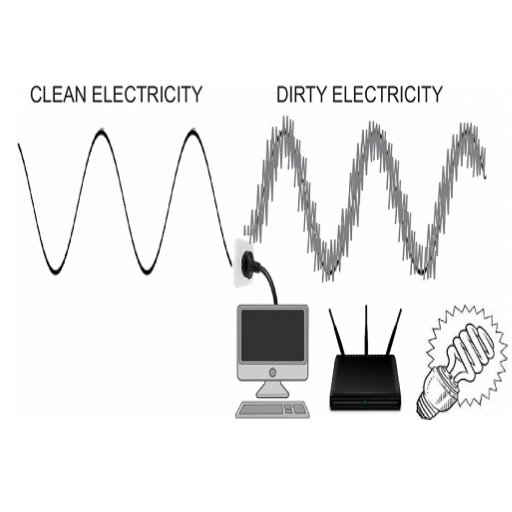
Dirty electricity refers to the erratic surges and spikes in electrical current traveling through the wiring in a building. Some of these disturbances are caused by electrical gadgets and appliances that interrupt or alter the normal flow of electricity-electric dimmer switches, computers, and energy-efficient lights, being just a few examples. These disturbances generate electromagnetic interference (EMI), which can propagate through the wiring and “leak” into the immediate environment. Dirty electricity being invisible does little to reassure anyone with concerns about the suspicious behavior of some highly sensitive electronic equipment, not to mention potential health implications.
Definition of Dirty Electricity
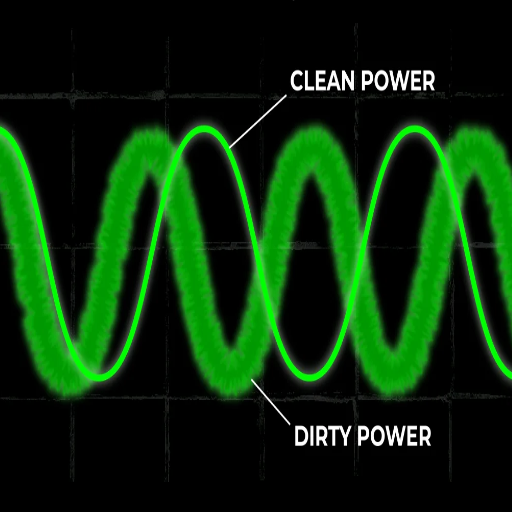
Dirty electricity is a term used to define random and disorderly electrical energy deviating from a sine wave of 60 Hz in an AC system. It is borne out of the interference of electrical devices with power, such as dimmer switches, variable speed fans, computers, and energy-efficient appliances. In disrupting the normal electrical flow, such incidents present high-frequency voltage spikes or surges that travel down the wiring of a building and can radiate electromagnetic energy into the environment.
Technical Specifications: Recent analysis and investigation further reveal the implications of dirty electricity. For the most part, it is reported that dirty electricity has a frequency range of from 2 kHz to 100 kHz unusual frequency in relation to the standard power supply. This electromagnetic interference from dirty electricity can interfere with and may even shorten the life span of sensitive electronics, which may malfunction or lose data.
Among the other countermeasures against dirty electricity are such things as filtering, wiring equipment, and grounding: These are all-out measures to lessen harmonic distortion, ensure an efficient way of setting load on the circuit, and, generally, ensure a clean electrical environment within the home and work areas.
Common Sources of Dirty Electricity
Dirty electricity may be generated from numerous sources, many of which are common in the household or workplaces. Understanding these sources forms an integral step toward reducing and managing dirty electricity in residential or commercial settings.
Electronic Devices
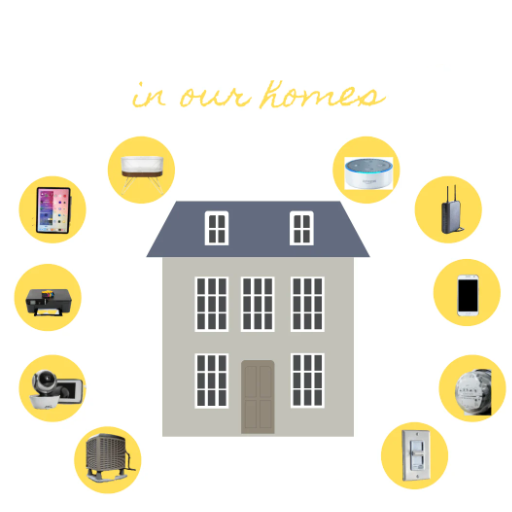
Electrical devices equipped with switched-mode power supplies: computers, televisions, and phone chargers. These devices’ inefficiency converts AC power into the required form, creating high-frequency voltage transients.
Energy-Efficient Lighting
Energy-efficient lights, compact fluorescent lamps (CFLs), and some LED lights. While these bulbs are energy-efficient, they may interfere with the power circuit, producing harmonics that contribute to dirty electricity.
Variable Speed Motors
Home appliances with variable speed motors, such as washing machines, refrigerators, and HVAC systems. These devices cause electrical noise due to their rapid on and off cycling or complex motor technology.
Power Grid Systems
Systems of electricity distribution undergo fluctuations and surges that contribute to dirty electricity. Power line arcing caused by infrastructural degradation sets wave patterns to irregularity.
Solar Power Systems
Inverters converting DC power generated by solar systems into AC power could come with voltage spikes if not regulated well, producing high-frequency noise throughout the DC-AC conversion process.
Wireless Technologies
Wireless communication-dependent devices, power strips, dimmer switches, and equipment near high-frequency transmitters such as cell towers have a chance to emit electromagnetic interference.
Additional Sources
| Source Category | Specific Examples | Impact Level |
|---|---|---|
| Office Equipment | Printers, photocopiers, computers with SMPS | High – Rapid current switching |
| EV Chargers | Electric vehicle charging equipment | Very High – Large energy conversions |
| Overloaded Power Grids | Peak hour voltage transients | Medium to High – Varies by location |
| Power Line Infrastructure | Transformers, power lines near transmitters | Medium – Location dependent |
Health Risks Associated with Dirty Electricity
Health Considerations
Note: The health effects of dirty electricity and EMF exposure are still being researched. While some studies suggest potential impacts, the scientific consensus on many claimed effects is still developing. Consult healthcare professionals for personalized health advice.
The dangers of dirty electricity appear numerous because it injects an EMI wave into human environments. Chronic exposure to this form of electrical clutter might impart a variety of symptoms, such as headaches, fatigue, sleeplessness, and an inability to concentrate. Studies reveal that with chronic EMF exposure, dirty electricity may be a contributing factor to anxiety and depression. It is this facet of dirty electricity that makes it very dangerous in human contexts.
Reported Health Effects
- Physical Symptoms: Headaches, fatigue, sleeplessness, and difficulty concentrating
- Mental Health: Potential contributions to anxiety and depression with chronic EMF exposure
- Biological Effects: High-frequency electromagnetic fields may be detrimental to the electromagnetic balance naturally occurring in the body
- Circadian Disruption: Possible adverse effects on circadian rhythms and hormone production
- Vulnerable Populations: Children and the elderly may be more susceptible to adverse effects
New findings have spurred interest in the biological effects of dirty electricity functioning at a cellular level. Some research has also tied long-term exposure to EMFs with the increasing incidence of chronic diseases such as cardiovascular trouble and some forms of cancer. Evidence points to at-risk populations, such as children and the elderly, who may be more susceptible to the adverse effects of dirty electricity. Elevated sensitivities in these populations stress the need to reduce exposure in settings such as homes, schools, and nursing homes.
Measuring Dirty Electricity
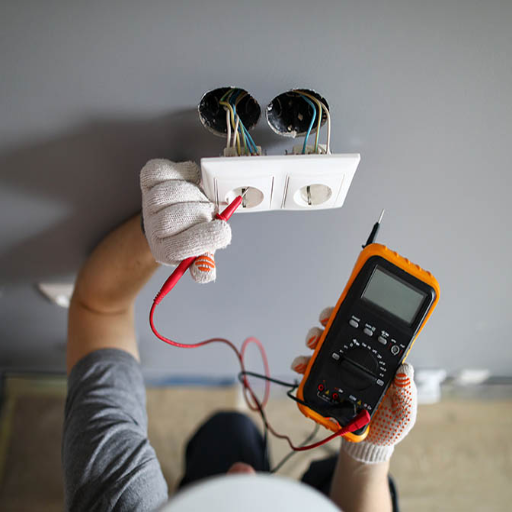
Dirty electricity can be gauged by means of special meters that detect and quantify electrical noise on wiring. Such meters provide readings of the intensity of dirty electricity in a particular area. Placed in outlets around a building, the meter can help music areas that have high levels of electrical pollution. Such information would guide subsequent targeted interventions, such as the installation of filters, to mitigate exposure and raise electrical quality.
Tools to Measure Dirty Electricity
| Meter Type | Measurement Units | Safe Levels | Key Features |
|---|---|---|---|
| Stetzerizer Microsurge Meter | Graham-Stetzer (GS) units | Less than 50 GS units | Measures electrical noise on building wiring |
| Greenwave Broadband EMI Meter | Millivolts | Varies by application | Audio feedback, easy plug-in operation |
| Oscilloscopes | Voltage waveforms | Professional analysis | Detailed waveform analysis |
| Spectrum Analyzers | Frequency analysis | Advanced measurement | Identifies specific frequency problems |
Understanding Levels of Dirty Electricity
Electricity levels are measured in millivolts or high-frequency voltage transient pulses that run down the electrical wiring within a building. According to experts, acceptable levels of dirty electricity are usually deemed to be anything below 50 GS (Graham-Stetzer) units, a measurement standard commonly used to quantify this particular phenomenon. Higher GS readings might really mean electromagnetic disturbances of a significance that could either interfere with health problems or disrupt the proper functioning of equipment.
Measurement Results: In commercial areas where filtering solutions were employed, a reduction of up to 40% in power line interference was noticed. In homes, similar reports were made wherein proper filters installed brought in dramatic reductions of symptoms, starting from headaches and fatigue, and ending with sleeping disorders that can be attributed to their long-term exposure.
Interpreting EMF Measurements
Interpreting EMF (electromagnetic field) measurements requires knowing the types of EMF being measured, the instrumentation, and the limits generally accepted as safe. EMFs are classically divided into low-frequency (LF) and radiofrequency (RF) fields.
| EMF Type | Measurement Units | Safe Exposure Levels | Common Sources |
|---|---|---|---|
| Low-Frequency EMFs | Milligauss (mG) or Microtesla (µT) | Less than 0.3-0.5 mG | Power lines, household wiring |
| Radiofrequency EMFs | Microwatts per square meter (µW/m²) | Below 1,000 µW/m² (residential) | Wi-Fi routers, cell towers |
Dirty Electricity in Your Home
Identifying Dirty Electricity in Your Home
Here are a few common signs that can indicate dirty electricity in your home:
- Electrical Bill Issues: Uncontrollable hike in your electric bill
- Device Malfunctions: Electronic devices behaving erratically and overheating
- Interference Problems: Interference with Wi-Fi signals or low hum from appliances
- Equipment Failure: Sensitive electronic devices failing earlier than expected
Research findings have indicated that anything exceeding 50 GS (Graham-Stetzer) units could become the cause of health or performance problems that may require mitigation measures to counteract. Research indicates that places of high dirty electricity usually exist near industrial areas or dealings involving slightly older wiring in residential setups.
Effects of Dirty Electricity on Home Appliances
Some of the significant and sometimes costly impacts of dirty electricity that occur on electrical home appliances are voltage fluctuations and power surges, which can shorten the lifespan of a given electronic device. Especially problematic are refrigerators, air conditioners, and computers because they require a stable source of power to provide an adequate functioning environment.
Research Findings: Research has suggested that appliances suffering from power quality problems have up to a 30% reduction in their lifespan because of the increased stress placed upon the internal components. Some brands of LCD televisions and LED lights flicker excessively or dim whenever there is a disturbance on the electrical lines.
Most Affected Appliances
- Refrigerators and Air Conditioners: Require stable power for proper compressor operation
- Computers and Electronics: Sensitive microprocessors can be overwhelmed by electrical noise
- Smart Home Devices: Highly sensitive to voltage fluctuations and surges
- LCD/LED Displays: May flicker or dim during electrical disturbances
Power Quality and Its Importance
Power quality is one of the most important aspects of any energy system. It means having an uninterrupted flow of electricity at specified voltages without any sags, surges, or distortions. Poor power quality may lead to incidents affecting the malfunctioning of equipment, loss of production, and increased operational costs in residential, commercial, and industrial sectors.
Common Power Quality Issues
| Issue Type | Description | Economic Impact | Affected Equipment |
|---|---|---|---|
| Voltage Sags | Temporary reduction in voltage | Thousands per hour of downtime | Computers, medical equipment |
| Voltage Transients | Can range up to 1,000 volts | Premature equipment failure | Household appliances |
| Harmonic Distortion | THD levels 15-20% in industrial areas | Reduced grid stability | Variable-frequency drives |
| Momentary Interruptions | Brief power losses | Data loss, safety risks | Industrial automation |
Economic Impact of Poor Power Quality
Dirty power is still a great economic concern. Industry analyses suggest that in the United States alone, billions of dollars are lost every year by the way of productivity, maintenance of equipment, and downtime, all due to a rather unstable electrical situation. Data has suggested that voltage transients can range as high as 1,000 volts in certain situations, way beyond what standard household appliances or sensitive industrial equipment can tolerate.
Filtering and Reducing Dirty Electricity
How to Filter Dirty Electricity
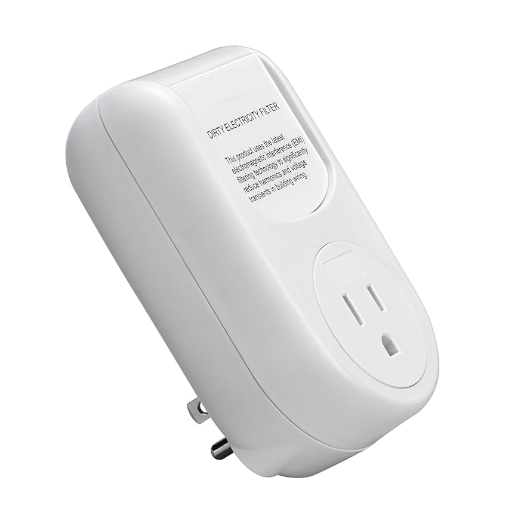
Dirty electricity filtering is a combination of strategies and gadgets used to counteract electrical noise and thereby reduce its effect. Several ways exist in which one can filter and reduce dirty electricity:
Primary Filtering Methods
- Install Dirty Electricity Filters: Use Stetzer or Greenwave filters scattered throughout your home or workplace to provide alleviation from high-frequency voltage surges
- Choose Low-EMF Devices: Select goods and appliances that generate low electrical noise or are designed to meet stringent energy efficiency ratings
- Proper Electrical Management: Turn off electronics not in use and unplug chargers not currently charging to prevent energy flow interference
- Ensure Proper Grounding: Have a licensed electrician confirm that your wiring is in good condition, properly grounded, and insulated to prevent electricity current leakage
Strategies to Reduce Dirty Electricity
| Strategy | Implementation | Effectiveness | Cost Level |
|---|---|---|---|
| Device Management | Unplug devices when not needed | Medium | Free |
| Filter Installation | Place filters in key outlets | High | Low to Medium |
| Energy-Efficient Appliances | Replace older, inefficient equipment | High | Medium to High |
| Professional Grounding Check | Licensed electrician inspection | Very High | Medium |
| LED Lighting Upgrade | Replace fluorescent with quality LEDs | Medium | Low to Medium |
Advanced Mitigation Solutions
- Power Factor Correction Devices: Help stabilize electrical systems
- Smart Surge Protectors: Provide advanced protection for sensitive equipment
- Power Quality Monitoring: Real-time tracking systems to identify problems early
- Uninterruptible Power Supplies (UPS): Provide clean, stable power to critical devices
- Voltage Stabilizers: Maintain consistent voltage levels
- Harmonic Filters: Specifically target harmonic distortion issues
Sources of EMF and Their Impact
Tremendous electromagnetic fields are generated by several sources, both natural and artificial. Natural sources are EMFs produced via the Earth’s magnetic field that assist in navigation and life on the planet. Modern technologies, however, have increased human exposure to artificial EMFs, with high-power lines, electric wiring, and household appliances being some examples.
EMF Source Categories
| Source Type | Examples | Frequency Range | Potential Concerns |
|---|---|---|---|
| Natural Sources | Earth’s magnetic field | Extremely Low (ELF) | Generally beneficial |
| Power Frequency | Power lines, home wiring | 50-60 Hz | Possible human carcinogen (WHO) |
| Radiofrequency | Cell phones, Wi-Fi, 5G | 3 kHz – 300 GHz | Brain tissue heating concerns |
| Intermediate Frequency | Computer monitors, wireless chargers | 300 Hz – 3 kHz | Limited research available |
Reducing EMF Exposure
Reducing EMF exposure must be a matter of serious concern, particularly in an environment where people interact with energy sources or wireless systems for long hours. Practical measures could be:
- Distance Management: Avoiding being near devices that generate high EMF
- Protective Barriers: Using EMF shields, Faraday fabric, or barriers
- Usage Limitation: Restricting the use of high-EMF devices when possible
- Low-Emission Equipment: Choosing technologies that aim to lower EMF emissions
- Portable Shielding: Applying specialized materials for specific protection
Benefits of Clean Electricity
Advantages of a Clean Electrical Environment
Economic Benefits
- Energy Savings: Families can save on energy consumption, reducing bills and pressure on power grids
- Equipment Longevity: Extended life of electronic gadgets and appliances
- Reduced Maintenance: Less frequent repairs and replacements
- Lower Operational Costs: Improved efficiency in residential and commercial settings
Environmental Benefits
- Air Quality Improvement: Reduced fossil fuel usage and harmful emissions
- Climate Change Support: Contributing to greenhouse gas reduction
- Renewable Energy Integration: Better compatibility with solar and wind power systems
- Reduced Carbon Footprint: Lower overall environmental impact
Health and Safety Benefits
- Reduced EMF Exposure: Minimizing potential electromagnetic field effects
- Improved Home Safety: Less risk of electrical fires and equipment failures
- Better Sleep Quality: Reduced electrical interference in sleeping areas
- Enhanced Well-being: Potential reduction in EMF-related symptoms
Technical Benefits
- Equipment Performance: Better functioning of sensitive electronics
- Data Integrity: Reduced risk of data loss from electrical interference
- System Reliability: More stable electrical environment overall
- Smart Grid Compatibility: Better integration with modern energy infrastructure
Long-term Sustainability
Clean energy systems, such as solar or wind power, contribute to long-term sustainability since they draw from renewable resources. Apart from reducing electrical losses, investing in power quality upgrades is therefore justifiable from the standpoint of sustainability. An energy-efficient system with good power quality means less consumption than its less efficient counterpart, thereby reducing carbon footprints and promoting the integration of renewable energy sources like solar and wind energy.
With the ongoing implementation of smart grids and advanced energy infrastructure, maintaining a high level of power quality has become crucial in ensuring smooth and sustainable energy transitions. From a personal perspective, keeping a clean electrical environment maximizes your home’s safety, reduces exposure to excessive EMF, and even extends the life of electronic gadgets.
Reference Sources
“Ionic Detoxification Reduces Obesity and Fatty Liver in Rats Fed a High-Fat Diet”
Frequently Asked Questions (FAQs)
What is dirty electricity, and how does it affect health?
Dirty electricity, in the typical dictionary, is a term for electric pollution, in which high-frequency voltage transients are created by any of the electrical appliances or other devices. The voltage fluctuations have been said to cause health effects, one among the claims being that they may raise blood sugar levels in electrically sensitive people. Hence, understanding the existing situation of dirty electricity in your home may help you stay cautious in doing things.
What are the common sources of dirty electricity inside the house?
These sources are represented by any modern device, from a computer to a television to more common appliances that derive their power through electrical outlets. Apart from building wiring itself, standard AC electricity flow can also contribute significantly to high levels of dirty electricity in your home.
How do I measure dirty electricity?
A dirty electricity meter may help in measuring dirty electricity; it measures high-frequency voltage transients and gives readings on the levels of dirty electricity present in the environment, enabling you to identify areas of serious electrical pollution in your home.
What are the health risks associated with high levels of dirty electricity?
The health risks associated with high levels of dirty electricity may include fatigue, headache, and elevation of blood sugar levels; individuals sensitive to electrical signals may experience stronger effects. Therefore, monitoring and reduction of exposure should be attempted.
How do I reduce dirty electricity inside my home?
To reduce dirty electricity, plug-in filters can be installed to filter the dirty electricity that is produced by devices or appliances. Consultation with a certified electrician to evaluate the building wiring and bring in effective solutions to reduce exposure to these dirty powers is likewise very possible.
Are there solutions found to effectively filter the dirty electricity in the house?
Yes, effective solutions involve whole-home filters that target dirty electricity at the source. One might also restrict the use of electrical appliances that are meant to operate under cleaner power and thus lessen EMF pollution.
The link between dirty electricity and EMF pollution?
Dirty electricity is a category of EMF pollution that encompasses electromagnetic exposure from high-frequency voltage transients. This pollution is harmful to environmental health as well as for human-well well-being and therefore very much worthy of knowing and mitigating.
What kinds of EMF pollution are related to dirty electricity?
The EMF pollutions related to dirty electricity are those of the microsurge variety and those that come through radio frequency exposure by wireless devices. Both pollution agents constitute the dirty electricity in your environment, thereby posing threats to your health and well-being.
Where can one find more information on dirty electricity?
Some experimental information on dirty electricity can be found online through governmental health organizations’ websites or paid environmental health websites. This information is typically detailed, covering causes, effects, and solutions for dirty electricity and its impact on health.