








In the category of home lighting, the ordinary light switch is mostly ignored—unless something goes wrong or a change is necessary. One such problem that many homeowners discover unanticipatedly is that the light switch is getting hot, which creates worries about safety, operation, and energy conservation in general. But how can you tell what it is, when to do something about it, and what your options are? This article covers everything you should know about hot light switches in detail; it analyzes the possible culprits, the role of dimmer switches, and practical safety tips that will keep your house lit and secure at the same time. Whether you are trying to fix a problem that is already there or just want some information, this thorough guide will assist you.
What is a Hot Light Switch?
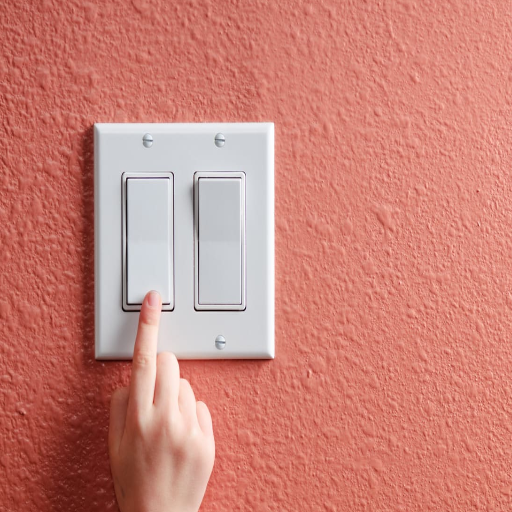
The term “hot light switch” pertains to a switch that emits warmth or heat that is uncommonly high during its operation. Although some heat is considered normal because of electricity passing through the circuit, if the switch becomes excessively hot, this could be a signal of a problem, such as a circuit that is overburdened, a defective switch, or wiring that is not done correctly. It is critical to take care of a hot light switch at once to avoid potential safety risks such as electrical fires or damage to the system. In case a switch feels unusually hot, it is advisable to turn off the circuit and get in touch with an electrician who is licensed to handle electrical work.
Definition and Functionality
A light switch is a device that allows the user to control the electricity to a light fixture, thus making the turning on and off of lights more comfortable. It operates as a simple interrupter that either opens the path or closes it for the electric current in the circuit. Toggle, rocker, dimmer, and smart switches are among the modern types of light switches, each designed to meet a particular need.
Light switches generally work on a voltage of either 120V or 240V, depending on the locality, and can support certain maximum loads, which are usually expressed in amperes. To illustrate, most standard residential switches have a current rating of 15 to 20 amps. The latest smart switches not just add tech but also integrate Wi-Fi connectivity, automation, and virtual assistants compatibility among the regular functions, thus allowing for remote operation and energy-saving.
One major aspect that guarantees a switch’s dependable operation is correct installation and upkeep. Overheating or loose connections can be avoided with timely checks; otherwise, they might become the cause of electrical hazards. The use of high-quality materials like thick plastic or metal parts that are not easily damaged is common for that reason among manufacturers of switches for that reason. Knowing these points helps in the correct operation of the switches safely and efficiently across different places.
Common Uses in Electrical Systems
Electrical switches are essential in both domestic and industrial areas, coming together as control and safety offering in the different applications. They are widely used in the lighting systems, turning on and off, which is an effective power management across residential and commercial areas. To give an example, smart switches nowadays can be operated remotely and can save up to 35% more energy than traditional switches, thus playing an important role in green practices.
Moreover, switches are indispensable in the running of industrial equipment where exactness and dependability are the chief considerations. The assembly lines are using toggle switches, push-button switches, and rotary switches, often for the synchronization of different stages of production. Reports from the industry indicate that around 70% of the automated systems are using sophisticated switches to guarantee the smooth running and less downtime of the operation.
In addition, there are circuit breakers, which are a type of switch, and by this means, they are very important in the prevention of electrical systems from getting overloaded or short-circuited. Projections show that the global market of circuit breakers will rise at a CAGR of almost 6.5% by 2030, with one of the main reasons being the need for reliable power systems, along with the use of advanced safety measures. These uses are a testament to the multifaceted and critical nature of switches in the various groups of electrical systems by providing functionality and safety that is sometimes even overlooked.
Importance of Understanding Hot Wiring
Hot wiring denotes the act of connecting wires directly to an electrical source for the purpose of powering a device or system, while usually disregarding normal controls or safety precautions. Knowledge of hot wiring is very important from both safety and functionality viewpoints, because such knowledge helps professionals to quickly and effectively troubleshoot and repair electrical problems. Safety comes first with proper knowledge, as it ensures the right handling of circuits, which in turn minimizes the risks of electrical shocks, fire, and system failures. Also, this knowledge is critical for compliance with electrical codes and standards, which dictate safe practices in different areas such as residential, commercial, and industrial. For both homeowners and electricians, comprehending the fundamentals of hot wiring is the key to the reliability and safety of their electrical systems.
Hot vs. Warm Light Switches
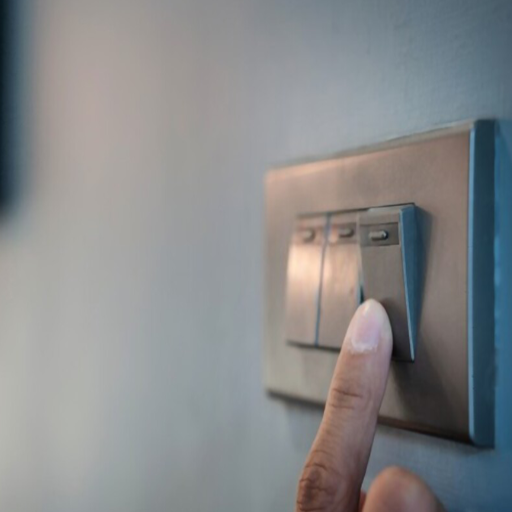
“Hot” and “warm” light switches denote the heat of the switch when it is compressed. A warm light switch is usually regular, especially if it is linked to dimmer facilities or high-power lighting systems, as these produce some heat during operation. However, a hot light switch might signify a problem, such as overloading, faulty, or failing wiring. If an electrician feels the switch’s heat is unusually hot, he/she must turn it off and call a certified electrician for inspection and problem-solving securely. Good diagnostics may avert electrical fire hazards. By means of proper diagnostics, potential hazards such as electrical fires can be prevented.
Key Differences Explained
When an explanation is needed for the hot sensation of a light switch, the first step is to separate the normal situations from the warning ones. A slightly warm switch is, in most cases, normal, especially when it comes to dimmers or high-power systems that inevitably give off some heat as they work. But, on the contrary, a hot switch strongly indicates problems like electrical overloading, bad wiring, or a broken switch. Overloading of the circuitry causes heat output to increase because the circuit is carrying more current than it can handle. On the other hand, the heat produced by bad wiring, which may be caused by loose connections or corroded parts, is due to the resistance the wiring has created. Similarly, a switch that is wearing out might also be getting hot because the internal parts are deteriorating over time, just like any other appliance.
The first thing that has to be done to fix these problems is to disconnect the power supply to the circuit in question. For dimmers, their compatibility with the lighting system and wattage requirements should be checked. If the matter persists, a licensed electrician should be called in to check the wiring and to remove and replace the defective parts. A speedy response can arrest possible extensive risks such as electrical shorts or fires. Besides, the regular inspection and maintenance of the electrical system is the safety and efficiency guarantee of the house.
When to Use Each Type
Choosing an electrical switch is a matter of considering your needs and the purpose of installation in your space. The standard on/off switches are great for controlling one light fixture or one outlet, while dimmer switches can be used for creating the right mood and saving energy. But make sure you check whether the dimmer is compatible with both the bulb type and wattage. Three-way and four-way switches are convenient in situations where one light fixture needs to be controlled from different points, for example, in staircases or large rooms. Smart switches not only provide home automation but also give control through mobile app scheduling and remote access, which is especially useful if you’re often away from home. If you have a bathroom, hallway, or garage, motion sensor switches can be a great choice as they would automatically supply light or cut it off based on movement. So, it’s really up to the selection of the right type of switch whether you will have lighting that is both functional and convenient in your home.
Impact on Lighting Quality
The kind of light switch you opt for can greatly affect the lighting’s quality and utility. For example, dimmer switches let you play around with the light’s brightness and give you the possibility of adjusting lighting to the current mood or activity. Moreover, they foster savings on the energy bill. The application of three-way and four-way switches renders control from different sites as a great advantage, particularly in the case of big or complicated areas. Encompassing home automation are the smart switches that offer the finest control over lighting time and their being on or off, hence, elevating comfort and efficiency. The motion sensor switches are placed in areas of less traffic, such as bathrooms and hallways, but still, they ensure the best quality lighting by turning on the lights only when required. Choosing the right switch type can lead to a good mix of convenience and energy efficiency, besides providing a customized and effective lighting experience for your living space.
Dimmer and Dimmer Switch Options
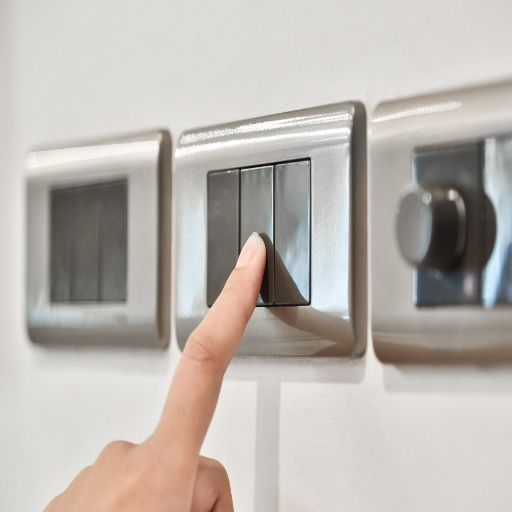
Dimming systems permit the regulation of light levels in such a way that they can cater to different settings or personal moods. They come in diverse forms like rotary, slide, and touch-sensitive, hence it will not be difficult to pick one that matches your taste. While purchasing a dimmer switch, double-check if it works with your current lighting, be it LED, incandescent, or CFL bulb types. Dimmer usage can lead to less energy consumption and longer-lasting bulbs, giving you the advantages of reliability and even cost-saving. To avoid any inconsistencies in performance and to get the most out of the life of the product, it’s best to pick a trustworthy brand and model.
Types of Dimmer Switches Available
Rotary Dimmer Switches
Classic, traditional dimmer switches are the first type of switches that present a simple dial or knob, allowing you to regulate the light and thus brighten or dim it to your liking. Rotary dimmer switches are the easiest type of dimmers and are compatible with most types of lamps.
Slide Dimmer Switches
Slide dimmers have a sliding control lever that beautifully moves with the light, going from off to full on. They are widely trusted and accepted because of their simplicity and the accuracy with which they can control light in both home and office situations.
Tap or Touch-Sensitive Dimmer Switches
These state-of-the-art dimmers are made with the latest touch technology for the fingers, making it possible to adjust lighting by just a tap or a slide. Besides, such dimmers come along with sophisticated features like recalling previous settings and becoming part of the smart home system.
Toggle Dimmer Switches
Merging the old-style toggle switches with the dimming feature, these switches are also accompanied by a small slider or a knob on the side for light levels, which is a practical design indeed.
Smart Dimmer Switches
These dimmer switches, which have been designed for connecting with home automation systems, allow you to control the lighting at your place through a smartphone app or by voice commands. These are also compatible with LED bulbs and can help you create customized lighting schedules.
While selecting a dimmer switch, it is very necessary to confirm that your bulb type and electrical system are compatible with the chosen dimmer switch. Every dimmer type has its own strengths; thus, the right choice will not only raise your comfort level but also improve the performance and effectiveness of your space.
Benefits of Using Dimmer Switches
Dimming switches bring a lot of benefits in terms of both functionality and comfort. With their help, you can vary the light intensity in your rooms and thus set the perfect mood for any activity or event. This feature can alter the atmosphere of the places, making them more inviting and more personal. Furthermore, since the full brightness is not needed, the dimmer switches can cut down on the light intensity, which in turn saves energy and bulbs’ life, thus cost savings over time. A large number of contemporary dimmers are designed to work with the smart home system and hence allow the user to operate the light through their smartphone or voice command, in other words, convenience. Moreover, their capacity to eliminate the harsh light and offer the softer one has a great deal of positive influence on the overall relaxation and comfort in the living area, getting seen-wise.
How to Choose the Right Dimmer for Your Needs
Choosing a proper dimmer switch is a decision that requires careful consideration of several factors:
Compatibility with Light Source
The dimmer switch must be suitable for the type of light source you have in your home, be it LED, CFL, halogen, or incandescent. Incompatible dimmers and light bulbs can result in problems such as flickering, shorter dimming range, and so on. Most of the contemporary dimmers clearly indicate the kinds of bulbs that are acceptable.
Dimmer Style and Control Method
Select a dimmer style that not only fits your room but also your personal taste. You can opt for a rotary, slide, touch, or smart dimmer. Smart dimmers are capable of Wi-Fi connection, which means that they can be controlled through apps or voice assistance, thereby providing more convenience.
Wattage Capacity
Always check the wattage rating of the dimmer and make sure it is sufficient to cover the entire wattage of the light fixtures that will be controlled by it. If a dimmer is overloaded, its performance and safety can be compromised.
Single-Pole vs. Multi-Location
Figure out whether you only need a single-pole dimmer for lights controlled from one location or a three-way or multi-location dimmer for lights controlled from multiple switches.
Additional Features
Memory settings, fade-in/out functions, and energy-saving modes are some of the features that can significantly increase the usability and efficiency of a dimmer.
Once you have considered these factors, you can make a choice of the dimmer that will not only save energy but also offer convenience and enhance your lighting experience.
Temperature Considerations with Light Switches
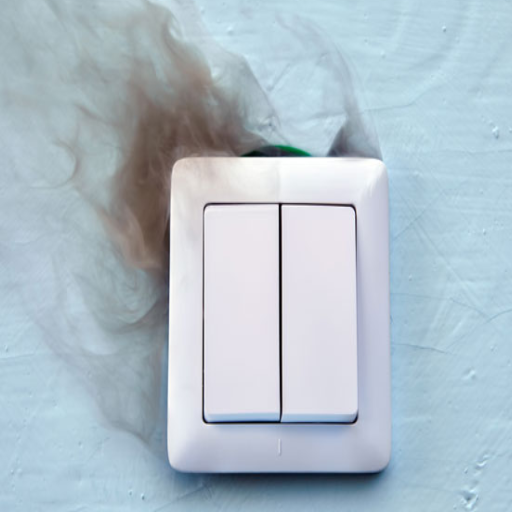
Light switches are mainly affected by extreme temperatures in performance and safety. If the switch is to be placed in a high-heat or high-humidity area, make sure it is rated for those conditions to avoid errors or spoilage. Cold temperatures can adversely affect switches as well, which may lead to slower responses or less effective functioning. Make it a practice to verify the manufacturer’s specifications regarding operating temperature range to assure professional and safe performance. Use weatherproof or specially designed switches that are capable of withstanding the specific environmental conditions for outdoor or unusual locations.
Why Hot Light Switches Get Warm
Light switches might get warm for various reasons, mainly concerning the electric current that goes through them or how they are installed. One of the main reasons is the inherent resistance in the dimmer switches. Using dimmers means the voltage supplied to the light fixture connected to them is varied, and this process indirectly leads to some loss of energy in the form of heat. Most dimmers of today are quite adept at managing the heat generated while using them, but some older models might still get hot, especially when used with high-wattage lights.
Also, an overloaded circuit might be the reason behind it. The switch will create excess heat if it draws more current than its limit, and this is usually a sign of some hidden electrical issue. A typical household light switch has a current rating of 15 amps, and if this limit is crossed, the switch might get very hot. Similarly, loose or broken wires within the switch could also produce resistance and result in heat being trapped.
The electrical safety rules consider a warm switch not dangerous, but if it is hot, especially to the extent that it hurts to touch, then the switch probably is an issue. A faulty switch could also imply that some internal parts have become worn out or there is a mismatch in the switch’s rating and the load it is carrying.
Preventive measures for troubleshooting involve the usage of a non-contact thermometer at the switch’s surface, and if radiating heat above 140°F (60°C) is detected, then immediate action is taken at that point. In such a case, it would be best to turn the electricity off and have a qualified electrician take a look. Besides, switching the rating of the switch according to the appliances it controls and looking into the electrical circuit for any overloads are ways to prevent this hazard.
When is a Hot Switch Too Hot?
A hot switch is referred to as such when its temperature on the surface goes beyond the safe operating limits, which are usually about 140°F (60°C) according to safety regulations. The presence of heat at this level usually points out issues like loose connections, circuits that are beyond their capacity, or a defective switch. In case you perceive a burning scent, there is a color change, or there is damage that is visible, then those are also indicators that the switch is extremely hot. The steps to be taken right away are switching off the power supply to the switch and calling a licensed electrician for help. Conducting periodic inspections, making sure the load ratings are appropriate, and not overloading the circuits are very important measures in keeping overheating from happening and ensuring safety.
Safety Tips for Hot Light Switches
Turn Off the Power Immediately
If a light switch is hot when touched, immediately turn off the power to the affected circuit at the breaker. Doing this will stop any further overheating and will make the risk of fire or electrical shock less likely.
Inspect for Damage or Faults
Discoloration, a burning smell, buzzing sounds, or damage to the switch are all signs that something may be wrong. The issues often associated with these signals are loose wiring, a faulty dimmer, or an overloaded circuit.
Avoid Overloading Circuits
Don’t let your electrical system suffer from too many devices on the same circuit! Check the light’s wattage and make sure it matches the fixture’s rating to prevent the switch from being excessively strained.
Upgrade Old or Faulty Switches
Get rid of old, broken, or non-working light switches and replace them with new ones. If you are using dimmers or other advanced options, consider switching to matching ones that meet your energy requirements.
Consult a Licensed Electrician
Talk to a professional electrician to find out what the problem is and fix it, if it continues, or if you’re not sure what the cause is. Regular inspections by experts can help recognize possible dangers before they turn into serious accidents.
By doing these things, you will save your house from electrical disasters, and you will also be assured that your light switches are working safely and effectively.
Choosing the Right Switch for Your Needs
When picking a light switch, it is necessary to take into account the following major factors to ensure that it will serve your purpose well:
- Switch Type – Choose between a simple toggle switch, a dimmer switch allowing control over the amount of light, or a smart switch that offers advanced capabilities like wireless operation and compatibility with home automation systems.
- Installation – Verify that the switch is suitable for your electrical system and can handle the kind of bulb you are using (e.g., LED, incandescent).
- Location of Use – Use a switch that is resistant to the weather or rated for moisture in outdoor or wet areas.
- Safety and Quality – Select safe switches from established manufacturers to get the most benefit in terms of longevity and reliability.
After considering these factors, you can select a switch that will add to both the functions and the safety of your house.
Factors to Consider When Selecting a Light Switch
I pay attention to the design and compatibility of a light switch when choosing it so that it is in harmony with my house’s style and the electrical system already in place. I take into account the place where the switch will be installed, selecting resistant switches for outdoors or wet locations. Above all, I keep safety first by opting for switches that conform to the industry regulations and are produced by reputable companies. This tactic allows me to skillfully balance functionality, longevity, and beauty.
Warm vs. Cool Light: Which Switch to Choose?
The choice of light color, i.e., warm or cool, depends entirely on the atmosphere and usability you want in your area. Warm light, which has a yellowish glow, is perfect for the creation of the majestic, relaxed type of spaces. It is to be used in rooms for relaxing, having comfort, and feeding people. In contrast, cool light has a bluish tint and facilitates learning and visibility, thus making it perfect for kitchens, bathrooms, and places where people work with computers.
When it comes to lighting switches, you should choose one that is compatible with color temperature options that can be adjusted. Many present-day switches, for instance, dimmer or smart switches, give you the option of switching between the two types of lights: warm and cool, or even customizing the brightness to fit various activities. That way, you will not get bored with the lighting as it will always be switched to your taste. By the way, make sure the light bulbs you are using match the switch and the lighting temperature to avoid disturbances in the operation.
Installation Tips for Hot Light Switches
The proper installation of a hot light switch is vital for both safety and functionality. First, it is advisable to turn off the power to the circuit you will be working on to avoid electric shock. A voltage tester can be used to make sure the power is off before going any further. The next step is to remove the old wall plate and switch very carefully, making sure to note the wire connections so that they can be reinstalled correctly. Generally, the wires for most hot light switches will be labeled clearly with “line” (power source) and “load” (light fixture). Then you just have to connect the new switch with these labels. In case your switch has a grounding, then you will have to attach the ground wire tightly to the green screw or copper wire provided.
In case of smart or dimmer switches, the manufacturer’s wiring diagram should be followed very closely, as they might need a neutral wire. After installing the switch, put it inside the electrical box, then attach the wall plate, and finally turn the power back on in order to check its operation. Make sure that all wires are secured properly and that there is no exposed wiring. If at any point you are not sure of what to do, it is best to call in a licensed electrician who can assure a safe and effective installation.
Reference Sources
1. Daylighting Strategy for Sustainable Schools: Case Study of Prototype Classrooms in Libya
2. Discussion on Electrical Design of Passive Residential Building
3. Intelligent Home Automated System
Frequently Asked Questions (FAQs)
What causes a light switch to be hot to the touch?
A light switch might be hot to the touch if there are a few causes, such as poor electrical connections or an overloaded circuit. If an improper wattage is carried by the switch, then it would cause the heat to the switch as the excess current is generated due to the heat. Sometimes, another reason for the heat could be a faulty conductor/internal component.
Is that the case of a hot light switch being a fire risk?
Yes, a hot light switch could certainly be a fire risk. The danger is that the temperature will be so high that it will become a fire hazard, or the switch will be destroyed. It is better to keep a check on the temperature and quickly fix any problems to eliminate the risk of fire.
How Will I Figure Out That My Light Switch Is Overheating?
If your light switch feels hot, then you can say that it is overheating. This is particularly true if it is compared with other light switches in your house. Moreover, if you see a color change, cover plate cracking, or smell of burning, then these are the signs indicating that the switch is overheating and it needs to be professionally inspected.
What Should Be Done In Case of a Switch That Would Not Cool Down?
In case of a switch that would not cool down, first of all, turn the power off to that switch. After that, check the switch and also the wires around it for any visible signs of damage. If you don’t know what’s next, call a licensed electrician to study the situation and protect safety.
Will the Ambient Temperature Affect the Light Switch Heat?
Yes, the ambient temperature will have an effect on the heat generated by the light switch. In warmer temperatures, light switches could suffer from more heat due to the temperature of their environment. If the place is hot, any extra heat given off by the electrical components will probably be felt more strongly since the switch will be perceived as being hotter.
What Wattage Can Be Considered Safe for a Standard Light Switch?
A standard light switch has a safe wattage, which is generally between 15 to 20 watts, varying according to the rating of the switch. Going above this wattage can cause overheating and subsequent switch failure. It is always recommended to double-check the specifications found in the switch so that you can be certain you are operating within safe limits.
Do Light Switches Have Any Indications of a Poor Electrical Connection?
Absolutely, there are several signs that the electrical connection in a light switch is poor. For instance, flickering lights, the switch feeling hot, or buzzing when the switch is turned on might all be indicators of a faulty connection. In case you notice any of these signs, it is best to have the switch checked by an electrician.
What Are The Maintenance Steps To Keep a Light Switch From Overheating?
To keep a light switch from overheating, take care and make sure it is rated correctly for the wattage of the bulbs it is controlling. Give regular checks to the switch to find out whether there is any wear or damage, and, if needed, replace a cracked or damaged cover plate. In addition, cleaning the switch part of dust can help with heat dissipation as well.