






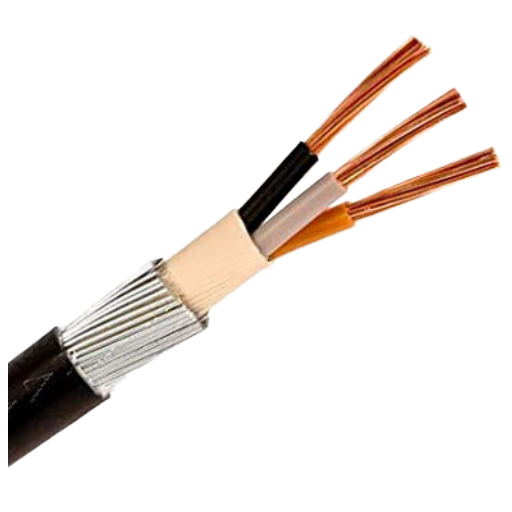
Steel Wire Armored (SWA) cable contributes a lot to contemporary electrical frameworks due to its construction and flexibility. SWA cables are essential during construction, for an industrial setup, or even when doing outdoor wiring for houses, as they are capable of withstanding extreme conditions and severe safety demands. In this article, we uncover everything there is to know about SWA cable, including its construction, applications, and the advantages it presents in various environments. You will learn the intricate details about armoured cables, their practical applications, and all the relevant information that will help you in the efficient selection and application of SWA cables. Read to learn more about why the cables are crucial to trustworthy and firm electrical systems.
What is SWA Cable and Why is it Important?
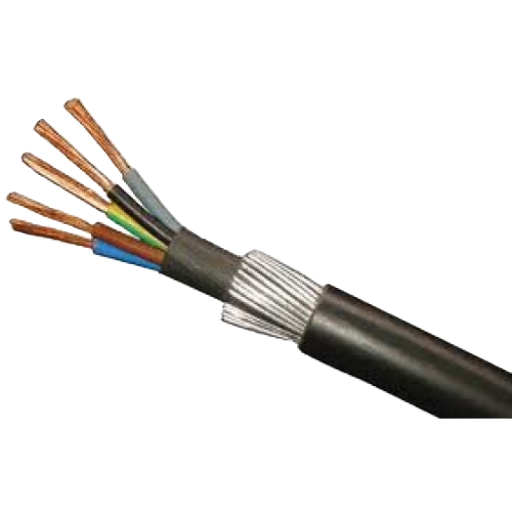
Steel Wire Armored (SWA) cables are a type of electrical cable which are engineered for power systems requiring protection from harsh environmental abuses. The primary feature of this type of cable is its steel wire armoring (SWA) layer, which prevents physical and external forces on the machinery from inflicting damage to the cable and serves a protective role, guaranteeing operational reliability in SWA-cable placed in contaminated, rough, or demanding environments. SWA cables are essential in industrial, commercial, and underground applications where resilience and safety are paramount. This dual functionality of SWA cables makes them invaluable in situations requiring physical toughness and electrical reliability.
Understanding the Basics of SWA Cable
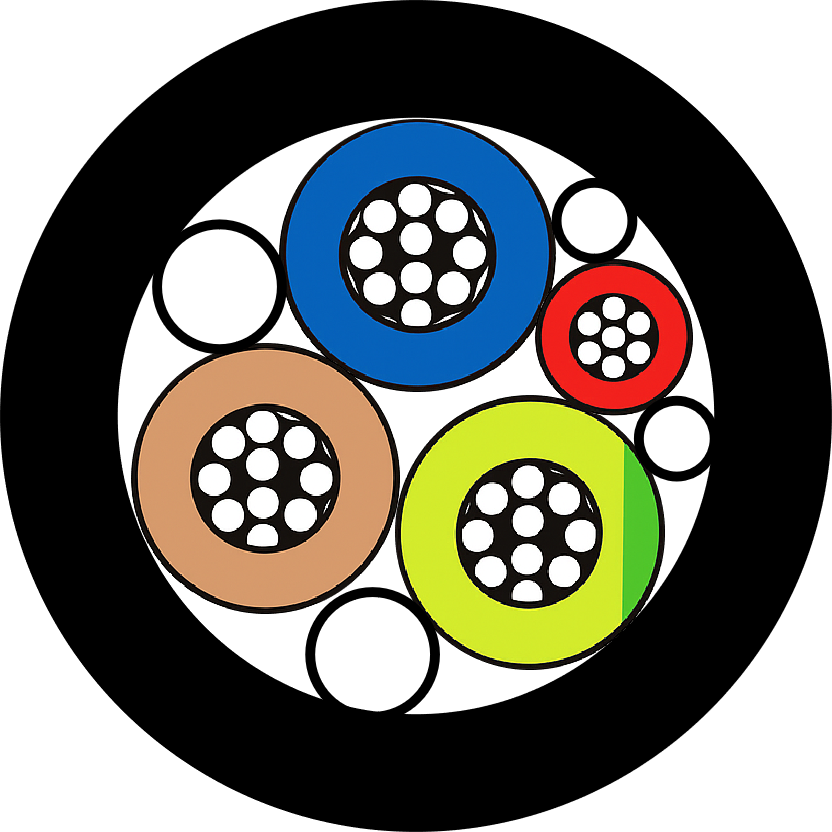
SWA (Steel Wire Armored) cables are developed to withstand the modern electrical systems and their durability. These cables are used for modern electrical systems construction, power distribution, and industrial centers due to their protection features and reliability. Apart from imparting mechanical strength, steel wire armor protects water and other corrosive substances that may influence bare metal wiring on other cables. SWA cables are also designed to conform to strict operational safety requirements, which makes these cables critical in situations where high reliability and resilience are needed. Their increased flexibility makes them windable on spools, which can be utilized in portable distribution boxes used in situational military fields or other locations.
The Role of Armoured Cable in Power Networks
Armore cables ensure a dependable and secure electricity distribution, which empowers modern power networks. There is an increasing demand for durable and high-performance armoured cables within urban infrastructure and renewables, based on the latest insights and trends within the industry, Google’s search trends data reveals. This advancement supports the growing need to safeguard power transmission from mechanical damage, environmental damage, and electromagnetic interference.
These types of cables are customized to encounter difficult challenges such as installation underground, underwater, or in high-traffic areas due to steel wire armoring and other forms of protective measures. Armoured cables also help lower electrical hazards in critical operations and global safety standards, which is vital to sustaining streamlined operations. Additionally, in order to protect globally spanning remote power networks from hostile or harsh environments, high-quality armored cables are critical as they fortify energy systems while securing resilient and effective distribution systems.
Key Features of Steel Wire Armoured Cable
- Mechanical Protection: The steel wire armoring offers mechanical protection from physical damage to the cable, which makes it possible to use for surface-mounted installations and for cables laid underground in harsh environments.
- Durability: The construction is set to endure high levels of stress and wear, ensuring a long service life even in demanding conditions.
- Applications with long spans or vertical installations will benefit from high tensile strength products.
- Corrosion Resistance: The moisture with chemicals does not affect the operational lifespan of the cable due to the armor materials used, which offer resistance to corrosion.
- Electrical Isolation: Xero systems improve safety further by isolating electrically while offering a more stable system, which minimizes risk in essential tasks.
- Different industrial plants and power distribution networks, as well as marine settings, can utilize this product.
- Thermal Stability: Operation in both cold and hot climates is guaranteed by the ability to maintain performance under varying temperature conditions.
- Meeting the strict regulatory requirements of using electrical cables, the cables with these features ensure compliance with international standards of safety and quality.
How Do Steel Wire Armoured Cables Work?

The Function of the Steel Wire Armour in SWA Cables
The SWA in SWA cables aids in providing mechanical protection, thus allowing the cable to endure physical stress such as crushing, pulling, and abrasion. It also permits installation outdoors and underground.
Mechanical Protection Offered by Armoured SWA Cable
Steel Wire Armoured (SWA) cables offer robust protection against mechanical crushing, impact, and other external damages, making them particularly suitable for use outdoors, in environments with mounted underground installations, or in areas dominantly characterized by intensive mechanical stresses.
The Significance of Galvanized Steel in Armoured Cable
Galvanized steel is of great value in the construction of armored cables as it provides the ease of use and the resilience required in harsh environments. The process of galvanization coats the steel wires with a protective layer of zinc, which prevents corrosion and rust. This greatly improves the lifespan of the cable, particularly in outdoor and below-ground placement scenarios where constant exposure to water, soil, and fluctuating temperatures is the norm. Moreover, galvanized steel improves a cable’s tensile strength, providing excellent resistance to mechanical stresses, including pulling and bending forces. These features allow for the ease of using galvanized steels for rigorous, demanding tasks in the industrial and commercial realms, as well as in utilities, owing to the enhanced reliability and safety.
What are the Different Core Types in SWA Cable?
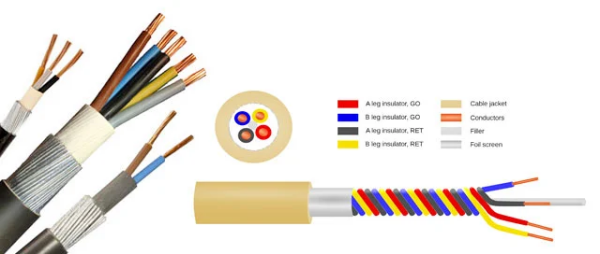
Comparison of 3-Core and 4-Core SWA Cables
The distinction between 3-core and 4-core SWA cables hinges on their use; 3-core is for single-phase systems and 4-core is for three-phase systems.
|
Parameter |
3-Core SWA Cable |
4-Core SWA Cable |
|---|---|---|
|
Application |
Single-phase systems |
Three-phase systems |
|
Cores |
Live, Neutral, Earth |
Three Live, Earth |
|
Usage |
Domestic, small loads |
Industrial, large loads |
|
Weight |
Lighter |
Heavier |
|
Cost |
Lower |
Higher |
|
Flexibility |
More |
Less |
|
Installation |
Easier |
Slightly complex |
Identifying the Right Core Cable for Your Needs
My first consideration when selecting a core cable is the application and the system requirements. For example, in single-phase systems such as household wiring or smaller domestic and commercial loads, a 3-core SWA cable would be the best choice because it is cheaper, lighter, and more flexible. On the other hand, the large industrial three-phase systems are better served by a 4-core SWA cable, which does require more effort to install due to its additional weight and complexity, but is better suited for higher power requirements.
Exploring Single Core and Core SWA Cable Options
While single-core cables are simpler to maintain and stiffer, multi-core SWA cables, which usually have steel wire armor, are more flexible and useful in dynamic contexts.
How to Install SWA Cable Safely and Effectively?
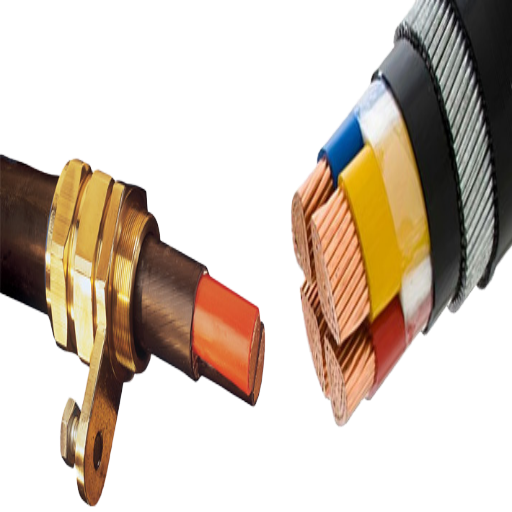
Installation Techniques for Armoured Cable
The procedures for installing armoured cable entail the preparation of the junction box, careful measurement and cutting of the cable to the appropriate length, application of anti-short bushings, as well as meticulous handling to avoid bearing damage.
Understanding Voltage Drop and Cable Ducting Requirements
The term voltage drop denotes the decrease of electric potential energy per unit charge that occurs as current is transported through a conductor. To ensure the drop is minimized, the cable must be sized appropriately with consideration of the length of the run and electrical load. Stability of the voltage can also be enhanced by using less resistive cables, which increases the delivery of stable voltage.
Cable ducting serves a particularly important function in protecting armoured cables from physical and environmental damage. Properly sized ducting will help ensure that the cables stay fixed in position while still meeting safety requirements. In addition to the cable ducting requirements, other parameters such as cable diameter, number of cables, exposure to moisture, and even mechanical strain should be assessed alongside the primary factors for better accuracy. Always follow local electrical codes and standards during installation.
Ensuring Safe Direct Burial of Armoured SWA Cable
For safe direct burial of armoured SWA cable, a trench with sand as a base should be excavated. The cable should be covered with sand to protect and cushion it, followed by soil backfilling. Finally, the area should be marked with warning tape to prevent accidental damage.
What are the Differences Between AWA and SWA Cables?
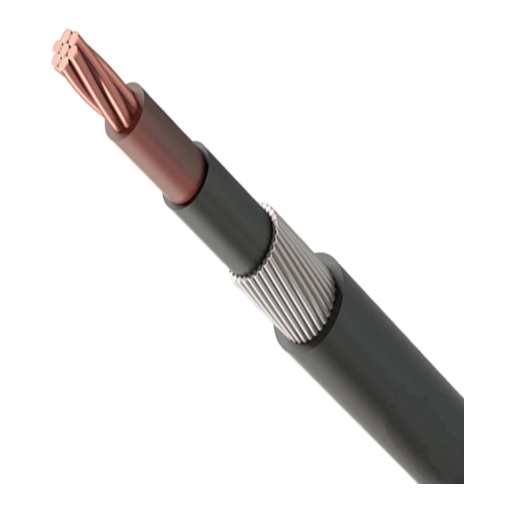
Comparing Aluminium Wire and Steel Wire Armoured Cables
While Steel Wire Armoured (SWA) cables are stronger, magnetic, and serve better in applications requiring high strength, Aluminium Wire Armoured (AWA) cables are lighter, non-magnetic, and more resistant to corrosion.
| Parameter | AWA | SWA |
|---|---|---|
|
Material |
Aluminium |
Steel |
|
Weight |
Lighter |
Heavier |
|
Magnetism |
Non-magnetic |
Magnetic |
|
Corrosion |
Resistant |
Susceptible |
|
Strength |
Moderate |
High |
|
Applications |
Light-duty |
Heavy-duty |
|
Cost |
Variable |
Variable |
|
Installation |
Easier |
Harder |
When to Use AWA Over SWA Cable?
Aluminum Wire Armoured (AWA) cables are ideal for applications where low weight and non-magnetic characteristics are critical. With the latest data and trends, AWA cables are often used in single-phase electrical systems because of their non-magnetic properties, which reduce the chances of eddy current interference. Their lightweight also benefits installations that require handling and transport. Some industries, such as renewable energy, benefit from AWA cables, which offer resistance to corrosion, especially when cables need to span long distances or are installed in difficult environments. Also, AWA cables serve well in situations where a cost-effective solution is needed without compromising electrical functionality because of the material properties and low complexity of installation. On the other hand, AWA cables are not favored in cases with heavy-duty applications, which require high strength and high durability, as those would need the unparalleled toughness offered by SWA cables.
Analyzing the Core and Armour Differences
SWA and AWA (Aluminium Wire Armoured and Steel Wire Armoured cables, respectively) differ mainly concerning the armoring material, weight, magnetic characteristics, strength against rust, tensile strength, usage, and aspects concerning the details of installation.
Below is a brief table that outlines the main differentiating features.
| Parameter | AWA Cable | SWA Cable |
|---|---|---|
|
Armour Material |
Aluminium |
Steel |
|
Weight |
Lighter |
Heavier |
|
Magnetic |
Non-magnetic |
Magnetic |
|
Corrosion |
High resistance |
Needs treatment |
|
Strength |
Moderate |
High |
|
Applications |
Lightweight uses |
Heavy-duty uses |
|
Installation |
Easier |
Harder |
What are the Applications of SWA Cable?
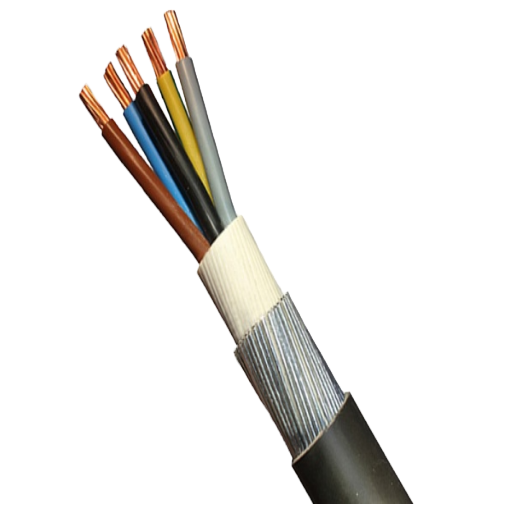
Using SWA Cable in Underground Systems and Main Electricity
SWA (Steel Wire Armored) cables are often employed in underground systems owing to their strength, ability to withstand any external forces, mechanical pressure, and stress. Its steel wire armor is robust and grants reliable protection from impact and damage, making it suitable for burial in trenches or ducts. For primary electricity distribution, SWA cables guarantee security and effectiveness over long-distance transmission. SWA cables are especially preferred for powering residential houses, industrial machinery, and outdoor equipment, where great robustness and reliability over time are critical.
Benefits of Armoured Cable in Harsh Environments
- Durability: Armoured cables are impact resistant, which provides an advantage in environments that may be subject to heavy mechanical stress or unintentional damage.
- Corrosion Resistance: Armoured cables exhibit the galvanized steel wire, which possesses great corrosion resistance, therefore making it suitable for underground or damp environments.
- Moisture Protection: Electricity transmission remains uninterrupted even in wet environments as a result of layered insulation and sheath, which prevents water ingress.
- Resistance to Extreme Temperatures: Both high and low temperature environments will not cause armoured cables to undergo overheating or freezing without loss of functionality.
- Improved Fire Resistance: For electrically ignited fires, some cables are fitted with fire evergreen cores that improve safety by preserving circuit integrity.
- Protection Against Rodents: Ideal for rural or outdoor use, the cables are protected from damage by tough outer armor, deterring rodents and other pests.
- Electrical Noise Reduction: Confident and clear signal transmission is provided via armoured cables, which protect internal conductors from electromagnetic interference.
- Adaptability to Rough Terrain: Armoured cables can work in uneven and rocky terrains due to their rugged construction.
- Long Service Life: Decreased maintenance costs and lowered replacement frequency are gained through armoured cables having a robust design that improves operational lifespan.
- Flexibility: These cables are applicable in different areas such as industrial, residential, and commercial establishments, which are subjected to rough environments.
Choosing the Right Cable for Power Networks
SWA (Steel Wire Armored) cables are often employed in underground systems owing to their strength, ability to withstand any external forces, mechanical pressure, and stress. Its steel wire armor is robust and grants reliable protection from impact and damage, making it suitable for burial in trenches or ducts. For primary electricity distribution, SWA cables guarantee security and effectiveness over long-distance transmission. SWA cables are especially preferred for powering residential houses, industrial machinery, and outdoor equipment, where great robustness and reliability over time are critical.
Frequently Asked Questions (FAQs)
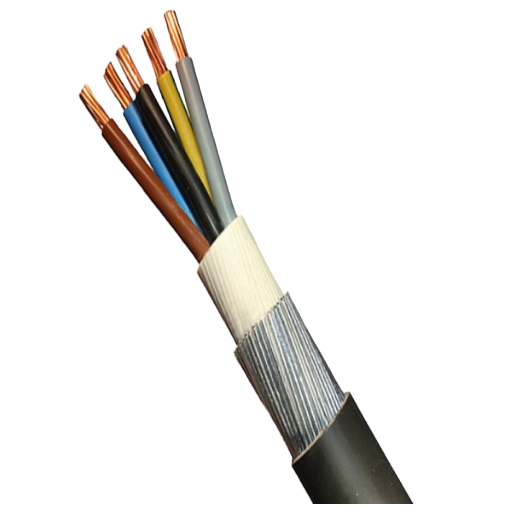
Q: What is SWA cable, and how is it used?
A: SWA (Steel Wire Armour) cable is a power cable constructed to enable direct connection to a mains power supply. It is armoured to protect it from mechanical impact and is, therefore, suitable for outdoor and underground installation.
Q: What are the main components of an SWA cable?
A: The primary components of an SWA cable are copper conductors, the XLPE insulated layer, a layer of steel wire armoring, and a PVC sheath. Together, these components provide structural integrity and protective attributes.
Q: What is the difference between SWA cable and STA cable?
A: Both SWA (Steel Wire Armour) and STA (Steel Tape Armored) cables are designed to protect against mechanical impact. The main difference is in the type of armoring used: with SWA, the armor is steel wire, while with STA, it is a steel tape. These differences make each cable more apt for particular uses based on how much flexibility and protection are needed.
Q: Why is XLPE insulation used in SWA cables?
A: XLPE insulated SWA cables are known for their well-balanced electrical performance, heat resistance, and ability to bear higher pulling forces. It makes them ideal for use in power cables where consistency is essential.
Q: What role does the black PVC sheath serve in SWA cables?
A: The black PVC sheath in SWA cables safeguards against moisture, chemicals, UV radiation, and other external elements, increasing the durability and lifespan of the cables.
Q: In what ways does a 10mm SWA differ from other sizes?
A: The 10 mm SWA designates the size of the copper conductor within the cable. It is applied in situations where a higher current carrying capacity is required, such as in larger power installations, so that there is an increased electrical load.
Q: What are cable glands, and how do they function through the SWA cables?
A: They are accessories that hold and put a seal on the penetrations of the SWA. Thus, moisture and other harmful materials may enter, preventing the safety of the electrical constituent éch.
Q: What does LSZH mean about SWA cables?
A: It has been established as LSZ CHEMICALS. It is one of the products that is issued during combustion because it provides added safety for numerous locations, such as construction tunnels.
Q: Can SWA cables be used in domestic installations?
A: Not particularly. It helps during domestic uses where there needs to be protection from wear and tear due to the outside placement of electric wires. However, this is more helpful towards garden lighting.
Q: What effects does armoring have on the flexibility of SWA cables?
A: SWA cables become less flexible towards unarmored types due to the application of steel wire armouring. Regardless, this incorporation offers a needed balance towards the additional aver if stress or strain is needed.
Reference Sources
1. Power Cable Fault Finding Using Pseudo Random Binary Sequences
- Author: H. Geisler
- Published: Not stated, but the paper describes a technique for fault localization in cables, including SWA cables.
Summary
- This work developed a unique testing approach based on the use of pseudo-random binary sequences (PRBS) for fault detection in transmission lines.
- Also covered is the application of the PRBS method in coaxial cables and its application to real-life underground SWA cables.
Research Design
- The author combines standard test equipment with proprietary correlation software that visualizes signal reflections and other characteristic behaviors of the transmission line under test (Geisler, n.d.).
2. Simulation of Finite Element Sensitivities for Power Cables in Complex Media
- Authors: M. Al-Saud, M. El-Kady, R. Findlay
- Date of Publication: May 30, 2007 (more than 5 years ago)
Summary of Results
- The main objective is to simulate SWA cables’ finite-element sensitivities to evaluate their performance in complex media.
Research Approach
- This work has performed a finite element analysis of power cables to simulate their sensitivities to various operating conditions (Al-Saud et al., 2007, pp. 84–89).
3. Cryogenic and Safety Design of the Future High Field Cable Test Facility at Fermilab
- Authors: R. Bruce et al.
- Publication Date: 2023-07-13
Key Findings:
- The temperature test facility was designed with the purpose of testing dynamically relevant cables such as high-temperature superconducting cables and SWA cables for future applications.
- The operational safety and functionality of such systems are a crucial aspect for consideration in the design of systems.
Methodology:
- The design has incorporated state-of-the-art cryogenic systems alongside safety measures to maintain everey aspect of high-field cable test(Bruce et al, 2023).
4. Determination of Effective Screen Design for Variable Speed Drive Cables– This paper analyzes the implementation of steel wire armoured (SWA) cables in variable speed drive applications.
5. Investigation of Electrical Infrastructures for Mission Critical Buildings– This research studies critical range buildings focusing on their skeletal systems, including short circuit current level considerations.