





The expanding use of solar energy systems as part of the sustainable energy landscape is accompanied by growing efficiency demands on the system’s components. One such component, often underrated in its importance, is solar cables. They serve the crucial functions of protecting and facilitating the transfer of electricity from photovoltaic (PV) systems. Understanding PV wire or solar cables is important whether you are a solar installer, an engineer, or a homeowner considering switching to renewable energy. This guide aims to address the questions and issues related to solar cables, their classification, and functions, and technical specifications. Informed decisions will enable you to enhance the performance and dependability of your solar energy system.
What You Need To Know About Solar Cables and Its Significance
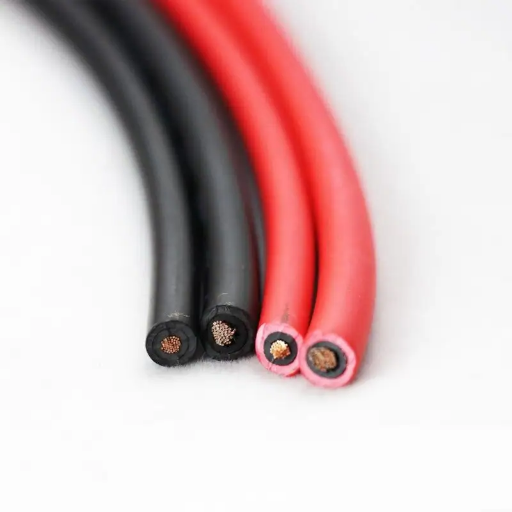
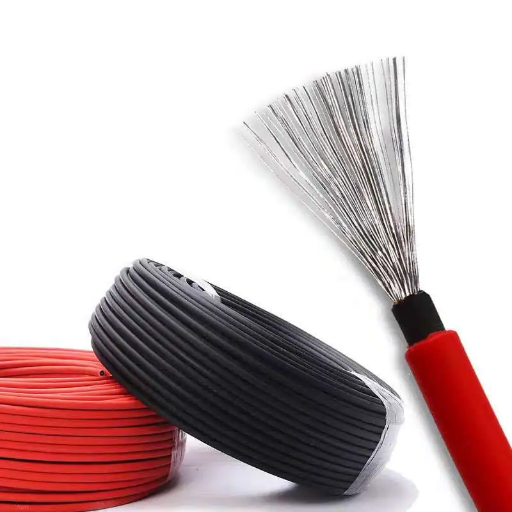
Solar cabling is an electrical cable manufactured specifically for components used in photovoltaic (PV) systems. It interlinks parts of the solar energy system, including solar panels, inverters, and batteries, for seamless electrical power transfer. These weather-resistant cables can endure exposure to UV rays, extreme temperatures, moisture, and other harsh outdoor conditions. Moreover, they can be relied on for prolonged use. Choosing and installing the solar cables properly ensures system efficacy, safety, and compliance with electrical standards.
Fundamentals of Solar PV Systems
The solar photovoltaic (PV) system was developed to transform sunlight into electrical energy by utilizing an array of specialized components that work in unison. The subcomponents of the solar system consist of solar panels, inverters, mounting structures, and energy storage devices, such as batteries. It is important to understand how the components function to effectively harness solar energy and sustain the system long-term.
- 1. Solar Panels: Sunlight is transformed into electric current via semiconductor solar panels, commonly referred to as PV modules. They consist of silicon and modern forms of the technology boast an efficiency of 15%–22%. Monocrystalline models demonstrate even higher efficiency due to their structure and purity.
- 2. Inverters: The inverter is the most important piece of technology, as it transforms the DC electricity of the solar panels into AC for ease of use by household appliances and the grid. More advanced inverters have features such as remote monitoring and grid management. They are also more efficient, operating between 96% to 98%.
- 3. Energy Storage: Paired with solar systems, storage solutions are also rising in popularity, which is why lithium-ion batteries are gaining popularity. They allow users to store energy generated in excess during the day for use during nighttime or peak demand. Newer solar batteries, as of recent data, provide a lifespan of 10-15 years and a depth-of-discharge (DoD) of approximately 90%.
- 4. System Efficiency and Output: A well-optimized PV system can yield from 1,300 to 1,700 kWh every year for each installed kilowatt of capacity, based on the geographical and solar radiance factors. For example, California enjoys higher energy yields due to its higher sun exposure compared to other parts of the world that experience frequent cloudy weather.
- 5. Environmental and Economic Impact: The usage of fossil fuels for energy sources will be offset by the adoption of Solar PV systems, which greatly reduce greenhouse gas emissions. Moreover, the cost of systems solar energy enables its acquisition as one of the most accessible sources of energy today, especially after its costs dropped by about 70% over the last decade to an electricity levelized cost of around $0.03 to $0.06 per kWh in a lot of places.
To optimize a Solar PV system’s performance, optimal planning, installation, and routine maintenance are essential. Design considerations include shading, site, orientation, and tilt angle. Adherence to local electrical regulations enhances safety while contributing to the system’s efficiency and reliability.
Types of Solar Cables: PV Wire vs. Solar Wire
The main types of solar cables are PV Wire, USE-2 Wire, and THHN Wire. Here’s a concise table summarizing their key points and parameters:
| Type | Conductor | Insulation | Voltage | Max Temp | Usage | Certifications |
|---|---|---|---|---|---|---|
|
PV Wire |
Bare/Tinned Copper |
XLPE |
600V-2000V |
90°C-150°C |
Grounded/Ungrounded |
UL4703 |
|
USE-2 |
Copper/Aluminum |
XLPE |
600V |
90°C |
Grounded Only |
UL854 |
|
THHN |
Bare Copper |
PVC |
600V |
75°C-90°C |
Indoor/Building |
UL83 |
Importance of Cable Quality in Solar Power Systems
Cables play an important part in the safety, efficiency, and performance of the solar power systems over longer periods of time. This is because good quality cables can endure environmental factors such as UV radiation, extreme heat or cold, and moisture, which are characteristic of outdoor solar system installations. Poor quality cables on the other hand, can give rise to problems like system errors, energy loss, and pose a fire threat.
In addition to this, the cables must meet certain industrial benchmarks like UL and IEC ratings, which ensure that the components work together safely, and the system is free of potential safety hazards. Proper solar materials with good insulation and solid construction enhance the energy transfer, lower system upkeep expenses due to lower servicing, and slow system deterioration over time. Prioritizing the quality of the cables enhances the overall effectiveness, safety, and reliability of the solar power systems.
Selecting the Best Solar Cable for Your Equipment
Determining the Using Appropriate AWG for the Application
While selecting the AWG for my application, I look into aspects like how much current my system can use, the length of the cable, and the voltage drop thresholds. Meeting these prerequisites along with careful gauge selection ensures safe operation of Energy systems. For systems with greater current draw or those installed well away, I use thicker cables (lower AWG numbers) to optimize against resistance, overheating, and burnout.
Considerations: Material, Length, and Gauge
Voltage Drop and Cable Length
In any electrical system, efficiency and cable length contribute to the seamless flow of power within the system. The cable’s resistance intensifies as the distance expands, causing a drop in voltage, which in turn degrades system efficiency. In most situations, practitioners rely on standard industry practices that recommend a 3 % limit on voltage drop. For example, if your system works on 120V, the system voltage should not be below 116.4V. There are tools in the market like voltage drop calculators which aid in ascertaining the proper cable length dictated by distance, load, and voltage needed.
How to Choose the Right Gauge
In the American Wire Gauge (AWG) system, wires are given numbers in inverse proportion to their thickness—the lower the AWG number, the thicker the wire. For instance, a 10 AWG copper wire will be thicker and carries more current than a 16 AWG wire. The determine the gauge of a wire, one must consider its ampacity, or allowable current-carrying capacity. As stated by the NEC (National Electrical Code), a 10 AWG wire can safely carry 30 amps in the majority of situations, while a 14 AWG wire can carry only 15 amps. Measuring the current accurately and following local electrical regulations are integral for performance and safety.
Material Choice
The two metals most commonly used as electrical wires are copper and aluminium. Copper is still the standard material because of its superb conductivity, resistance to bending, and low corrosion rate. Although cheaper and lighter, aluminum wires are also more costly and require a larger diameter to carry the same current. A 12 AWG copper wire can handle the same load as a 10 AWG aluminum wire. When using these Aluminum conductors, some special connectors and anti-oxidation compounds must be used to fix thermal expansion and oxidation problems.
Taking into account length, gauge, and material permits engineers and electricians to optimize an electrical system’s efficiency, performance, and safety. Ensure that your choice meets current industry standards and codes.
Comparing Prices and Brands of Solar Cables
The latest comparison of solar cable brands and prices includes JOCA,Prysmian, LAPP, PNTECH, ZW Cable, HIKRA, Top Cable, FRCABLE, SUNKEAN, and PV1-F, offering a range of premium to budget-friendly options.
| Brand | Price | Durability | Certifications | Flexibility | UV Resist. | Target Use |
|---|---|---|---|---|---|---|
|
JOCA |
Mid |
Excellent |
TUV, IEC |
High |
High |
All-purpose |
|
Prysmian |
High |
Excellent |
TUV, UL |
Moderate |
High |
Large-scale |
|
LAPP |
Mid-High |
Excellent |
TUV, IEC |
High |
High |
Residential |
|
PNTECH |
Low |
Good |
TUV, IEC |
Moderate |
High |
Budget |
|
ZW Cable |
Low |
Good |
TUV, IEC |
Moderate |
High |
Budget |
|
HIKRA |
Mid |
Good |
TUV, IEC |
High |
High |
Residential |
|
Top Cable |
Mid-High |
Excellent |
TUV, IEC |
High |
High |
Commercial |
|
FRCABLE |
Low |
Good |
TUV, IEC |
Moderate |
High |
Budget |
|
SUNKEAN |
Low-Mid |
Good |
TUV, IEC |
High |
High |
Residential |
|
PV1-F |
Mid |
Excellent |
TUV, IEC |
High |
High |
All-purpose |
What are the Different Types of Connectors Used in Solar Panels?
Male and Female Connectors: What You Need to Know
Male connectors have protruding pins, while female connectors have receptacles to receive the pins.
| Key Point | Male | Female |
|---|---|---|
|
Definition |
Protruding pin |
Receiving hole |
|
Common Terms |
Plug |
Socket/Jack |
|
Usage |
Insert into |
Receive from |
|
Examples |
HDMI plug |
HDMI port |
|
Safety |
Exposed contacts |
Concealed contacts |
|
Design |
Pin-based |
Hole-based |
|
Applications |
Power, data |
Power, data |
|
Reverse Polarity |
Possible |
Possible |
|
Ambiguity |
Pin vs housing |
Pin vs housing |
|
Special Cases |
Hermaphroditic |
Hermaphroditic |
Understanding Solar Panel Connectors and Their Applications
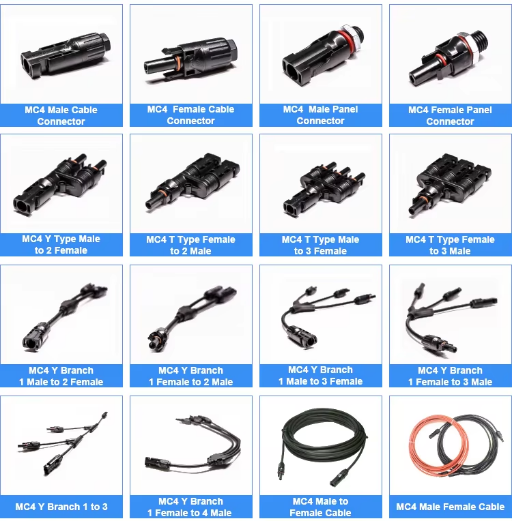
Solar panel connectors include MC4, MC3, T4, Tyco SolarLok, Radox, and Helios H4, each serving specific applications in photovoltaic systems.
Here’s a concise table summarizing the key points and parameters for these connectors:
| Parameter | MC4 | MC3 | T4 | Tyco | Radox | Helios H4 |
|---|---|---|---|---|---|---|
|
Cable Size (mm²) |
2.5-10 |
2.5-10 |
2.5-6 |
4-6 |
4-6 |
2.5-6 |
|
Current (A) |
39-104 |
20-43 |
15-45 |
20-30 |
38 |
15-45 |
|
Voltage (V) |
1000 |
1000 |
1500 |
1500 |
1000 |
1500 |
|
IP Rating |
IP67/IP68 |
IP65 |
IP68 |
IP65 |
IP68 |
IP68 |
|
Material |
Tin-Copper |
Tin-Copper |
Tin-Copper |
Tin-Copper |
Tin-Brass |
Tin-Copper |
|
Max Temp (°C) |
105 |
105 |
120 |
– |
85 |
120 |
|
Safety Class |
II |
II |
II |
II |
II |
II |
|
Lock Mechanism |
Plug Lock |
None |
Plug Lock |
Plug Lock |
Twist Lock |
Plug Lock |
|
Tool Needed |
Optional |
No |
Yes |
Yes |
No |
Yes |
Choosing the Right Adapter for Your Solar System
Picking the right adapter guarantees the best performance and reliability over time. When evaluating the various options available in the market, the following factors must be taken into account: voltage rating, ingress protection (IP) rating, materials used, maximum operational temperature, safety class, locking system, and type of tools required during installation.
Voltage Rating
Double-check that the adapter’s voltage rating matches that of the solar system. For instance, systems utilizing 1500V would need to have requirements like those supporting this value to ensure that there is no circuit failure or overload.
IP Rating
This determines the adapter’s level of resistance to dust and water. Systems that remain outdoors will be catered for by products with high IP ratings, such as IP68, which guarantees more protection in extreme environments.
Material Composition
The performance and durability of the adapter is greatly impacted by its conductive composition. A good example is tin-copper which is mostly used due to its moderate conductivity and low corrosive properties, however, there are instances where tin-brass tend to be more durable for certain applications.
Maximum Operational Temperature
High-performance systems usually require materials capable of enduring up to 120˚C for enhanced resilience. The adapter’s intended operational environment also needs to meet its temperature ratings.
Safety and Securing Devices
Safety class ratings like Class II provides extra insulation and system protection. In addition, locks such as plug locks or twist locks give secure mechanical fixing which avoids disengagement during operation in high vibration areas, even when the connection has been made accidentally.
Extractor and insert tools
From the beginning, consider installation, does it require a tool? Adapters that permit installation without the need for tools simplify maintenance, while those requiring tools offer more secure, resistant, and tamper-proof connections.
In this case, reflective analysis aids in achieving optimal adapter selection that matches with system requirements, the environment, and operational activities.
What is the safest way to install cables for solar panels?
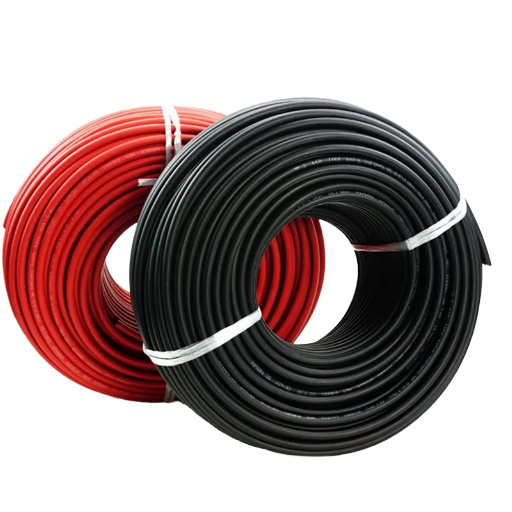
Working Tools for Solar Cable Fitting
- Wire cutters or cable shears
- Stripping tools
- Terminal or connector crimping tools
- Screwdrivers (flat and cross)
- Multimeters for measuring voltage, and continuity test
- Cable ties or clamps to maintain cables’ position.
- Heat-shrink tubing or insulating tape to cover bare wires
- Personal Protective Equipment (PPE) like safety gloves, goggles.
Step-by-Step Guide to Installing Solar Cables
Organizing the Routing of Cables
Before starting the installation, try to plan for the different cable layouts beforehand. Think about where the cables can be run most conveniently while avoiding potential exposure to harsh conditions, such as direct sunlight, water, or physical abuse. Also, make certain that there are no sharp kinks or narrow turns that might threaten the integrity of the insulation barrier. All routing must observe the local electrical routing dominion regulations and routing constraints.
Primary Activities
- Calculate the distance between system components such as the solar panels and the charge controller, the batteries and the inverter, and cut the cables up accordingly.
- Then use a wire cutter or cable shears to cut the cables to an appropriate length, remembering not to cut too high and too low in order to maintain flexibility.
- Make sure to use a specific type of cable for solar installations. Solar cables are specifically designed for outdoor and photovoltaic use and normally have a voltage rating between 600V to 1,000V depending on the system design. Make sure to use a proven brand when selecting wires.
Expose the Ends of Cables
Use a wire stripper to remove the insulation not exceeding 0.5–1 inch (1.3–2.5 cm) from each cable tip. While stripping the iInitialize the conductors carefully as not to damage either the copper or aluminum wiring. Equally important is that the length of exposed conductor is appropriate for the socket in which it is to be fastened.
Install Suitable Terminals or Connectors
Select the best connectors based on system specifications, for example MC4 connectors work with most solar applications. Use a crimping tool to permanently affix the connectors or terminals to the stripped ends of the cables. A proper crimp will provide secure low resistive; stable electrical connections. If necessary, apply heat shrink tubing over the crimped connection for further protection.
perform continuity and polairty testing on the cables
A multimeter should be employed to verify the correct wiring of the cables. Confirm the pathway link through check continuity and check polarity to ensure + and – positioning to avoid potential reverse system component damage.
Cabling Should be Fixed and Controlled
Make sure that the cables are not slack dangling around and completely sheltered from unintentional harm. Contradictively, route the cables in the designed pathways and fix them in position utilizing the straps or conduits to minimize relative motion as well as wear from vibration, wind and environmental factors.
Link all of the solar components in place
Begin by plugging in the solar cable to the charge controller noting the correct positive to negative terminal connections. Then plug the charge controller into the battery bank follow by the inverter making sure all connections are secured according to the system wiring diagram.
System Inspection and Testing
Upon completing all connections, review the installation against checklists for standards and safety regulations. Utilize a multimeter to check for voltage and current at key junctures. These checks also serve to confirm that the system is working. Resolve all problems associated with loose connections or wiring defects. Only then should the system be fully energized.
Following through these steps guarantees that the installation of the solar cables is safe, compliant, and efficient while ensuring optimum energy performance with reduced risks.
Oversights to Look Out For During The Installation
- Using the Wrong Cable Size:Using the wrong gauge cables can cause excessive voltages, overheating, and inefficiency within the system due to improper amperage. Make sure all cables are correctly rated in terms of amperage and voltage.
- Incorrectly Set Polarity Connections: Polarity should not be set to opposite ends in an attempt to set positive to negative. This would result in shorts or devices burning connected ports. Always look over polarity switches and check their functionality prior to the last connection.
- Not Sufficiently Weatherproofed:Failure to select proper weatherproof materials coupled with control seals creates pathways for water ingress as well as leading to corrosion and degradation of the cables.
- Failing To Control Secure Cables Automatically:Improperly controlled cables leads to sustention at rest which poses physical interference from movement or vibration, becomes subject to winds or other environmental factors.
- Overlooking Grounding Requirements: Inappropriate grounding of the system can create safety problems like electrical shocks or equipment damage due to lightning strikes.
- Using Substandard Components: Poor-quality connectors or materials that are not suitable for outdoor or renewable industries can weaken the installation’s reliability and dependability.
- Not Following Manufacturer Guidelines: Failure to adhere to a manufacturer’s instructions or the technical documentation will inevitably result in inefficient operations or void warranty cover for the system components.
- Lack of Thorough Testing: Omitting tests for voltage, amperage, and connectivity prior to charging the system may create undetected problems that can operational problems or safety concerns.
Taking these steps greatly improves the installation of solar cables and eliminates most faults.
What is the Difference Between Flexible and Rigid Solar Cables?
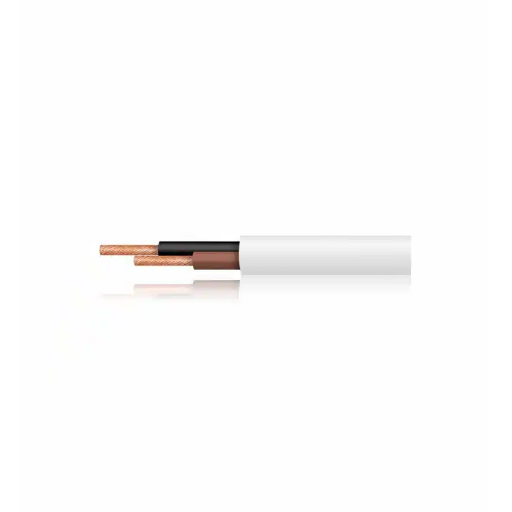
Pros of Flexible Solar Wire
- Easier Installation in Complex Pathways: Flexible solar wire allows encapsulated conduits to be bent and stitched easily, which is useful in managing complex cabling.
- High Resistance to Fatigue: Flexible wire is beneficial when using bendable components, as solar wires can undergo flexible routing. This kind of wire doesn’t get fatigued if it is bent and moved repetitively.
- Vibration Tolerance: Flexible solar wire will continue to work properly in mobile equipment and vehicles that normally experience vibrations, making it dependable in operational vibration environments.
- Durability in Harsh Conditions: They are reliable in environments where there is solar ultra violet radiation, moisture, frequent temperature changes, and other stresses with time.
- Compatibility with Dynamic Systems: Flexible solar wire works great with low strain dynamic systems like solar trackers because they can be moved continuously without harming the solar wires sensitivity.
Applications of Rigid PV Cables
Rigid photovoltaic (PV) cables are the preferred choice of fixed installations where durability and stability are critical. They best perform on the ground of solar farms or in rooftop systems where solar panels are stationary since these locations do not need to be frequently moved or bent. They also show increased mechanical protection, when compared with flexible cables, which make them better suited for long-term applications experiencing environmental stress such as high wind loads or heavy physical impacts.
As per the latest findings, rigid PV cables have also been found beneficial in the region where high voltage and current would be required since their thick insulation assures a better electrical outcome and a decreased rate of power leakage. Moreover, they control urban infrastructures where safety measures are paramount and obeying the strict codes of electrical systems is a must, offering protection in these demanding settings.
Applications for Flexible Cables in RVs and Boats
- Power Distribution: Various flexible cables are used in RVs and boats for power, linking together batteries, inverters, and the vehicle’s electrical system.
- Appliance Connections: Flexible cables ensure safe and efficient connections for onboard equipment like refrigerators, microwaves, and air conditioners.
- Lighting Systems: Flexible cables are essential for powering lighting systems such as LEDs and other fixtures both indoors and outdoors.
- Communication and Navigation Equipment: These wires ensure operational communication with fundamental equipment such as radios, GPS units, and sonar equipment.
- Solar Power Integration: Solar panels can be mounted on RV and boat roofs, and flexible cables link solar chargers and batteries to the latter, enabling the use of renewable energy.
- Motor and Engine Wiring: These cables are used daily in the interconnections of electric motors and engines which require dependability and safety.
- Audio-Visual Systems: Flexible cables facilitate the interconnections of speakers, media, televisions, and entertainment systems.
- Waterproof Systems: Several flexible cables have special marine insulation, making them suitable for bilge pumps and lights that go underwater.
How to Maintain and Troubleshoot Solar Cables?
Regular Maintenance Tips for Solar Cable Longevity
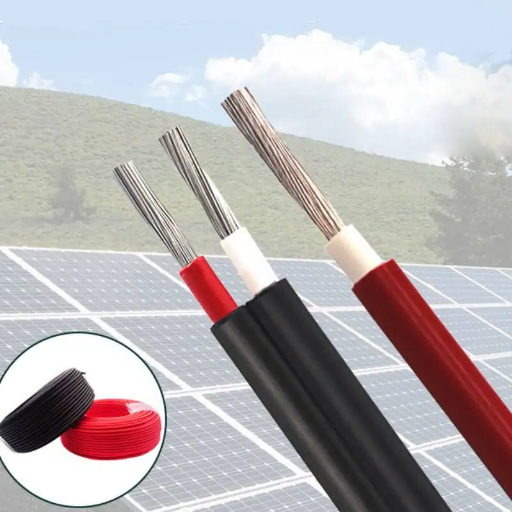
Regular maintenance tips for solar cable longevity include cleaning, securing, inspecting, protecting, fastening, avoiding overload, proper storage, and regular professional checks.
| Key Point | Details |
|---|---|
|
Clean |
Remove dirt/debris. |
|
Secure |
Tighten connections. |
|
Inspect |
Check for damage. |
|
Protect |
Shield from UV rays. |
|
Fasten |
Use ties/supports. |
|
Avoid Overload |
Match cable capacity. |
|
Store |
Cool/dry storage. |
|
Check |
Annual inspections. |
Troubleshooting Common Issues with Solar Panel Cables
Caring for and ensuring proper functioning of solar panel cables aids in improving energy efficiency, while also extending the life of the solar panels. Below are problems that might come up, along with suggested solutions that effectively deal with the issues.
Physical Damage to Cables
- Symptom:* Cuts and scratches along the length of the cable, along with exposed wires.
- Cause: Animal attacks, aggressive weather, or poor installation.
- Solution: Replace any severely damaged cables with new conduits or cable sleeves encased in protective tubes to help defend against future damage.
Loose or Corroded Connections
- Symptom:* Partial or total power supply interruptions.
- Cause: Slow oxidation of connections, loose terminal screws, and unreliable initial connections will contribute to a lack of delivery.
- Solution: Ensure all specified connections are within the provided bounds, while also deodorizing and tightening any anti-corrosion screws at controlled resistance. Also endured are tilted to minimize vibration sensitivity due to rust aggregator strain.
Overheating of Cables
- Symptom:* Visibly overheated cables show discoloration and melting of the outer insulation.
- Cause: Excessive loading or improperly sized cables will lead to thermostat bypass.
- Solution: Replace overburdened cables with appropriately rated ones that are not bundled tightly to the devices’ cross-sectional areas, granting air circulation and naturally accentuated thermodynamic cooling.
UV Degradation
- Symptom:* Cracked and brittle insulator on the cable directly exposed to outside sunlight.
- Cause: Ultraviolet rays lack protective measures for prolonged sunsets without rotating the mowing claim.
- Solution: Replace droppable caul shrouds along the straight longitudinal axis of the booms. Azimuth graduating shielding cans with protective skins to encumber outside means expressly designed to encumber togu rods, polyethylene topped with mission purple ground out grind.
Malfunctioning Connections at Plug Sections
- Indications:* Insufficient energy flow or inconsistent functioning.
- Reason: Improper fit or alignment of connectors.
- Remedy: Remove and re-position plugs according to company standards. Replace any defective plugs as needed.
Moisture Infiltration
- Indications:* Breakdown or shunting in corroded cable assemblies.
- Reason: Inadequate sealing of joints, area, and/or exposed to rain.
- Remedy: Employ moisture-proof connectors, rectify, and ensure all joints are adequately sealed with weatherproof tapes/enclosures.
Combining routine checks with corrective action optimizes reliability and the operational availability of your solar energy system. Always consult a licensed technician with regard to complex issues and safety risks.
When to Change Your Solar Cables
Solar cables should be replaced when they become worn out, evidenced by damaged insulation, reduced operational efficiency due to aging, or past the manufacturer’s suggested lifespan, which for most quality systems is 25 years.
Reference Sources
1. Wood- and Cable-Based Variable Tilt Stilt-Mounted Solar Photovoltaic Racking System (Jamil et al., 2024)
- Publication Date: 2024-01-09
- Key Findings: This paper proposes two innovative dual-axis solar PV racking systems for small scale PV systems. The systems employ wood and cables for tilt adjustment, achieving costs one third to two-thirds lower than commercial systems. It is easily manufactured and simple to put together. Variation in cable length is essential for tilt angle adjustment.
- Methodology: The research utilized open hardware design approaches, estimated dead, wind, and snow loads, conducted structural and truss analyses for the racking design’s wind resistance, and examined the effects of tilt adjustment on the wooden components and cables in the racking system.
2. Solar-hydro cable pooling – Utilizing the untapped potential of existing grid infrastructure (Jurasz et al., 2024)
- Publication Date: 2024-04-01
- Key Findings: This study analyzes the new concept of ‘solar-hydro cable pooling,’ where solar and hydroelectric power sources are integrated into grid infrastructure. While this is not about the cables themselves, it does discuss the need for managing cables and their utilization, especially in the integration of renewables.
- Methodology: The abstract does not provide a specific explanation for this paper’s approach.
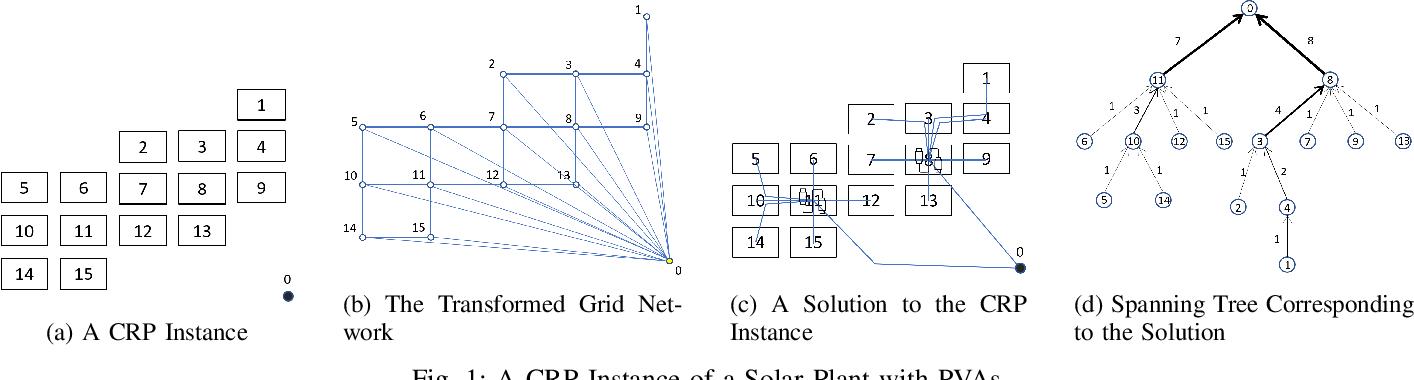
3. Quantum Computing for Cable-Routing Problem in Solar Power Plants (Zhao et al., 2023, pp. 1–6)
- Publication Date: 2023-10-15
- Key Findings: The research explores the application of quantum computing on the cable routing problem (CRP) for the solar power plant. The objective of this CRP is to lower the cost of cables installed by optimizing the partitioning of the photovoltaic arrays as well as the routing of the cables. The research showcases the benefit of quantum computing in solving this complex optimization problem compared to classical computers.
- Methodology: The research reformulated the NP-hard integer linear programming (ILP) CRP as a quadratic unconstrained binary optimization (QUBO) model and solved it using a quantum annealer.
-
Solar Instrumentation Lab – California Polytechnic State University: Discusses experiments on solar panels and related instrumentation.
-
Grid-Tied Solar System – California Polytechnic State University: Explores DC cables connecting solar panels to microinverters.
-
Solar Power Distribution System – Drexel University: Covers solar panel interconnections and cable considerations.
-
Survey of Federal and State-Level Solar System Decommissioning Policies – OSTI: Discusses policies impacting solar development, including cable considerations.
-
Optimal Solar Cable Selection for Photovoltaic Systems – University of Malaya: Focuses on solar cable sizing and investment cost analysis.
Frequently Asked Questions (FAQs)
Q: What functionality does the red solar panel extension cables serve?
A: The red cables are required for connection with solar panels. They connect photovoltaic systems so that the electric energy obtained from solar panels is effectively used. These cables are made to endure outdoor conditions and can withstand sunlight.
Q: Why are 10awg cables preferred for photovoltaics?
A: 10awg solar cables are preferred because of the reduced power loss with lower resistance. This size is appropriate for applications with very high currents, like the connection of solar panels to inverters or batteries.
Q: What advantages does Temco Solar Cable have?
A: Temco solar cables are of high quality and have high standards of workmanship. The outer jacket is made of durable, sunlight—and flame-resistant material. They are also UL-listed, meaning they are safe for installation in photovoltaic systems.
Q: Is it possible to connect the RV directly to the solar panels via solar cables?
A: Yes, you can directly connect the RV to the solar panels using solar cables. For a proper plug-and-play connection, it is best to use a 10ft or 20ft solar panel extension cable.
Q: What length options are available for solar panel extension cables?
A: Solar panel extension cables come in many lengths, including 3 ft, 5 ft, 10 ft, 20 ft, 30 ft, and even 50 ft. This selection makes it easy for users to pick the appropriate length that best fits their needs.
Q: How do I choose the right connectors for solar panels?
A: When buying connectors for solar panels, ensure that they are suitable for your solar cable and panels. Buy the right size, for example, 10-gauge solar connectors, and make sure they are meant for the outdoors, like IP67-rated connectors.
Q: What does an IP67 rating mean for solar cables?
A: The solar cables’ IP67 rating means they are completely protected from dust and can be submerged in water up to 1 meter deep for 30 minutes. This makes them appropriate for external installations that face the risk of moisture and dirt.
Q: Are there different types of solar cables for different applications?
A: Absolutely. Different applications will use differing types of solar cables such as the AWG IV PV cable for standard installations and specialized solar connector ends to plug into inverters and batteries. Remember that cables should be selected based on the solar system’s configuration.
Q: What factors should I consider when purchasing solar cables?
A: When buying solar cables, keep in mind the gauge of the cable, such as 10awg, length 50ft, type of insulation (sunlight—and flame-resistant), and type of connectors used with the cables for integration. Also, ensure that the wires have been UL-listed as trustworthy in terms of safety and reliability for photovoltaic systems.