





Solar panels are simply a great way to exploit renewable energy, lower utility bills, and lessen your carbon footprint. Still, they are no exception and demand appropriate monitoring and maintenance for efficient performance. If you have doubts about the performance of your solar panels, you are not the only one. Being knowledgeable about how to check your system’s performance can ultimately save you time, frustration, and money. In this article, we will help you identify the key signs of a solar panel system in good condition, provide you with essential troubleshooting tips, and suggest practical steps to help you get the most out of your clean energy investment.
Understanding Solar Panel Functionality

How Solar Panels Work
Solar panels function by turning sunlight into power through a method known as the photovoltaic effect. The panels consist of photovoltaic (PV) cells, which are generally made of semiconductor materials like silicon. As soon as the sunlight strikes the PV cells, it causes the electrons in the material to gain energy, and thus an electric current is generated.
The produced direct current (DC) electricity is directed to an inverter where it gets converted into alternating current (AC) electricity. AC electricity is the type of power that is commonly used in households and commercial buildings. The electricity is then free to be used for powering devices and appliances thereby decreasing the reliance on conventional, non-renewable energy sources.
In most cases, the surplus electricity that is generated by solar panels can be either stored in batteries for later use or sent back to the grid, based on the type of system installation. The adoption of this eco-friendly and cost-effective technique of solar energy harvesting has not only made available the clean and renewable source of power but likewise, it has made it gradually diminishing in terms of energy costs and the environment in general.
Regular Maintenance – A Must
Carrying out a maintenance routine is utterly necessary for the effectiveness and the long life of your solar panel system. Besides, cleaning the surface of solar panels, dust, dirt, and debris will still be there blocking the sun and consequently reducing its power. You can maintain the best energy output by regularly cleaning the booth and taking care of any possible physical damage.
Moreover, maintenance gives you the chance to detect and sort out the problems that are going to be money-consuming ones before they happen. Be inverters, wires, or connections; all should be checked from time to time to avoid the occurrence of faults or inefficiency in the system. When you look after these parts well, you are sure that your system is going to be operating safely and reliably.
Furthermore, maintenance that is done regularly can be considered an investment that has great returns. A solar panel system that is properly maintained always produces energy, which eventually saves you money on electricity bills, and this happens over time. By practicing the recommended maintenance schedules and techniques, you will not only receive the benefits of renewable energy but also prolong the life of your system.
💡 Key Insight
Regular maintenance isn’t just about keeping panels clean—it’s about protecting your investment and ensuring maximum returns on your renewable energy system over its 25+ year lifespan.
Signs Your Solar Panels Are Working Properly
✓ Consistent Energy Production
Monitor your system’s daily electricity generation using your monitoring tool or app. Compare the data with the estimated production provided during installation, accounting for seasonal variations and weather conditions.
✓ Reduced Electricity Bills
A noticeable decrease in your electricity bills is a clear indicator that your solar panels are working efficiently. Your utility statements should reflect significant savings if your system is supplementing or replacing your energy needs.
✓ Clean Physical Appearance
Physical checks are crucial to confirm your system’s good working state. Look for dirt accumulation, cracks, or obstructions from trees or buildings that might be blocking sunlight and reducing exposure.
Methods to Check If My Solar Panels Are Working

Visual Inspections
Start by searching for visible signs of damage or obstructions to determine whether your solar panels are operating properly. Check that the panels’ exposure to sunlight is not being compromised by dirt, debris, or shading from adjacent trees and buildings. Look for glass cracks or other physical problems that could affect performance. Clean panels are more likely to retain their maximum efficiency.
After that, make use of the solar panel system’s monitoring app or device to regularly check the energy production of your system. It should show important numbers such as energy output and usage. Match these numbers to the expected performance as described in your system’s manual or by your installer. If a considerable drop in energy production is detected, it could be a sign that an issue needs to be solved by a professional.
Lastly, if a visual inspection or energy output monitoring points to a problem, have a maintenance checkup done by a professionally qualified solar tech. They will be able to carry out a more thorough investigation to identify technical issues such as faulty inverters, wiring, or connections. The routine checkups by the professionals not only give the assurance of good performance of your solar system but also keep your investment safe.
Using Monitoring Systems
Monitoring systems play an indispensable role in the process of determining the efficacy and productivity of your solar energy installation. The systems give the user instantaneous information about energy making, consumption, and system wellness, so that the indication of any possible issues can be done without delay. By daily keeping an eye on this data, you can be sure that your solar panels are doing their job and giving the energy output that is expected.
A monitoring system of quality can be really helpful in determining the performance of your system through graphs or distinguishing features. For example, the sudden downfall in energy output might be a sign of shadowing, dirt depositing, or technical faults. With this information at your fingertips, you can quickly take action to solve the problem, like cleaning the panels or even calling a technician for repair. After some time, this preventive action will not only keep the solar system efficient but also prolong its life.
Furthermore, the application of monitoring systems has made it easier to optimize energy use. The analysis of energy consumption trends will lead to the rearrangement of household activities in such a way that more solar power will be used during peak hours of solar power production. This practice diminishes dependence on outside energy sources and, at the same time, helps to reduce energy bills. Thanks to the monitoring systems, the management of your solar energy is not only more efficient but also more trustworthy.
Analyzing Energy Output
Energy output analysis is the first step for the assessment of solar energy system efficiency and performance. The system’s capability to generate energy could be confirmed by looking at exponential periods of energy produced. Monitoring of the output regularly allows finding causes of any energy output reductions, such as shading, dirt buildup on the panels, or equipment malfunctioning.
One of the most important comparative aspects of this evaluation is the comparison of your energy output with your energy consumption. The comparison will show whether the energy generated is enough for your household or business. Then, it is possible to make changes, such as shifting energy consumption from peak production times to low times or using an energy storage system to smooth out the generation period. Such actions will not only guarantee maximum utilization of the energy generated but also lower reliance on the utility.
Moreover, energy yield monitoring over time is a must for system life cycle assessment. The long-term analysis of the data gives hints on the system aging and the necessity of maintenance or upgrades regularly. Performance metrics monitoring will help not only the households but also the businesses to get the maximum returns from their solar energy systems and to be part of the sustainable energy movement in an environmentally-friendly way.
Common Issues Affecting Solar Panel Efficiency
⚠️ Performance Impact Alert
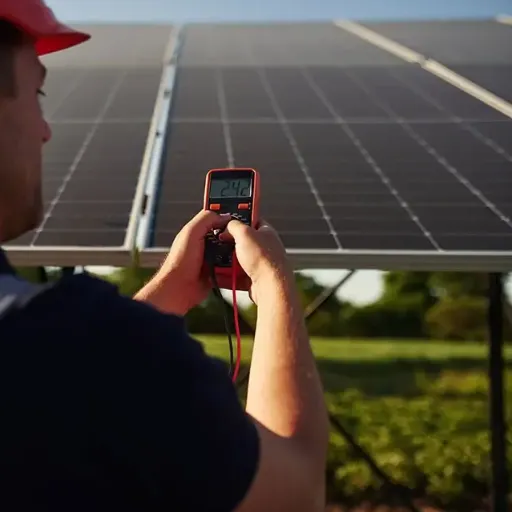
Research indicates that panels with heavy grime can lose up to 20% or even more of their energy production in extreme cases. Understanding these common issues can help you maintain optimal system performance.
Dirt and Debris Accumulation
Solar panel efficiency can be decreased drastically by dirt and debris, as these factors will block the sunlight from reaching the photovoltaic cells and consequently, their power generation will be reduced. Dust, bird droppings, leaves, and even pollen will keep accumulating to certain degrees, especially in areas with infrequent rains. Periodic cleaning, either through natural means like rain or manually, is very important to keep the performance up to the mark.
The dirt and debris influence varies according to regions depending on the weather, air pollution levels, and the environment surrounding the solar panels. For instance, maintenance in cities with a lot of car emissions or agricultural regions that often suffer from dust storms might have to be done more often. Properly orienting the panels can at least partially reduce the accumulation because rainfall will wash away fine dust and small particles.
Regular preventive maintenance is the key to the continuous operation of the system in terms of inspections to easily discover and remove dirt. These are simple practices, for instance, rinsing panels with water and using soft tools to avoid any damage, which can increase their lifespan. Cleaning services are also available for large or hard-to-reach places. Applying these measures guarantees that the solar systems are working really well, thus giving the users both ecological and economic advantages for a prolonged time.
Shading from Trees or Buildings
The shading effect caused by trees or buildings is one of the factors that can greatly affect solar panels’ efficiency. Solar panels are meant to receive direct sunlight; therefore, any obstruction will definitely limit the light rays that reach their surface. Even when the light is partially blocked, the entire panel system could have its energy output reduced considerably and this is especially so for systems without optimizers or microinverters. Therefore, it is very important to think about potential shade sources during installation and the life of the system.
The regular maintenance might help in treating the shading issues. Neighbors’ trees pruning and the proper control of the vegetation ensure that the panels are always getting maximum sunlight. And it is equally important to monitor the new buildings or other structures that might be possible in the neighborhood and cause shading. Such concerns can be addressed at the installation stage by locating the panels where the shade will be least.
To avoid long-term shading effects, it is highly recommended to do a thorough site survey before installation. Solar pathfinders and other modern tools can help in identifying the yearly shading patterns. By doing these things, the users will be assured of the best performance of their solar panels, thus getting the most power and ROI.
Malfunctions in Equipment
Malfunctions in equipment can result in a substantial decrease in the solar energy system’s performance. The most frequent problems are faulty inverters, loose connections, and broken solar panels. These issues might be caused by manufacturing defects, installation that is not up to standard, or a direct result of prolonged exposure to challenging weather conditions. Regular inspections as well as monitoring are necessary to detect such issues at an early stage and to reduce their impact on performance.
To solve the problem of equipment malfunction, the first step is to carry out a detailed inspection of the entire system. A thorough check should be made of all connections, wiring, and individual components for visible damage or wear. The advanced solar systems are usually equipped with monitoring devices that can help pinpoint specific malfunctions or inefficiencies which will ultimately make the troubleshooting process faster. If the problem continues or seems to be complicated, it is advisable to get in touch with a solar technician who is qualified to carry out safe and effective repairs.
The prevention of equipment malfunctions starts with proper installation and maintenance. Have the installation done only by professionals who are certified and carry out regular cleaning and inspection of the components. If users take proactive measures, they can not only prolong the life of their solar systems but also keep them at their best performance; thus, they will be able to enjoy the benefit of increased energy output and reduced repair costs over time.
Tools and Techniques for Monitoring Performance
Essential Tools for Homeowners
Step-by-Step Monitoring Process
Check System Output
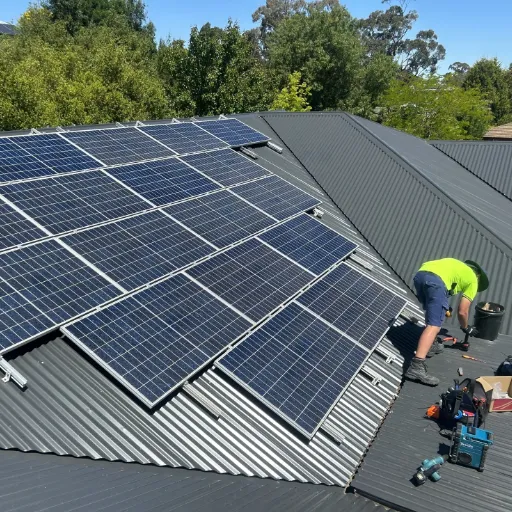
Your solar monitoring system gives its energy output data regularly, so you should check it often. Clarify also to what the expected output for your area and season is. If there is any fall below a certain level or the output pattern is irregular that might be an indicator of a problem requiring your attention.
Inspect Physical Components
The solar panels, inverter, and wiring should be examined for damage, debris, or wear and tear by a visual check. The panels should not be shaded at all by trees, buildings, or dirt, which may lead to decreased performance.
Review Alerts and Notifications
Most solar systems have monitoring tools that send out notifications when there is an anomaly or malfunction. The issues that have been reported should always be dealt with promptly by either referring to the manual that came with the system or by reaching out to an expert if need be.
Document and Compare Performance
Over the course of time, keep a log of your system’s output. Regularly comparing your data may help you to recognize barely perceptible declines in efficiency, hence, facilitating prompt maintenance or replacement to keep the optimal energy production going.
Expert Tips for Ensuring Optimal Performance
Routine Maintenance Practices
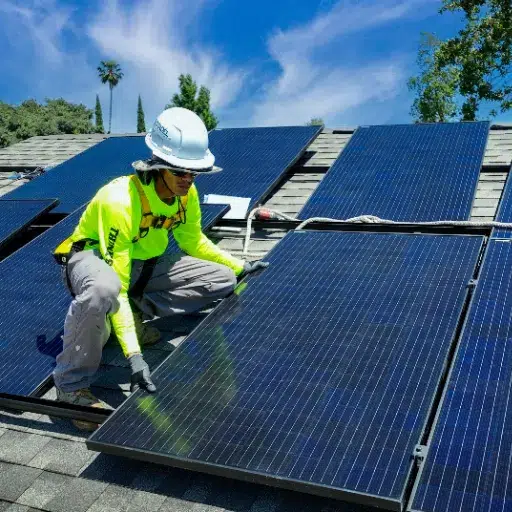
Solar panels’ maintenance is a matter of simple yet very important daily tasks that are necessary to guarantee the efficacy and performance of the solar panels in the long run. The foremost and highly crucial practice is cleaning the panels at regular intervals. A buildup of dirt, dust, leaves, and bird droppings on the panels may stop them from totally capturing the solar radiation. Cleaning your panels using water and a soft cloth or sponge every few months or whenever the local environment requires it can be an effective way to bring about the maximum energy production from your panels.
Periodic inspections to look for visible problems like fractures, loose connections, or color changes are another main procedure. Usually, these inspections can be done with the naked eye and no specialized tools are required. Early detection of physical damage means repair can be done in time, thus preventing the escalation of problems that might affect the entire system.
In the end, regular monitoring of the system’s performance is a critical practice. Tracking energy production with an inverter or monitoring app will help you spot any unexpected drops in output very quickly. In case of a problem, get in touch with a certified technician or your solar provider to evaluate and solve the issue. The combination of routine maintenance and quick attention to any abnormalities guarantees that your solar panels will perform efficiently for many years.
Seasonal Considerations for Solar Panel Care
Maximizing Energy Efficiency
Best Practices for Energy Optimization
- ✓ Monitor Energy Consumption: Track when energy is being used most and adjust habits to use high-consuming appliances during peak solar production hours
- ✓ Maintain System Cleanliness: Keep panels clean and perform periodic professional inspections to ensure optimal performance
- ✓ Integrate Smart Technology: Use energy-efficient appliances, smart thermostats, timers, and energy management systems to optimize electricity usage
Frequently Asked Questions (FAQ)
How to check if solar panels are working right now?
Find out immediately whether solar panels are functioning by checking your inverter display or monitoring app for current output and status. Make sure the inverter is green-lit or has an “operating” message and check the electricity produced by your solar panels versus the expected amounts for that time of day. If you have a generation meter, then compare the current kW output to that of other sunny days.
How can I tell if your solar panels are connected and producing power?
To find out whether the solar panels are connected and generating power, first check the AC/DC isolator switches and the inverter connections for status indicators. Then, use the system’s monitoring portal or inverter screen to check the energy readings and ensure that the panels are connected. In case the screen shows no display or displays error codes, it may be the case that the inverter is not converting the power but the panels are connected. In that situation, check the manual or get a technician.
What simple steps show it’s working when sunlight is low?
On cloudy days or when the sun is just rising to check if the solar panel is functioning, look up the inverter output and the cumulative daily generation figure. Even with diffused light, solar installations are still capable of generating some outputs which should be checked against what was generated by the solar panels during previous similar low-light days. If there is no generation during the presence of sunlight, then there is a need to check for possible shadows, dirt, or faults.
How to check if solar panels are working by inspecting them physically?
Visual inspection allows the identification of obvious issues: make sure the panels are cleaned, no heavy debris, and that there is secure wiring connected to the panels. For cleaning the panels, use a soft-bristle brush for dust or bird dropping removal and a hose with no high-pressure water for rinsing. In addition, check for cracks, delamination, and loose hardware that might affect output.
How to check if solar panels are working using monitoring apps and meters?
The most accurate way to check if solar panels are functioning is by reading instantaneous and cumulative output through the inverter’s monitoring app or a home energy meter. Monitoring not only indicates the amount of electricity produced during the day but also the day comparisons made. Production drops alerts can be set so that it would be known when the solar panels that were thought to be generating unexpectedly stop generating.
What should I do if the amount of electricity generated by your solar panels is lower than expected?
In the event of low production, checking the output for the specific time of day and atmospheric conditions first is necessary. Look for shading caused by new leaves or debris, ensure that panels are properly connected and in good condition, and kindly clean panels using a soft-bristle brush or washing them with a hose. If problems remain, reach out to the solar installer to check panel voltage and inverter performance.
Can I tell if your solar panels are working at night or during outages?
If you want to check that the panels are functioning, look at the power generation logs of the day; regular grid-tied solar systems will not produce electricity at night. Systems that do not have battery backup or an isolating solution will not even export power during outages; in fact, most systems will shut down to ensure safety. Utilize your monitoring history to confirm that the panels were producing energy earlier in the day.
How often should I check my solar installations to ensure they’re working properly?
To keep performance and the ability to check if solar panels are working, do a quick visual and monitoring check every month, clean the panels seasonally or as needed with a soft-bristle brush and light hose rinsing, and schedule a professional inspection every 1 to 3 years. Regular checks of generated by your solar panels help detect gradual declines early.
References
-
Palmetto: How Do I Know My Solar Panels Are Working? – Provides steps like inspecting the solar inverter, checking the electric meter, and reviewing your electric bill.
-
Solar N Plus: How To Find Out If Your Solar Panels Are Working – Discusses using solar inverters, monitoring apps, and other methods to track performance.
-
Choice: Six-Step Health Check for Your Solar System – Offers a detailed guide, including checking inverter lights and system monitoring.