








Understanding Residential Wiring
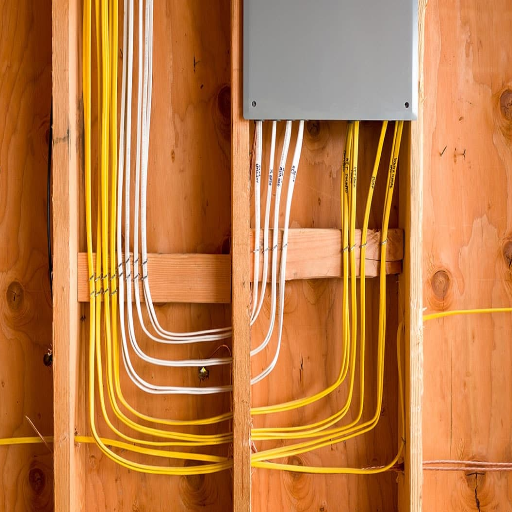
The characteristic of residential wiring is that it carries electricity throughout a home. Main components are wires, outlets, switches, and circuit breakers, all putting their cooperation to deliver electricity safely and reliably. The usual types of wiring are: non-metallic (NM) cable, typically used inside for standard circuits, and armored cable (AC), used in some locations for a little more assured protection. It is always important to check for local electrical codes for safety and compliance. Additional safety measures include proper grounding and placing GFCIs (Ground Fault Circuit Interrupters) near any water source to eliminate electric shocks from potential hazards. Knowing these basics will help you have a working, safe electrical system in your house.
What is Residential Wiring?
Electrical wiring in homes refers to systems designed and installed to distribute electric power to various appliances, lighting, and gadgets safely and efficiently. Various types of wiring materials would be used, including non-metallic sheathed cables and conduits, depending on the application or the local building codes. Major components in residential wiring include circuit breakers, outlets, switches, and junction boxes interconnected to supply power from the main service panel. Safe residential wiring supports the electrical loads while affording the safety of the users, the conservation of energy, and compliance with regulations.
Importance of Electrical Installation
Electrical installation is critical for both functionality and safety in residential, commercial, and industrial environments. A properly designed and executed installation ensures the efficient distribution of power while minimizing risks such as electrical faults, fires, or electrocution. Key aspects include compliance with regulatory standards, such as the National Electrical Code (NEC), which dictate guidelines for wiring methods, grounding, and circuit protection. Without proper electrical installation, systems may experience inefficiencies, excessive energy consumption, or possible equipment failure. Furthermore, a well-maintained electrical system enhances the durability of devices connected to it by regulating voltage and preventing overloads. Ultimately, investing in safe and professional electrical installation supports sustainable energy use and ensures a reliable power supply over the long term.
Types of Electrical Wiring Used
Electrical wiring can be classified into types, each type being suitable for certain applications and environments. The primary types are as follows:
| Wiring Type | Description | Primary Applications | Key Features |
|---|---|---|---|
| Non-Metallic Sheathed Cable (NM Cable) | Insulated copper conductors enclosed within a plastic sheath | Residential buildings, dry indoor applications | Flexible, cost-effective |
| Conduit Wiring | Wires routed inside rigid or flexible conduits made of metals or plastics | Commercial and industrial installations | Resistant to moisture and mechanical damage |
| Armored Cable (AC) | Protective metal armor over insulated wires for physical protection | Residential or commercial buildings requiring extra protection | Enhanced physical protection |
| Underground Feeder (UF) Cable | Waterproof and UV-proof cables designed for underground installation | Outdoor wiring, landscape lighting, detached buildings | Weather-resistant, underground-rated |
| Control Wiring | Low-voltage wiring for control and signal transmission | Automation systems, industrial equipment control | Low voltage, signal transmission |
Each wiring type is picked preferably in consideration of the building codes, electrical load requirements, and environmental conditions, ensuring functional, safe, and compliant with regulations.
Phases of Construction for Electrical Installations
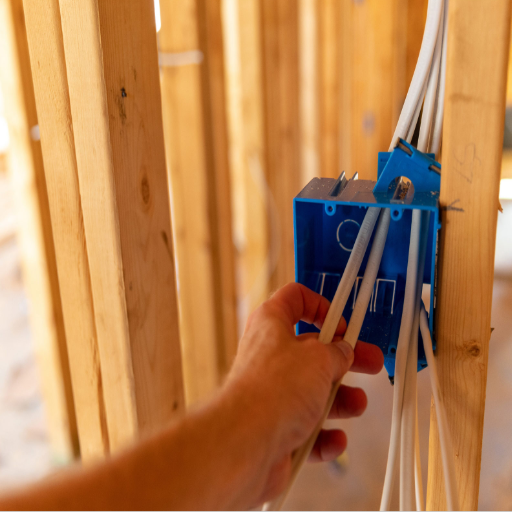
Installation of electrical systems in construction is subdivided into some principal phases:
Design and Planning
During this phase, complete electrical plans are prepared based on the purpose and layout of the building. It is subjected to load calculations, wiring diagrams, and electrical code application.
Rough-in Wiring
This process consists of placing the electrical conduits, boxes, and cables into walls, ceilings, or floors before drywall or other finish materials are applied. This sets the infrastructure for connecting.
Service Installation
The main electrical service components, including the meter box, distribution panels, grounding systems, and service entrance wiring, are installed and tied to the power source, so that electricity can be supplied to the building.
Finish Work
The installers will put in all exposed fixtures, outlets, switches, and any remaining visible components; finalize all wiring connections; and test the entire installation for operation and safety.
Testing and Inspection
The final stage involves inspecting the system to ensure conformity to code, functionality, safety, and so on. Inspections by qualified individuals certify the installation for use.
This structured approach ensures reliable and safeguarded electrical systems in construction projects.
Rough-In Phase: Installing Interior Panels
During the rough-in phase for interior panels, electricians set up a building’s initial electrical framework. Here, panels, subpanels, and the conduit runs that are associated with them are installed. The placement of these components is determined by architectural plans and electrical codes so that circuits may be properly distributed and accessible. Wiring from the main panel to branch circuits is routed while electricians ensure that safety standards are met so that there is no interference with other building systems. This phase demands precise measurement, proper mounting of panels, and proper confirmation of wire connections to guarantee operational ease during the subsequent phase. Such front-end activities are core to sustaining the ability and safety of the electrical installation.
Trim-Out Phase: Finalizing Electrical Wiring
Headed toward the completion of the electrical installations and tested to make it ready for functionality, any other orientation means the trim-out. In this phase, electricians install fixtures, switches, outlets, and cover plates. Each item is rigidly mounted, and the wiring connections are painstakingly tested to ensure that they function as intended. In addition, it involves connecting the appliances, light fixtures, and any specialty equipment to their respective power sources. Electricians then check, with the building code’s eye to safety and performance, that the system complies. This testing includes final checks for continuity, grounding, and load capacity. That ensures the electrical system is to be relied upon and ready for use.
Service Installation Overview
Service installation is a comprehensive activity that results in a fully functional and code-compliant system. Some major activities are analyzing the requirements of the site, planning system layouts, and integrating all components properly. Electricians start with load calculations, respecting power consumption, and then go on to specify appropriate wiring, conduits, and protective devices. Transfer of cables through conduits, finalizing connections in the distribution panel, and implementing grounding systems to prevent stray fault currents from faults to ground are carried out during installation. Also, the testing and commissioning of the system consider insulation resistance, circuit performance, and compatibility with equipment connected at the job site. Installations follow all safety and durability rules of the National Electrical Code (NEC) and are subjected to an inspection process. In the end, a reliable system that meets the exact operational requirements will have resulted.
Panelboards in Residential Wiring
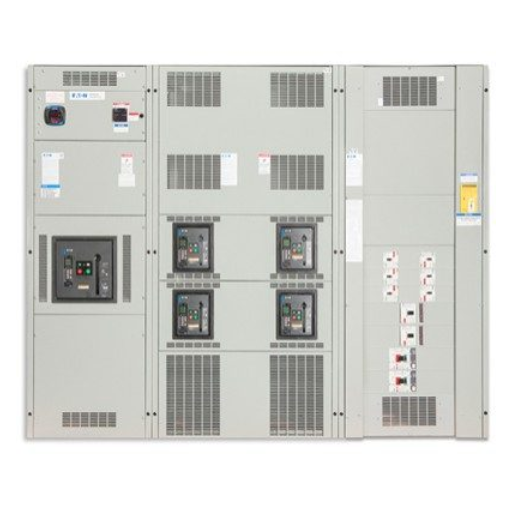
Panelboards are a necessity involved in the wiring of a house, as electrical power is to be dispersed to individual circuits throughout condominium homes. Circuit breakers or fuses are kept in panelboards so that these circuits may be protected in cases of overloading, thus ensuring safety and utility. Contemporary panelboards are meant to allow efficient accommodation of loads and therefore incorporate surge load protection. When compliant with NEC requirements, these units are fully functional and meet safety requirements for household electrical systems.
The Role of Electrical Panels
The circuit panels or breaker boxes are, say, an integral part of the home electrical system. Electric power is distributed from the panel into various circuits in an orderly organization with utmost safety. Each circuit is protected by a circuit breaker that stops the flow of electricity in case of an overload or short circuit. A modern panel has more features, such as handling heavy electrical loads, smart home integration, and built-in surge protection for sensitive devices.
Compliance with the National Electrical Code (NEC) is of utmost importance in order to maintain safety and ensure reliability in the electrical panels. The panels must have suitable ratings for the load so that labeling for circuit identification is clear during maintenance and troubleshooting. Inspections are recommended to ensure that breakers are working, connections are tight, and that, as electrical demand surges, older panels are being replaced. New designs allow the load centers to monitor energy, providing the homeowner with a way of efficiently managing electricity usage while lowering the risk of an electrical hazard. It is the very nature of being safe, plus functional and adaptable, that makes electrical panels key components in power and protection for any modern home.
Types of Panelboards and Their Applications
Panelboards are also known as distribution boards. Three main types exist based on function and application.
Lighting And Appliance Panelboard
These panelboards control branch circuits for lighting, small appliances, and socket outlets. A typical area of application comprises residential and light commercial setups, wherein unequal importance is given to load protection and control of smaller loads.
Power Distribution Panelboard
These panelboards carry bigger electrical loads-industrial and commercial processes that include powering sub-panels for other sub-panels, and heavy machinery are applications that require Power Distribution Panels. They ensure uninterrupted energy flow to crucial systems, depending on top-level demands.
Dead Front Panelboards
With a primary consideration given to safety, dead-front panelboards conceal live electrical parts from accidental human contact. Such panels have all the applications from residential to industrial, particularly where high degrees of safety are required.
Each type of panelboard is chosen with reference to the actual load requirements, operating environment, and need for safety considerations. Understanding such distinctions helps in specifying the right panelboard for efficient, reliable, and safe electrical distribution.
Placement and Accessibility Considerations
Placing panelboards should be done in such a way that safety, compliance, and ease of maintenance are assured. They ensure that all panelboards are installed in dry, well-ventilated, and accessible areas for authorized personnel. According to the National Electrical Code or NEC, panelboards shall have at least 36 inches of clear working space in front of them and sufficient headroom to allow for safe operations and repairs. Thus, panelboards should not be installed within confined and difficult-to-reach areas that may obstruct access.
Furthermore, panelboards must be mounted at a height, allowing the quickest reach of switches and breakers-roughly 6.5 ft. and below-for ease of operational use. Another consideration that improves accessibility for troubleshooting or adjustments is proper labeling and circuit organization. Local safety codes and building regulations must also be considered when deciding on the placement, as this will avoid hazards and ensure uninterrupted power.
Electrical Layout and Inspection
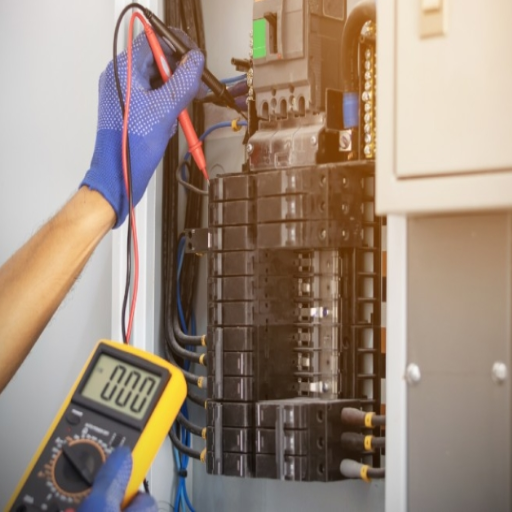
An effective electrical layout should maximize safety, enhance efficiency, and be compliant with the current building codes. Important considerations include maintaining adequate space between components, preventing overcrowding of circuits into one conduit, and following certain specified rules for the placement of the conduit. Orientation entails making sure that every piece of wiring, connection, and fixture complies with the stipulated regulations, is above board, and free of any visible damage or defect. The testing of circuits and grounding should be done regularly to ensure that the system is working in a given manner. Safety and reliability of the electrical system can be achieved by following the NEC (National Electrical Code) or local electrical codes.
Creating an Effective Wiring System
Designing an efficient wiring system necessitates that it be systematically laid out with adherence to safety codes to make sure it is safe, functional, and long-lasting. This begins with planning every step of the way, from considering the electrical load requirements and circuit distribution to even possibilities for future expansion. Load calculations are correctly performed to ascertain the amperage capacity of the circuits and to avoid any overload situation.
The next very important thing in wiring is the material selection. High-quality wires and cables are selected for the job they are intended for and in accordance with temperature ratings and environmental conditions. For conduits and protective measures, consider the type that can protect the wires against physical damage or against exposure to moisture and chemicals: flexible or rigid.
With installation techniques such as maintaining proper gauge for the wire in applications, assuring tight delays and clean connections, and adequately labeling the circuits, no step can simply be overlooked. The paths for wiring should ensure deminimization of electromagnetic interference by, most often, separating power lines from communication lines, while all bends and conduit runs should maintain minimum bending radius specifications to prevent damage to the wire.
Safety techniques are another aspect that must be rigidly maintained. Any system should ensure grounding, containing proper devices to compensate faults-circuit breakers or fuses, and follow any other guidelines set in the National Electrical Code (NEC) or locality standards. Also, inspection and testing for continuity, insulation resistance, and ground integrity are absolutely necessary before energizing the system.
In essence, careful planning, good materials, painstaking installation, and adherence to standards are the basis of achieving a wiring system of very high quality and one that serves its purpose effectively.
Inspection Requirements for Residential Electrical Installations
Inspection of residential electrical installations is a critical step undertaken to ensure a safe environment, workable conditions, and adherence to codes. A proper inspection includes, at the very minimum, the following broad aspects:
Service Panel Assessment
An inspector can give a report on inappropriate service panel installation, mislabeling of circuits, and absence of a main breaker. He will also consider whether clearances comply with NEC codes and look for potential overheating, corrosion, or incorrect wiring within the panel.
Grounding and Bonding
The grounding system is evaluated to ensure it is connected to a grounding electrode, such as slightly driven ground rods or water piping, and that the bonding of the metal components remains intact to protect the electrical system properly from fault situations.
Wiring and Circuit Integrity
All wiring is inspected to ascertain compliance with NEC standards, considering aspects such as secure terminations, wire sizes rated for their breakers, wire insulation that is neither damaged nor compromised, and any specifications dictated by the code to securely support and fasten all cables. The inspectors would also ensure that there are no hazards in the wiring, such as splices in inaccessible locations.
Outlet and Switch Testing
Inspectors will observe outlets, switches, and fixtures for installation and measure their operational capacity. GFCIs and AFCIs will be installed and tested in all areas required by code, such as kitchens, bathrooms, and living rooms.
Load and Voltage Testing
The basic voltage measurement and load tests shall be conducted to ascertain that the capacity of each system is appropriate to the actual electrical demand of the dwelling so that none of the circuits are overloaded and the service capacity is in accordance with the designed capacity.
Code Compliance and Documentation
Inspections must ensure that all elements are implemented according to the latest edition of the NEC and the local jurisdictional amendments. Installation must be accompanied by all proper documentation or permits, and inspection records to prove compliance.
Thorough inspections at every stage of the installation, such as rough-in, finals, and any upgrades, are sure safeguards for a homeowner’s life and offer the electrical system a long life.
Common Issues Detected During Inspections
Improper Grounding and Bonding
One very common finding at inspections is the absence of proper grounding and bonding. It poses several safety concerns, ranging from electric shock to the potential for fires. Grounding deficiencies are mostly caused by incorrect installation or damage to the grounding conductors. It is often because the inspectors find connecting links between the grounding system and electrical panels to be either absent or loose.
Overloaded Electrical Circuits
Overloaded circuits are another common issue, often caused by undersized breakers or excessive loads put on a single circuit, causing overheating, tripped breakers, and perhaps an electrical fire. Proper circuit planning and calculation of loads during design and installation are needed to prevent these issues.
Faults or Deterioration in Wires
Wiring frayed with time and damaged is always a major concern, considered in both old installations and poorly maintained systems. Issues include insulation deterioration, wires being spliced into random junction boxes, amongst a few concrete examples of what used to carry through to bad practice. There is a great need for maintenance and upgrades to avoid hazardous conditions from occurring.
If unattended, these are common scenarios compromising safety and the established electrical codes, which might prevent inspections from being passed or present liabilities.
Electrical Layout Considerations
Serving as an electrical layout design, it is important to consider maximizing functionality and safety, and adhering to all applicable codes. Essential points for consideration include:
- Distributing Loads: Ensure distribution of electrical load properly across circuits so as to avert overloading, and a tripped breaker or even the overheating of wires could be the consequence.
- Circuit Design: To prevent interference with other devices, assign dedicated circuits for high-demand appliances such as HVAC, refrigerators, and washing machines.
- Outlet Placement: Aims to place outlets in a way that they provide adequate service with minimum extension cord usage, thereby assuring convenience. Follow the National Electrical Code (NEC) guidelines for the spacing of outlets.
- Lighting Circuits: Lighting circuits should be planned for the type of use that will make room with dimmers or switch control for lighting functions and energy management.
- Future Expansion: Allow capacity in upgrade considerations or additional circuits for new appliances or technologies.
- Grounding and Bonding: Proper grounding must be imparted to ensure life safety and avoid telephone shocks or equipment damage.
These aspects are geared towards the electrical layout being current with safety standards, better usability, and making way for future requirements.
Planning Electrical Wiring for Inspection
The scheduling of an electrical wiring plan would effectively consider inspections of all electrical wiring. First, I would ensure that it complies with applicable building and electrical codes after thoroughly reviewing the latest code. I would document every aspect of the wiring system’s design and layout, including circuit diagrams and load calculations, so that during inspection, I would be able to present clear and correct information. To have any major problems brought to light beforehand, I would conduct pre-inspection tests for continuity, ground continuity, etc., to see that the installation has been done properly. Organization should also be maintained, such as neat labeling of circuits and junction boxes, as this would make for an easy inspection and clearly show that standards of safety and quality have been followed.
Best Practices for Residential Electrical Installations
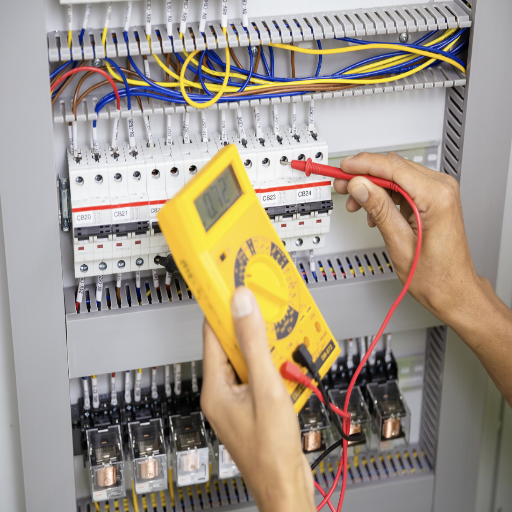
-
Adhere to Local Electrical Codes and Standards
Always follow the National Electrical Code (NEC) and any applicable local codes for legal and safety reasons. These codes basically provide a guide toward proper circuit design, grounding, fixture location, and load calculations, so as to minimize the occurrence of electrical faults or lies on the hazards.
-
Use High-Quality Materials, Certified by Standards Agencies
Only electrical components and materials with certification should be used; for instance, wires, circuit breakers, and outlets that are UL listed. These will ensure that the equipment lasts for a long time, performs correctly, and is in accordance with safety standards, thereby making the eventuality of equipment failure or risk of fire a very remote possibility.
-
Use the Best Wiring Practices
Properly size your conductors to match the load for which they will serve. Never allow overloading of circuits because this may cause them to overheat. Use the right kind of insulation, wherein cables are run neatly and with no sharp bends that will damage the insulation. Wire with the right staples or conduits, especially in areas where the wiring could easily be subjected to physical impact.
-
Circuit Organization and Labeling Come First
Organize the electrical panel with clear labels spared for each circuit breaker or fuse, making system troubleshooting and future maintenance easier. Provide enough spacing and proper layout for access or utility.
-
Provide Ground Fault and Arc Fault Protections
In wet areas such as kitchens and bathrooms, prevent shocks by installing GFCIs. Likewise, AFCIs shall be installed on all circuits where they are applicable to diminish the chances of Edison fires.
-
Perform Inspection and Testing Regularly
To make sure that the electrical system and its components and materials comply with specified technical requirements, perform the inspection. The checks must also include testing for circuit continuity, grounding, control for loose connections in contacts, or the overheating of components, so that these problems can be dealt with before occurring.
Following these best practices will enable residential electrical installations to be done in a safe, efficient, and durable manner, ensuring that they meet all regulatory standards. The systematic approach ensures the safety of persons and maintains the long-term reliability of the electrical system.
Key Considerations for Effective Wiring Systems
During the installation of a wiring system, the following points must be considered thoroughly:
Layout and Planning
A very comprehensive way of wiring should be prepared, showing the exact locations of circuits, outlets, switches, and heavy equipment. Consider the present demand and possible future expansions so that the design complies with the local electrical codes and standards.
Selection of Materials
Use typically standardized materials such as copper or aluminium wires to ensure the highest conductivity and durability. The types of insulation should be chosen based on working conditions, such as temperature or moisture, to ensure system integrity.
Calculation and Distribution of Load
Calculate with high accuracy the total electrical load so as not to overburden the circuit. Also, ensure even distribution of load among the circuits to avert power outage, heating, or malfunctioning of other equipment. High-power equipment may need its own dedicated circuits.
Safety Measures
Incorporate necessary safety features like circuit breakers, GFCIs (Ground Fault Circuit Interrupters), and surge protectors to help prevent possible electrical shocks, surges, or short circuits.
Grounding Systems
Make sure that the path is provided to discharge excess electrical energy safely into the earth to protect the users and equipment from any faults or lightning strikes. The bonding procedure should bond together all metallic parts to eliminate any difference in electrical potential.
Future-Proofing
Allow room for any future technology enhancements by providing spare conduits, additional outlet capacity, and being compatible with any probable updates to household systems, such as smart home technologies.
Addressing these points, the wiring system will become very efficient, safe for use, and maintainable at a low cost over time.
Summary and Conclusion
The installation of interior panels in residential wiring is a critical process that forms the foundation of a safe, efficient, and reliable electrical system. Throughout this comprehensive guide, we have explored the essential phases of electrical installation, from the initial design and planning stages through rough-in, service installation, trim-out, and final inspection. Each phase plays a vital role in ensuring that the electrical system meets both functional requirements and safety standards.
Understanding the various types of wiring, panelboards, and their applications enables electricians and homeowners to make informed decisions that suit specific needs and comply with the National Electrical Code (NEC). Proper placement and accessibility of panelboards, combined with effective electrical layout considerations, ensure that systems are not only safe but also convenient for maintenance and future upgrades.
The importance of thorough inspection cannot be overstated. Regular testing for grounding, circuit integrity, load capacity, and code compliance protects against common issues such as improper grounding, overloaded circuits, and wire deterioration. By adhering to best practices—including the use of certified materials, proper circuit organization, and implementation of ground fault and arc fault protections—residential electrical installations can achieve optimal performance and longevity.
Whether you are a homeowner seeking to understand your electrical system, an electrician performing installations, or a DIY enthusiast looking to expand your knowledge, the principles outlined in this guide provide a solid foundation for creating electrical systems that are safe, efficient, and built to last. Always remember that electrical work requires careful attention to detail, strict adherence to codes and standards, and a commitment to safety above all else. When in doubt, consult with licensed professionals to ensure that your electrical installation meets all necessary requirements and provides reliable service for years to come.
Reference Sources
Assessment of Electrical Safety Beliefs and Practices: A Case Study
Development of an Automatic Fire Extinguishing System for Residential Use.
Magnetic Field of Electrical Heating Cable Systems of the Floors for Residential Premises.
Frequently Asked Questions (FAQs)
About rough-in construction: Is it about residential wiring?
The rough-in construction is an essential stage in establishing the basic framework for an electrical system. This is when residential electricians put in wiring, electrical boxes, and interior panels before the walls and ceilings are finished. This method allows the wiring of electrical equipment to be safely embedded into the house infrastructure.
How does the installation of panelboards in residential wiring take place during rough-in?
Panelboards are generally installed during the rough-in, which involves securing the electrical distribution panel in a previously chosen area. This proceeds to ensure the whole electrical system is organized and ready for future connections so that power can be efficiently distributed throughout the home.
What types of common electrical installations take place in new builds?
Electric wiring in new homes typically consists of residential wiring systems, lighting fixtures, outlet placements, and electrical panels. These installations are done at various stages in the construction of the house, with the rough-in phase being the important stage wherein the groundwork of the electrical system is laid before interior finishes are applied.
What ought to be thought about during the planning for electrical installation?
During the planning for electrical installation, the electrical needs of the home, the wiring system, and the mounting of panelboards ought to be considered. The installation must be done in respect of minimum standards with regard to safety and efficiency. Consideration should also be given to the possibility of future expansion and easy access to electrical boxes.
Interior panels are generally installed during residential wiring when?
Following the installation of interior panels in residential wiring happens during the construction rough-in stage. This way, the panel is integrated into the framework of the house before the final finishes; hence, one can easily access the power for inspection and future modifications.
What role do residential electricians play during installation?
Residential electricians play a vital role in the installation by making sure all components are properly installed in compliance with local codes. They perform the rough-in work of wiring and installation of panelboards, and the trim-out service, wherein final connections and finishing are done.
What is the importance of inspection in an electrical installation?
The inspection process should always be done to ensure that all of the electrical works meet safety standards and regulatory norms before the job is completed; the inspection entails verification that the wiring, panels, and other electrical equipment are correctly installed and operate safely. In case any problems arise later, the inspection shall become a safeguard for the homeowner.
Is there a difference between commercial wiring practices and residential electrical installation?
Commercial wiring practices often differ from residential ones in terms of their scale and complexity. Commercial wiring tends to involve larger systems with higher voltage requirements and more serious safety considerations. Even though the fundamental considerations in design, installation, and code application remain the same, commercial wiring has to be designed and installed in accordance with the special needs of commercial spaces.