






In terms of performing work with an industrial-grade over-and-under electrical circuit, the 120mm armored cable is classified as one of the parts of the system diagram. Cables perform the basic function of enabling the supply of electricity and power to industrial machinery and equipment, as well as to various large-scale buildings, companies, and construction projects. In what way does a 120mm armored cable get its reputation, and what potential advantages does it have for highly demanding tasks? The purpose of this article is to compile in one document all the parts, benefits, and types of 120mm armored cables so that they can offer 120mm boards for easy selection for different electrical tasks. I know that many engineers or project heads would come with lots of nitty gritty questions about power cables, but I assure you, spend a little reading on this, and your doubts will be resolved on this vital piece of technology.
What is a 120mm Armored Cable?
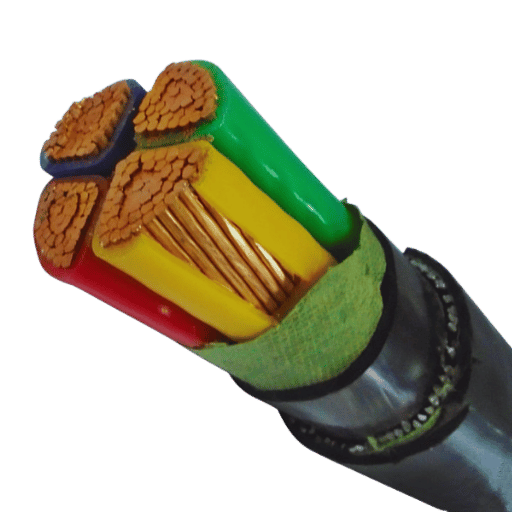
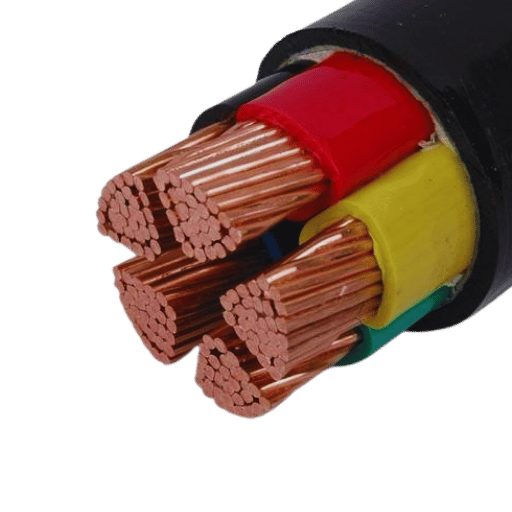
A 120 mm armored cable is tailored towards the transmission of power and provides heavy-duty protection. The cross-sectional area of the conductor part, 120mm, indicates a value that can handle significant current loads, and both steel and aluminum make for superb armor due to their protective and mechanical qualities, which help bear physical strains. This makes the cable suited for harsh environments, be it industrial plants, construction sites with heavy machinery, or underground. The reliability alongside superb performance aids in providing constant and secure power distribution during critical stages of missions.
Understanding the Composition and Structure of Armored Cables
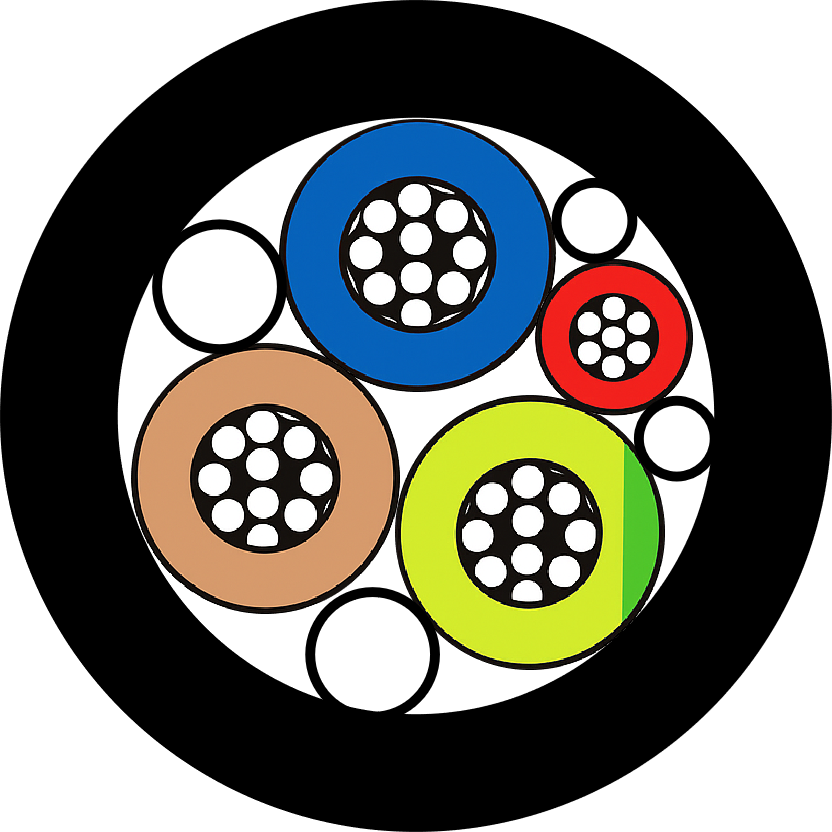
Like any other cable construction, armored cables have multiple essential layers that ensure optimal performance, reliability, and safety whilst using it in diverse settings. The most vital parts of the armored cables consist of:
- Conductors – Copper or aluminum made materials, the inner constituents of the cables which serve as electrical power carriers are called conductors.
- Insulation Layer – This layer of insulation is concerned with heat, chemicals, and electrical exposure. It is formed by polyvinyl chloride and polyethylene, while at the same time serving as a protective covering for cross linked conductors.
- Bedding Layer – The middle layer to armor and insulation which is called bedding layer serves to protect the insulation from damage during cable installation and shifting.
- Armoring – This outer layer is made from either steel wires, steel tape, or aluminum. It serves multifunctional purposes but most importantly defending the armoring against physical altercations, strain, and even animal attacks.
- Outer Sheath – Sheath is a term used to refer to the covering acquired from strong materials like PVC or polyethylene. It shields the cable from exposure to moisture, friction, spillage of chemicals, and ultra violet radiation.
With such an arrangement, even in severe working conditions, armored cables ensure unmatched dependability.
Key Applications of 120mm Armored Cable in Industrial Settings
Power Transmission and Distribution
- At critical operations within industrial facilities, 120mm armored cables serve a vital purpose in high-capacity power transmission, enabling seamless electricity distribution during mission-critical activities.
Underground Installations
- These cables are specifically designed for buried applications, enabling them to withstand external pressure as well as environmental constraints which makes them suitable for underground power networks.
Hazardous Environments
- Employed in oil and gas, chemicals, and mining industries, these cables undergo rigorous mechanical, corrosive, and high temperature torture testing, proving their resistance to these elements.
Renewable Energy Systems
- Due to the ability to sustain high electrical loads, these cables are utilized in solar farms and wind turbines.
Industrial Machinery and Equipment
- These cables supply and establish control connections for large industrial machines, ensuring robust performance in the demanding environments within manufacturing sectors.
Infrastructure Projects
- Designed for underground power networks, these cables can be implanted in large scale infrastructure projects like airports, railways, and power plants to ensure electricity distribution in safe and efficient manners.
Marine and Offshore Applications
- Due to their construction that resists water and corrosion, these cables may be used in offshore platforms and marine environments.
The diverse industrial applications illustrated above substantiate the importance of 120mm armored cables in maintaining safety and operational efficiency.
Core vs. 5 Core: Variants and Their Usage
Core and 5 Core cables differ in the number of conductors whereby Core cables have fewer conductors for simpler applications, whereas 5 Core cables are for more advanced, higher wattage systems; 120mm armored cables are rugged cables with steel armor for industrial and underground applications.
| Parameter | Core | 5 Core | 120mm Armored Cable |
|---|---|---|---|
|
Conductors |
Fewer |
5 |
3 |
|
Usage |
Simple |
Complex |
Industrial/Underground |
|
Protection |
Basic |
Enhanced |
Steel Wire Armored |
|
Voltage |
Varies |
Varies |
600/1000V |
|
Diameter |
Smaller |
Larger |
40.4mm |
|
Current Rating |
Lower |
Higher |
335 Amps |
|
Sheath |
PVC |
PVC |
PVC |
|
Standards |
Varies |
Varies |
BS 5467 |
|
Temperature |
Varies |
Varies |
Max 90°C |
|
Applications |
General |
High Power |
Roads, Factories, etc. |
Why Choose Steel Wire Armoured (SWA) Cable?
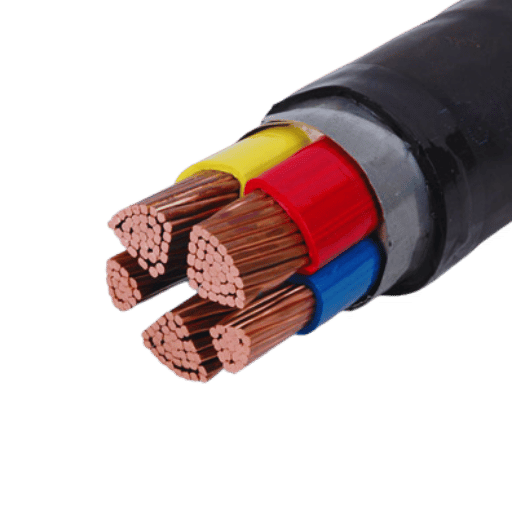
Benefits of Using Steel Wire Armoured for Electrical Installations
Enhanced Mechanical Protection
- SWA cables offer an unparalleled degree of mechanical protection, which durability in harsh environments. The steel wire armors shields the internal conductors from physical damage due to impact, pressure, or abrasion.
Resistance to Environmental Hazards
- Moisture, chemicals, and UV light do not affect steel armor, which makes it usable indoors and outdoors.
Improved Safety
- SWA construction minimizes the risk of electrical faults, short circuits, and fire hazards, ensuring personnel and equipment safety.
High Tensile Strength
- The durable SWA cables sustain heavy tensile mechanical stress that comes from extended installations over long distances.
Versatile Applications
- Due to adaptability in different operational scenarios, these cables serve for industrial power distribution and construction, as well as underground power systems.
Electromagnetic Protection
- Use in sensitive installations SWA cables guarantee stable and reliable performance protected from electromagnetic interference (EMI) due to the steel wire armor.
Longevity and Cost-Effectiveness
- Steel SWA cables are built for long term operational durability which lowers replacement frequency and maintenance costs.
Incorporating these advantages makes advanced electrical installations in various industries more straightforward with SWA cables.
Comparing SWA Cable with Other Armoured Cables
Distinguished differences when comparing other armoured cables SWA, GSWB, AWA and STA, along with LSZH, SY and CSTA include waist, flexibility weight, material, corrosion resistance as well as more specific uses.
Below is an easy-to-read comparison table:
| Cable Type | Material | Flexibility | Weight | Corrosion | Strength | Applications |
|---|---|---|---|---|---|---|
|
SWA |
Steel wire |
Low |
Heavy |
Moderate |
High |
Underground, outdoor |
|
GSWB |
Braided steel |
High |
Light |
High |
Moderate |
Marine, offshore |
|
AWA |
Aluminium |
Moderate |
Light |
High |
Moderate |
Power networks |
|
STA |
Steel tape |
Low |
Moderate |
Moderate |
Moderate |
Direct burial |
|
LSZH |
Fire-resistant |
Moderate |
Moderate |
High |
Moderate |
Public areas |
|
SY |
Steel braid |
High |
Moderate |
High |
Moderate |
Industrial lines |
|
CSTA |
Steel tape |
Moderate |
Light |
High |
Moderate |
Telecom, underground |
How Steel Wire Armoured SWA Cable Enhances Cable Durability
Steel Wire Armoured (SWA) cables have an outer layer of steel wires that increases durability. This armoring protects the cable core from physical damage like crushing, impacts, or tension during installation and operation. In addition to protecting the cable from physical damage, the strong outer layer also provides protection from environmental factors such as moisture, chemicals, and extreme temperatures. SWA cables also protect their integrity under heavy strain, which is ideal for industrial applications and underground installations. All of these factors ensure that SWA cables are resilient in demanding conditions.
How to Select the Right 120mm Armoured Cable Type?
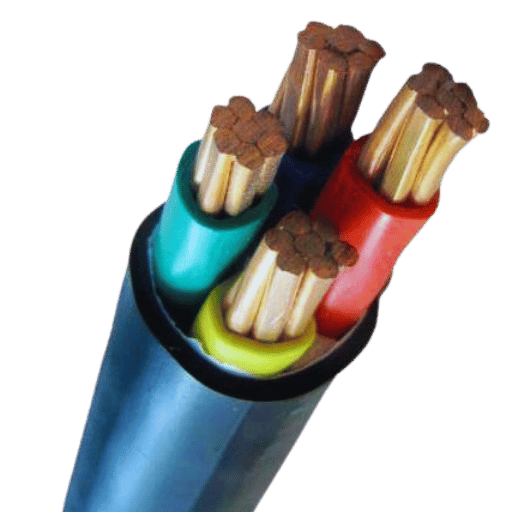
Factors to Consider When Choosing a 4-Core Armoured Cable
- Cable Rating: Make certain that the cable is rated for the voltages relevant to the application in order to prevent insulation failure or breakdown, not forgetting the application needs.
- Electric Thermal Rating: Ensure that the cable is not overloaded thermally because it will render electrical services.
- Critical Areas: Assess Negligence of moisture, chemical, UV, or extreme temperatures which could adversely affect cable performance.
- Routing Length: Analyze the routing length of the cable run so as to avoid possible voltage drop over distance.
- Impact Protection: Determine level of stress or impact that will be sustained in the installation environment to know if armoring is suitable or not.
- Cable Routing: Decide if the cable will be routed underground, above ground or in a duct, will effectuably influence cable insulation and armoring choice.
- Standards and Local Ordinances: Make sure the local codes and standards pertaining to safety and performance have been met by the cable.
- Conductor Material or Composition: Determine if the conductor will be made of copper or aluminum in regards to conductivity, weight, and cost.
- Geometric Arrangement: ascertain that the 4 core configuration will best suit the contour load and employment for the system.
- Selection and Classification: Make sure quality, performance, and durability do not exceed budget limits.
- Future Scalability: Evaluate if the cable can accommodate extensions, additions, or modernizations without needing to be replaced.
Understanding Core Armoured Cable Specifications
Core armoured cables have numerous layers used for protection and are applied in areas where increased durability and dependability are needed. Amongst those armoured cables, we look into these specifications :
- Core Number: This references the amount of conducting wires a cable has. It can be single core or multicore depending on the system’s power and connection demands.
- Voltage Rating: This sets a relationship between the operating voltage levels with the system. It is typically classified in two tiers low voltage (LV) and high voltage (HV).
- Armor Type: This denotes the grade used to protect the cable against mechanical exposure. Cables may be covered with steel wire armor (SWA) used for gneral purpose applications or aluminum wire armor used when light weight construction is preferred.
- Insulation Material: This material selection allows the cable to withstand harsh environmental conditions such as chemical exposures or moisture.
- Environmental Resistance: This describes the overall performance of the cable in extreme conditions such as; UV radiation, water ingress, and high/low temperatures.
When observing these features, core armoured cables are selected for maximum efficiency whilst ensuring dependability and safety.
Why Core Armoured Cable Products from Top Manufacturers Matter
Leading manufacturers of core armoured cables focus on quality, safety, and compliance with industry standards. Cutting-edge core armoured cables are tested under extreme conditions to ensure reliability, offering outstanding durability and performance. Well-known manufacturers use advanced materials and technologies that improve core armoured cables’ resistance to environmental factors and reduce maintenance needs while extending service life. Using these products ensures compliance with regulatory requirements, mitigates project risks, and provides cost savings over time.
Exploring 4 Core and 5 Core Armoured Cable Options
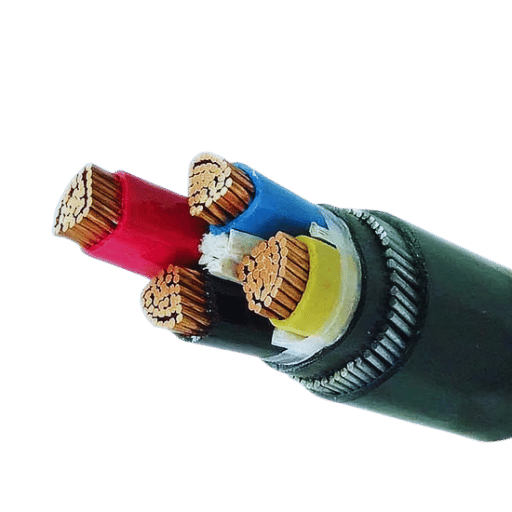
Differences Between 4-Core and 5-Core Armoured Cables
The key distinction between 4-core and 5-core armoured cables is that 5-core cables have an extra core, which is often used as a neutral or earth conductor, while 4-core cables are mainly intended for three-phase configurations with earth.
Please refer to the concise table below highlighting the key differences.
| Parameter | 4-Core | 5-Core |
|---|---|---|
|
Core Count |
4 |
5 |
|
Usage |
Three-phase |
Flexible setups |
|
Earth Option |
External/Armour |
Internal Core |
|
Cost |
Lower |
Higher |
|
Ease of Install |
Moderate |
Easier |
|
Applications |
Standard setups |
Complex setups |
When to Use 120mm 4 Core Armoured Cable
The 120mm 4-core armoured cable is often employed in sectors with a high demand for current transmission, like major industrial plants, commercial enterprises, or power distribution utilities. It is advantageous in places where physical protection is required, for example, in installations placed underground or in areas subjected to severe external mechanical forces. This cable guarantees efficient long-distance electricity transmittal despite harsh environmental conditions. Always refer to the proper engineering documents alongside the project’s specified parameters to determine appropriateness for your undertaking.
Applications of 5 Core Armoured Cable in Complex Electrical Systems
- Industrial Power Distribution: Used in factories for the safe and reliable transmission of electricity to machines and equipment while resisting harsh mechanical and environmental conditions.
- Underground Cabling: Suitable for applications requiring conduit buried deeper as they protect the electrical system from soil pressure, moisture, and unintentional damage from construction work.
- Renewable energy Systems: These are used on solar and wind energy systems to manage their fluctuating power outputs and perform in harsh weather.
- Urban Infrastructure Projects: Applied in the construction of transportation systems, as well as public lighting and utility grids, where reliable power transmission is required.
- Marine and Offshore Platforms: Ensures safe electrical distribution in environments highly prone to water, salt, and physical stress.
Understanding Core Armoured Cable Price Dynamics
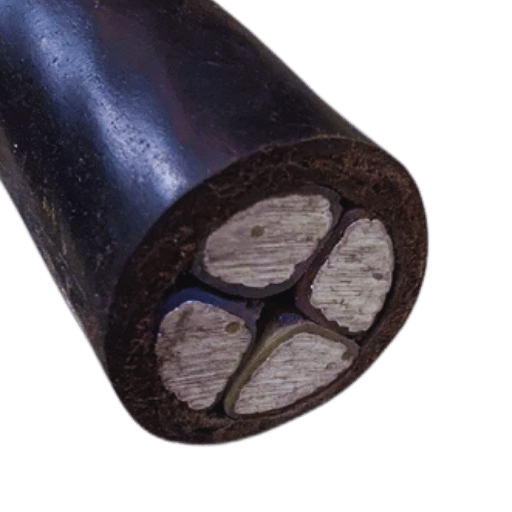
Factors Affecting the 4 Core Armoured Cable Price in the Market
- Material composition: The caliber of their alloys, including conductors of copper and aluminum, as well as the steel utilized for armoring, will always dictate the final price. In this case, premium grade materials translates to increased financial investment.
- Cable size and specifications: The cost estimation will consider the conductor’s cross-section, thickness of the insulation and armoring as the two are also the upper threshold on price as demand for their refinement will directly correlate to added value.
- Market Demand and Supply: Economical and foreseeable resource limitations will have an impact on the pricing owing to the telescopic fluctuations in raw materials, imbalance of supply and demand, as well as the popularity of 4 pin armoured cables.
- Manufacturing Process: Costs in labor and operations along with the complex efficiency of the production steps add the price mark. Streamlined manufacturing processes, while helpful in minimizing waste, might raise up front investment cost.
- Compliance and certification requirements: The more stringent the industrial standards are, and the required certifications that needs to be claimed for safety, quality and environmental compliance, the more cables entails additional to the expenditure.
How Steel Wire Armoured SWA Cable Pricing Compares to Alternatives
Compared to GSWB, LSZH, AWA, SY, and CSTA cables, which differ in flexibility, fire resistance, and cost-effectiveness, SWA cables offer more durability and protection, even though they have a higher upfront cost.
| Parameter | SWA | GSWB | LSZH | AWA | SY | CSTA |
|---|---|---|---|---|---|---|
|
Cost |
High |
Medium |
Medium |
Medium |
Medium |
Medium |
|
Durability |
High |
Medium |
High |
Medium |
Medium |
High |
|
Flexibility |
Low |
High |
Medium |
Low |
High |
Medium |
|
Fire Safety |
Low |
Low |
High |
Low |
Low |
Medium |
|
Weight |
High |
Low |
Medium |
Low |
Low |
Low |
|
Use Case |
Harsh |
Flexible |
Fire-safe |
Single |
Control |
Telecom |
Getting the Best Deal: Tips on Finding a Cable with Factory Price
To secure a cable deal at a factory price, I began by looking for reputable manufacturers, focusing on established companies with transparent pricing. I actively monitor sites like JOCA, which stock an array of factory-direct-grade quality cables. To maximize cost efficiency without sacrificing value, I ensure all relevant checks and steps regarding pre-purchase jargon comparisons, technical specification analysis, and inquiring about bulk purchase discounts are addressed.
Frequently Asked Questions (FAQs)
Q: What is the use of a 120mm armored cable?
A: The 120mm armored cable is designed for industrial and electrical purposes. It serves as a mechanical protection shield and also supports direct burial installations. Its robust construction enables it to deliver electricity to multiple locations safely and efficiently.
Q: How can I buy the most appropriate 120mm core armoured cable?
A: A professional enables clients to determine the primary purpose of using a 120mm core armored cable. It is vital to the application, environment, and desired outcome. With an expert, the client will have no trouble selecting a 120mm cable with stranded copper.
Q: What makes Huadong trusted for your armoured cable needs?
A: Huadong is an industry leader when it comes to armored cables. They specialize in 120 mm core armored cables which are rigorously tested for reliability and durability. They ensure all their cables meet desired standards making them vital for modern technology applications.
Q: What is the application of single-core armoured cable?
A: Single core armoured cables are often employed in power distribution systems where there is a need for high levels of mechanical protection. They can operate in environments where the cable is subject to mechanical stresses.
Q: Why is stranded copper used in armoured cables?
A: Stranded copper is utilized in armored cables due to it’s flexibility, greater conductivity, and corrosion resistance, which makes these cables suitable in extreme conditions while ensuring operational reliability.
Q: What standards apply to wire armoured SWA cable?
A: SWA wire armoured cables are produced in compliance with a certain local and international standards which assure their industrial suitability and reliable and safe power conduction.
Q: What is the main advantage of using an armoured cable made of steel wire?
A: Its main advantage is to sustain diverse heavy mechanical stress for use in industrial applications where cables are subject to pressure or impact.
Q: What are the advantages of using XLPE insulated cables on armored cables concerning their heat and abrasion resistance?
A: XLPE insulated cables on armored cables have a great impact in heat and abrasion XLPE has a strong advantage insomuch as helping withstand electrical insults and mechanical pressure on the cables which economically improves the cable’s effectiveness on heat and abrasions while extending its lifespan.
Q: Are 120mm armoured cables appropriate for use in outdoor environments also?
A: 120mm armoured cables are appropriate for use in outdoor environments, also based on their features. Because of their ample construction, these cables function efficiently indoors and outdoors.
Reference Sources
1. A New Multiconductor Cell Three-Dimension Matrix-Based Analysis Applied to a Three-Core Armoured Cable
- Authors: R. Benato, S. Sessa
- Published: August 1, 2018
- Summary: The paper proposes a matrix-based analysis of three-core armoured cables that extrapolates multiconductor cell analysis. The study emphasizes the method’s efficiency relative to finite element methods in terms of computational complexity and time without sacrificing accuracy. The optimized algorithms have been tailored for numerous lines of transmission (Benato & Sessa, 2018, pp. 1636–1646).
2. Experimental Validation of Three-Dimensional Multiconductor Cell Analysis by a 30 km Submarine Three-Core Armoured Cable
- Authors: R. Benato et al.
- Published: May 25, 2018
- Summary: The authors measure a 29.5 km long submarine cable to validate three-dimensional multiconductor cell analysis. The outcomes corroborate theoretical expectations, showing up to 7% maximum difference in positive sequence resistance and 10% in reactance, which bolsters the MCA method’s reliability for submarine cable analysis (Benato et al., 2018, pp. 2910–2919).
4. Power cable
5. Wire