






The performance and reliability of a solar power system rely heavily on all its components. This is particularly true for cables that connect to a solar power system. A type of cable known as PV wire, or photovoltaic wire, ensures safety and effectiveness in a solar energy setup. However, the available options for PV wires are almost limitless. This ultimate guide compiles everything one needs regarding durability, insulation, rating, compatibility, and the overall importance of PV wires. Start reading now, whether you are a solar installer or a homeowner looking towards solar solutions, and equip yourself with knowledge to ensure your system performs well for years.
What is PV Wire and Why is it Important?
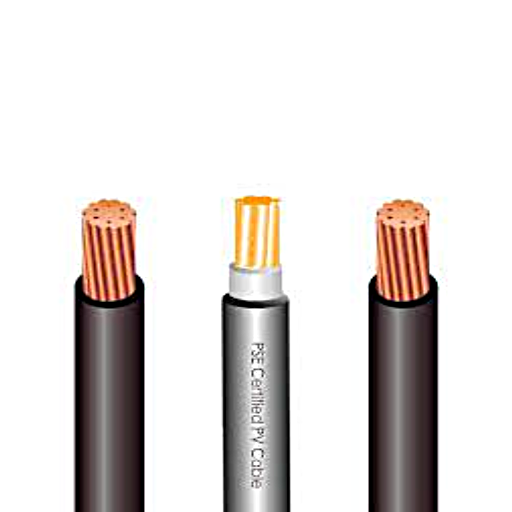
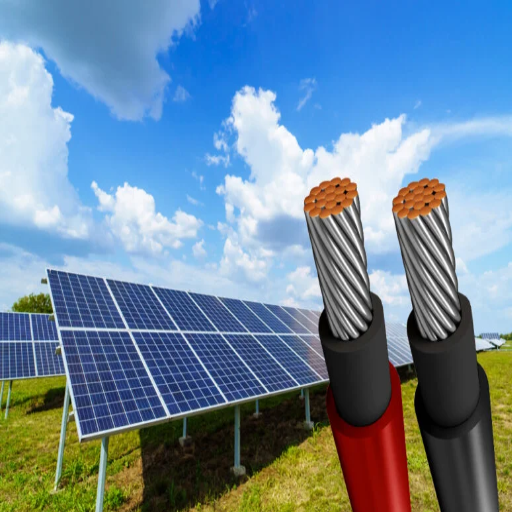
PV wire refers to photovoltaic wire made specifically for solar power systems. It connects the solar panels to the inverters and combiner boxes to permit smooth and safe electricity flow. PV wire is crucial for the reliability of the photovoltaic system because it can withstand severe environmental conditions like UV radiation, temperature changes, and moisture. Its insulation and durability lower the chances of operational failures, faults, or failures affecting the safety and performance of the entire system.
Key Applications of PV Cable
- Utility-scale solar farms
The latest technology in power generation is utility-scale solar farms, where thousands of individual solar panels are connected to transformer stations through inverters. In such systems, systematic use of PV cables is a must. PV cables endure harsh conditions, performing well with excellent durability, ensuring their resistance.
- Residential solar installations
In modern households, PV cables connect solar panels to inverters in safe and effective rooftop solar systems. These cables are specifically manufactured to withstand outdoor exposure and temperature variations, ensuring safe connections.
- Commercial solar systems
PV cables power corporate buildings and industrial facilities. These systems usually function at greater voltages, making PV cables a must for safe energy transmission at optimal efficiency.
- Off-grid solar applications
PV cables are needed for off-grid solar setups, from standalone systems in rural areas to remote cabins. These cables ensure effective energy transfer while maintaining the system’s reliability in remote places.
- Floating solar panels
PV cables are a must for the installation of floating solar panels on water bodies due to their unrivaled UV resistance and waterproofing, which guarantees the durability and security of equipment over time.
Importance of Wire Gauge in Solar Systems
Choosing the appropriate wire gauge for solar power systems has a direct impact on the performance, efficiency and safety of the system. Power loss, electrical safety, system durability, and other factors depend on proper wire gauge selection. Here are five details to reflect why wire gauge is of utmost importance in solar systems:
- Voltage Drop
Every solar panel system aims to minimize power loss and maximize solar energy utilization. Wires with larger gauge sizes can help achieve this goal by minimizing the voltage drop along the cable length. High voltage drops tend to result in energy upper/control losses and reduced system performance.
- System Efficiency
Not only is choosing the correct wire gauge vital in minimizing resistance, but it also improves efficiency. Smaller gauge wires tend to increase resistance, which in turn causes energy waste.
- Running Current / Ampacity
The Weber is the heat-sensitive element of a solar panel establishment. Wires that do not meet the set guidelines have the potential to facilitate overheating, leading the user to incur additional costs. Proper wire gauge selection helps prevent such happenings, as they tend to escalate the ampacity/power output alongside its safety requirements.
- Overheating Risk Safety
The measure of the Weber as a heat-sensitive element is known as ampacity, which refers directly to the electrical current a conductor can carry ر/while remaining at a given temperature. The proposed wire selection ensures that the standards of safe overheating steps are met, directly reducing the rising cost of the safety devices.
- Temperature and Environmental Factors
Because of the environmental factors, such as heating or elevation to ultraviolet (UV) exposure, wire gauge needs to be considered. These factors could impact the wires and deplete them over time. Bigger gauges have shown greater longevity and dependability in extreme cases.
How to Choose the Right PV Wire for Your Solar Panel System?
- Voltage Rating
Check that the PV wire voltage rating matches your solar panel system. Most system components have wires rated for 600V to 2000V.
- Temperature Resistance
Select Wires meant to withstand high temperatures and outdoor conditions. Ensure the ones you choose possess protective coverings, like XLPE, that offer superior heat resistance.
- UV and Weather Protection
Opt for UV-resistant wires to withstand prolonged outdoor exposure to prevent damage from the sun and weather elements.
- Conductor Material
Due to high electrical conductivity and strength, copper is often used in aluminum for PV wires, but aluminum presents a low-cost option for some applications.
- Certification and Standards Compliance
In installers of PV wires with certification for standards and UL 4703 to offer safety and compatability with the components if these standards are followed, it helps meet local electrical codes.
Considering the solar panel system’s performance and the factors listed above will help in selecting the most fitting PV wire.
Understanding AWG Ratings: 10 AWG vs 8 AWG
10 AWG wires are thinner and cheaper for lower current applications, while 8 AWG wires are thicker, more expensive, and handle high currents at much lower resistance.
| Parameter | 10 AWG | 8 AWG |
|---|---|---|
|
Thickness |
Thinner |
Thicker |
|
Cost |
Lower |
Higher |
|
Current |
Lower capacity |
Higher capacity |
|
Resistance |
Higher |
Lower |
|
Voltage Drop |
More |
Less |
|
Flexibility |
More |
Less |
|
Applications |
Light-duty |
Heavy-duty |
|
Durability |
Moderate |
High |
|
Weight |
Lighter |
Heavier |
|
Distance |
Shorter runs |
Longer runs |
Determining the Right Conductor Size
In deciding the correct size of a conductor, factors such as its current rating, potential voltage drop, and the state of the environment must be analyzed. The conductor size is optimal to allow energy transfer without unnecessary losses and the risk of overheating. Take, for instance, solar applications. For low current capacities and short distances, 10 AWG wire is ideal, and for high currents or longer cable runs where resistance could be an issue, 8 AWG wire is preferred. Also, temperature ratings and insulation type are equally important when determining the correct wire size for a given installation. To achieve optimal performance, always follow local rules alongside industry standards.
Evaluating Voltage Ratings: 600V vs 2kV
600V cables tend to be used for more basic applications, which do not require greater insulation. In comparison, 2kV wires are built to sustain high-voltage applications with more insulation and more robust construction.
| Parameter | 600V | 2kV |
|---|---|---|
|
Voltage |
Standard |
High |
|
Insulation |
Thinner |
Thicker |
|
Durability |
Moderate |
High |
|
Applications |
General use |
High-voltage setups |
|
Cost |
Lower |
Higher |
|
Flexibility |
More |
Less |
|
Safety |
Basic |
Enhanced |
|
Environment |
Standard |
Harsh |
|
Weight |
Lighter |
Heavier |
|
Heat Tolerance |
Moderate |
High |
What types of PV wire are available?

Single-Conductor PV Wire: This is by far the most popular PV wire used in solar installations. It is used for plugging in solar panels to system components like inverters. It is quite strong against many outdoor elements, such as UV radiation.
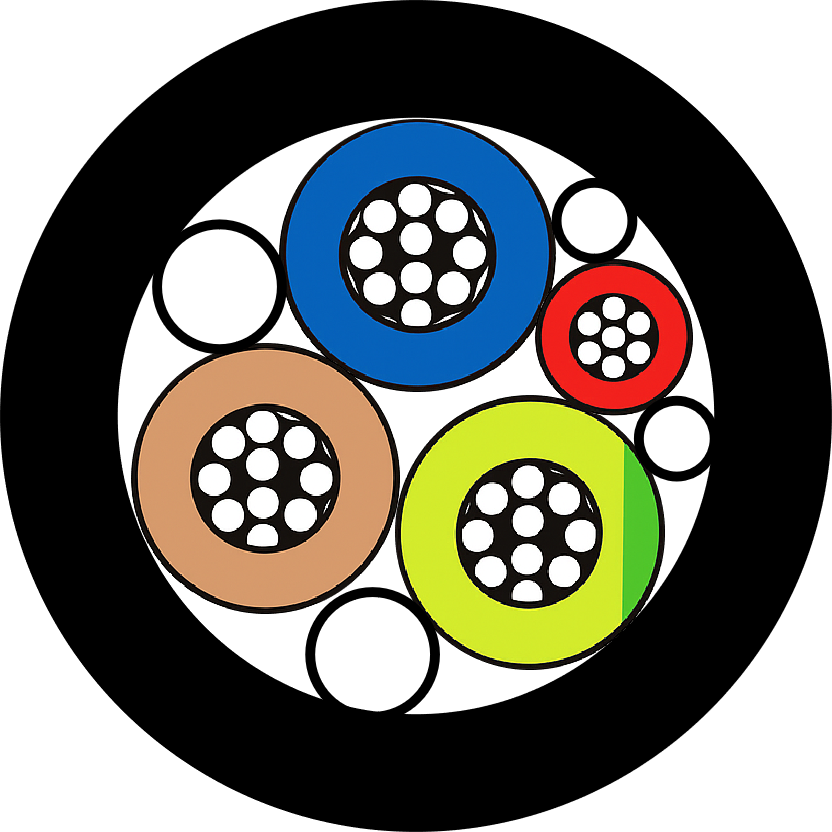
Multi-Conductor PV Wire: This wire has one or more insulated conductors trapped inside the same sheath, making their installation more straightforward.
Insulated and Jacketed PV Wire: This wire provides better weather protection and resistance to damage, making it more robust.
Such options offer flexibility in design and installation while meeting the requirements of solar systems. However, ensure it works with your system and all relevant regulations are met.
Comparing Direct Burial and Outdoor Options
Direct burial cables are meant for use underground with moisture sealing, while outdoor-rated wires are suitable for above-ground use because they’re UV resistant.
| Parameter | Direct Burial | Outdoor-Rated |
|---|---|---|
|
Usage |
Underground |
Above ground |
|
Moisture |
Resistant |
Limited |
|
UV Protection |
Limited |
High |
|
Durability |
High |
Moderate |
|
Installation |
No conduit needed |
Conduit recommended |
|
Flexibility |
Less |
More |
|
Cost |
Higher |
Lower |
|
Applications |
Underground wiring |
Outdoor setups |
|
Insulation |
Thicker |
Standard |
|
Weatherproof |
Yes |
Yes |
Understanding Stranded Copper vs Solid Wire
Stranded wire is more flexible and better suited for dynamic use, whereas solid wire is more rigid, durable, and better suited for static, high-current applications.
| Parameter | Stranded Wire | Solid Wire |
|---|---|---|
|
Flexibility |
High |
Low |
|
Durability |
Moderate |
High |
|
Current |
Lower capacity |
Higher capacity |
|
Corrosion |
Prone |
Resistant |
|
Cost |
Higher |
Lower |
|
Applications |
Dynamic setups |
Static setups |
|
Heat Dissipation |
Better |
Moderate |
|
Distance |
Shorter runs |
Longer runs |
|
Strength |
Moderate |
High |
|
Ease of Use |
Easy to route |
Rigid to route |
What are the Safety Considerations When Using PV Wire?
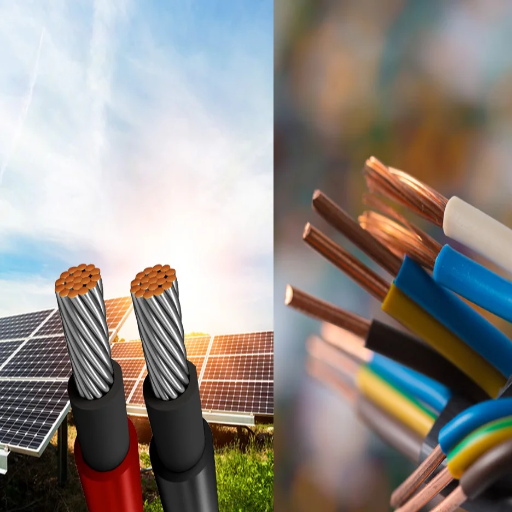
When working with PV wire, following the safety precautions for reliable performance and hazard avoidance is vital:
- Temperature Ratings: Make sure the wire is rated for the system’s operating temperature to avoid insulation failure and system failure.
- UV/Weather Resistance: Do not use PV wires that lack adequate UV and weather resistance for outdoor installations, as they are prone to premature breakdown.
- Correct Sizing: Ensure the wire is sized to adequately carry the current in the system to avoid overheating and electrical fires.
- Proper Insulation: PV wires are hazardous when insulation is compromised. Taking every measure to avoid death by electric shock, shorts, or even along the wires.
- Code Compliance: Electrical works regulations set by local authorities, along with the PV wires guidelines NEC provides, must be fully complied with.
By abiding by these factors, efficient and safe use of solar energy systems is promoted.
Understanding Moisture and UV Resistance
If you are looking for PV wires for your solar energy system, consider their moisture resistance and ability to withstand UV rays. PV wires are prone to wear and tear because of moisture and other factors. Moisture can seep through the wire’s insulation, resulting in corrosion of the inner conductor, which in turn reduces the system’s effectiveness. UV rays are also equally harmful; when cast over the wires for an extended period, insulation materials may begin to crack, become brittle, and eventually fail.
Assurance of durability attributed to PV wires comes from their specialized insulation materials, or “cross-linked polyethylene,” also known as XLPE, which can withstand moisture and even penetrate UV rays. Choosing wires with proper Certified ratings, like UL 4703, can check off moisture and UV resistance, ensuring unrivaled efficiency and reliability for solar installations. Ultimately, these measures taken aid in safeguarding the system’s functionality and lowering maintenance costs over the period.
Safety Codes and Regulations to Follow
In solar power installations, the utmost consideration must be adherence to safety codes and regulations, which guarantee the system’s efficacy as well as user safety. Critical standards include The National Electrical Code (“NEC”) that details methods of proper wiring, grounding and overcurrent protection of solar installations, as well as photovoltaic systems. Article 690 of the NEC also covers photovoltaic systems, further describing the specific methods and practices required for solar power installations. Local building and fire codes must also be observed for safety particular to the region.
For international standards, the International Electrotechnical Commission (IEC) issues various certifications, including IEC 61730, which concerns the safety of PV modules, and IEC 62852, which concerns the protection of connectors. Meeting such standards assures the integrity of components under various operating conditions, thus increasing their value. With these prescriptive practices and regulations, installers can continuously enhance system reliability and safety.
Fire Resistance and Flame Rating of PV Cable
Fire resistance and flame rating are some of the features in a photovoltaic (PV) cable that are very important for its safety and performance in conjunction with solar power systems. Cables undergo rigorous tests such as the UL 1581 vertical flame test and IEC 60332-1-2 flame spread test, measuring cable ignition, self-extinguishing capabilities, and flame spread. In the case of PV cables, its flame rating indicates the amount of fire, or heat, it can withstand while limiting the spread of flames simultaneously. Using high flame resistance cables such as those rated EN 50618 (or even UL standards ‘PV wire’) significantly reduces fire risk, especially with high temperatures and solar radiation. Withstand limits guarantees fire safety, operational safety, as well as meeting international electrical safety standards.
Reference Sources
- “A Single-Stage Three-Phase Four-Wire Grid Integrated Multifunctional PV System with Improved Performance at Challenging Grid Scenarios” (Naqvi & Singh, 2021, pp. 1–8) This paper focuses on a PV system’s performance under challenging grid conditions (voltage dips, rises, imbalances, distortions). While not directly about PV wire, the study implicitly addresses the wire’s role in the system’s overall performance and reliability under stress. The methodology involves simulation and experimental validation of a control strategy that maintains power quality despite grid issues.
- “Control of Three-Phase Four Wire Grid Integrated Multiple Solar PV Arrays-Battery with Bidirectional Converter Based Microgrid” (Singh & Shubhra, 2020, pp. 1–6). This research examines a microgrid system integrating multiple PV arrays and a battery. The study’s methodology involves simulation and experimental validation of a control strategy for the system’s operation under various conditions (grid outages, load imbalances, etc.). The wiring within the microgrid is implicitly considered in the system’s overall performance.
- “Variable Parameter Based New Control Approach for Three-Phase Four Wire Grid-Tied PV System” (Ibrahim et al., 2023, pp. 1–6.) This paper proposes a new control algorithm for a three-phase four-wire grid-tied PV system. The methodology involves simulating and analyzing the control algorithm’s performance under various conditions. The wiring is implicitly part of the system being controlled.
Frequently Asked Questions (FAQs)
Q: What is Solar PV Wire, and how is it used in photovoltaic systems?
A: Solar PV Wire, specifically the 10 AWG Copper Photovoltaic Cable UL 4703, is designed for use in photovoltaic systems to connect solar panels to inverters and other electrical components. It is rated for direct burial and can withstand exposure to sunlight, making it ideal for outdoor solar power applications.
Q: What are the key features of the 10 AWG Copper PV Wire?
A: The key features of the 10 AWG Copper PV Wire include its sunlight resistance, ability to operate at temperatures up to 90°C, and its compliance with UL 4703 standards. It is also insulated with moisture-resistant materials, making it suitable for wet and dry environments.
Q: Can the Solar PV Wire be used underground?
A: Yes, the Solar PV Wire is rated for direct burial, which means it can be installed underground without risking damage. It is designed to withstand moisture and is insulated to ensure long-lasting performance in underground applications.
Q: What types of connectors are compatible with the Solar PV Wire?
A: The Solar PV Wire is commonly used with MC4 connectors, which are standard in solar power systems. These connectors provide a secure and waterproof connection for interconnecting photovoltaic arrays.
Q: Is the 10 AWG Copper PV Wire RoHS compliant?
A: Yes, the 10 AWG Copper PV Wire is RoHS compliant, meeting the environmental standards to restrict hazardous substances in electrical and electronic equipment.
Q: What is the significance of the term “twin” about Solar PV Wire?
A: The term “twin” refers to the wire’s configuration, which typically consists of two conductors (usually black and red) joined together. This configuration allows for easy installation and connection in photovoltaic systems.
Q: How flexible is the installation of the 10 AWG copper PV wire?
A: The 10 AWG Copper PV Wire is designed to be flexible, making it easier to handle and install, especially in tight spaces or complex array configurations. Its flexibility ensures that it can be routed around obstacles without compromising performance.
Q: What should I consider when choosing the length of Solar PV Wire?
A: When choosing the length of Solar PV Wire, consider the distance between your solar panels and the inverter or other components. It’s essential to account for potential voltage drop over long distances, so selecting the appropriate foot length (ft) is crucial for efficient solar power applications.
Q: Can the Solar PV Wire withstand extreme temperatures?
A: Yes, the 10 AWG Copper PV Wire is heat resistant and rated explicitly for use in environments with temperatures up to 90°C. This makes it suitable for various climates and conditions in solar power installations.