







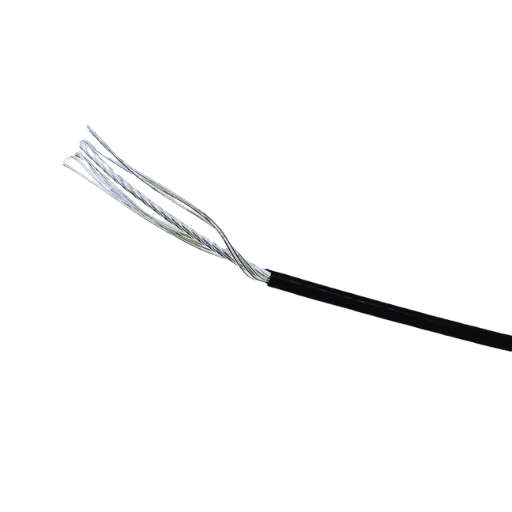
Accuracy and dependability are paramount when performing electrical wiring, particularly in high-stakes contexts requiring strict conformity to standards. For hook-up wires, MIL-W-16878 is arguably the most prominent benchmark for durability, thermal tolerance, and electrical integrity. This guide seeks to resolve the ambiguities posed by MIL-W-16878’s most known aspects, justification, classification, scope, and use. It serves engineers and procurement professionals as well as other specialists looking to make sense of the specification’s reputation as a go-to in harsh conditions. Continue reading to explore vital information on its construction and characteristics that underscore its continuous relevance in contemporary electrical systems.
What is MIL-W-16878 and Its Significance?
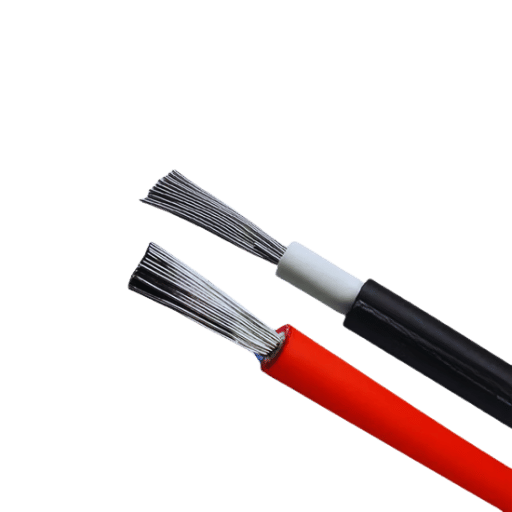
MIL-W-16878 is a military specification that outlines the construction and performance requirements for high-order electrical wires. It is well-known for its reliability over a wide range of temperatures, abrasions, and chemical exposure. This specification guarantees uniform quality and extended durability, ideal for aerospace, defense, and other rigorous industries. Its importance stems from offering a uniform standard for factory wires with operationally stringent requirements.
Overview of MIL-W-16878 Wire Specifications
The requirements pertaining to high-performance insulated wires for harsher operating conditions are outlined under ‘MIL-W-16878 wire specifications’. Wires of this type exhibit superior thermal stability as well as exceptional durability and resistance to abrasion and chemical corrosion. They can be classified into several categories based on insulation materials, voltage ratings, and temperature ranges, ensuring adaptability for numerous applications. They are primarily employed in aerospace and defense as well as in industrial systems that require unwavering reliability in extreme operating conditions. These requirements guarantee consistent performance and comply with stringent safety and operational benchmarks.
Applications of MIL-W-16878 in Various Industries
- Aerospace Industry: Implemented in aircraft systems for wiring that requires high dependability and performance in extreme conditions and temperatures.
- Industrial Manufacturing: Applied to precision electronics used in production control systems and machinery operating under harsh conditions.
- Telecommunications: Used in communications systems and equipment for military applications as well as powering relays and other devices.
- Marine Applications: Used for wiring in ships and submarines where moisture and pressure resistance are critical.
- Electronics Industry: Used in circuit boards and other electronic systems which require strong but lightweight wiring and compact structural elements.
- Medical Equipment: Critical tools and devices for healthcare ensure electrical reliability in rigorously defined performance standards.
- Automotive Industry: Used in vehicle components for high-temperature strain and aging of materials.
How MIL-W-16878 Wire Meets Military Standards
MIL-W-16878 wire is compliant with military standards through meticulous specifications in functional criteria, wire performance, military durability metrics, and safety protocols. It endures extreme abrasion for the wire, which separates it from more standard versions of this said wire grade. Its performance is exceptionally good under testing environments, requiring endorsement of military-grade wiring in testing procedures like electrical flowing through the wiring, insulation remaining intact, and resisting chemicals as well as water in the moisture category. This helps in separating wires built for the military from those that are not. Following these procedures guarantees that the wiring offers consistent performance that the military accepts and relies on it to perform.
Exploring the Insulation Types in MIL-W-16878
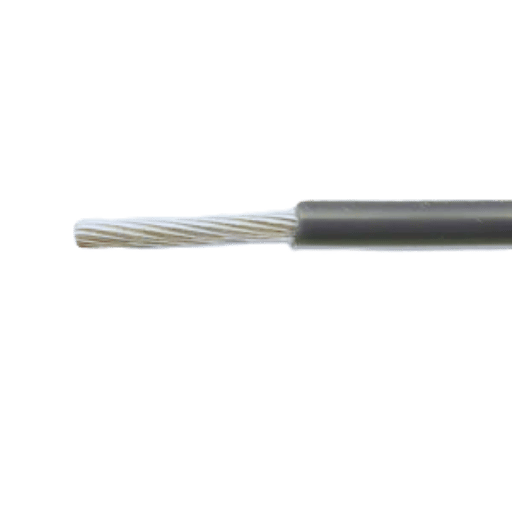
The Role of PTFE Insulation in MIL-W-16878 Wires
Polytetrafluoroethylene (PTFE) wiring insulation in PTFE MIL-W-16878 wires offers unparalleled characteristics in high-temperature, chemically harsh, and electrically sensitive environments. The aerospace, military, and industrial sectors benefit from PTFE’s extreme temperature tolerances of -60°C to 200°C. Additionally, PTFE’s non-flammable, low-friction properties coupled with its high dielectric strength make its signal and power transmission reliability unmatched. Such features reinforce PTFE insulation’s necessity with regard to wire performance in critical and demanding applications.
Benefits of High-Temperature Insulation
- Thermal Resistance: High temperature insulation (HTI) retains structural and functional integrity within extreme thermal windows (both hot and cold). This supports reliable operation in severe environments.
- Enhanced Safety: PTFE and similar materials can be non-flammable, thus lowering the risk of fire in sensitive applications.
- Improved Durability: HTI’s low friction and chemical resistant properties improve the durability of insulated wires under mechanical, corrosive wear, and even internal wire movements.
- Reliable Electrical Properties: The high dielectric strength of these materials guarantees the transmission of signals and power without loss or degradation.
- Versatile Applications: These materials can be used in tertiary demanding industries like aerospace and military, where precision and reliability is a priority, and strict performance criteria must be met.
- Lightweight Solution: HTI materials are often lightweight, improving system efficiency in aerospace applications.
- Cost Efficiency: Operational costs are reduced in the long term due to high-temperature insulation, which reduces failures and maintenance requirements, thereby minimizing downtime.
Comparison: PTFE vs Other Insulation Materials
In considering PTFE (Polytetrafluoroethylene) alongside other materials used for insulation, factors such as thermal stability, mechanical properties, and chemical resistance come to mind. Below is a compilation of PTFE’s comparison with other insulation materials.
Glass Wool:
- PTFE is more chemically resistant than glass wool, which lacks the chemical inertness of PTFE.
- PTFE is more flexible than glass wool.
Ceramic Fiber:
- Brittle and fragile, requiring meticulous handling, best describes ceramic fiber’s high-temperature performance.
- PTFE outperforms in terms of flexibility and resistance to chemical corrosion.
Silicone Rubber:
- Although more elastic and versatile in some cases, silicone rubber pales in comparison to PTFE in terms of maximum operating temperatures.
- PTFE outlasts silicone rubber in chemical durability.
Mineral Wool:
- Compared to PTFE, mineral wool does have excellent fire resistance, low cost and unmatched durability in chemically counteractive environments.
- Stiffer than neoprene.
Polyimide (e.g., Kapton®):
- PTFE retains flexibility and provides better chemical resistance than polyimide because of its excellent thermal and electrical properties.
Fiberglass Insulation:
- Losing out in price and thermal resistance puts fiberglass insulation at a disadvantage compared to PTFE.
- Flexibility and unobtrusiveness regarding cross-section were also lacking.
Aramid Fibers (e.g., Kevlar®):
- Receiving praise for their remarkable strength-to-weight ratio comes at a cost of limited temperature range compared to PTFE.
- In high-temperature and chemically aggressive environments, PTFE prevails.
Each material comes with distinct advantages and key use cases, but PTFE stands out for its unique combination of extreme thermal stability, chemical inertness, flexibility, and unparalleled durability. Such features make it indispensable in cases where performance longevity is needed under extreme conditions.
Understanding AWG Sizes in MIL-W-16878 Wiring
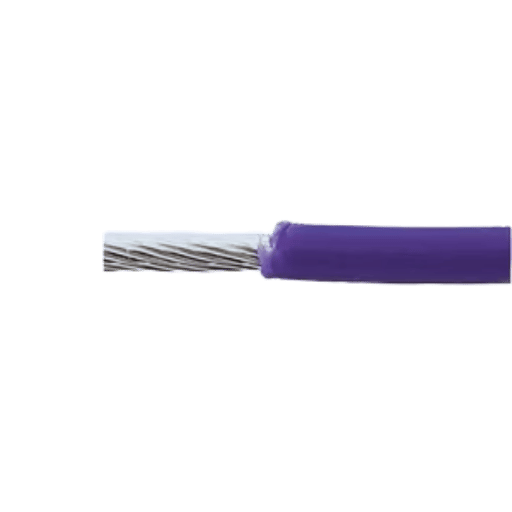
Importance of AWG in Determining Wire Capacity
American Wire Gauge (AWG) is important for evaluating the current-carrying capacity of electrical wires. Thicker wires that can carry higher current loads have less electrical resistance, signified by a smaller AWG number. On the other hand, thinner wires that have lower current capacity and greater resistance are indicated by larger AWG numbers. The right AWG size minimizes the potential of overheating and electrical trouble, thus enhances safe operation. In most instances, compliance with the standards of AWG provides assurance that the wires will function properly and safely.
How to Choose the Right AWG Size for Your Application
Establish and Review Criteria for the Current Requirements
- Evaluate your current needs in amps. This step is crucial, as using an inadequately rated wire can lead to overheating and potential fire hazards.
Assessment of your Voltage Drop Requirements
- Evaluate your acceptable voltage drop. This is the loss of voltage as electricity is transmitted through the wire. Smaller gauge wires, along with longer transmission distances cause higher voltage drop. Ensure that the wire diameter is appropriate considering the aforementioned parameters so that no excessive voltage drop hinder system performance.
Measure and Record Wiring Distance
- This will greatly influence wire gauge choice. Low resistance paths such as thicker wiring are also necessary to reduce voltage drop in longer transmission distances.
Examine These Environmental Factors
- This includes temperature, moisture, and corrosion. These criteria may require specific insulations or coatings as well as necessitate thicker wire gauges designed to operate safely and reliably.
Review all Relevant Documents
- These documents will ensure safety, wire sizing, and regulatory compliance. Always consider local electrical code, industry standards, and manufacturer instructions.
Plan Capacity for Increased Loads
- When contemplating future expansions, it is best to err on the side of caution by oversizing the wire gauge selected. This avoids the need for costly rewiring should upgrades be necessary.
Check Relation with Connectors and Terminals
- To thwart connection problems, make sure that the components under the circuit do not have “gaps” along with the selected wire gauge.
Following the above steps will ensure compliance and safety alongside Awg size selected for the user’s need and efficiency.
Common AWG Sizes in MIL-W-16878 Applications
The MIL-W-16878 specification accommodates an extensive range of American Wire Gauge (AWG) sizes and covers a broad scope of applications. These typically employed sizes are:
- 30 AWG – Best for small electronic circuits and precision instruments, as well as current-sensitive applications.
- 28 AWG – Used in flexible and light-weight wiring used in aerospace and miniature electronics.
- 26 AWG – Used for communication cables, signal wiring, and miniaturized circuits.
- 24 AWG – Used in data transmission cables and hired for telecommunication lines as well as control wiring.
- 22 AWG – For general-purpose low-voltage wiring, sensors, and other general-purpose tasks.
- 20 AWG – In automotive, industrial controls, and within electronics assemblies.
- 18 AWG – For power supply wiring, moderate current applications, and appliances within a household.
- 16 AWG – For wide-ranging electrical circuits, string lights, and machines used throughout an industry.
- 14 AWG – Generally employed within mid-power circuits allocated for HVAC units and building wiring.
- 12 AWG – For motorized devices, appliances designated for heavy-duty loads and high-current circuits.
- 10 AWG – Commonly utilized within electric heaters and power distribution devices in low current tasks and assigned to tasks of high power demand.
- 8 AWG and larger – For use in circuits designated for heavy load demand, for heavy-duty equipment and appliances, and in industrial power systems.
These dimensions aid in sustaining precision in numerous domains, allowing operation within minimum metrics for complex tasks, all the while serving the requirements of different electrical systems.
The Benefits of NEMA HP3 Compliance
Why NEMA HP3 Type Matters
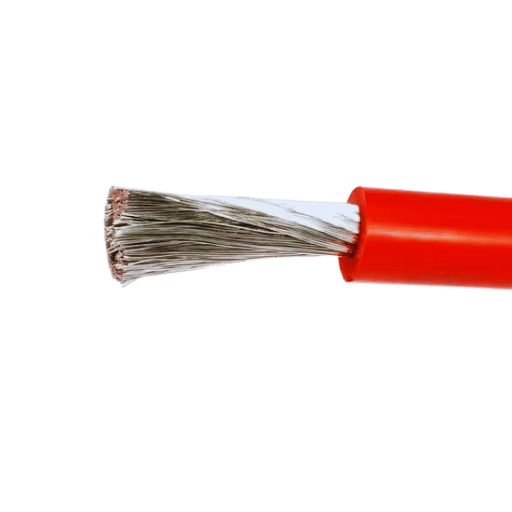
NEMA HP3 compliance is critical because it supports the safety and reliability of electrical and electronic products needed for rigorous applications. This standard offers criteria that assist in manufacturing high-quality equipment that can operate under severe conditions and endure demanding industrial benchmarks. Compliance with NEMA HP3 guarantees that electrical products will perform consistently, minimize risks of failure, and achieve regulatory compliance, which makes them dependable for use in vital electrical systems.
Understanding NEMA HP3 Ratings in Electronics
The NEMA HP3 ratings emphasize the need to maintain high dependability and endurance for electrical products in high-performance tests. Compliance with certain conditions is indispensable, such as protection from heat, cold, humidity, and even shaking. Furthermore, equipment rated NEMA HP3 is built for uncompromising performance under considerable loads, which makes it apt for use in manufacturing, transport, and energy sectors. These standards advance safety, operational reliability, and adherence to vital benchmarks which all together makes these products extremely reliable for essential operations.
Ensuring Quality with NEMA HP3 Standards
To maintain quality with NEMA HP3 standards, manufacturers must follow rigorous testing procedures , which assess functionality under unique conditions. Compliance includes testing for lasting strength, environmental wear resistance, and operational dependability. These steps confirm that the equipment is safe and efficient, thus reliable, alongside enduring the high-performance capabilities required in critical applications.
Applications of MIL-W-16878 in Military Harnessing and Appliance Wiring
The Role of MIL-W-16878 in Military Applications
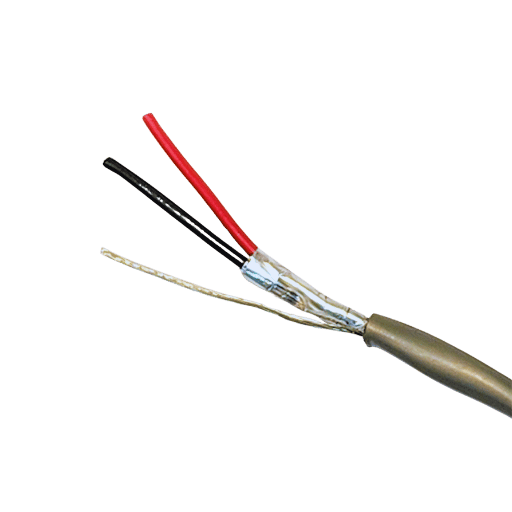
The flexibility, insulation characteristics, strength, and protection these wires offer make them fundamental components for wiring used in military harnessing and appliances. Moreover, they are capable of functioning in extreme temperatures and harsh conditions, withstanding and enduring unrelenting environments, which makes them ideal for critical applications. These wires also provide advanced military systems with the precision and reliability required of electrical signal transmissions, thus enabling optimum performance. Compliance with industry standards set forth in the document guarantees that rigorous military requirements and the safety and operational needs are adhered to.
The Use of MIL-W-16878 in Appliance Wiring
- High Temperature Appliances – MIL-W-16878 wires have application in high temperature appliances because of the extreme heat these devices can tolerate without failing permanently serving in rugged environments.
- Medical Devices – These wires are utilized in medical devices where exactitude and trustworthiness are needed for optimal performance in life-saving procedures.
- Aerospace Systems – With regards to safety, performance, and great reliability, aerospace systems are ideal for these wires as they are part of the aerospace system. The durability of the wires, along with meeting the rigorous criteria, makes them devoid of harsh guarantees.
- Industrial Machinery – In the harsh environments industrial equipment are subjected to, these spars provide the cutting signals for sophisticated functions so as to guarantee remarkable MIL-W-16878 specifications.
- Telecommunication Devices – the advanced telecommunication devices require guaranteed medial devices signal transfers and obstructions; the reliability and consistent functions makes these wires adequate.
Case Studies: Successful MIL-W-16878 Implementations
Aerospace Avionics Systems
- For one of the biggest aerospace manufacturers, avionics systems with wires MIL-W-16878 incorporated ensured reliable signal transmission under extreme temperature and vibration conditions. The avionics systems wires showcased exceptional strength and during flight tests yielded rigorous performance, gravely aiding system dependability.
Industrial Robotics Automation
- An industrial robotics firm adopted the use of MIL-W-16878 cables in precision-controlled automated assembly lines which faced mechanical stresses and industrial oils exposure. Such environments posed with harsh operational reliability, and at the same time demanded precision control and rugged durability. Since the wires performed without failure, operational efficiency improved.
Defense Communication Systems
- A defense contractor used MIL-W-16878 wiring with military specification grade for combat zone secure communication equipment during tactical operations. These materials did meet military specifications for graded issued wire with some immunity to electromagnetic interference improving system reliability under critical warfare operations.
Marine Navigation Systems
- For commercial ships, a marine technology company installed navigation and communication systems incorporating MIL-W-16878 wires, which are exposed to salty oceans. These wires maintained stable operations with exposed electrical performance and fluctuating temperatures, ensuring no interruptions for shipping operations.
High-End Medical Equipment
- A diagnostic imaging device with advanced technologies was the first for a leading company to use MIL-W-16878 cables. The wires did ensure electrical integrity for high frequencies with stringent healthcare standards and safeguards enhancing the accuracy of obtain results improving overall diagnostic reliability.
Frequently Asked Questions (FAQs)
Q: What is MIL W 16878, and why does it matter in the context of electronic equipment?
A: MIL W 16878 pertains to a military specification on hook-up wires for use in wired electronic equipment. The specification is important because it guarantees the internal wiring hooked through the wire is flexible, rugged, and able to withstand harsh environments.
Q: What are the temperature ratings for wire of type MIL W 16878E?
A: The wire of type MIL W 16878E is commonly rated from -55°C to 105°C. Such a scope is beneficial because it extends the range of its use environments while ensuring thermal stability.
Q: What helps M16878 wire for high temperature and other environmental hazard defences?
A: M16878 wire incorporates tinned copper or silver plated copper wires which offer excellent pumping temperature resistance themselves as well as quality insulation against ultra violet rays, mold, and other insulative sabotaging from the outside world.
Q: Why does lead wire manufactured under MIL-W-16878 specifications fulfill medical electronics requirements?
A: Wires manufactured under these specifications have proven reliability to chemical attacks and exceptional performance over time, qualities that one looks for in medical electronics where safety and precision are critical.
Q: Please give me an overview of the construction and materials used for MIL-W-16878 wire.
A: The construction of MIL W 16878 wire includes a copper conductor which is usually stranded and tinned. The insulation materials also include PVC that is flexible and of high quality. Some wires may use silver plated copper, which has better conductivity for enhanced transmission.
Q: What do you think are the most important benefits of having silver-plated conductors in M16878 wire?
A: Use of silver plated conductors in M16878 provide positive enhancements to the conductivity due to the low frequency effects of skin effect and termal diffusion, losing molecular adhesion between resistive interfaces. The wire is thus strategically designed for wideband applications.
Q: What would you say are the effects of flex-life on MIL W 16878 wire and its functionality?
A: The flex-life of MIL-W-16878 wire determines how well it can endure repetitive bending movements and whether it will retain its structure with repeated use. This is beneficial when frequent movement is required, for instance in robotics and aerospace.
Q: What is the upper limit of MIL-W-16878 wires in terms of voltage rating?
A: MIL W 16878 wires, including Type E and Type EE, are rated for upto 600 volts, which makes them useful for a variety of high voltage electronic devices.
Q: In what ways is solvent exposure managed with regard to MIL-W-16878 wire?
A: The insulation of MIL-W-16878 wire, especially when made of PVC, is formulated to withstand damage from various solvents, maintaining its performance amid harsh chemical environments.
Q: What distinguishes MIL-W-16878 wire in terms of how compliant it is with NEMA HP or UL standards?
A: MIL-W-16878 wire is specifically manufactured to comply with requirements established by NEMA HP and UL, which ensures that the wire is of good quality and safe for use in a variety of applications.
Reference Sources
- ALSEP Internal Wiring – Lunar and Planetary Institute (LPI): Covers insulation materials pertinent to MIL-W-16878 types ET and KT.
- MIL-HDBK-454B – Defense Acquisition University (DAU): Covers the electronics design and construction of the microwave subsystem documentation for the DoD.
- Cable Drawing – MIT: Gives information pertaining to MIL-W-16878E Type B cables.
- S-311-P-718/6 – NASA: Provides wiring using MIL-W-16878 Type E or EE.
- Schematic Drawings – NOAA: Contains citations of the Type E wiring from MIL-W-16878.
- Wire
- Electrical wiring
- Copper