





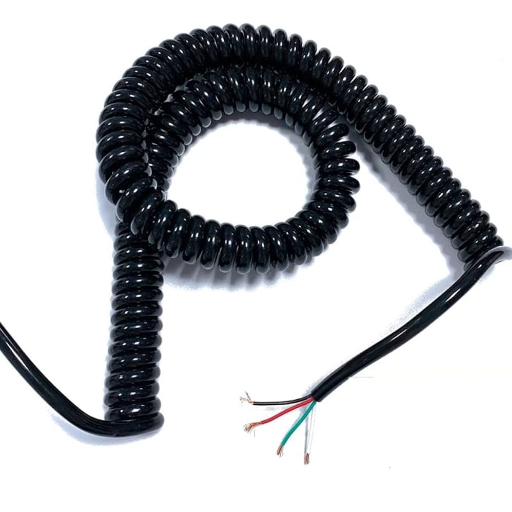
4 core spiral cable wires boast of being the best option when it comes to electrical applications in terms of durability, flexibility, and efficiency. These cables are particularly designed to provide great durability even in tough conditions, making them preferred in the industries of automotive, robotics, and telecommunications. This comprehensive article unravels the special design, operations, and benefits of the 4 core spiral cable wires, their great adaptability, and why they are the preferred solution for many applications. Whether you’re an engineer, technician, or hobbyist, this guide will provide the necessary information to make the right cable choice based on individual needs.
Introduction to Spiral Cables

What is a 4 Core Spiral Cable?
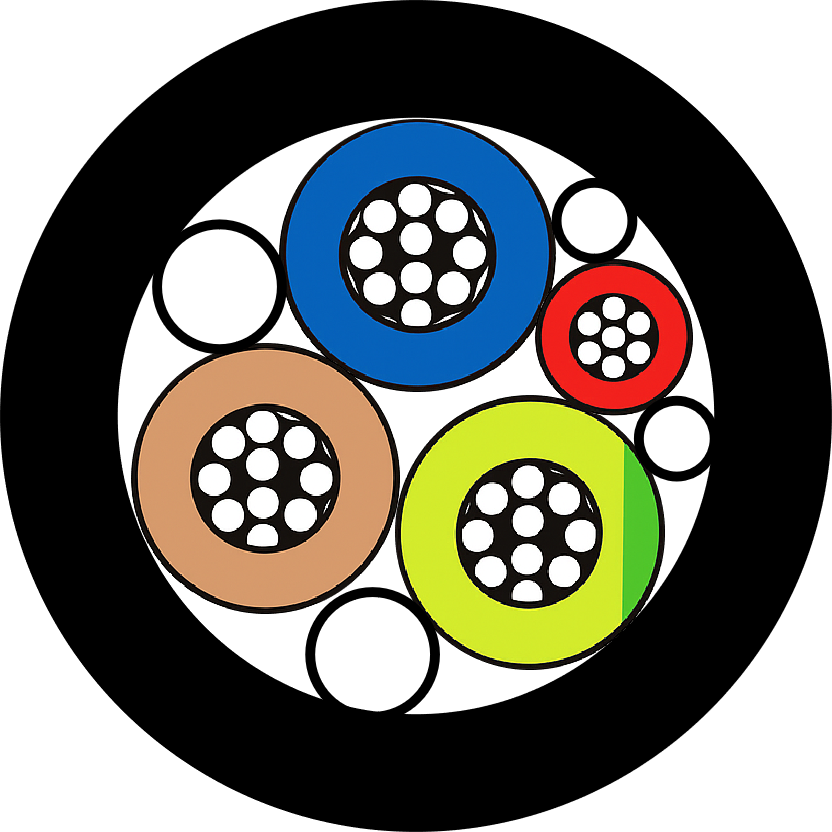
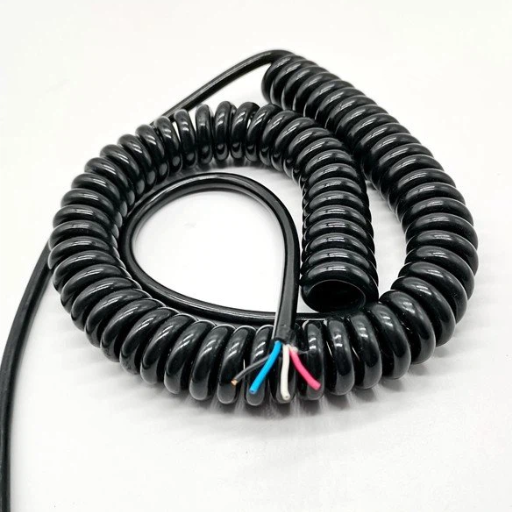
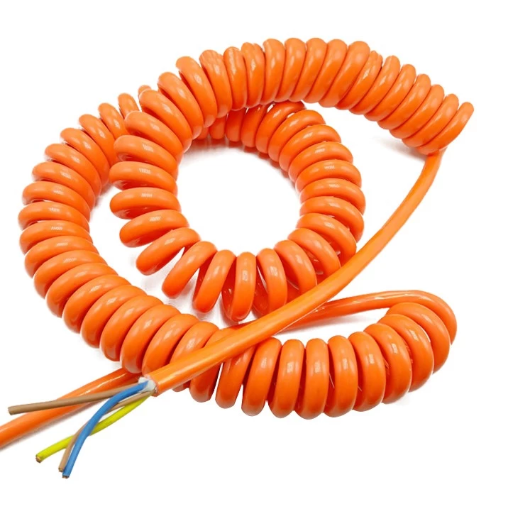
A 4-core spiral cable is a particular type of cable made with four distinct conductors, each covered with insulation and configured in a spiral or coiled arrangement. The coiled setup makes it easy for the cable to elongate and retract without getting stuck or damaged, making it a perfect solution for equipment or areas requiring flexibility and durability. This design is ideal where movement is the chief factor and maintaining the cable’s ability to function properly is critical.
🔑 Key Benefits of 4-Core Spiral Cables
- Movement Tolerance: Withstands constant movement while performing at the highest standard
- Shape Retention: Maintains original shape even after repeated stretching
- Multi-Function Capability: Four cores transmit power or signals to different parts simultaneously
- Wear Resistance: Stretched to their limit while resisting friction and abrasion
- Longevity: Good life span even in severe environments or stressful conditions
4 core spiral cables are commonly employed in places where the movement of machines or devices is relatively high, predominantly in the fields of robotics, automotive wiring, and industrial machinery. Their traits like flexibility and resistance to wear and tear make this cabling solution highly versatile and ideal for applications requiring extreme bending or stretching, where performance and safety might otherwise be compromised.
Advantages of Spiral Coiled Cables
Flexibility & Strength
The coiled design allows easy stretching and retraction whenever needed, saving space and avoiding tangling. This feature is crucial in industries where frequent motion or position changes occur, such as industrial automation and medical devices.
Mechanical Stress Resistance
These cables can endure extensive bending, stretching, and friction without any decline in performance. This toughness enables manufacturers to rely on long-term durability while reducing maintenance costs due to decreased replacements.
Organization & Safety
Their compactness ensures they do not contribute to making a mess or being a source of accidents, especially in tight or crowded areas. The cable’s ability to provide flexibility, durability, and neatness makes it suitable for all industries.
Overview of Applications Across Industries
Spiral coiled cables are widely adopted in various sectors because of their multipurpose nature, long life, and space-saving advantages.
Technical Specifications of 4 Core Spiral Cables
Materials Used in Manufacturing
4 core spiral cables are made of a mix of materials that are both durable and high-performance to provide flexibility, strength, and reliability.
Insulation Materials
- Thermoplastic Elastomer (TPE) – Excellent flexibility and elasticity
- Polyurethane (PU) – Superior wear resistance
- Selected for repeated stretching and retracting endurance
Conductor Materials
- High-grade Copper – Excellent electrical conductivity
- Resistance to corrosion for stable transmission
- Thin protective layers to prevent oxidation
Protective Coatings
- Abrasion-resistant outer layer
- Protection from physical damage
- Chemical and environmental resistance
Flexibility and Durability of Spiral Cables
Spiral cables were created to be so flexible and durable that these two features make them ideal for applications where cables need to be relocated or expanded frequently. The construction allows the cable to elongate and retract without getting tangled or crumpled, guaranteeing smooth operation and reducing wear and tear over time. This property is advantageous in extremely active environments where conventional cables would be impossible due to mechanical stress.
🔧 Durability Features
Understanding Voltage Ratings and Resistance
Voltage ratings and resistance are critical parameters in the manufacturing and operating process of cables and electrical parts.
⚡ Voltage Rating
Indicates the highest voltage a cable can transport without insulation failure or electric arcing.
Determined by: Insulation material, thickness, temperature, and mechanical stress conditions
🔌 Resistance
Indicates how much a material impedes the flow of electrical current.
Factors: Materials, conductor cross-sectional area, cable length, and temperature
⚠️ Important: Selecting proper cables based on voltage ratings and resistance properties prevents hazards such as overheating, voltage drops, or circuit damage. Always refer to technical specifications and standards while selecting cables for specific applications.
Applications of 4 Core Spiral Cables
🚗
Automotive Applications
The automotive industry extensively utilizes 4-core spiral cables for their flexibility, robustness, and capability to handle multiple connections. These cables are commonly used in cars for operating and controlling components such as trailers, tow trucks, and caravans. Their spiral shape helps save space while keeping the cable intact even during regular stretching and retracting.
Key Automotive Benefits:
- Handles different electrical functions in confined spaces
- Ideal for movable parts like doors and mirrors requiring flexibility
- Safely transmits signals between the main body and detachable parts
- Withstands vibration, temperature changes, and exposure to oil or chemicals
📡
Telecommunications Industry Uses
The telecommunications industry depends on tough and efficient cables to maintain uninterrupted connections and speedy data transfer. Signal cables play a primary role in developing networks that enable reliable phone lines, internet access, and other communication systems.
Environmental Requirements
Temperature and moisture-resistant cables capable of withstanding outdoor installation physical wear
Signal Protection
Extra shielding to keep away noise from signals, critical in high data transfer rate areas
Fiber Optic Integration
Faster data rates and larger bandwidths to cope with high-speed internet demands
🏥
Healthcare Equipment and Robotics
The medical sector has undergone a remarkable transformation with cutting-edge technology in healthcare equipment and robotics. The use of robotics in surgeries has become commonplace, offering accuracy and fewer human errors.
Choosing the Right Spiral Cable

Factors to Consider: Environment and Industry Needs
✅ Selection Checklist
Environmental Conditions
- Climate and temperature range
- Moisture or chemical exposure
- Mechanical stress levels
- Indoor vs. outdoor installation
Industry Requirements
- Medical: Flexibility and sterilization needs
- Automotive: Motion and vibration survival
- Manufacturing: High-cycle durability
- Performance standards compliance
Physical Properties
- Flexibility requirements
- Tensile strength needs
- Movement range accommodation
- Extension/retraction length
Understanding the Importance of Coil Design
The design of the coil is a crucial factor in creating a dependable spiral cable. The coil’s configuration determines the cable’s ability to retract and extend effectively while maintaining its life span.
Configuration
Proper design ensures durability under repeated stress and lowers damage chances from over-pulling or tangling
Material Quality
Fine-quality, soft materials that tolerate wear, heat, moisture, and chemicals increase cable lifespan
Dimensions
Diameter, pitch, and length should match the motion range and force required for specific applications
Price Considerations for Spiral Cables
💰 Key Pricing Factors
Material & Design
- High-end insulation materials
- Conductor quality
- Cable dimensions
Production Method
- Custom vs. off-the-shelf
- Advanced engineering needs
- Specialized materials
Market Conditions
- Bulk order discounts
- Supply chain dynamics
- Raw material costs
Industry Trends and Innovations
Advancements in Cable Technology
The technology used in cables has made remarkable progress and revolutionized the industry through the development of durability, flexibility, and efficiency factors.
High-Performance Materials
New materials resist extreme temperatures, corrosion, and mechanical stress, ensuring longer cable lifecycles even in the harshest conditions.
Smart Cable Technology
Integrated monitoring technology locates faults, monitors performance metrics, and relays real-time data to optimize overall system performance.
Eco-Friendly Solutions
Manufacturers use recyclable resources and reduce environmental footprint during production, meeting demands for high performance and environmental responsibility.
Enhanced Heat Resistance and Durability
New cable solutions endure higher temperature ranges while maintaining performance unaltered. Employing sophisticated materials and ground-breaking manufacturing processes improves thermal resistance and longevity. These upgrades enable cables to operate without failure in extreme environmental conditions, offering consistent functionality even under constant heat exposure.
🌿 Environmental Benefits
The emphasis on increased heat resistance and durability aligns with environmental protection initiatives. Longer-lasting wires minimize waste and resource-heavy manufacturing cycles, reducing carbon footprint while ensuring effective functioning. Investing in modern cable technologies delivers both performance and sustainability benefits.
Future Prospects for Spiral Cables in Emerging Technologies
Due to their flexibility, durability, and space-saving design, spiral cables will be crucial components in coming technologies. Industries like robotics, renewable energies, and medical devices depend on these cables because their extending and retracting capabilities don’t compromise performance.
Material Science Advancements
Lightweight but durable materials with improved insulation and high conductivity
Smart Infrastructure
Integration with autonomous vehicles and smart city systems
Sustainability Focus
Reduced material usage supporting green initiatives
Frequently Asked Questions (FAQ)
📚 References
-
ResearchGate: Experimental Investigation and Finite Element Analysis of a Four-Layered Spiral Strand
- This academic paper provides experimental and theoretical analyses of spiral strands, which can offer insights into the structural behavior of spiral cables.
- Read on ResearchGate
-
ScienceDirect: Elastic Guided Waves in a Spiral Wire Rope
- This article explores the propagation of elastic guided waves in spiral structures, relevant for understanding the mechanical properties of spiral cables.
- View on ScienceDirect
-
MDPI: Numerical Study on Flow Characteristics of Spiral Channel
- Although focused on fluid dynamics, this paper discusses spiral structures and their characteristics, which may provide useful context for spiral cable designs.
- Read on MDPI
- Get Your Solar Cable Needs Covered with JOCA – Your Trusted Supplier