








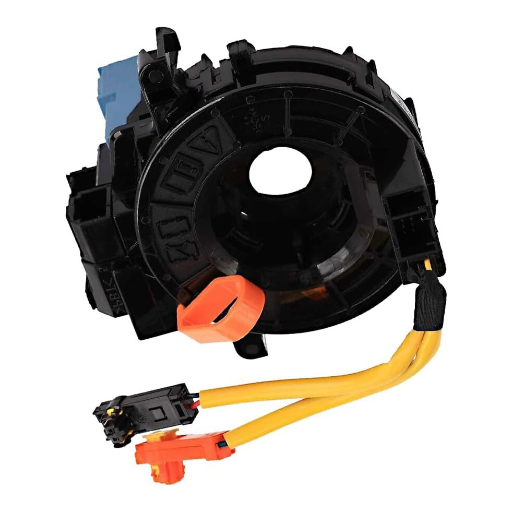
In the case of today’s car systems, the steering wheel is not only a device that helps to change the car’s direction; it is the centre of advanced controls, safety systems, and driver assistance features. A very small but extremely important part of the whole system, which very few people know or pay attention to, is the spiral cable, or clock spring, whatever name you give it. Although these two words are used interchangeably in some instances, they refer to two different things with specific characteristics and applications within the complex steering system. But what is their significance, and how do they impact your car’s performance and safety? This article will focus on the disparity between spiral cables and clock springs by examining their functions, roles, and the reasons why knowledge about them is a great advantage not only for drivers but also for those who are into automobiles. When you finish reading, you will know for sure how these unrecognized champions make your driving experience smooth and secure.
Introduction to Spiral Cables and Clock Springs
Definition and Function of Spiral Cables
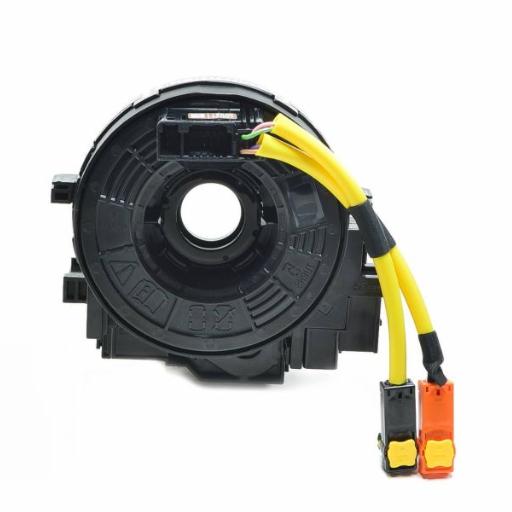
Spiral cables are also known as coil cables and are made up of coiled electrical conductors that can extend and retract depending on the requirement. The construction makes them very mobile and even, they are able to carry electric signals or power between the parts that might move with respect to each other. This feature is functioning particularly in the fields where mobility and versatility are essential.
In automotive systems, spiral cables connect the steering wheel and other parts which are very important. With them, signals like those indicating the airbag activation, the horn’s use, and the steering wheel control are being constantly transferred as the wheel is turned in any direction. If this mechanism were not there, these important systems would have to stop operating which would be the case with driving discomfort and danger.
Key Point: Spiral cables have been made to endure repetitive motion as well as the changing of environmental conditions like heat and cold, if their reliability is to be long-term. The flexibility of the cables guarantees that they do not suffer any damage or disconnection during prolonged use which makes them a very important part of today’s vehicle systems.
Definition and Function of Clock Springs
Clock springs, which are often referred to as spiral cables, are extremely important parts of the steering system of a car. These are coiled wires that are made in such a way that they can easily transmit electrical signals between the fixed steering column and the rotating steering wheel. This allows various systems to work properly, including the airbag, horn, and steering wheel-mounted controls for audio and cruise control, etc.
The main role of the clock spring is to provide an uninterrupted electrical connection while also allowing the steering wheel’s turning motion. In the case of wheel turning, the clock spring unwinds or winds up as required but keeps signal transmission uninterrupted. This design saves the wires from getting tangled or breaking, which is very important for the dependable operation of safety and comfort features of a car.
Clock springs are usually placed inside a protective casing that provides them with durability and reliability. Nevertheless, after a certain period, wear and tear can lead to the malfunctioning of the clock spring, which could manifest in forms like a dead horn or airbag. It is thus advisable to regularly inspect and maintain this component to ensure that it keeps functioning properly and also to prevent any negative impacts on the overall safety of the vehicle.
Spiral Cables vs. Clock Springs
Spiral cables and clock springs have comparable roles mostly in systems like steering wheels where they facilitate the electrical signals in cars. However, the two also differentiate in their designs, functionalities, and applications. Different from the spiral cable which is made up of a collection of flat and flexible wires enfolded in the cylindrical housing, a clock spring on the other hand, is a type of spiral cable that is specifically designed for space-saving products and is, therefore, frequently used in vehicles to combine the steering wheel controls, the airbag, and the horn.
Major Differences:
- Versatility: Spiral cables are more versatile and can be applied to the electrical systems of various kinds, while clock springs are very specific.
- Design Specificity: Clock springs take into account the elaborate and accurate nature of the requirement of connecting several parts in a small space like the signaling system of the airbag.
- Application: The small size of the clock springs makes them suitable for cars with the latest features.
Both parts are indeed very important in the car’s electrical systems; however, their life span and performance will highly depend on how well they are maintained and correctly used. Carrying out regular inspections will enable you to know the extent of the wear and tear, meaning that the functioning of either component will be safe and effective. Knowing the differences and purposes of the spiral cable and the clock spring, their usage will reflect better vehicle maintenance and increased safety.
Mechanical and Electrical Principles
The Functioning of Spiral Cables
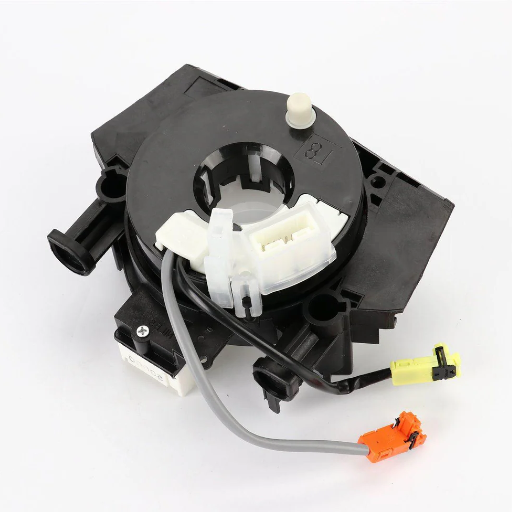
Spiral cables work as a key part in a vehicle’s electrical system, making sure there are no interruptions in the electric flow between the stationary and rotating parts. These cables are constructed in a way that they can take the steering wheel’s turning movement, hence the signals get through to the main systems like airbags, horn, and other controls located on the steering wheel. Their flexibility combined with the coiled structure makes it possible for them to keep moving in conjunction with the wheel’s motion without getting damaged or tangled up.
The spiral cables are, at the heart of the operation, located within the clock spring mechanism that aligns the cable properly during rotation. With this arrangement, the electrical connections hold up, no matter how much the steering wheel is turned. The ability to provide consistent electrical conductivity under such conditions is an important factor for the reliable performance of safety features and onboard systems.
Important: Correct care and constant checking of spiral cables are very important to their life span. At times, the cables may get damaged, such as wires getting worn out, or the clock spring getting defective, due to frequent use or wrong handling. Timely detection of these problems and quick replacements of the parts can avoid the failure of critical systems and thus contribute to vehicle safety and performance in general.
How Clock Springs Function
Clock springs are highly important for the smooth operation of the steering wheel due to their capability to keep the electrical connections between the non-moving parts and the rotating parts of the steering wheel constantly intact. They allow for the transfer of signals to the horn, airbag, audio, or cruise control without the need for interruption during the movements of the steering wheel. They effectively do this by managing the connectivity without relying on excessive wiring which, in turn, could limit the movement or create wear and tear.
The clock spring is made up of a ribbon-like, flat cable that is wound in a spiral shape and it is placed inside a mechanism that can be stretched or contracted according to the turning of the steering wheel. The cable winds or unwinds in accordance with the direction of the wheel rotation thus ensuring a constant electrical connection regardless of the angle. This design guarantees that the functionality is not affected even if the steering wheel is turned repeatedly, and thus, the safety-critical systems such as the airbag can operate reliably during emergencies.
Signs of a Faulty Clock Spring:
- Non-functioning steering wheel buttons
- Illuminated warning lights on the dashboard
- Airbag system failing to arm
Promptly addressing these problems through inspection and replacing the clock spring when it is necessary guarantees uninterrupted performance and the protection of overall vehicle safety.
Key Differences in Mechanical Design
The major difference between a spiral cable and a clock spring is their functionality and arrangement. A spiral cable, which is sometimes seen as an element of the clock spring, is made up of coiled, flexible wires that are specifically made to safely transfer electrical signals in applications such as steering wheels of vehicles. The clock spring is one of the key components of the assembly where the spiral cable is located and its tension is controlled, thus making the signal transmission smooth when the steering wheel is turned.
Another major difference in the design is the way they affect the vehicle systems. The entire clock spring assembly is responsible for signal integrity between the signal and the system of such important features as airbags, horn buttons, and steering wheel controls, etc., while the spiral cable acts as a medium for these signals, thus being a component that supports the whole functionality of the clock spring.
| Component | Function | Key Role |
|---|---|---|
| Clock Spring Assembly | Complete mechanism | Signal transfer and tension management |
| Spiral Cable | Internal wiring component | Medium for signal transmission |
In the end, although being interconnected, the clock spring is a complete mechanism responsible for signal transfer and tension management, while the spiral cable is limited to its internal wiring only. Comprehending these differences can lead to accurate diagnosis and repair when dealing with troubles in present-day automotive systems.
Applications in the Automotive Industry

Spiral Cables Use in Steering Systems
Spiral cables are necessary components in present-day steering systems because they provide the necessary electrical connections without hindering the steering wheel’s free rotation. These wires are the links between the steering wheel and the various systems in the car, including the airbag, the horn, and the electronic controls. The whole integration of these steering functions would not have been made possible without such a vital aspect.
The main objective of the spiral cable is to connect the movable steering wheel to the rest of the system regarding signals and power but without the risk of disconnection or damage. Its coiled structure is, in a sense, adapted to the wheel’s movements, stretching and contracting the wire and keeping the connection intact all the time. This capability allows the airbag to be ready if needed, and at the same time, it makes the use of the vehicle controls comfortable.
By being the safe carrier for electrical signals, spiral cables take part in the performance and safety of the steering system overall. They are designed for hard use and precision, which means that they will last long even in the roughest car conditions. This is the reason why they are one of the advanced electronics in modern cars, making both the driver and the vehicle more efficient.
Clock Springs in Airbag Deployment
In the case of modern vehicles, clock springs will be one of the critical components involved in airbag deployment. They are the components that take care of the electrical connections between the airbag system control on the steering wheel and the airbag system during the turning of the wheel. This connection is very crucial since, without it, the airbag would not receive the deployment signal during a collision that it needs, thereby not aiding the passenger’s safety at all.
The design of the clock spring ensures that the airbag module receives a constant connection while the wheel rotates. The coiled ribbon wire can undergo stretching and shrinking without breaking, hence uninterrupted communication between the airbag sensors and control unit is facilitated. In the event that the clock spring gets broken or is not working properly, the airbag system may fail to correct itself and this may lead to a safety issue in an accident.
⚠️ Critical Safety Information
The airbag system will be flawless only when the clock springs are maintained and replaced regularly and timely. A malfunctioning clock spring could lead to the airbag light on the dashboard being illuminated, the horn not working, or the steering wheel controls being unresponsive. It is even more critical in this case to have the problems repaired swiftly and by a qualified technician so that the reliability of the airbag system during the most critical time is guaranteed.
Maintenance Tips and Troubleshooting
Routine Checks for Spiral Cables
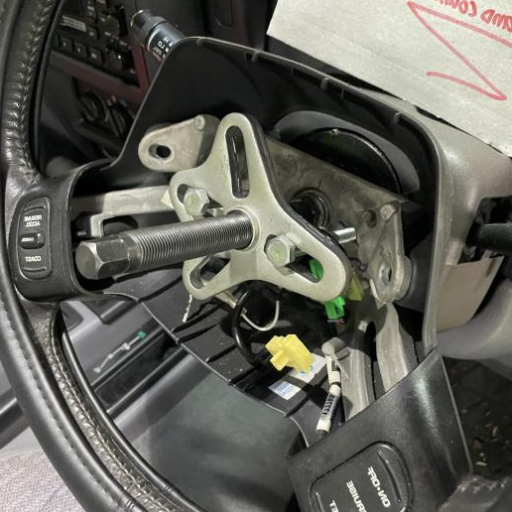
Routine visual inspections are a must to keep your spiral cables performing at their best. Examine the cable thoroughly for visible signs of deterioration like cracks, fraying or loose connections. These might be early warnings of damage that could affect the cable’s strength. Testing by means of unusual noises, for example, clicking or scraping when steering, can also indicate a problem with the spiral cable.
✓ Maintenance Checklist:
- Visual Inspection: Check for cracks, fraying, or loose connections
- Audio Testing: Listen for unusual noises (clicking or scraping) when steering
- Electrical Continuity Test: Verify signal strength and proper signal transmission
- Steering Wheel Usage: Avoid over-turning to prevent elongation or damage
- Replacement Schedule: Follow manufacturer’s recommendations for replacement intervals
A further crucial maintenance step is to check the electrical continuity of the spiral cable. This can be the case that the cable is signal strength is good, and signals are passing through as expected. A competent technician should use proper, reliable diagnostic tools to conduct the tests. The failure of continuity may result in improper functioning of steering wheel controls, horn, or airbag systems.
Lastly, abstain from over-turning the steering wheel as it can elongate or damage the spiral cables in the long run. Always follow the manufacturer’s recommendations regarding the replacement intervals. If any issues arise, replace the spiral cable as soon as possible; it is vital for the safety of the vehicle systems that the components remain in good condition.
Clock Spring Maintenance Practices
The clock spring must be regularly maintained to keep the vehicle’s systems safe and functioning properly. Routine checks are to be performed first; especially if there are any problems with the steering wheel controls, horn, or airbag warning light. The clock spring is to be inspected for visible wear, damage, or signs of deterioration. If any of these symptoms are present, then immediate inspection by a professional mechanic is advised.
During repairs or replacements always treat the clock spring with utmost care. When reconnecting or installing a new clock spring make sure the steering wheel is centered and locked to prevent the ribbon cable from being damaged. Following the manufacturer’s instructions regarding disassembly and reassembly is very important in order to prevent misalignment that may cause more complications.
⚡ Safety First: Any malfunctioning components connected to the clock spring, like the airbag or horn, should be addressed immediately. If one delays replacement or neglects maintenance, one can pose serious safety risks. A properly maintained clock spring helps keep the overall reliability of the vehicle’s safety systems; thus it is important to have timely upkeep and professional assessment to avoid potential hazards.
Troubleshooting Steps for Mechanics
Professional Diagnostic Process:
Step 1: Conduct an Initial Inspection
Start by performing an initial visual and functional inspection. Check the dashboard for warning lights, particularly those related to airbags, since these might indicate issues with the clock spring. Test the horn, steering wheel controls, and other components involved with the clock spring. Any of them being unresponsive or behaving irregularly could be a sign of a malfunction.
Step 2: Verify Connections
To keep the process safe, first disconnect the vehicle’s battery and then gain access to the clock spring by carefully taking off the steering wheel and pertinent covers. Examine the clock spring’s connections for any visible signs of wear, damage, or misplaced wires. A ripped ribbon cable or an improper alignment of the mechanism frequently indicates that a replacement is necessary.
Step 3: Test and Replace If Necessary
Make use of a multimeter or other diagnostic tools to check the passage of electrical current through the clock spring. Should the circuit be incomplete or the testing yield varying results, it is highly probable that the clock spring has been damaged. Install a new component that is compatible and carefully put together the steering system again. After that, erase any error codes and run the vehicle through a test to confirm that all systems are working properly.
The Evolving Role of Spiral Cables and Clock Springs

Integration in Advanced Driver-Assistance Systems (ADAS)
Spiral cables and clock springs are the components that primarily determine the proper performance of Advanced Driver-Assistance Systems (ADAS), among other things. The aforementioned elements are the main highways for the electronic signals that, without problems, get from the dashboard to the car’s principal systems. For instance, adaptive cruise control, lane-keeping assistance, and steering wheel-mounted controls, which are the main applications of modern ADAS, among others, get their signals transmitted through the electronic highways created with spiral cables and clock springs.
The spiral cable offers the combination of a very small size and a long life span to link up the rotating and non-rotating parts of the steering column inside the vehicle. Thus, drivers can use the airbag and steering-based functions when the wheel is turning since there will be non-stop communication between the control unit of the vehicle and those features. The integrity of these components is observed to be directly proportional to the performance of the system and the safety of the vehicle since many ADAS depend on accurate inputs from steering-mounted sensors and controls.
🚗 ADAS Integration Benefits:
- Seamless signal transmission for adaptive cruise control
- Reliable communication for lane-keeping assistance
- Continuous connectivity for steering wheel-mounted controls
- Enhanced safety through accurate sensor data transmission
After the manufacturers have integrated the spiral cables and clock springs into the design of the ADAS, they are sure that the systems will function properly everywhere and at all times. The malfunction of any of these parts could result in the safety features or the driver assistance functionalities being interrupted. This is why frequent checks and good upkeep are necessary to ensure that the operation of ADAS and the safety of the vehicle occupants are guaranteed continuously.
Future Trends in Automotive Technology
Spiral cables and clock springs are among the most talked-about components in modern vehicles; they are especially highlighted in steering wheel functionalities. They are sometimes used interchangeably in conversation, but in fact, they have different roles in the automotive sector. Both are indispensable for the movement of electrical signals in the steering system of the vehicle, which results in the operation of various functions such as airbag deployment, cruise control, and audio system controls.
The spiral cable is a very flexible, ribbon-like cable that is able to coil and uncoil as the steering wheel rotates. Its main purpose is to enable the electrical signals to be transmitted between the stationary parts of the vehicle and the rotating steering wheel without the cable getting worn out or tangled up. The spiral cables are often preferred due to their long life and ability to be used in complex wiring installations in modern vehicles that are equipped with high-tech features.
| Feature | Spiral Cable | Clock Spring |
|---|---|---|
| Design | Flexible, ribbon-like cable | Coiled wire in circular mechanism |
| Location | Within clock spring mechanism | Inside steering column |
| Primary Use | Complex wiring installations | Typical car setups |
| Key Advantage | Long life and flexibility | Compact and efficient design |
In contrast, a clock spring is a coiled wire that is encased in a circular mechanism and is typically placed inside the steering column; it operates like a modern-day version of a coiled spring where the wire is always there throughout the assortment of the steering wheel. Clock springs are particularly prized for their small and efficient design, which is why they are often chosen for many typical car setups. The two techniques are closely related, however, the selection for a spiral cable versus a clock spring will depend on the particular design and technological requirements of that vehicle.
Importance for Engineers and Technicians
Understanding and working with clock springs is of paramount importance for engineers and technicians as these components are responsible for the steering systems’ functionality in the newest vehicles. Clock springs ensure that the electrical signal continues to flow between the steering wheel and the major parts of the vehicle like the airbag, horn, and electronic controls. A total lack of understanding of their operation and construction can make the problem diagnosis and repairs very difficult, if not unsafe.
Professional Requirements:
For Technicians:
- Quick troubleshooting and repair capabilities
- Safety system reliability maintenance
- Compliance with safety regulations
- Proper testing and replacement skills
For Engineers:
- Design optimization for performance
- Space and durability considerations
- Heat-resistant engineering
- Battery life management
- Electrical system uniformity
One of the advantages of skilled technicians is that they can troubleshoot and fix the clock spring issues quickly and smoothly. For instance, if the clock spring is faulty, the airbag won’t be deployed and this would mean that a safety system has become inoperative. Rapidly identifying and rectifying these problems not only increases vehicle reliability but also leads to compliance with safety regulations. Hence, technicians have to be very skilled in testing and replacing clock springs if they want the vehicles they work on to be safe and functional.
Engineers, however, have to take into account the design and location of a clock spring in order to maximize its performance and at the same time take the size and durability of the vehicle’s specific design requirements into consideration. These requirements could be factors like heat resistance, battery life if constantly used, and uniformity with the electric systems. Mastery of clock spring mechanisms by both engineers and technicians results in uninterrupted operation, enhanced safety, and increased vehicle efficiency.
Frequently Asked Questions (FAQ)
Q: What is the difference between a spiral cable vs clock spring?
A: Spiral cable and clock spring are quite similar in meaning; both refer to the spiral cable assembly which gives the vehicle’s steering wheel the freedom to turn while connecting the airbag, horn, audio controls and cruise control. Clock spring usually means spring-like housing and internal ribbon cable inside the steering column while spiral cable gives importance to the coiled cable assembly. No matter whether it is referred to as clockspring, clock spring or spiral cable assembly, the purpose is the same: keep the connection to the air bag, steering wheel controls and other connectors as the wheel turns.
Q: How do I know if my Toyota or Lexus needs a new clock spring or spiral cable?
A: Common signs of a faulty clock spring or spiral cable are an airbag warning light or airbag light on the dashboard, a nonworking horn, audio controls or cruise control, and erratic electrical behavior from steering wheel controls. On Toyota/Lexus models like Camry, Tacoma or Prius, these symptoms may indicate a faulty spiral cable assembly or broken pins/connectors in the clockspring. A mechanic or dealer can use a tester to confirm the part number and ensure continuity prior to replacement.
Q: Can I replace a spiral cable myself or should I go to a dealership or mechanic?
A: Working with the air bag system and steering column is part of replacing a clock spring, so most owners choose a dealership or qualified mechanic. If you have automotive experience, the right tools (steering wheel puller, special rotary electrical puller), an OEM spiral cable assembly or a compatible new clock spring, and follow safety procedures (disconnect battery, wait for engine/off and airbag residual charge to dissipate), you can DIY replacement. For Toyota Lexus models, check the correct part number and OEM specifications before purchasing from eBay or a supplier.
Q: Is an OEM clock spring better than aftermarket or eBay options?
A: OEM clock spring or factory spiral cable assemblies are designed to meet Toyota and Lexus standards, and they usually come with the right plugs, connectors, and plug orientations. On the other hand, aftermarket parts can be less expensive and sometimes adequate but their quality varies. When safety systems like the airbag are involved, many recommend OEM or reputable replacement parts that match the original part number. It is less risky to buy from a dealer or trusted supplier; however, eBay listings require careful checking of the part number and seller reputation.
Q: What is involved in diagnosing a faulty spiral cable assembly on a Prius, Tacoma, or Camry?
A: Diagnosis usually begins with checking for airbag fault codes and monitoring the airbag warning light. The technicians test continuity across the clockspring pins and connectors with a tester, inspect the steering column plug and wiring for damage, and might take off the steering wheel to visually inspect the spiral cable and cable assembly. Forums and Toyota Lexus service manuals offer wiring diagrams and part number cross-references to guarantee the right replacement and repair process.
Q: How does a clock spring allow the vehicle’s steering wheel to turn while maintaining electrical connections?
A: The spiral cable (clock spring) consists of a coiled flat ribbon cable or wires inside a housing that coils and uncoils as the wheel turns. This architecture guarantees uninterrupted electrical paths between the steering column wiring harness and the steering wheel components such as airbag, horn, audio controls, cruise control and connector pins. The assembly of spiral cable avoids wires from twisting or breaking during rotation of the wheel, which is a safety and functionality requirement in off-road or normal driving conditions.
Q: Can a broken pin, connector, or plug in the clockspring trigger an airbag light?
A: Absolutely. A broken pin, loose connector or damaged plug inside the clock spring interrupting the airbag circuit very often triggers the airbag warning light, disables airbag deployment or produces fault codes. Repairing it involves either replacing the spiral cable assembly or repairing the connector to restore proper continuity. Using the right part number and ensuring proper installation are crucial for restoring safety functions.
References
- Clockspring (Wikipedia) This article provides an overview of clocksprings, also referred to as spiral springs or spiral cables, commonly used in automobiles. It explains their function and applications. Read the article here
- Reddit Discussion on Clock Spring vs Spiral Cable A community discussion clarifying that clock springs and spiral cables are often used interchangeably, with specific naming conventions depending on the manufacturer (e.g., Toyota). View the discussion here
- Automated Resolution of the Spiral Torsion Spring Inverse Design Problem This academic paper explores the design and application of spiral torsion springs, which may provide insights into their differences from other spring types. Access the paper here
- Get Your Solar Cable Needs Covered with JOCA – Your Trusted Supplier