







Armored electrical cables are integral in safe power transmission regardless of residential or industrial application. STA Cables (Steel Tape Armored Cable) has stood out due to its reliability, rugged properties, and ability to survive in harsh conditions. But what is STA cable, and why is it so popular for critical installations? This guide will walk you through about STA cables, including their structure, benefits, uses, and how they stand against other armored cables. Whether you are an electrician, an engineer, or just curious about electrical systems, this blog is a comprehensive guide for understanding how STA Cables maintains modern infrastructure safety standards. Don’t go anywhere because we will reveal what makes this cable type a powerhouse in electrical engineering.
What is STA Cable?
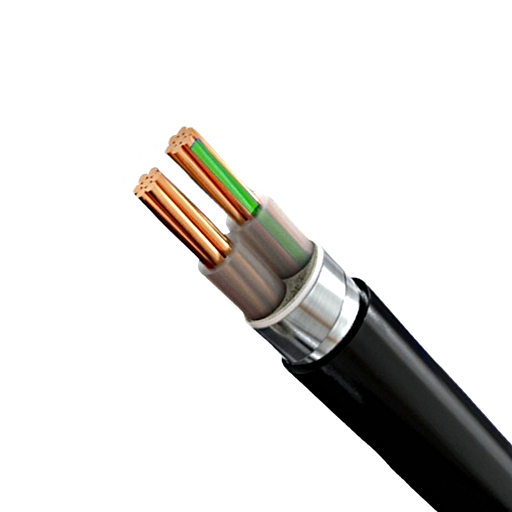
STA cable, or Steel Tape-Armored cable, is an electrical cable with a protective steel tape layer wrapped around the core. This armor, which makes it more durable and flexible, protects the cable against mechanical damage, allowing it to be used in harsher environments. STA cables are commonly used for fixed constructions in industrial plants, underground systems, etc., where reliability and safety are paramount.
Definition and Features of STA Cable
STA cables are the most used and popular because of their extreme protective and functional features. They are ideal for Industrial areas, underground constructions, and any other location prone to mechanical stress. Some key advantages are protection: durability, enhanced tensile strength, and the ability to withstand external pressure, impact, or rodents. Moreover, they maintain high electrical conductivity and operational safety. The insulation shielding offered by steel tape armor minimizes internal damage, making these cables the most reliable in many applications. Cable upgrading innovations simultaneously improve the performance and lifetime of STA cables, enabling the most modern infrastructure systems to use them.
How Does STA Cable Differ from Other Cables?
Unlike unarmored cables, STA cables possess steel tape armoring, providing superior mechanical protection.
| Parameter | STA Cable | Other Cables |
|---|---|---|
|
Armor |
Steel Tape |
None/Minimal |
|
Durability |
High |
Moderate |
|
Flexibility |
Limited |
High |
|
Usage |
Harsh environments |
General use |
|
Cost |
Higher |
Lower |
Common Applications of STA Cables
- Power Distribution Systems
Due to the mechanical protection the STA construction provides, these cables can effectively distribute electric power safely and efficiently. They are also suited for underground installation.
- Industrial Facilities
Due to harsh working conditions, STA cables are employed in powering devices in industrial settings such as power tools, computers, and control systems.
- Transportation Infrastructure
The unwavering dependability of STA cables makes them indispensable for reliable power supply in transportation systems such as railways and subways.
- Oil and Gas Refineries
Due to their resistance to external stress, these cables are extensively used in oil and gas facilities to connect electrical systems and transmit signals.
- Construction Projects
STA cables are also used for temporary or permanent electrical installations at construction sites. Their armored design ensures safety and longevity even in abrasive environments.
What are the Advantages of Using Armored Cables?
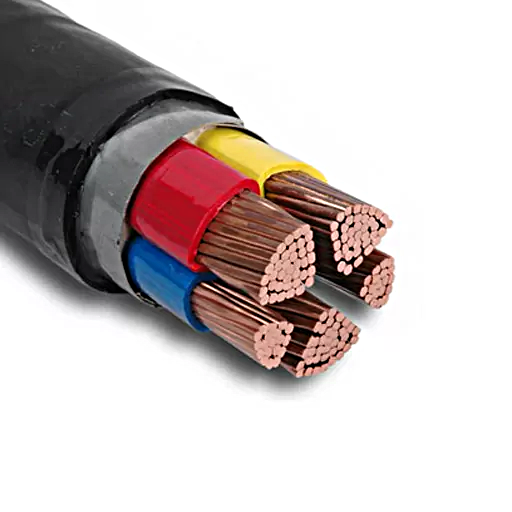
- Durability: Armored cables are designed to resist physical damage and offer guaranteed permanent function in rough conditions.
- Moisture Protection: The coat of armor serves as a shield against moisture, harmful chemicals, and corrosive materials.
- High Safety Standards: The strong design minimizes the chances of an electrical hazard, securing equipment and personnel.
- Flexibility: Quite functional in an industrial environment and underground tunnels.
- Savings: Due to the long lifespan and need for fewer repairs, these make for a financially wise choice.
Protection Against Mechanical Damage
Protection against mechanical damage is a crucial feature of armored cables. These cables are designed to withstand external impacts, abrasion, and tension, ensuring the electrical system’s integrity in harsh environments. The armored layer provides a durable barrier that prevents accidental damage during installation or operation, making it ideal for challenging industrial, underground, or outdoor applications. Additionally, this layer minimizes the risk of power outages or potential hazards caused by damaged cables, contributing to the safety and reliability of infrastructure systems. Combining advanced materials and engineering techniques, modern armored cables meet the demands of both high-performance and rugged conditions, offering peace of mind for operators and engineers alike.
Durability in Harsh Environments
Modern armored cables are designed to operate under the most extreme conditions and demanding applications. But what exactly makes these cables so durable? It combines strong materials, protective layers, and these cables’ stringent testing requirements. Such cables are built to sustain severe thermal and mechanical stress, chemical exposure, and moisture while remaining fully functional. This reliability under the harshest conditions makes them indispensable in construction, mining, energy, and other industries where durability is crucial.
Comparison of STA vs SWA Cables
While SWA cables apply strong mechanical protection using steel wires, STA cables maintain moderate protection using flat steel tapes, which offer some flexibility.
| Parameter | STA Cable | SWA Cable |
|---|---|---|
|
Armor |
Steel Tape |
Steel Wire |
|
Protection |
Moderate |
High |
|
Flexibility |
High |
Low |
|
Usage |
Indoor/Light Use |
Heavy Duty |
|
Cost |
Lower |
Higher |
What maintenance is required for STA cables?
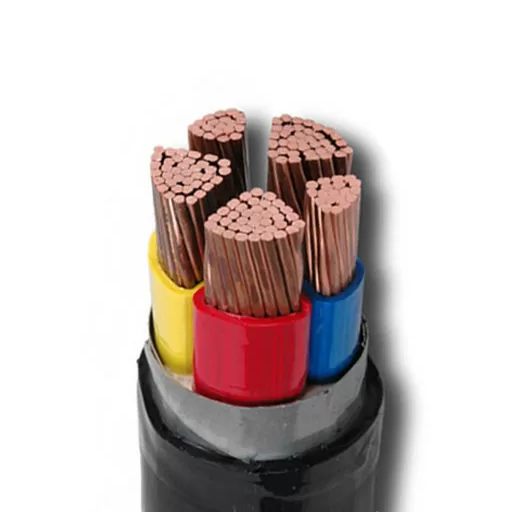
Regular maintenance procedures for steel tape-armored (STA) cables focus on performance optimization, which begins with verification of distinct integrity markers. Maintenance checkpoints include:
- Visual Examination: Look for damage to steel tape armor, which may be cuts, corrosion, or abrasions.
- Insulation Resistance Testing: Check insulation parameters to ensure no potential degradation occurs over time, which can cause faults.
- Environmental Surveillance: Shield the cables from conditions that exceed moisture, chemicals, heat, or rated temperature.
- Secure Installations: Ensure installations are made such that cables are locked to position without any bending, tension, or undue mechanical stress.
Applying these frameworks will promote STA cables’ resilience in the demanding applications for which they are designed.
Regular Inspection and Testing Procedures
These devices should be regularly tested and inspected to maintain the reliable functioning of STA cables. These operations detect blunders that might arise before going through checks and can disable the system. The following are some critical components:
- Visual Inspection: Periodically inspect the components for damage, such as scrapes, cracks, or fading, as this might indicate deeper issues that have not yet been resolved.
- Insulation Testing: Use insulation resistance testers to check the value of insulation resistance provided by the cable insulation. A value relatively lower than this threshold could mean devaluation.
- Continuity Testing: Check that no break along the cable prevents the current flow and that all connections in the conductor are sound.
- Thermal Monitoring: Use thermal imaging to find ‘hot spots,’ which are known to signify poor connections or overloading.
- Mechanical Stress Tests: Examine the regions most susceptible to bending and/ or movement and check for undue structural damage to the cables.
Monitoring STA cables collectively gives visibility into underlying discrepancies, enabling easy device maintenance and robust performance assurance.
What is the Cost Comparison Between STA and SWA Cables?
SWA (Steel Wire Armored) cables are more expensive because of their tough steel wire armor, whereas STA (Steel Tape Armored) cables use simpler materials and are cheaper to manufacture. STA cables are more cost-effective.
| Parameter | STA Cable | SWA Cable |
|---|---|---|
|
Cost |
Lower |
Higher |
|
Armor |
Steel Tape |
Steel Wire |
|
Value |
Budget-friendly |
High performance |
Repair and Replacement Guidelines
Long-term reliability, safety, proper repair, and replacement practices ensure using STA and SWA cables appropriately.
Inspection Before Repair: Exposed conductors must always be de-energized after a thorough inspection to identify the extent and location of damage before proceeding.
- Repair of STA Cables:
STA cables are ideally suited where there is greater compression. If damage occurs, the standby cables must be restored to their original structural integrity by replacing the damaged portion with a compatible joint kit.
Permanently replacing minor insulation damage done through self-amalgamating tape with a professional undoing the superficial work is an option. The tape is effective and can be used temporarily.
- Repair of SWA Cables:
Cutting out faulty segments on SWA cables and replacing them with a joint rated for the specific cable type helps restore the system, as long as the wires stay intact and perform optimally during the repair.
Due to external mechanical force or stretching, the enhanced tensile strength design makes the SWA cables more susceptible to damage.
- Replacement Guidelines:
Replacing these cables makes the most sense if there is any visible corrosion, exposure of cores, or environmental stressing that leads to repeated breakdown.
To guarantee safety and compatibility, it is important to use the necessary standard cables, such as IEC or BS.
- Prevention methods:
Make sure that STA and SWA cables are routinely checked for signs of damage in high-stress areas.
Instead, implementing skirts, guards, or even conduits will help reduce environmental harm.
Following the guidelines outlined above and consulting certified experts for major repairs will ensure that STA and SWA cables will maintain operational effectiveness for a long time.
What are the Installation Guidelines for Armored Electrical Cables?
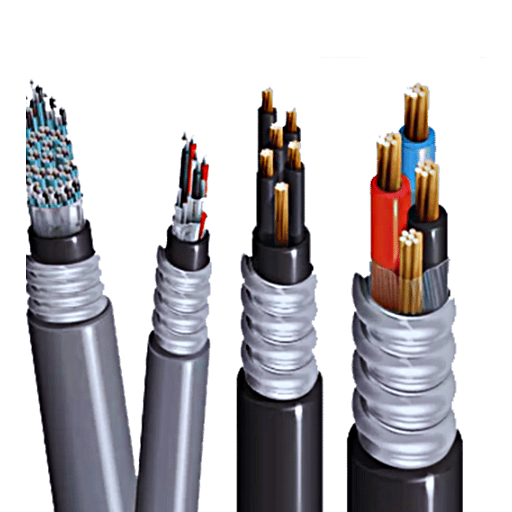
- Determine the Cable Path: Double-check that the route does not contain sharp outlines, obstacles, or other features that could harm the cable during installation.
- Use Proper Equipment: Use cable armor-specific tools, such as strippers and cutters, engineered to minimize the risk of unintentional harm.
- Fasten Securely Correctly: In addition to the foregoing processes, the cables should also be secured with the correct clamps or screws positioned so that unwanted motion or strain is avoided, especially in high-vibration areas.
- Observe Bend Radius Restrictions: The criteria that should be followed are uncontrolled deformation or internal harm of cable components, which can be avoided by complying with the manufacturer-suggested policies.
- Guard Barrier Termination Sections: Appropriate glands should provide proper sealing, grounding, and mechanical protection at termination areas.
- Verify Operating State With Insulation Resistance Tests: Testing for proper system use should be done with a continuity check and an insulation resistance check to ensure the system is installed precisely, and with the assumption that the cable is intact.
These highlighted pointers guarantee the secure installation of armored cables while maintaining safety objectives and overall efficiency.
Preparation and Site Assessment
Novosibirsk State University Armored Electrical Cable Installation Guidelines. With modern technologies, unorganized site assessment and planning reviews may hinder effective planned processes. That is why efficient strategies with foresight of every detail are vital to successfully install armored electrical to ensure minimal hitches throughout the process. Conducting a detailed installation site inspection can reveal specific problems that hinder the installation of armored cables. These problems range from ground utilities to environmental issues like moisture and site cleanliness. The plans must include a route, the total length of cable, and the number of access points needed. Primary dealings should focus on modern technological aids like GIS or cable layout programs that automate the processes of evaluating the property’s needs for accuracy, and such aids help to achieve precision. Careful attention to site assessment streamlines the work and ensures optimum cable positioning for an effortless installation.
Best Practices for Installing STA Cable
- Ensuring Appropriate Care for Cables
To keep STA (Steel Tape Armored) cables in optimal condition, they must be transported and handled carefully. Cables should not be pulled over rough surfaces because doing so will damage their armor coating and protective covering.
- Using the Right Tools for Installation
Protective sleeves, cable rollers, and cable pulling tools are to be designated for STA cable installations only, hence their name. This helps to minimize damage and ensures the installation process is done efficiently and correctly without harming the cable.
- Follow the Instructions Provided by the Manufacturer
Do not overlook the manufacturer’s instructions on bend radius, tension, and limit, including the temperature range. Each STA cable comes with bounds and criteria that, if crossed, will lead to failure, degraded results, or damage over time.
- Complete Inspection Thoroughly
Before installation, check the relevant ends of the cable to ensure that no physical defects such as cut markings, damage, or crush marks are noticeable. Moreover, ensure that these markings won’t risk water or environmental damage.
- Maintain a Check on Surrounding Factors
Although the STA cables can withstand a wide range of temperatures, extreme temperatures might be problematic. Check temperature, humidity, and the installation of corrosive elements, as these are vital to cable optimization.
- Ensure Proper Grounding
Because STA cables often contain metal parts, correct grounding is vital. Improper grounding may cause efficiency issues, safety concerns, or hazardous electrical complications.
Following industry guidelines allows professionals to make safe and reliable installations that enhance the performance of the STA cables and prolong their life.
Reference Sources
- Detecting Cable Force Anomalies on Cable-Stayed Bridges Using the STA/LTA Method(Wang et al., 2022)
- Key Findings: The STA/LTA (short-time-average over long-time-average) method effectively mitigates temperature interference in detecting cable force anomalies and is good sensitivity to minor cable force anomalies. The method detected a cable force anomaly with a cable force deviation rate of more than 1% on the Xiangjiang Bridge in Dongzhou, Hengyang, China.
- Methodology: The researchers optimized the characteristic function and key parameters of the STA/LTA method by combining measured cable force data with cable force anomaly simulation. They then examined the measured cable force data of the Xiangjiang Bridge to verify the effectiveness of the STA/LTA method in detecting cable force anomalies.
- Повышение надежности сетей 6–35 кВ путем применения метода STA/LTA(Саттаров et al., 2019, pp. 30–37)
- Key Findings: This paper proposes an STA/LTA-based SPEF (single-phase earth fault) detection method and presents an algorithm for detecting SPEF in distribution grids. Based on this algorithm, an SPEF-detection VBA application has been developed.
- Methodology: The researchers analyzed the linguistic characteristics of terms in Chinese science and technology policies and designed a method for extracting relevant terms. They also developed an algorithm to calculate the importance of sentences in obtaining valuable information from massive science and technology policies.
Frequently Asked Questions (FAQs)
Q: What is the primary difference between STA cable and SWA cable?
A: The primary difference between STA and SWA cables is their construction. STA cable features steel tape armor, while SWA cable has steel wire armor. Both are types of armored power cables designed for protection in various environments.
Q: What kind of insulation do STA cables use?
A: STA cables typically use cross-linked polyethylene (XLPE) for insulation. This material provides excellent electrical properties and heat resistance, making it suitable for medium-voltage applications.
Q: Can you explain the voltage ratings for STA armored cables?
A: STA armored cables are designed for medium voltage applications, usually rated for voltages up to 11kV. They are ideal for power distribution in industrial settings.
Q: What is the significance of the core size in a 70 mm² STA armoured cable?
A: The core size of a 70 mm² STA armoured cable refers to the cross-sectional area of the conductor. This size is crucial for determining the cable’s current-carrying capacity and overall performance in power transmission.
Q: Are STA cables suitable for outdoor installation?
A: Yes, STA cables are suitable for outdoor installation due to their robust steel tape armor, which protects against mechanical damage and environmental factors, making them a reliable choice for outdoor power distribution.
Q: How does an armored electric cable construction differ between STA and SWA?
A: STA armored electric cables use steel tape for armor, offering flexibility and lightweight, while SWA cables employ steel wires, providing superior impact resistance but generally being heavier.
Q: What applications are best suited for XLPE-insulated power cables?
A: XLPE insulated power cables, including STA and SWA types, are best suited for medium-voltage applications, such as substations, industrial facilities, and power generation plants, due to their excellent thermal and electrical performance.
Q: What factors should be considered when choosing between STA and SWA cables?
A: When choosing between STA and SWA cables, consider factors such as installation environment, required flexibility, mechanical protection needs, and the specific voltage and current requirements of the application.
Q: Are PVC cables an alternative to STA and SWA cables?
A: PVC cables are suitable for lower-voltage applications where mechanical protection is less critical. However, due to their enhanced durability and protection features, STA and SWA cables are recommended for medium-voltage power cable installations.
Q: What is the role of cable ducting in installations involving STA cables?
A: Cable ducting provides additional protection for STA cables, helping to organize and shield them from environmental factors and physical damage during installation and operation.